By Mirror & Glow Editorial Desk – November 23, 2026
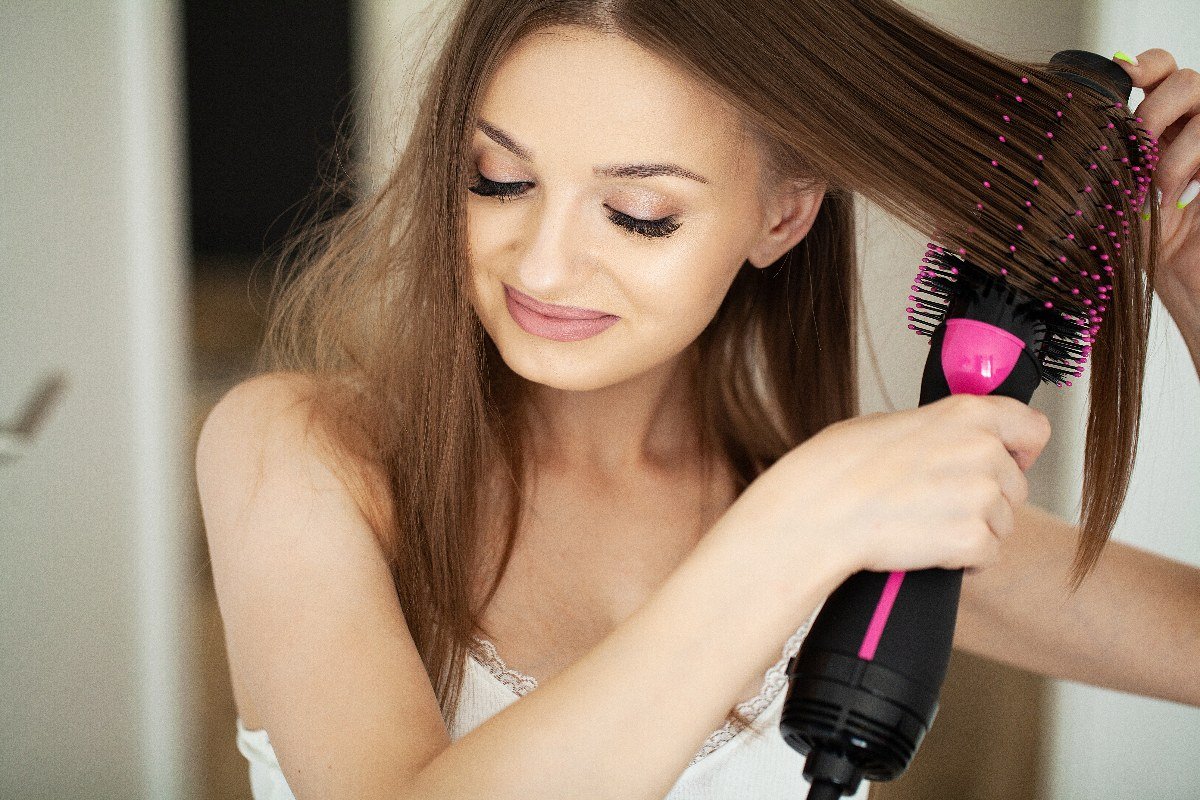
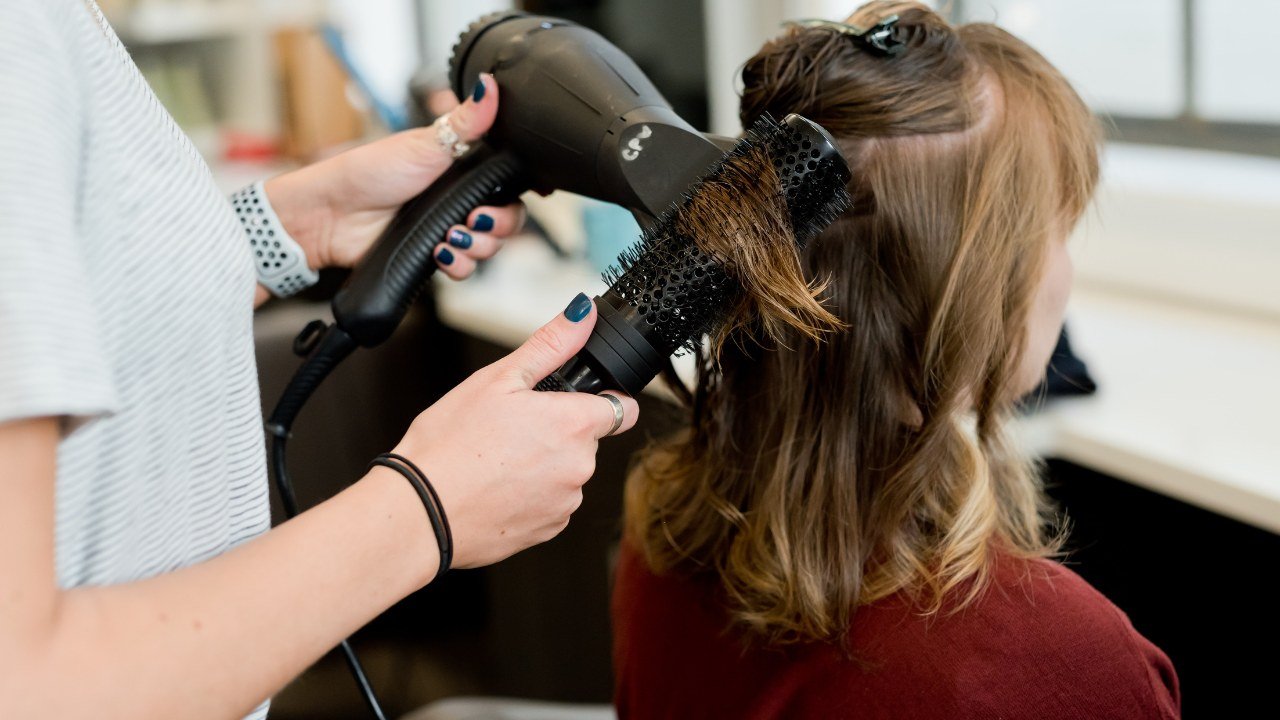
Woman styling her hair with a round hot air brush.
Affiliate disclosure: Mirror & Glow may earn a commission from qualifying purchases made through links on this page, at no extra cost to you. Full disclosure.
The verdict up front: start with Drybar The Half Shot Small Blow-Dryer Brush, the strongest all round match in this line up for fine hair. Every pick is compared in the table below, then reviewed in full with its downsides as well as its strengths.
If you are looking for the best hot air brush for fine hair, the right choice depends on fit, not hype. This guide is written for fine hair, and every criterion below is weighted for that need first. The short answer: choose the hot air brush whose formula, format and strength match your hair, check the ingredient or specification list before the marketing claims, and avoid the options whose downsides match the problem you are trying to solve.
What matters most in hot air brush is covered in depth below: what the product actually is, the types on sale and how they differ, the buying criteria explained one by one, how to use what you buy, and the mistakes that waste the most money in this category.
Best Hot Air Brush for Fine Hair Compared
Product
Standout Point
Key Specification
Drybar The Half Shot Small Blow-Dryer BrushTop Pick
Small 1.5 inch barrel creates real lift in fine hair
1.5 inch small round barrel – 3 heat and speed settings – ionic technology – designed for short and fine hair
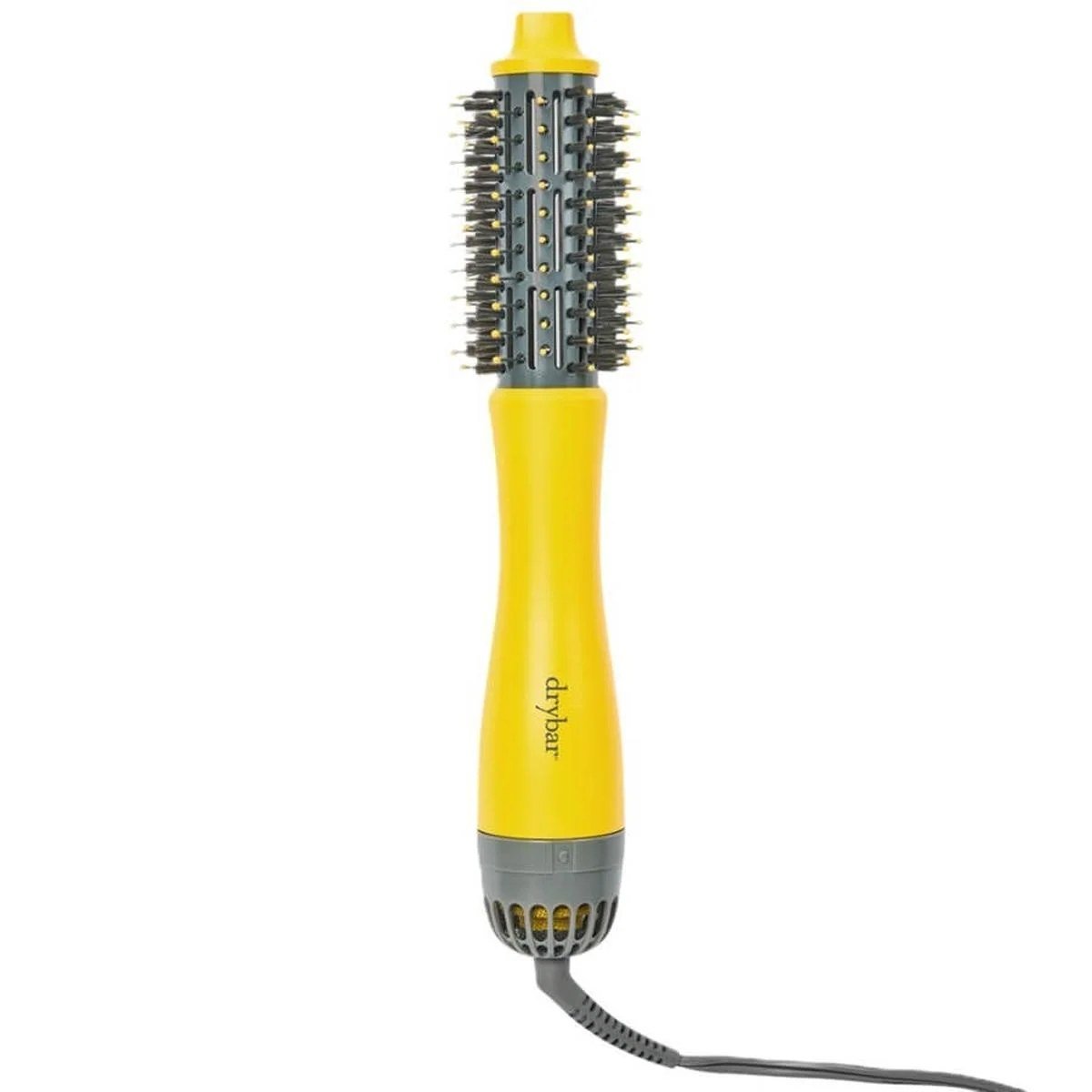
Fine hair fails with most hot air brushes for a simple physical reason: the barrels are too big and the heat is too blunt, so the hair either gets blasted flat or frazzled. The Half Shot is built against that problem, with a small 1.5 inch round barrel that can actually get into fine, short to medium hair, wrap a section, and create the root lift and bend that fine hair needs to look like it has body. Three heat and speed settings let the lowest combination do most of the work, which is where fine hair should live, and the ionic output keeps the static flyaway that plagues fine strands under control. In use it dries and styles in one pass from damp, and the small barrel doubles as a fringe and face framing tool. The compromises are capacity and price: the small barrel is slow on long or thick hair, which is not its brief but limits it as an only tool, and Drybar pricing is premium for what is mechanically a modest dryer brush. For fine hair specifically, though, it is the most purpose suited tool in this guide, and the one least likely to leave hair limp or damaged.
Specifications
1.5 inch small round barrel
3 heat and speed settings
ionic technology
designed for short and fine hair
Pros
Small 1.5 inch barrel creates real lift in fine hair
Low settings are gentle enough for fragile strands
Ionic output controls fine hair static
Cons
Slow on long or thick hair
Premium price for a modest specification
Too small to be a household’s only dryer brush
Who should buyyour hair is fine and short to medium, and lift is the whole problem
Who should skipyour hair is long or thick, where the full size brushes finish far faster
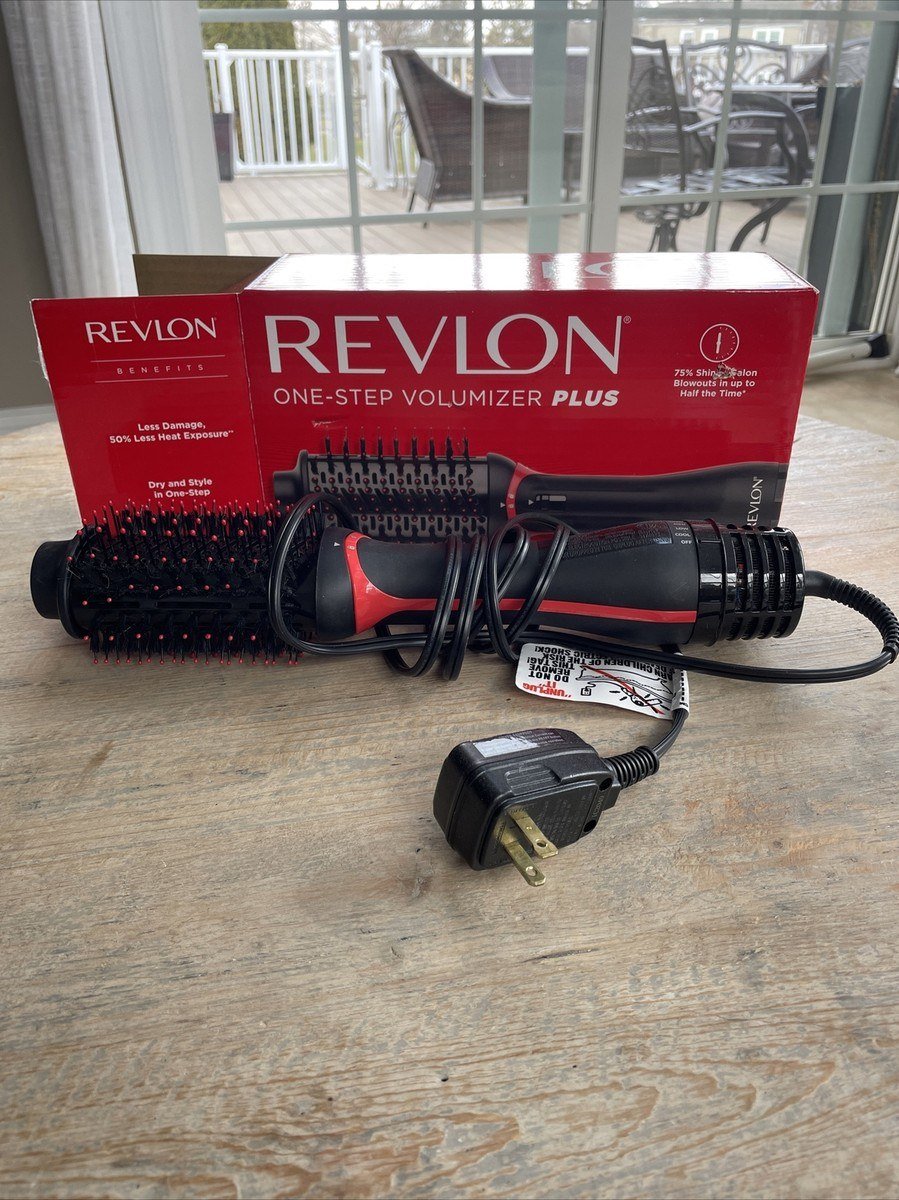
The Volumizer Plus 2.0 earns its place in a fine hair guide because of two changes from the original One-Step: a smaller 2.4 inch barrel that suits finer, shorter sections, and a proper low heat setting, which is the setting fine hair should actually use. The detachable head system also means the handle can take other Revlon heads, and the ceramic titanium tourmaline surface distributes heat more evenly than the first generation tool that built the category. Used on the low or medium setting from about eighty percent dry, it gives fine hair the smooth, lifted blowout the category promises, in about ten minutes. The honesty points are familiar: even the Plus is a powerful dryer at heart, so the high setting is too much for fine hair and should be treated as decorative; the barrel, while smaller, is still oval and bulky compared with the Drybar Half Shot for very short styles; and the motor is loud. None of that stops it being the best value route to a salon style blowout for fine hair at a mainstream price, which is why it anchors this guide. The Plus generation also improved the ownership details that annoyed original owners: the head detaches for packing and cleaning, the cord is less tangle prone, and replacement heads are sold separately when bristles tire.
Specifications
2.4 inch detachable oval barrel
4 heat settings including low
ceramic titanium tourmaline surface
smaller head options in the Plus system
Pros
Smaller barrel and a true low setting suit fine hair
Detachable heads extend the system
Best value blowout result in this guide
Cons
High setting is too harsh for fine hair
Still bulky for very short styles
Loud motor
Who should buyyou want the classic One-Step blowout with settings fine hair can use
Who should skipyour hair is very short, where the Half Shot’s small barrel works better
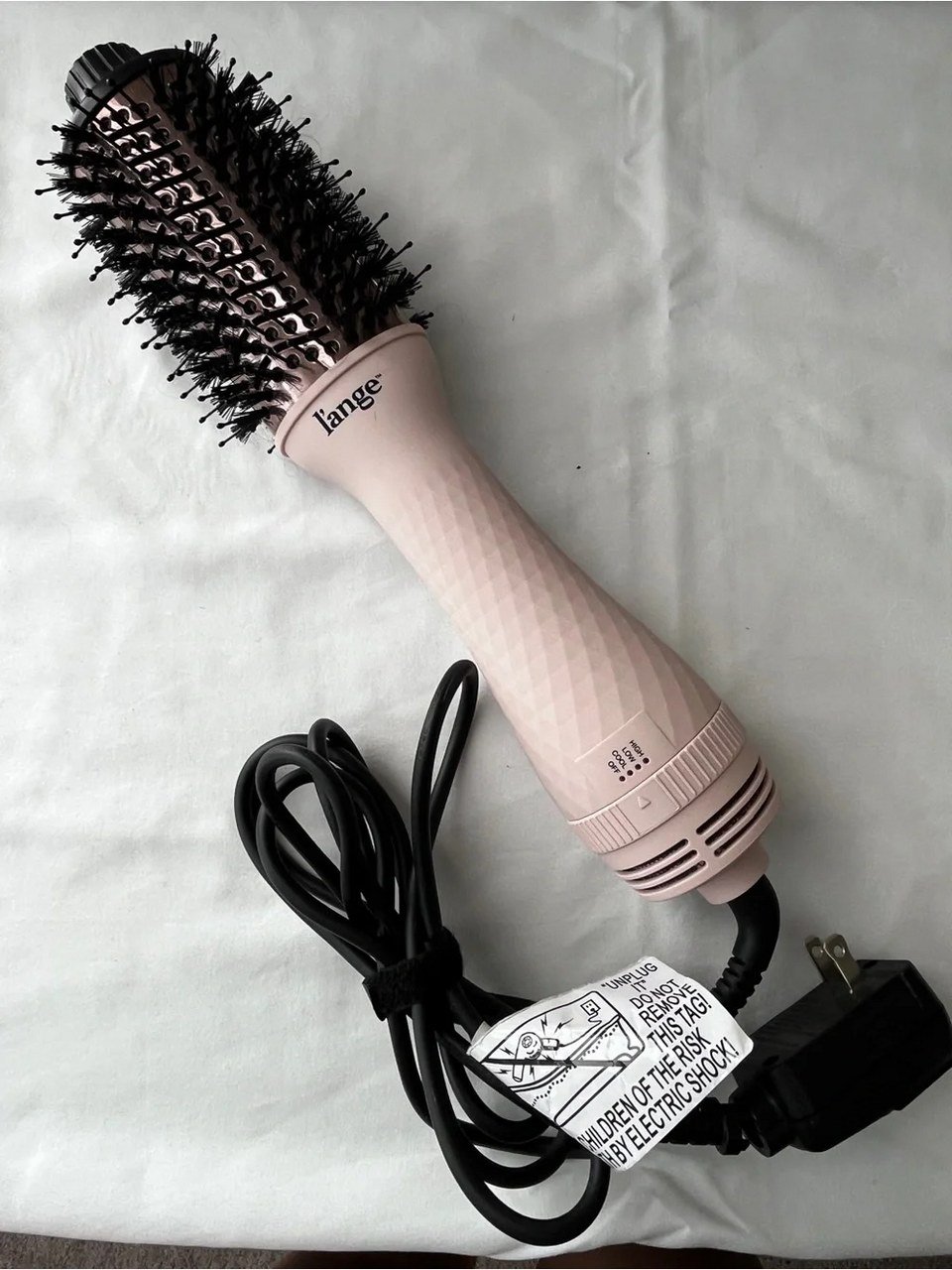
Le Volume’s 60mm version is the fine hair sized member of L’ange’s dryer brush range, and the sizing is the story: the smaller titanium oval suits fine to medium hair that the big 75mm barrels overwhelm, while the titanium barrel holds even heat so sections dry without hot spots. Three heat settings cover the gentle range fine hair needs, and the ionic output addresses the static that makes fine hair look wispy after drying. The shape gives a smooth finish with the ends tucked under, the classic blowout silhouette, and the tool is light enough for readers who struggle with heavy dryer brushes. The compromises: titanium barrels get hot at the surface, so the highest setting deserves respect on fragile hair; the brand’s constant promotions make the true price the sale price, never the list; and like all oval brushes it creates smoothness and volume rather than curl. For fine hair of medium length that wants a polished everyday blow dry without a separate dryer and brush routine, it is one of the most balanced picks here. The 60mm size has one more fine hair virtue worth naming: it is small enough to shape a fringe and face framing layers deliberately, where the big ovals simply blow them wherever the airflow points.
Specifications
60mm oval titanium barrel
3 heat settings
ionic technology
designed for fine to medium hair lengths
Pros
60mm barrel is sized for fine to medium hair
Titanium barrel heats evenly without hot spots
Light body is easy to handle
Cons
Titanium surface gets hot on the top setting
Real price is the perpetual sale price
Smooths and volumises but does not curl
Who should buyyour fine hair is medium length and you want an everyday polished blow dry
Who should skipyour hair is very short or very long, where smaller or larger barrels fit better
The AireBrush Duo is the control freak’s pick, and fine hair rewards control: five heat settings and three speeds make fifteen combinations, so the exact gentle airflow that dries fine hair without blowing it into straw is in there, and the lock in cool shot sets the bend once it is found. The interchangeable heads extend the value, a round brush for lift and volume and a paddle brush for smooth, straighter finishes, both using T3’s ion generator to keep fine hair from going static and flyaway. The build, noise level and finish are the premium standard expected at this price. The compromises are price and complexity: it is the most expensive tool in this guide, the head swapping is a small ritual some users will do once and never again, and the gentle top end means thick hair dries slowly, though that is outside this guide’s brief. For fine hair readers who style several times a week and have been disappointed by one setting dryer brushes, the Duo’s range is the difference between a tool that almost works and one that works exactly. T3’s two year warranty and the availability of replacement heads also soften the price over time, since the handle and motor, the expensive parts, are shared across every style the system can produce.
Specifications
Interchangeable round and paddle brush heads
5 heat and 3 speed settings
IonGen technology
lock in cool shot
Pros
Fifteen heat and speed combinations find fine hair’s exact setting
Round and paddle heads cover volume and smooth styles
Premium, quiet build with lock in cool shot
Cons
Most expensive tool in this guide
Head swapping is a ritual many will skip
Gentle output is slow on thick hair
Who should buyyou style fine hair often and need precise, gentle control
Who should skipyou want one simple setting and a mainstream price
Amika’s dryer brush brings the brand’s salon polish to the category: a tourmaline ceramic oval barrel, a mix of short and long bristles that grip fine hair without tangling it, and three heat and speed settings with a genuinely usable low. For fine hair the bristle design is the quiet strength, because fine strands slip out of coarse dryer brushes or knot around them; the amika holds a section just firmly enough to smooth it. The finish is the glossy, bouncy blowout the brand sells across its range, and the tool doubles well as a second day refresher on the lowest setting. The compromises: the barrel is a full size oval, so very short fine hair gets less wrap and lift than with the Half Shot; the price is premium mid range; and amika’s heat on high is properly hot, so fine hair should stay on low and medium. Readers with fine hair at medium to long lengths who want one tool for wash day styling and mid week refreshing will find it the most versatile full size option here. The 2.0 revision addressed the first version’s main complaints, improving the bristle durability and the handle ergonomics, so buyers should make sure a listing is genuinely the newer model before paying full price for it.
Specifications
Oval barrel with short and long bristle mix
3 heat and speed settings
ionic technology
tourmaline ceramic barrel
Pros
Bristle mix grips fine hair without tangling
Usable low setting for styling and refreshing
Glossy, bouncy salon finish
Cons
Full size barrel gives short hair less lift
High setting is too hot for fine hair
Premium mid range price
Who should buyyour fine hair is medium to long and you want one versatile tool
Who should skipyour hair is very short, where the small barrel picks work better
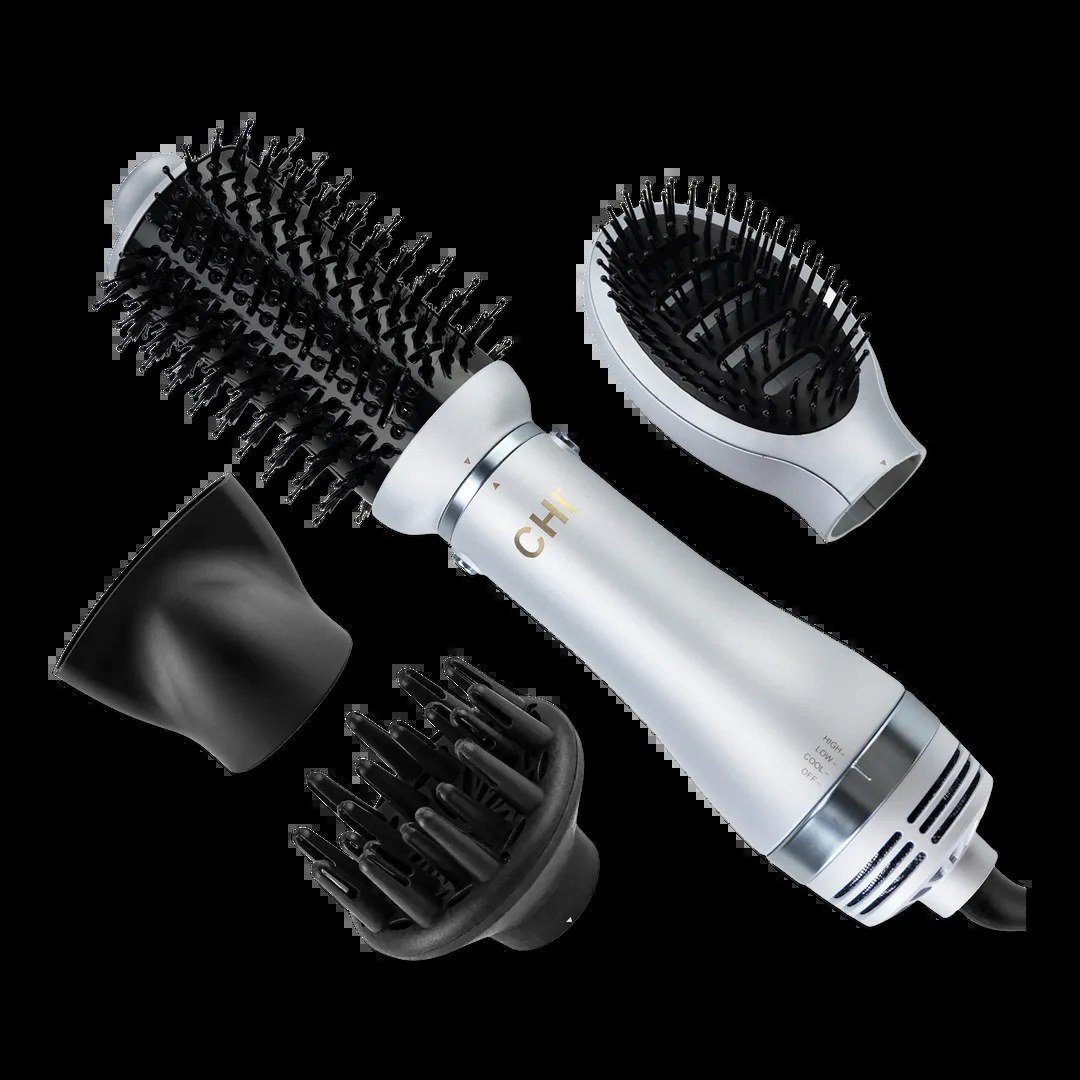
The CHI Volumizer takes the system approach furthest in this guide: one handle, four heads, including a round brush for styling, a paddle for smoothing, a concentrator nozzle and a diffuser. For fine hair the value is that the round brush head is sensibly sized and the ceramic, ion generating heat is even and controllable, so the same handle that styles on wash day can simply dry with the nozzle on a lazy day, replacing a separate dryer entirely. CHI’s ceramic heritage shows in a smooth finish with little static. The compromises are those of every system: the attachment mechanism adds a little flex and rattle compared with a fixed brush, the heads take storage space, the price approaches the T3 once the full kit is counted, and readers who only ever want the round brush are paying for heads that stay in the box. Judged as a fine hair styling brush alone it is good; judged as a whole drying system for a small bathroom or a traveller who packs one handle, it is one of the smartest buys here. CHI also sells the heads individually, so a worn round brush does not mean replacing the whole system, and the handle’s heat settings are shared sensibly across heads rather than needing relearning for each one.
Specifications
Interchangeable system with round brush, paddle brush, nozzle and diffuser heads
ceramic technology with ion generator
multiple heat settings
Pros
Four heads replace a dryer and brush set
Ceramic ionic heat is even and gentle
Round brush head is well sized for fine hair
Cons
Attachment joints add flex versus fixed brushes
Heads need storage space
Full kit price nears the T3 Duo
Who should buyyou want one handle to dry, smooth and style fine hair
Who should skipyou only want a single fixed dryer brush with no attachments
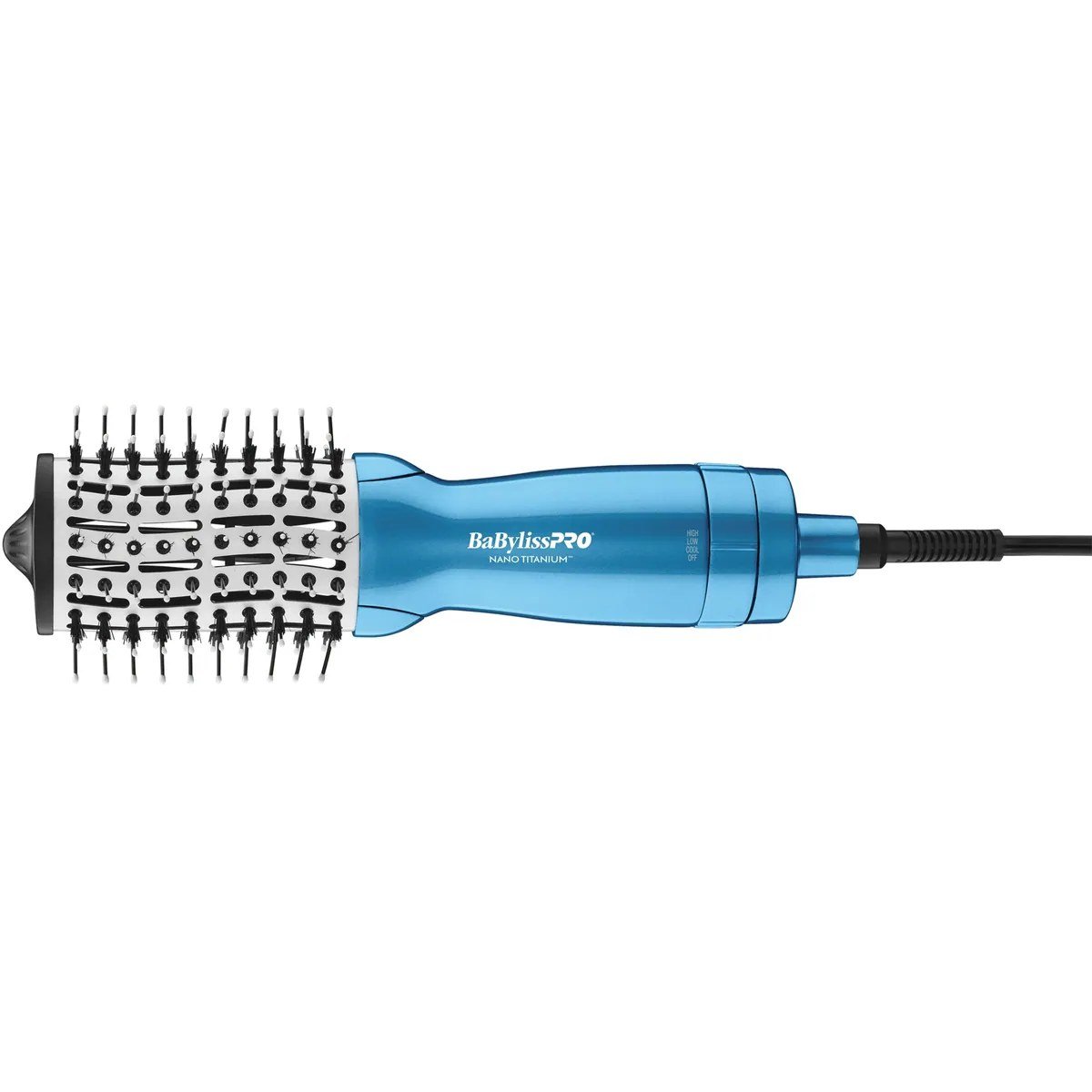
BaBylissPRO’s compact hot air brush is the travel and short hair specialist of this guide: a 2 inch nano titanium barrel in a short, light body with dual voltage, three settings including a cool option, and the even, reliable heat the Nano Titanium line is known for in salons. For fine hair the compact size is functional, not just portable: it wraps short to medium fine sections properly, gets close to the root for lift, and the cool setting lets a style be set without more heat on fragile strands. It is also the natural gym bag and carry on pick here. The compromises follow from the size: long hair takes many sections and a long time, the barrel offers less smoothing area than the oval brushes, and as a compact tool its motor is a dryer of modest power, so very wet hair should be rough dried first or towel dried well. Within its brief, fine, shorter hair at home or away, it is precisely engineered, and BaBylissPRO’s salon distribution means it is easy to find and replace. Its compactness has a styling benefit at home too: the short barrel is easier to angle at the back of the head and under layers, places where full size dryer brushes are clumsy on shorter hair.
Specifications
Compact 2 inch barrel
nano titanium technology
3 heat settings including cool
dual voltage travel design
Pros
Compact barrel wraps short, fine hair properly
Dual voltage and cool setting for travel and fragile hair
Salon grade nano titanium heat
Cons
Slow on long hair
Modest motor needs hair towel dried first
Less smoothing area than oval brushes
Who should buyyour fine hair is short to medium, or you need a travel dryer brush
Who should skipyour hair is long, where the full size ovals finish in half the time
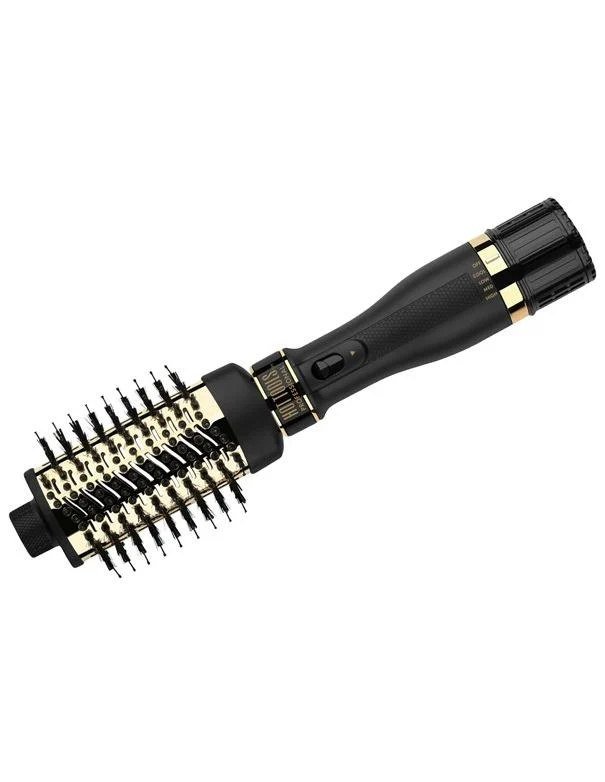
Hot Tools shrank its One-Step Volumizer for exactly the readers this guide serves: the small oval barrel suits short to medium and fine hair that the standard volumizers swamp, and the 24K gold surface, Hot Tools’ signature, spreads heat evenly across the barrel so fine sections dry without scorched patches. Charcoal infused bristles are positioned to absorb oils, which helps fine hair that looks greasy quickly, and the heat range includes the lower settings fine hair should use. The result is the familiar volumizer blowout, scaled down: root lift, smooth lengths, tucked ends. The compromises: small still means oval, so pixie short hair belongs to the Half Shot and the BaByliss compact; the gold surface story is partly brand theatre, since even heat matters more than the metal’s glamour; and Hot Tools’ mainstream build is solid rather than luxurious. On price against performance it is one of the strongest fine hair values here, particularly for readers whose hair is fine but not short, sitting in the gap the other small brushes miss. Hot Tools’ distribution is another practical plus: the small volumizer is stocked widely, replacement is painless, and its price drops regularly in seasonal sales, making patience worth real money on this pick.
Specifications
Small oval barrel for short to medium hair
24K gold surface technology
multiple heat settings
charcoal infused bristles
Pros
Small oval suits fine hair the standard volumizers swamp
Even gold surface heat avoids scorched patches
Charcoal bristles help fine hair that oils quickly
Cons
Still too big for pixie length hair
Gold surface is partly marketing
Mainstream rather than luxury build
Who should buyyour hair is fine and short to medium, and you want volumizer results
Who should skipyour hair is pixie short or very long
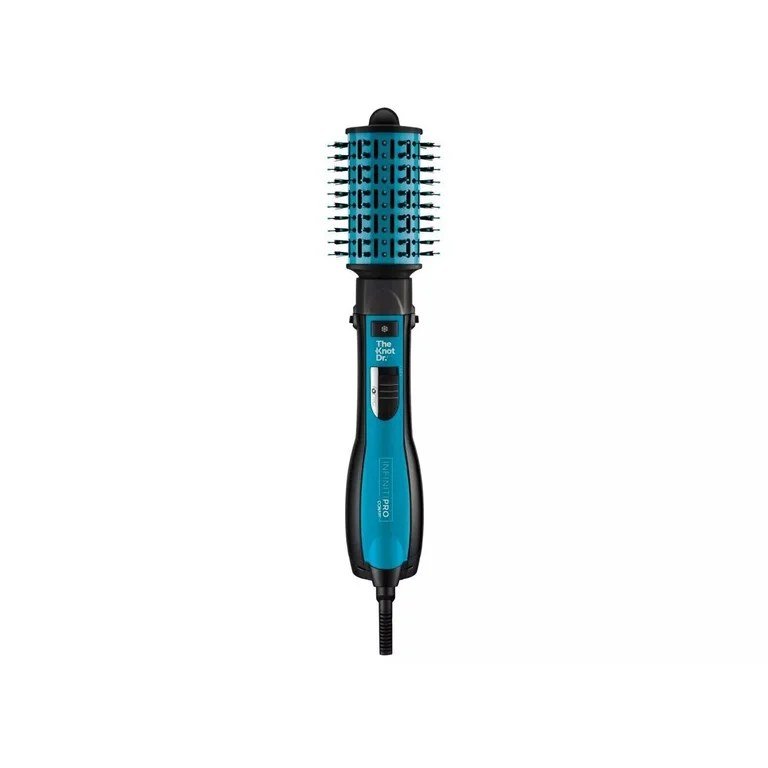
The Knot Dr. approaches fine hair from its other great weakness: tangling. Fine hair knots in the shower, knots in the towel, and knots around aggressive dryer brush bristles, and Conair’s flexible, pain free detangling bristles are designed to dry and smooth while working those knots out rather than ripping through them. Ionic output and three heat settings plus cool cover the gentle range, and the head removes for cleaning, which matters because fine hair sheds into brushes visibly. For readers whose styling sessions start with ten minutes of careful detangling, combining the steps is a real time and breakage saving. The compromises are styling power and finish: the flexible bristles give less tension than the amika or Revlon, so the blowout is softer and less sleek, root lift is modest, and the mainstream build and noise are Conair standard. It is the kindest tool in this guide and the least dramatic; for fine, tangle prone, breakage worried hair, kind is frequently the right choice, and the price makes it an easy one. Parents styling a child’s fine, tangle prone hair are a quiet audience for this brush as well, since the flexible bristles and moderate heat make the process calmer than a standard dryer and brush combination.
Specifications
Detangling dryer brush with flexible bristles
ionic technology
3 heat settings plus cool
removable head for cleaning
Pros
Flexible bristles detangle while drying, reducing breakage
Removable head is easy to clean
Gentle heat range with cool setting
Cons
Less tension means a softer, less sleek finish
Modest root lift
Mainstream build and noise
Who should buyyour fine hair tangles and breaks easily and kindness comes first
Who should skipyou want maximum sleekness and lift from your dryer brush
The Root Booster is the specialist finisher of this guide: a 1.5 inch round dryer brush built for the root lift and fringe work that fine hair lives or dies by. Where the oval volumizers smooth lengths, this small round barrel gets under the root, dries it in the lifted direction, and puts bend into fringes, face framing layers and short crops, all the places fine hair falls flat first. Ionic ceramic heat keeps the finish smooth, and the three settings include the low end fine hair needs. Used alongside a main dryer it is a small extra purchase that fixes the specific complaint fine hair readers actually have. The compromises are scope: it is not a full head dryer for long hair, where it would take forever, the round barrel can tangle if sections are wrapped carelessly, and it duplicates a function the Half Shot covers in a more premium form. As a targeted second tool, or the main tool for genuinely short fine hair, it is cheap, effective and honest about its niche. It also earns its keep on non wash days, reviving flattened roots on dry hair with a brief warm pass, which extends a blowout by a day and saves fine hair a full extra wash and style cycle.
Specifications
1.5 inch round barrel
ionic ceramic technology
3 heat and speed settings
root focused volumising design
Pros
Small round barrel lifts roots where fine hair falls flat
Ideal for fringes, layers and short crops
Inexpensive as a targeted second tool
Cons
Not a full head dryer for long hair
Round barrel can tangle if wrapped carelessly
Overlaps the Half Shot’s role at a lower finish
Who should buyyour fine hair is short and root lift and fringe styling are the problem
Who should skipyour hair is long, where a full size dryer brush finishes the job
A hot air brush dries and styles in one step, blowing heated air through a round or paddle brush barrel to give a smooth, voluminous blowout finish. It replaces the dryer in one hand and a round brush in the other, which is its whole appeal.
Barrel size sets the result: large oval barrels for volume and smooth lengths, smaller round barrels for shorter hair and fringes. Coatings such as ceramic spread heat, and multiple heat settings plus a cool option decide how kind it is to fine hair. It works on damp, not dripping, hair, and its heat is lower than a flat iron’s, which is why the finish is bouncy rather than sleek flat.
How to Choose: the Criteria That Matter
Choosing a hair tool well means matching three things: the tool’s heat range to your hair’s tolerance, its size to your hair’s length and thickness, and its design to the style you actually wear most days. Read the temperature specification before the marketing, check the attachments your hair type needs are in the box, and be honest about session length, because a tool that takes forty minutes will be abandoned by February.
Temperature range and control, since fine hair needs genuinely low settings and coarse hair needs sustained heat
Temperature range is a safety specification, not a power boast. Fine, bleached and damaged hair needs a tool that genuinely works at low heat; coarse, resistant hair needs heat that holds under load. A wide, controllable range serves both.
Plate, barrel or airflow design matched to your hair texture and the style you want
The working surface must match the hair: plate width and float for irons, barrel diameter for curlers, airflow and attachments for dryers. A mismatch here cannot be fixed by technique, so it is the first thing to check.
Heat protection technology such as sensors, even heat plates or controlled airflow
Even heat is what separates a good tool from a damaging one. Sensors, quality plates and controlled airflow exist to remove hot spots, the places that scorch one section while the next stays damp.
Size and weight for your hair length and for how long styling sessions last
A tool that is heavy or oversized for your hair length will be used badly and then not used at all. Short hair needs narrow plates and small barrels; long, thick hair needs the opposite, plus a motor or element that keeps up.
Attachments included, such as diffusers for curls or concentrators for smooth blowouts
Attachments are part of the product: a diffuser decides whether a dryer serves curly hair at all, and a concentrator decides the smoothness of a blowout. Price the tool with the attachments your hair needs included.
Also Considered
These products were researched for this guide and left off the picks list for the reasons given. They are not poor products; they simply fit the exact question of this guide less well.
ghd Duet Blowdry
A premium wet to dry styler with excellent manners, left off because its barrel and price are aimed at medium to thick hair, and fine hair is better served by the smaller barrels in the picks.
Dyson Airstrait Straightener
Not a brush at all, but fine hair readers cross shop it; it is the right tool for straight finishes and the wrong one for the lifted blowout this guide is about.
Revlon One-Step Hair Dryer and Styler Paddle
The paddle format smooths fine hair well, but it cannot create the root lift and bend that decide this guide, so the round and oval brushes took the places.
How to Use What You Buy
Start with clean, fully detangled hair and apply heat protectant evenly
Dry hair completely before using irons, unless the tool is designed for wet to dry use
Work in small sections, no wider than the plate or barrel
Use the lowest temperature that achieves the style in one or two passes
Let each section cool in shape before touching it, which is what sets the style
Technique is half the tool. Hair should be detangled, protected and, for irons, completely dry before styling starts. Work in sections sized to the tool, use the lowest temperature that does the job in one or two passes, and let each section cool in shape before touching it. Those habits protect hair more than any single product feature, and they are free.
Start with towel dried, detangled hair and rough dry the roots first if the model allows, then work in sections from underneath, rolling the barrel to build tension and letting each section cool before moving on.
Who Should Buy, and Who Should Skip
Buy if your need matches this guide exactly: you are looking for options for fine hair, you have checked the criteria above against your current routine, and you are willing to introduce the product gradually and judge it over the period the category needs.
Skip if your concern is different from the one in the title, your skin or hair is currently irritated or damaged and needs recovery first, or a clinician has advised you on this concern, in which case their advice comes before any buying guide.
Common Mistakes in Hot Air Brush
Using maximum heat by default instead of the lowest effective setting
Passing the iron repeatedly over the same section
Styling damp hair with a flat iron, which boils water inside the hair shaft
Taking sections too large, which leaves the inside under styled and the outside over heated
Starting on soaking wet hair, which makes the tool slow, weak and damaging through sheer session length
Holding the barrel still in one section, concentrating heat instead of keeping it moving
Frequently Asked Questions
How do I choose the right hot air brush?
Start with the criteria in this guide: match the formula or specification to your hair type and the exact concern in the title, check the published ingredient or specification list, and pick the option whose downsides do not overlap with your problem. The type decision comes first: most disappointment in hot air brush is a good product bought in the wrong type.
How long before I see results from a hot air brush product?
It depends on the category, but most hair tools products need consistent use over several weeks before a fair judgement. Devices and treatments state their expected course in the manual or on the packaging, and that timeline is the one to follow. Judge on the category’s clock, not on the first week.
What should I avoid when buying for fine hair?
Avoid buying on claims alone: skip options with no published ingredient or specification list, strengths far beyond what your routine needs, and any product whose stated downsides match the exact issue you are trying to fix. Also avoid changing two other parts of your routine in the same week, which makes the new product impossible to judge.
Is the most expensive option always the best?
No. In hot air brush, price often reflects branding, packaging and extras rather than the core ingredient or specification doing the work. The criteria in this guide matter more than the price band, and mid priced options with the right specification beat premium options with the wrong one.
What is the most common mistake with hot air brush?
Starting on soaking wet hair, which makes the tool slow, weak and damaging through sheer session length A close second: holding the barrel still in one section, concentrating heat instead of keeping it moving
How does hot air brush fit into a daily routine?
Start with towel dried, detangled hair and rough dry the roots first if the model allows, then work in sections from underneath, rolling the barrel to build tension and letting each section cool before moving on. Technique is half the tool.
Can You Use a Hot Air Brush on a Synthetic Wig?
The companion how-to guide, Can You Use a Hot Air Brush on a Synthetic Wig, covers this in full: the step by step method, the right amounts and frequency for your type, and the mistakes that stop it working. It is linked from the routine sections of this page, and it is the right next read once you have chosen a product.
By Mirror & Glow Editorial Desk – November 23, 2026
The direct answer to can you use a hot air brush on a synthetic wig, with the background explained: a hot air brush dries and styles in one step. Step by step method, routine placement and FAQs.
By Mirror & Glow Editorial Desk – November 23, 2026
Can I Use a Hot Air Brush on Dry Hair? Start with towel dried, detangled hair and rough dry the roots first if the model allows. The full method, the mistakes to avoid, and where it fits in your routine.
By Mirror & Glow Editorial Desk – November 23, 2026
Can You Use Hot Air Brush on Dry Hair? Start with towel dried, detangled hair and rough dry the roots first if the model allows. The full method, the mistakes to avoid, and where it fits in your routine.