By Mirror & Glow Editorial Desk – November 23, 2026
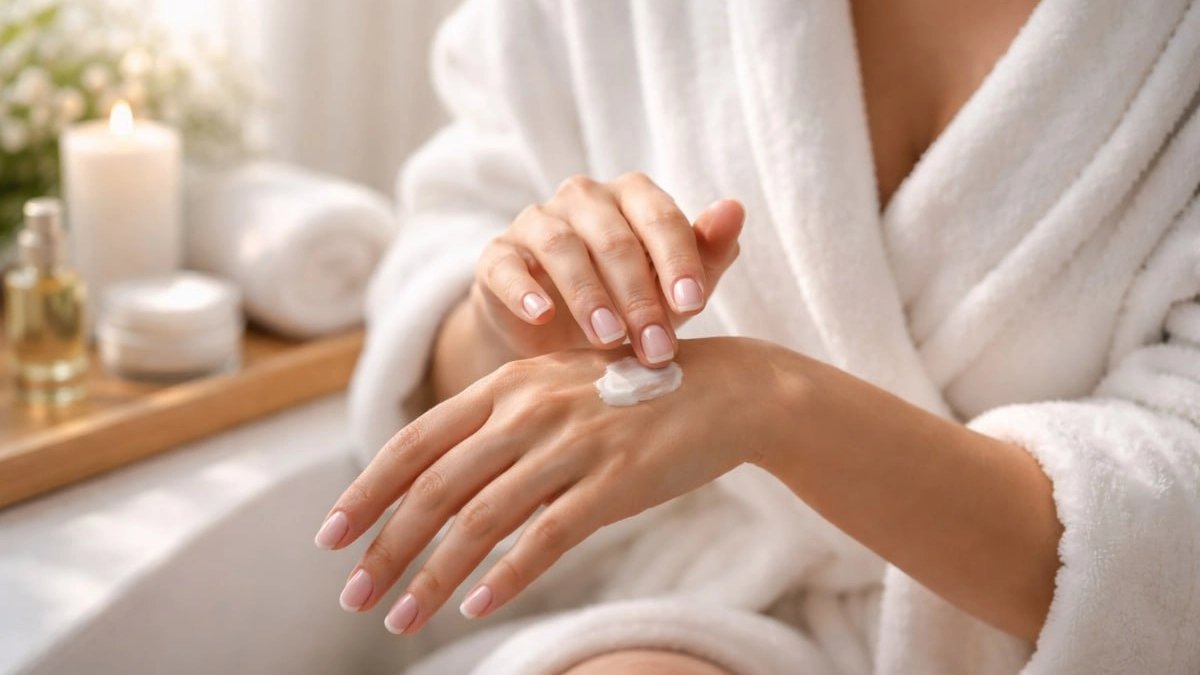
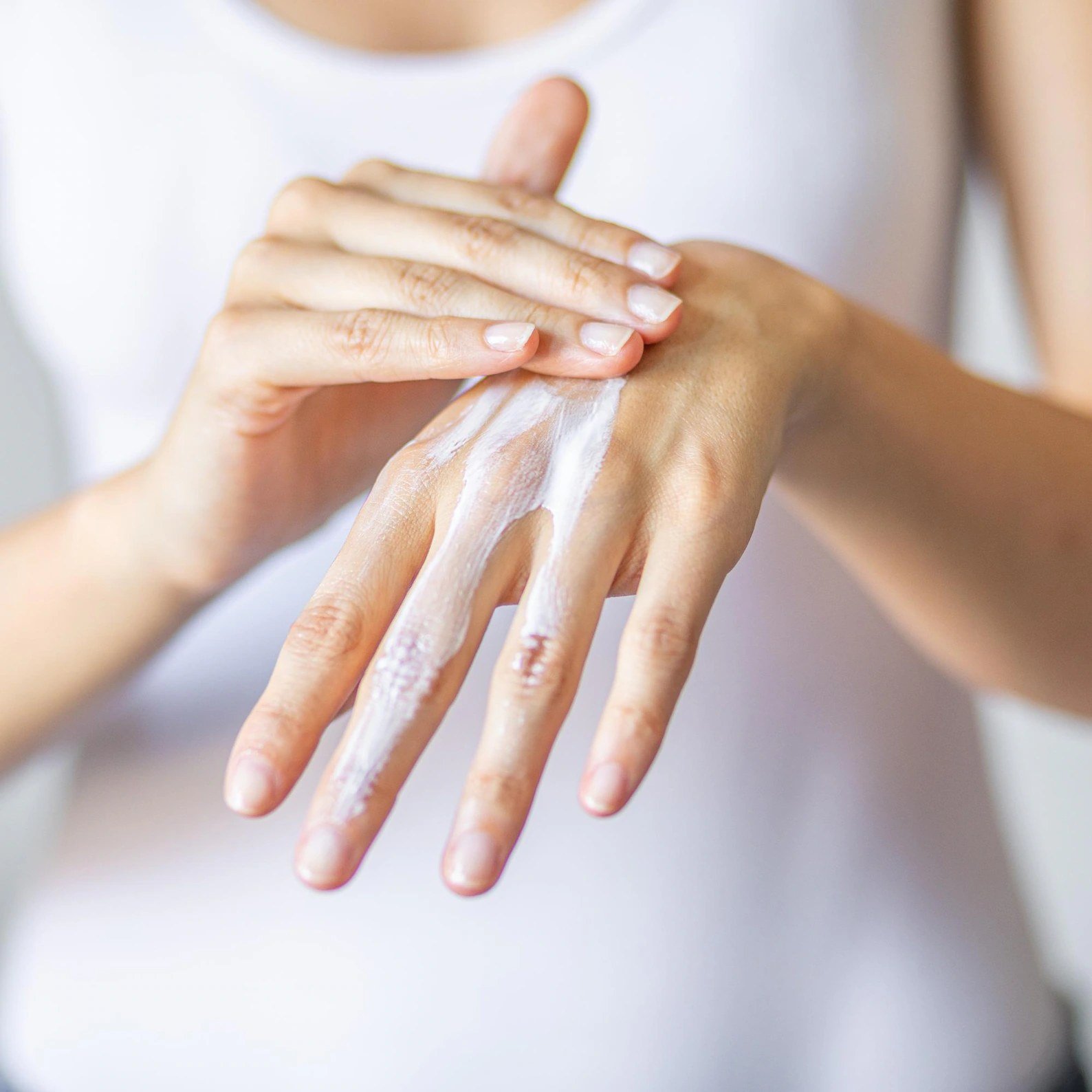
Older hands with age spots rubbing cream into the back of a hand.
Affiliate disclosure: Mirror & Glow may earn a commission from qualifying purchases made through links on this page, at no extra cost to you. Full disclosure.
The verdict up front: start with Gold Bond Age Renew Crepe Corrector Hand Cream, the strongest all round match in this line up for aging hands and dark spots. Every pick is compared in the table below, then reviewed in full with its downsides as well as its strengths.
If you are looking for the best hand cream for aging hands and dark spots, the right choice depends on fit, not hype. This guide is written for aging hands and dark spots, and every criterion below is weighted for that need first. The short answer: choose the hand cream whose formula, format and strength match your skin, check the ingredient or specification list before the marketing claims, and avoid the options whose downsides match the problem you are trying to solve.
What matters most in hand cream is covered in depth below: what the product actually is, the types on sale and how they differ, the buying criteria explained one by one, how to use what you buy, and the mistakes that waste the most money in this category.
Best Hand Cream for Aging Hands and Dark Spots Compared
Product
Standout Point
Key Specification
Gold Bond Age Renew Crepe Corrector Hand CreamTop Pick
Retinol complex aimed at crepey hand skin specifically
3 oz tube – retinol complex – seven moisturisers and three vitamins – for crepey, aging hands
Hands show age earlier than faces because they are washed, sunned and ignored, and this is the one mainstream hand cream formulated directly at that problem. Gold Bond’s Age Renew line is built on a retinol complex, and the Crepe Corrector hand cream applies it to the thin, crepey skin of the backs of the hands, supported by the seven moisturisers and three vitamins the brand prints on the tube. Retinol is the right headline ingredient for this brief: used nightly, it is the topical with the best evidence for improving the texture and firmness of photoaged skin over months, and it contributes to fading the look of age spots as surface renewal speeds up. The brand claims most users saw visible improvement in crepey skin within days, which should be read as the moisturiser effect; the retinol effect is the slower, real one underneath. The texture is a proper cream, richer than a lotion, and a pea sized amount covers both hands, so the 3 oz tube lasts well. Two disciplines come with it: retinol belongs in the evening routine, and hands treated with it need sunscreen in the day, which is why the Supergoop pick sits next to it in this guide. It is also fragranced in the line’s mild style. Choose it as the night treatment at the centre of an aging hands routine; nothing else at this price is formulated as specifically for the job.
Specifications
3 oz tube
retinol complex
seven moisturisers and three vitamins
for crepey, aging hands
Pros
Retinol complex aimed at crepey hand skin specifically
Drugstore price for a treatment grade formula
Small amount covers both hands, tube lasts
Cons
Retinol effect takes months, not the days on the pack
Evening use, with sunscreen needed by day
Mild fragrance may not suit everyone
Who should buythe backs of your hands look thin and crepey and you will use a night treatment consistently.
Who should skipyou want a single hand cream for day and night with no routine attached.
Every other product in this guide treats aging hands; this one prevents the main cause. The dark spots and much of the texture change on the backs of the hands are photoaging, accumulated through windscreens, walks and gardening in skin that almost nobody sunscreens. Handscreen is Supergoop’s answer, a broad spectrum SPF 40 formulated as a hand cream rather than a beach sunscreen, with sea buckthorn, argan and meadowfoam seed oils so it moisturises while it protects, and a texture that absorbs without the white cast or grease that would make reapplication unrealistic. The 1 fl oz tube is sized for a handbag or car door pocket, which is where hand sunscreen has to live to be used, and the brand sells larger sizes for the bathroom shelf. Used each morning and reapplied after hand washing when hands will be outdoors or driving, it is the single highest value habit in this guide for stopping new spots forming while the treatments fade old ones. It is not a night cream and carries no fading actives itself, so it partners rather than replaces the retinol and fade picks. The price per ounce is premium, the honest cost of a pleasant SPF formula. Choose Handscreen if you drive, walk or garden daily; it protects the investment every other product here represents.
Specifications
1 fl oz tube, larger sizes also sold
broad spectrum SPF 40
sea buckthorn, argan and meadowfoam oils
sunscreen made for hands
Pros
SPF 40 in a texture made for daily hand use
Moisturising oils, no white cast or greasy finish
Handbag sized tube encourages reapplication
Cons
Premium price per ounce
Prevention only, no fading actives
Needs reapplication after hand washing
Who should buyyour hands are in daylight daily, driving, walking or gardening.
Who should skipyou are rarely outdoors and want treatment only.
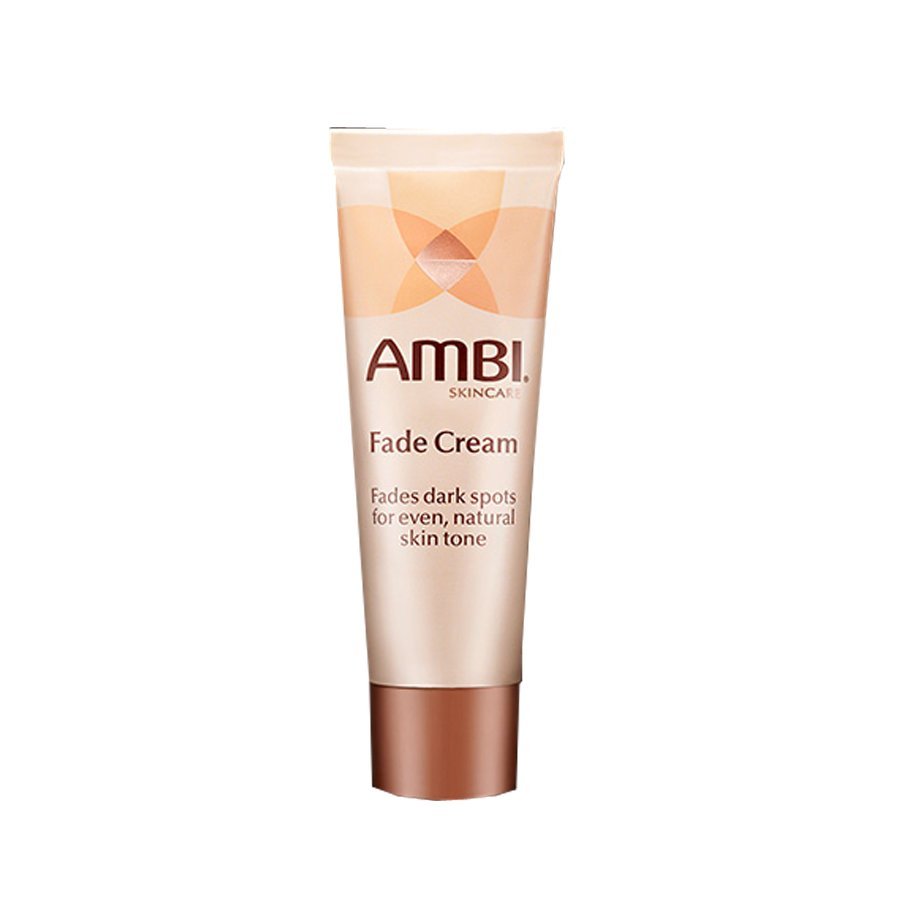
Age spots on the backs of the hands are the same post inflammatory and sun driven pigmentation Ambi has been bought for on faces for generations, and the small tube format suits hands perfectly: a pea sized amount dotted onto the spots themselves, twice a day, rather than a cream spread everywhere. The current US formula is niacinamide based, after the brand’s move away from hydroquinone, which makes it a gentle, slow brightener with a good tolerance record, usable long term without the supervision concerns that come with stronger agents. That gentleness defines both its appeal and its limit. On hand spots, expect gradual softening of contrast over two to three months of consistent use, with the spots lightening toward the surrounding tone rather than vanishing, and expect nothing at all without daytime sunscreen, since unprotected hands re pigment as fast as any cream can fade. The cream texture is richer than a lotion, so it doubles as a moisturising spot treatment on dry backs of hands, and the price is the lowest among the treatment picks. It is mildly fragranced. Ambi will not help crepey texture, which is the retinol pick’s territory, and it is not for moles or any spot that is new, changing or irregular, which need a doctor’s eyes. Choose it for defined, long standing age spots and a patient timeline.
Specifications
56 g tube
targeted fade cream
niacinamide based current formula
twice daily spot application
Pros
Purpose made fade cream in a spot treatment size
Gentle niacinamide formula for long term use
Lowest price among the treatment picks
Cons
Slow, gradual fading over months
Useless without daytime sun protection alongside
No effect on crepey texture
Who should buyyou have defined, long standing age spots and a patient timeline.
Who should skipany spot is new, changing, raised or irregular, which needs medical review.
Palmer’s Skin Success is the other heritage fade name, and its current anti dark spot formula states its headline clearly on the jar: 5% niacinamide, hydroquinone free, with vitamins C and E supporting the brightening work. That stated percentage is higher than many fade creams disclose, and the combination of niacinamide with vitamin C gives it two complementary pigment pathways, which is why it earns the second fade slot in this guide for the backs of the hands. The format is a jar of cream with the brand’s cocoa butter heritage in its feel, richer than the Ambi tube, so it suits hands that are dry as well as spotted, and the 75 g jar goes a long way used as a spot and back of hand treatment twice a day. The same rules govern it as every fade product: gradual lightening over eight to twelve weeks, sunscreen by day or the work is undone, and no application to broken skin or to any spot that looks medically suspicious. Palmer’s scent, warm and sweet, is present here as across the brand. Compared with Ambi, Skin Success is the stronger stated formula in the less precise format; readers who want to treat the whole back of the hand rather than dot individual spots will prefer it. Choose it if your hands are dry and spotted together, and you like a cream with some richness to it.
Specifications
75 g jar
5% niacinamide
vitamins C and E
hydroquinone free
Pros
Stated 5% niacinamide with vitamin C support
Richer cream suits dry, spotted hands
Jar lasts well as a twice daily treatment
Cons
Jar format is less precise for single spots
Warm Palmer’s scent will not suit everyone
Gradual results over two to three months
Who should buyyour hands are dry as well as spotted and you treat the whole back of the hand.
Who should skipyou want a precise, fragrance free spot treatment.
This is the hand cream against which all others are judged for pure moisturising pleasure, and it earns its place in an aging hands guide on a simple principle: dry, thin hand skin looks older than it is, and no treatment routine survives if the daily cream is unpleasant. L’Occitane’s formula is built on 20% shea butter, a concentration few rivals match, whipped into a cream that feels rich in the tube and absorbs far faster than it should, leaving hands cushioned but able to hold a phone within a minute. The brand says a tube sells every few seconds worldwide, and unusually for such claims, the product’s decades long bestseller status backs the story. For aging hands, its role is the daytime moisture layer: after washing, at the desk, before bed on nights off from retinol. It contains no fading or firming actives, and this guide will not invent any; what it does is keep the barrier comfortable so the treatment picks can work, and make skin look immediately smoother and less papery. The scent is a soft, clean, powdery one, widely liked but present. Price is premium for a moisturiser, though the 150 ml tube is the sensible format. Choose it as the daily driver of the routine, the cream that makes hands look better today while the treatments work on the months ahead.
Specifications
150 ml tube, 30 ml also sold
20% shea butter
the brand’s bestselling hand cream
rich, fast absorbing
Pros
20% shea butter, richer than most rivals
Absorbs fast for such a rich cream
Makes dry, papery hands look smoother at once
Cons
No fading or firming actives
Premium price for a moisturiser
Soft scent is present, not fragrance free
Who should buyyou want the best daily moisturising layer for dry, aging hands.
Who should skipyou want one cream that also fades spots.
Cicaplast Mains is the barrier specialist of this guide, La Roche-Posay’s hand version of its Cicaplast repair line, and its label states the formula plainly: 4% niacinamide and 30% glycerin. That glycerin load is the story, a humectant concentration that pulls serious water into dry, cracked hand skin, while the formula forms what the brand calls an anti friction barrier, a protective film that resists washing and friction so the repair is not undone by the next sink of dishes. For aging hands, that matters twice: thin skin loses its barrier faster, and the niacinamide contributes a gentle brightening support alongside the fade treatments. The texture is a dense cream that feels almost like a balm for the first minute, then settles to a non greasy protective finish, and it is the pick hairdressers, nurses and cleaners reach for when hands are washed twenty times a day. It is fragrance free, sized at 50 ml for a handbag with a 100 ml tube for home. It will not fade established age spots at treatment pace, and it is not a beauty cream in feel. Choose Cicaplast when your hands are damaged, sore or constantly washed, and the first job is rebuilding the barrier so everything else in this guide can be tolerated.
Specifications
50 ml tube, 100 ml also sold
4% niacinamide
30% glycerin
anti friction barrier cream
Pros
30% glycerin with a wash resistant barrier film
4% niacinamide adds gentle tone support
Fragrance free, made for frequently washed hands
Cons
Dense, functional texture, not a pleasure cream
Barrier repair, not a spot fading treatment
Small tube at heavy use rates
Who should buyyour hands are sore, cracked or washed constantly through the day.
Who should skipyour hands are comfortable and spots are your only concern.
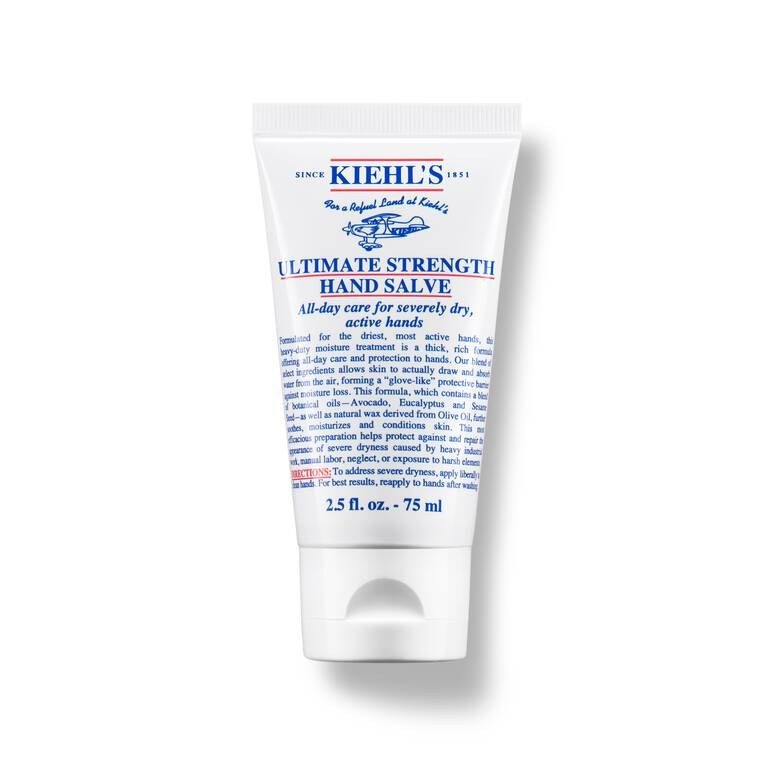
Kiehl’s salve is the heavy duty classic of the hand cream world, a formula sold since the brand’s apothecary days for what it calls severely dry, active hands. The base is squalane, the skin compatible emollient Kiehl’s uses across its range, with avocado oil and sesame seed oil, whipped into a thick salve that the brand describes as forming a glove like protective barrier. That glove metaphor is accurate in use: this is the richest texture in the guide, a cream you massage in and feel working under, made for hands that garden, build, climb or wash constantly, and for the winter months when aging skin cracks at the knuckles. It is unscented in character and entirely unisex, which is why it is the pick most often shared between partners. In an aging routine it plays the intensive moisture role, the overnight or after work treatment that keeps thin skin supple enough for retinol nights to be comfortable. It carries no brightening or firming actives, and its richness means a little discipline: apply less than you think, and give it two minutes before touching screens or paper. The 150 ml tube is the value format. Choose the salve if your hands are hard working and very dry; choose L’Occitane if you want richness with a lighter, more elegant finish.
Specifications
75 ml and 150 ml tubes
squalane with avocado and sesame seed oils
heavy duty salve for severely dry hands
unisex, unscented character
Pros
Thickest, most protective texture in the guide
Squalane and botanical oils, unscented and unisex
A little goes a long way, 150 ml is good value
Cons
Too rich for quick, frequent daytime application
No brightening or firming actives
Needs two minutes before touching screens
Who should buyyour hands are very dry, hard working and crack in winter.
Who should skipyou reapply hand cream hourly and need instant absorption.
Eucerin’s hand cream is the dermatological safe pair of hands in this guide, literally: a fragrance free formula built on ceramide 3 and natural moisturising factors, the same repair platform as the brand’s body creams, tuned into a 2.7 oz tube that absorbs faster than its richness promises. For aging hands, its value is tolerance. Thin, reactive skin that stings at fragranced or active heavy creams will usually accept this one, and a comfortable barrier is the precondition for every treatment in this guide. The texture sits in the useful middle, richer than a lotion, lighter than a salve, and it is the pick most suited to frequent reapplication through a working day because it leaves no film on keyboards or paper. The brand positions it for very dry hands and it performs at that level, though the most severe winter cracking may still want the Kiehl’s salve overnight. It contains no retinol, no brighteners and no sunscreen, so within this guide it is infrastructure, not treatment, and it is priced like infrastructure too, among the cheapest picks here. The small tube is handbag logic, though heavy users will want several. Choose it if fragrance free and fast absorbing are your deciding factors, or as the neutral base cream around which the retinol and SPF picks rotate.
Specifications
2.7 oz tube
ceramide 3 and natural moisturising factors
fragrance free
fast absorbing for very dry hands
Pros
Fragrance free ceramide formula suits reactive skin
Fast absorbing enough for desk use
Among the lowest prices in the guide
Cons
No treatment actives at all
Small tube for heavy users
Severe cracking may need a salve as well
Who should buyyou need a fragrance free daily cream that never interferes with work.
Who should skipyou want treatment ingredients in your daily cream.
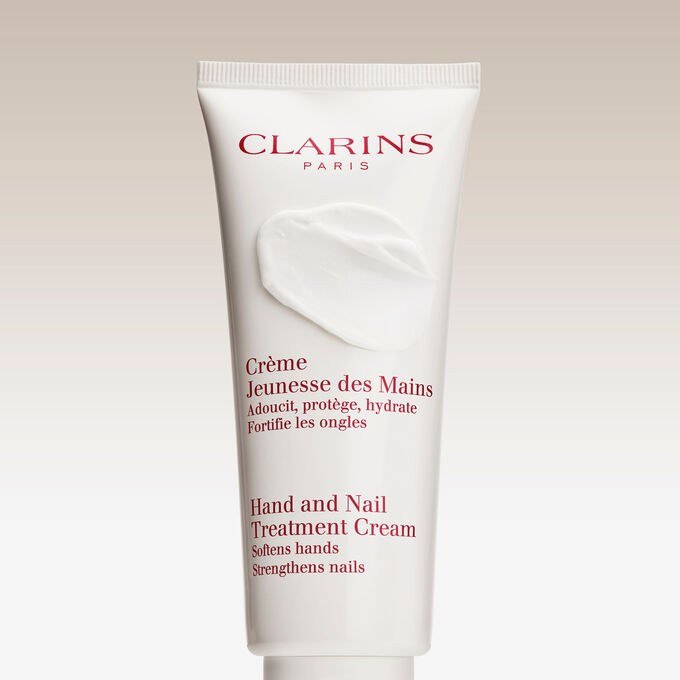
Clarins’ hand cream has been a fixture of the premium category for decades, and its distinguishing brief is in the name: it treats the nails as part of the aging hand picture, which they are, since brittle, ridged nails and dry cuticles undo the effect of any hand treatment. The formula pairs shea butter with sesame oil for moisture and Japanese mulberry extract, the brand’s chosen ingredient for helping reduce the appearance of dark spots, giving this pick a gentle brightening angle the pure moisturisers here lack. The texture is the most elegant in the guide, a silky cream that absorbs to a smooth, non greasy finish with the line’s light, refined fragrance, and the tube lives happily on a desk or dressing table. In an aging routine it is the daytime pleasure cream, the one used after every wash, keeping hands comfortable and nails conditioned between the heavier night treatments. Set the brightening expectation honestly: mulberry extract is a mild, traditional brightener, and established age spots need the fade creams or retinol above, with this as support. The price is premium and the fragrance, though light, rules it out for the strictly fragrance free. Choose Clarins if nails and cuticles are visibly part of your concern and you value a cream you will enjoy using five times a day.
Specifications
100 ml tube
shea butter and sesame oil
Japanese mulberry extract
treats hands and nails together
Pros
The only pick treating nails and cuticles too
Gentle brightening angle from mulberry extract
Most elegant texture and finish in the guide
Cons
Premium price
Brightening is mild support, not treatment strength
Lightly fragranced
Who should buyyour nails and cuticles age alongside your hands and you want one elegant cream for both.
Who should skipyou need fragrance free, or treatment strength fading.
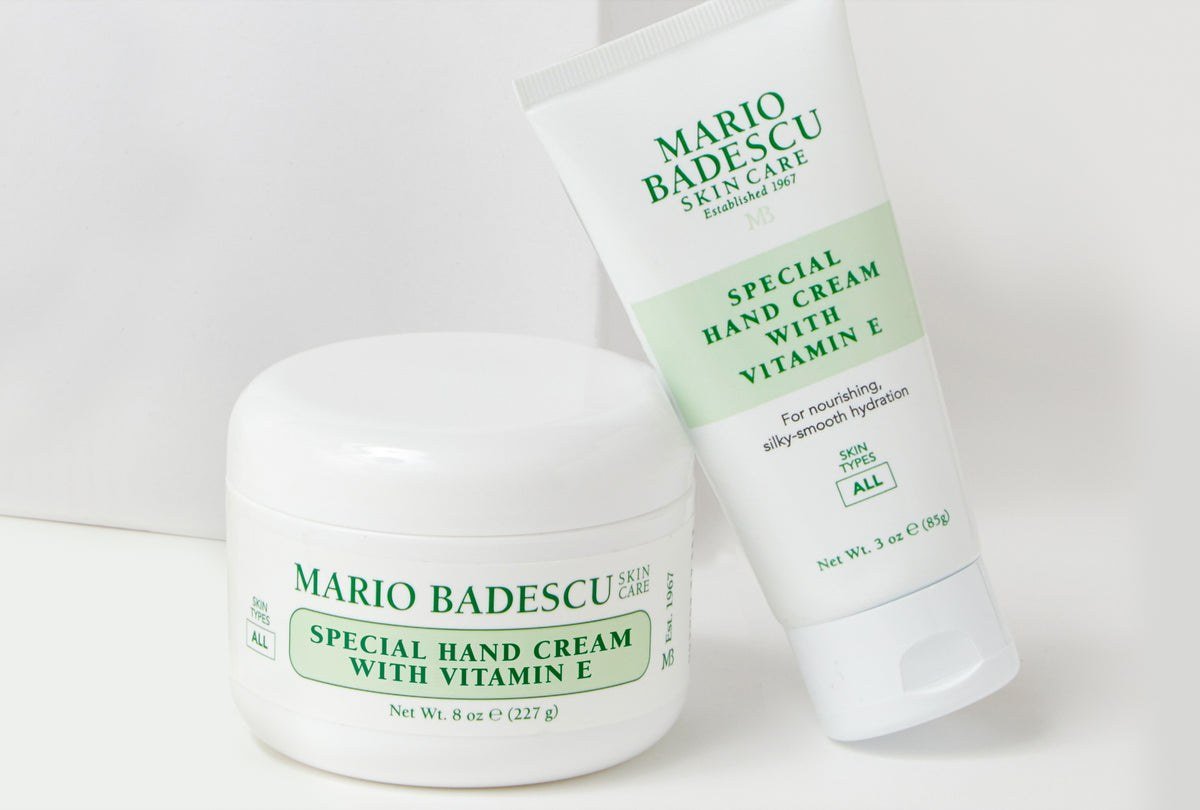
Mario Badescu’s hand cream is the old New York salon answer in this guide, a simple, lightweight formula built on vitamin E and wheat germ oil that the brand has sold for decades to readers who dislike everything about heavy hand creams. Its texture is the lightest here, a quick absorbing cream that can be applied at a desk, before driving, or under gloves without any residue, which makes it the natural high frequency pick: the cream for the kitchen counter and the car, used six times a day without thought. Vitamin E is an antioxidant emollient, supportive for skin quality in a general way, and this guide will be straight that the formula is a moisturiser with a heritage name, not an active treatment for spots or crepiness. That honesty is its positioning: in a routine with retinol at night and SPF in the morning, the middle of the day still needs a cream, and this is the pleasant, inexpensive one, sold in a 3 oz tube and a larger 8 oz jar for the home station. The scent is a mild, old fashioned floral that divides opinion by generation. Choose it if heavy creams defeat you and your hands mainly need constant, light moisture; choose almost anything above it if treatment is the priority.
Specifications
3 oz tube and 8 oz jar
vitamin E
wheat germ oil
lightweight daily hand cream
Pros
Lightest, fastest absorbing cream in the guide
Tube and value jar formats for home and bag
Inexpensive enough for constant reapplication
Cons
Moisturiser only, no treatment actives
Old fashioned floral scent
Too light for severely dry or cracked hands
Who should buyyou hate heavy hand creams and reapply constantly through the day.
Who should skipyour hands are severely dry, cracked or treatment focused.
Hand cream is a fast absorbing moisturiser formulated for the most washed, most exposed skin you have. Hands age and dry visibly because they are washed constantly and rarely protected, so hand cream is a frequency product: the best one is the one kept where you will use it.
Good hand creams balance humectants like glycerin with enough oil to matter, in a texture that absorbs within a minute so you can touch things. Night is when a richer, even ointment style product pays off, ideally under cotton gloves for very dry hands. For daytime, an SPF hand cream addresses the sun exposure hands get driving and outdoors, which is where most hand ageing comes from.
How to Choose: the Criteria That Matter
Choosing body care well means matching the active to the concern and the texture to the severity. Bumps need a keratolytic active, cracks need urea and occlusion, plain dryness needs humectants and consistency. Read the ingredient list for the one active your concern calls for, choose a format you will genuinely use daily, and give texture problems a month of consistency before judging.
The texture your skin needs: lotion for mild dryness, cream or ointment style richness for severe dryness
Texture follows severity. Mild dryness maintains well on a lotion; established dryness needs a cream; cracked, thickened areas need ointment weight richness or an active formula. Buying too light a texture for the problem is the commonest waste in this category.
Key ingredients for the job, such as urea or lactic acid for roughness and ceramides for barrier support
Ingredients do the work: urea and lactic acid for roughness and bumps, ceramides and petrolatum for barrier repair, salicylic acid for body breakouts. A pleasant smell is not an ingredient strategy, so read the list for the active your concern actually needs.
Fragrance position, since body products are a common trigger for sensitive skin
Body products cover the largest skin area you own, which makes them the most likely trigger for fragrance sensitivity. If skin reacts to products generally, the fragrance free version of the same formula is the buy.
Application area and skin thickness: heels and elbows need stronger formulas than arms and legs
Skin thickness varies by site: heels, elbows and knees tolerate and need stronger formulas than the inner arm or chest. One product rarely serves the whole body optimally, and targeted products for feet and hands earn their separate place.
How it fits a shower routine, because the best body product is the one used daily
A body routine survives on convenience: a pump by the shower beats a beautiful jar in a cupboard. Choose the format you will use daily, because in body care consistency outperforms potency.
Also Considered
These products were researched for this guide and left off the picks list for the reasons given. They are not poor products; they simply fit the exact question of this guide less well.
Neutrogena Norwegian Formula Hand Cream
The concentrated glycerin classic, superb for dry and chapped hands at a tiny price. Researched and left off because it offers moisture only, with nothing for the tone, texture or nail side of this guide’s aging brief.
O’Keeffe’s Working Hands Cream
A workshop staple that repairs very dry, cracked hands reliably. Left off because its brief is repair alone, and the guide’s picks each add something for aging skin, spots, nails or sun protection.
How to Use What You Buy
Apply moisturiser within a few minutes of showering, on skin that is still slightly damp
Use enough to cover the area in a thin, even film rather than spot treating
For exfoliating products, start once or twice a week and build as skin tolerates
Give rough areas such as heels a nightly application, with socks to protect bedding
Allow four weeks of consistent use before judging texture problems like bumps
Body care works on shower logic: exfoliate a few times a week, moisturise within minutes of washing while skin is still damp, and give targeted areas a nightly treatment. That rhythm, kept for a month, changes skin more than any single premium product used sporadically. Keep the products where the routine happens, at the shower and the bedside, not in a cabinet.
Apply after every hand wash if you can, and always a richer layer at night. Keep tubes at the sink, desk and bed; a single tube in a bathroom cabinet is a routine that fails by design.
Who Should Buy, and Who Should Skip
Buy if your need matches this guide exactly: you are looking for options for aging hands and dark spots, you have checked the criteria above against your current routine, and you are willing to introduce the product gradually and judge it over the period the category needs.
Skip if your concern is different from the one in the title, your skin or hair is currently irritated or damaged and needs recovery first, or a clinician has advised you on this concern, in which case their advice comes before any buying guide.
Common Mistakes in Hand Cream
Moisturising dry skin hours after showering, when the water has already escaped
Scrubbing rough or bumpy skin harder instead of using the right active ingredient
Applying exfoliating acids to broken, shaved or sunburnt skin
Stopping after a week when texture concerns respond over a month
Buying one expensive tube and rationing it, when hands need frequency more than luxury
Ignoring daytime sun on hands while spending on anti ageing face products
Frequently Asked Questions
How do I choose the right hand cream?
Start with the criteria in this guide: match the formula or specification to your skin type and the exact concern in the title, check the published ingredient or specification list, and pick the option whose downsides do not overlap with your problem. The type decision comes first: most disappointment in hand cream is a good product bought in the wrong type.
How long before I see results from a hand cream product?
It depends on the category, but most body care products need consistent use over several weeks before a fair judgement. Devices and treatments state their expected course in the manual or on the packaging, and that timeline is the one to follow. Judge on the category’s clock, not on the first week.
What should I avoid when buying for aging hands and dark spots?
Avoid buying on claims alone: skip options with no published ingredient or specification list, strengths far beyond what your routine needs, and any product whose stated downsides match the exact issue you are trying to fix. Also avoid changing two other parts of your routine in the same week, which makes the new product impossible to judge.
Is the most expensive option always the best?
No. In hand cream, price often reflects branding, packaging and extras rather than the core ingredient or specification doing the work. The criteria in this guide matter more than the price band, and mid priced options with the right specification beat premium options with the wrong one.
What is the most common mistake with hand cream?
Buying one expensive tube and rationing it, when hands need frequency more than luxury A close second: ignoring daytime sun on hands while spending on anti ageing face products
How does hand cream fit into a daily routine?
Apply after every hand wash if you can, and always a richer layer at night. Keep tubes at the sink, desk and bed; a single tube in a bathroom cabinet is a routine that fails by design. Body care works on shower logic: exfoliate a few times a week, moisturise within minutes of washing while skin is still damp, and give targeted areas a nightly treatment.
Does Hand Cream Work the Same As Cuticle Oil?
The companion how-to guide, Does Hand Cream Work the Same As Cuticle Oil, covers this in full: the step by step method, the right amounts and frequency for your type, and the mistakes that stop it working. It is linked from the routine sections of this page, and it is the right next read once you have chosen a product.
By Mirror & Glow Editorial Desk – November 23, 2026
Good hand creams balance humectants like glycerin with enough oil to matter. This guide applies that to does hand cream work the same as cuticle oil: the method, the timing, and the traps to avoid.
By Mirror & Glow Editorial Desk – November 23, 2026
The direct answer to when is the best time to use hand cream, with the background explained: hand cream is a fast absorbing moisturiser formulated for the most washed. Step by step method, routine placement and FAQs.
By Mirror & Glow Editorial Desk – November 23, 2026
Good hand creams balance humectants like glycerin with enough oil to matter. This guide applies that to can you use hand cream as body lotion: the method, the timing, and the traps to avoid.