Beauty DevicesBuying GuideFacial Hair Remover for Women
Best Facial Hair Removal for Women with Sensitive Skin
By Mirror & Glow Editorial Desk – November 23, 2026
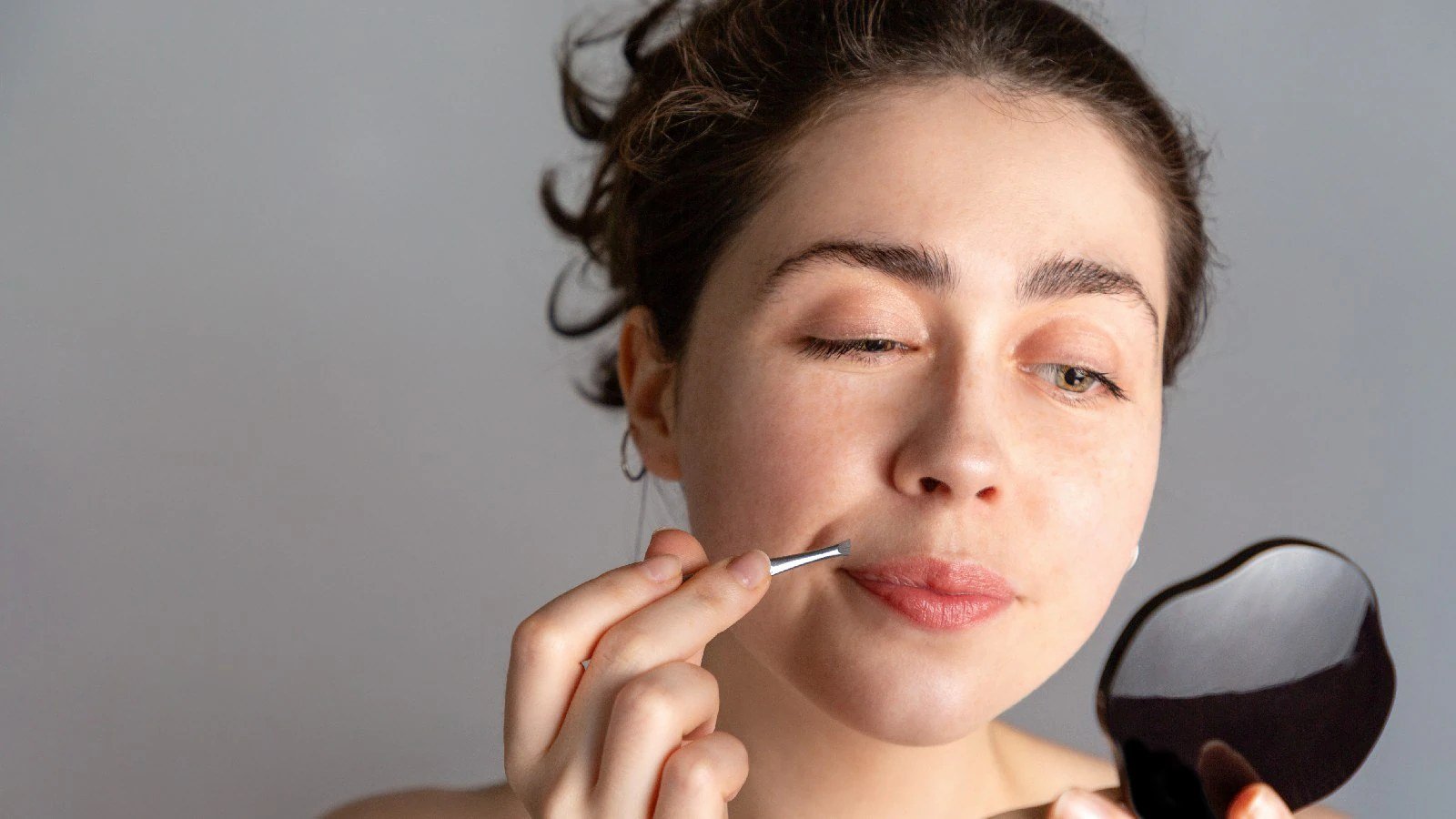
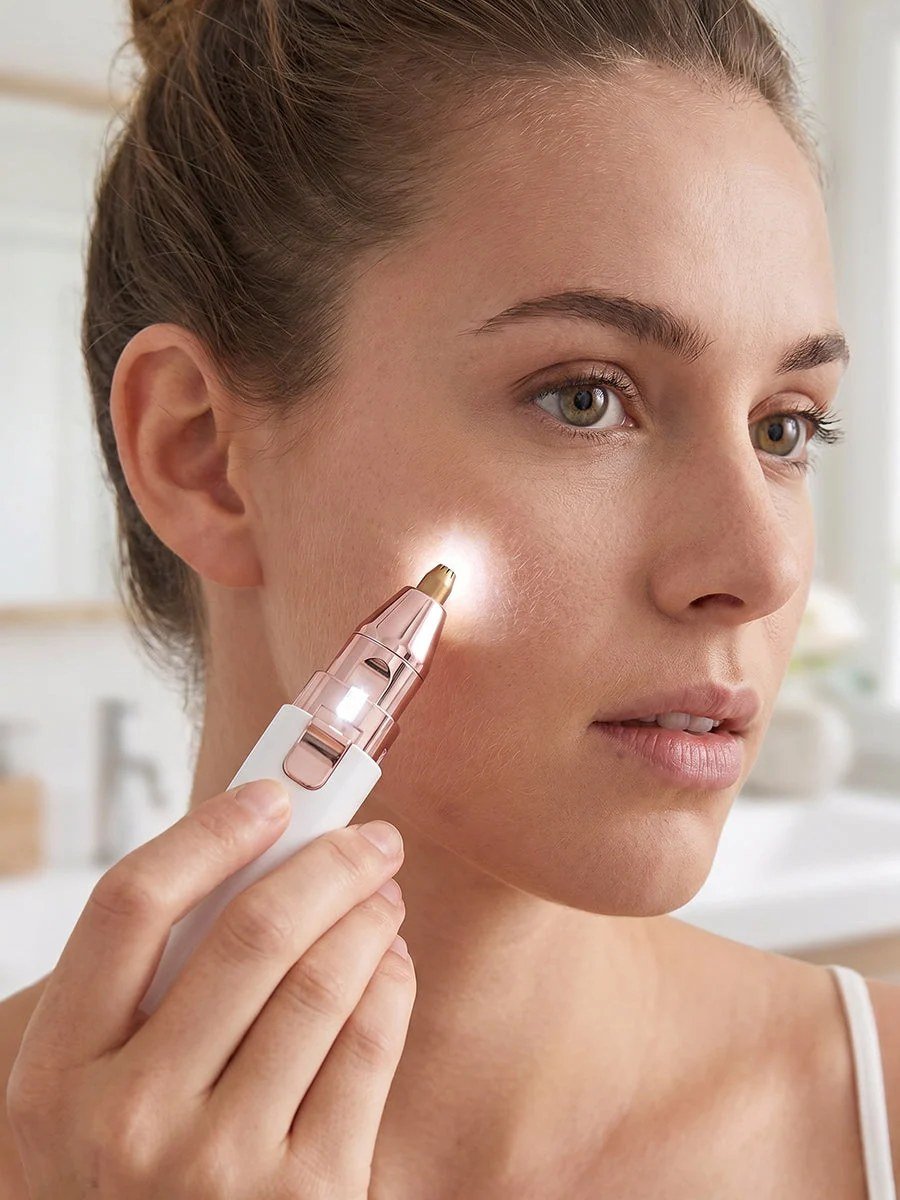
Woman applying a facial hair remover to her upper lip while holding a hand mirror.
Affiliate disclosure: Mirror & Glow may earn a commission from qualifying purchases made through links on this page, at no extra cost to you. Full disclosure.
The verdict up front: start with Braun FaceSpa Pro 921, the strongest all round match in this line up for women with sensitive skin. Every pick is compared in the table below, then reviewed in full with its downsides as well as its strengths.
If you are looking for the best facial hair removal for women with sensitive skin, the right choice depends on fit, not hype. This guide is written for women with sensitive skin, and every criterion below is weighted for that need first. The short answer: choose the facial hair removal whose formula, format and strength match your routine, check the ingredient or specification list before the marketing claims, and avoid the options whose downsides match the problem you are trying to solve.
What matters most in facial hair remover for women is covered in depth below: what the product actually is, the types on sale and how they differ, the buying criteria explained one by one, how to use what you buy, and the mistakes that waste the most money in this category.
Best Facial Hair Removal for Women with Sensitive Skin Compared
Product
Standout Point
Key Specification
Braun FaceSpa Pro 921Top Pick
No chemicals or blades on the skin
Facial epilator with 10 micro openings per brand – cleansing brush and skin toning heads – battery powered – storage case included
Best Facial Hair Removal for Women with Sensitive Skin
Braun FaceSpa Pro 921
Sensitive skin and epilation sound like opposites, yet the FaceSpa Pro earns the top slot here for one reason: it removes hair from the root with no chemicals, no blades and no product left sitting on the skin, which removes the three commonest triggers for reactive faces in one move. The small head with its ten micro openings is gentle in the ways that matter, working in small areas so a session on the lip and chin is measured in seconds of contact per patch, and the included cleansing brush keeps the before and after routine mild. The conditions are real. Epilation stings, most at first, skin flushes afterwards, and a face that reacts to everything may simply not tolerate it, which is why this guide ranks it with its warning attached rather than pretending otherwise. Patch test on the jawline, epilate in the evening, and soothe with a plain moisturiser. For sensitive skin whose problem is recurring visible hair and whose barrier is otherwise sound, root removal every few weeks beats daily friction from any other method in this guide. The routine around it matters as much as the device: cleanse gently first, epilate on completely dry skin, and finish with the plainest moisturiser you own, nothing fragranced and nothing active that night. Give the skin a day before judging, because the flush fades and the smoothness stays. If the jawline test stays calm for two sessions running, the method has earned its place.
Specifications
Facial epilator with 10 micro openings per brand
cleansing brush and skin toning heads
battery powered
storage case included
Pros
No chemicals or blades on the skin
Weeks of clearance per session
Small head limits contact area
Cons
Epilation is not painless, especially at first
Redness lasts an hour or two
Too much for skin that reacts to everything
Who should buyyour sensitive skin tolerates epilation and hair is recurring
Who should skipyour skin reacts even to brief mechanical stress
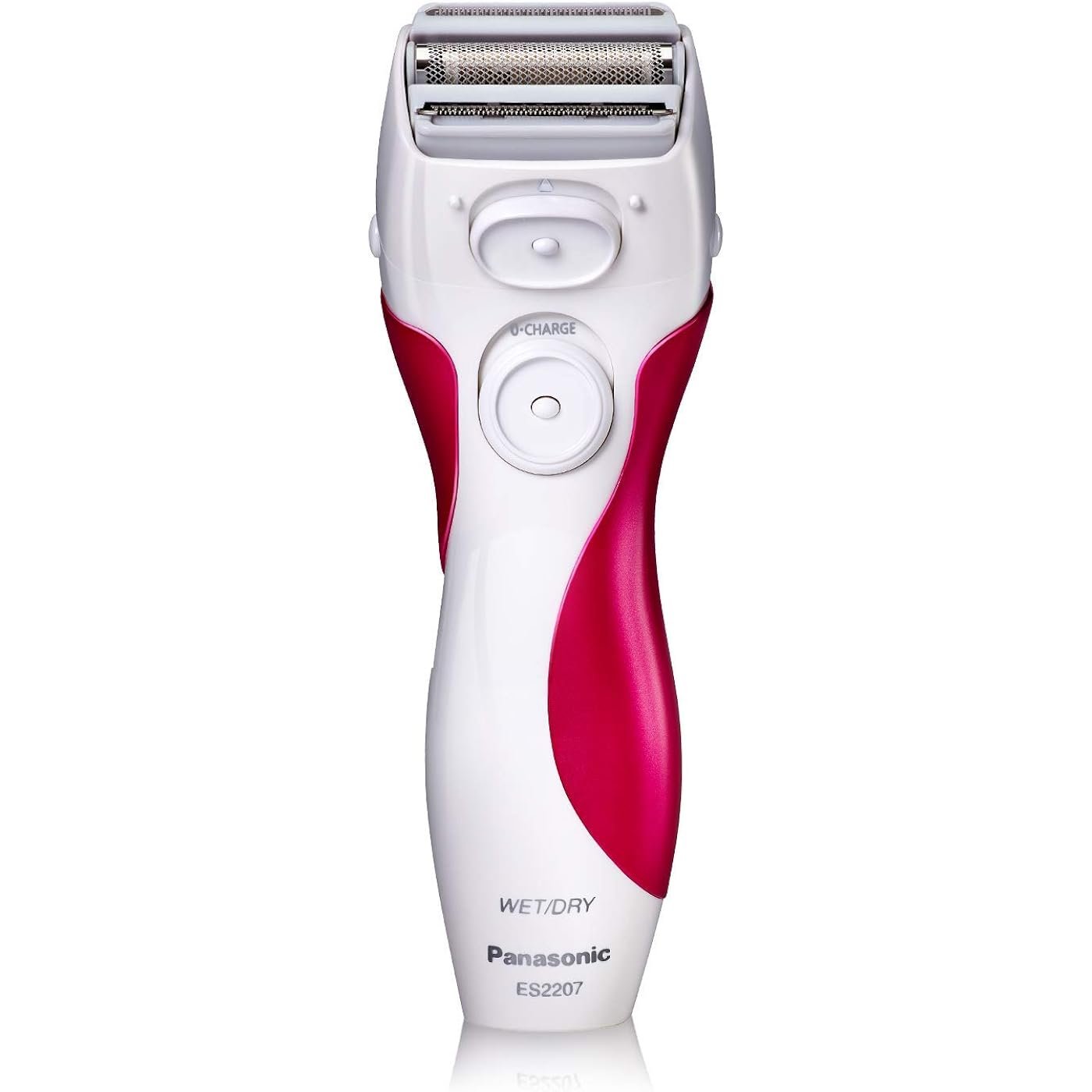
For the sensitive face that cannot face a blade, a foil is the dermatology friendly compromise, and the Panasonic is the one to use: hypoallergenic stainless foils, no edge touching skin, and a floating head that keeps pressure even so you are not pressing into sore areas to get a result. On the upper lip, chin and jaw it clears hair to a smooth touch, can be repeated daily without stripping the barrier the way shaving and dermaplaning do, and asks only for clean, dry skin and a light hand. The trade offs are a visible shadow on dark, coarse growth, a leg sized body that takes practice around the mouth, and foil replacement costs when performance fades. Sensitive skin care around it is simple: no scented products straight after, a plain moisturiser, and sunscreen as usual. Ranked second because it suits more sensitive faces than the epilator above it, while giving a shorter lived result. For daily control with the least chemical and mechanical insult, it is the safest pair of hands in this guide. It also asks nothing of the skin before or after beyond cleanliness: no pre products, no post products beyond moisturiser, which is a real virtue for faces whose routines are already a careful negotiation. Replace the foil on schedule, because the day a foil starts to pull is the day this stops being the gentle option. For the chemically sensitive especially, that simplicity is the recommendation.
Specifications
Floating foil head with pop up trimmer
wet and dry use
rechargeable
hypoallergenic stainless foils per brand
the long running benchmark
Pros
Hypoallergenic foils, zero blade contact
Daily use without barrier stripping
Even pressure from the floating head
Cons
Shaving shadow on dark, coarse hair
Full size body around the mouth
Foil replacement cost over time
Who should buyyour skin reacts to blades and creams alike
Who should skipyou need root removal for dark hair
A guarded razor is still a blade, and this guide does not pretend otherwise, but the Touch-Up is the gentlest blade format available and the one sensitive skin most often tolerates when it is used correctly. The micro guards stand between the edge and the skin, the comfort strip helps the glide, and the slim shape keeps strokes short and controlled on the lip and chin. Correctly means a specific routine for reactive faces: cleanse with your mildest cleanser, pat fully dry, hold the skin taut, use single short strokes with the grain, never press, never go over the same patch twice, then moisturise plainly and leave actives off that area for the night. Used weekly at most, that routine removes fuzz and surface dullness with a reaction risk far below its reputation. The failure modes are a dull razor, which drags and reddens, and enthusiasm, which turns one pass into four. Buy the multi packs, retire razors early, and this stays a workable tool for skin that flakes at stronger methods. If your skin’s history is reacting to products rather than to shaving, this format often surprises people by being tolerated when creams and wax were not, because nothing stays on the skin at all. Keep the razor capped and dry between uses, and do not lend it; facial razors are personal in a way the price disguises. A fresh razor, a light hand and a weekly rhythm is the whole prescription.
Specifications
3 disposable razors per pack
fine micro guards on the blade
aloe and vitamin E comfort strip
pink and blue handles
Pros
Micro guards reduce blade contact
Simple, controlled short strokes
No chemicals left on skin
Cons
Still a blade, however guarded
Dull razors drag and redden skin
Disposable cost and waste
Who should buyyour skin tolerates a guarded blade used weekly
Who should skipyour skin reacts to any blade at all
The Tinkle’s place in a sensitive skin guide rests on two things: the guard and the price. The guarded blade is the same protective idea as the Schick above in its simplest, cheapest form, and for a face that flares at creams, wax and epilation, a fresh Tinkle used with a feather touch is often the method that survives when others have been struck off. The small brow led blade keeps the working area tiny, which suits the lip corners and chin, and the folding handle travels safely. Sensitivity discipline matters more here than hardware: one fresh razor, skin taut, strokes with the grain, no pressing, no repeats, moisturiser after, and the razor retired before it dulls, because a dull guarded blade is a scraper. It will not give the polished exfoliation of a dermaplaning tool and cheeks take time with the small head. As the lowest cost, lowest chemical load option for cautious users, it has outlasted decades of rivals for a reason, provided the packs are genuine Dorco. There is also a hygiene point that suits sensitive skin well: at this price the razor can be treated as genuinely short life, which removes the temptation to keep a blade past its clean, sharp best. Never share facial razors, however cheap, and never use one on broken or inflamed skin. Within those rules it is the gentlest introduction to blade methods that money can buy, at the least money.
Specifications
3 or 6 razors per pack
stainless steel blade with safety guard
slim folding style handle
the original facial razor
Pros
Guarded blade, minimal contact
Tiny working area suits cautious use
Lowest cost in this guide
Cons
Small blade makes cheeks slow
Guard limits closeness
Frequent replacement needed
Who should buyyou want the mildest blade format at the lowest price
Who should skipyou want faster coverage of larger areas
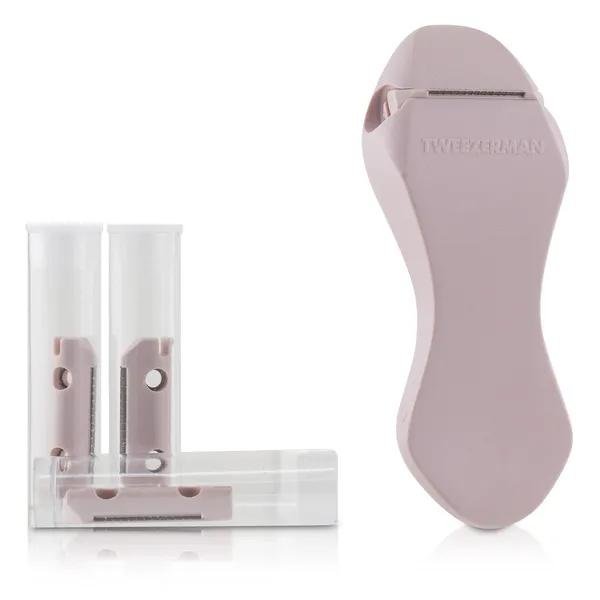
Sensitive skin rewards control, and the Tweezerman is the control pick among the blades. Its petite head and contoured handle let you work in very small sections, which is exactly how reactive faces should be treated: a patch at a time, checking the skin’s answer before continuing, rather than long sweeps across the whole cheek. Around the lip, chin crease and brow it is the most precise tool in this guide, and the reusable system with replacement blades keeps the edge fresh without the disposable habit. The price of precision is time. Full cheeks take a while, and the tool gives a tidy, hair free result with less of the broad exfoliating polish the wide dermaplaners produce, which sensitive skin may count as a benefit rather than a loss. Blade changes are part of the contract; the moment it starts to drag, it stops being the gentle option. For the cautious user whose hair lives in small areas and whose skin keeps score, this is the blade most likely to stay in the routine. That patch by patch pace has a second benefit for reactive skin: the session can simply stop early. Half the lip done and the skin complaining means the other half waits a day, with no product on the face that must be removed or neutralised. Few methods in this guide offer that kind of exit. For the user whose skin changes its mind often, that controllability is worth more than speed.
Specifications
Reusable contoured handle
replaceable blades included
petite size for precision work
from the Studio Collection
Pros
Petite head for patch by patch control
Reusable handle, fresh blades
Precise around lip and brow
Cons
Precision size makes sessions longer
Blades must be changed on schedule
Less exfoliating polish than wide tools
Who should buyyou work cautiously in small patches
Who should skipyou want wide, fast dermaplaning strokes
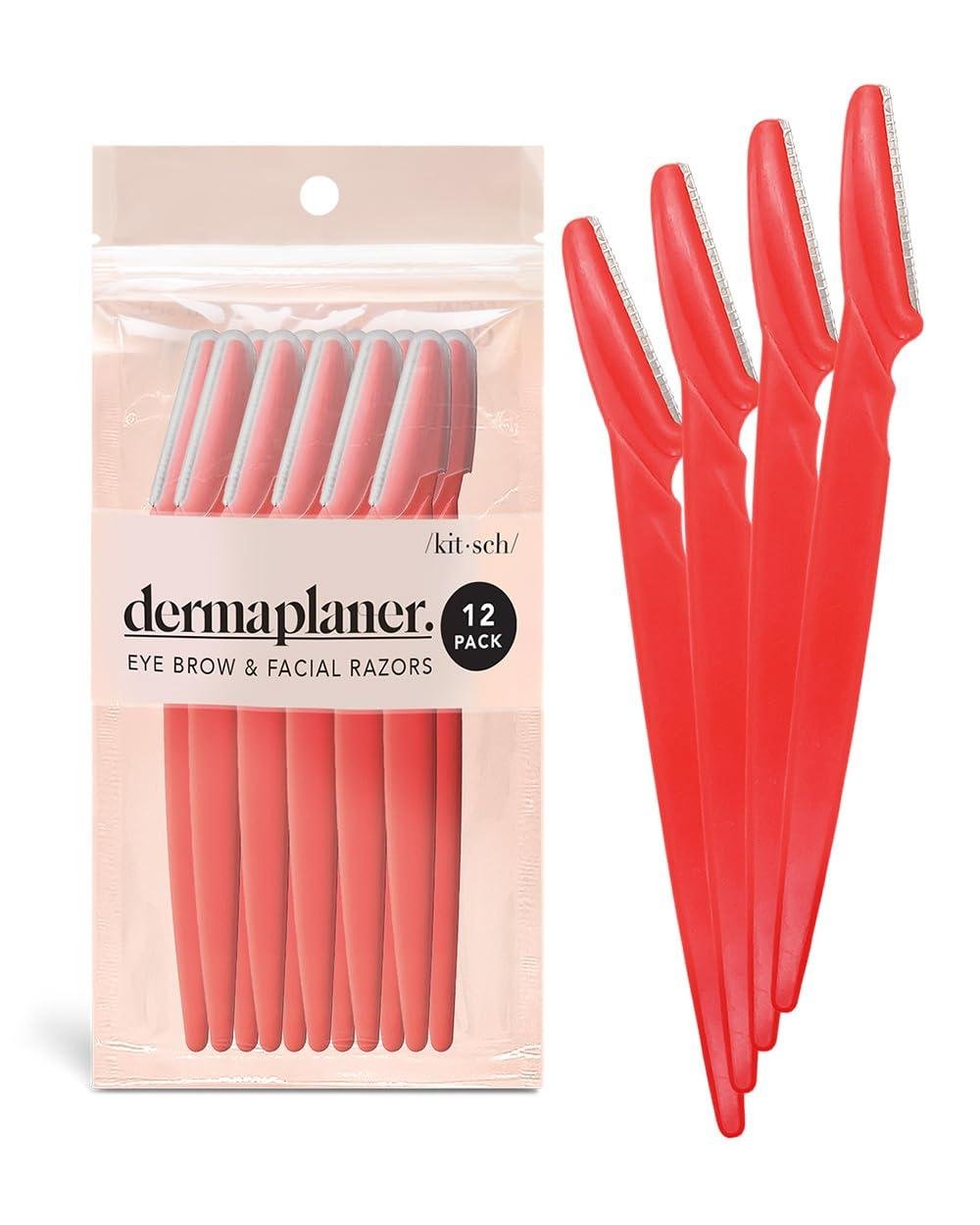
Kitsch’s twelve pack suits sensitive skin for an unglamorous reason: it makes the fresh blade rule effortless. The commonest cause of razor reactions is a dull blade being pushed one session too far, and when a pack holds twelve guarded razors, retiring one early costs pennies. The micro guards keep the edge mannerly on the lip and chin, and the slim handles are easy to angle. Used with the sensitive routine, clean dry skin, taut, short strokes with the grain, once a week at most, they remove fuzz without chemistry or heat. The objections stand: disposables create waste even with recycled handles, the guards cap closeness on coarse hairs, and the handles are basic. But as a system for keeping a fresh, kind edge in the bathroom at all times, it works, and for sensitive skin the fresh edge is half the battle. Keep them dry between uses, cap them, and treat each as a few sessions at most rather than a month, and the pack format becomes a feature rather than a compromise. One more discipline suits this pack to sensitive skin: because each razor is cheap, it can be retired mid routine the moment it feels less than perfect, rather than at the end of the session. Keep the skin’s feedback in charge and the pack will last exactly as long as it should. Store them capped, dry and out of the shower’s steam, and the edges will stay as kind as they were made to be.
Specifications
12 disposable razors per pack
stainless steel blades with micro guards
recycled plastic handles
assorted colours
Pros
Always a fresh blade available
Guarded edges suit cautious users
Low cost per razor
Cons
Twelve disposables per pack
Guarded blades cap closeness
Basic handles
Who should buyyou react mainly when blades get dull
Versed’s tool sits at the mild end of the dermaplaning family, which is where a sensitive skin guide should place it. The blade feel is softer than the metal handled tools, the slim handle is easy to control in short strokes, and the brand’s skincare framing encourages the right habits: occasional use, as an exfoliating step, with gentle products around it. For peach fuzz and light lip hair on skin that tolerates shaving, it gives a smooth, calm result and a reusable handle that avoids the disposable pile. It is not the tool for the very reactive face. Dermaplaning of any kind removes surface cells along with hair, and skin that flushes at a cleanser will likely flush at this; the foil and the guarded razors above are safer first tries. The lighter handle also asks for slightly more hand guidance than the weighted rivals. Judged for its intended user, the mildly sensitive rather than the highly reactive, it is a balanced, affordable step into dermaplaning, with refills that keep the edge honest. Keep the supporting cast bland around it: no fragranced toner that day, no new serum introduced the same week, so if the skin does react you know what did it. That kind of single variable discipline is how sensitive users safely adopt any method in this guide. The Versed rewards it with a calm, tidy result and a tool that feels designed for the routine rather than adapted to it.
Specifications
Reusable handle in recycled plastic
replaceable blades, refills available
slim pen format
vegan brand
Pros
Softer blade feel for mild sensitivity
Slim, controllable handle
Reusable with brand refills
Cons
Unguarded technique is less forgiving
Refill costs continue
Not for the very reactive
Who should buyyour sensitivity is mild and you want dermaplaning’s finish
Who should skipyour skin is highly reactive to exfoliation
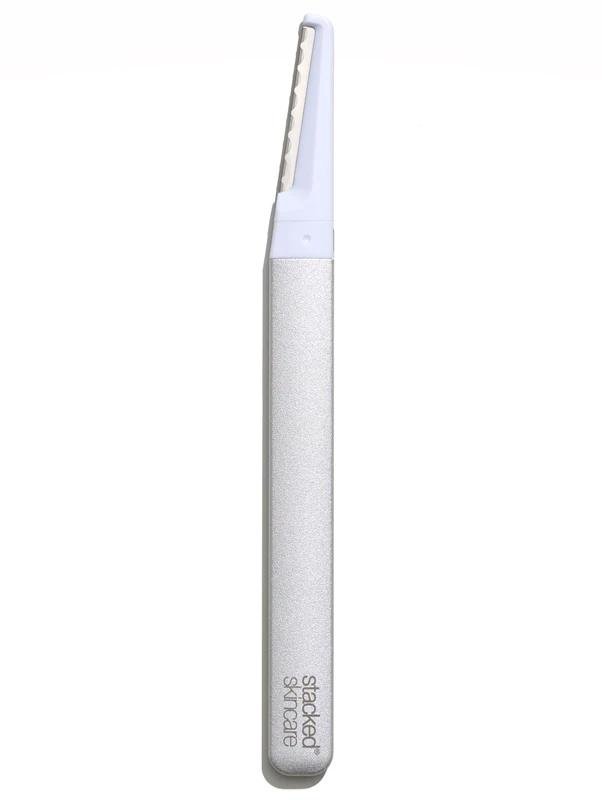
The StackedSkincare tool is the most capable dermaplaning instrument here and, for sensitive skin, the one that asks the most in return. Its weighted handle gives pressure free strokes, which is precisely the technique reactive skin needs, because pressure is what turns dermaplaning into scraping. In skilled hands it clears vellus hair and dull surface skin in long, even passes and leaves the polished finish the method is famous for. The condition is the skill. A single edge has no guard to forgive a rushed angle, sessions should be unhurried and infrequent, and skin that is mid flare, sunburnt or adjusting to retinoids should skip it entirely. It ranks here as the expert option: entirely suitable for sensitive skin that is calm and well known to its owner, entirely wrong as a first experiment. Refills are a continuing cost, as with all reusable systems. If your face tolerates the guarded razors and you want the step up in finish without chemicals, this is the considered way to take it. The supporting routine is protective rather than elaborate: a gentle cleanse, the session itself on dry skin, a plain moisturiser, and sunscreen the next morning, because freshly dermaplaned skin is more sun responsive for a day. Skip it in any week the skin is already compromised. In the right hands and the right weeks, it is the most refined result in this guide, and the least forgiving, in equal measure.
Specifications
Reusable metal handle
replaceable single edge blades
designed for at home exfoliation
refills sold in packs
Pros
Weighted handle prevents pressing
Most polished dermaplaning finish
Reusable metal build
Cons
Single edge needs skill and patience
Running refill costs
Overkill for very light fuzz
Who should buyyour sensitive skin is calm and your hand is steady
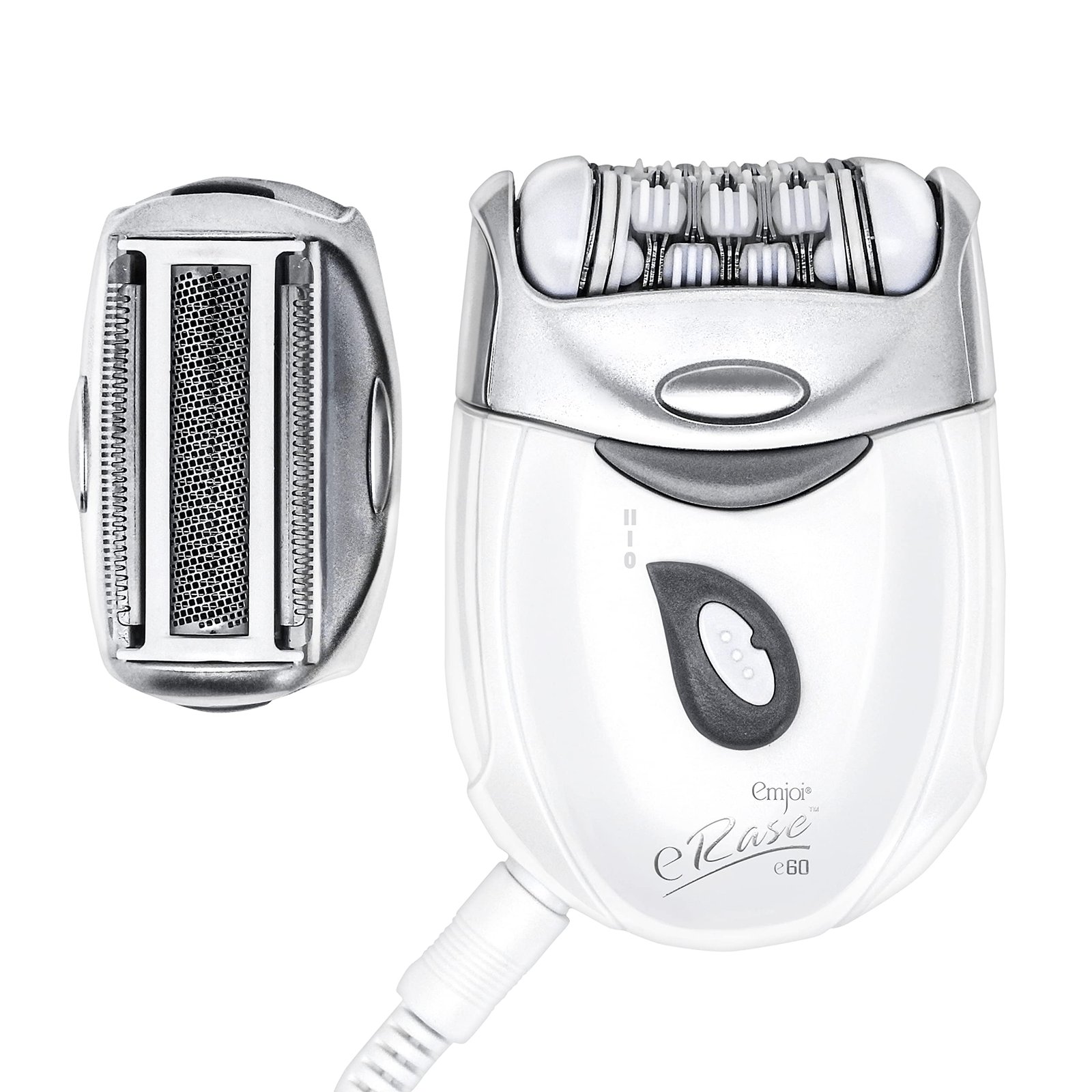
The eRase e60 is the heavy artillery of facial epilation, sixty tweezer discs in dual heads, and a sensitive skin guide should be straight about that: it is here for the specific case of coarse, stubborn facial hair on skin that has already proved it tolerates epilation and found smaller devices too slow. Its three disc system is designed to take fine to coarse hair in fewer passes, and fewer passes over the chin and jaw means less total irritation than an underpowered device dragging repeatedly. It runs corded or cordless, though it is not a wet and dry model, so no shower softening routine. For tender, untested skin it is too much tool, and the FaceSpa above is the correct starting point. For the experienced user with dense growth who needs root removal that keeps up, it is the efficient answer, used in the evening with skin soothed afterwards and sessions spaced weeks apart. Power is a feature only when the skin can take it, and this guide ranks it accordingly. Technique is the difference between tolerable and miserable with a machine this strong: skin held very taut, the head at a right angle, slow passes against the growth, and a hard stop after one pass per patch. Evening sessions, a cool compress and a plain moisturiser are the aftercare. If your skin is still angry the next morning, this was the wrong tool, and the guide’s gentler options are the right retreat.
Specifications
60 tweezer discs in dual opposed heads per brand
corded and cordless use
three disc system for fine to coarse hair
not a wet and dry model
Pros
Sixty discs clear coarse hair in fewer passes
Three disc system for fine to coarse
Corded or cordless use
Cons
Powerful tweezer count is a lot for tender skin
Not a wet and dry model
Corded use limits where you can work
Who should buyyour skin tolerates epilation and your hair is coarse
Who should skipyou are an epilation beginner with tender skin
Braun’s budget epilator brings root removal down to a low price, with twenty tweezers, massage rollers intended to soften the sensation, and a trimmer head and cap in the box. For sensitive skin its case is narrow but real: a user whose skin tolerates epilation, whose facial hair is light to medium, and who wants weeks of clearance without chemicals may find the small head and rollers manageable on the chin and jaw, especially working slowly in the evening. The limits are plain. Twenty tweezers is slow on anything dense, corded power ties you to a socket and rules out use on wet, softened skin, and the massage rollers moderate rather than remove the sting. It is a body epilator that can do facial duty, not a facial specialist like the FaceSpa. Ranked last here as the budget route into root removal for tolerant skin, with the standing advice of this guide: patch test first, and if your face objects, believe it and move to the foil. If you do buy it for this purpose, dedicate it to the face rather than sharing it with legs, because facial skin deserves a clean, undamaged head. Work in the evening, hold the skin taut, and keep the passes slow; rushing a small epilator is how patches get missed and then reworked, which is where the irritation actually comes from. Judge it after a month, not a day.
Specifications
20 tweezer system per brand
massage rollers
corded power
trimmer head and cap in the box
the budget Braun
Pros
Low price for root removal
Massage rollers soften sensation
Trimmer head included
Cons
Corded only, no shower use
Twenty tweezers is slow on dense hair
Massage rollers help only so much
Who should buyyour skin tolerates epilation and your budget is tight
Who should skipyour skin is untested or highly reactive
Facial hair removers for women cover small rotary or foil trimmers, spring epilators, dermaplaning blades and IPL for the face, each removing hair at a different depth and giving a different regrowth feel. The right choice depends on hair type, skin sensitivity and how often you want to repeat it.
Surface methods, trimmers and dermaplaning, cut hair at skin level: fast, painless, regrowth in days with a blunt feel. Root methods, threading, waxing and epilation, last weeks but can irritate and trigger ingrowns or pigmentation in reactive skin. Depilatory creams dissolve hair but are a common irritant on faces. A persistent pattern of coarse facial hair with other symptoms is worth raising with a doctor, since it can be hormonal.
How to Choose: the Criteria That Matter
Choosing a beauty device well means reading the manual before the reviews: check the published specifications, your own suitability against the charts, the contraindications, and the session schedule the course demands. Then price two years of consumables. A device that passes those checks and fits a routine you already keep is a sound buy; one bought for its best case result usually ends in a drawer.
The technology and its published specifications, such as light wavelengths for LED or skin tone sensors for IPL
Published specifications separate devices from gadgets: stated wavelengths for light devices, energy and sensor details for IPL, current programmes for microcurrent. A device that will not state its numbers is asking to be bought on faith.
Suitability for your skin and hair type, checked against the manufacturer’s own charts
Suitability is a safety gate, not a preference: skin tone and hair colour charts for IPL, contraindication lists for light and current devices. Check yourself against them honestly before buying, because the wrong match means a device that cannot be used.
Safety features: eye protection, skin contact sensors and automatic shut off
Safety features are the product: skin contact sensors, eye protection design, automatic shut off and lock outs for unsuitable skin tones. In a category used on faces and eyes, these outrank extra modes.
Session time and frequency, because a device only works if the routine is realistic
Session realism decides results: a device needing twenty minutes five times a week will lose to a ten minute one you actually use. Read the manual’s schedule and price your own discipline honestly before choosing.
Running costs: replacement heads, gels or cartridges the device needs over time
Running costs hide in consumables: conductive gels, replacement heads, cartridges and lamp life. Add two years of them to the purchase price to compare devices truthfully.
Also Considered
These products were researched for this guide and left off the picks list for the reasons given. They are not poor products; they simply fit the exact question of this guide less well.
Veet Gel Cream Hair Remover Sensitive
The best known sensitive skin cream, researched for this guide. This list ranks tools, and cream contact time on the face is what many sensitive readers are trying to avoid.
Finishing Touch Flawless Facial Hair Remover
A gentle rotary shaver that many sensitive readers start with. It was left off because it only shaves the surface, needing frequent upkeep, with none of the smoothing benefit of the dermaplaning picks.
Braun Mini Hair Remover
A tiny rotary trimmer sold for quick touch ups. Its single small head and basic finish sit behind the fuller tools ranked in this guide.
How to Use What You Buy
Read the manufacturer’s manual fully before the first session, including who should not use the device
Patch test or start with the shortest, lowest setting the manual allows
Prepare skin as directed, usually clean and dry with no products unless a gel is specified
Follow the stated session time and weekly frequency rather than improvising more
Track results over the full period the manual describes before judging the device
Devices work on course logic: prepare skin as the manual directs, use the stated settings and schedule without improvising more, and track results over the full period described, with photographs in consistent light for anything gradual. More frequent or stronger use than directed is the category’s classic error, and it buys irritation, not speed.
Match the method to the zone: trimmers for peach fuzz and brows’ edges, root removal for a coarse upper lip if skin tolerates it, and always test a new method on a small area first. Sunscreen the day after any facial hair removal, since skin is freshly exposed.
Who Should Buy, and Who Should Skip
Buy if your need matches this guide exactly: you are looking for options for women with sensitive skin, you have checked the criteria above against your current routine, and you are willing to introduce the product gradually and judge it over the period the category needs.
Skip if your concern is different from the one in the title, your skin or hair is currently irritated or damaged and needs recovery first, or a clinician has advised you on this concern, in which case their advice comes before any buying guide.
Common Mistakes in Facial Hair Remover for Women
Using a device more often than directed, expecting faster results
Skipping the suitability chart for skin tone, hair colour or medical conditions
Using IPL or light devices over tattoos, moles or irritated skin
Judging a gradual device after two sessions instead of a full course
Believing removal makes hair grow back thicker; the blunt cut end feels coarser, but the follicle is unchanged
Aggressively waxing or threading reactive, pigmentation prone skin and trading hair for dark marks
Frequently Asked Questions
How do I choose the right facial hair removal?
Start with the criteria in this guide: match the formula or specification to your skin type and the exact concern in the title, check the published ingredient or specification list, and pick the option whose downsides do not overlap with your problem. The type decision comes first: most disappointment in facial hair remover for women is a good product bought in the wrong type.
How long before I see results from a facial hair remover for women product?
It depends on the category, but most beauty devices products need consistent use over several weeks before a fair judgement. Devices and treatments state their expected course in the manual or on the packaging, and that timeline is the one to follow. Judge on the category’s clock, not on the first week.
What should I avoid when buying for women with sensitive skin?
Avoid buying on claims alone: skip options with no published ingredient or specification list, strengths far beyond what your routine needs, and any product whose stated downsides match the exact issue you are trying to fix. Also avoid changing two other parts of your routine in the same week, which makes the new product impossible to judge.
Is the most expensive option always the best?
No. In facial hair remover for women, price often reflects branding, packaging and extras rather than the core ingredient or specification doing the work. The criteria in this guide matter more than the price band, and mid priced options with the right specification beat premium options with the wrong one.
What is the most common mistake with facial hair remover for women?
Believing removal makes hair grow back thicker; the blunt cut end feels coarser, but the follicle is unchanged A close second: aggressively waxing or threading reactive, pigmentation prone skin and trading hair for dark marks
How does facial hair remover for women fit into a daily routine?
Match the method to the zone: trimmers for peach fuzz and brows’ edges, root removal for a coarse upper lip if skin tolerates it, and always test a new method on a small area first. Sunscreen the day after any facial hair removal, since skin is freshly exposed. Devices work on course logic: prepare skin as the manual directs, use the stated settings and schedule without improvising more, and track results over the full period described, with photographs in consistent light for anything gradual.
What Is the Best Facial Hair Removal for Women over 50?
The companion how-to guide, What Is the Best Facial Hair Removal for Women over 50, covers this in full: the step by step method, the right amounts and frequency for your type, and the mistakes that stop it working. It is linked from the routine sections of this page, and it is the right next read once you have chosen a product.
By Mirror & Glow Editorial Desk – November 23, 2026
Surface methods, trimmers and dermaplaning, cut hair at skin level: fast, painless. This guide applies that to what is the best facial hair removal for women over 50: the method, the timing, and the traps to avoid.
By Mirror & Glow Editorial Desk – November 23, 2026
What Is the Best Permanent Facial Hair Removal for Women? Match the method to the zone: trimmers for peach fuzz and brows’ edges. The full method, the mistakes to avoid, and where it fits in your routine.
By Mirror & Glow Editorial Desk – November 23, 2026
What Is the Most Effective Facial Hair Removal for Women? Match the method to the zone: trimmers for peach fuzz and brows’ edges. The full method, the mistakes to avoid, and where it fits in your routine.