When to Use Azelaic Acid in Routine with Vitamin C
By Mirror & Glow Editorial Desk – November 23, 2026
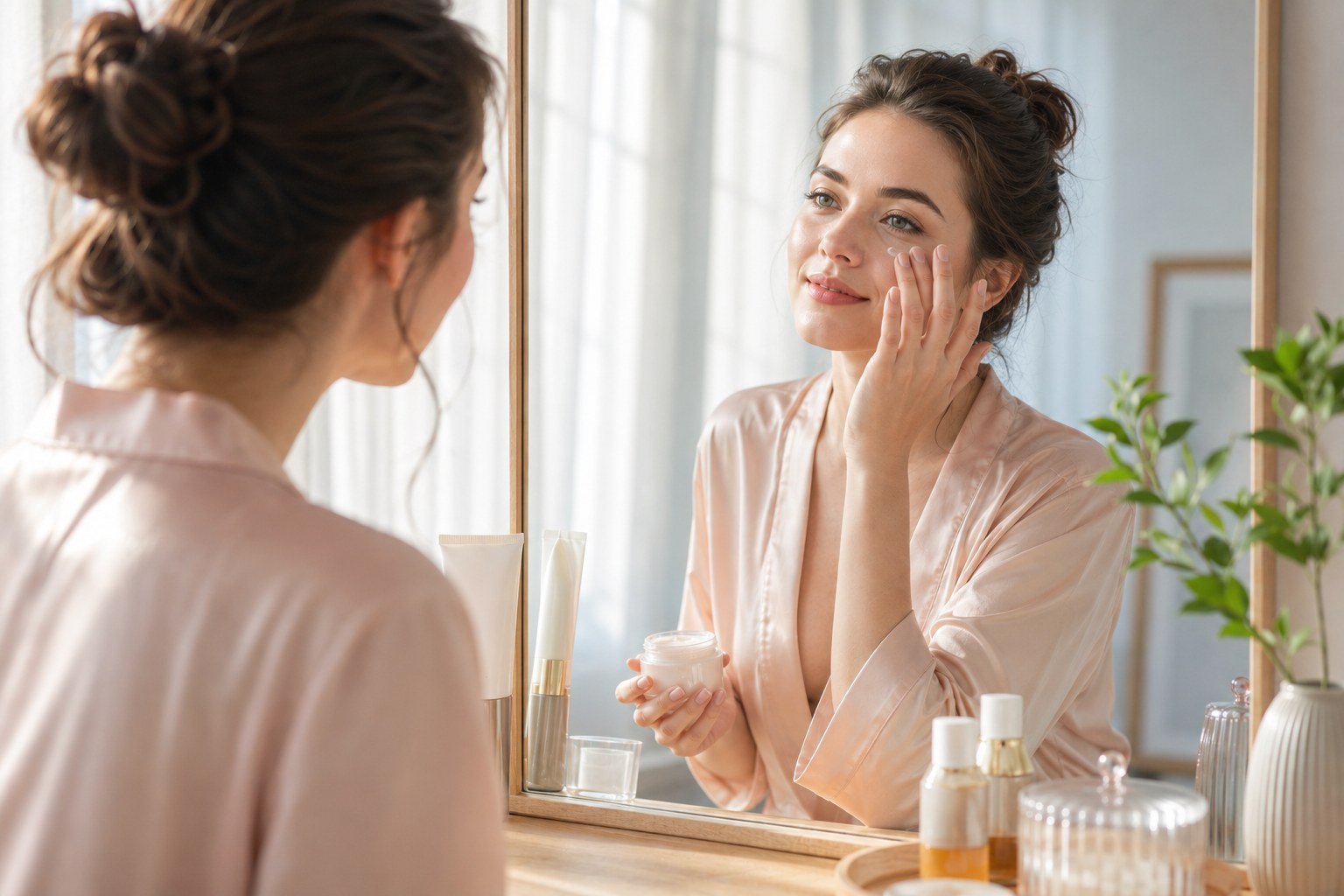
Woman smoothing face cream over her skin during a morning routine.
The direct answer to when to use azelaic acid in routine with vitamin c is explained in full below, because questions like this rarely have a one word answer that is safe for everyone. The short version: it depends on your skin or hair type, the specific products involved, and how consistently you use them. The sections below break the answer down so you can apply it to your own routine.
Azelaic Acid Explained
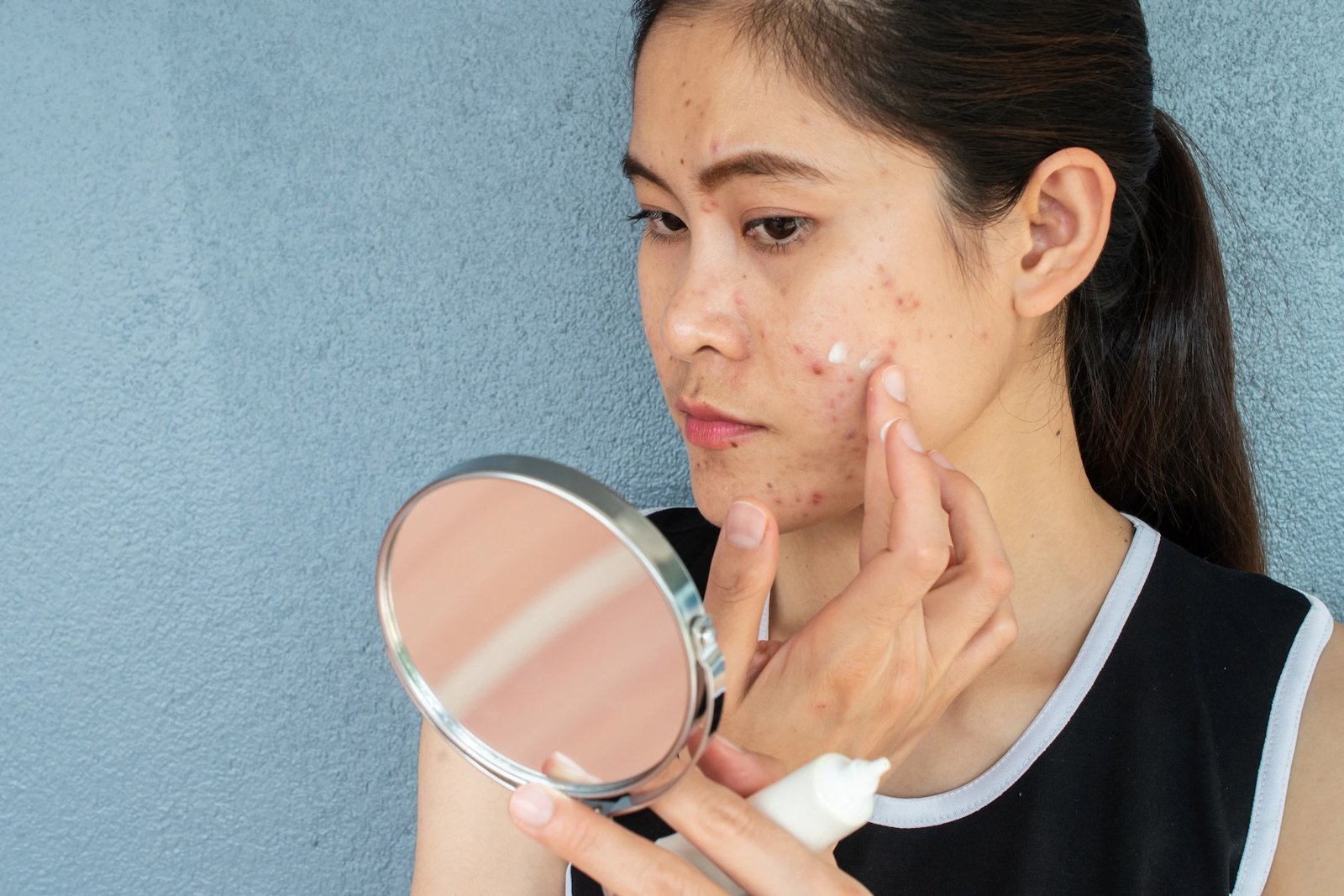
Azelaic acid is a multitasking active used for breakouts, redness and the flat marks spots leave behind. It is the gentle overachiever of the acid shelf: meaningful results with a tolerance profile that suits sensitive and rosacea prone skin better than most alternatives.
It works on several pathways at once: it normalises cell turnover in the pore, reduces the bacteria involved in acne, calms inflammation and slows excess pigment production, which is why it appears in guides for acne, rosacea and melasma alike. Cosmetic strengths run to ten percent, with prescription strengths above that in many countries. A brief tingle on application is common and usually settles; layering it as the last serum step, or over moisturiser while adapting, reduces the sting.
Putting It Into Practice
Once daily at first, building to twice daily as tolerated, a pea sized amount for the face. It pairs well with niacinamide and gentle routines, and results for marks are judged at eight to twelve weeks with daily sunscreen alongside.
Build the habit at the gentlest effective level first and attach it to something you already do, after a shower, before bed, with your morning routine, because techniques attached to existing habits survive. Keep the rest of your skincare routine stable while you judge the change, and give the routine the full period the product guidance describes before deciding it does not work.
Step by Step: Azelaic Acid
The method below is the standard technique for this category, in the order that makes each step work. Adapt the amounts to your own skin or hair, and keep the order. If you still need the product itself, the buying guide Best Azelaic Acid for Acne Prone Skin compares the current options for this exact need.
Start with clean, dry or slightly damp skin as the product type directs
Apply the amount stated on the product, usually a pea sized amount or two finger lengths for sunscreen
Introduce one new active at a time and give it at least two weeks before judging
Use the product at the time of day it is designed for, and always finish morning routines with sunscreen
Note any stinging, breakouts or dryness in the first week and adjust frequency before giving up
Getting Azelaic Acid Right in Your Routine
Fit matters more than intensity with azelaic acid. Build the habit at the gentlest effective level first: the right product amount, the right frequency for your type, and one change at a time so you can see what is actually helping. Keep the rest of your skincare routine stable while you judge the change, and give the routine the full period the product guidance describes before deciding it does not work.
Keep notes for the first two weeks: what you used, how much, and how your skin or hair felt the next day. That simple record answers most follow up questions, including whether a reaction came from the new step or from something layered with it.
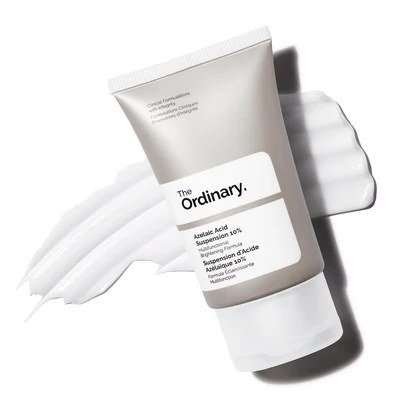
This is the simplest way into azelaic acid: a single active at a clearly stated 10% strength in a light cream gel suspension. The formula is built around azelaic acid alone, suspended in silicones that give it a smooth, primer like finish, which is why it layers well as the last step before moisturiser or under makeup. For acne prone skin the appeal is that azelaic acid is widely used for both breakouts and the flat red or brown marks they leave behind, and dermatology guidance commonly lists it for skin that cannot tolerate stronger retinoids. The Ordinary publishes the full ingredient list and keeps fragrance and essential oils out. A pea sized amount covers the face, applied to dry skin after water based serums. Because the base is silicone heavy, applying too much or layering it over heavy water based serums can cause pilling, so thin layers and a short wait between steps matter more with this product than with a water based serum. It can be used morning or evening; beginners often start once a day. Expect gradual change over weeks, and keep sunscreen in the morning routine, since fading marks while unprotected skin forms new ones is a losing game.
Specifications
30 ml tube
10% azelaic acid suspension
fragrance free
silicone base
Pros
Single clear active at a stated 10% strength
Fragrance free and alcohol free formula
Silicone finish sits well under makeup
Cons
Can pill if layered thickly over other serums
Silicone feel is not to every preference
Small 30 ml tube runs out quickly with twice daily use
Who should buyyou want a single active at a stated strength with a primer like finish under makeup.
Who should skipyou dislike silicone textures or layer many water based serums.
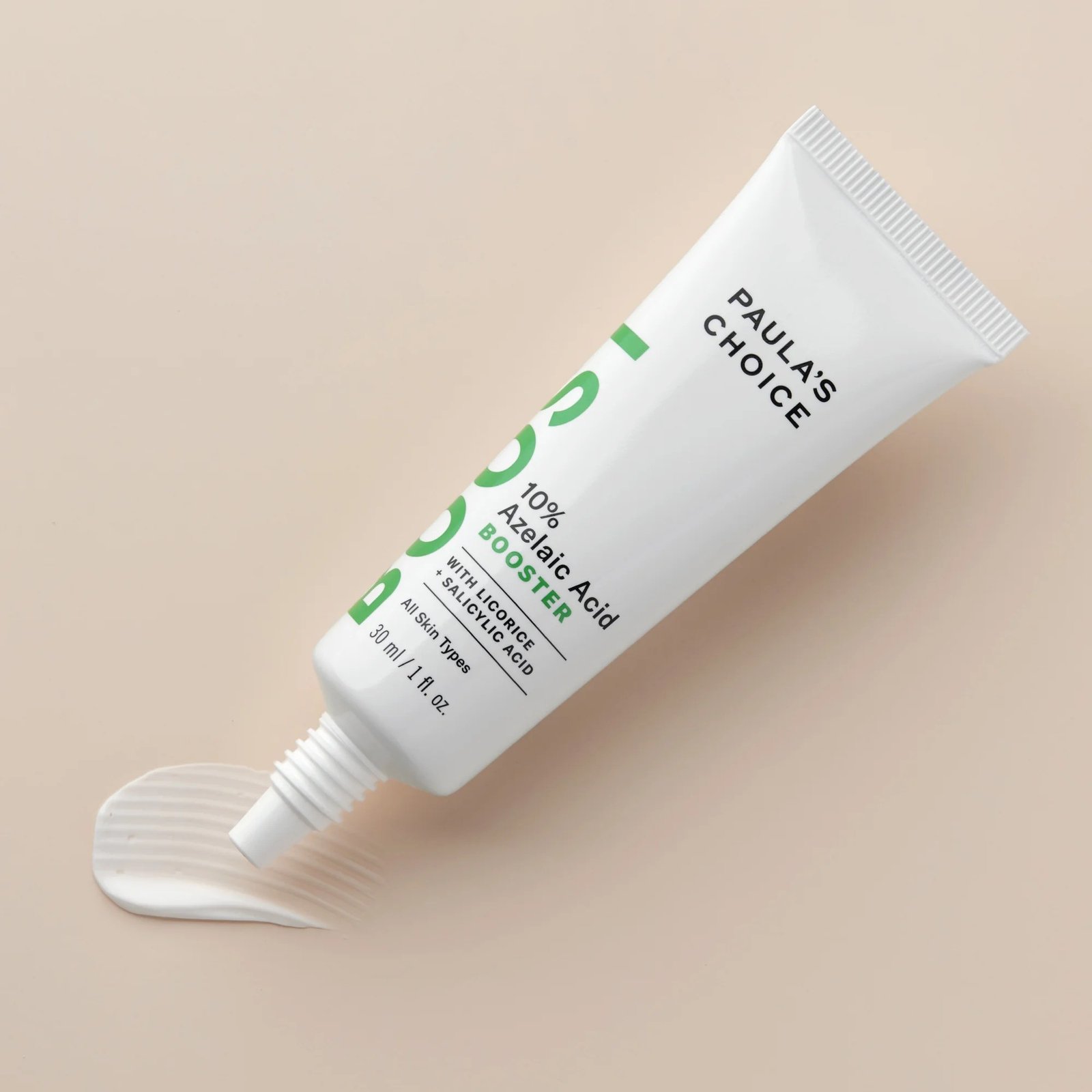
Paula’s Choice takes a combination approach: 10% azelaic acid is paired with salicylic acid and licorice root extract in a light gel cream. The salicylic acid is the relevant detail for acne prone skin, because it is oil soluble and works inside the pore where blackheads and congestion form, while the licorice extract targets the look of uneven tone and post breakout marks. The texture is thinner and more water based than a silicone suspension, so it spreads easily, absorbs without a film and is less prone to pilling when layered with other serums. It can be used alone or mixed into a moisturiser, which helps new users start slowly on alternate days. The brand publishes full ingredients and detailed usage guidance, and the formula is fragrance free. The trade off for the combination formula is price per millilitre, and the fact that layering it with other strong exfoliants in the same routine can push sensitive skin toward irritation, so alternating nights with retinoids is the sensible pattern. A pea to fingertip amount covers the face. Judge it over eight to twelve weeks of consistent use, and keep a plain moisturiser alongside it for any dry days in the first fortnight.
Specifications
30 ml tube
10% azelaic acid
0.5% salicylic acid
licorice root extract
Pros
Combines azelaic acid with pore focused salicylic acid
Thin gel cream layers cleanly with other products
Fragrance free with a published full ingredient list
Cons
Costs more per millilitre than single active options
Extra exfoliant may be too much alongside retinoids
Combination formula is harder to isolate if skin reacts
Who should buyyou want azelaic acid with salicylic acid for pores in one step.
Who should skipyour routine already has strong exfoliants most nights.
Naturium’s serum uses an azelaic acid based emulsion supported by niacinamide and a vitamin C derivative, aimed squarely at uneven tone and blemish prone skin. The texture is a milky, lotion like serum that behaves more like a light moisturiser step than a treatment gel, which many people with dry or combination acne prone skin prefer, because azelaic acid in dry formats can leave reactive skin tight. Niacinamide is the supporting ingredient to note, since it is commonly used for the appearance of pores, oil balance and the marks left after spots fade. The pump bottle doses consistently and keeps fingers out of the formula. The brand lists the formula as fragrance free and publishes the ingredient deck in full. Because it blends several tone focused ingredients, it suits readers who want one step covering marks and breakouts rather than a single ingredient product. As with any azelaic product, results for marks are gradual and measured in weeks of consistent use, and it should be introduced on alternate days if the skin is also using retinoids or exfoliating acids. Apply after cleansing, before moisturiser, and finish mornings with sunscreen to protect the progress it makes. The pump bottle also makes it easy to keep by the sink for a twice daily habit.
Specifications
30 ml pump bottle
azelaic acid blend
niacinamide
vitamin C derivative
fragrance free
Pros
Milky emulsion suits dry and combination skin
Niacinamide support for tone and post breakout marks
Fragrance free, pump bottle, full ingredients published
Cons
Blended formula makes reactions harder to trace
Emulsion texture may feel rich on very oily skin
Gradual results need consistent daily use
Who should buyyour acne prone skin is dry or combination and prefers a milky emulsion.
Who should skipyour skin is very oily and wants the lightest possible texture.
Starting three new actives in the same week, which makes reactions impossible to trace
Using more product than directed, which increases irritation without improving results
Skipping sunscreen while using brightening or exfoliating products, which undoes their work
Expecting visible change in days when most skincare actives need weeks of consistent use
Stopping after a week because marks have not moved, when pigment change is measured in months
Buffering it away entirely by applying over thick creams forever, instead of progressing as skin adapts
When to See a Professional
See a dermatologist or qualified professional if the concern is painful, spreading, bleeding, not improving after a consistent routine of several weeks, or if it appeared suddenly and severely. Nail changes such as thickening, colour change with pain, or separation from the nail bed also deserve professional assessment rather than cosmetic treatment. Buying guides support everyday care; they do not diagnose or treat medical conditions.
When to Use Azelaic Acid in Routine with Vitamin C – what is the most important thing to get right?
Consistency at the right level for your type. With azelaic acid, the correct amount and frequency used steadily will outperform an intense routine used occasionally, and it avoids most of the irritation that makes people abandon the routine.
How long does it take to see a difference?
Most skincare routines show their direction within two to four weeks of consistent use, with fuller results over two to three months for concerns involving skin renewal or hair growth cycles. Judge on that timeline, not on single days.
What if my skin or hair reacts badly?
Stop the new step, return to your simplest routine until things settle, and reintroduce only one product at a time if you try again. Persistent pain, swelling or spreading irritation is a reason to seek professional advice rather than push through.
What is the biggest mistake people make with azelaic acid?
Stopping after a week because marks have not moved, when pigment change is measured in months A close second: buffering it away entirely by applying over thick creams forever, instead of progressing as skin adapts
What should I check before starting with azelaic acid?
It works on several pathways at once: it normalises cell turnover in the pore, reduces the bacteria involved in acne, calms inflammation and slows excess pigment production, which is why it appears in guides for acne, rosacea and melasma alike. Beyond that, check the product’s own directions against your skin or hair type, start at the gentle end of any range, and change nothing else in your routine for the first two weeks so the result is readable.
What is the best azelaic acid for acne prone skin?
The buying guide Best Azelaic Acid for Acne Prone Skin compares the leading options for this exact need against the criteria that matter, with specifications, honest pros and cons, and a clear statement of who should skip each pick. It is linked from this page.
By Mirror & Glow Editorial Desk – November 23, 2026
The Ordinary Azelaic Acid Suspension 10% and Paula’s Choice 10% Azelaic Acid Booster headline the best azelaic acid for acne prone skin: full specifications, photos, pros and cons for every pick in the line up.
By Mirror & Glow Editorial Desk – November 23, 2026
Choosing between azelaic acid vs niacinamide for dark spots: how each works, where each one wins, what each costs you in trade offs, and who should pick which.
By Mirror & Glow Editorial Desk – November 23, 2026
How to Get Rid of Acne Scars on Back? The short answer first, then the detail: one active at a time, introduced over two weeks, judged at eight to twelve weeks, with timing, amounts and the errors that stop it working.