By Mirror & Glow Editorial Desk – November 23, 2026
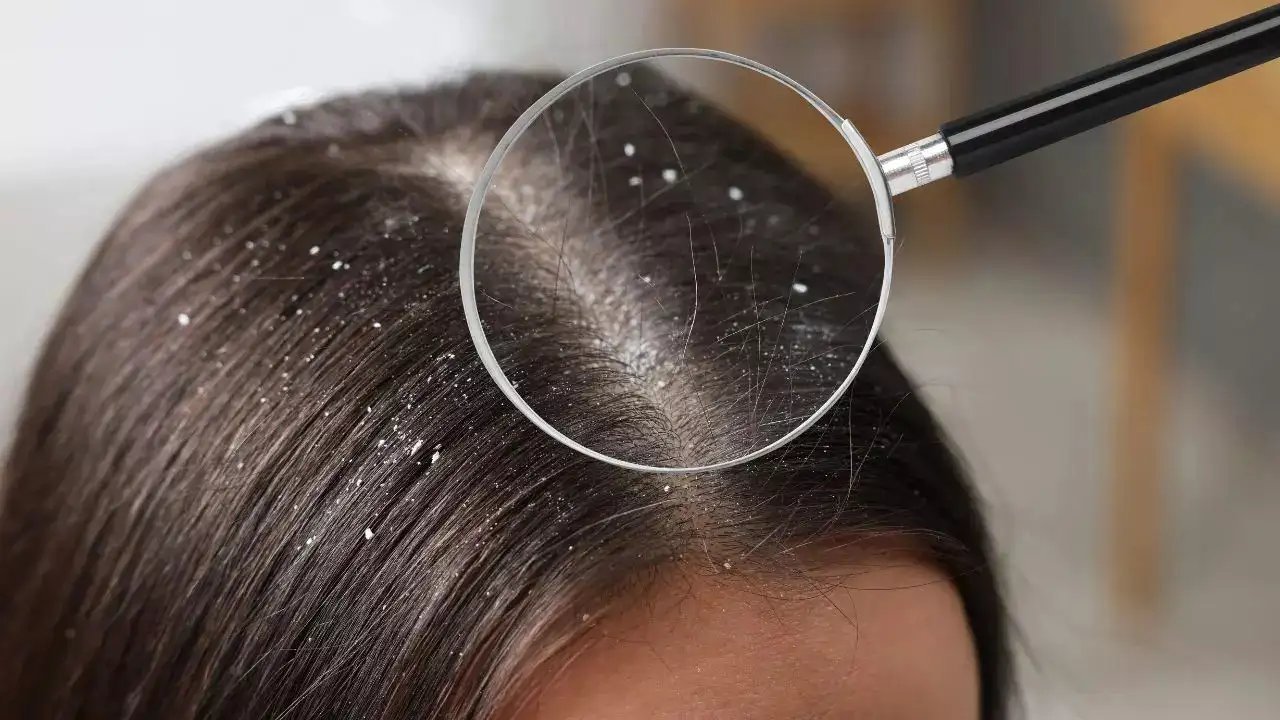
Close-up of a scalp under a magnifying glass showing visible dandruff flakes along the parting.
The direct answer to what causes dandruff and how to get rid of it is explained in full below, because questions like this rarely have a one word answer that is safe for everyone. The short version: it depends on your skin or hair type, the specific products involved, and how consistently you use them. The sections below break the answer down so you can apply it to your own routine.
Dandruff Explained
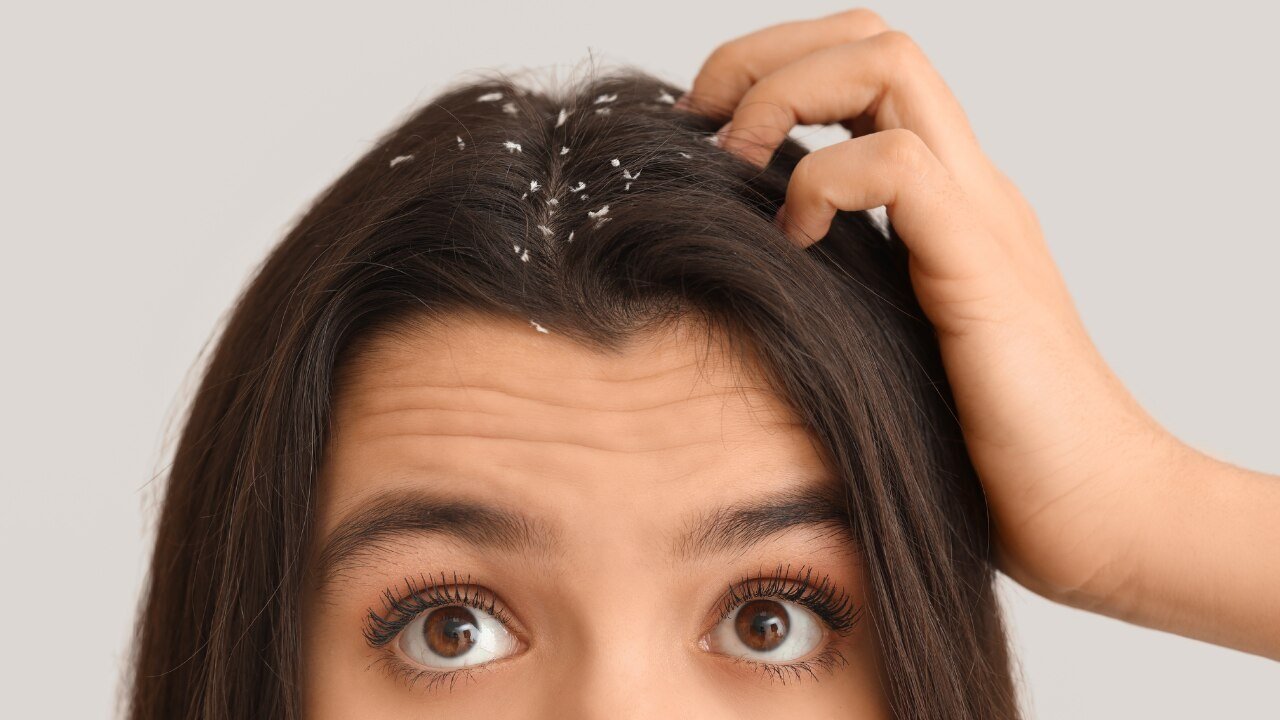
Flakes from dandruff are typically yellowish and slightly oily, with itch and sometimes redness at the hairline and eyebrows, while dry scalp flakes are white, small and come with dry skin elsewhere. The distinction decides treatment: antifungal actives for the first, gentler washing and moisture for the second. Stress, cold weather and infrequent washing flare it. Thick, silvery plaques or flaking that spreads to the face and body point toward psoriasis or eczema and a doctor’s input.
Who It Suits, and Who Should Skip It
Dandruff is the flaking and itching caused most often by seborrhoeic dermatitis, a reaction to normal scalp yeast, and it is managed with medicated shampoos rather than cured. Our dandruff shampoo guide covers product choice; this topic is the condition and its routine.
The pattern to recognise is that most hair care questions have a type based answer: the product, method or ingredient that suits one skin or hair type is mediocre for another, which is why the sections of this guide keep returning to type. If your type is reactive, recently treated, or under a clinician’s care for this concern, the cautious version of any advice here applies, and professional guidance outranks a guide.
Step by Step: Dandruff
The method below is the standard technique for this category, in the order that makes each step work. Adapt the amounts to your own skin or hair, and keep the order. If you still need the product itself, the buying guide Best Cream for Dandruff in Your Beard compares the current options for this exact need.
Start with hair washed and gently squeezed free of excess water
Apply the product to mid lengths and ends first, where hair is oldest and driest
Use the contact time on the label rather than rinsing immediately
Rinse with lukewarm water and judge softness once hair is fully dry, not wet
Repeat on a weekly rhythm and adjust the amount before switching products
Getting Dandruff Right in Your Routine
Fit matters more than intensity with dandruff. Build the habit at the gentlest effective level first: the right product amount, the right frequency for your type, and one change at a time so you can see what is actually helping. Keep the rest of your hair care routine stable while you judge the change, and give the routine the full period the product guidance describes before deciding it does not work.
Keep notes for the first two weeks: what you used, how much, and how your skin or hair felt the next day. That simple record answers most follow up questions, including whether a reaction came from the new step or from something layered with it.
Medicated shampoo two to three times weekly with proper contact time, judged at four weeks, then a maintenance rhythm. Keep styling products and oils off an irritated scalp while it settles.
Nizoral is the reference treatment for beard dandruff, because its active, ketoconazole 1%, goes after the cause: the Malassezia yeast whose growth on oily skin drives seborrheic dermatitis, the condition behind nearly all beard flaking. It is sold as a shampoo, but for this guide’s purpose it is used as a medicated beard wash: worked through the beard down to the skin, left for three to five minutes so the active can work, then rinsed, twice a week. That contact time is the detail most users miss, and it is the difference between the product working and not. In the first two to three weeks most users see flaking reduce markedly; after that, a once weekly wash usually holds the result, with a normal beard wash on other days. Nizoral is also the standard recommendation for flaking eyebrows and the skin beside the nose, which often flare alongside the beard. The honest limits: it is a treatment, not a cure, and stopping entirely usually lets the yeast and the flakes return; the formula can feel drying on coarse beard hair, so a beard oil or conditioner after washing is sensible; and the 7 fl oz bottle is small, though a little goes a long way when it is used twice a week.
Specifications
7 fl oz bottle
ketoconazole 1%
medicated anti-dandruff wash
twice weekly, leave on 3 to 5 minutes
Pros
Ketoconazole 1% treats the yeast that causes beard dandruff
Twice weekly use is enough once flakes are controlled
Works on flaky eyebrows and nose creases too
Cons
Medicated smell, though milder than most rivals
Must reach the skin, so long beards need patient application
Twice weekly routine has to be kept up or flakes return
Who should buyyour beard flakes are classic dandruff, white or yellowish flakes with an itchy or oily skin base
Who should skipyour patches are thick, crusted, spreading or painful, which needs a doctor rather than a shampoo
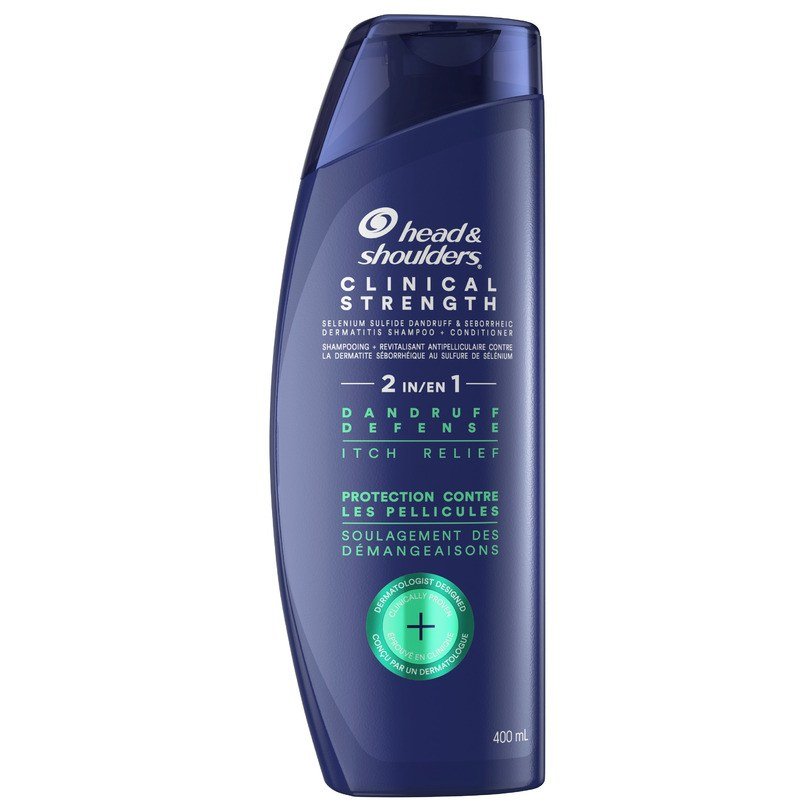
Head & Shoulders Clinical Strength Dandruff Defense
Head & Shoulders’ Clinical Strength line is built on a different active from Nizoral, selenium sulfide 1%, and it is the strongest thing the biggest anti-dandruff brand sells: the brand positions it as prescription strength dandruff protection, aimed at severe flakes and itch. The 2 in 1 format shown here pairs that treatment with light conditioning, which matters more in a beard than on a scalp, because medicated washes generally leave beard hair dry and wiry. Used the same way, worked to the skin and left for a few minutes before rinsing, it suits readers whose flaking is heavy, whose itch is the main complaint, or who did not get a full result from ketoconazole and want to rotate to a different active, a rotation dermatologists commonly suggest between the two. Expect a more medicinal experience than a cosmetic beard wash: the scent is clinical and the lather is businesslike. The bottle is a large 13.5 fl oz, so cost per use is low. Two cautions: selenium sulfide products carry label warnings about use on broken skin and about discolouration of jewellery, and like every pick here it manages rather than cures the condition, so a maintenance rhythm of one to three washes a week is the realistic plan.
Specifications
13.5 fl oz bottle
selenium sulfide 1%
clinical strength anti-dandruff
2 in 1 shampoo plus conditioner format
Pros
Selenium sulfide 1%, a different active to rotate with ketoconazole
2 in 1 format softens the drying effect on beard hair
Large bottle makes it the cheapest per wash here
Cons
Can dry beard hair more than a normal beard wash
Medicated positioning means a clinical scent
2 in 1 conditioning is light, so coarse beards still need oil
Who should buyyour flaking is heavy or ketoconazole alone did not finish the job
Who should skipyou want a gentle daily cleanser rather than a medicated treatment
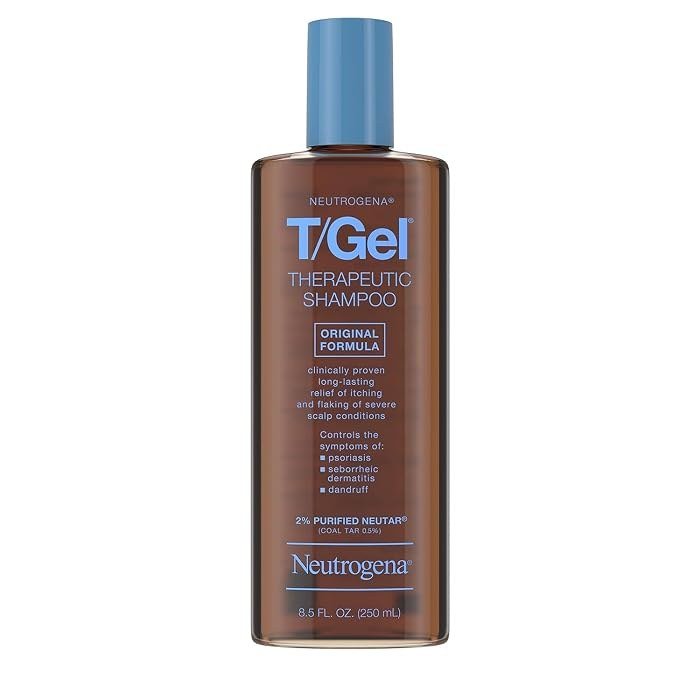
T/Gel is the coal tar institution of anti-dandruff care: Neutrogena’s therapeutic shampoo uses a coal tar extract, 0.5% coal tar, to slow the rapid skin cell turnover that produces thick flakes and scaling, which is why it is labelled not just for dandruff but for scalp psoriasis and seborrheic dermatitis. In a beard, that makes it the pick for the heavier end of the problem: thick, adherent flakes, scaly patches along the jawline or moustache, and itching that lighter shampoos calm but do not clear. It is used two or more times a week, worked to the skin and left for several minutes. Users should know what they are buying. Coal tar has a strong, unmistakable medicinal smell that lingers in beard hair longer than on a scalp, and tar products can increase sun sensitivity on the skin underneath, so daytime sunscreen on exposed skin matters. On white, grey or lightened beards, repeated use can cause yellowing discolouration, which is a real consideration for older readers. Availability has also become patchy in several markets as the brand has wound the line down, so expect third party sellers and variable pricing. Within those limits, nothing else here matches it for thick, scaly flaking.
Specifications
8.5 fl oz bottle
0.5% coal tar extract
therapeutic shampoo
for dandruff, seborrheic dermatitis and psoriasis
Pros
Coal tar slows the cell turnover behind thick, scaly flakes
Labelled for seborrheic dermatitis and psoriasis as well as dandruff
Long lasting control, often two washes a week
Cons
Distinctive tar smell that lingers in beard hair
Can discolour light or grey beard hair with long use
Availability has become patchy as the line has been wound down in some markets
Who should buyyour beard has thick, scaly, adherent flakes that lighter shampoos leave behind
Who should skipyour beard is white or grey and tar staining would be a problem
Applying rich products to the roots, which weighs hair down and dulls it
Judging a conditioner while hair is still wet and coated
Using protein heavy products daily on hair that needs moisture instead
Skipping heat protectant because a treatment is in the routine
Treating every flake as dryness and oiling an inflamed, yeast driven scalp, which feeds the problem
Abandoning treatment the week flakes clear, guaranteeing the return that maintenance prevents
When to See a Professional
See a trichologist, dermatologist or experienced stylist if you notice sudden shedding, patchy loss, scalp pain, sores or breakage that continues despite gentle care. Those signs point beyond product choice, and professional assessment comes before further buying.
What Causes Dandruff and How to Get Rid of It – what is the most important thing to get right?
Consistency at the right level for your type. With dandruff, the correct amount and frequency used steadily will outperform an intense routine used occasionally, and it avoids most of the irritation that makes people abandon the routine.
How long does it take to see a difference?
Most hair care routines show their direction within two to four weeks of consistent use, with fuller results over two to three months for concerns involving skin renewal or hair growth cycles. Judge on that timeline, not on single days.
What if my skin or hair reacts badly?
Stop the new step, return to your simplest routine until things settle, and reintroduce only one product at a time if you try again. Persistent pain, swelling or spreading irritation is a reason to seek professional advice rather than push through.
What is the biggest mistake people make with dandruff?
Treating every flake as dryness and oiling an inflamed, yeast driven scalp, which feeds the problem A close second: abandoning treatment the week flakes clear, guaranteeing the return that maintenance prevents
What should I check before starting with dandruff?
Flakes from dandruff are typically yellowish and slightly oily, with itch and sometimes redness at the hairline and eyebrows, while dry scalp flakes are white, small and come with dry skin elsewhere. Beyond that, check the product’s own directions against your skin or hair type, start at the gentle end of any range, and change nothing else in your routine for the first two weeks so the result is readable.
What is the best cream for dandruff in your beard?
The buying guide Best Cream for Dandruff in Your Beard compares the leading options for this exact need against the criteria that matter, with specifications, honest pros and cons, and a clear statement of who should skip each pick. It is linked from this page.
By Mirror & Glow Editorial Desk – November 23, 2026
Flakes from dandruff are typically yellowish and slightly oily. This guide applies that to how to get rid of dandruff without washing hair: the method, the timing, and the traps to avoid.
By Mirror & Glow Editorial Desk – November 23, 2026
Nizoral Anti-Dandruff Shampoo and Head & Shoulders Clinical Strength Dandruff Defense headline the best cream for dandruff in your beard: full specifications, photos, pros and cons for every pick in the line up.
By Mirror & Glow Editorial Desk – November 23, 2026
Pure argan oil is mostly oleic and linoleic acids with vitamin E. This guide applies that to can i leave argan oil in my hair for a week: the method, the timing, and the traps to avoid.