By Mirror & Glow Editorial Desk – November 23, 2026
Close up of a serum dropper dispensing a drop onto skin beside an eye.
Affiliate disclosure: Mirror & Glow may earn a commission from qualifying purchases made through links on this page, at no extra cost to you. Full disclosure.
The verdict up front: start with La Roche-Posay Mela B3 Serum, the strongest all round match in this line up for dry skin and dark spots. Every pick is compared in the table below, then reviewed in full with its downsides as well as its strengths.
If you are looking for the best serum for dry skin and dark spots, the right choice depends on fit, not hype. This guide is written for dry skin and dark spots, and every criterion below is weighted for that need first. The short answer: choose the serum whose formula, format and strength match your skin, check the ingredient or specification list before the marketing claims, and avoid the options whose downsides match the problem you are trying to solve.
What matters most in dry skin is covered in depth below: what the product actually is, the types on sale and how they differ, the buying criteria explained one by one, how to use what you buy, and the mistakes that waste the most money in this category.
Best Serum for Dry Skin and Dark Spots Compared
Product
Standout Point
Key Specification
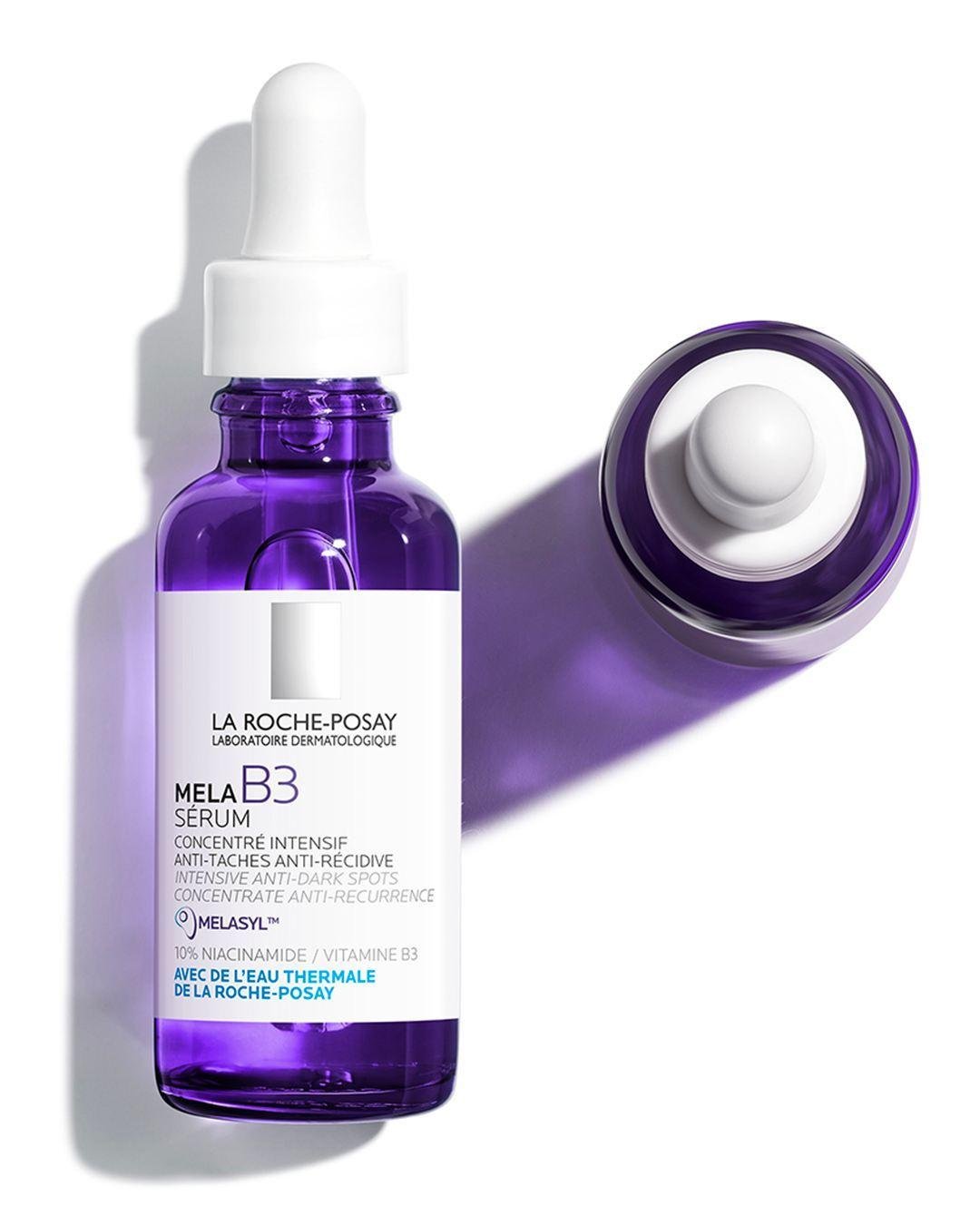
La Roche-Posay Mela B3 SerumTop Pick
Melasyl plus 10% niacinamide in one formula
30 ml dropper bottle – Melasyl with 10% niacinamide – carnosine and colour correction pigments – gel serum texture
Mela B3 is La Roche-Posay’s flagship dark spot serum, built around Melasyl, a patented ingredient the brand developed over many years of research into how pigmentation forms, paired with 10% niacinamide and carnosine. For this guide’s specific reader, dry skin with dark spots, its texture is as important as its actives: it is a proper gel serum with a hydrating base that sits comfortably on dry skin instead of the thin, watery feel of many brightening serums, and it layers under moisturiser without pilling. The formula also carries a light colour correcting tint that softens the look of spots immediately while the actives work over weeks, a cosmetic touch dry, mature skin tends to appreciate because spots look darker against dehydrated skin. The brand’s own testing frames results across eight weeks of twice daily use, and that is the honest timescale to judge it on. It is fragranced, lightly, which most dry skin tolerates but the very reactive should patch test, and Melasyl is exclusive to this brand, so there is no cheaper generic version of the same formula. The dropper bottle is glass and the price is pharmacy premium. As the most complete answer here, a spot active system in a base dry skin can actually wear daily, it leads the guide.
Specifications
30 ml dropper bottle
Melasyl with 10% niacinamide
carnosine and colour correction pigments
gel serum texture
Pros
Melasyl plus 10% niacinamide in one formula
Hydrating gel base suits dry skin well
Tint softens spots’ appearance immediately
Cons
Lightly fragranced, patch test reactive skin
Pharmacy premium pricing
Brand exclusive active, no budget equivalent
Who should buyyour skin is dry as well as spot prone and you want the spot treatment and a comfortable base in one bottle
Who should skipyou avoid fragranced products entirely, where the fragrance free picks below are safer
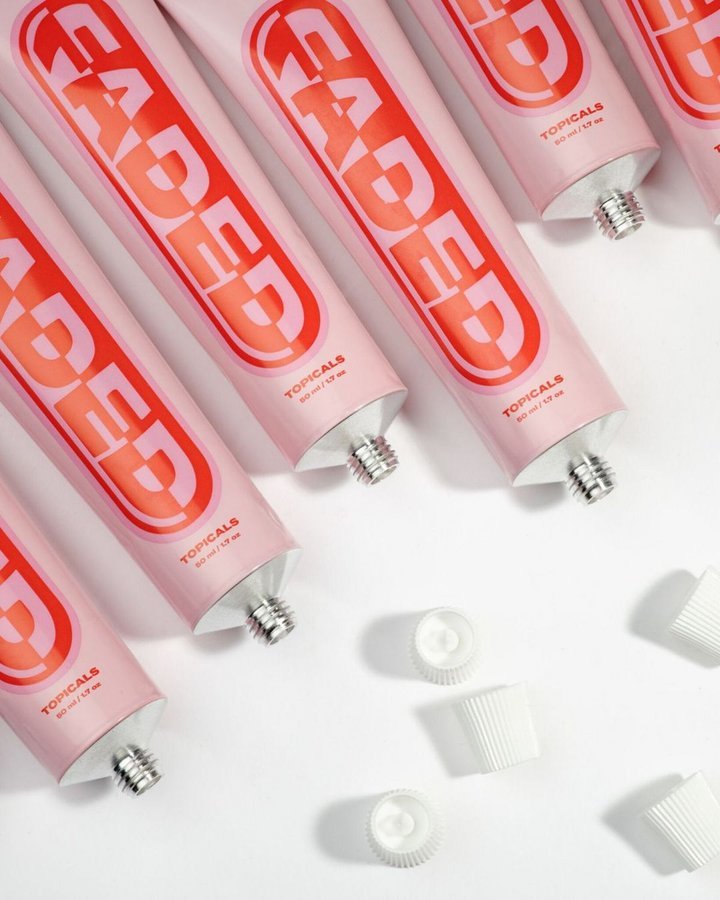
Faded stacks three of the most respected cosmetic brightening ingredients in one gel serum: tranexamic acid, azelaic acid and niacinamide, with kojic acid and liquorice root in support. For dry skin its format is the quiet advantage. It is a substantial gel cream serum rather than a watery liquid, so it contributes real moisture while it treats, and the 50 ml tube is generous for a treatment product, enough for twice daily use over the whole face for months. That matters because dark spot care fails on consistency more than on ingredients, and a tube you do not ration gets used. The formula is designed for the marks left by breakouts, sun spots and melasma style patchiness alike, and it is safe across skin tones, which the brand states plainly. The honest downsides are a distinctive, slightly sulphurous smell from the active blend that some users dislike, a texture that can pill if layered over heavy oils, and a mid premium price. It also asks for sunscreen discipline, as every pick here does, because treating pigment while adding more is wasted effort. For dry skin that wants maximum brightening chemistry in a moisturising vehicle, Faded is the strongest value in the guide.
Specifications
50 ml tube
tranexamic acid, azelaic acid and niacinamide
kojic acid and liquorice
gel serum format
Pros
Three proven brightening actives stacked
Gel cream texture adds moisture for dry skin
Generous 50 ml tube supports consistent use
Cons
Noticeable natural smell from the actives
Can pill over heavy oil layers
Mid premium price point
Who should buyyou want the strongest brightening stack in a texture dry skin finds comfortable
Who should skipyou are very sensitive to product smells, where the neutral scented serums here suit better
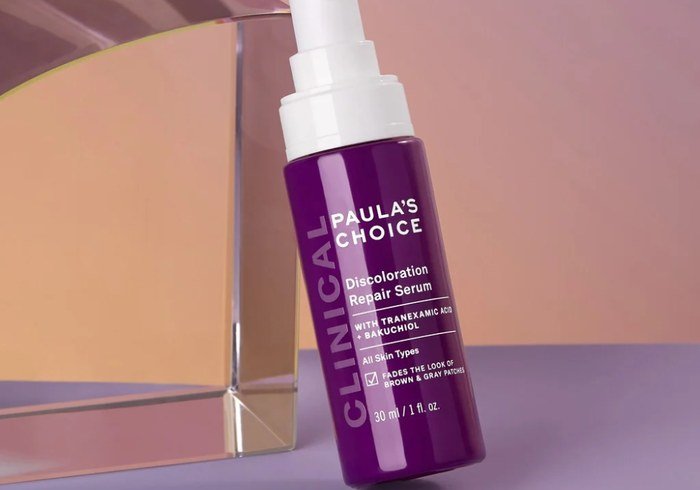
Paula’s Choice built this serum around a pairing nobody else in the guide uses: tranexamic acid for the look of dark spots, with bakuchiol, the plant derived ingredient the brand positions alongside retinoids for tone and texture, plus niacinamide. The base is a silky, mid weight serum that dry skin wears comfortably, richer than the watery Korean picks below and easy to layer under a cream. The airless style pump is the right packaging for a formula like this, dosing a consistent amount and keeping air away from the actives, and the brand publishes its ingredient reasoning in full, which makes it the easiest pick here to check against a routine you already own. It is fragrance free, as everything from this brand is. The trade offs are price per millilitre, which is the highest in this guide, and patience: the brand frames visible change across eight to twelve weeks, and dry skin that is also using retinoids should alternate nights rather than stack everything at once. For readers who want a fragrance free, transparently formulated treatment with a hydrating hand feel, this is the clinical pick. It also suits skin that finds vitamin C serums irritating, since the brightening route here is entirely different.
Specifications
30 ml pump bottle
tranexamic acid
bakuchiol
niacinamide
fragrance free
Pros
Tranexamic acid plus bakuchiol pairing
Silky base that dry skin wears well
Fragrance free with full ingredient transparency
Cons
Highest price per millilitre in the guide
Results framed over eight to twelve weeks
Small 30 ml bottle for twice daily use
Who should buyyou want a fragrance free, clinically framed serum and your dry skin dislikes watery textures
Who should skipyou are shopping on cost per month, where the larger tubes here stretch further
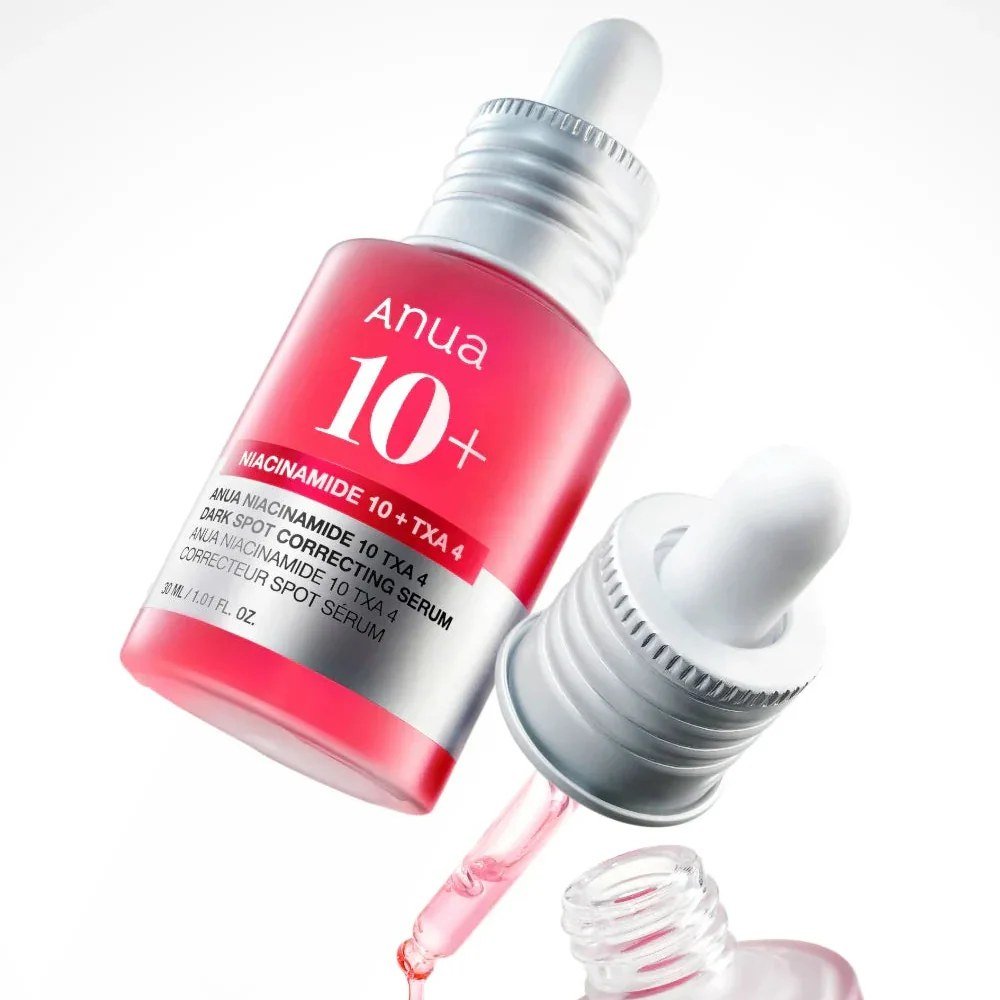
ANUA’s pink serum states its whole strategy on the label: 10% niacinamide, 4% tranexamic acid and 2% arbutin, three brightening ingredients at declared strengths in a light water gel. For dry skin the formula needs honest framing. The base is hydrating rather than rich, with humectants that draw water in, so it works best as the treatment layer under a proper moisturiser rather than as hydration on its own, and layered that way it is excellent: the niacinamide percentage is the highest in this guide, and niacinamide also supports the barrier that dry skin struggles with, so the serum treats spots and helps the skin hold water at the same time. The pink tint is from vitamin B12 in the formula, not dye for its own sake. It absorbs quickly, layers without pilling under creams and sunscreen, and the price is mid range for a Korean treatment serum. The cautions are that 10% niacinamide is more than some reactive skin enjoys, occasionally causing flushing, and the light texture will disappoint anyone expecting a rich serum feel. Used under moisturiser by dry skin that tolerates niacinamide, it delivers the guide’s strongest stated brightening percentages at a fair price. Store the bottle away from direct sunlight, as with any active serum, and introduce it once daily for the first week if your skin is new to high percentage niacinamide.
Specifications
30 ml dropper bottle
4% tranexamic acid
10% niacinamide
2% arbutin
pink tinted water gel
Pros
Highest stated niacinamide strength here
Three brightening actives at declared levels
Layers cleanly under moisturiser and SPF
Cons
Light texture needs a cream over it for dry skin
10% niacinamide can flush reactive skin
Dropper format is less precise than a pump
Who should buyyou layer serum under moisturiser anyway and want maximum stated brightening percentages
Who should skipyour skin flushes with strong niacinamide, or you want one rich product rather than layers
Naturium’s tranexamic serum is the straightforward, well priced version of the ingredient this guide leans on most. The formula leads with 5% tranexamic acid, then supports it with kojic acid, niacinamide and liquorice root extract, a supporting cast that covers the main cosmetic routes to more even looking tone. The texture is a light gel serum with enough body to spread evenly, and for dry skin it sits in the layering category: apply to slightly damp skin, let it settle, then moisturise, and it will not pill or fight with the cream above it. Naturium publishes percentages and keeps fragrance out, and the brand’s pricing keeps a twice daily habit affordable, which is the unglamorous factor that decides whether any spot serum works. The compromises are a standard 30 ml bottle that lasts about a month of full face twice daily use, and a formula with no dedicated hydrating headline, so very dry skin must treat hydration as a separate step’s job. There is also no tint or instant effect; this is a slow, honest treatment. As the balanced middle of the guide, strong actives, fair price, no fragrance and no fuss, it is easy to recommend to dry skin building a layering routine.
Specifications
30 ml dropper bottle
5% tranexamic acid
kojic acid
niacinamide and liquorice root
Pros
5% tranexamic acid with a full supporting cast
Fragrance free and fairly priced
Gel texture layers under cream without pilling
Cons
No hydrating headline ingredient of its own
30 ml lasts about a month used twice daily
No instant cosmetic effect on spots
Who should buyyou want strong tranexamic acid at a fair price and you moisturise as a separate step
Who should skipyour skin is very dry and you want the serum itself to contribute richness, not just actives
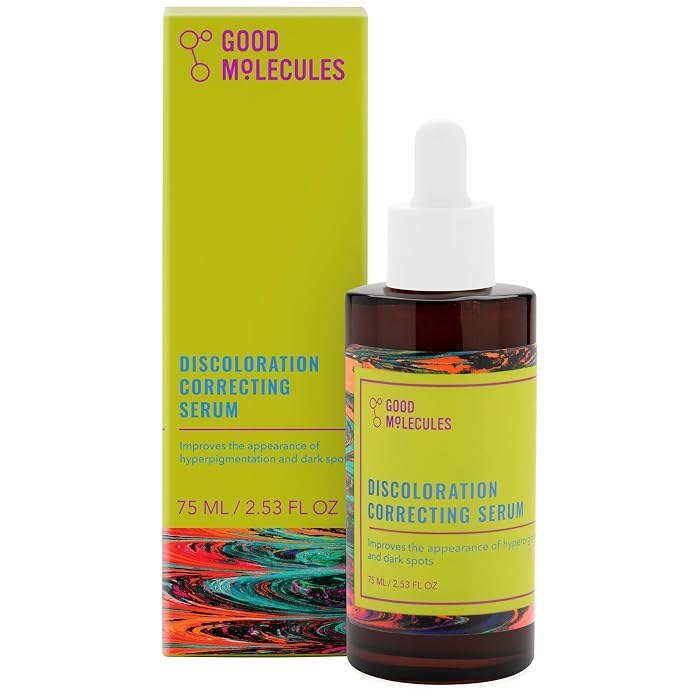
Good Molecules sells this serum on transparency and price: a tranexamic acid derivative with a stated 4% niacinamide, fragrance free, in a 30 ml bottle that costs less than a coffee shop lunch and a 75 ml version that makes twice daily use genuinely cheap. For dry skin the texture is a light, slightly viscous serum that absorbs cleanly and layers under moisturiser without any pilling, and the formula keeps its ingredient list short, which reactive dry skin often appreciates more than a long botanical cast. The brightening approach is the gentle end of this guide: the tranexamic derivative and niacinamide work on the look of spots and overall unevenness gradually, and the brand does not overclaim the timeline. That gentleness is the trade. Stubborn, established dark spots get more firepower from the Faded or Mela B3 formulas above, and the watery base contributes little moisture of its own. What this serum does better than any rival is remove the cost excuse: at this price, a dry skin reader can use it properly, twice a day, every day, under a good cream, for the three months spot care actually takes. Consistency beats intensity in pigment care, and this is the consistency pick.
Specifications
30 ml and 75 ml bottles
tranexamic acid derivative
4% niacinamide
fragrance free
Pros
Lowest cost per month in the guide
Short, fragrance free ingredient list
Large 75 ml size supports twice daily use
Cons
Gentlest brightening strength here
Base adds little moisture for dry skin
Established spots respond slowly
Who should buyyour budget is the barrier and you will use an affordable serum consistently under moisturiser
Who should skipyour spots are stubborn and established and you want the strongest formulas first
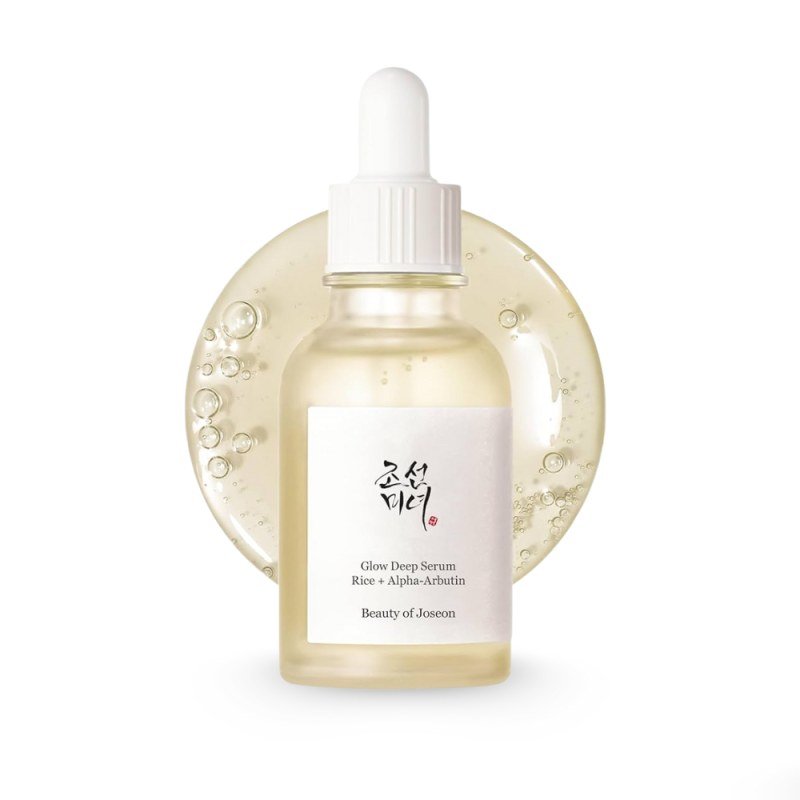
Beauty of Joseon Glow Deep Serum: Rice + Alpha-Arbutin
Glow Deep is the hydrating heart of this guide. Its base is rice extract, used in Korean skincare for centuries for brightening and softening, carrying 2% alpha arbutin and niacinamide in a serum with a noticeably more nourishing feel than the water gels around it. For dry skin that is the whole case: this is the one brightening serum here that leaves skin feeling cushioned rather than merely treated, and it can serve as the hydration and brightening layer in a short routine under sunscreen in the morning. Alpha arbutin works on the look of dark spots by a well understood cosmetic route and is generally one of the best tolerated brightening ingredients, which suits dry, reactive skin that cannot take stronger stacks. The limits follow from the gentleness. Rice and arbutin are a slow, mild programme compared with tranexamic stacks, so deep or longstanding spots will move slowly, and the serum contains no exfoliant, so surface dullness from dead cell build up needs a separate gentle step. The price is low and the bottle is the standard Korean 30 ml. For dry skin that wants its brightening and its comfort in the same step, this is the most pleasant serum in the guide.
Specifications
30 ml dropper bottle
rice extract base
2% alpha arbutin
niacinamide
fragrance free
Pros
Rice base genuinely nourishes dry skin
Alpha arbutin is well tolerated and gentle
Can combine hydration and brightening in one layer
Cons
Mild strength, slow on established spots
No exfoliating action for surface dullness
Standard small 30 ml bottle
Who should buyyour dry skin is reactive and you want brightening that feels like hydration, not treatment
Who should skipyour spots are deep and longstanding and you need the stronger tranexamic formulas instead
The INKEY List takes a different schedule from the other tranexamic serums here: it positions its 2% tranexamic acid serum as a night treatment, used in the evening routine where it can work alongside the skin’s overnight repair rhythm. The formula adds acai berry and a vitamin C derivative for antioxidant support, and the texture is a light gel that dry skin should treat as the active layer under a night cream. That overnight framing suits dry skin routines well, because nights are when the richer moisturisers come out anyway, so the serum’s lack of richness costs nothing. The 2% strength is the lowest tranexamic percentage in this guide, and the brand is honest that this is a gradual, nightly programme for the look of dark spots and uneven tone rather than a fast intervention. The pump bottle is hygienic and the price is among the lowest here, in line with the brand’s ingredient led value positioning. The compromises are the modest strength and the night only positioning, which halves the application frequency of the twice daily rivals. As an affordable, gentle nightly brightener for dry skin that already has a good night cream, it earns its place. It also layers without conflict alongside a retinoid on alternate nights, which makes it easy to schedule inside an established evening routine.
Specifications
30 ml pump bottle
2% tranexamic acid
acai and vitamin C derivative
overnight positioning
Pros
Night treatment format fits dry skin routines
Pump bottle and low price
Antioxidant support from acai and vitamin C derivative
Cons
Lowest tranexamic strength in the guide
Night only use halves application frequency
Needs a night cream over it for dry skin
Who should buyyou want a gentle, affordable nightly brightener under your existing night cream
Who should skipyou want twice daily treatment at a higher tranexamic strength for stubborn spots
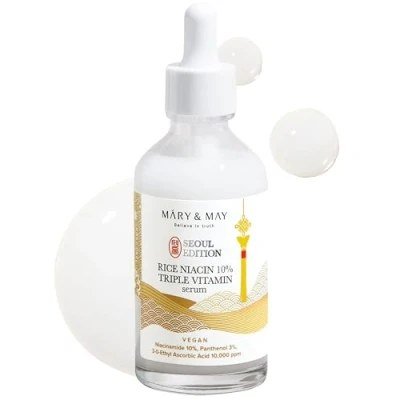
Mary&May is a Korean brand built on stated percentages and short formulas, and this serum pairs 5% niacinamide with 2% tranexamic acid in a clean, fragrance free water gel. For dry skin it is another layering serum, light in texture and quick to absorb, designed to sit under moisturiser morning and night. The pairing is sensible: niacinamide supports the barrier and the look of uneven tone at the same time, which matters for dry skin because a compromised barrier makes pigmentation look worse and skin feel tighter, while the tranexamic acid addresses the spots themselves. The brand’s pricing is honest mid Korean range, and the formula avoids the fragrance and colouring that fill many serums at this level. The limits are the moderate strengths, lower than the ANUA percentages on both shared ingredients, and a light base that contributes humectant hydration only, so dry skin still needs its cream. Availability is mostly through Korean beauty retailers and Amazon sellers, so check the seller is authorised. As a balanced, fragrance free daily driver for dry skin that wants both headline ingredients without extremes, it is a quietly strong option. The glass bottle and clean labelling reflect the brand’s clinical style, and a bottle lasts roughly six weeks of twice daily full face use at the recommended few drops per application.
Specifications
30 ml dropper bottle
5% niacinamide
2% tranexamic acid
fragrance free Korean serum
Pros
Balanced niacinamide and tranexamic pairing
Fragrance free, short formula
Barrier support helps dry skin hold water
Cons
Moderate strengths compared with ANUA
Light base, moisturiser still required
Mostly sold through K-beauty retailers
Who should buyyou want both headline brighteners at moderate, daily friendly strengths in a fragrance free base
Who should skipyou want the highest stated percentages available, which the ANUA serum above provides
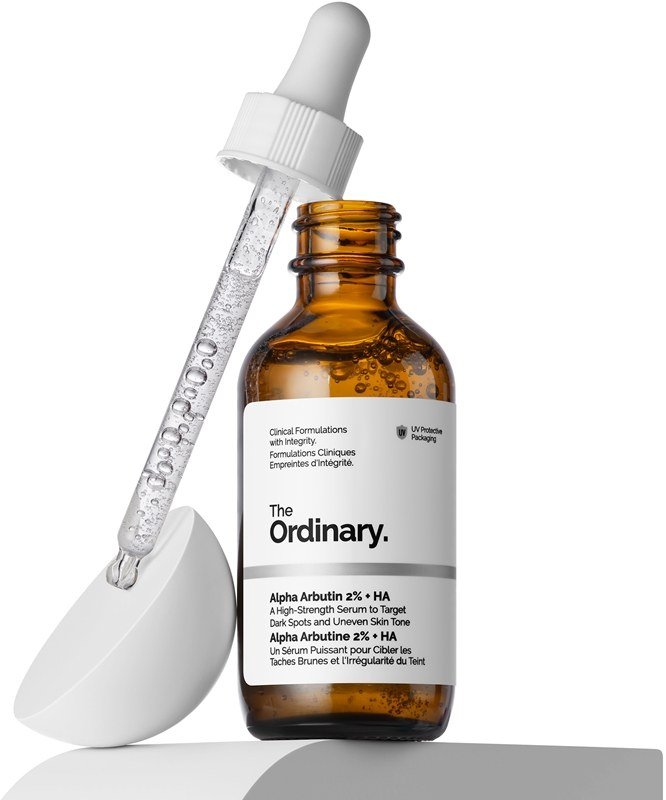
This is the reference alpha arbutin serum and the most hydrating budget pick in the guide, because its base is a hyaluronic acid solution rather than plain water. That base is why it belongs in a dry skin guide specifically: each application puts a humectant layer on the skin at the same time as the 2% alpha arbutin goes to work on the look of dark spots, and applied to slightly damp skin under moisturiser it genuinely improves how comfortable dry skin feels through the day. Alpha arbutin is among the best tolerated brightening ingredients, suitable for twice daily use and for skin that reacts to stronger stacks, and The Ordinary’s price makes that twice daily habit painless. The formula is fragrance free and the brand publishes the thinking behind the concentration. The trade offs are strength and texture. Arbutin alone is a mild programme for established spots compared with the tranexamic combinations above, and the serum can feel slightly tacky if over applied, a common hyaluronic acid trait that disappears under cream. The dropper bottle is basic. For dry skin starting spot care, or maintaining results gained from a stronger serum, this is the gentle, hydrating workhorse. It is also one of the easiest serums here to combine, sitting comfortably under vitamin C in the morning or a retinoid at night without pilling or conflict.
Specifications
30 ml dropper bottle
2% alpha arbutin
hyaluronic acid base
fragrance free
Pros
Hyaluronic base hydrates while it brightens
Alpha arbutin suits twice daily, sensitive use
Lowest price among the hydrating picks
Cons
Mild on established, stubborn spots
Can feel tacky if over applied
Basic dropper packaging
Who should buyyour dry skin wants hydration and gentle brightening in one affordable, twice daily step
Who should skipyour spots are stubborn and you need a tranexamic acid stack as the main treatment
Dry skin is skin lacking oil and barrier lipids, showing as tightness, flaking, rough texture and sometimes itch, worsened by winter, hot showers and harsh cleansers. It is a skin type and a temporary condition both, and the care logic is the same: add water, then seal it.
The barrier is the story: when the lipid wall between skin cells is depleted, water escapes and irritants enter. Effective products combine humectants such as glycerin and urea to hold water, emollients to smooth, and occlusives like petrolatum or rich butters to seal, applied to damp skin so there is water to trap. Ceramides support the barrier’s own structure. Cleanser choice matters as much as moisturiser; a harsh foaming wash can undo a good cream twice a day.
How to Choose: the Criteria That Matter
Choosing skincare well means buying for the skin you have, in the order it needs help. Start with the concern, not the product shelf: breakouts, marks, dryness, redness and lines each have a short list of ingredients with real evidence behind them, and the guide’s topic section names the ones that matter here. Then check your current routine for conflicts before adding anything. Most failed purchases are good products bought for the wrong concern, or two strong actives introduced in the same week so that irritation gets credited to both.
Active ingredient and its stated strength, since a named active without a percentage tells you very little
A percentage on the label lets you compare like with like: a 10 percent azelaic acid and a 2 percent salicylic acid are honest products, while a serum that names an active without a strength is asking you to trust the marketing instead.
Formula type for your skin: gel for oily skin, cream for dry skin, emulsion for combination skin
The same active in a gel, a cream and an oil behaves like three different products. Gel and water based formulas suit oily and combination skin; creams and emulsions carry dry skin through the day; oils are finishing steps, not treatments.
What the formula leaves out: fragrance, drying alcohol and common irritants if your skin is reactive
What is left out decides tolerance. Fragrance, essential oils and drying alcohol are the three most common reasons a well reviewed product stings, flushes or breaks someone out, and sensitive skin should read for their absence first.
How it layers with the rest of your routine, including retinoids, vitamin C and sunscreen
A product that pills under sunscreen or fights your retinoid will not survive in a real routine. Think in pairs: water based before oil based, thinnest to thickest, and actives split across morning and night when they compete.
Packaging that protects the formula, such as airless pumps and opaque bottles for light sensitive actives
Actives degrade in light and air. Vitamin C, retinoids and many antioxidants keep their strength in opaque, airless packaging, and a clear dropper bottle on a sunny shelf is quietly expiring.
Also Considered
These products were researched for this guide and left off the picks list for the reasons given. They are not poor products; they simply fit the exact question of this guide less well.
SkinCeuticals Discoloration Defense
A clinical serum with tranexamic acid and niacinamide that was researched closely. It was left off because its thin, fast drying texture suits dry skin less well than the hydrating bases picked above, and its premium price buys little extra over the tranexamic formulas already listed.
Murad Rapid Dark Spot Correcting Serum
A potent glycolic acid based brightening serum, researched for this guide. Daily glycolic exfoliation is a hard programme for dry or sensitive skin to sustain, so it fits the hyperpigmentation guide’s resilient skin reader better than this guide’s dry skin brief.
Caudalie Vinoperfect Radiance Serum
A milky, elegant brightening serum built on viniferine, researched and enjoyed. It was left off on strength and value: its programme is gentler than the tranexamic picks and its price per millilitre is among the highest checked.
How to Use What You Buy
Start with clean, dry or slightly damp skin as the product type directs
Apply the amount stated on the product, usually a pea sized amount or two finger lengths for sunscreen
Introduce one new active at a time and give it at least two weeks before judging
Use the product at the time of day it is designed for, and always finish morning routines with sunscreen
Note any stinging, breakouts or dryness in the first week and adjust frequency before giving up
Fit decides whether a good product works. Skincare actives need a stable base routine around them: a gentle cleanser, a moisturiser your skin likes, and sunscreen every morning. Add the new product to that base one at a time, at the frequency the category supports, and keep everything else unchanged for the first month. That discipline is what turns a purchase into a result you can actually attribute.
Moisturise within minutes of washing, on damp skin, morning and night, richer at night. Lukewarm, shorter showers and a gentle cleanser once a day, with water only in the morning, suit most dry skin.
Who Should Buy, and Who Should Skip
Buy if your need matches this guide exactly: you are looking for options for dry skin and dark spots, you have checked the criteria above against your current routine, and you are willing to introduce the product gradually and judge it over the period the category needs.
Skip if your concern is different from the one in the title, your skin or hair is currently irritated or damaged and needs recovery first, or a clinician has advised you on this concern, in which case their advice comes before any buying guide.
Common Mistakes in Dry Skin
Starting three new actives in the same week, which makes reactions impossible to trace
Using more product than directed, which increases irritation without improving results
Skipping sunscreen while using brightening or exfoliating products, which undoes their work
Expecting visible change in days when most skincare actives need weeks of consistent use
Applying moisturiser to dry skin and judging it weak, when it needed damp skin to work with
Scrubbing flakes off daily instead of hydrating them away, which keeps the barrier raw
Frequently Asked Questions
How do I choose the right serum?
Start with the criteria in this guide: match the formula or specification to your skin type and the exact concern in the title, check the published ingredient or specification list, and pick the option whose downsides do not overlap with your problem. The type decision comes first: most disappointment in dry skin is a good product bought in the wrong type.
How long before I see results from a dry skin product?
It depends on the category, but most skincare products need consistent use over several weeks before a fair judgement. Devices and treatments state their expected course in the manual or on the packaging, and that timeline is the one to follow. Judge on the category’s clock, not on the first week.
What should I avoid when buying for dry skin and dark spots?
Avoid buying on claims alone: skip options with no published ingredient or specification list, strengths far beyond what your routine needs, and any product whose stated downsides match the exact issue you are trying to fix. Also avoid changing two other parts of your routine in the same week, which makes the new product impossible to judge.
Is the most expensive option always the best?
No. In dry skin, price often reflects branding, packaging and extras rather than the core ingredient or specification doing the work. The criteria in this guide matter more than the price band, and mid priced options with the right specification beat premium options with the wrong one.
What is the most common mistake with dry skin?
Applying moisturiser to dry skin and judging it weak, when it needed damp skin to work with A close second: scrubbing flakes off daily instead of hydrating them away, which keeps the barrier raw
How does dry skin fit into a daily routine?
Moisturise within minutes of washing, on damp skin, morning and night, richer at night. Lukewarm, shorter showers and a gentle cleanser once a day, with water only in the morning, suit most dry skin. Fit decides whether a good product works.
How to Get Rid of Dry Skin Around Mouth Overnight?
The companion how-to guide, How to Get Rid of Dry Skin Around Mouth Overnight, covers this in full: the step by step method, the right amounts and frequency for your type, and the mistakes that stop it working. It is linked from the routine sections of this page, and it is the right next read once you have chosen a product.
By Mirror & Glow Editorial Desk – November 23, 2026
The barrier is the story: when the lipid wall between skin cells is depleted. This guide applies that to how to get rid of dry skin around mouth overnight: the method, the timing, and the traps to avoid.
By Mirror & Glow Editorial Desk – November 23, 2026
How to Get Rid of Acne Scars on Back? The short answer first, then the detail: one active at a time, introduced over two weeks, judged at eight to twelve weeks, with timing, amounts and the errors that stop it working.
By Mirror & Glow Editorial Desk – November 23, 2026
Hydrocolloid is a wound dressing material: it draws out fluid and turns white as it works. This guide applies that to how often to use pimple patches on a single spot: the method, the timing, and the traps to avoid.