By Mirror & Glow Editorial Desk – November 23, 2026
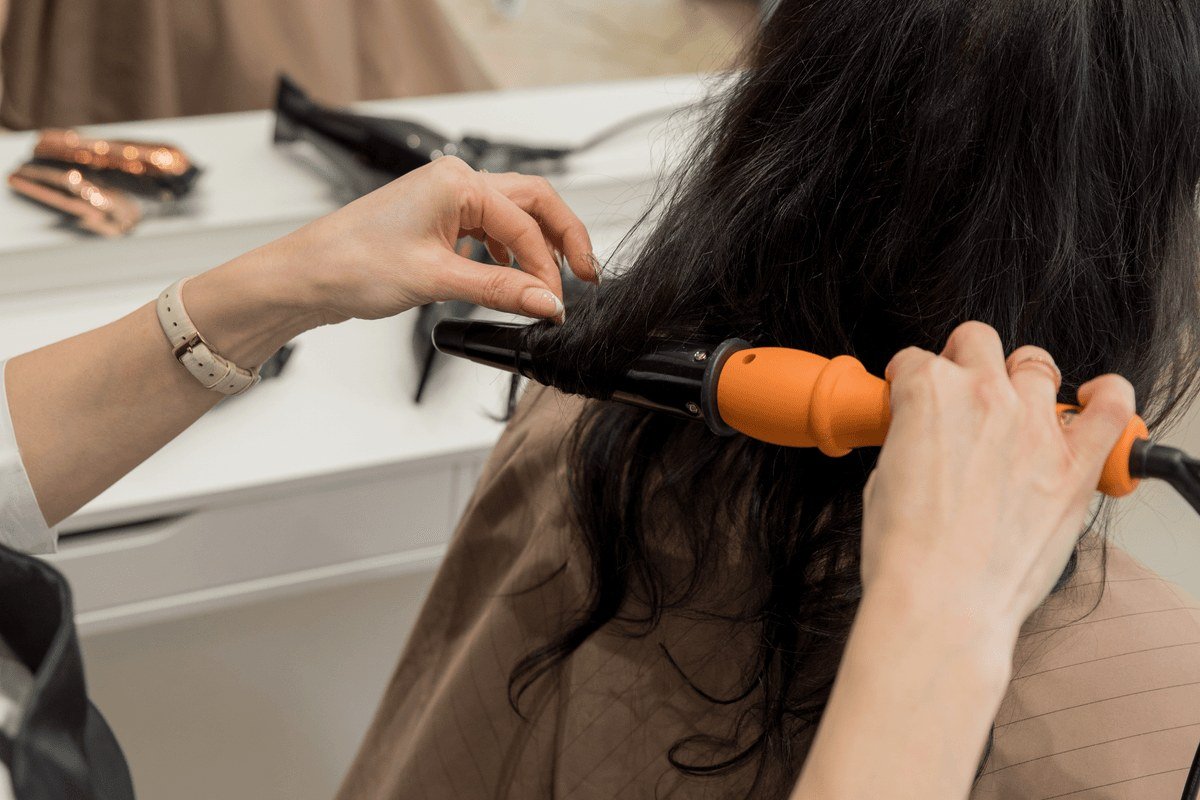
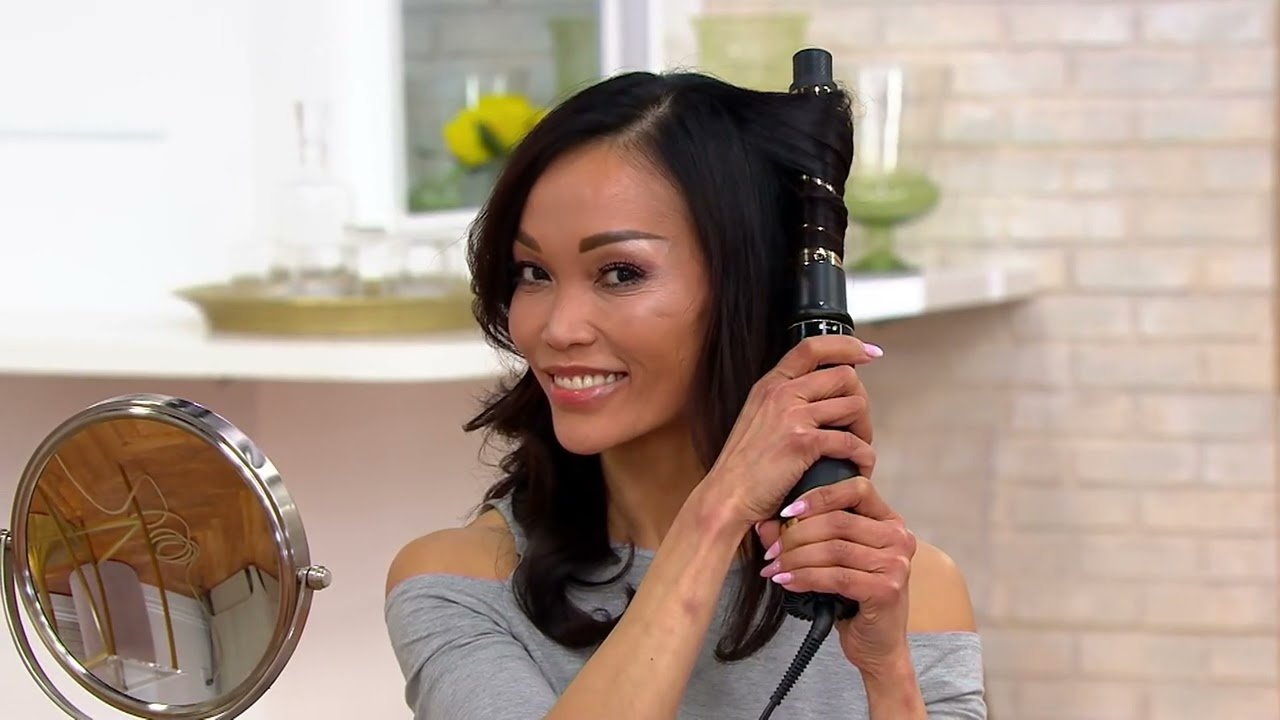
Back view of a stylist curling a client dark wavy hair with a curling iron.
The direct answer to what temperature should i set my curling iron to is explained in full below, because questions like this rarely have a one word answer that is safe for everyone. The short version: it depends on your skin or hair type, the specific products involved, and how consistently you use them. The sections below break the answer down so you can apply it to your own routine.
Curling Iron Explained
A curling iron is a heated barrel with a clamp that sets defined, structured curls. Barrel diameter decides the curl: small barrels give tight curls, large barrels give loose waves. It is the control tool, holding each section in place while heat sets the shape.
Look at the temperature range and how evenly the barrel heats, the barrel material (ceramic coatings distribute heat more gently than bare metal), and whether the clamp tension suits your hair thickness. Fine hair needs genuinely low settings, around the bottom of the dial; coarse hair needs sustained heat. A cool tip and swivel cord are small details that decide how usable the iron is at the back of the head.
Putting It Into Practice
Work on fully dry hair with heat protectant, in sections no wider than the barrel. Hold each curl for seconds, not until it smokes, release it into your palm and let it cool in shape before dressing it out; cooling is what sets the curl.
Build the habit at the gentlest effective level first and attach it to something you already do, after a shower, before bed, with your morning routine, because techniques attached to existing habits survive. Keep the rest of your hair tools routine stable while you judge the change, and give the routine the full period the product guidance describes before deciding it does not work.
Step by Step: Curling Iron
The method below is the standard technique for this category, in the order that makes each step work. Adapt the amounts to your own skin or hair, and keep the order. If you still need the product itself, the buying guide Best Curling Iron for Fine Thin Hair compares the current options for this exact need.
Start with clean, fully detangled hair and apply heat protectant evenly
Dry hair completely before using irons, unless the tool is designed for wet to dry use
Work in small sections, no wider than the plate or barrel
Use the lowest temperature that achieves the style in one or two passes
Let each section cool in shape before touching it, which is what sets the style
Getting Curling Iron Right in Your Routine
Fit matters more than intensity with curling iron. Build the habit at the gentlest effective level first: the right product amount, the right frequency for your type, and one change at a time so you can see what is actually helping. Keep the rest of your hair tools routine stable while you judge the change, and give the routine the full period the product guidance describes before deciding it does not work.
Keep notes for the first two weeks: what you used, how much, and how your skin or hair felt the next day. That simple record answers most follow up questions, including whether a reaction came from the new step or from something layered with it.
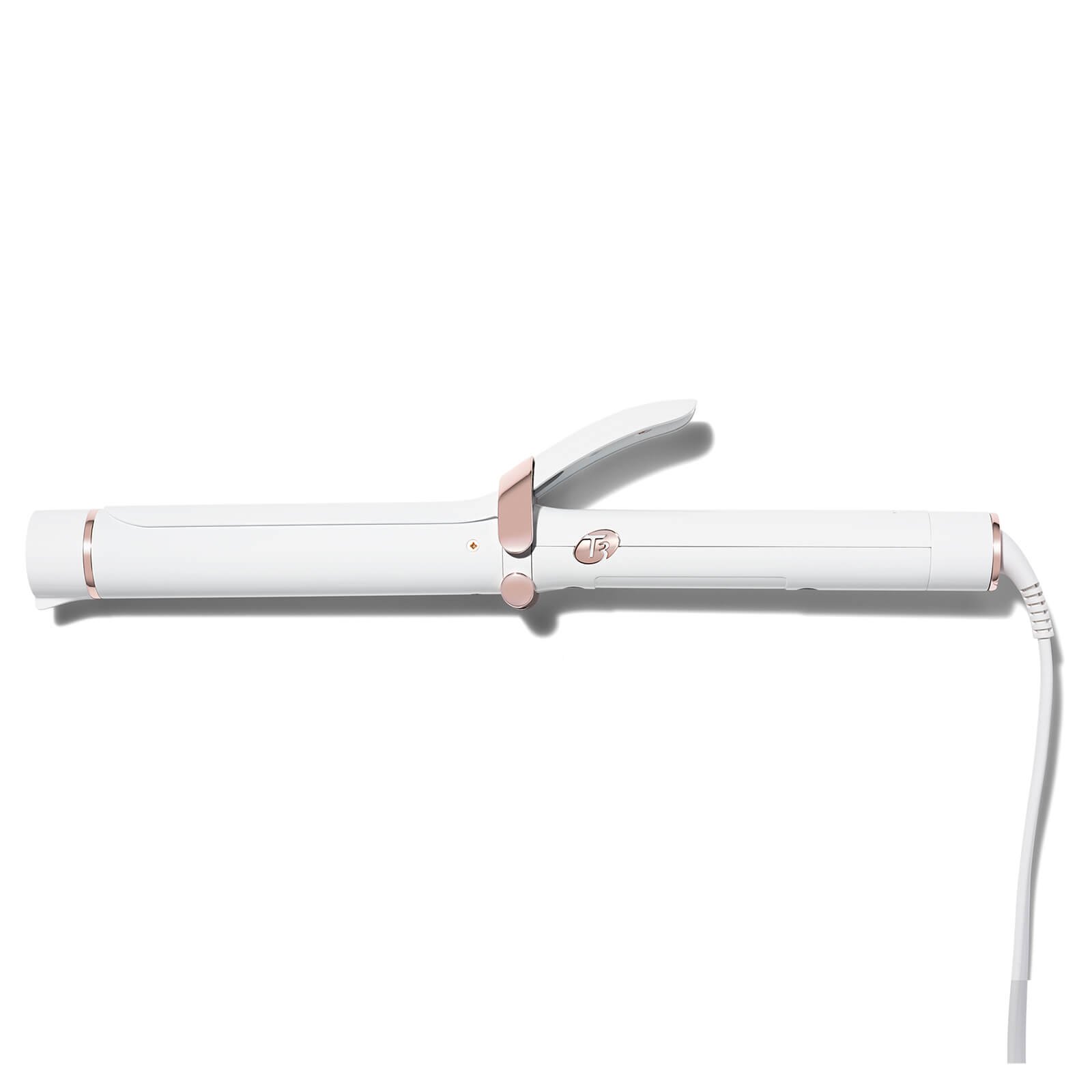
Short, fine hair is the hardest brief in curling: the barrel must be small enough to wrap a short section more than once, and the heat must go low enough not to scorch strands that have almost no mass. The T3 SinglePass Curl in the 3/4 inch size is built for it. The CeraGloss ceramic barrel heats evenly along its length, the five settings start at 260 degrees Fahrenheit, the lowest floor in this guide, and T3 itself steers fine hair to the first two settings, which is the honest zone for regular styling. The clip holds a short section securely without creasing it, and the SmartTwist dial makes adjustment a one handed job while the other hand holds the section. Curls from a 3/4 inch barrel on short hair come out defined and springy, and because fine hair takes a set easily, they relax into shape through the day rather than dropping out. The costs: T3 money, and a barrel this small is slow work if your hair grows past the shoulders. Auto world voltage and a one hour auto off round it out. For short fine hair that wants real curls at genuinely gentle temperatures, this is the reference tool in the guide.
Specifications
5 heat settings from 260°F to 410°F
lets fine hair start at the lowest settings and thick hair climb only as far as it needs
Pros
Lowest heat floor here, 260°F
Small barrel wraps short sections
Even CeraGloss ceramic heat
Cons
Premium price
Slow on longer hair
Defined curls only, no loose waves
Who should buyyour short fine hair needs real curls at gentle, controlled heat
Who should skipyour hair is long, or you only want loose waves
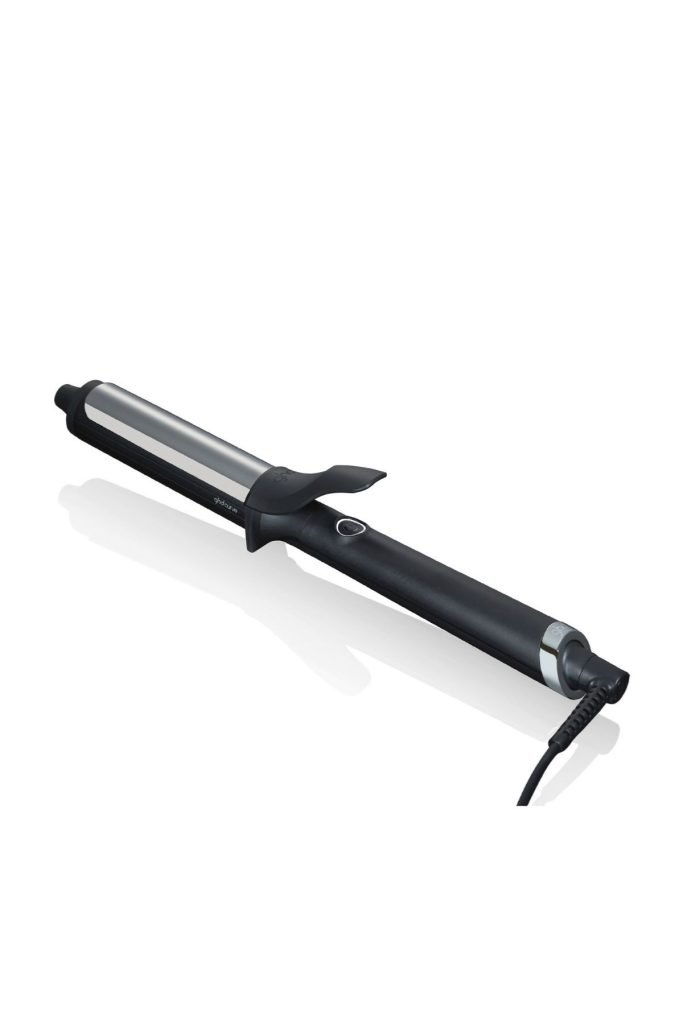
ghd removes the temperature decision entirely: the Classic Curl Tong runs at a fixed 185 C, the temperature the brand’s research settled on for styling without excessive damage, monitored constantly along the barrel. For fine hair that position deserves an honest discussion. 185 C is at the upper edge of what thin hair should meet regularly, and readers with very fragile, bleached hair may prefer the lower settings of the Conair or T3. For the larger group of fine haired users whose problem is curls that will not hold at low heat, though, the ghd’s consistency is the answer: every section gets exactly the same heat, the barrel has no cool or hot patches, and the curls set firmly and last. The clamp is the smoothest here, the body is beautifully balanced, and the automatic sleep mode after 30 minutes is a real safety virtue in a busy bathroom. There are no settings to learn and none to customise, which is either the appeal or the deal breaker. It is the premium, no decisions pick, and its results on fine hair that resists curling are the best in this guide. Buy it knowing exactly what its fixed heat means for your hair.
Specifications
Fixed optimum temperature of 185°C (365°F) with ultra-zone control
the one temperature ghd judges right for most hair types
Pros
Perfectly consistent heat along the whole barrel
Curls set firmly and last on resistant fine hair
Automatic sleep mode and premium build
Cons
Fixed 185 C cannot be lowered for very fragile hair
Premium price
No flexibility for different hair zones
Who should buyyour fine hair resists curling at low temperatures
Who should skipyour hair is bleached and fragile and needs heat below 185 C
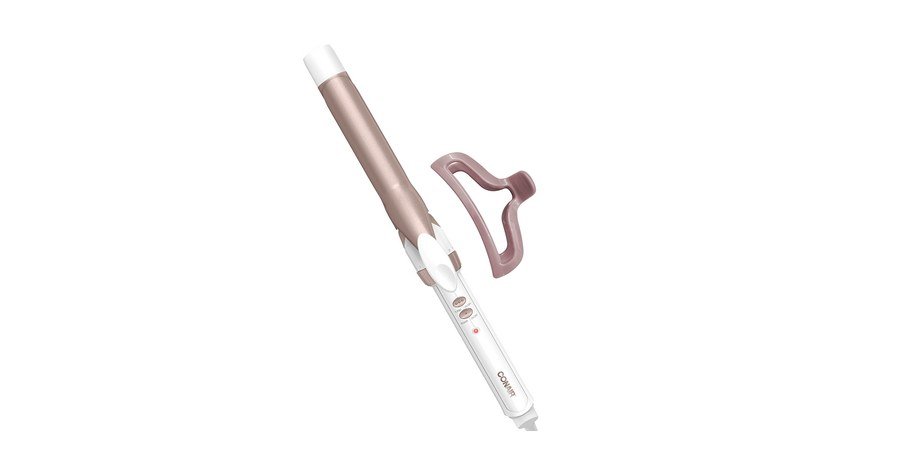
Conair’s Double Ceramic is the budget iron that covers the brief properly: a ceramic barrel with twice the ceramic content of the standard line by the brand’s account, 30 heat settings topping out at 400 degrees Fahrenheit, a turbo heat boost for quick recovery, and dual voltage for travel. In the smaller barrel sizes it suits short fine hair well, because 30 settings mean the low end is properly graduated, you can sit at 280 or 300 degrees and still get a curl that holds, instead of a cheap iron’s usual choice between lukewarm and scorching. The clamp and barrel are unremarkable but competent, heat up is quick, and the price is the lowest in this guide by a distance. The trade offs are longevity and refinement: the hinge and clamp feel budget, heat evenness is a step behind the T3 and ghd, and heavy daily use will wear it faster than the salon tools. As a first curling iron, a travel iron, or the iron for hair that only gets curled twice a month, it makes complete sense. Short fine hair does not need much heat; it needs controlled heat, and this delivers enough of it for very little money.
Specifications
30 heat settings up to 400°F with turbo heat boost
fine steps make it easy to find the lowest temperature that still sets a curl
Pros
30 graduated settings, gentle low end
Lowest price in this guide
Dual voltage for travel
Cons
Budget hinge and clamp feel
Heat evenness behind T3 and ghd
Wears faster under daily use
Who should buyyou curl occasionally and want controlled low heat cheaply
Who should skipyou curl daily and want a tool built to last years
Using maximum heat by default instead of the lowest effective setting
Passing the iron repeatedly over the same section
Styling damp hair with a flat iron, which boils water inside the hair shaft
Taking sections too large, which leaves the inside under styled and the outside over heated
Clamping the very ends first and cooking them longest, when ends are the oldest, driest hair
Brushing curls out while still warm, which drops the set before it has cooled and fixed
When to See a Professional
See a trichologist, dermatologist or experienced stylist if you notice sudden shedding, patchy loss, scalp pain, sores or breakage that continues despite gentle care. Those signs point beyond product choice, and professional assessment comes before further buying.
What Temperature Should I Set My Curling Iron to – what is the most important thing to get right?
Consistency at the right level for your type. With curling iron, the correct amount and frequency used steadily will outperform an intense routine used occasionally, and it avoids most of the irritation that makes people abandon the routine.
How long does it take to see a difference?
Most hair tools routines show their direction within two to four weeks of consistent use, with fuller results over two to three months for concerns involving skin renewal or hair growth cycles. Judge on that timeline, not on single days.
What if my skin or hair reacts badly?
Stop the new step, return to your simplest routine until things settle, and reintroduce only one product at a time if you try again. Persistent pain, swelling or spreading irritation is a reason to seek professional advice rather than push through.
What is the biggest mistake people make with curling iron?
Clamping the very ends first and cooking them longest, when ends are the oldest, driest hair A close second: brushing curls out while still warm, which drops the set before it has cooled and fixed
What should I check before starting with curling iron?
Look at the temperature range and how evenly the barrel heats, the barrel material (ceramic coatings distribute heat more gently than bare metal), and whether the clamp tension suits your hair thickness. Beyond that, check the product’s own directions against your skin or hair type, start at the gentle end of any range, and change nothing else in your routine for the first two weeks so the result is readable.
What is the best curling iron for fine thin hair?
The buying guide Best Curling Iron for Fine Thin Hair compares the leading options for this exact need against the criteria that matter, with specifications, honest pros and cons, and a clear statement of who should skip each pick. It is linked from this page.
By Mirror & Glow Editorial Desk – November 23, 2026
How Long Should I Let My Curling Iron Heat Up? Work on fully dry hair with heat protectant, in sections no wider than the barrel. The full method, the mistakes to avoid, and where it fits in your routine.
By Mirror & Glow Editorial Desk – November 23, 2026
Look at the temperature range and how evenly the barrel heats. This guide applies that to how to curl hair with a large barrel curling iron: the method, the timing, and the traps to avoid.
By Mirror & Glow Editorial Desk – November 23, 2026
Is It Bad to Use a Curling Iron Everyday? Work on fully dry hair with heat protectant, in sections no wider than the barrel. The full method, the mistakes to avoid, and where it fits in your routine.