By Mirror & Glow Editorial Desk – November 23, 2026
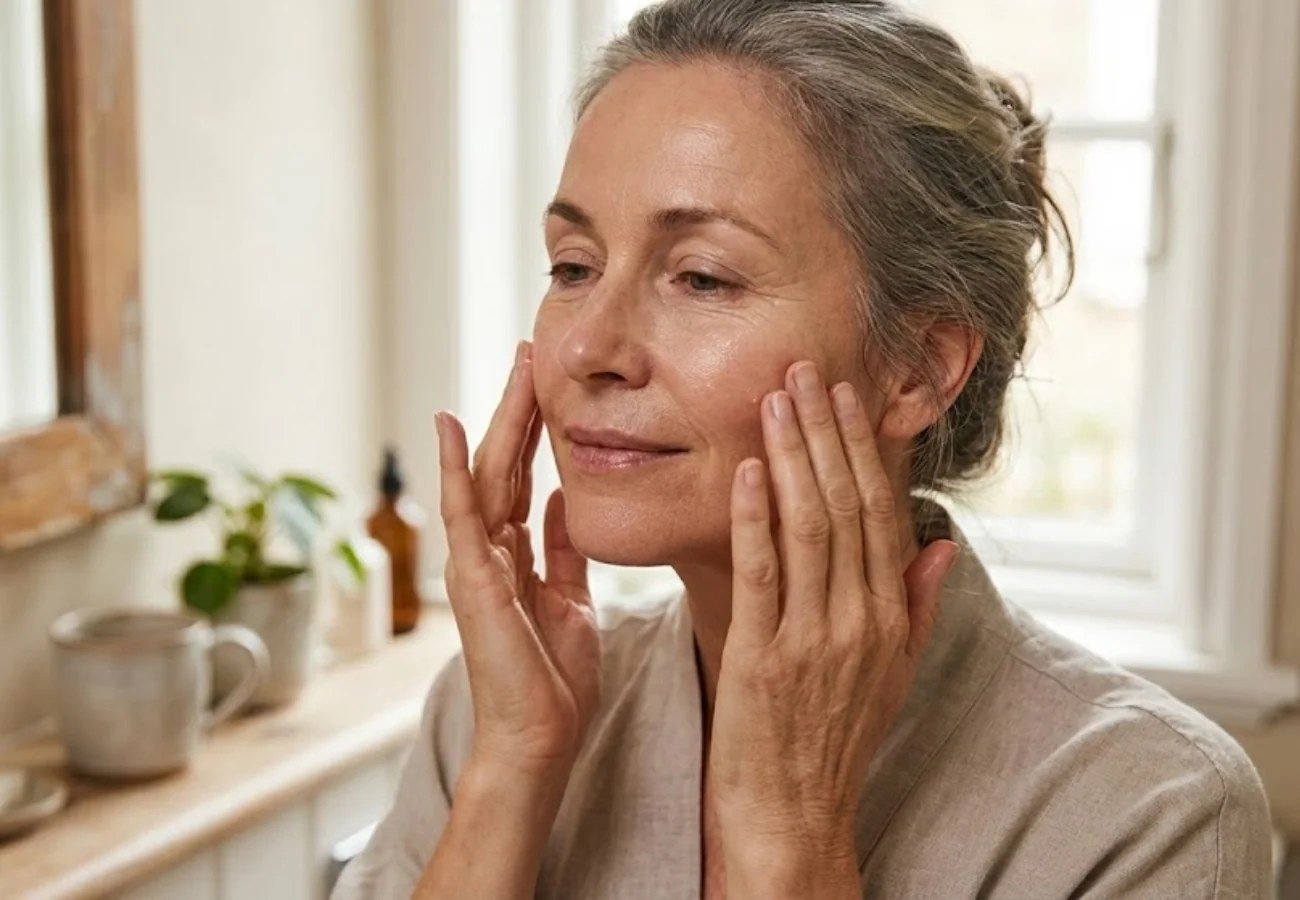
Smiling woman touching her face in a bathroom while holding a cream jar.
The direct answer to do you use face oil before or after moisturizer is explained in full below, because questions like this rarely have a one word answer that is safe for everyone. The short version: it depends on your skin or hair type, the specific products involved, and how consistently you use them. The sections below break the answer down so you can apply it to your own routine.
Facial Oil Explained
A facial oil is a plant oil or oil blend used as the last step of a skincare routine to seal in water and soften skin. Oils do not hydrate by themselves; they conserve the hydration under them, which is why they are layered over, never instead of, water based products.
Oil choice follows fatty acid profile: linoleic rich oils such as rosehip and grapeseed feel lighter and suit combination and breakout prone skin; oleic rich oils such as avocado and marula feel richer and suit dry skin. Squalane, technically an emollient hydrocarbon, is the lightest and most universally tolerated. Quality and freshness matter, since oxidised oil irritates. Two to four drops is a full face dose; more is waste and pillowcase transfer.
The Order, and Why It Works That Way
Order in a routine follows consistency: thin, watery products before thick ones, water based before oil based, and treatments before the layers that seal them in. Powder sits over cream and liquid, never under it, because powder under a wet product grabs and patches. Sunscreen is the last skincare step of the morning, and makeup goes over it once it has set.
Applied the other way round, most products do not become harmful; they become ineffective or messy, because the second product cannot reach the skin or hair through the first, or the two textures fight. If you have been doing it the other way and it works for you, the rule that matters is the one your own routine proves, but when a product disappoints, order is the first variable to check before replacing it.
Step by Step: Facial Oil
The method below is the standard technique for this category, in the order that makes each step work. Adapt the amounts to your own skin or hair, and keep the order. If you still need the product itself, the buying guide Best Facial Oil Cleanser for Mature Skin compares the current options for this exact need.
Start with clean, dry or slightly damp skin as the product type directs
Apply the amount stated on the product, usually a pea sized amount or two finger lengths for sunscreen
Introduce one new active at a time and give it at least two weeks before judging
Use the product at the time of day it is designed for, and always finish morning routines with sunscreen
Note any stinging, breakouts or dryness in the first week and adjust frequency before giving up
Getting Facial Oil Right in Your Routine
Fit matters more than intensity with facial oil. Build the habit at the gentlest effective level first: the right product amount, the right frequency for your type, and one change at a time so you can see what is actually helping. Keep the rest of your skincare routine stable while you judge the change, and give the routine the full period the product guidance describes before deciding it does not work.
Keep notes for the first two weeks: what you used, how much, and how your skin or hair felt the next day. That simple record answers most follow up questions, including whether a reaction came from the new step or from something layered with it.
Press onto damp, moisturised skin as the final step at night, or mix two drops into moisturiser. In the morning, use sparingly and before sunscreen only if the finish allows sunscreen to sit properly over it.
Facial Oil Products Compared
Product
Key Specification
DHC Deep Cleansing Oil
200 ml pump bottle – olive oil based – the original Japanese cleansing oil – fragrance free
DHC’s Deep Cleansing Oil is the product that taught the Western market what a cleansing oil is: an olive oil based formula from Japan that dissolves makeup, sunscreen and the day’s sebum on contact, then rinses away completely with water, leaving no greasy film. For mature skin its virtues are exactly the ones that matter most. It removes everything, including long wear foundation and waterproof mascara, with massage rather than rubbing and tugging, which thinner, less elastic mature skin should avoid. It does not strip: skin comes out of cleansing soft rather than squeaky, because the oil lifts what should go without dissolving the skin’s own moisture barrier the way harsh foaming cleansers can. And it is unfragranced, simple and proven over decades of sale. The technique is the whole product: apply to dry skin with dry hands, massage for a minute, add water to emulsify it milky, then rinse, and most users follow with a gentle water based cleanser at night. The compromises: olive oil is a richer base that a minority of acne prone users find heavy, though mature skin rarely minds; the pump bottle is plain rather than luxurious; and it will not remove every waterproof formula without a dedicated eye makeup step for some users. On performance per pound it remains the benchmark every other oil here is judged against.
Specifications
200 ml pump bottle
olive oil based
the original Japanese cleansing oil
fragrance free
Pros
Dissolves makeup and sunscreen with massage, no tugging
Rinses fully clean without stripping mature skin
Fragrance free benchmark formula, decades of use
Cons
Olive base feels rich for oilier skin types
Plain packaging, no luxury ritual feel
Stubborn waterproof mascara may need a separate remover
Who should buyyou want the proven benchmark cleansing oil that removes everything gently
Who should skipyou dislike olive oil formulas or want a fragranced luxury ritual
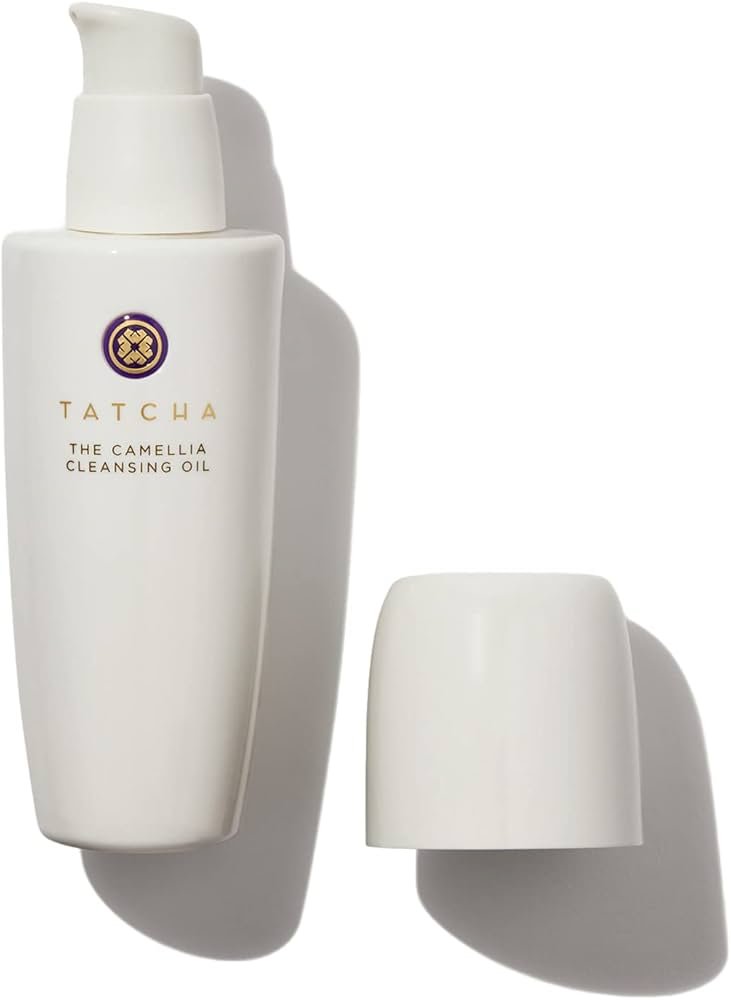
Tatcha’s Camellia Cleansing Oil is the gentle luxury pick: a formula built on Japanese camellia oil and rice bran oil, designed as a two in one that removes makeup and cleanses in a single step without leaving mature skin tight or filmy. Camellia oil has a long history in Japanese beauty care, prized for how closely its fatty acid profile suits skin, and in this formula it gives a light, elegant slip that feels less heavy than olive based oils while still dissolving foundation, sunscreen and eye makeup thoroughly. For mature skin readers who find double cleansing fussy, Tatcha’s one step positioning is the draw: massage on dry, emulsify, rinse, and the skin is clean and soft enough that many users skip the second cleanser except on heavy makeup days. The brand’s Hadasei-3 complex adds its green tea, rice and algae story, and the formula is made without mineral oil, which some readers specifically avoid. The compromises are price, firmly luxury tier, a light natural fragrance character, and removal power that, while strong, sits a fraction below the DHC and Shu benchmarks on the most stubborn waterproof mascara. As the refined, gentle, one step luxury oil for mature skin, it is beautifully judged.
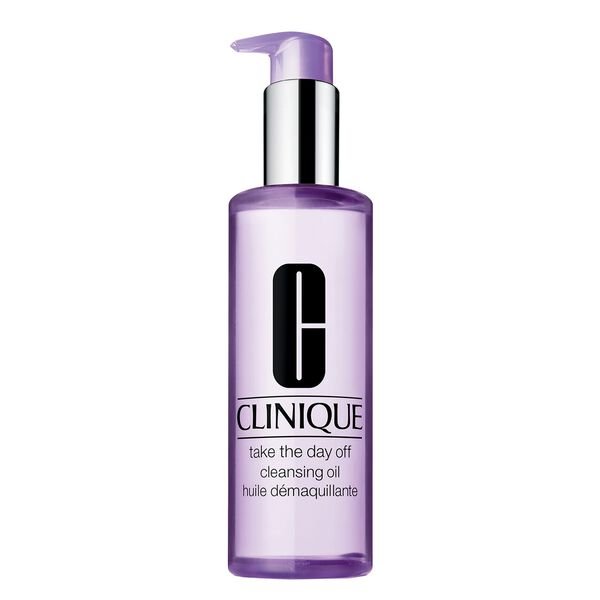
Take The Day Off Cleansing Oil is Clinique doing what Clinique does: a fragrance free, allergy tested cleansing oil in a pump bottle, built for people whose skin complains about everything else. You massage it over a dry face, where it dissolves makeup, sunscreen and sebum together, then add water and it emulsifies to a milk that rinses clean without the tight, squeaky finish acne prone skin should avoid. The fragrance free formula is the headline in this guide, because several excellent removers here carry scent, and for readers whose breakouts travel with sensitivity, this oil and the micellar pair are the calmest routes to a clean face. The pump keeps dosing hygienic and consistent. Performance on waterproof mascara is strong with a patient massage, and there is a sister balm in the same line for those who prefer a solid. The cautions: like every oil here, it earns its keep as a first cleanse followed by a gentle wash, the price is prestige skincare pricing, and very oily skin may simply prefer the weightlessness of a micellar water. For fragrance avoiders with makeup to remove, it is the safest pair of hands in this guide. The same line’s balm shares the formula philosophy in solid form, for readers who travel and fear leaks more than jars.
Specifications
200 ml pump bottle
lightweight oil
fragrance free
allergy tested dermatologist brand
Pros
Fragrance free and allergy tested positioning
Dissolves makeup and sunscreen without tightness
Hygienic pump dosing
Cons
Works best as a first cleanse, not the whole routine
Prestige pricing
Very oily skin may prefer micellar weightlessness
Who should buyyou avoid fragrance and wear makeup daily
Who should skipyou want the cheapest possible nightly removal
Starting three new actives in the same week, which makes reactions impossible to trace
Using more product than directed, which increases irritation without improving results
Skipping sunscreen while using brightening or exfoliating products, which undoes their work
Expecting visible change in days when most skincare actives need weeks of consistent use
Applying oil to dry skin as the entire routine and wondering why skin stays dehydrated
Using rancid oil from an old bottle, recognisable by a stale, crayon like smell
When to See a Professional
See a dermatologist or qualified professional if the concern is painful, spreading, bleeding, not improving after a consistent routine of several weeks, or if it appeared suddenly and severely. Nail changes such as thickening, colour change with pain, or separation from the nail bed also deserve professional assessment rather than cosmetic treatment. Buying guides support everyday care; they do not diagnose or treat medical conditions.
Do You Use Face Oil Before or After Moisturizer – what is the most important thing to get right?
Consistency at the right level for your type. With facial oil, the correct amount and frequency used steadily will outperform an intense routine used occasionally, and it avoids most of the irritation that makes people abandon the routine.
How long does it take to see a difference?
Most skincare routines show their direction within two to four weeks of consistent use, with fuller results over two to three months for concerns involving skin renewal or hair growth cycles. Judge on that timeline, not on single days.
What if my skin or hair reacts badly?
Stop the new step, return to your simplest routine until things settle, and reintroduce only one product at a time if you try again. Persistent pain, swelling or spreading irritation is a reason to seek professional advice rather than push through.
What is the biggest mistake people make with facial oil?
Applying oil to dry skin as the entire routine and wondering why skin stays dehydrated A close second: using rancid oil from an old bottle, recognisable by a stale, crayon like smell
What should I check before starting with facial oil?
Oil choice follows fatty acid profile: linoleic rich oils such as rosehip and grapeseed feel lighter and suit combination and breakout prone skin; oleic rich oils such as avocado and marula feel richer and suit dry skin. Beyond that, check the product’s own directions against your skin or hair type, start at the gentle end of any range, and change nothing else in your routine for the first two weeks so the result is readable.
What is the best facial oil cleanser for mature skin?
The buying guide Best Facial Oil Cleanser for Mature Skin compares the leading options for this exact need against the criteria that matter, with specifications, honest pros and cons, and a clear statement of who should skip each pick. It is linked from this page.
By Mirror & Glow Editorial Desk – November 23, 2026
DHC Deep Cleansing Oil heads this comparison of the best facial oil cleanser for mature skin, built on olive oil based. Every pick carries its specifications, honest pros and cons, and the reader it suits.
By Mirror & Glow Editorial Desk – November 23, 2026
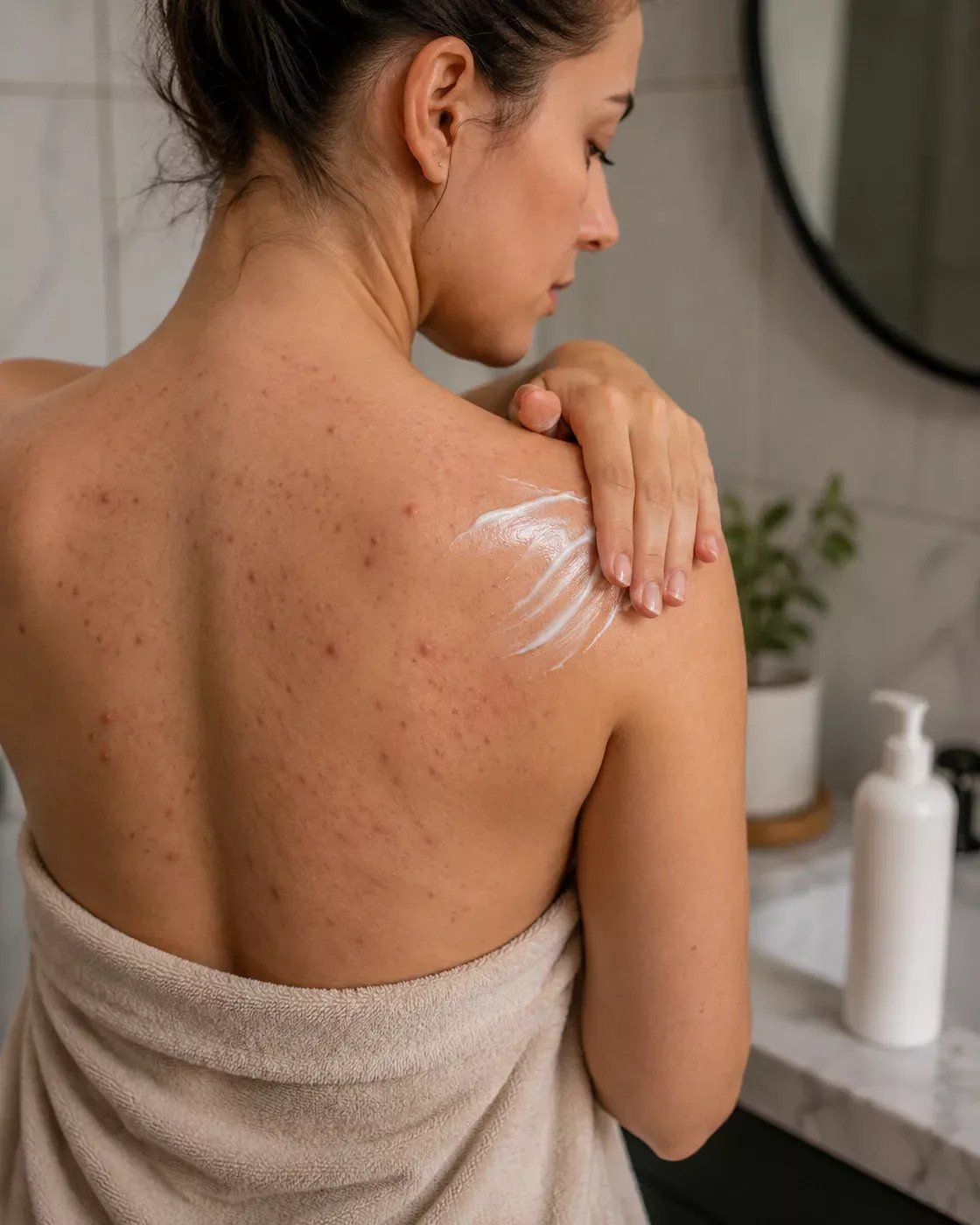
How to Get Rid of Acne Scars on Back? The short answer first, then the detail: one active at a time, introduced over two weeks, judged at eight to twelve weeks, with timing, amounts and the errors that stop it working.
By Mirror & Glow Editorial Desk – November 23, 2026
Hydrocolloid is a wound dressing material: it draws out fluid and turns white as it works. This guide applies that to how often to use pimple patches on a single spot: the method, the timing, and the traps to avoid.