By Mirror & Glow Editorial Desk – November 23, 2026
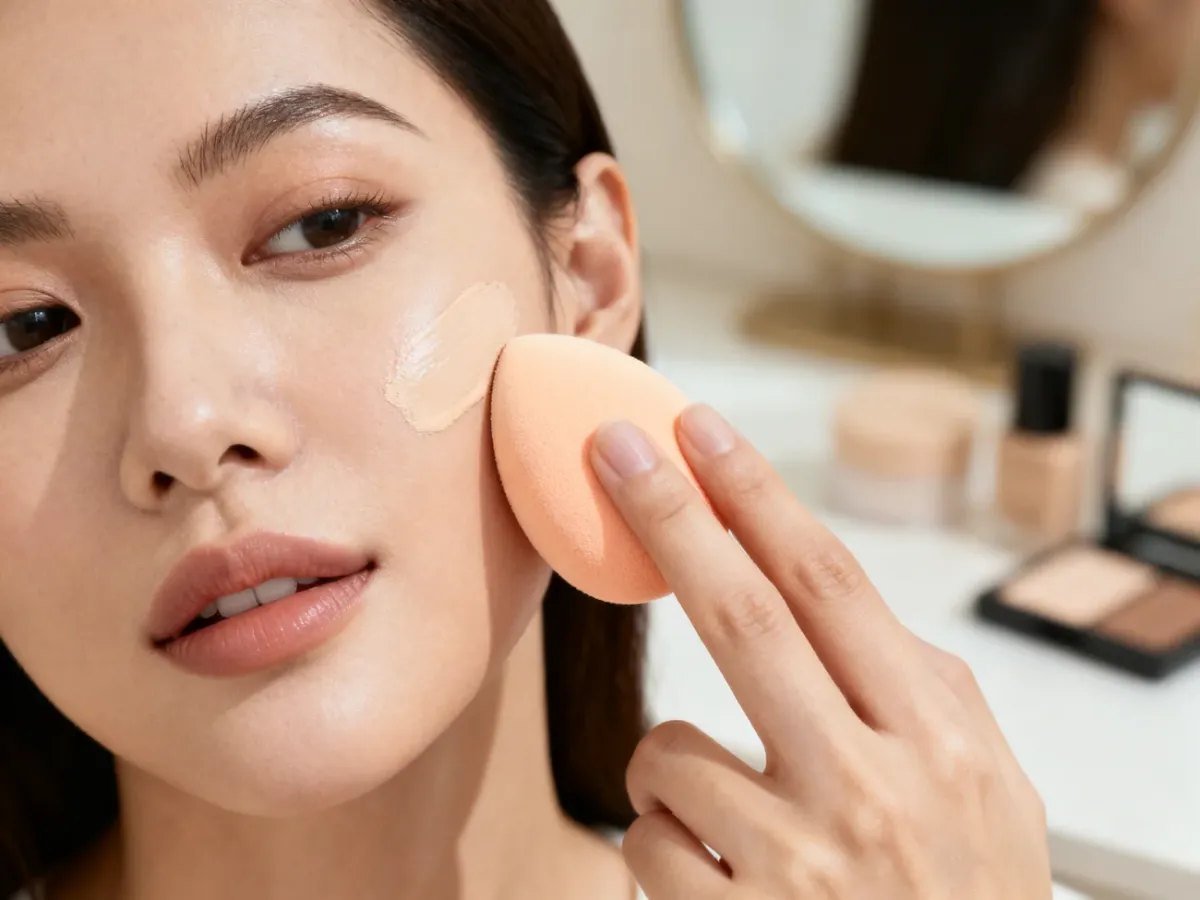
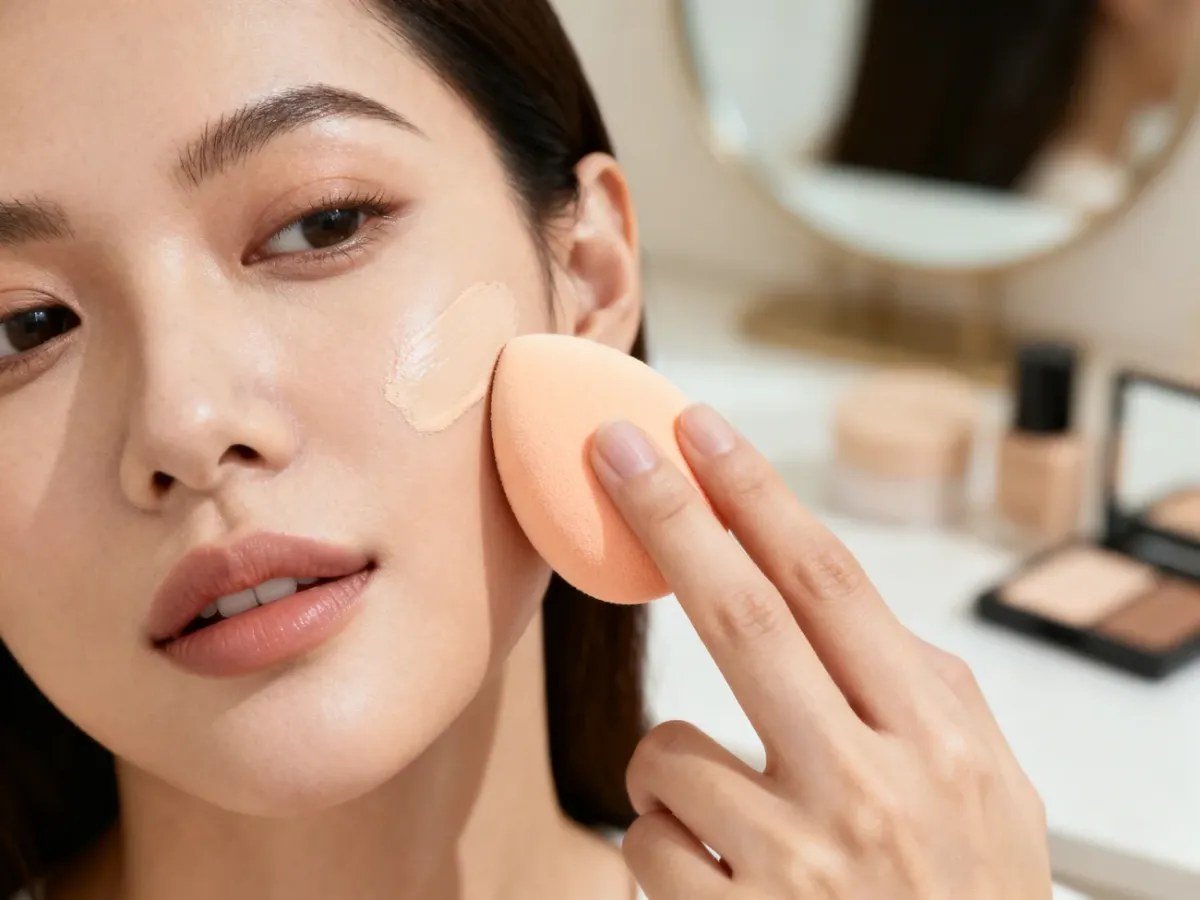
Woman blending foundation with a makeup sponge.
The direct answer to is it better to use a beauty blender or brush is explained in full below, because questions like this rarely have a one word answer that is safe for everyone. The short version: it depends on your skin or hair type, the specific products involved, and how consistently you use them. The sections below break the answer down so you can apply it to your own routine.
Beauty Blender Explained
A beauty blender is a soft, egg shaped makeup sponge used damp to apply and blend foundation, concealer and cream products. Its bounce and stipple action leaves the thinnest, most skin like finish of the application tools, at the cost of absorbing some product.
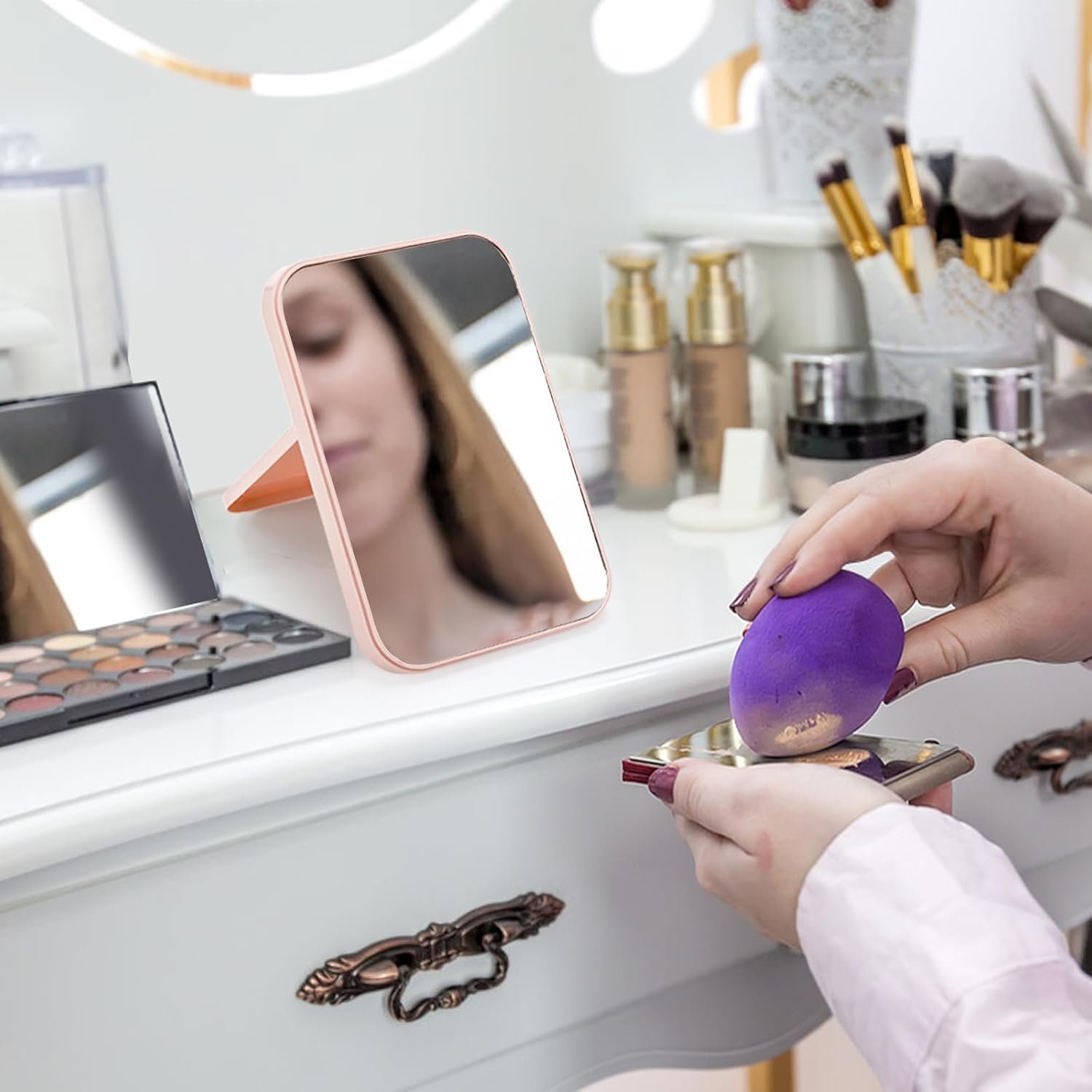
Used correctly it is wet: soaked until it swells, then squeezed until just damp, which is what stops it drinking your foundation and gives the bounce. Dry use absorbs heavily and drags. The pointed end handles under eyes and around the nose; the base stipples larger areas. Hygiene is the category’s real topic: sponges harbour product and bacteria in their pores, need washing after every few uses, and should be replaced every few months or when they tear or smell.
Putting It Into Practice
Wet, squeeze, then bounce foundation on in stippling motions rather than wiping. Wash with solid cleanser or soap, squeeze repeatedly until water runs clear, and air dry somewhere ventilated, not in a closed makeup bag.
Build the habit at the gentlest effective level first and attach it to something you already do, after a shower, before bed, with your morning routine, because techniques attached to existing habits survive. Keep the rest of your makeup routine stable while you judge the change, and give the routine the full period the product guidance describes before deciding it does not work.
Step by Step: Beauty Blender
The method below is the standard technique for this category, in the order that makes each step work. Adapt the amounts to your own skin or hair, and keep the order. If you still need the product itself, the buying guide Best Beauty Blender for under Eye Concealer compares the current options for this exact need.
Prep skin with moisturiser and, for daytime, sunscreen, and let both set for a minute
Apply a small amount to the centre of the face or the area of concern first
Blend outward in thin layers, building only where you need more coverage
Check the result in natural light near a window before adding more
Set only the areas that crease or shine, rather than powdering everything
Getting Beauty Blender Right in Your Routine
Fit matters more than intensity with beauty blender. Build the habit at the gentlest effective level first: the right product amount, the right frequency for your type, and one change at a time so you can see what is actually helping. Keep the rest of your makeup routine stable while you judge the change, and give the routine the full period the product guidance describes before deciding it does not work.
Keep notes for the first two weeks: what you used, how much, and how your skin or hair felt the next day. That simple record answers most follow up questions, including whether a reaction came from the new step or from something layered with it.
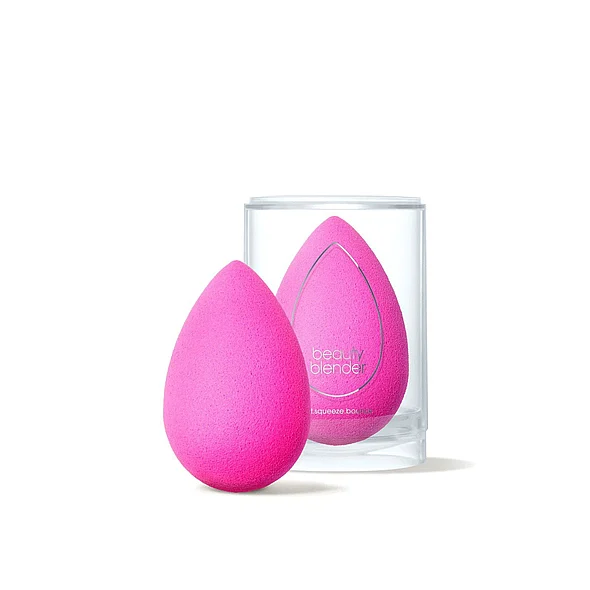
The original Beautyblender remains the reference sponge against which everything else here is judged, and its pointed tip is genuinely good under the eyes: turned sideways, the tip stipples concealer along the lash line and into the inner corner, while the rounded base blends the wider under eye area in a few bounces. The foam’s open cell structure is the real technology: wet it and it swells to roughly double size, becomes noticeably softer, and absorbs far less product than budget sponges, which is why concealer keeps its coverage instead of disappearing into the tool. For under eye work that softness matters, because the skin there is thin and a dense, firm sponge drags and disturbs product, while this one bounces it into place. It is also the most versatile pick here, handling foundation, cream blush and powder with the flat side of the base, so the price buys a whole routine, not one job. The costs are known: it is the priciest single sponge in the guide, it stains and eventually tears, and it demands proper washing with a solid cleanser to last its three months. Counterfeits are common, so buy from authorised sellers. Judged purely on how concealer looks after it, smooth, thin and uncreased, it is still the standard.
Specifications
Single sponge
latex free hydrophilic foam
use damp
pointed tip for detail areas
Pros
Softest bounce, blends concealer without dragging
Low product absorption preserves coverage
One sponge covers the whole routine
Cons
Premium price for a single sponge
Stains and tears with age, three month lifespan
Counterfeits are common, buy authorised
Who should buyyou want the best all round sponge and will use the tip for under eye detail
Who should skipyou are on a tight budget or will not wash a sponge properly
Real Techniques built three tools into one sponge: a rounded side for blending, a flat edge for contouring and pressing product around the eyes and nose, and a precision tip for detail. For under eye concealer it is that flat edge that earns its place here: pressed gently under the eye, it lays concealer down in an even sheet and is the best shape in this guide for the baking and setting step, pushing powder into place without disturbing the concealer beneath. The foam is firmer than the Beautyblender’s, which some readers prefer because it feels more controlled and washes up very well, though it absorbs a little more product and needs thorough wetting to reach its softest bounce. At a drugstore price, often sold in multi packs that bring the per sponge cost down further, it is the value benchmark of this guide and the sponge most working makeup artists keep in bulk. The trade offs are durability and softness: the firmer foam can tear at the flat edge after a couple of months of daily washing, and under very delicate or mature eyes the Beautyblender’s softer bounce is kinder. For everyone else, and especially for readers who set their under eye with powder, this is the sensible default buy.
Specifications
Single sponge
flat edge, precision tip and rounded side
latex free
use damp or dry
Pros
Flat edge is ideal for pressing and setting under eyes
Drugstore price, cheaper still in multi packs
Firmer foam feels controlled and washes well
Cons
Firmer bounce can drag on delicate mature skin
Absorbs slightly more product than Beautyblender
Flat edge can tear after months of washing
Who should buyyou set your under eye concealer with powder and want the flat edge made for pressing it in
Who should skipyour under eye skin is very delicate and needs the softest possible sponge
The Wonder Blender is the internet famous budget sponge: sold by Shop Miss A for around a dollar a sponge in its Paw Paw charity line, with a portion of proceeds going to animal rescue, and genuinely, surprisingly soft. The foam is the story readers rave about: properly wetted, it swells large and bounces with a softness much closer to the Beautyblender than to other dollar sponges, so under the eye it stipples concealer gently without dragging thin skin. The classic teardrop shape gives a point that reaches the inner corner respectably and a round base for the wider area, and at this price the correct strategy is the one the six pack encourages: use them freely, wash them often and replace them the moment they firm up, which keeps under eye hygiene better than nursing one expensive sponge for six months. The compromises are consistency and sourcing: softness varies slightly between batches, the foam tears more readily than premium options, and outside the United States it is an online order with shipping on top. None of that changes the value maths. For students, beginners building technique, or anyone who wants a fresh soft sponge under their eyes every few weeks without thinking about the cost, nothing else in this guide competes.
Specifications
Pack of 6
super soft latex free foam
teardrop shape
budget multi pack
Pros
Remarkably soft for the price, gentle under eyes
Six pack encourages hygienic, frequent replacement
Paw Paw line supports animal rescue charities
Cons
Softness varies slightly between batches
Tears sooner than premium foam
Online order outside the US, shipping adds up
Who should buyyou want Beautyblender like softness at a dollar store price and will replace sponges often
Who should skipyou want one durable sponge bought in a local store
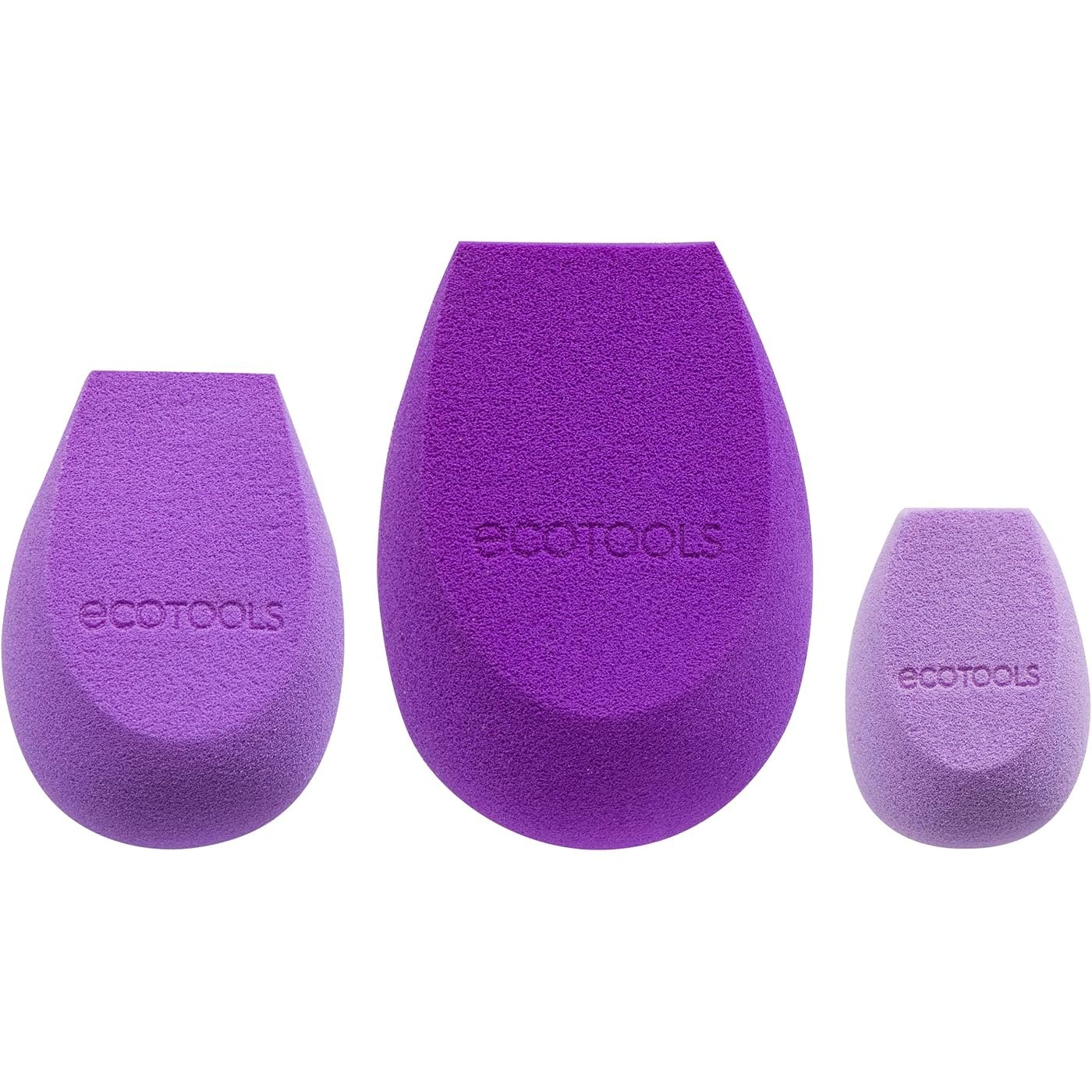
The Bioblender answers a real problem with this whole category: makeup sponges are disposable plastic foam, replaced every few months and sent to landfill. EcoTools makes this one from a biodegradable, USDA certified biobased foam designed to break down in landfill conditions rather than persist, and, unusually for an eco alternative, the performance does not feel like a compromise. The shape pairs a rounded side for bouncing concealer across the under eye with an angled side for the inner corner and nose, the foam is soft and bouncy when damp, and it blends cream concealer smoothly without eating an unusual amount of product. It is a full size sponge, so under eye work uses its tip and angled edge rather than the whole tool, and readers who want a dedicated mini should look at the Micro Mini or Real Techniques minis instead. Because the foam is designed to biodegrade, it also breaks down in use a little faster: expect a shorter working life than the Beautyblender, and do not leave it sitting wet, which accelerates the process. The price sits at the friendly end of the guide. For readers who replace sponges often and would rather each one did less environmental harm, it is the obvious pick that still does the job properly.
Specifications
Single sponge
biodegradable bio foam
USDA certified biobased
angled and rounded sides
Pros
Biodegradable biobased foam, less landfill guilt
Soft, bouncy blend with sensible product use
Angled side handles inner corner well
Cons
Breaks down faster in use, shorter lifespan
Full size, not a dedicated under eye mini
Must be dried properly between uses
Who should buyyou replace sponges often and want the biodegradable option without losing performance
Who should skipyou want a sponge that lasts as long as possible
Choosing a shade from the back of the hand instead of the jawline
Applying one thick layer instead of two thin ones
Skipping skin prep, then blaming the product for texture
Matching to tanned or made up skin rather than your bare skin tone
Using it dry and concluding it eats foundation, when dry use is simply the wrong state
Keeping the same sponge for a year, well past the point where washing restores it
When to Get a Second Opinion
If a grooming or makeup concern is persistent, painful or suddenly worse, a professional, a barber for technique, a dermatologist for skin, will solve in one visit what weeks of product switching cannot. Guides like this one handle the everyday version of the question; they are not a substitute for assessment when something is actually wrong.
Is It Better to Use a Beauty Blender or Brush – what is the most important thing to get right?
Consistency at the right level for your type. With beauty blender, the correct amount and frequency used steadily will outperform an intense routine used occasionally, and it avoids most of the irritation that makes people abandon the routine.
How long does it take to see a difference?
Most makeup routines show their direction within two to four weeks of consistent use, with fuller results over two to three months for concerns involving skin renewal or hair growth cycles. Judge on that timeline, not on single days.
What if my skin or hair reacts badly?
Stop the new step, return to your simplest routine until things settle, and reintroduce only one product at a time if you try again. Persistent pain, swelling or spreading irritation is a reason to seek professional advice rather than push through.
What is the biggest mistake people make with beauty blender?
Using it dry and concluding it eats foundation, when dry use is simply the wrong state A close second: keeping the same sponge for a year, well past the point where washing restores it
What should I check before starting with beauty blender?
Used correctly it is wet: soaked until it swells, then squeezed until just damp, which is what stops it drinking your foundation and gives the bounce. Beyond that, check the product’s own directions against your skin or hair type, start at the gentle end of any range, and change nothing else in your routine for the first two weeks so the result is readable.
What is the best beauty blender for under eye concealer?
The buying guide Best Beauty Blender for under Eye Concealer compares the leading options for this exact need against the criteria that matter, with specifications, honest pros and cons, and a clear statement of who should skip each pick. It is linked from this page.
By Mirror & Glow Editorial Desk – November 23, 2026
Is It Better to Use a Wet or Dry Beauty Blender? Wet, squeeze, then bounce foundation on in stippling motions rather than wiping. The full method, the mistakes to avoid, and where it fits in your routine.
By Mirror & Glow Editorial Desk – November 23, 2026
Best Beauty Blender for under Eye Concealer: Beautyblender Micro Mini first, Beautyblender Original close behind, every pick specced, photographed and given a buy or skip verdict.
By Mirror & Glow Editorial Desk – November 23, 2026
The Beautyblender Original, Real Techniques Miracle Complexion and JUNO Microfiber Velvet headline the best beauty blender for dry skin: ten sponges judged on damp application, softness over flakes and how little foundation they waste.