By Mirror & Glow Editorial Desk – November 23, 2026
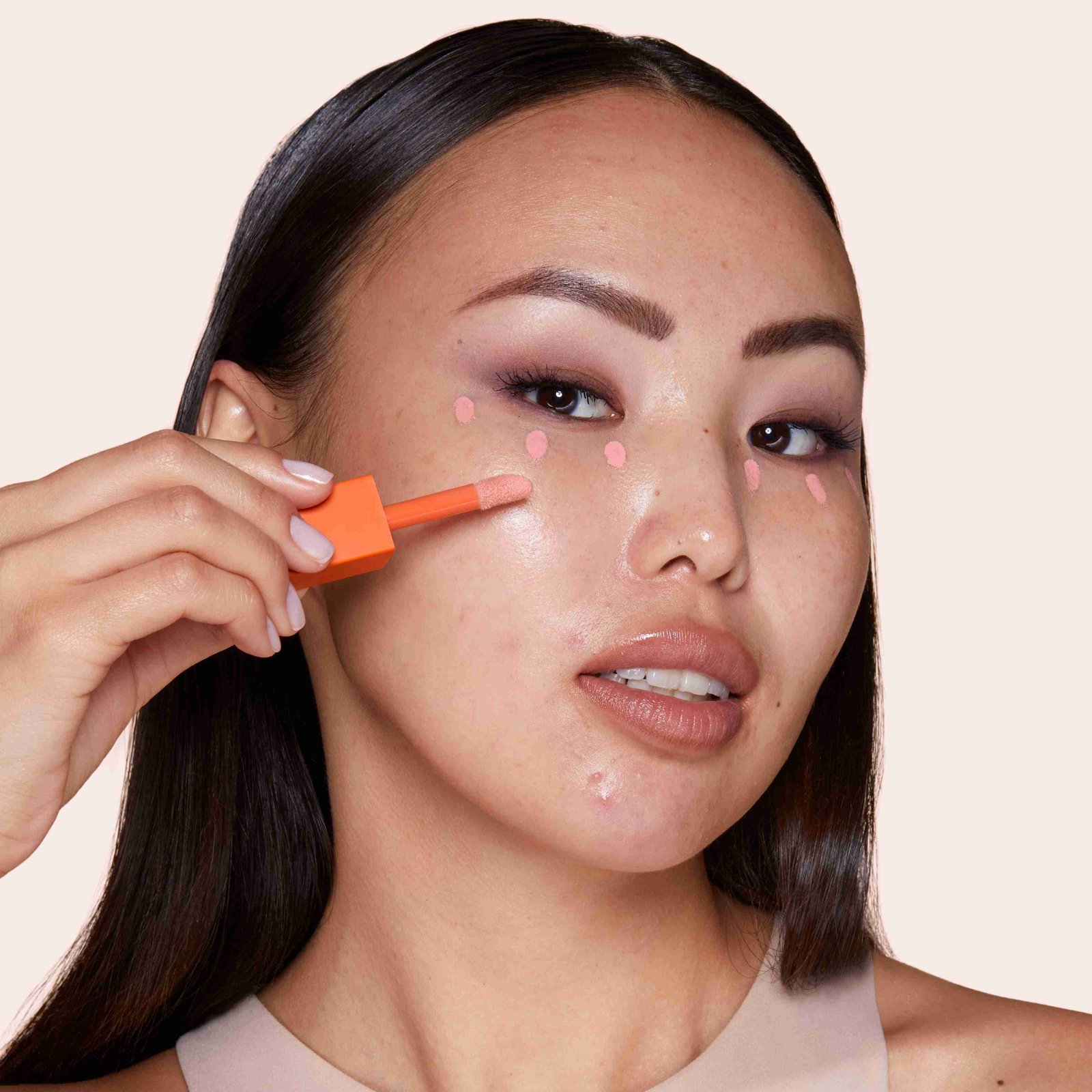
Woman dabbing colour corrector under her eyes.
The direct answer: in most cases yes, with conditions. Whether you can use color corrector on its own depends on the products involved, your skin or hair type, and how you layer or time them. The guide below gives the conditions, the safe way to do it, and the situations where the answer becomes no.
Color Corrector Explained
A colour corrector is a pigmented product in an opposite colour to the concern it neutralises: peach and orange for blue and brown darkness, green for redness, lavender for sallowness. It goes under foundation or concealer, in thin layers, and it is a precision tool rather than a base.
The colour wheel logic is real but dosage is everything: correctors neutralise by mixing optically with the discolouration, so a thin layer corrects, while a thick layer simply shows through as its own colour. Depth of shade follows depth of skin: pale peach for fair skin’s circles, deeper orange for rich skin tones. Green correctors are the most overused, since most redness needs far less green than people apply. Correctors earn their keep on strong discolouration; mild unevenness is foundation’s job.
Putting It Into Practice
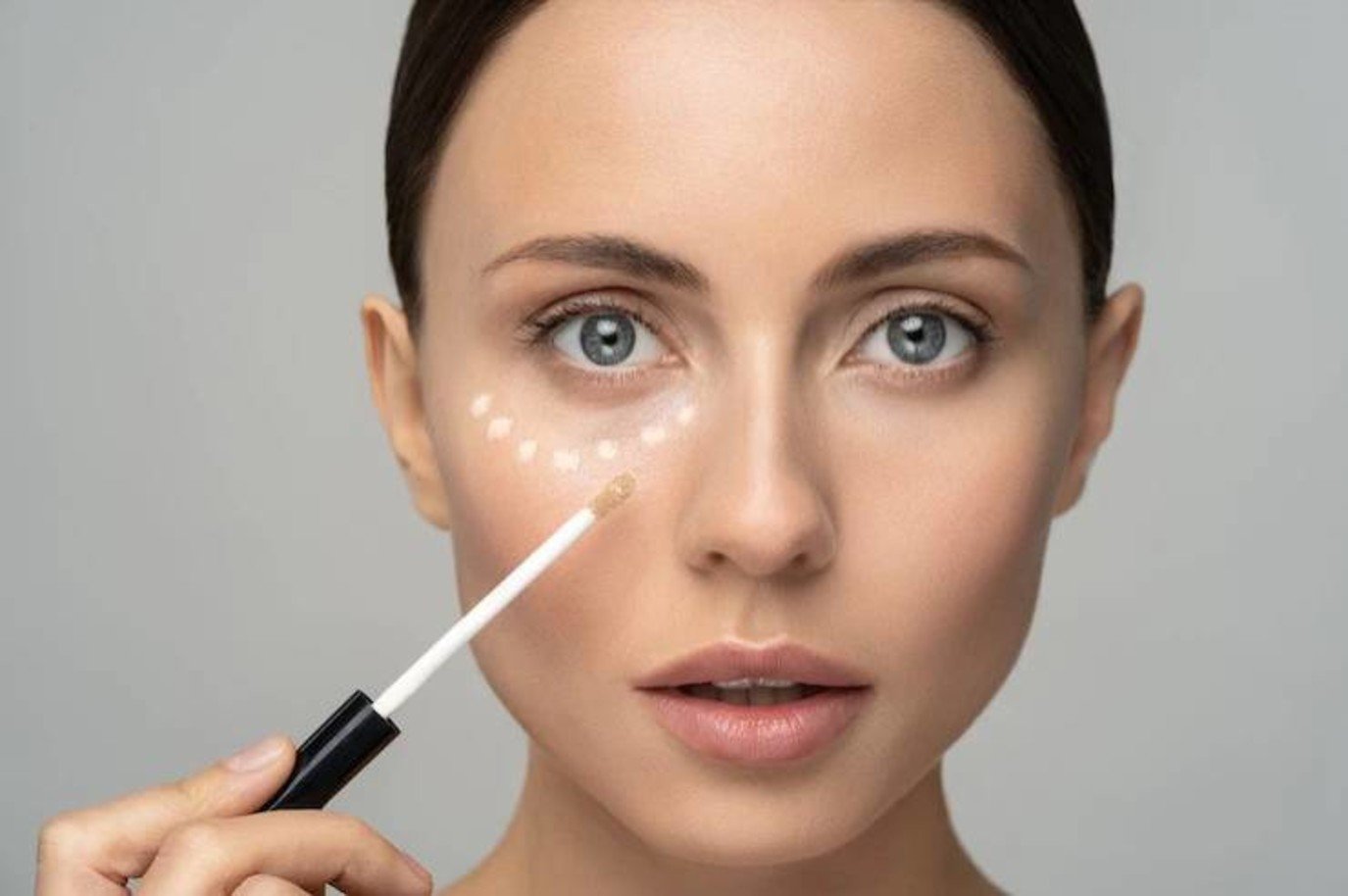
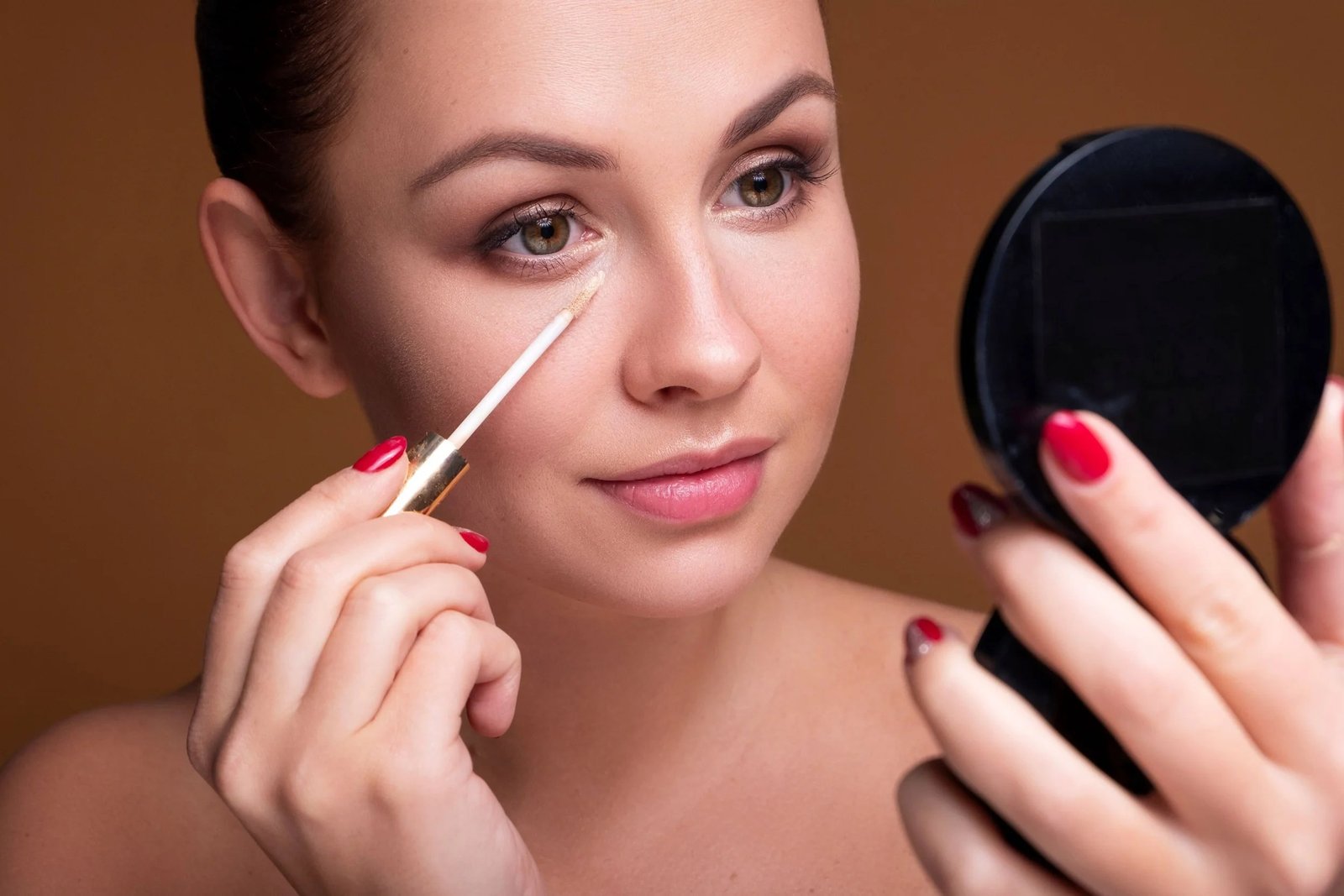
Apply a small amount only on the discoloured area, blend the edges, wait a moment, then concealer or foundation over it. Build in two thin layers rather than one thick one if correction is incomplete.
Build the habit at the gentlest effective level first and attach it to something you already do, after a shower, before bed, with your morning routine, because techniques attached to existing habits survive. Keep the rest of your makeup routine stable while you judge the change, and give the routine the full period the product guidance describes before deciding it does not work.
Step by Step: Color Corrector
The method below is the standard technique for this category, in the order that makes each step work. Adapt the amounts to your own skin or hair, and keep the order. If you still need the product itself, the buying guide Best Color Corrector for Dark Circles Mature Skin compares the current options for this exact need.
Prep skin with moisturiser and, for daytime, sunscreen, and let both set for a minute
Apply a small amount to the centre of the face or the area of concern first
Blend outward in thin layers, building only where you need more coverage
Check the result in natural light near a window before adding more
Set only the areas that crease or shine, rather than powdering everything
Getting Color Corrector Right in Your Routine
Fit matters more than intensity with color corrector. Build the habit at the gentlest effective level first: the right product amount, the right frequency for your type, and one change at a time so you can see what is actually helping. Keep the rest of your makeup routine stable while you judge the change, and give the routine the full period the product guidance describes before deciding it does not work.
Keep notes for the first two weeks: what you used, how much, and how your skin or hair felt the next day. That simple record answers most follow up questions, including whether a reaction came from the new step or from something layered with it.
The Camo Color Corrector is the budget proof that correction is about hue, not price: a full pigment liquid in five shades, of which the Peach is the dark circle shade for fair to medium skin and the Orange carries medium to deep skin. The formula is infused with hyaluronic acid and rose flower water, and while no one should buy a corrector for its skincare claims, the result is a liquid that stays creamy long enough to blend properly instead of grabbing dry under eyes. The big doe foot from the Camo concealer line delivers a lot of product, so the working method is dots off the back of the hand, pressed on with a small brush or fingertip in a layer thinner than instinct suggests. Set under concealer, the correction is genuinely comparable to correctors at five times the price, which is why this tube is the standard recommendation for readers testing whether colour correction works for them at all. The honest limits are a creasing tendency if the layer is thick or left unset, shades that run saturated so fair skin must blend edges carefully, and a finish that needs its concealer partner to look finished. As an entry point and a daily driver for the price of a coffee, nothing else here competes.
Specifications
Wand colour corrector
the wear alone test case in this article
Pros
Full pigment correction at a true budget price
Peach and orange shades cover most shadow types
Creamy liquid blends before it sets
Cons
Creases if applied thickly or left unset
Saturated shades need careful edge blending on fair skin
Needs concealer over it to look complete
Who should buyyou want to test colour correction, or correct daily, without prestige money in the drawer
Who should skipyou want a corrector that also brightens and covers on its own
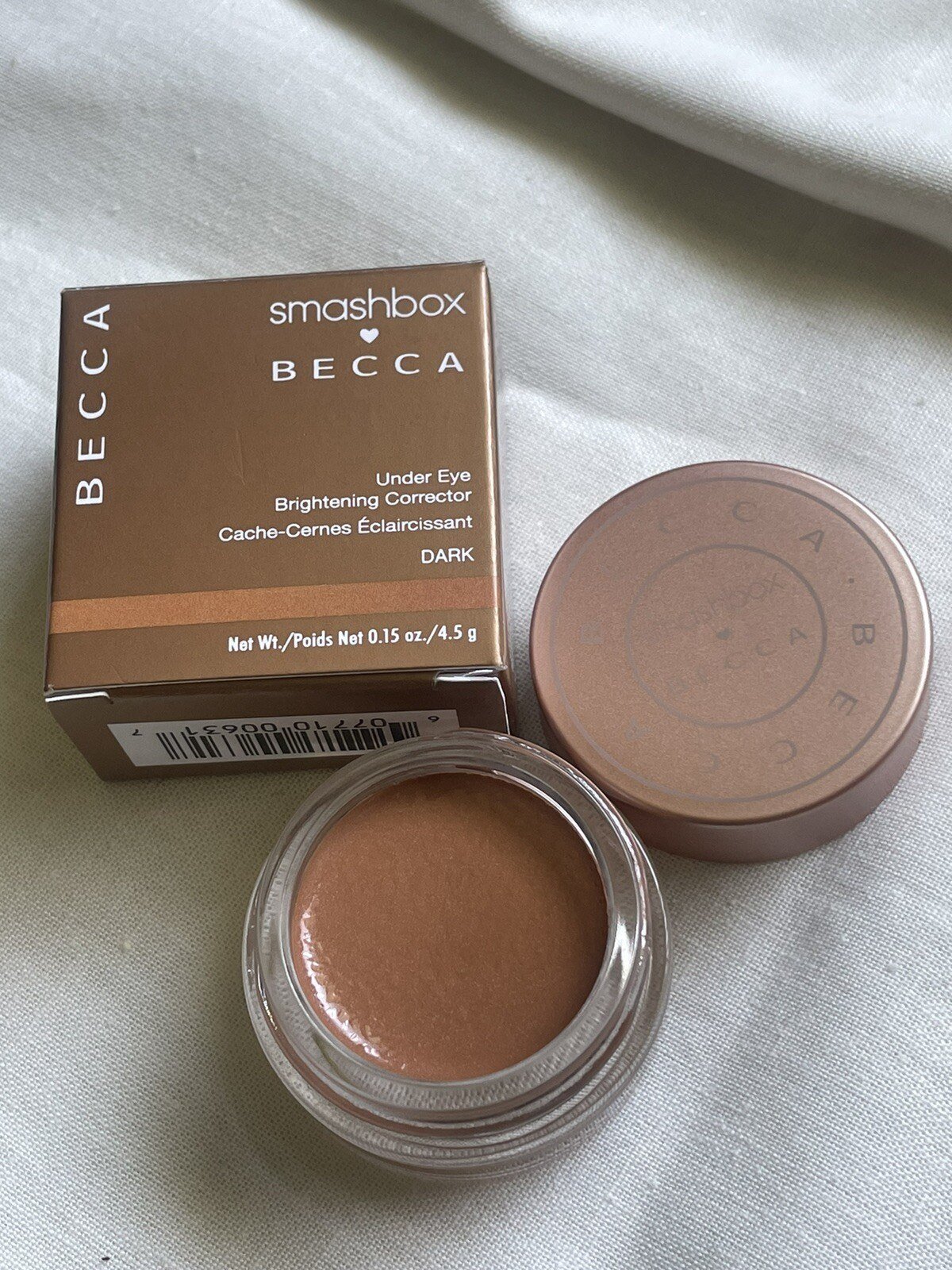
When Becca closed, this little pot was the product loyalists petitioned to save, and Smashbox revived it because nothing else quite does its job: it is a backlit corrector, a creamy peach pigment loaded with light reflecting pearls that optically lift the under eye while the colour cancels the shadow. For mature skin that dual action is valuable, because dark circles over 50 are usually part pigment and part shadow cast by hollowing, and a flat matte corrector fixes only the first half. The texture is rich and tacky in the pot, which frightens people, but warmed between fingers and pressed on in a sheer layer it grips, brightens and stays reflective rather than cakey. Eight shades run from Fair Light through deeper peach tones, so the correction can be matched to both skin depth and shadow depth. It sits best under a light concealer or even alone on no makeup days when the goal is looking rested rather than covered. The trade offs are real: the pot format is less hygienic than a wand, the richness will crease if it is piled on or left unset, and the pearl finish is wrong for anyone who wants an invisible matte result. Used thinly and set with the finest dusting of powder, it is the strongest brightening corrector here.
Specifications
Brightening under eye corrector
designed to work with little over it, as this article discusses
Pros
Pearl reflectors lift shadow as well as cancelling colour
Rich cream grips and does not slide on dry skin
Eight shades cover fair through deep skin
Cons
Pot format is less hygienic than a wand
Creases if applied thickly or left unset
Shimmer finish is not for matte purists
Who should buyyour circles are as much shadow and hollowness as pigment, and your under eyes look tired even when covered
Who should skipyou dislike any shimmer or glow under the eyes, or you need heavy pigment coverage rather than brightness
Magic Vanish is the full correction option in a compact: a dense, buttery cream that behaves like a colour correcting concealer, with enough pigment to cancel strong blue and purple shadows in one pressed layer rather than two. The formula is built on carnauba wax and mica, which gives it that balm like slip and a soft focus finish, and the brand positions the flavonoid rich blend as helping the under eye look less puffy over time. Four shades step from Fair through Tan, with the medium peach tones doing the heavy lifting for most dark circles. For mature skin the appeal is efficiency: because the pigment load is high, the layer can stay thin, and thin layers are what survive on lined under eyes without cracking by midday. It applies best warmed with a fingertip or a small brush, pressed into the shadow and edged out, then left for a minute before concealer so the waxes settle. The limits are the small shade range, which leaves the deepest and fairest skin guessing between steps, a texture that can feel heavy if it is treated like a concealer and spread everywhere, and a price that reflects the brand rather than the 2.5 g of product. For strong shadows that eat sheer correctors, it earns its place.
Specifications
Full coverage colour corrector
the heavier end of what this article covers
Pros
High pigment cancels strong shadows in one thin layer
Buttery texture presses into lines without cracking
Compact format is precise and travel friendly
Cons
Only four shades, with gaps at both extremes
Feels heavy if spread beyond the shadow
Premium price for 2.5 g of product
Who should buyyour circles are strong, blue purple and eat through sheer correctors
Who should skipyour circles are faint and only need brightening, where this pigment level is more than the job needs
The Huestick began as a viral answer to a real gap: correctors designed first for medium and deep skin, in shades of orange and red that actually cancel the grey green shadows deeper skin gets, from a brand founded specifically around that problem. The five shades run from a soft peach through true orange to a deep red, and the stick format makes placement exact, drawn straight onto the shadow and blended with fingers, a brush or a sponge. The formula is a skincare hybrid with squalane, hyaluronic acid and vitamins C and E, so it stays balmy and blendable rather than drying down tight, which suits mature skin and also lets the same stick double as blush or lip colour on the lighter shades. For this guide its centre of gravity is readers with deeper skin tones, whose circles are the worst served by the pale peach correctors that dominate the category. Fair skin can use the lightest shade, Rise, but should apply sparingly because the pigment is honest. The trade offs are that the balmy finish needs setting under concealer to stop transfer, the stick can be dragged too heavily on first use, and 3 g runs down faster than a tube. For depth of shade range where it matters most, it leads the field.
Specifications
Multistick corrector
the blend and go format this article finishes with
Pros
Orange to red shades built for medium and deep skin
Stick format places correction exactly on the shadow
Balm texture with squalane stays blendable
Cons
Needs setting to prevent transfer
Easy to over apply straight from the stick
Small 3 g size runs down quickly
Who should buyyou have medium to deep skin and pale peach correctors turn grey or ashy on you
Who should skipyou are very fair, where even the lightest shade needs a careful, sparing hand
Choosing a shade from the back of the hand instead of the jawline
Applying one thick layer instead of two thin ones
Skipping skin prep, then blaming the product for texture
Matching to tanned or made up skin rather than your bare skin tone
Painting corrector over large areas like a base, which guarantees a coloured cast under foundation
Using green on every red mark at full strength, when a whisper would neutralise it
When to Get a Second Opinion
If a grooming or makeup concern is persistent, painful or suddenly worse, a professional, a barber for technique, a dermatologist for skin, will solve in one visit what weeks of product switching cannot. Guides like this one handle the everyday version of the question; they are not a substitute for assessment when something is actually wrong.
Can You Use Color Corrector on Its Own – what is the most important thing to get right?
Consistency at the right level for your type. With color corrector, the correct amount and frequency used steadily will outperform an intense routine used occasionally, and it avoids most of the irritation that makes people abandon the routine.
How long does it take to see a difference?
Most makeup routines show their direction within two to four weeks of consistent use, with fuller results over two to three months for concerns involving skin renewal or hair growth cycles. Judge on that timeline, not on single days.
What if my skin or hair reacts badly?
Stop the new step, return to your simplest routine until things settle, and reintroduce only one product at a time if you try again. Persistent pain, swelling or spreading irritation is a reason to seek professional advice rather than push through.
What is the biggest mistake people make with color corrector?
Painting corrector over large areas like a base, which guarantees a coloured cast under foundation A close second: using green on every red mark at full strength, when a whisper would neutralise it
What should I check before starting with color corrector?
The colour wheel logic is real but dosage is everything: correctors neutralise by mixing optically with the discolouration, so a thin layer corrects, while a thick layer simply shows through as its own colour. Beyond that, check the product’s own directions against your skin or hair type, start at the gentle end of any range, and change nothing else in your routine for the first two weeks so the result is readable.
What is the best color corrector for dark circles mature skin?
The buying guide Best Color Corrector for Dark Circles Mature Skin compares the leading options for this exact need against the criteria that matter, with specifications, honest pros and cons, and a clear statement of who should skip each pick. It is linked from this page.
By Mirror & Glow Editorial Desk – November 23, 2026
How to Apply Color Corrector and Concealer under Eyes? Apply a small amount only on the discoloured area, blend the edges, wait a moment. The full method, the mistakes to avoid, and where it fits in your routine.
By Mirror & Glow Editorial Desk – November 23, 2026
Best Color Corrector for Dark Circles Mature Skin: Bobbi Brown Intensive Skin Serum Corrector leads the picks, each photographed and specced with honest pros and cons and a buy or skip verdict.
By Mirror & Glow Editorial Desk – November 23, 2026
Color Corrector vs Concealer for Dark Circles: the differences set out in a full table, what each option does best, the downsides of each, and a verdict for your use case.