By Mirror & Glow Editorial Desk – November 23, 2026
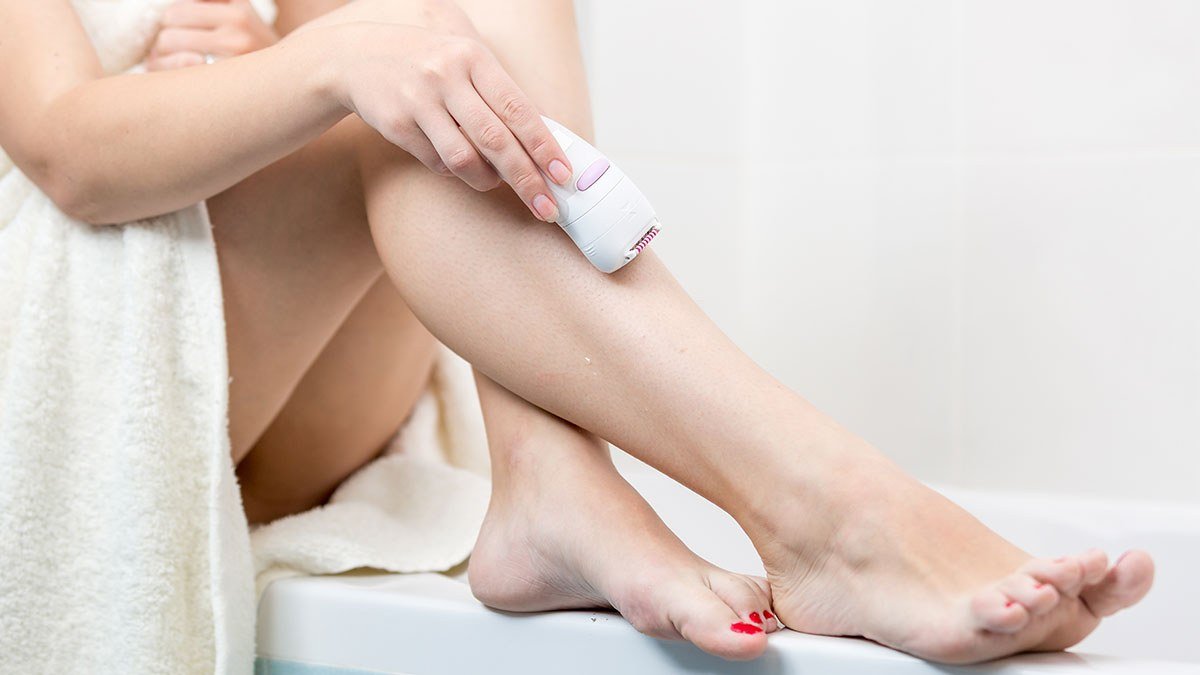
Woman sitting on a bed using an electric epilator on her lower leg.
The direct answer to what to look for when buying an epilator is explained in full below, because questions like this rarely have a one word answer that is safe for everyone. The short version: it depends on your skin or hair type, the specific products involved, and how consistently you use them. The sections below break the answer down so you can apply it to your own routine.
Epilator Explained
An epilator is an electric device with rotating tweezers that pull hairs out at the root, giving weeks of smoothness in the way waxing does, but at home, on dry skin, with no consumables. It suits legs, arms and underarms best, and faces with the right attachment.
Tweezer count and head width decide speed; a wide head with many tweezers clears legs fast but is clumsier in contours. Wet and dry models can be used in the shower, which many people find less painful. Hair needs to be short, a few millimetres, for the tweezers to grip; too long and it breaks or pulls painfully. Ingrown hairs are the format’s known trade off, managed with regular gentle exfoliation between sessions.
Putting It Into Practice
Epilate after a warm shower on clean, dry or damp skin, holding skin taut and moving slowly against growth. Expect a session every two to three weeks as regrowth cycles through, and exfoliate gently twice a week to keep hairs surfacing cleanly.
Build the habit at the gentlest effective level first and attach it to something you already do, after a shower, before bed, with your morning routine, because techniques attached to existing habits survive. Keep the rest of your beauty devices routine stable while you judge the change, and give the routine the full period the product guidance describes before deciding it does not work.
Step by Step: Epilator
The method below is the standard technique for this category, in the order that makes each step work. Adapt the amounts to your own skin or hair, and keep the order. If you still need the product itself, the buying guide Best Epilator for Face and Body compares the current options for this exact need.
Read the manufacturer’s manual fully before the first session, including who should not use the device
Patch test or start with the shortest, lowest setting the manual allows
Prepare skin as directed, usually clean and dry with no products unless a gel is specified
Follow the stated session time and weekly frequency rather than improvising more
Track results over the full period the manual describes before judging the device
Getting Epilator Right in Your Routine
Fit matters more than intensity with epilator. Build the habit at the gentlest effective level first: the right product amount, the right frequency for your type, and one change at a time so you can see what is actually helping. Keep the rest of your beauty devices routine stable while you judge the change, and give the routine the full period the product guidance describes before deciding it does not work.
Keep notes for the first two weeks: what you used, how much, and how your skin or hair felt the next day. That simple record answers most follow up questions, including whether a reaction came from the new step or from something layered with it.
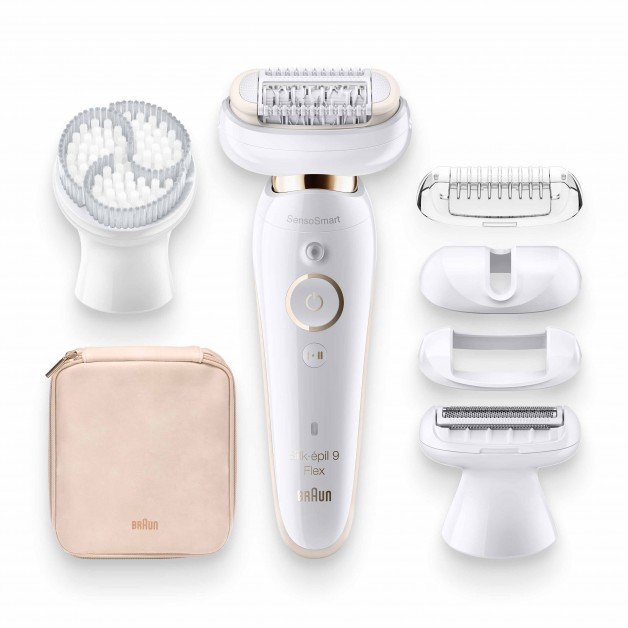
The Silk-épil 9 Flex is the body epilator to beat because of one mechanical idea: the head flexes fully, so it keeps tweezer contact over the ankle bone, the knee and the back of the calf where rigid heads lift away and leave strays. Braun’s MicroGrip head carries 40 tweezers and is the widest in its range, so legs take fewer passes, and the SensoSmart light glows red when you press too hard, which is the beginner mistake that causes most epilator pain and breakage. It works wet or dry, and for face and body in one device the kit matters: the shaver head and trimmer cap in the box handle the areas many people prefer not to epilate, while the standard cap does legs, arms and underarms. On the face itself Braun rates the main head for body use, so facial work is better done with the precision approach described in the FaceSpa entry below. Battery life covers a full body session comfortably, and the head rinses clean under the tap. The honest costs: it is the most expensive epilator in this guide, the flex head is one more mechanism to keep clean, and like every epilator it needs hair at the right short length to grip, so it rewards a routine rather than rescuing a neglected month in one pass.
Specifications
The checklist in hardware form: flex head, pressure light, wet and dry use, full kit
Pros
Flexible head keeps contact over knees and ankles
Pressure light corrects the main beginner mistake
Widest head means fewer passes per leg
Cons
Most expensive epilator in this guide
Main head is a body tool, face needs care
Flex mechanism needs regular cleaning
Who should buyyou want one premium epilator for the whole body
Who should skipyou only epilate occasionally and want the cheapest route in
Everything above is a body epilator that can visit the face; the FaceSpa Pro is the opposite, a device designed for the face first. The epilator head uses 10 micro openings to catch facial hair as short as half a millimetre per the brand, at the scale of upper lip, chin and cheek hair where a full size epilator head is clumsy and intimidating. The 921 set photographed adds the other two heads that make it a system: a cleansing brush for daily washing and a toning head for applying creams, all in a case that lives in a makeup bag rather than a bathroom cupboard. It is battery powered, precise, and about as gentle as facial epilation gets, which still means honest epilation sensation on the upper lip. In a face and body guide it earns its place as the specialist half of the answer: pair it with any body epilator here and both jobs are covered properly, instead of asking one head to do two very different tasks. Its limits are scope and scale: it is not for legs, the small head makes even underarms slow, and the brush heads are consumables to budget for. For facial hair specifically, nothing else in this guide is as fit for purpose.
Specifications
The facial specialist to check for if face hair is on your buying list
Pros
Built for upper lip, chin and cheek hair
Catches hair as short as half a millimetre per brand
Cleansing and toning heads in the same case
Cons
Face only, far too small for legs
Brush heads are ongoing consumables
Still epilation, the upper lip will feel it
Who should buyfacial hair is your main concern and body hair is secondary
Who should skipyou want one device that does legs as well
Remington’s EP7030 sells versatility at a mid price: the 5 in 1 name refers to the attachment set, a main epilator head, a detail head for small areas, a foil shaver and caps that between them cover the whole face and body brief of this guide in one box. The main head uses titanium coated tweezers and does honest work on legs and arms; the detail head is the quiet star, small enough for eyebrows’ edges, upper lip and bikini shaping where full heads fear to go. As a single purchase for a reader who wants every area covered without buying a separate facial device, it is the most complete budget answer here. The compromises are the expected ones at the price: tweezer count and motor are a class below the Braun and Panasonic flagships, so dense hair takes more passes; the body is bulkier in the hand than the Philips; and long term spares and support favour the bigger brands. None of that undermines its role. For a first serious epilator kit, or a household device shared across jobs, the EP7030 covers more ground per pound or dollar than anything else in this line up, and the detail head alone justifies it for precision work.
Specifications
Five attachments including a detail head, the value benchmark for kit contents
Pros
Detail head handles the small areas properly
Foil shaver included for finishing
Most complete kit at its price
Cons
More passes needed on dense hair
Bulkier in the hand than Philips rivals
Spares and support trail the big brands
Who should buyyou want every area covered by one mid price box
Who should skipyou want flagship speed on dense leg hair
Using a device more often than directed, expecting faster results
Skipping the suitability chart for skin tone, hair colour or medical conditions
Using IPL or light devices over tattoos, moles or irritated skin
Judging a gradual device after two sessions instead of a full course
Starting on long hair, which breaks off at the surface instead of pulling from the root
Skipping exfoliation between sessions, then blaming the device for ingrown hairs
When to See a Professional
Stop using any device and seek advice if you get burns, blistering, persistent redness or eye symptoms, and check the manual’s contraindications before the first session rather than after a problem: pregnancy, pacemakers, light sensitising medication and certain skin conditions are standard exclusions in this category. Devices are powerful enough to help, which means they are powerful enough to misuse.
Deciding between options? The comparison Epilator vs Waxing for Facial Hair sets out the differences, downsides and verdicts for this topic.
Frequently Asked Questions
What to Look for When Buying an Epilator – what is the most important thing to get right?
Consistency at the right level for your type. With epilator, the correct amount and frequency used steadily will outperform an intense routine used occasionally, and it avoids most of the irritation that makes people abandon the routine.
How long does it take to see a difference?
Most beauty devices routines show their direction within two to four weeks of consistent use, with fuller results over two to three months for concerns involving skin renewal or hair growth cycles. Judge on that timeline, not on single days.
What if my skin or hair reacts badly?
Stop the new step, return to your simplest routine until things settle, and reintroduce only one product at a time if you try again. Persistent pain, swelling or spreading irritation is a reason to seek professional advice rather than push through.
What is the biggest mistake people make with epilator?
Starting on long hair, which breaks off at the surface instead of pulling from the root A close second: skipping exfoliation between sessions, then blaming the device for ingrown hairs
What should I check before starting with epilator?
Tweezer count and head width decide speed; a wide head with many tweezers clears legs fast but is clumsier in contours. Beyond that, check the product’s own directions against your skin or hair type, start at the gentle end of any range, and change nothing else in your routine for the first two weeks so the result is readable.
What is the best epilator for face and body?
The buying guide Best Epilator for Face and Body compares the leading options for this exact need against the criteria that matter, with specifications, honest pros and cons, and a clear statement of who should skip each pick. It is linked from this page.
By Mirror & Glow Editorial Desk – November 23, 2026
Everything behind how long should hair be to use an epilator: tweezer count and head width decide speed, set out as a clear step by step with the mistakes and questions readers raise most.
By Mirror & Glow Editorial Desk – November 23, 2026
Tweezer count and head width decide speed. This guide applies that to how often do you have to use epilator: the method, the timing, and the traps to avoid.
By Mirror & Glow Editorial Desk – November 23, 2026
How to Use Epilator on Legs Without Pain? Epilate after a warm shower on clean, dry or damp skin. The full method, the mistakes to avoid, and where it fits in your routine.