By Mirror & Glow Editorial Desk – November 23, 2026
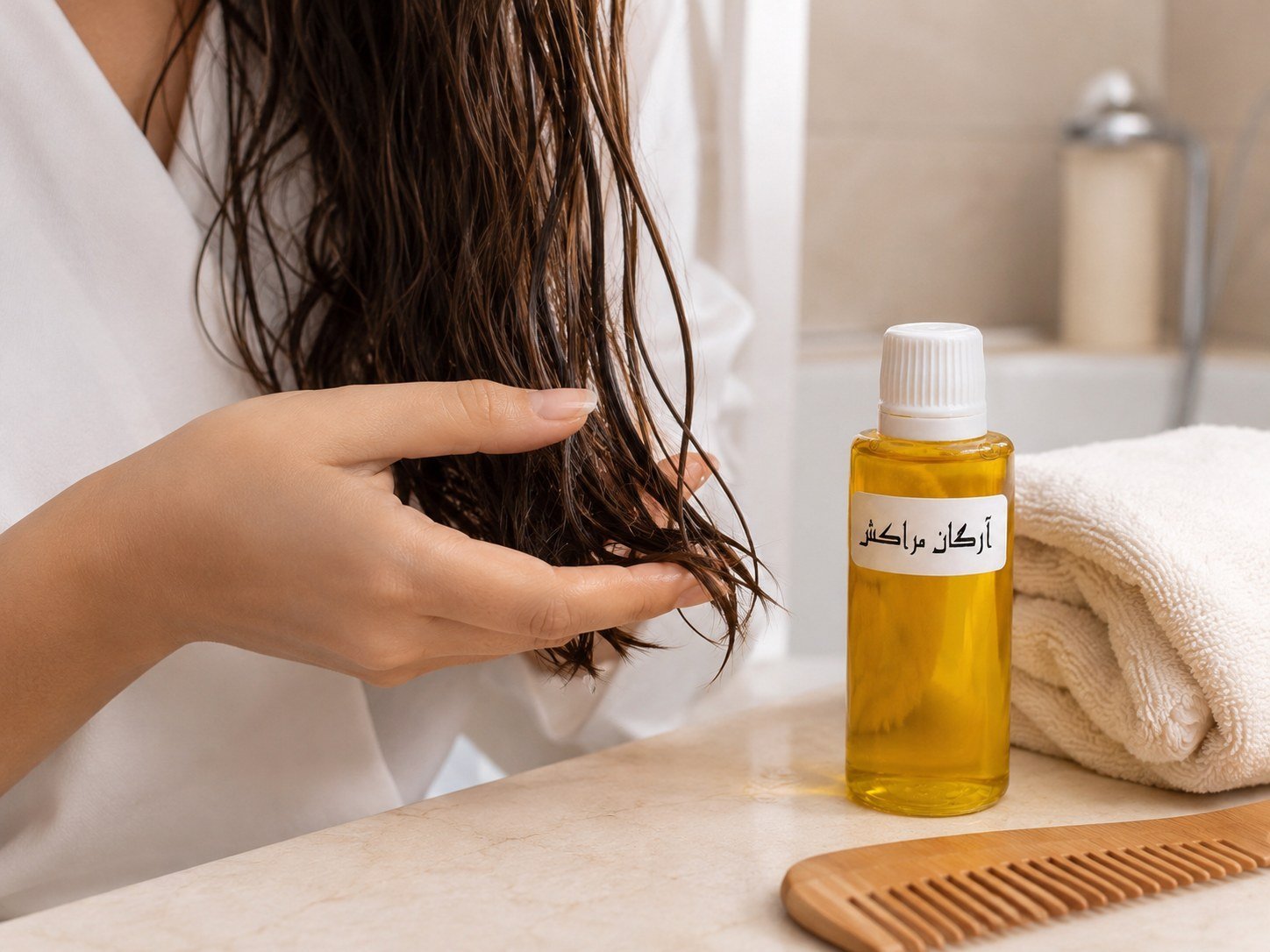
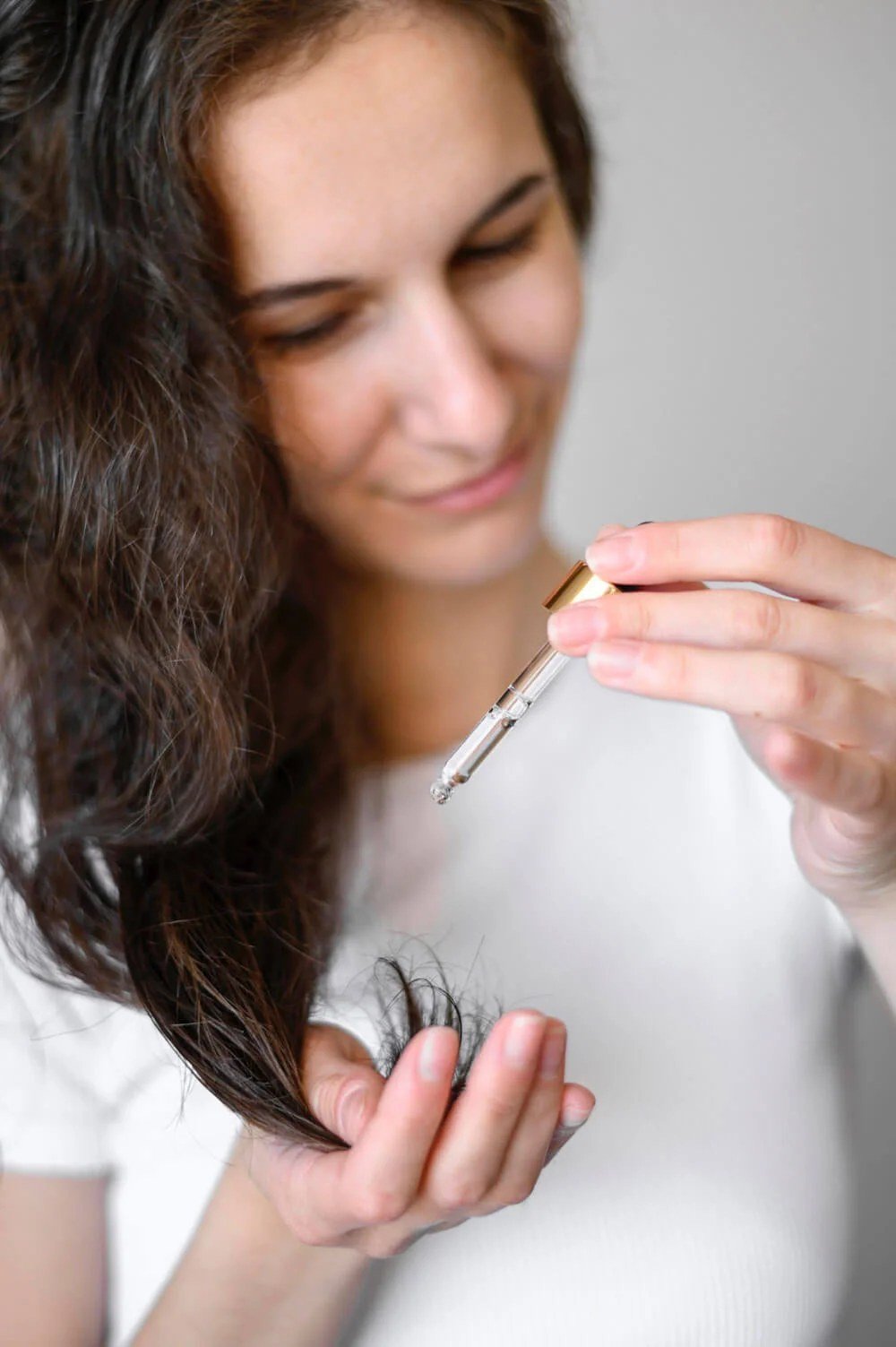
Woman holding her wet hair ends beside a hair oil bottle on a bathroom counter.
The direct answer: how to choose hair oil according to hair type is a routine question with a clear method, set out step by step below. The key is preparation, the right amount of product, and consistency rather than intensity. Read the short steps first, then the mistakes section, which covers the errors that most often stop the routine from working.
Hair Oil Explained
Hair oil is the broad category of oils used to condition, smooth and protect hair: pure plant oils and blended finishing oils both. Its jobs are softening, shine, frizz control and reducing the friction that causes breakage, matched by weight to hair type.
Weight is the organising principle: fine hair takes the lightest oils and tiny amounts, coarse and curly hair takes richer oils and more of them. Some oils penetrate the hair shaft, coconut being the studied example, while most coat the surface. Finishing blends with silicones add heat protection and smoothness that pure oils do not claim. Oil is not moisture; hair still needs water based conditioning, with oil sealing it in, which is why oil on dry, brittle hair alone disappoints.
Putting It Into Practice
Apply to mid lengths and ends, never roots unless it is a scalp treatment, on damp hair for distribution or dry hair for finishing. Start with half what you think you need; adding is easy, removing means washing.
Build the habit at the gentlest effective level first and attach it to something you already do, after a shower, before bed, with your morning routine, because techniques attached to existing habits survive. Keep the rest of your hair care routine stable while you judge the change, and give the routine the full period the product guidance describes before deciding it does not work.
Step by Step: Hair Oil
The method below is the standard technique for this category, in the order that makes each step work. Adapt the amounts to your own skin or hair, and keep the order. If you still need the product itself, the buying guide Best Hair Oil for Dry and Frizzy Hair compares the current options for this exact need.
Start with hair washed and gently squeezed free of excess water
Apply the product to mid lengths and ends first, where hair is oldest and driest
Use the contact time on the label rather than rinsing immediately
Rinse with lukewarm water and judge softness once hair is fully dry, not wet
Repeat on a weekly rhythm and adjust the amount before switching products
Getting Hair Oil Right in Your Routine
Fit matters more than intensity with hair oil. Build the habit at the gentlest effective level first: the right product amount, the right frequency for your type, and one change at a time so you can see what is actually helping. Keep the rest of your hair care routine stable while you judge the change, and give the routine the full period the product guidance describes before deciding it does not work.
Keep notes for the first two weeks: what you used, how much, and how your skin or hair felt the next day. That simple record answers most follow up questions, including whether a reaction came from the new step or from something layered with it.
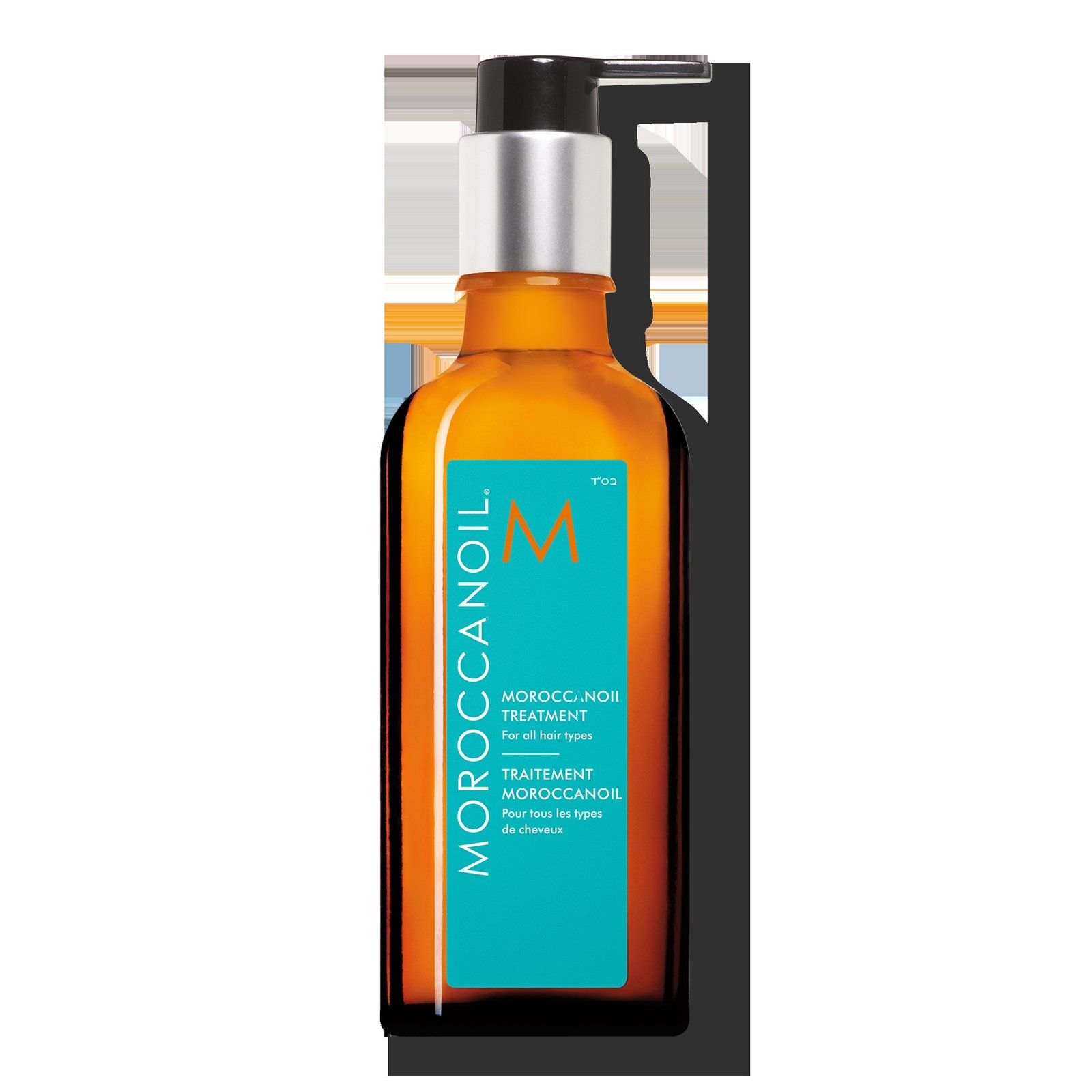
Moroccanoil Treatment is the product that created the modern hair oil category when it launched in the late 2000s, and for post blow dry frizz it remains the benchmark: an argan oil and silicone blend in a glass pump bottle that smooths the hair surface, seals the fluffy, raised cuticle a blow dry can leave behind, and adds the kind of shine that makes a blowout look finished rather than nearly finished. The method is a small amount, warmed between the palms and pressed through the mid lengths and ends of dry hair, never the roots. On medium and coarse hair it is transformative in the literal sense, turning a puffy blow dry sleek in a minute. On fine hair the same richness is the risk: one pump too many and the hair looks lank by evening, so fine hair should start with a third of a pump or choose the brand’s Light version. The scent is the famous warm amber signature, pleasant to most and too much for a few. It is a finishing product, not a treatment in the repair sense, though the brand also positions it before styling on damp hair. For the exact complaint in this guide’s title, it is still the first bottle most stylists would hand you.
Specifications
100 ml glass pump bottle, 25 ml travel size
argan oil and linseed extract
silicone based finisher
Light version for fine hair
Pros
The benchmark smoother for a puffy, unfinished blowout
A little goes a long way on mid lengths and ends
Adds shine and softness without a separate product
Cons
Silicone based, so strict silicone free routines should pass
Can overwhelm fine hair if the dose creeps up
Premium price, though the bottle lasts a long time
Who should buyyour blow dry comes out puffy and dull and you want the classic finishing oil
Who should skipyour hair is very fine and oils easily make it lank
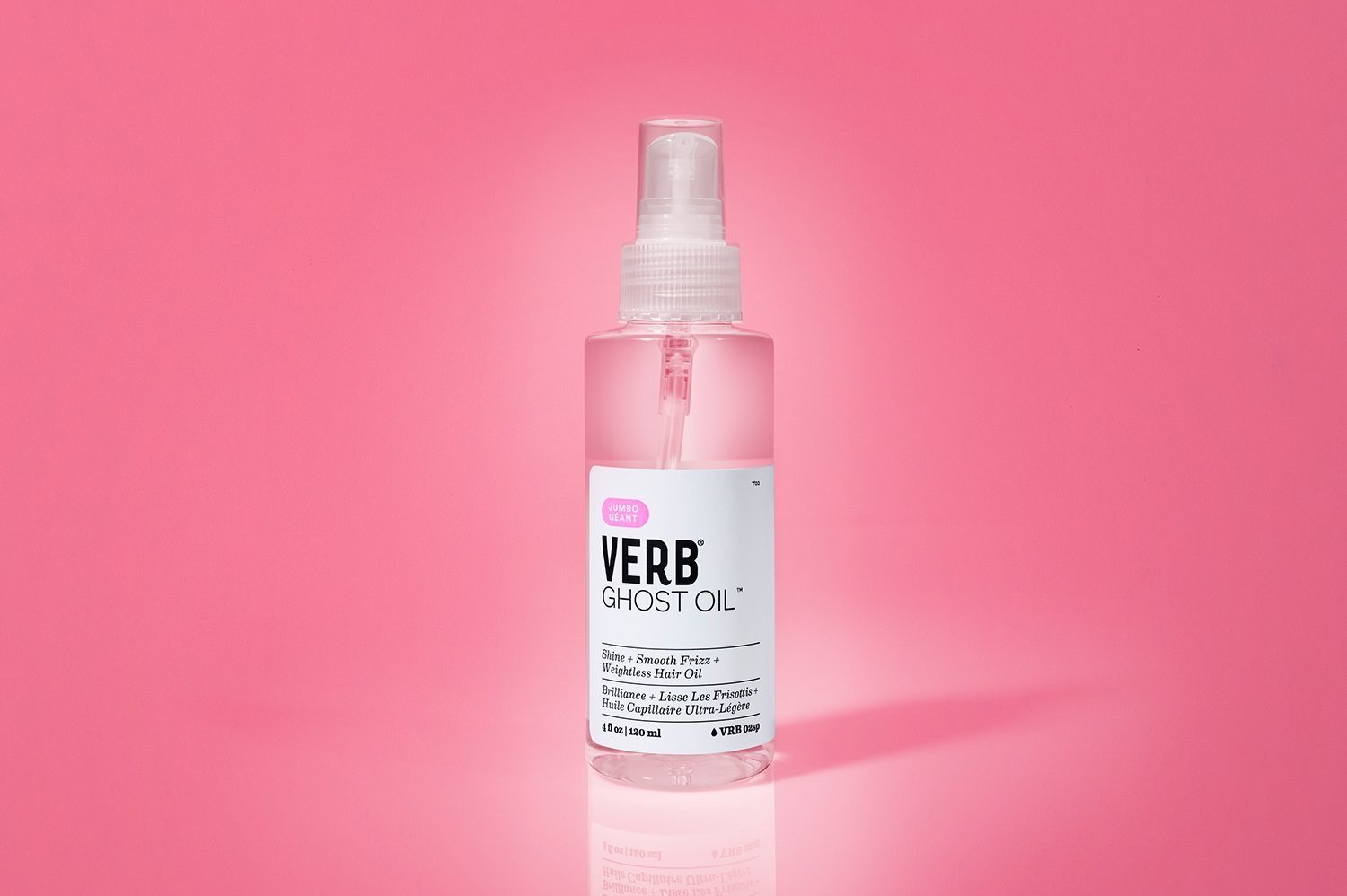
Ghost Oil tells you its whole proposition in the name: an oil engineered to vanish. Verb built it on moringa oil in a featherweight silicone base, and the result is the least detectable product in this guide, an oil you apply, watch frizz and dullness improve, and then cannot feel at all. For dry, frizzy hair that is fine, thin or easily flattened, that invisibility is precious, because the usual choice is between frizz and grease; Ghost Oil gives a third option, with genuine shine and smoothness and no residue on your hands or pillow. The photographed jumbo spray bottle is the format to buy, since the spray makes the light dose easy and the 4 oz size fixes the value problem of the small bottle. It also works as a cocktail ingredient, mixed into masks or layered under cream stylers, without changing their character. The honest limits are that vanishing act itself. There is little here in the way of nourishment or repair, the moringa oil rides in a mostly silicone vehicle, and coarse, very dry hair will find it more of a shine spray than a frizz treatment. It also does not forgive heavy application on dry hair; two sprays is a dose, four is a mistake. For fine frizzy hair, though, it may be the most useful bottle in the guide.
Specifications
Jumbo 4 fl oz spray bottle, 2 oz standard
moringa oil
weightless vanishing formula
vegan and gluten free
Pros
Truly weightless with no greasy feel at all
Superb shine for fine, easily flattened hair
Jumbo spray size is genuinely good value
Cons
Almost no treatment ingredients
Spray format wastes product if aimed badly
Jumbo size is the one worth buying
Who should buyyour frizzy hair is fine and every oil you have tried leaves it greasy or flat
Who should skipyou want an oil that nourishes and repairs as well as smooths, where Olaplex No. 7 or Moroccanoil do more
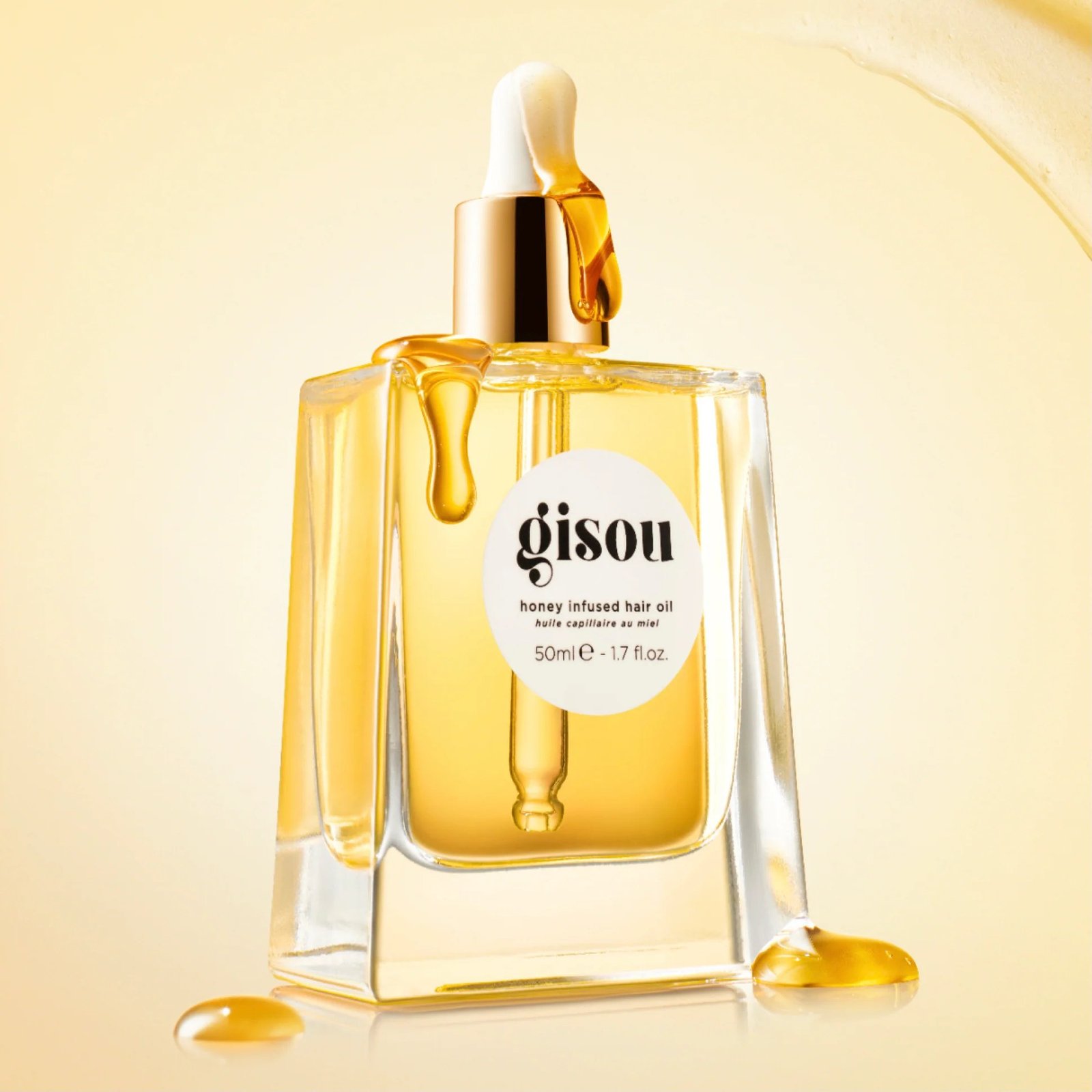
Gisou’s oil is built around honey from founder Negin Mirsalehi’s family bee garden, blended into a rich golden oil that sits at the indulgent end of this guide. Honey is a natural humectant, and the formula uses it alongside a blend of plant oils to draw in moisture and seal it, which gives the oil a slightly viscous, syrupy texture unlike anything else here. On dry, frizzy hair that texture is the appeal: worked through damp hair it leaves a deep, glossy softness with real staying power, and as an overnight pre wash treatment it is the most conditioning option in the guide, the one that makes rough ends feel genuinely different in the morning rather than just coated for the day. The dropper bottle is beautiful and precise, though slower than a pump. The cautions are proportionate to the richness. This oil is easy to over apply on fine hair, where two drops is a full dose and four will need a wash to fix, the honeyed floral scent is distinctive and not for everyone, and the price per bottle is high even if the dose economics soften it. It is the connoisseur’s pick of the guide: the oil for dry, medium to thick frizz that wants moisture and gloss above convenience.
Specifications
50 ml dropper bottle, 20 ml mini
Mirsalehi honey
humectant rich formula
for all hair types, best on medium to thick
Pros
Most conditioning oil here as an overnight treatment
Honey humectant gives deep and lasting gloss
Precise dropper dosing once learned
Cons
Premium price for a small bottle
Dropper dosing takes practice
Honey scent and rich texture divide opinion
Who should buyyour hair is dry, medium to thick and frizzy, and you want moisture and gloss with an indulgent ritual
Who should skipyour hair is fine, where the richness will overwhelm it and OUAI or Verb will behave far better
Applying rich products to the roots, which weighs hair down and dulls it
Judging a conditioner while hair is still wet and coated
Using protein heavy products daily on hair that needs moisture instead
Skipping heat protectant because a treatment is in the routine
Using oil as the only response to dry hair, when the hair needs water based moisture first
Choosing the richest oil for fine hair and spending the day looking unwashed
When to See a Professional
See a trichologist, dermatologist or experienced stylist if you notice sudden shedding, patchy loss, scalp pain, sores or breakage that continues despite gentle care. Those signs point beyond product choice, and professional assessment comes before further buying.
Deciding between options? The comparison Hair Oil vs Leave in Conditioner sets out the differences, downsides and verdicts for this topic.
Frequently Asked Questions
How to Choose Hair Oil According to Hair Type – what is the most important thing to get right?
Consistency at the right level for your type. With hair oil, the correct amount and frequency used steadily will outperform an intense routine used occasionally, and it avoids most of the irritation that makes people abandon the routine.
How long does it take to see a difference?
Most hair care routines show their direction within two to four weeks of consistent use, with fuller results over two to three months for concerns involving skin renewal or hair growth cycles. Judge on that timeline, not on single days.
What if my skin or hair reacts badly?
Stop the new step, return to your simplest routine until things settle, and reintroduce only one product at a time if you try again. Persistent pain, swelling or spreading irritation is a reason to seek professional advice rather than push through.
What is the biggest mistake people make with hair oil?
Using oil as the only response to dry hair, when the hair needs water based moisture first A close second: choosing the richest oil for fine hair and spending the day looking unwashed
What should I check before starting with hair oil?
Weight is the organising principle: fine hair takes the lightest oils and tiny amounts, coarse and curly hair takes richer oils and more of them. Beyond that, check the product’s own directions against your skin or hair type, start at the gentle end of any range, and change nothing else in your routine for the first two weeks so the result is readable.
What is the best hair oil for dry and frizzy hair?
The buying guide Best Hair Oil for Dry and Frizzy Hair compares the leading options for this exact need against the criteria that matter, with specifications, honest pros and cons, and a clear statement of who should skip each pick. It is linked from this page.
By Mirror & Glow Editorial Desk – November 23, 2026
Weight is the organising principle: fine hair takes the lightest oils and tiny amounts. This guide applies that to how to choose hair oil according to hair porosity: the method, the timing, and the traps to avoid.
By Mirror & Glow Editorial Desk – November 23, 2026
Best Hair Oil for Dry and Frizzy Hair: Moroccanoil Treatment first, Olaplex No. 7 Bonding Oil close behind, every pick specced, photographed and given a buy or skip verdict.
By Mirror & Glow Editorial Desk – November 23, 2026
Hair Oil vs Leave in Conditioner — the honest comparison: a side by side table, the trade offs nobody advertises, and a clear verdict for your skin, hair or routine.