By Mirror & Glow Editorial Desk – November 23, 2026
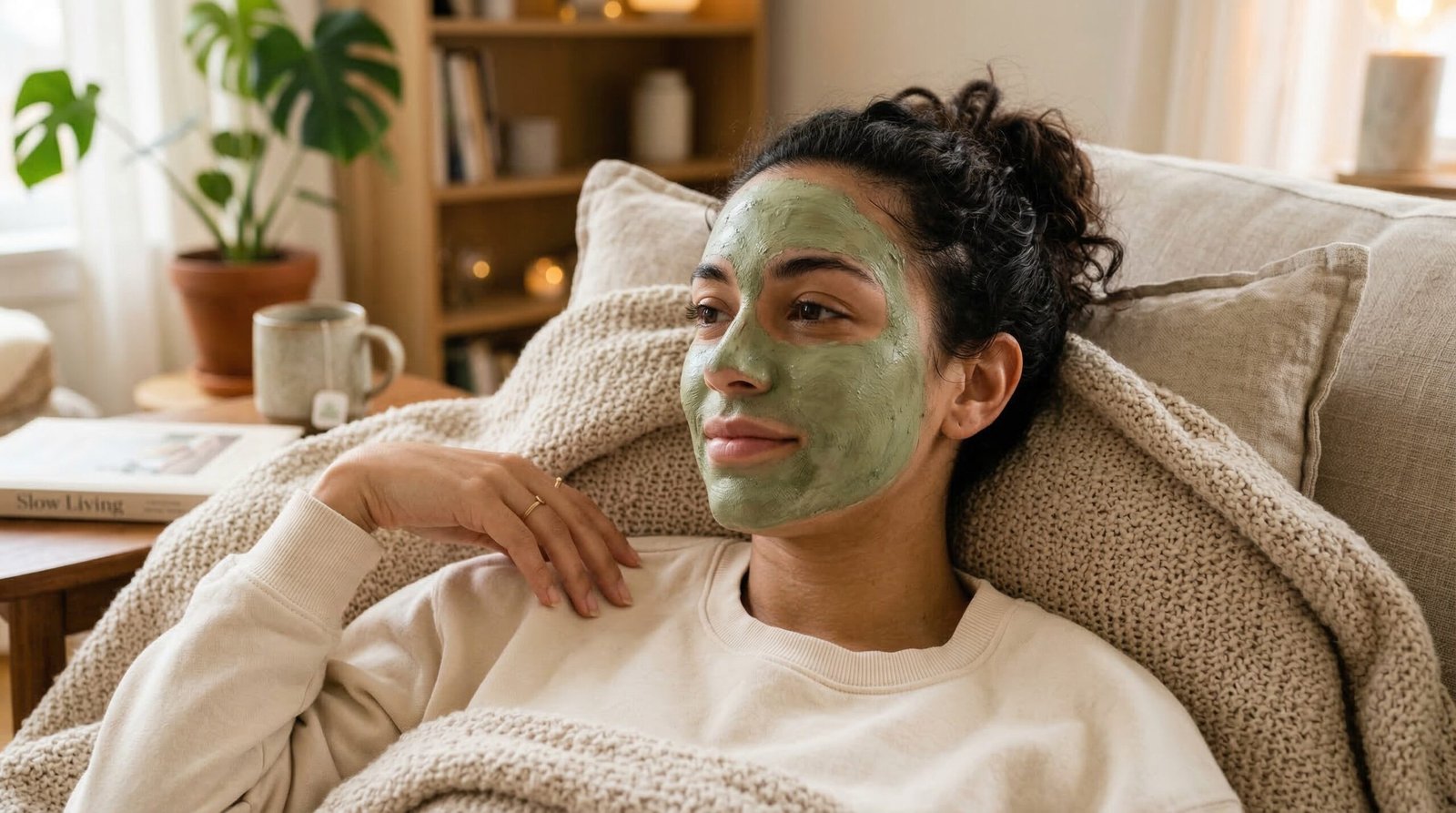
Woman wearing a clay face mask while relaxing at home.
Affiliate disclosure: Mirror & Glow may earn a commission from qualifying purchases made through links on this page, at no extra cost to you. Full disclosure.
The verdict up front: start with The Ordinary Salicylic Acid 2% Masque, the strongest all round match in this line up for acne prone skin. Every pick is compared in the table below, then reviewed in full with its downsides as well as its strengths.
If you are looking for the best face mask for acne prone skin, the right choice depends on fit, not hype. This guide is written for acne prone skin, and every criterion below is weighted for that need first. The short answer: choose the face mask whose formula, format and strength match your skin, check the ingredient or specification list before the marketing claims, and avoid the options whose downsides match the problem you are trying to solve.
What matters most in face mask is covered in depth below: what the product actually is, the types on sale and how they differ, the buying criteria explained one by one, how to use what you buy, and the mistakes that waste the most money in this category.
Best Face Mask for Acne Prone Skin Compared
Product
Standout Point
Key Specification
The Ordinary Salicylic Acid 2% MasqueTop Pick
Stated 2% salicylic acid works inside pores
50 ml tube – 2% salicylic acid – charcoal and kaolin clay – fragrance free
The Ordinary’s Salicylic Acid 2% Masque is the most direct answer to what acne prone skin actually needs from a mask: salicylic acid, the oil soluble beta hydroxy acid that works inside the pore, delivered at a stated 2 percent in a rinse off format with charcoal and kaolin clay to absorb surface oil while it works. Ten minutes on congested zones, typically the T-zone, chin and jawline, is the brand’s direction, and that short contact time is the format’s advantage: meaningful BHA exposure without the commitment of a leave on treatment, and easy removal before irritation builds. For acne prone readers it targets the blackheads, visible sebaceous filaments and recurring under the skin congestion that clay alone only dries out. The black charcoal colour makes application oddly satisfying and shows exactly where coverage is even. The limits deserve equal weight: 2 percent salicylic acid is a real active, so sensitive and dry acne prone skin should start once weekly on small areas, it is not a full face mask for reactive skin, and it does nothing for cystic, hormonal breakouts beyond surface congestion. It is also not a hydrating or soothing mask, so it pairs with, rather than replaces, calming products. At The Ordinary’s pricing, with a disclosed active at a proper strength, it is the strongest treatment mask in this guide and leads it on merit.
Specifications
50 ml tube
2% salicylic acid
charcoal and kaolin clay
fragrance free
Pros
Stated 2% salicylic acid works inside pores
Charcoal and clay absorb oil during treatment
Short 10 minute format suits weekly use
Cons
Too strong for reactive skin used all over
No help for deep cystic breakouts
Not soothing or hydrating
Who should buyyour acne is congestion, blackheads and oily zones that need a real BHA treatment
Who should skipyour acne prone skin is also sensitive or dry, where the gentler clay picks suit better
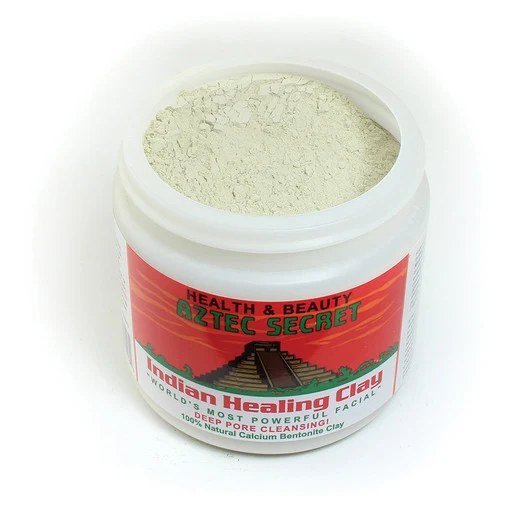
Aztec Secret is the cult budget benchmark of acne masking: a tub of pure calcium bentonite clay powder, nothing else, that you mix yourself with water or raw apple cider vinegar into a paste. Bentonite is among the most absorbent clays used in skincare, and as the mask dries it tightens noticeably, the famous pulsating feeling the tub warns about, drawing oil and surface debris from pores as it sets. For oily, acne prone skin used a couple of times a month on congested areas, the deep clean feel is real and the cost per mask is pennies, with a 1 lb tub lasting most users a year or more. The powder format also lets you mix small targeted amounts for the nose and chin rather than committing the whole face. The compromises are substantial and should not be skipped: it is messy, it must never touch metal bowls or spoons because metal reduces the clay’s charge, the vinegar mix is too much for many skins, and left on too long or used too often it will strip and anger acne prone skin rather than help it. It contains no soothing or active ingredients, so it is a deep clean tool, not a treatment programme. Used occasionally and carefully, it remains unbeatable value; used enthusiastically and often, it is a barrier damage story waiting to happen.
Specifications
1 lb tub of powder
100% natural calcium bentonite clay
mixes with water or apple cider vinegar
Pros
Purest bentonite clay, deepest oil absorption here
Pennies per mask, tub lasts a year or more
Mix only what you need for targeted zones
Cons
Messy, and must avoid metal utensils
Vinegar mix too harsh for many skins
Easy to overuse and damage the barrier
Who should buyyou want the deepest occasional pore clean at the lowest possible cost
Who should skipyou want a ready made, gentle mask with no mixing or mess
Innisfree’s Super Volcanic Pore Clay Mask 2X is the ready made refinement of the clay idea: a creamy, spreadable mask built on volcanic ash clusters from Jeju Island, blended with kaolin and bentonite, that absorbs sebum and clears pore congestion without the mixing, mess or harshness of raw bentonite. The volcanic cluster story is about particle structure: the porous ash is milled to trap oil and fine debris, and in practice the mask gives the deep T-zone clean acne prone skin wants while feeling noticeably more comfortable than straight clay, with a cooling sensation as it dries and no cracking tightness. It rinses cleanly, works in ten minutes, and suits the twice weekly maintenance rhythm that actually keeps blackheads down, which matters more than any single deep clean. For acne prone skin its role is congestion management: smaller looking pores, less midday oil breakthrough, fewer sebaceous filaments. It will not treat inflamed breakouts, and the jar contains fragrance, which the most reactive readers should note. The 2X version strengthened the sebum absorption over the original, and the price per jar is modest for a mask that lasts months of twice weekly use. As the balanced, repeatable clay mask of this guide, it is the one most readers will use most consistently, and consistency is what wins with masks.
Specifications
100 ml jar
Jeju volcanic clusters
kaolin and bentonite
cooling wash off clay mask
Pros
Strong sebum absorption without raw clay harshness
Creamy, ready to use, rinses cleanly
Built for the twice weekly rhythm that controls congestion
Cons
Contains fragrance
Manages congestion rather than treating inflamed acne
Jar format less hygienic than tubes
Who should buyyou want clay results in a comfortable ready made mask you will actually use twice weekly
Who should skipyou need fragrance free, where The Ordinary and Cetaphil picks fit better
Supermud is the premium event version of the acne mask: Glamglow’s charcoal and clay treatment loaded with a blend of alpha and beta hydroxy acids, including glycolic, salicylic, lactic and mandelic, in a mud that dries from dark to light grey so you can watch oil being drawn to the surface as spots on the mask. That visible oil mapping is its famous party trick, and underneath the theatre there is a genuinely potent formula: the acid complex exfoliates inside and outside the pore while the charcoal and kaolin absorb, so a single fifteen minute session leaves congested skin feeling unusually clear and smooth. It works well as a targeted treatment on the nose, chin and breakout zones rather than a full face ritual, which also stretches the expensive jar further. The costs are literal and dermatological: it is the priciest mask in this guide per gram, the acid load plus fragrance makes it a poor choice for sensitive acne prone skin, and the tingling it produces crosses into stinging for some users. It is an occasional intensive, not a twice weekly staple. For resilient, oily, congested skin before an event, nothing here feels as immediately effective; for everyday management, the Innisfree and Ordinary picks are the sensible money.
Specifications
50 g jar
activated charcoal and kaolin
AHA BHA acid complex
premium mud mask
Pros
Charcoal clay plus a full AHA BHA acid complex
Visible oil absorption as the mask dries
Powerful one off clearing effect on congestion
Cons
Most expensive mask here per gram
Fragrance and acids rule out sensitive skin
Intensive only, not a regular staple
Who should buyyour skin is resilient and oily and you want a powerful occasional clearing treatment
Who should skipyour acne prone skin is sensitive, where this acid and fragrance load will backfire
Cetaphil’s DermaControl clay mask is the sensitive skin entry in this category, and its design brief is visible in everything it leaves out: no fragrance, no acids, no drying theatrics, just kaolin and bentonite clays in a cream base with apple fruit extract, made to absorb oil and clear pores without leaving acne prone but reactive skin red and tight. That restraint matters because a large share of acne prone readers are simultaneously sensitive, often because of the retinoids and benzoyl peroxide they already use, and most clay masks punish exactly that combination. This one applies like a cream, does not dry to a cracking shell, and rinses to skin that feels clean but calm, so it can sit in a routine alongside prescription strength actives where stronger masks cannot. The trade off is power: congestion clearing is gentler and slower than the salicylic or volcanic picks, and deep blackheads will want a BHA step elsewhere in the routine. The price is drugstore fair and the jar lasts months of weekly use. Judged against its brief, oil control and pore care that sensitive acne prone skin can actually tolerate weekly, it is the best executed product in this guide, and the one dermatology adjacent readers will reach for most.
Specifications
85 g jar
kaolin and bentonite clays
apple fruit extract
fragrance free for sensitive acne prone skin
Pros
Fragrance free clay mask made for sensitive acne prone skin
Does not dry to a tight, cracking shell
Sits safely alongside retinoid and benzoyl routines
Cons
Gentler congestion clearing than acid masks
No BHA, so blackheads need a treatment step elsewhere
Less dramatic immediate oil control
Who should buyyour skin is acne prone and sensitive at once, especially on retinoid routines
Who should skipyou want maximum strength congestion clearing and your skin tolerates acids well
Origins Clear Improvement is one of the longest selling charcoal masks in the premium market: a dark grey wash off mask built on bamboo charcoal and white China clay, with lecithin to help dissolve surface debris, aimed at pores clogged by oil, pollution and city life. Its character is balanced rather than extreme: the charcoal and clay draw out congestion and leave the T-zone visibly cleaner, but the base is creamy enough that normal and combination acne prone skin does not feel stripped afterwards, which is why it has kept a loyal audience across skin types for so long. Used weekly after a warm shower, when pores are softened, it is a reliable maintenance mask for blackhead prone zones, and the tube sizes are generous. The compromises: it contains fragrance in the brand’s botanical style, its clearing power sits below the acid loaded Supermud and the salicylic masque, and like all rinse off charcoal masks its detox language should be read as oil and debris absorption, nothing more mystical. Pricing is mid premium. For readers who want a pleasant, established charcoal mask that behaves well on combination skin and does not demand recovery time, Clear Improvement remains an easy recommendation, and its longevity in a fast moving category says something real about user satisfaction.
Specifications
75 ml and 100 ml tubes
bamboo charcoal
white China clay
lecithin
wash off mask
Pros
Charcoal and clay clearing with a non stripping base
Reliable weekly maintenance for blackhead zones
Long established formula with loyal users
Cons
Fragranced botanical formula
Clearing power below the acid masks here
Premium mid range pricing
Who should buyyou want a balanced charcoal mask for combination acne prone skin
Who should skipyou want fragrance free or maximum acid strength instead
Sulfur is the oldest acne ingredient in this guide and this mask is its strongest expression: a medicated treatment with 10 percent sulfur, the maximum typical over the counter strength, in a kaolin base with aloe to take the edge off. Sulfur works differently from the acids elsewhere here: it is keratolytic, antibacterial and oil absorbing at once, and dermatologists have used it for acne, including the stubborn adult and hormonal patterns, for generations. As a mask it can be used over breakout prone areas for ten minutes, and many users also dab it as an overnight spot treatment on individual blemishes, where its drying and calming effect on inflamed spots is its real speciality. That makes it the pick in this guide aimed at actual breakouts rather than congestion alone. The trade offs are sulfur’s famous ones: a distinct sulphurous smell the aloe cannot fully hide, a drying effect that demands moisturiser afterwards, and a formula too strong for daily or whole face use on drier skins. The big 142 g jar lasts a very long time used as directed. For readers whose acne is inflamed and recurring rather than blackhead led, this medicated classic does a job the cosmetic masks here simply do not claim to do.
Specifications
142 g jar
10% sulfur
kaolin clay and aloe
medicated acne treatment mask
Pros
10% sulfur treats inflamed breakouts, not just congestion
Doubles as an overnight spot treatment
Large jar lasts a long time
Cons
Characteristic sulfur smell
Drying, needs moisturiser after use
Too strong for daily whole face use
Who should buyyour acne is inflamed and recurring and you want a medicated mask
Who should skipyour issue is blackheads and oil only, where the BHA and clay picks are better aimed
The Effaclar line is the pharmacy benchmark for oily, acne prone skin, and its purifying clay mask follows the line’s philosophy: kaolin clay to absorb sebum and mattify, in a base built on La Roche-Posay’s selenium rich thermal spring water, with panthenol to keep the experience calm. It is a mask designed to be used by people who are often also using Effaclar cleansers, Duo treatments or prescribed retinoids, so it deliberately avoids stacking more acids or aggressive actives into the routine: its job is the weekly oil and congestion reset that leaves skin matte and pores looking clearer without a recovery period. The texture is a smooth cream clay that spreads thinly, dries evenly and rinses without residue, and the 100 ml tube is hygienic and travel friendly. Its limits match its restraint: blackhead clearing is moderate, there is a light fragrance, and resilient very oily skin may find the salicylic masque or volcanic clay stronger for the same job. Pricing is pharmacy mid range. For the reader already in the Effaclar ecosystem, or anyone whose acne routine is active heavy and needs a mask that will not fight it, this is the harmonious choice, and harmony is an underrated virtue in acne care.
Specifications
100 ml tube
kaolin clay
thermal spring water base
fragrance light
for oily acne prone skin
Pros
Pharmacy clay mask designed to sit alongside acne treatments
Mattifies and resets oil without irritation
Hygienic 100 ml tube, smooth easy texture
Cons
Moderate blackhead clearing
Light fragrance
Very oily resilient skin may want stronger picks
Who should buyyou already use acne actives and need a mask that will not overload your routine
Who should skipyou want the strongest possible single mask and use few other actives
Queen Helene’s Mint Julep Masque is the heritage drugstore pick: a green kaolin clay mask with sulfur and a strong mint character that has been sold for generations as the shrink your pores, dry your breakouts staple of American bathrooms. Its formula logic is sound for acne prone skin: clay absorbs the oil, a touch of sulfur brings genuine antibacterial and drying action on spots, and the mint gives the intense cooling tingle users associate with it working. It is at its best used the old way, on the T-zone and on individual blemishes as they appear, rather than as a full face beauty ritual, and the enormous 227 g tube at a very low price makes that spot use practically free. The compromises are those of its era: it is fragranced and strongly tingling, which sensitive skin will not enjoy, it can dry skin out if left to fully crack, and its pore shrinking language describes the temporary tightened look clay gives, not a structural change. There are no modern soothing extras. None of that dents its value case: for a teenager or budget reader with oily, breakout prone skin, this remains one of the most effective pounds per result products in the entire category, which is why it is still on shelves.
Specifications
227 g tube
kaolin clay
sulfur and mint
classic drugstore mask since decades
Pros
Clay plus sulfur action at a very low price
Huge tube makes spot use almost free
Generations of proven use on oily breakout prone skin
Cons
Strong mint tingle and fragrance
Can over dry if left on too long
No modern soothing ingredients
Who should buyyou want a proven budget mask for oily zones and individual spots
Who should skipyour skin is sensitive or dry, where the Cetaphil mask is the kind choice
Boscia’s charcoal mask is the peel off representative in this guide, a format with a specific appeal for acne prone readers: a black charcoal gel that dries to a flexible film and peels away, lifting surface oil, dead cells and the visible tops of sebaceous filaments with it. The peel is undeniably satisfying and the immediate result, smoother feeling skin and a nose that looks clearer, is real, if temporary and surface level. Boscia formulates to its preservative free, botanical positioning, with charcoal for absorption and a blend including artichoke and lotus extracts aimed at the look of pores. Used on the nose, chin and forehead rather than delicate areas, it is a reasonable weekly surface reset for combination acne prone skin. The honest limits matter with peel offs: peeling is not deep pore cleaning, the acids and clays above do more for congestion itself, removal can tug and irritate reactive or very dry skin, and peeling over active inflamed breakouts is a bad idea. The price is premium for the format. Readers who love the ritual and the instant smoothness, and whose acne is congestion rather than inflammation, will enjoy it; it is included as the best executed version of its format, with its limits stated plainly.
Specifications
80 g tube
activated charcoal
peel off format
botanical preservative free system
Pros
Peel off format gives instant surface smoothness
Charcoal absorbs oil as the film sets
Preservative free botanical positioning
Cons
Surface action only, acids clean pores better
Peeling can irritate reactive skin
Never use over inflamed breakouts
Who should buyyou enjoy peel off masks and your acne is surface congestion on the T-zone
Who should skipyour skin is reactive or your breakouts are inflamed, where peel offs are the wrong format
Face mask is the umbrella for wash off, sheet, clay, gel and overnight masks: occasional treatments that hydrate, absorb oil, soothe or exfoliate depending on type. A mask is a booster step, not a routine foundation, and its value depends on matching type to need.
Sheet masks deliver a single heavy dose of water based essence under occlusion, which plumps temporarily and photographs well. Cream and gel masks soothe and hydrate without the sheet. Overnight masks are rich moisturisers by another name. What masks share is transience: effects last hours to a day or two, which is why they suit pre event preparation and weekly maintenance rather than fixing concerns, which daily actives do.
How to Choose: the Criteria That Matter
Choosing skincare well means buying for the skin you have, in the order it needs help. Start with the concern, not the product shelf: breakouts, marks, dryness, redness and lines each have a short list of ingredients with real evidence behind them, and the guide’s topic section names the ones that matter here. Then check your current routine for conflicts before adding anything. Most failed purchases are good products bought for the wrong concern, or two strong actives introduced in the same week so that irritation gets credited to both.
Active ingredient and its stated strength, since a named active without a percentage tells you very little
A percentage on the label lets you compare like with like: a 10 percent azelaic acid and a 2 percent salicylic acid are honest products, while a serum that names an active without a strength is asking you to trust the marketing instead.
Formula type for your skin: gel for oily skin, cream for dry skin, emulsion for combination skin
The same active in a gel, a cream and an oil behaves like three different products. Gel and water based formulas suit oily and combination skin; creams and emulsions carry dry skin through the day; oils are finishing steps, not treatments.
What the formula leaves out: fragrance, drying alcohol and common irritants if your skin is reactive
What is left out decides tolerance. Fragrance, essential oils and drying alcohol are the three most common reasons a well reviewed product stings, flushes or breaks someone out, and sensitive skin should read for their absence first.
How it layers with the rest of your routine, including retinoids, vitamin C and sunscreen
A product that pills under sunscreen or fights your retinoid will not survive in a real routine. Think in pairs: water based before oil based, thinnest to thickest, and actives split across morning and night when they compete.
Packaging that protects the formula, such as airless pumps and opaque bottles for light sensitive actives
Actives degrade in light and air. Vitamin C, retinoids and many antioxidants keep their strength in opaque, airless packaging, and a clear dropper bottle on a sunny shelf is quietly expiring.
Also Considered
These products were researched for this guide and left off the picks list for the reasons given. They are not poor products; they simply fit the exact question of this guide less well.
First Aid Beauty Skin Rescue Oil-Free Mattifying Gel
Researched because FAB is a natural home for sensitive acne prone readers. It was left off because it is a leave on mattifying moisturiser, not a mask, and including it would blur the category this guide compares.
Mario Badescu Drying Mask
A sulfur and calamine drying mask researched for this guide. It was left off because its drying, spot focused role is covered more completely by the Peter Thomas Roth sulfur mask at full 10 percent strength and by the Queen Helene classic at a fraction of the price.
The Body Shop Tea Tree Skin Clearing Clay Mask
Researched as a widely available tea tree clay option. It was left off because its clay clearing is matched by the Innisfree and Origins picks, which offer better textures and clearer positioning for acne prone skin.
How to Use What You Buy
Start with clean, dry or slightly damp skin as the product type directs
Apply the amount stated on the product, usually a pea sized amount or two finger lengths for sunscreen
Introduce one new active at a time and give it at least two weeks before judging
Use the product at the time of day it is designed for, and always finish morning routines with sunscreen
Note any stinging, breakouts or dryness in the first week and adjust frequency before giving up
Fit decides whether a good product works. Skincare actives need a stable base routine around them: a gentle cleanser, a moisturiser your skin likes, and sunscreen every morning. Add the new product to that base one at a time, at the frequency the category supports, and keep everything else unchanged for the first month. That discipline is what turns a purchase into a result you can actually attribute.
Use one to three times a week according to type, on cleansed skin, before or instead of the serum step. Keep one mask that matches your main concern rather than a drawer of types used at random.
Who Should Buy, and Who Should Skip
Buy if your need matches this guide exactly: you are looking for options for acne prone skin, you have checked the criteria above against your current routine, and you are willing to introduce the product gradually and judge it over the period the category needs.
Skip if your concern is different from the one in the title, your skin or hair is currently irritated or damaged and needs recovery first, or a clinician has advised you on this concern, in which case their advice comes before any buying guide.
Common Mistakes in Face Mask
Starting three new actives in the same week, which makes reactions impossible to trace
Using more product than directed, which increases irritation without improving results
Skipping sunscreen while using brightening or exfoliating products, which undoes their work
Expecting visible change in days when most skincare actives need weeks of consistent use
Masking daily with exfoliating types and irritating the barrier in the name of self care
Expecting a weekly mask to do the work of a daily active it cannot replace
Frequently Asked Questions
How do I choose the right face mask?
Start with the criteria in this guide: match the formula or specification to your skin type and the exact concern in the title, check the published ingredient or specification list, and pick the option whose downsides do not overlap with your problem. The type decision comes first: most disappointment in face mask is a good product bought in the wrong type.
How long before I see results from a face mask product?
It depends on the category, but most skincare products need consistent use over several weeks before a fair judgement. Devices and treatments state their expected course in the manual or on the packaging, and that timeline is the one to follow. Judge on the category’s clock, not on the first week.
What should I avoid when buying for acne prone skin?
Avoid buying on claims alone: skip options with no published ingredient or specification list, strengths far beyond what your routine needs, and any product whose stated downsides match the exact issue you are trying to fix. Also avoid changing two other parts of your routine in the same week, which makes the new product impossible to judge.
Is the most expensive option always the best?
No. In face mask, price often reflects branding, packaging and extras rather than the core ingredient or specification doing the work. The criteria in this guide matter more than the price band, and mid priced options with the right specification beat premium options with the wrong one.
What is the most common mistake with face mask?
Masking daily with exfoliating types and irritating the barrier in the name of self care A close second: expecting a weekly mask to do the work of a daily active it cannot replace
How does face mask fit into a daily routine?
Use one to three times a week according to type, on cleansed skin, before or instead of the serum step. Keep one mask that matches your main concern rather than a drawer of types used at random. Fit decides whether a good product works.
How to Crochet a Face Mask for Beginners Step by Step?
The companion how-to guide, How to Crochet a Face Mask for Beginners Step by Step, covers this in full: the step by step method, the right amounts and frequency for your type, and the mistakes that stop it working. It is linked from the routine sections of this page, and it is the right next read once you have chosen a product.
By Mirror & Glow Editorial Desk – November 23, 2026
How to Crochet a Face Mask for Beginners Step by Step? Use one to three times a week according to type, on cleansed skin. The full method, the mistakes to avoid, and where it fits in your routine.
By Mirror & Glow Editorial Desk – November 23, 2026
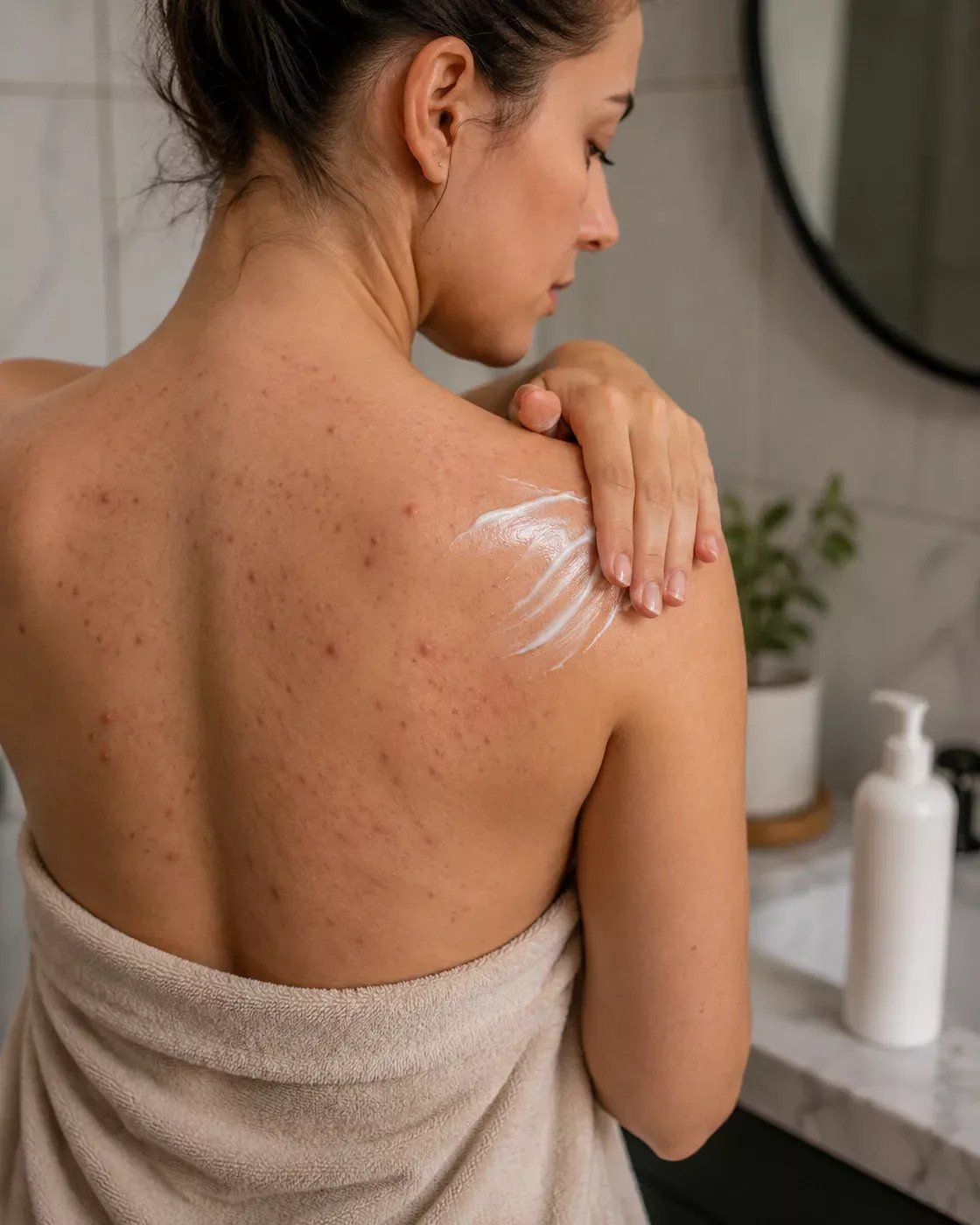
How to Get Rid of Acne Scars on Back? The short answer first, then the detail: one active at a time, introduced over two weeks, judged at eight to twelve weeks, with timing, amounts and the errors that stop it working.
By Mirror & Glow Editorial Desk – November 23, 2026
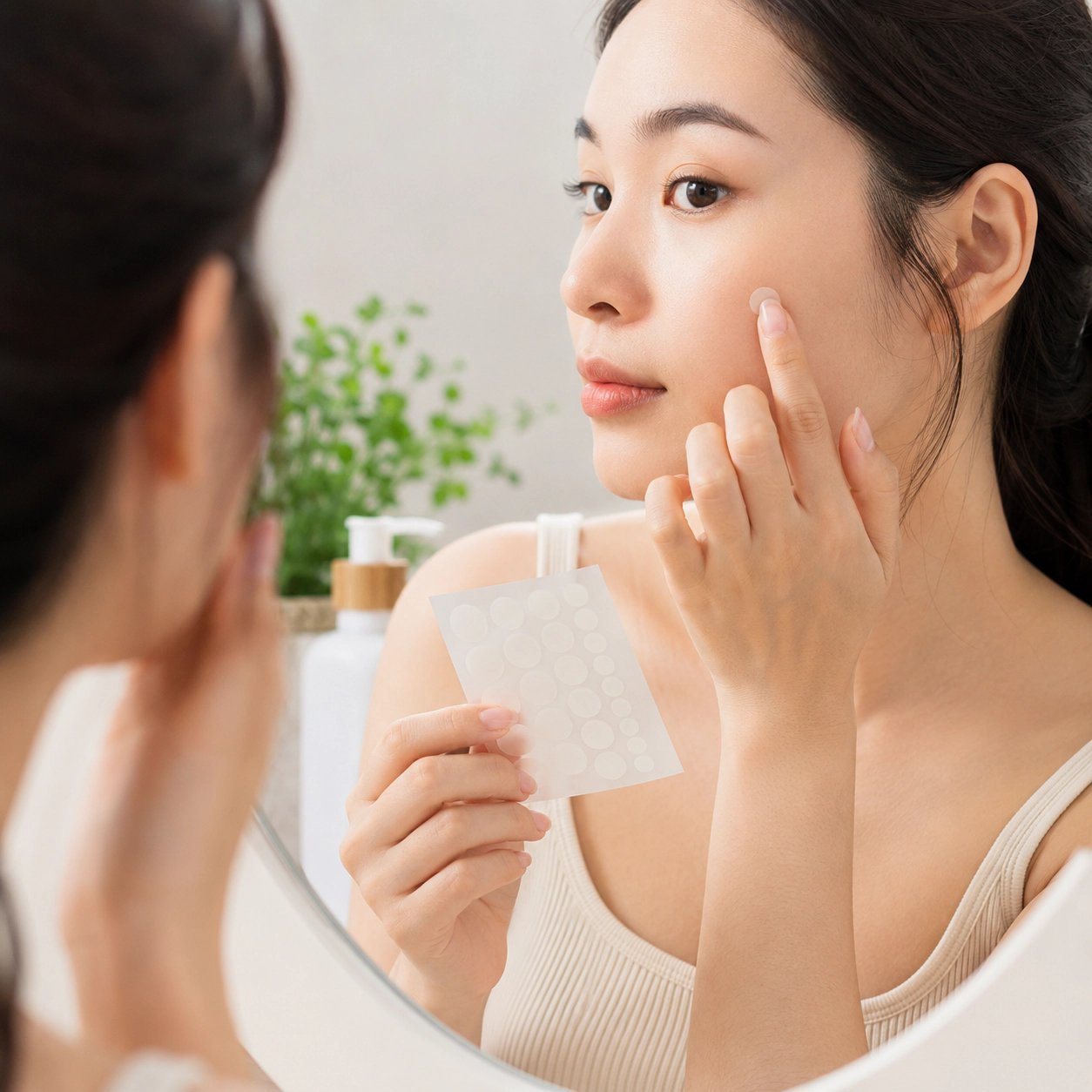
Hydrocolloid is a wound dressing material: it draws out fluid and turns white as it works. This guide applies that to how often to use pimple patches on a single spot: the method, the timing, and the traps to avoid.