By Mirror & Glow Editorial Desk – November 23, 2026
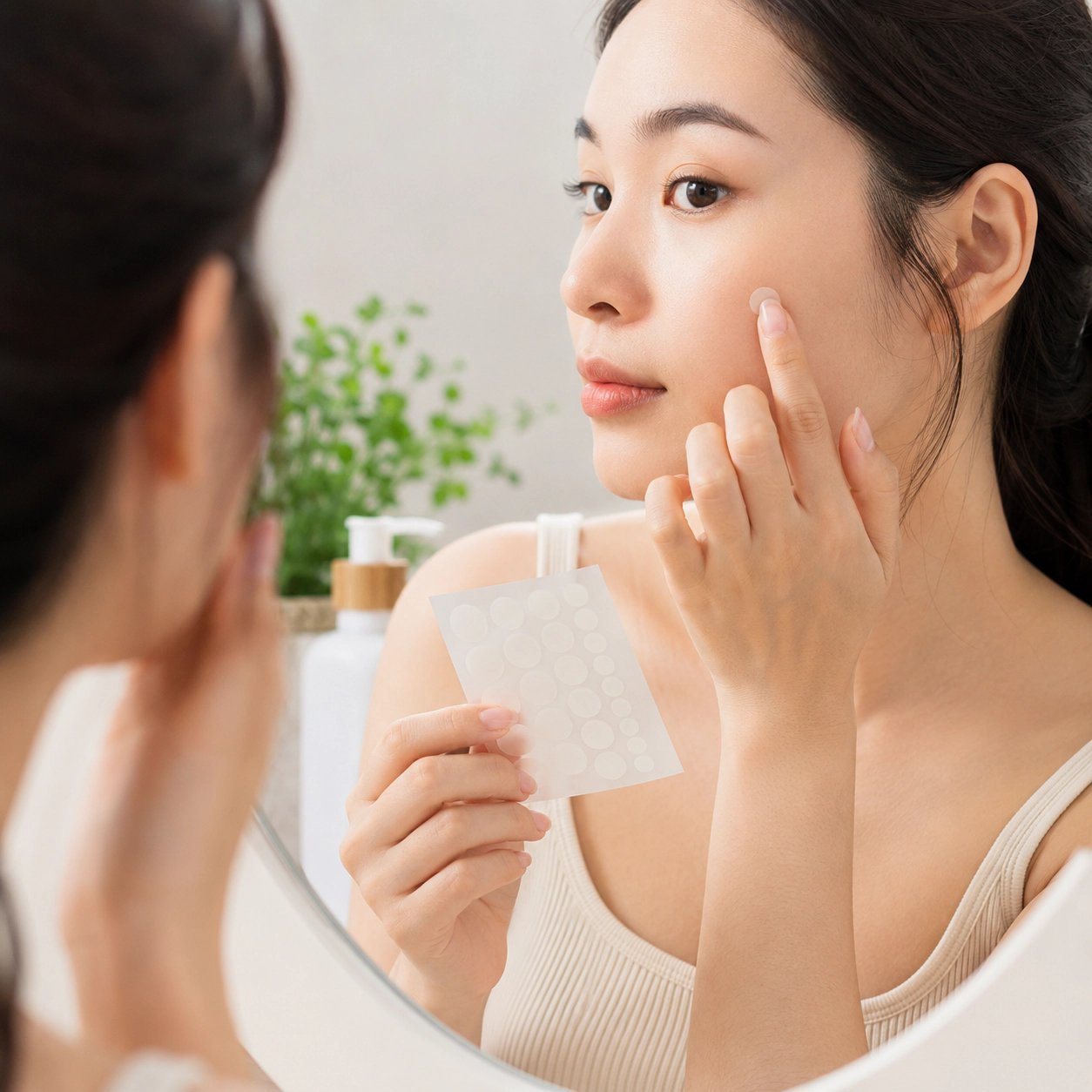
Woman applying cream to pigmented skin on her cheek.
Affiliate disclosure: Mirror & Glow may earn a commission from qualifying purchases made through links on this page, at no extra cost to you. Full disclosure.
The verdict up front: start with Ambi Fade Cream, the strongest all round match in this line up for acne scars and dark spots. Every pick is compared in the table below, then reviewed in full with its downsides as well as its strengths.
If you are looking for the best cream for acne scars and dark spots, the right choice depends on fit, not hype. This guide is written for acne scars and dark spots, and every criterion below is weighted for that need first. The short answer: choose the cream whose formula, format and strength match your skin, check the ingredient or specification list before the marketing claims, and avoid the options whose downsides match the problem you are trying to solve.
What matters most in acne is covered in depth below: what the product actually is, the types on sale and how they differ, the buying criteria explained one by one, how to use what you buy, and the mistakes that waste the most money in this category.
Best Cream for Acne Scars and Dark Spots Compared
Product
Standout Point
Key Specification
Ambi Fade CreamTop Pick
Small tube suits targeted spot application
2 oz tube – fade cream for dark spots – normal skin and oily skin versions
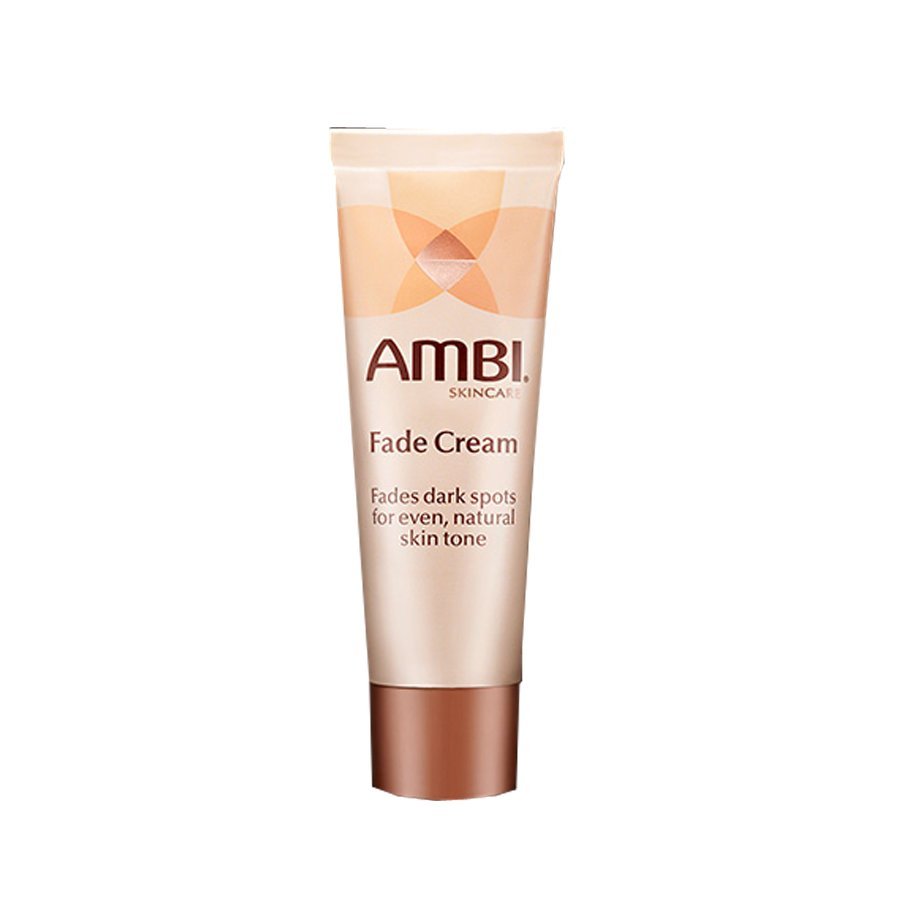
Ambi’s Fade Cream is one of the longest running names in this category: a drugstore fade cream that has been sold for decades for dark spots, acne marks and uneven tone, in separate versions for normal skin and oily skin. The format is a small 2 oz tube of cream designed to be applied in a thin layer directly to the marks rather than all over the face, twice a day, which makes it a targeted treatment rather than a moisturiser. That targeted use is the point of the product: fade creams work on the pigmented patch itself, and a tube lasts a reasonable time when it is only covering spots and post acne marks. One honest complication is that Ambi has reformulated this cream over its long life, and older versions were hydroquinone based, so the ingredient list on the tube in front of you is the one that counts, not the one quoted in old reviews. Whichever version you buy, the routine around it decides the result: apply to clean, dry skin, let it absorb before moisturiser, and use sunscreen every morning, because fading pigment while unprotected sun exposure creates more of it is a losing game. Expect gradual change over weeks of consistent twice daily use, not days, and photograph the marks monthly in the same light to judge it fairly.
Specifications
2 oz tube
fade cream for dark spots
normal skin and oily skin versions
Pros
Small tube suits targeted spot application
Separate normal skin and oily skin versions
One of the longest established fade creams on sale
Cons
Formulas have changed over the years, so check the current ingredient list
Small tube runs out fast if used over large areas
Twice daily routine plus sunscreen is essential to see results
Who should buyyou want a targeted fade cream for individual marks in a small, inexpensive tube format.
Who should skipyou need an all over moisturiser, or your marks cover very large areas where a small tube is impractical.
Palmer’s Skin Success is the modern, hydroquinone free take on the classic fade cream, and its label is unusually specific: 5% niacinamide is printed on the jar, alongside vitamins C and E, in a 75 g pot. Niacinamide at that strength is a sensible headline ingredient for this job, since it is widely used for the appearance of dark spots and uneven tone and is generally well tolerated, including on skin that finds stronger actives irritating. The range splits into a day version, which includes sunscreen agents, an oily skin version, and a night version built on songyi mushroom and lavender, so the jar you pick should match when and where you will use it. The texture is a rich cream that doubles as a moisturiser for dry skin, which simplifies a routine: cleanse, apply the fade cream to the marks or the whole face, and in the morning follow with a proper sunscreen rather than relying on the cream’s own protection. Palmer’s claims visible results in as little as two weeks on the packaging; treat that as the optimistic end and judge it over four to eight weeks instead. The cream is noticeably fragranced, as Palmer’s products generally are, and the open jar format means fingers in the pot, so use clean hands or a spatula.
Specifications
75 g jar
5% niacinamide
hydroquinone free
vitamins C and E
Pros
Label states 5% niacinamide, a clear and relevant strength
Hydroquinone free formula with vitamins C and E
Day, night and oily skin versions in the same range
Cons
Open jar packaging is less hygienic than a tube or pump
Noticeably fragranced, which reactive skin may not enjoy
Brand’s two week claim is optimistic for established marks
Who should buyyou prefer a hydroquinone free fade cream in a jar with niacinamide led brightening.
Who should skipyou dislike jar packaging or scented cream formulas on your face.
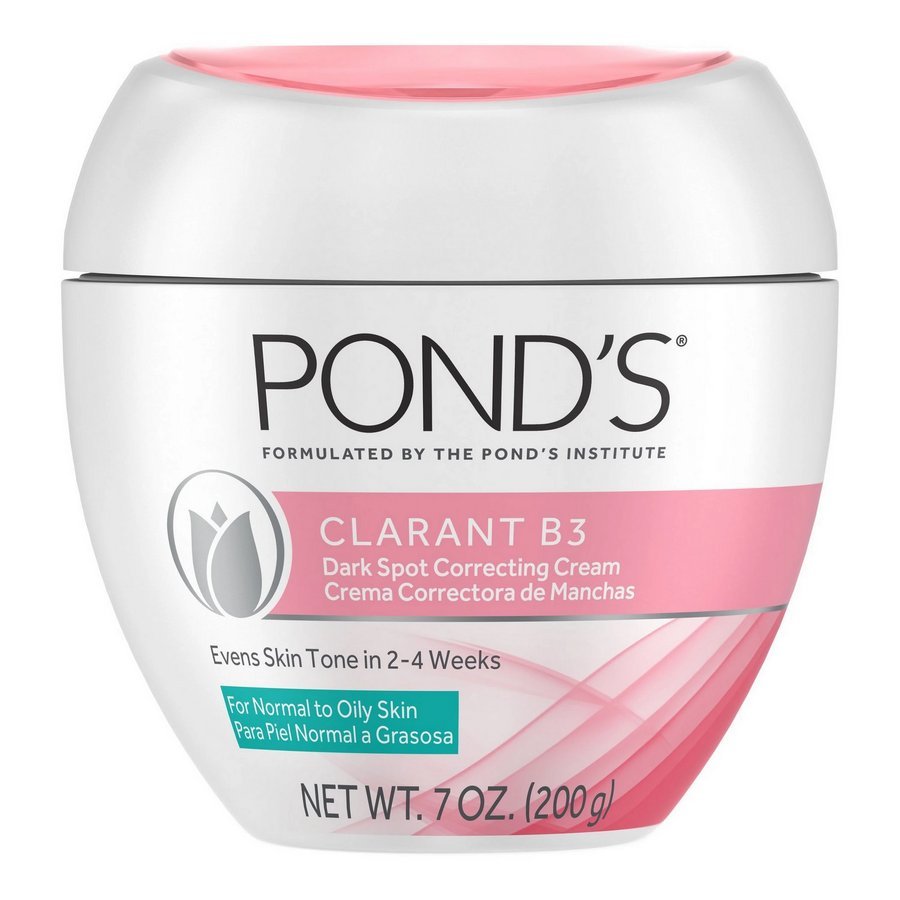
Pond’s Clarant B3 is the value sized option in this line up: the standard jar is a generous 7 oz (200 g), several times the size of most fade creams, because it is designed to be used as an all over face cream rather than a spot only treatment. The B3 in the name is vitamin B3, niacinamide, the ingredient the whole Clarant line is built around, and the range splits into a version for normal to oily skin and one for normal to dry skin, which matters because the richer dry skin version can feel heavy on oily, acne prone faces. The jar states the brand’s aim plainly: it is a dark spot correcting cream intended to even skin tone over two to four weeks of twice daily use. In practice this is the pick for widespread, shallow unevenness and the flat marks left after breakouts across the cheeks or forehead, where treating the whole area beats dabbing at individual spots, and the big jar means you never ration it. The trade offs are the format ones: a wide open jar is not the most hygienic or travel friendly packaging, the cream is fragranced in the classic Pond’s style, and a niacinamide led formula is a gentle, gradual route to fading, better for overall tone than for one deep, stubborn patch.
Specifications
7 oz jar
vitamin B3 (niacinamide)
normal to oily and normal to dry versions
Pros
Very generous 7 oz jar suits all over application
Built on vitamin B3 (niacinamide) for tone evening
Two versions matched to oily or dry skin types
Cons
Wide open jar is bulky and less hygienic
Fragranced, classic Pond’s scent
Gentler approach, slower on deep individual spots
Who should buyyou want a large, good value jar for marks on the face and body with a simple B3 formula.
Who should skipyou have very oily skin and prefer a light gel texture.
Nadinola’s Skin Discoloration Fade Cream, in the Extra Strength Formula, is another of the category’s old guard: a small 2.25 oz (64 g) glass jar of dense cream that has been sold in US drugstores for generations for dark spots, freckles and general uneven tone. It is used the classic fade cream way, a thin layer worked into the affected areas twice a day, and the small, heavy glass jar reflects that spot treatment role rather than all over moisturising. Because this product’s history is so long, one piece of advice matters more here than with any other pick in this guide: read the ingredient list on the jar you actually buy. Fade cream formulas in the US have changed over the years as regulations around skin lightening ingredients have tightened, and listings and old reviews online describe several different eras of this product. What has not changed is the method it demands: consistent twice daily application to the marks, moisturiser as needed, and daily sunscreen, since no fade cream outruns unprotected UV exposure. The cream has a distinctive scent that longtime users recognise instantly and newcomers sometimes find strong, and the glass jar, while satisfyingly solid, is the least travel friendly format here.
Specifications
2.25 oz glass jar
extra strength formula
for dark spots and uneven tone
Pros
Decades long drugstore track record in this exact category
Dense cream in a glass jar suits precise spot treatment
Extra Strength Formula is the range’s strongest version
Cons
Check the current ingredient list, as formulas have changed over time
Distinctive scent will not suit everyone
Small glass jar is heavy and breakable for travel
Who should buyyou want an extra strength fade cream in the traditional drugstore format for stubborn spots.
Who should skipyou are pregnant or your clinician has advised you to avoid fade cream actives.
Porcelana takes a different slot in the routine from the twice daily fade creams: this version, Nighttime Hydration, is a 3 oz (85 g) cream designed to be applied before bed, when it can sit on the skin undisturbed for hours. The box sets out its approach plainly: it moisturises and restores while working on dark spots, and it is rich in antioxidants, with vitamins A and E named on the packaging. A matching Daytime Protection version with sunscreen exists for readers who want the pair. The night format suits a particular kind of user: someone whose mornings are already full of products, or whose skin prefers its treatment step kept separate from makeup and SPF layers. Applied to clean skin as the last step of the evening, it works on the marks while the richer, slower absorbing texture that would be a drawback at 8 am becomes irrelevant overnight. Set expectations by the formula style: this is a gradual brightening and evening cream rather than an aggressive spot treatment, and it performs best on overall unevenness and the flat discoloration left after breakouts have healed. Keep it off active, inflamed acne, where a night cream of this richness can feel occlusive, and judge it after a full jar of nightly use.
Specifications
3 oz jar
nighttime hydration version
vitamins A and E
antioxidants
Pros
Night format keeps treatment separate from daytime layers
Vitamins A and E and antioxidants named on the box
Matching daytime version with sunscreen in the same range
Cons
Richer night texture can feel heavy on oily skin
Gradual brightening approach, not a fast spot fix
Availability varies more than the big drugstore brands
Who should buyyou want a night time brightening cream with a richer, hydrating feel for dry skin.
Who should skipyou want a light, fast absorbing daytime treatment under makeup.
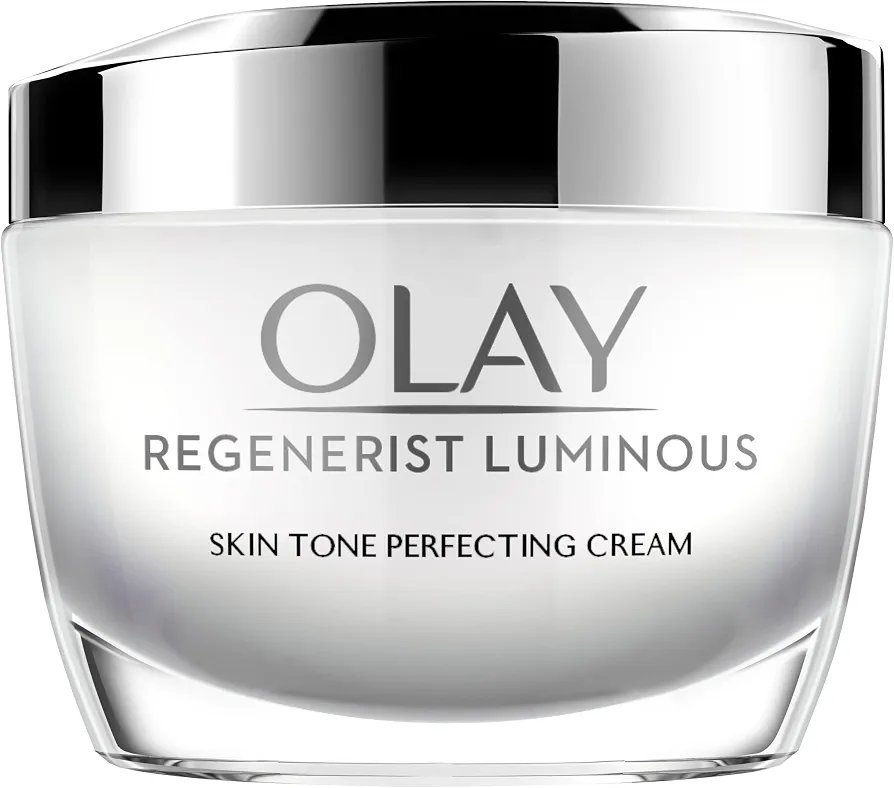
Olay’s Regenerist Luminous Skin Tone Perfecting Cream approaches this guide’s problem from the moisturiser side: it is first a rich daily face cream, and its tone work is built into that base through the Luminous line’s published pairing of niacinamide with N-acetyl glucosamine, two ingredients widely used together for the appearance of dark spots and dull, uneven tone. The 1.7 oz frosted jar with its silver lid is the premium presented end of this list, and the cream itself has the polished, lightly fragranced feel Olay is known for, including a subtle luminous finish that makes skin look brighter immediately while the tone ingredients work gradually underneath. That dual character decides who it suits: it is the strongest pick here for readers whose marks come packaged with dryness and general dullness, especially on mature skin, because it replaces a separate moisturiser rather than adding a step. It is a weaker pick for one or two deep, defined spots, where a targeted fade cream concentrates more of the relevant ingredients on the patch itself. Use it morning and evening over the whole face, with a separate sunscreen over it in the morning, since the cream carries no meaningful SPF of its own. The fragrance is pleasant but present, which sensitive noses and reactive skin should note before committing to the jar.
Specifications
1.7 oz jar
niacinamide tone perfecting moisturiser
Regenerist Luminous line
Pros
Moisturiser and tone treatment in one step
Niacinamide with N-acetyl glucosamine, a published pairing for tone
Mederma is the pick in this guide aimed at the scar half of the title rather than the dark spot half, and the distinction matters. Flat brown or red marks are pigment, and the fade creams above address them; the indented, raised or textured marks that acne leaves in the skin itself are scars, and Mederma Advanced Scar Gel is a dedicated scar product, built around Cepalin, a botanical extract from onion, in a clear gel the brand describes as a triple action formula supporting moisture retention, collagen production and cell renewal. Application is simple and once daily, a thin layer massaged into the scar, which makes it the easiest routine in this guide to keep. Mederma’s own published guidance sets the honest timeline: around eight weeks of daily use for newer scars, and three to six months for existing ones, so this is a commitment product, judged in months. It comes in 0.7 oz and 1.76 oz tubes; the small tube suits a few individual marks, the large one a whole cheek. Two practical notes from long use: the gel can pill if makeup or sunscreen is layered over it before it dries, so let it set fully, and it has a noticeable scent on application that fades as it dries. It does nothing for active acne, and it is not the tool for purely flat pigment.
Specifications
0.7 oz and 1.76 oz tubes
Cepalin botanical scar gel
once daily application
Pros
Purpose built for scar texture, not just pigment
Simple once daily application, easy to sustain
Two tube sizes for single marks or larger areas
Cons
Slow by design: brand guidance runs to months for older scars
Gel can pill under makeup if not fully dry
Noticeable scent on application
Who should buyyour concern is a true scar texture, such as a raised or indented scar, rather than flat colour marks.
Who should skipyour marks are flat pigmentation only, where a fade cream fits better.
Differin’s Resurfacing Scar Gel needs one clarification before anything else: despite coming from the brand famous for adapalene gel, this 1 fl oz (30 mL) tube contains no adapalene and is not a retinoid treatment. It belongs to Differin’s Repair line and is a daily gel for the aftermath of acne, built around bakuchiol, the plant derived ingredient often described as a gentler retinol alternative, with peptides and centella in the formula the brand highlights. The claims printed on the tube describe exactly the post breakout picture: it hydrates to soften the appearance of scars and surface imperfections, visibly improves uneven skin texture, and minimises the appearance of enlarged pores. That makes it the natural pick for readers whose acne has calmed but left a mixed legacy of shallow marks, roughness and visible pores across the cheeks or chin, and who want one product addressing texture and marks together without retinoid irritation. It is fragrance free and non-comedogenic, as a product aimed at acne prone skin should be, and the light gel texture layers comfortably under moisturiser and sunscreen. Use it once or twice daily on healed skin only, never on active breakouts or broken skin, and judge it over eight to twelve weeks. The tube is small, so heavy users covering large areas will go through it quickly.
Specifications
1 fl oz tube
bakuchiol and peptides
fragrance free
contains no adapalene
Pros
Targets post acne texture, marks and pores together
Fragrance free and non-comedogenic for acne prone skin
Bakuchiol based, so no retinoid adjustment period
Cons
Small 1 fl oz tube runs out quickly on large areas
Name invites confusion with Differin adapalene gel
For healed skin only, not for use on active breakouts
Who should buyyou want a fragrance free scar gel from a retinoid specialist brand, with bakuchiol and peptides.
Who should skipyou want the strongest fade cream approach for colour only marks.
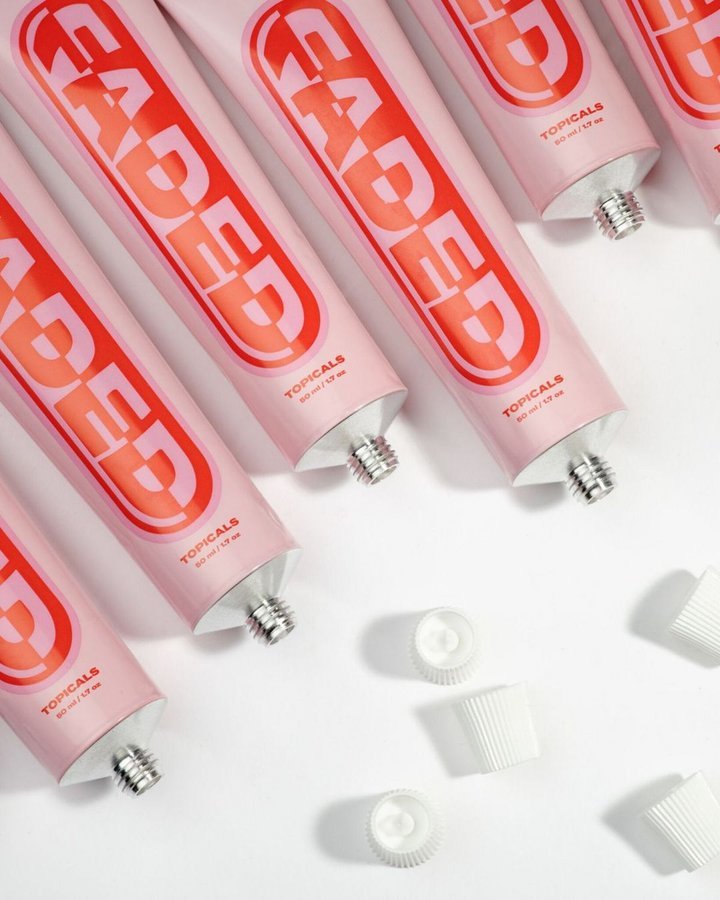
Topicals Faded is the most ingredient dense pick in this guide: a gel serum in a 50 ml metal tube whose published formula stacks several of the best regarded brightening ingredients in one product, with tranexamic acid, azelaic acid and niacinamide at the front, supported by kojic acid, licorice root and centella. That stacking is the appeal for stubborn post acne marks and dark spots, because each ingredient approaches pigmentation from a different angle, and it is why Faded built its reputation specifically on marks left by breakouts, on a wide range of skin tones. The gel serum texture sits between a serum and a light cream, applied in a thin layer to the marks or the whole face once or twice daily, and it layers under moisturiser without the weight of the richer creams in this guide. Two honest warnings come with it. First, the formula has a strong, distinctive natural odour from its ingredients, which the brand itself acknowledges; it fades after application but surprises most first time users. Second, the combination that makes it effective can tingle or irritate reactive skin, so start once a day or every other day and build up. It is not a moisturiser, so drier skin will want a cream over it, and as with every pick here, morning sunscreen is what protects the progress it makes.
Specifications
50 ml tube
tranexamic acid, azelaic acid and niacinamide
gel serum format
Pros
Stacks tranexamic acid, azelaic acid and niacinamide in one formula
Built specifically for post breakout marks and dark spots
Gel serum layers under moisturiser without heaviness
Cons
Strong natural odour that many users dislike
Can tingle or irritate sensitive skin at first
Not moisturising enough to use alone on dry skin
Who should buyyou want one stacked brightening serum covering several pigment pathways at once.
Who should skipyour skin is very sensitive to blends, or you dislike noticeable natural scents.
Garnier’s Clearly Brighter Dark Spot Corrector is the vitamin C entry in this line up: a light daily treatment in a 1 fl oz (30 ml) tube from the Clearly Brighter line, which Garnier built around vitamin C for dullness and dark spots. The format is the most makeup friendly here, a thin, fast absorbing corrector designed to be dotted onto spots or smoothed over the face before moisturiser, without the richness of the jar creams, which suits oily and combination skin that finds most fade creams heavy. Used morning or evening, it fits the routine most readers already have, and its small tube makes it a low commitment way to test whether a vitamin C led approach suits your marks before investing in larger formats. The significant caveat is availability: Garnier has wound the Clearly Brighter line down in several markets, so on Amazon it is now sold largely through third party sellers, with the patchy stock and variable pricing that implies. Check the seller and the tube’s condition when it arrives, and treat it as a while it lasts pick rather than a forever repurchase. Within those limits it remains a sensible, gentle corrector for early, shallow marks and general dullness, though deep or long established spots will want the heavier artillery elsewhere in this guide.
Specifications
1 fl oz tube
vitamin C corrector
daily spot treatment format
Pros
Light, fast absorbing format suits oily skin
Vitamin C led formula for spots and dullness
Small tube is an easy, low commitment trial
Cons
Line is being wound down, so stock is patchy
Third party seller pricing varies widely
Gentle strength, not the pick for deep established spots
Who should buyyou want a light vitamin C corrector for daily use under moisturiser and makeup.
Who should skipyou need a heavy duty fade cream for long standing, dense pigmentation.
Acne is a condition of the pilosebaceous unit: oil, sticky dead skin cells, bacteria and inflammation combine to block pores and form spots from blackheads to deep cysts. It is medical as much as cosmetic, and the severity decides whether over the counter care is enough.
The proven over the counter actives each hit a different part of the process: benzoyl peroxide kills bacteria and reduces inflammation, salicylic acid unclogs inside the pore, adapalene normalises cell turnover so plugs form less, and azelaic acid works on spots and the marks after them. Using one well, consistently, beats rotating four. Deep, cystic, scarring or suddenly severe acne belongs with a dermatologist, because prescription options and early treatment prevent permanent scars.
How to Choose: the Criteria That Matter
Choosing skincare well means buying for the skin you have, in the order it needs help. Start with the concern, not the product shelf: breakouts, marks, dryness, redness and lines each have a short list of ingredients with real evidence behind them, and the guide’s topic section names the ones that matter here. Then check your current routine for conflicts before adding anything. Most failed purchases are good products bought for the wrong concern, or two strong actives introduced in the same week so that irritation gets credited to both.
Active ingredient and its stated strength, since a named active without a percentage tells you very little
A percentage on the label lets you compare like with like: a 10 percent azelaic acid and a 2 percent salicylic acid are honest products, while a serum that names an active without a strength is asking you to trust the marketing instead.
Formula type for your skin: gel for oily skin, cream for dry skin, emulsion for combination skin
The same active in a gel, a cream and an oil behaves like three different products. Gel and water based formulas suit oily and combination skin; creams and emulsions carry dry skin through the day; oils are finishing steps, not treatments.
What the formula leaves out: fragrance, drying alcohol and common irritants if your skin is reactive
What is left out decides tolerance. Fragrance, essential oils and drying alcohol are the three most common reasons a well reviewed product stings, flushes or breaks someone out, and sensitive skin should read for their absence first.
How it layers with the rest of your routine, including retinoids, vitamin C and sunscreen
A product that pills under sunscreen or fights your retinoid will not survive in a real routine. Think in pairs: water based before oil based, thinnest to thickest, and actives split across morning and night when they compete.
Packaging that protects the formula, such as airless pumps and opaque bottles for light sensitive actives
Actives degrade in light and air. Vitamin C, retinoids and many antioxidants keep their strength in opaque, airless packaging, and a clear dropper bottle on a sunny shelf is quietly expiring.
Also Considered
These products were researched for this guide and left off the picks list for the reasons given. They are not poor products; they simply fit the exact question of this guide less well.
Bio-Oil Skincare Oil
Researched as a famous scar product, but it is an oil led by body scar and stretch mark use, not a face fade cream, so it does not answer this guide’s cream question.
CeraVe Resurfacing Retinol Serum
A genuine marks product, but it is a retinoid serum rather than a fade cream, and its retinoid role is covered by the adapalene and retinoid guides instead.
Murad Rapid Dark Spot Correcting Serum
A strong brightening serum that was left off because this guide is for creams, and its premium serum format answers a different search.
How to Use What You Buy
Start with clean, dry or slightly damp skin as the product type directs
Apply the amount stated on the product, usually a pea sized amount or two finger lengths for sunscreen
Introduce one new active at a time and give it at least two weeks before judging
Use the product at the time of day it is designed for, and always finish morning routines with sunscreen
Note any stinging, breakouts or dryness in the first week and adjust frequency before giving up
Fit decides whether a good product works. Skincare actives need a stable base routine around them: a gentle cleanser, a moisturiser your skin likes, and sunscreen every morning. Add the new product to that base one at a time, at the frequency the category supports, and keep everything else unchanged for the first month. That discipline is what turns a purchase into a result you can actually attribute.
For the full method behind this routine, the how-to guide How to Get Rid of Acne Scars on Back walks through the technique, timing and mistakes in detail.
One active at a time, introduced over two weeks, judged at eight to twelve weeks. Cleanser gentle, moisturiser non comedogenic, sunscreen daily, since several actives increase sun sensitivity and sun darkens post acne marks.
Who Should Buy, and Who Should Skip
Buy if your need matches this guide exactly: you are looking for options for acne scars and dark spots, you have checked the criteria above against your current routine, and you are willing to introduce the product gradually and judge it over the period the category needs.
Skip if your concern is different from the one in the title, your skin or hair is currently irritated or damaged and needs recovery first, or a clinician has advised you on this concern, in which case their advice comes before any buying guide.
Common Mistakes in Acne
Starting three new actives in the same week, which makes reactions impossible to trace
Using more product than directed, which increases irritation without improving results
Skipping sunscreen while using brightening or exfoliating products, which undoes their work
Expecting visible change in days when most skincare actives need weeks of consistent use
Rotating products every fortnight, so nothing reaches its eight to twelve week judgement point
Squeezing deep spots, which converts inflammation into scars that no topical fully reverses
Frequently Asked Questions
How do I choose the right cream?
Start with the criteria in this guide: match the formula or specification to your skin type and the exact concern in the title, check the published ingredient or specification list, and pick the option whose downsides do not overlap with your problem. The type decision comes first: most disappointment in acne is a good product bought in the wrong type.
How long before I see results from a acne product?
It depends on the category, but most skincare products need consistent use over several weeks before a fair judgement. Devices and treatments state their expected course in the manual or on the packaging, and that timeline is the one to follow. Judge on the category’s clock, not on the first week.
What should I avoid when buying for acne scars and dark spots?
Avoid buying on claims alone: skip options with no published ingredient or specification list, strengths far beyond what your routine needs, and any product whose stated downsides match the exact issue you are trying to fix. Also avoid changing two other parts of your routine in the same week, which makes the new product impossible to judge.
Is the most expensive option always the best?
No. In acne, price often reflects branding, packaging and extras rather than the core ingredient or specification doing the work. The criteria in this guide matter more than the price band, and mid priced options with the right specification beat premium options with the wrong one.
What is the most common mistake with acne?
Rotating products every fortnight, so nothing reaches its eight to twelve week judgement point A close second: squeezing deep spots, which converts inflammation into scars that no topical fully reverses
How does acne fit into a daily routine?
One active at a time, introduced over two weeks, judged at eight to twelve weeks. Cleanser gentle, moisturiser non comedogenic, sunscreen daily, since several actives increase sun sensitivity and sun darkens post acne marks. Fit decides whether a good product works.
How to Get Rid of Acne Scars on Back?
The companion how-to guide, How to Get Rid of Acne Scars on Back, covers this in full: the step by step method, the right amounts and frequency for your type, and the mistakes that stop it working. It is linked from the routine sections of this page, and it is the right next read once you have chosen a product.
By Mirror & Glow Editorial Desk – November 23, 2026
How to Get Rid of Acne Scars on Back? The short answer first, then the detail: one active at a time, introduced over two weeks, judged at eight to twelve weeks, with timing, amounts and the errors that stop it working.
By Mirror & Glow Editorial Desk – November 23, 2026
Hydrocolloid is a wound dressing material: it draws out fluid and turns white as it works. This guide applies that to how often to use pimple patches on a single spot: the method, the timing, and the traps to avoid.
By Mirror & Glow Editorial Desk – November 23, 2026
Retinoids work at the cell level, which is why timelines are months. This guide applies that to how long does it take for adapalene gel to work: the method, the timing, and the traps to avoid.