By Mirror & Glow Editorial Desk – November 23, 2026
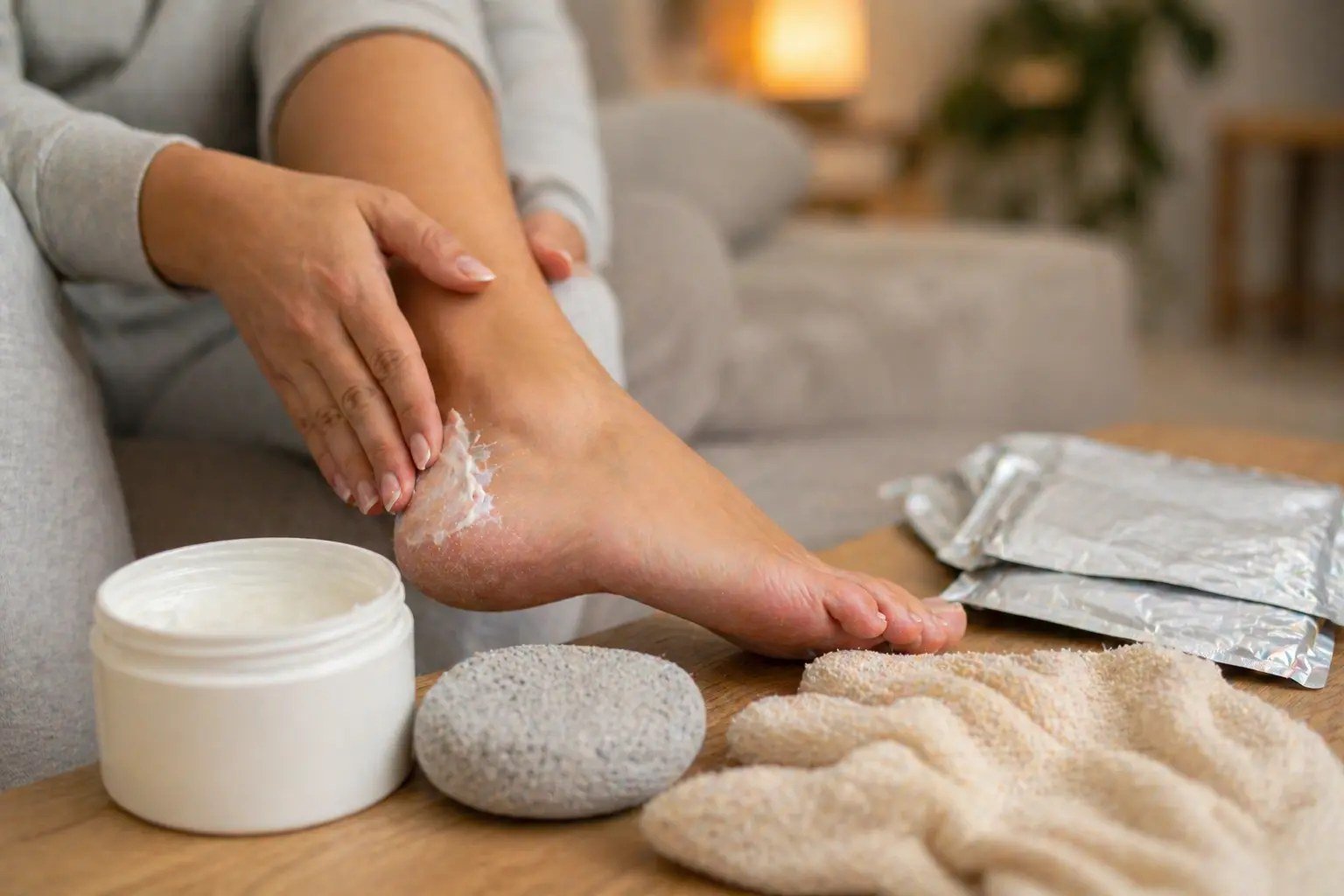
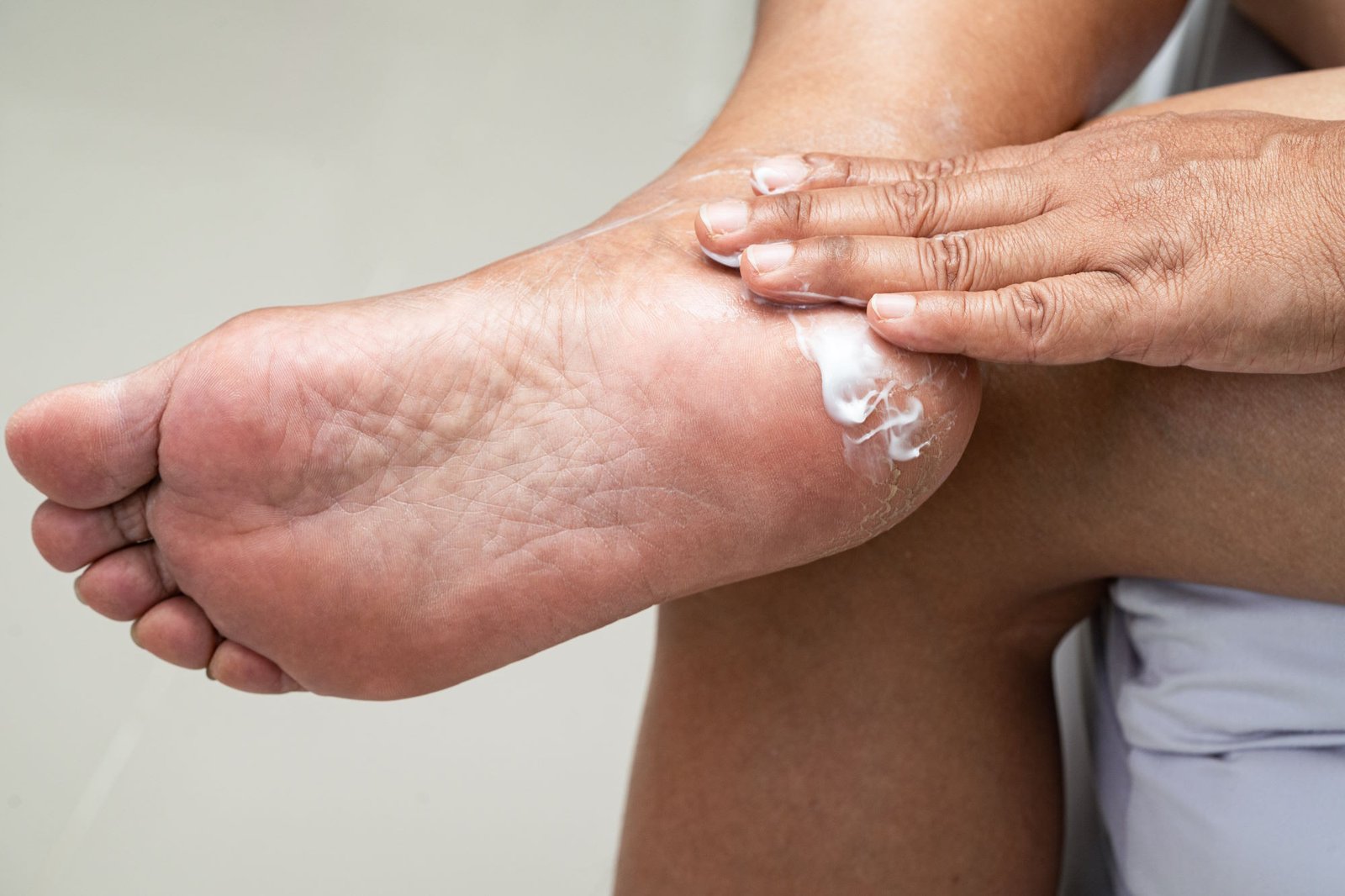
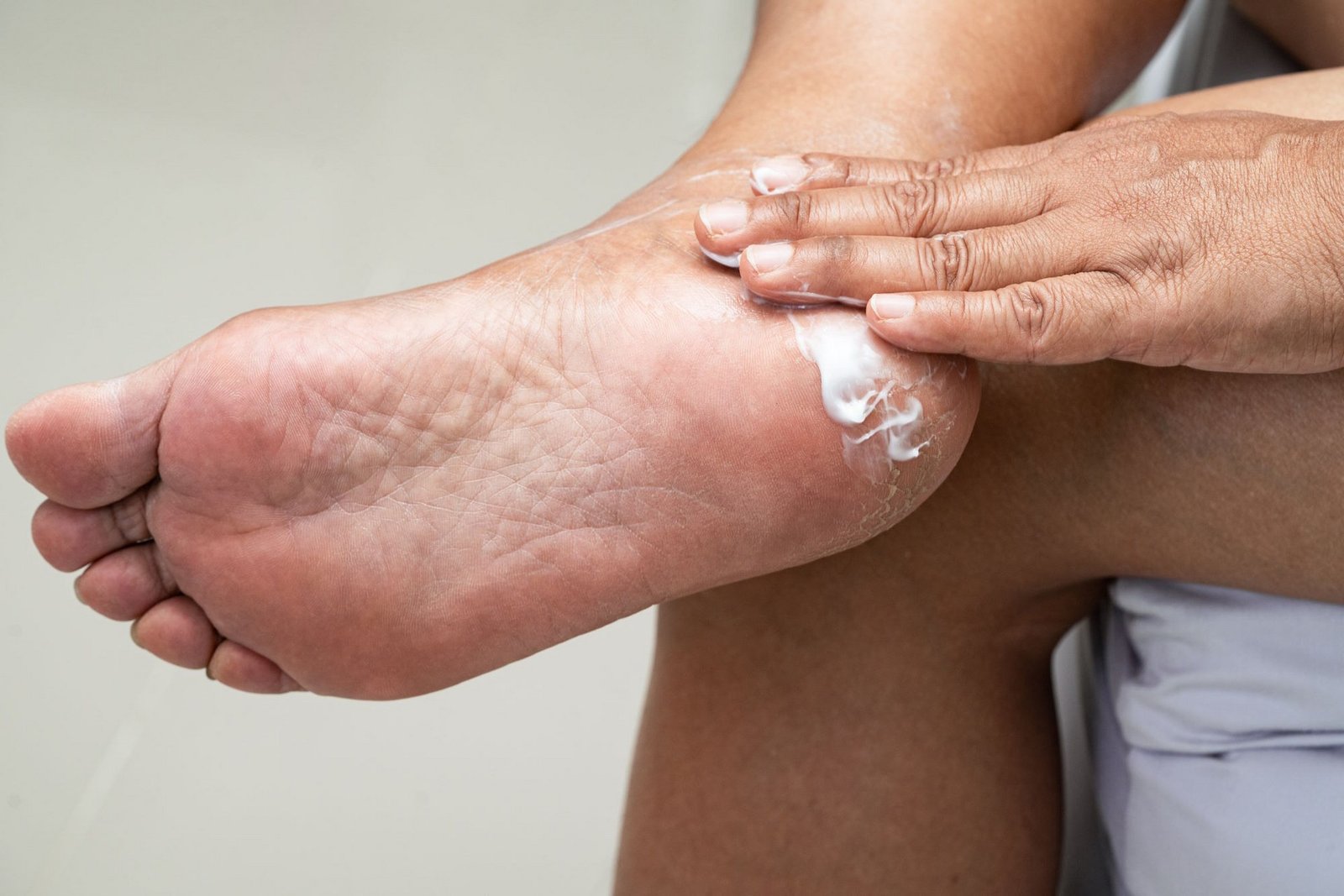
Hands applying cream to a heel at a table with a jar of cream and a pumice stone.
The direct answer: how to get rid of cracked heels home remedies is a routine question with a clear method, set out step by step below. The key is preparation, the right amount of product, and consistency rather than intensity. Read the short steps first, then the mistakes section, which covers the errors that most often stop the routine from working.
Cracked Heels Explained
Cracked heels are splits in the thickened skin of the heel rim, caused by dryness, pressure and the heel’s fat pad spreading sideways under weight. Shallow cracks are a home care problem; deep, painful or bleeding ones, especially with diabetes, are a medical one.
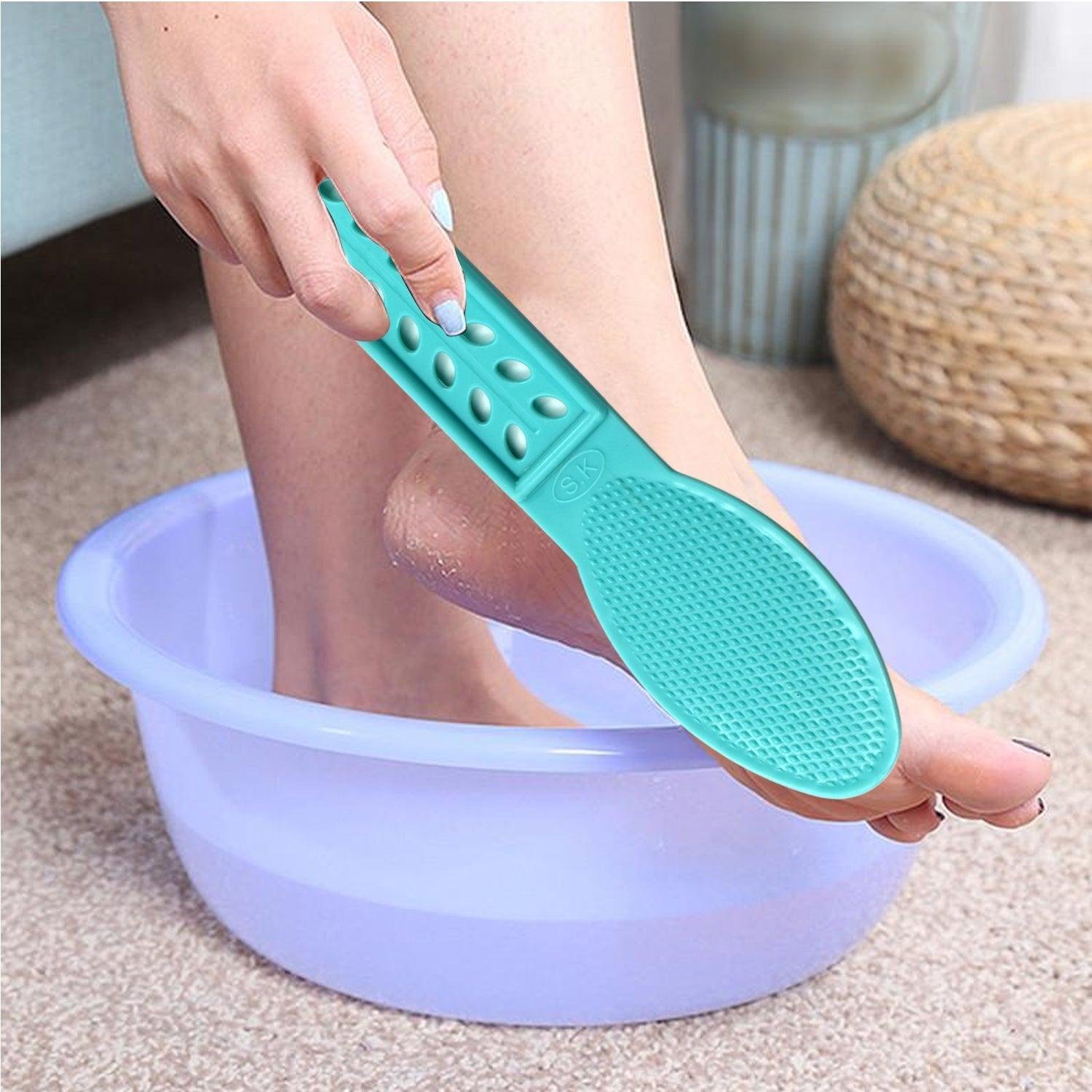
The treatment logic is soften, moisturise, protect. Urea creams, at ten percent and above, both hydrate and dissolve the thickened edge so cracks can close; rich occlusives seal them overnight. Gentle filing of the surrounding callus on dry skin reduces the ridge that pulls the crack open, but cutting into a crack is how infections start. Open heeled shoes and long hot showers both keep the cycle running.
Putting It Into Practice
Nightly urea foot cream under cotton socks, after a shower or soak, for at least two to three weeks, with gentle pumice work on the dry callus once or twice a week. See a clinician promptly for deep, bleeding or non healing cracks.
Build the habit at the gentlest effective level first and attach it to something you already do, after a shower, before bed, with your morning routine, because techniques attached to existing habits survive. Keep the rest of your body care routine stable while you judge the change, and give the routine the full period the product guidance describes before deciding it does not work.
Step by Step: Cracked Heels
The method below is the standard technique for this category, in the order that makes each step work. Adapt the amounts to your own skin or hair, and keep the order. If you still need the product itself, the buying guide Best Cream for Cracked Heels and Dry Feet compares the current options for this exact need.
Apply moisturiser within a few minutes of showering, on skin that is still slightly damp
Use enough to cover the area in a thin, even film rather than spot treating
For exfoliating products, start once or twice a week and build as skin tolerates
Give rough areas such as heels a nightly application, with socks to protect bedding
Allow four weeks of consistent use before judging texture problems like bumps
Getting Cracked Heels Right in Your Routine
Fit matters more than intensity with cracked heels. Build the habit at the gentlest effective level first: the right product amount, the right frequency for your type, and one change at a time so you can see what is actually helping. Keep the rest of your body care routine stable while you judge the change, and give the routine the full period the product guidance describes before deciding it does not work.
Keep notes for the first two weeks: what you used, how much, and how your skin or hair felt the next day. That simple record answers most follow up questions, including whether a reaction came from the new step or from something layered with it.
Kerasal is the specialist foot repair ointment in this guide, and its published formula explains its following: it pairs salicylic acid and urea, two established softeners of thick skin, in an ointment base, so exfoliation and occlusion happen in the same application. That combination is aimed squarely at the cracked heel pattern: hard, dry plates of skin that split at the edges. The brand claims visible improvement in a day, which refers to softness and appearance rather than healed fissures, and the product carries the American Podiatric Medical Association’s seal. The small 30 g tube is a treatment format, not a whole foot moisturiser: a thin layer on heels and other hard areas, typically at night under socks, is the intended use, and at that dose the tube lasts longer than its size suggests. The ointment base is greasy by design, so it is a night product, and the acids mean it is not for broken, bleeding or diabetic foot skin without medical advice, a caution that applies to several products here and matters most with feet. For targeted repair of stubborn heels that creams alone have not shifted, Kerasal is the guide’s most purpose built option. Used patiently for a week of nights, it regularly succeeds on heels that a month of ordinary foot cream left unchanged, which is the test that matters in this category.
Specifications
30 g tube
salicylic acid and urea
ointment base
approved by the American Podiatric Medical Association
visible results in 1 day claim
Pros
Salicylic acid plus urea in an occlusive ointment
Purpose built for cracked, hard heel skin
Podiatric association seal and a treatment sized tube
Cons
Greasy ointment texture is night use only
Not for broken skin or diabetic feet without advice
Small tube is for heels, not whole foot moisturising
Who should buyyour heels are hard and cracked and ordinary creams have stopped improving them.
Who should skipyou need a light daytime foot lotion, or your feet need medical rather than cosmetic care.
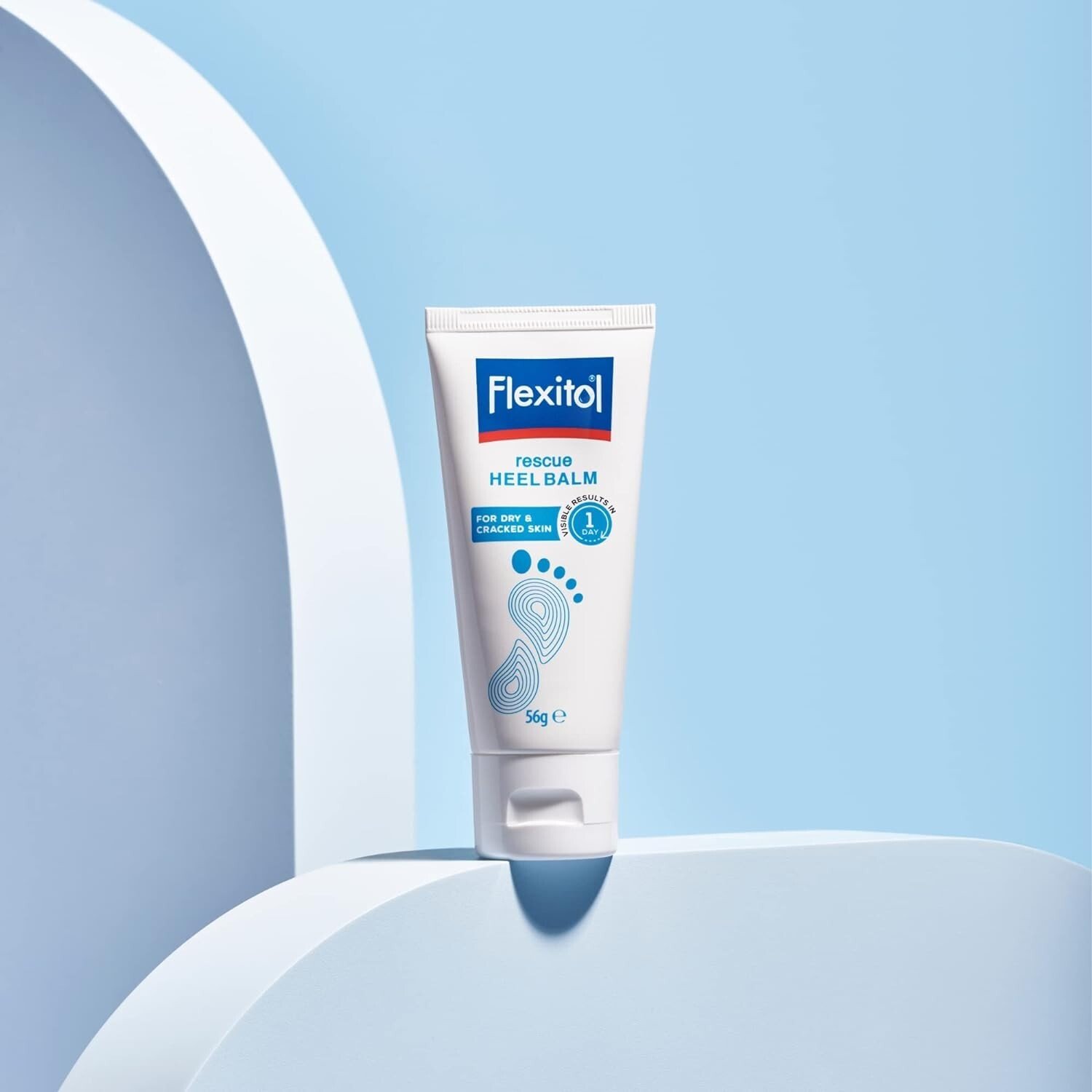
Flexitol’s heel balm is built around a stated 25% urea, and that number is the reason it is here. Urea at lower strengths hydrates; at strengths around 20 to 25% it also softens and loosens thick, hard skin, which is precisely the job on a callused, cracking heel. The formula adds lanolin and glycerin in a balm base, and the brand markets visible results within a day, which in practice means softer, less sharp heel edges rather than closed fissures. The tube format suits its role: applied to heels once or twice daily, it is a treatment for the heel area rather than a whole foot cream, and the balm texture stays where it is placed under socks. Compared with the 40% urea option later in this guide, 25% is the strength most routines can use daily without over thinning, which makes Flexitol the sensible first urea step for many readers. Its cautions are the class cautions: it can sting on open cracks, it is not a product for broken skin, and people with diabetes should take foot care advice before using keratolytic products. Judged as a focused heel treatment at an honest stated strength, it is one of the strongest picks in this guide.
Specifications
56 g tube
25% urea
lanolin and glycerin
for dry and cracked skin
visible results in 1 day claim
Pros
Stated 25% urea softens thick heel skin
Balm format stays on the heel under socks
A daily usable strength for most routines
Cons
Can sting on open cracks
Heel treatment only, not a whole foot moisturiser
Diabetic feet need professional advice first
Who should buyyour heels are thick, hard and cracking and you want a urea treatment at a stated strength.
Who should skipyour heel skin is thin, broken or already sore, where plain ointment care comes first.
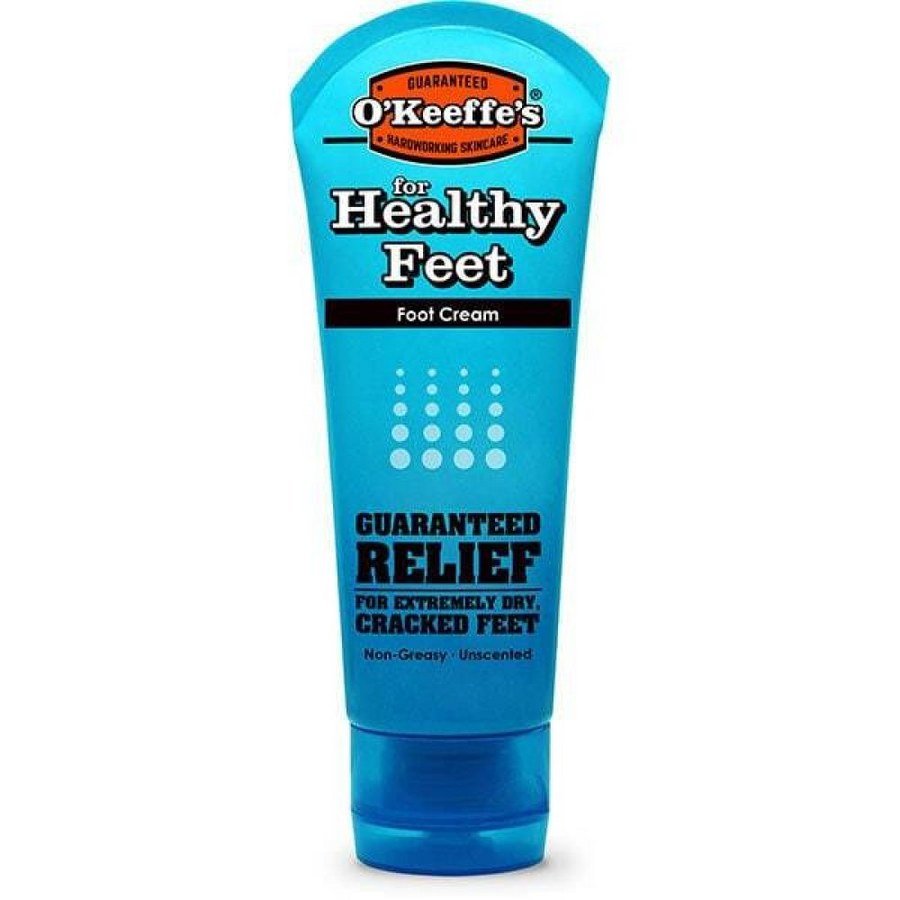
O’Keeffe’s built its reputation on working hands, and the foot version applies the same logic: a concentrated, glycerin led cream with allantoin, designed to be used in small amounts rather than slathered. Glycerin at high levels pulls water into the thick skin of the heel, and the formula is made to form a protective layer that keeps that water in through a day in shoes, which is the actual mechanism cracked heels need. The texture surprises first time users: it goes on almost tacky for a moment, then sets down without the grease of an ointment, so it can be used in the morning as well as at night. The jar is small because the dose is small; a pea sized amount per heel is the brand’s guidance, and over applying wastes product and increases the tacky phase. Its limits are that it is a moisturiser, not an exfoliant: on heels with thick, built up callus it softens but does not thin the hard layer, so it pairs best with a urea or acid product used on alternate nights. It is also unscented rather than fragranced, which most users count as a plus at bedtime. For maintenance and early cracks, it is the easiest habit in this guide to keep.
Specifications
91 g jar
glycerin
allantoin
concentrated formula
unscented
non greasy claim
Pros
Concentrated formula, so a little goes a long way
Sets down non greasy enough for morning use
Glycerin and allantoin suit daily maintenance
Cons
Moisturises but does not thin thick callus
Small jar feels expensive until the dose is understood
Brief tacky phase as it sets
Who should buyyour heels are dry with early cracks and you want a simple daily cream that works in shoes.
Who should skipyour heels carry thick callus, which needs a urea or acid exfoliant first.
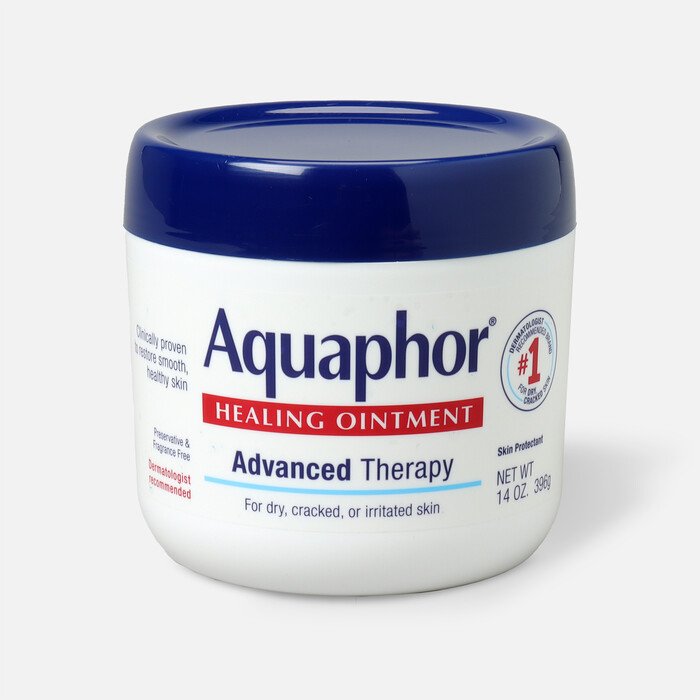
Aquaphor is not really a lotion at all, and that is its role in this guide: it is the ointment step for dry skin that has gone past dry into cracked, split or raw. Its published base is petrolatum as the skin protectant, with panthenol and glycerin, in a preservative and fragrance free formula the brand positions for dry, cracked or irritated skin. An ointment creates the most complete seal of any format here, which is why dermatology guidance so often ends with it for heels, hands, lips and any patch that stings when water touches it. Used overnight under socks or cotton gloves, it routinely does in days what weeks of lotion could not on cracked areas. Nobody should pretend it is pleasant at scale: it is greasy, it transfers to bedding and clothing, and covering a whole body with it is impractical, so its correct use is targeted, on the worst areas, over or instead of a cream. It also has no exfoliating action, so thick callused skin needs a urea or acid product in the routine as well. Every dry skin household benefits from a jar; it is the rescue step the rest of this guide maintains skin to avoid needing.
Specifications
396 g jar
petrolatum skin protectant
panthenol and glycerin
preservative and fragrance free
advanced therapy
Pros
The strongest moisture seal of any product in this guide
Fragrance and preservative free petrolatum formula
Unmatched on cracked heels, hands and raw patches overnight
Cons
Greasy and transfers to fabric
Impractical as an all over body product
No exfoliating action for thick callus
Who should buyyour dry skin has cracked or split areas that lotions and creams have not repaired.
Who should skipyou want an everyday all over lotion, where its grease makes it the wrong format.
Moisturising dry skin hours after showering, when the water has already escaped
Scrubbing rough or bumpy skin harder instead of using the right active ingredient
Applying exfoliating acids to broken, shaved or sunburnt skin
Stopping after a week when texture concerns respond over a month
Cutting or digging into the crack to tidy it, which deepens the split and risks infection
Moisturising once a week with a light lotion and expecting a pressure split in thick skin to close
When to See a Professional
See a dermatologist or qualified professional if the concern is painful, spreading, bleeding, not improving after a consistent routine of several weeks, or if it appeared suddenly and severely. Nail changes such as thickening, colour change with pain, or separation from the nail bed also deserve professional assessment rather than cosmetic treatment. Buying guides support everyday care; they do not diagnose or treat medical conditions.
How to Get Rid of Cracked Heels Home Remedies – what is the most important thing to get right?
Consistency at the right level for your type. With cracked heels, the correct amount and frequency used steadily will outperform an intense routine used occasionally, and it avoids most of the irritation that makes people abandon the routine.
How long does it take to see a difference?
Most body care routines show their direction within two to four weeks of consistent use, with fuller results over two to three months for concerns involving skin renewal or hair growth cycles. Judge on that timeline, not on single days.
What if my skin or hair reacts badly?
Stop the new step, return to your simplest routine until things settle, and reintroduce only one product at a time if you try again. Persistent pain, swelling or spreading irritation is a reason to seek professional advice rather than push through.
What is the biggest mistake people make with cracked heels?
Cutting or digging into the crack to tidy it, which deepens the split and risks infection A close second: moisturising once a week with a light lotion and expecting a pressure split in thick skin to close
What should I check before starting with cracked heels?
The treatment logic is soften, moisturise, protect. Beyond that, check the product’s own directions against your skin or hair type, start at the gentle end of any range, and change nothing else in your routine for the first two weeks so the result is readable.
What is the best cream for cracked heels and dry feet?
The buying guide Best Cream for Cracked Heels and Dry Feet compares the leading options for this exact need against the criteria that matter, with specifications, honest pros and cons, and a clear statement of who should skip each pick. It is linked from this page.
By Mirror & Glow Editorial Desk – November 23, 2026
Everything behind how to get rid of cracked heels in 5 minutes: the treatment logic is soften, moisturise, protect, set out as a clear step by step with the mistakes and questions readers raise most.
By Mirror & Glow Editorial Desk – November 23, 2026
The treatment logic is soften, moisturise, protect. This guide applies that to how to get rid of cracked heels without pumice stone: the method, the timing, and the traps to avoid.
By Mirror & Glow Editorial Desk – November 23, 2026
Everything behind how to get rid of cracked heels at home: the treatment logic is soften, moisturise, protect, set out as a clear step by step with the mistakes and questions readers raise most.