By Mirror & Glow Editorial Desk – November 23, 2026
A person’s hand applying white cream to the heel and side of a bare foot.
The direct answer: in most cases yes, with conditions. Whether you can use hand cream as foot cream depends on the products involved, your skin or hair type, and how you layer or time them. The guide below gives the conditions, the safe way to do it, and the situations where the answer becomes no.
Hand Cream Explained
Hand cream is a fast absorbing moisturiser formulated for the most washed, most exposed skin you have. Hands age and dry visibly because they are washed constantly and rarely protected, so hand cream is a frequency product: the best one is the one kept where you will use it.
Good hand creams balance humectants like glycerin with enough oil to matter, in a texture that absorbs within a minute so you can touch things. Night is when a richer, even ointment style product pays off, ideally under cotton gloves for very dry hands. For daytime, an SPF hand cream addresses the sun exposure hands get driving and outdoors, which is where most hand ageing comes from.
Putting It Into Practice
Apply after every hand wash if you can, and always a richer layer at night. Keep tubes at the sink, desk and bed; a single tube in a bathroom cabinet is a routine that fails by design.
Build the habit at the gentlest effective level first and attach it to something you already do, after a shower, before bed, with your morning routine, because techniques attached to existing habits survive. Keep the rest of your body care routine stable while you judge the change, and give the routine the full period the product guidance describes before deciding it does not work.
Step by Step: Hand Cream
The method below is the standard technique for this category, in the order that makes each step work. Adapt the amounts to your own skin or hair, and keep the order. If you still need the product itself, the buying guide Best Hand Cream for Aging Hands and Dark Spots compares the current options for this exact need.
Apply moisturiser within a few minutes of showering, on skin that is still slightly damp
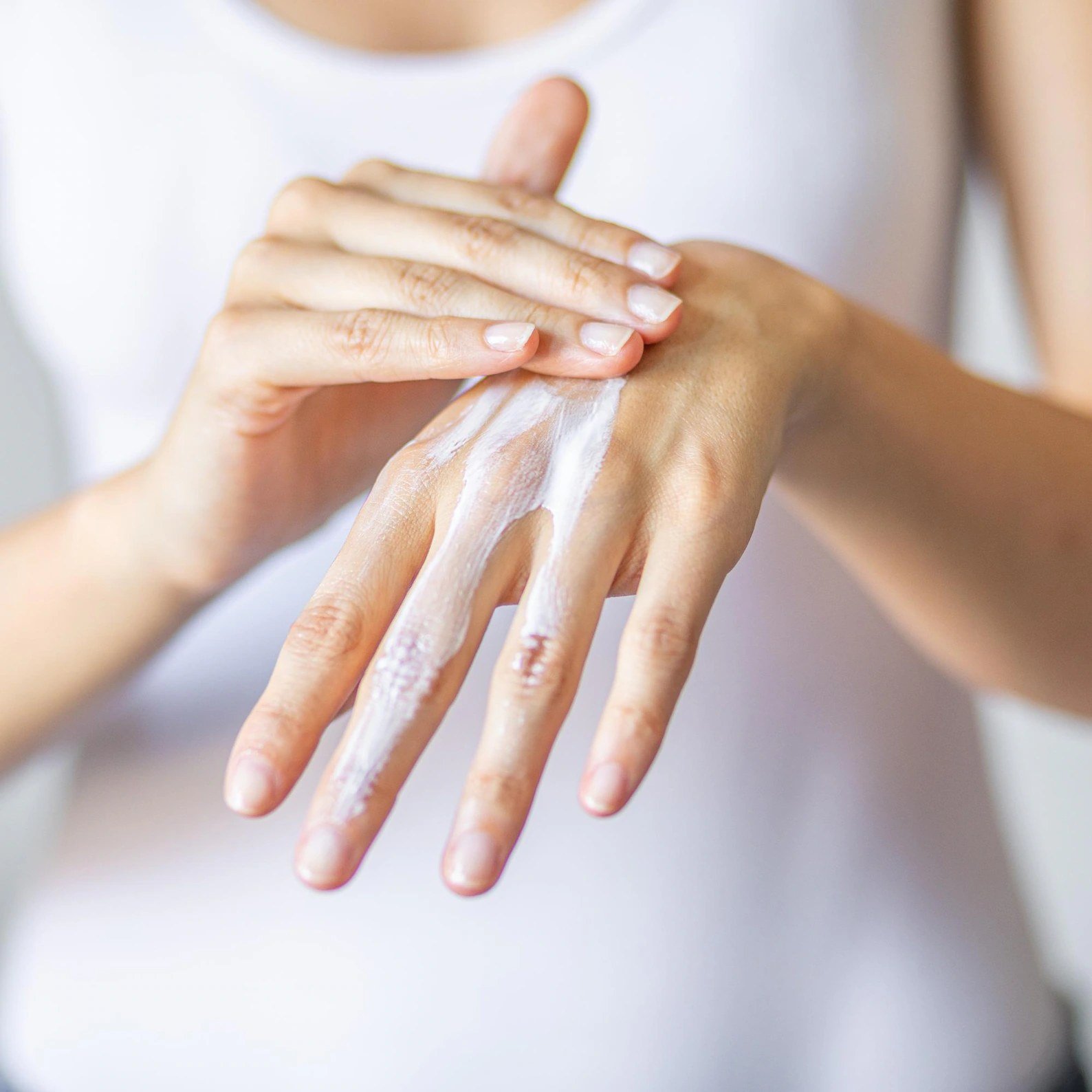
Use enough to cover the area in a thin, even film rather than spot treating
For exfoliating products, start once or twice a week and build as skin tolerates
Give rough areas such as heels a nightly application, with socks to protect bedding
Allow four weeks of consistent use before judging texture problems like bumps
Getting Hand Cream Right in Your Routine
Fit matters more than intensity with hand cream. Build the habit at the gentlest effective level first: the right product amount, the right frequency for your type, and one change at a time so you can see what is actually helping. Keep the rest of your body care routine stable while you judge the change, and give the routine the full period the product guidance describes before deciding it does not work.
Keep notes for the first two weeks: what you used, how much, and how your skin or hair felt the next day. That simple record answers most follow up questions, including whether a reaction came from the new step or from something layered with it.
Working Hands is the heavy rescue cream of the drugstore, a concentrated glycerin formula built for hands that are extremely dry and cracked, and dry, brittle nails are usually riding on exactly those hands. The connection is direct: the skin and the nail unit share the same water stripped environment, and a cream that restores the hands’ moisture barrier at this level changes the conditions the nail lives in, while the massage of application works the cream around the cuticles and over the plate as well. The formula is unscented, built on glycerin with allantoin, and famously economical in use, a small amount spread thin, ideally after washing and at night when it can work undisturbed. For brittle nails specifically, its best use is the overnight one: a generous application worked into hands, cuticles and nails last thing, optionally under cotton gloves, gives the plate eight hours in a humid, conditioned environment. The honest notes: the texture is waxy and can feel tacky if over applied, the jar format is less hygienic and less portable than a tube, and it is a hand cream, so the nail benefit comes through the hands and cuticle rather than from a nail targeted formula. As the budget heavy hitter for the driest hands and the brittle nails on them, it is hard to argue with.
Specifications
96 g jar, value sizes up to 6.8 oz also sold
glycerin based concentrated cream
allantoin
unscented
for extremely dry, cracked hands
Pros
Concentrated glycerin rescue for extremely dry hands
Unscented and economical, a little goes far
Overnight use gives nails hours of conditioned recovery
Cons
Waxy feel if over applied
Jar is less portable and hygienic than a tube
Nail benefit comes through hands and cuticle, not a nail formula
Who should buyyour hands are extremely dry and cracked and your nails are brittle with them
Who should skipyou want a light daytime cream or a nail targeted formula
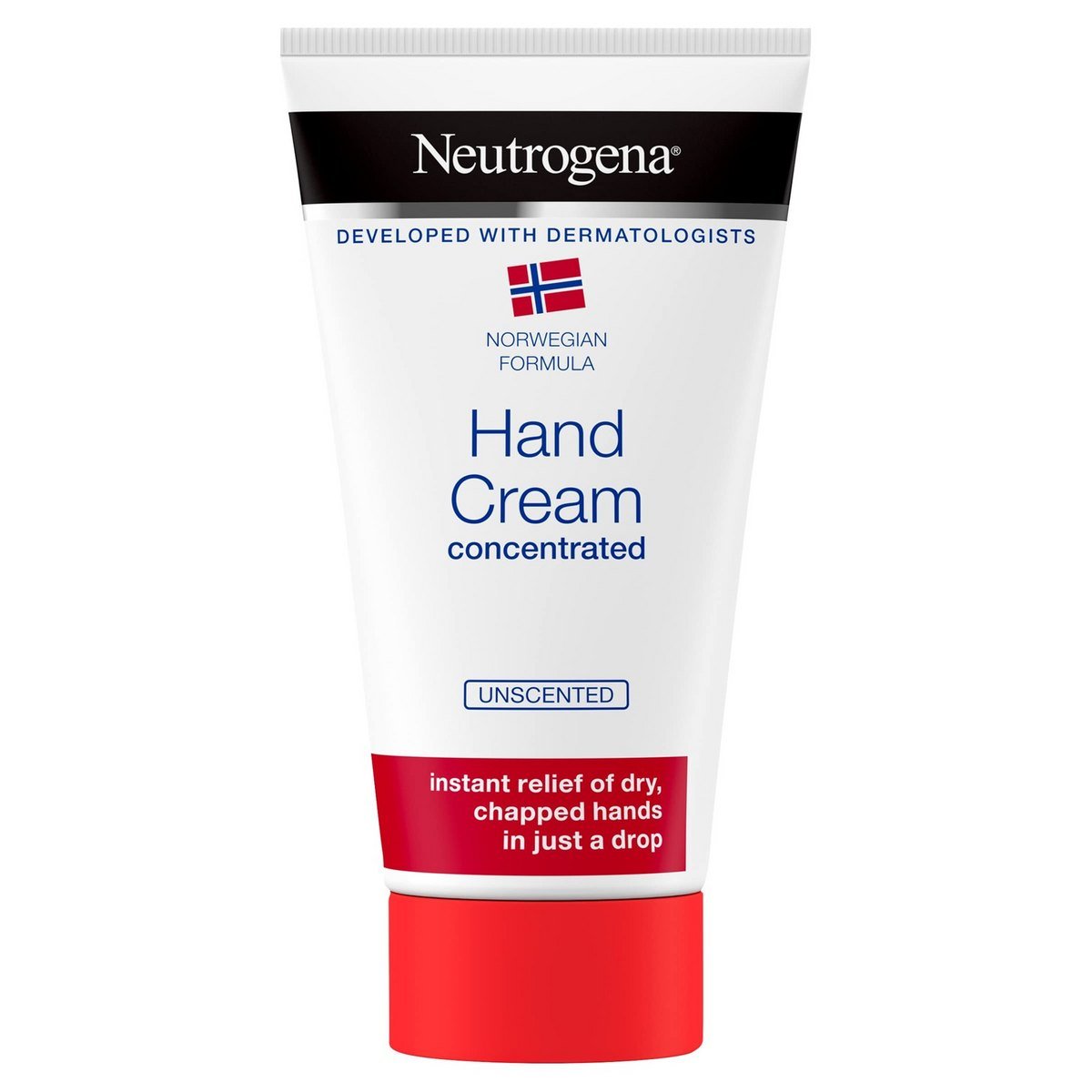
The Norwegian Formula is the small tube with the outsized reputation, a highly concentrated glycerin cream originally made for fishermen working in Arctic conditions, and its concentration is what earns it a place in a nail guide. A pea sized amount is a full application, which means the cream can be worked deliberately into the cuticles and over each nail without running out or costing much, and the glycerin rich film it leaves is a genuine moisture barrier for hands that are washed all day. For dry, brittle nails, that barrier changes the daily maths: less water cycling in and out of the plate and surrounding skin, less of the swelling and shrinking that fatigues keratin into flaking. The fragrance free version suits sensitive readers, the tube is handbag sized, and the formula’s intensity makes it the night cream of choice for many, applied thickly before bed. The cautions: over application leaves a tacky film that takes time to settle, the small tube surprises buyers who expect hand cream sizes, and like the other hand creams here it conditions the nail’s environment rather than treating the plate with a dedicated active. As the concentrated, affordable staple for dry hands and brittle nails, it remains a benchmark.
Specifications
75 ml tube, 50 ml also sold
concentrated glycerin based formula
unscented version photographed, scented also sold
developed with dermatologists
Pros
Highly concentrated, a pea sized amount per use
Glycerin barrier suits hands washed all day
Fragrance free version for sensitive readers
Cons
Tacky if over applied
Small tube surprises first time buyers
Conditions the nail’s environment rather than the plate itself
Who should buyyou wash your hands constantly and need a concentrated barrier cream
Who should skipyou want a light, fast disappearing daytime lotion
Eucerin’s hand cream is the dermatological safe pair of hands in this guide, literally: a fragrance free formula built on ceramide 3 and natural moisturising factors, the same repair platform as the brand’s body creams, tuned into a 2.7 oz tube that absorbs faster than its richness promises. For aging hands, its value is tolerance. Thin, reactive skin that stings at fragranced or active heavy creams will usually accept this one, and a comfortable barrier is the precondition for every treatment in this guide. The texture sits in the useful middle, richer than a lotion, lighter than a salve, and it is the pick most suited to frequent reapplication through a working day because it leaves no film on keyboards or paper. The brand positions it for very dry hands and it performs at that level, though the most severe winter cracking may still want the Kiehl’s salve overnight. It contains no retinol, no brighteners and no sunscreen, so within this guide it is infrastructure, not treatment, and it is priced like infrastructure too, among the cheapest picks here. The small tube is handbag logic, though heavy users will want several. Choose it if fragrance free and fast absorbing are your deciding factors, or as the neutral base cream around which the retinol and SPF picks rotate.
Specifications
2.7 oz tube
ceramide 3 and natural moisturising factors
fragrance free
fast absorbing for very dry hands
Pros
Fragrance free ceramide formula suits reactive skin
Fast absorbing enough for desk use
Among the lowest prices in the guide
Cons
No treatment actives at all
Small tube for heavy users
Severe cracking may need a salve as well
Who should buyyou need a fragrance free daily cream that never interferes with work.
Who should skipyou want treatment ingredients in your daily cream.
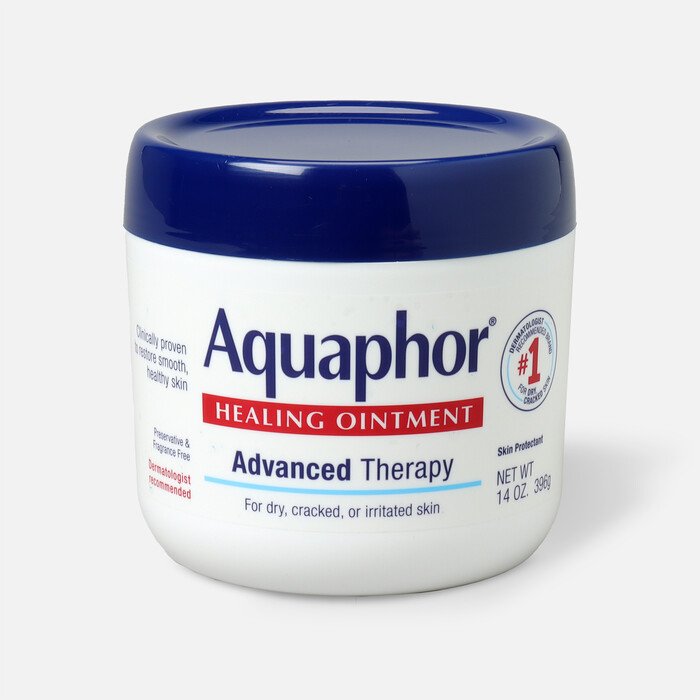
Aquaphor is not really a lotion at all, and that is its role in this guide: it is the ointment step for dry skin that has gone past dry into cracked, split or raw. Its published base is petrolatum as the skin protectant, with panthenol and glycerin, in a preservative and fragrance free formula the brand positions for dry, cracked or irritated skin. An ointment creates the most complete seal of any format here, which is why dermatology guidance so often ends with it for heels, hands, lips and any patch that stings when water touches it. Used overnight under socks or cotton gloves, it routinely does in days what weeks of lotion could not on cracked areas. Nobody should pretend it is pleasant at scale: it is greasy, it transfers to bedding and clothing, and covering a whole body with it is impractical, so its correct use is targeted, on the worst areas, over or instead of a cream. It also has no exfoliating action, so thick callused skin needs a urea or acid product in the routine as well. Every dry skin household benefits from a jar; it is the rescue step the rest of this guide maintains skin to avoid needing.
Specifications
396 g jar
petrolatum skin protectant
panthenol and glycerin
preservative and fragrance free
advanced therapy
Pros
The strongest moisture seal of any product in this guide
Fragrance and preservative free petrolatum formula
Unmatched on cracked heels, hands and raw patches overnight
Cons
Greasy and transfers to fabric
Impractical as an all over body product
No exfoliating action for thick callus
Who should buyyour dry skin has cracked or split areas that lotions and creams have not repaired.
Who should skipyou want an everyday all over lotion, where its grease makes it the wrong format.
Moisturising dry skin hours after showering, when the water has already escaped
Scrubbing rough or bumpy skin harder instead of using the right active ingredient
Applying exfoliating acids to broken, shaved or sunburnt skin
Stopping after a week when texture concerns respond over a month
Buying one expensive tube and rationing it, when hands need frequency more than luxury
Ignoring daytime sun on hands while spending on anti ageing face products
When to See a Professional
See a dermatologist or qualified professional if the concern is painful, spreading, bleeding, not improving after a consistent routine of several weeks, or if it appeared suddenly and severely. Nail changes such as thickening, colour change with pain, or separation from the nail bed also deserve professional assessment rather than cosmetic treatment. Buying guides support everyday care; they do not diagnose or treat medical conditions.
Can You Use Hand Cream As Foot Cream – what is the most important thing to get right?
Consistency at the right level for your type. With hand cream, the correct amount and frequency used steadily will outperform an intense routine used occasionally, and it avoids most of the irritation that makes people abandon the routine.
How long does it take to see a difference?
Most body care routines show their direction within two to four weeks of consistent use, with fuller results over two to three months for concerns involving skin renewal or hair growth cycles. Judge on that timeline, not on single days.
What if my skin or hair reacts badly?
Stop the new step, return to your simplest routine until things settle, and reintroduce only one product at a time if you try again. Persistent pain, swelling or spreading irritation is a reason to seek professional advice rather than push through.
What is the biggest mistake people make with hand cream?
Buying one expensive tube and rationing it, when hands need frequency more than luxury A close second: ignoring daytime sun on hands while spending on anti ageing face products
What should I check before starting with hand cream?
Good hand creams balance humectants like glycerin with enough oil to matter, in a texture that absorbs within a minute so you can touch things. Beyond that, check the product’s own directions against your skin or hair type, start at the gentle end of any range, and change nothing else in your routine for the first two weeks so the result is readable.
What is the best hand cream for aging hands and dark spots?
The buying guide Best Hand Cream for Aging Hands and Dark Spots compares the leading options for this exact need against the criteria that matter, with specifications, honest pros and cons, and a clear statement of who should skip each pick. It is linked from this page.
By Mirror & Glow Editorial Desk – November 23, 2026
Good hand creams balance humectants like glycerin with enough oil to matter. This guide applies that to does hand cream work the same as cuticle oil: the method, the timing, and the traps to avoid.
By Mirror & Glow Editorial Desk – November 23, 2026
The direct answer to when is the best time to use hand cream, with the background explained: hand cream is a fast absorbing moisturiser formulated for the most washed. Step by step method, routine placement and FAQs.
By Mirror & Glow Editorial Desk – November 23, 2026
Good hand creams balance humectants like glycerin with enough oil to matter. This guide applies that to can you use hand cream as body lotion: the method, the timing, and the traps to avoid.