By Mirror & Glow Editorial Desk – November 23, 2026
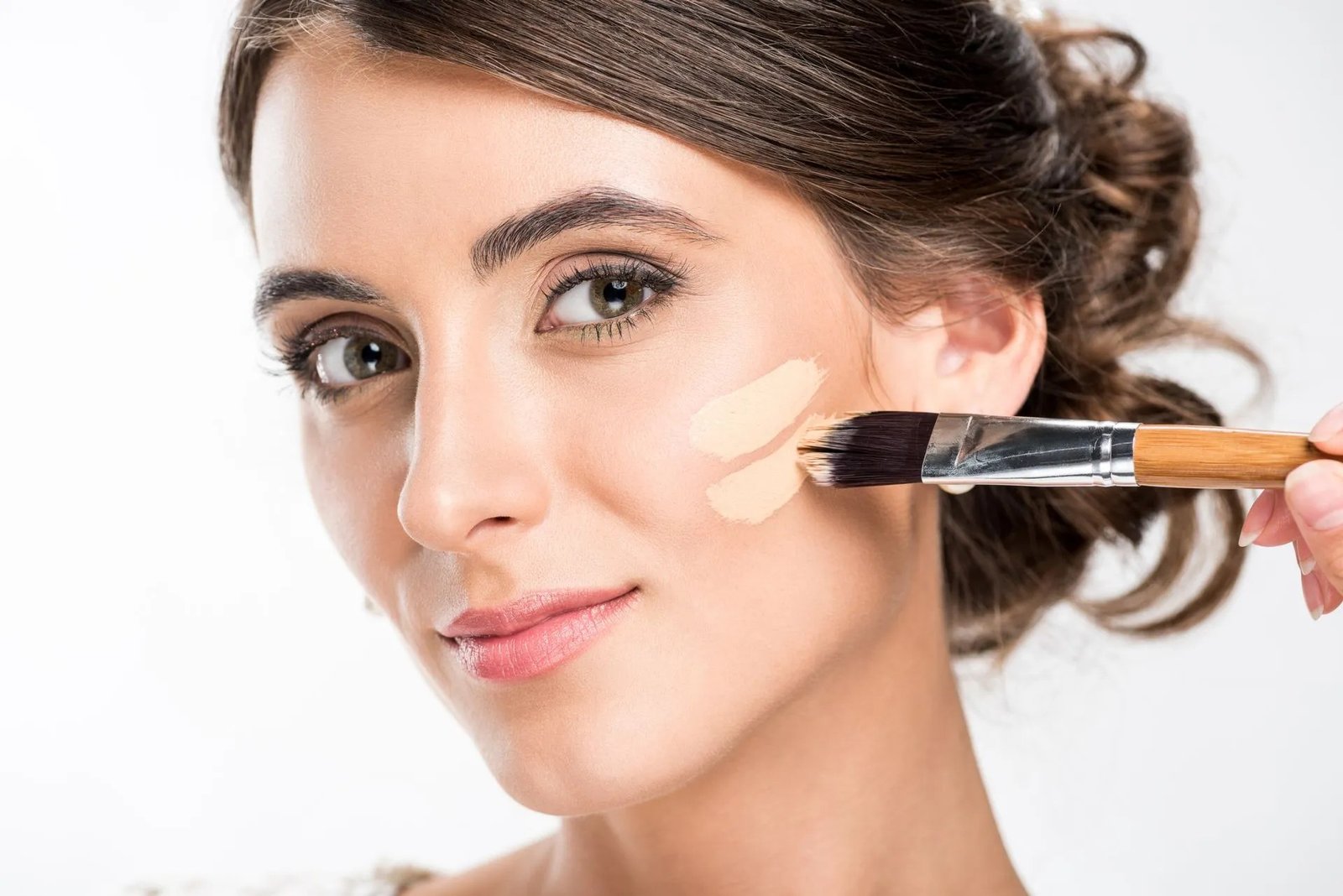
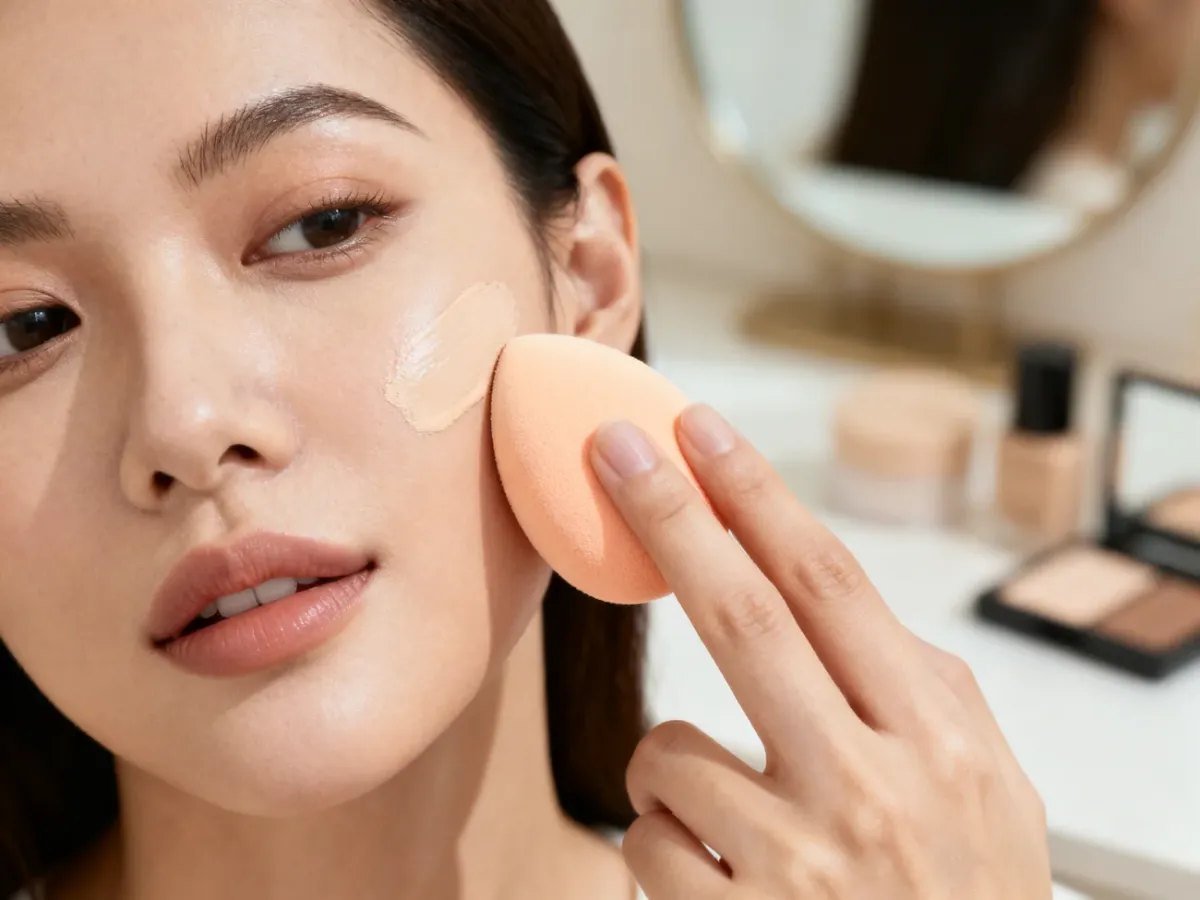
Woman applying foundation to her cheek with a makeup brush.
The short verdict on beauty blender vs makeup brush for foundation: neither option wins for everyone. Beauty Blender, Makeup Brush for Foundation differ in how they work, who they suit and what they cost in effort and money terms. Each option is explained in depth below, the table sets the differences out plainly, and the verdict section matches each option to the readers it actually suits.
Beauty Blender vs Makeup Brush for Foundation Compared
Factor
Beauty Blender
Makeup Brush for Foundation
How it works
The damp sponge stipples product on without streaks or brush marks.
Bristles spread and buff product in layers you can build precisely.
Best for
Natural, sheer to medium base application and blending cream products.
Controlled application of liquids, creams and powders, and blending.
Routine fit
Wet, squeeze, then bounce foundation on in stippling motions rather than wiping. Wash with solid cleanser or soap, squeeze repeatedly until water runs clear, and air dry somewhere ventilated, not in a closed makeup bag.
Buy for the makeup you actually wear: most people need five to seven brushes, not thirty. Wash with gentle shampoo, reshape and dry flat or bristles down, never upright in a wet cup.
Cost level
Varies by brand and format; judge by the criteria in this guide rather than headline prices.
Varies by brand and format; judge by the criteria in this guide rather than headline prices.
Downsides
It absorbs product, needs frequent washing and replacing.
Brushes need regular washing and good ones cost more upfront.
The Products Behind This Comparison
Comparisons are settled by real products, so the full line up from the buying guide Best Beauty Blender for under Eye Concealer is set out here in the same detail: every product with its photo, full description, specifications, pros and cons, and who should buy or skip it.
Product
Standout Point
Key Specification
Beautyblender Micro MiniTop Pick
Sized exactly for under eye and inner corner work
Pack of 2 – one quarter the size of the original – latex free foam – for under eye and detail work
The Micro Mini is the only sponge in this guide designed specifically for the job in the title: at a quarter of the size of the original Beautyblender, its small teardrop reaches the inner corner, the tear trough and the side of the nose, the exact places a full size sponge bridges over and leaves concealer unblended. Used damp, the pointed tip stipples concealer into the under eye crease without dragging, and the small rounded base pats product over dark circles in thin, even layers that are far less likely to settle into fine lines than one thick application. The foam is the same latex free, hydrophilic material as the original, which swells when wet and is engineered to push product onto skin rather than absorb it, so expensive concealer goes on the face, not into the sponge. Two come in a pack, which matters because under eye sponges work on a small, delicate area and should be replaced and washed more often than face sponges. The honest limits: it is far too small for foundation, so this is a second sponge, not your only one, and the price per sponge is the highest here for something you will replace every few months. But for the specific problem of concealer that creases, cakes or misses the inner corner, it is the most purpose built tool available.
Specifications
Pack of 2
one quarter the size of the original
latex free foam
for under eye and detail work
Pros
Sized exactly for under eye and inner corner work
Same low absorption foam as the original
Thin, stippled layers resist creasing
Cons
Too small for foundation, a second sponge purchase
Highest price per sponge in this guide
Needs replacing every few months
Who should buyyour under eye concealer creases or misses the inner corner and you want a tool made for that exact area
Who should skipyou want one sponge that does your whole face
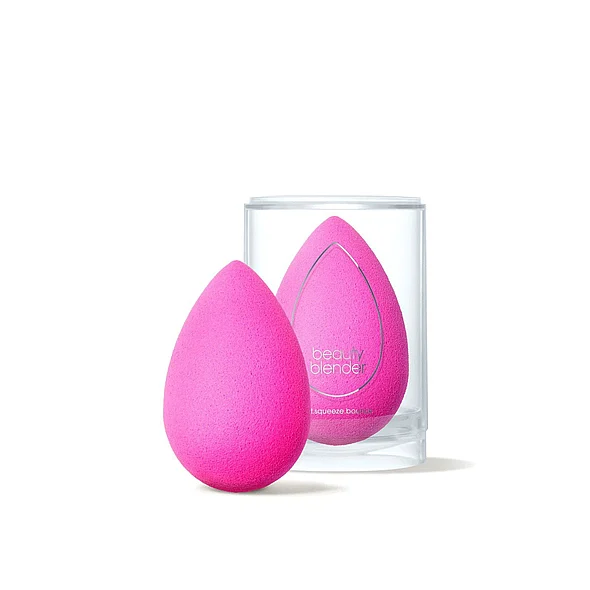
The original Beautyblender remains the reference sponge against which everything else here is judged, and its pointed tip is genuinely good under the eyes: turned sideways, the tip stipples concealer along the lash line and into the inner corner, while the rounded base blends the wider under eye area in a few bounces. The foam’s open cell structure is the real technology: wet it and it swells to roughly double size, becomes noticeably softer, and absorbs far less product than budget sponges, which is why concealer keeps its coverage instead of disappearing into the tool. For under eye work that softness matters, because the skin there is thin and a dense, firm sponge drags and disturbs product, while this one bounces it into place. It is also the most versatile pick here, handling foundation, cream blush and powder with the flat side of the base, so the price buys a whole routine, not one job. The costs are known: it is the priciest single sponge in the guide, it stains and eventually tears, and it demands proper washing with a solid cleanser to last its three months. Counterfeits are common, so buy from authorised sellers. Judged purely on how concealer looks after it, smooth, thin and uncreased, it is still the standard.
Specifications
Single sponge
latex free hydrophilic foam
use damp
pointed tip for detail areas
Pros
Softest bounce, blends concealer without dragging
Low product absorption preserves coverage
One sponge covers the whole routine
Cons
Premium price for a single sponge
Stains and tears with age, three month lifespan
Counterfeits are common, buy authorised
Who should buyyou want the best all round sponge and will use the tip for under eye detail
Who should skipyou are on a tight budget or will not wash a sponge properly
Real Techniques built three tools into one sponge: a rounded side for blending, a flat edge for contouring and pressing product around the eyes and nose, and a precision tip for detail. For under eye concealer it is that flat edge that earns its place here: pressed gently under the eye, it lays concealer down in an even sheet and is the best shape in this guide for the baking and setting step, pushing powder into place without disturbing the concealer beneath. The foam is firmer than the Beautyblender’s, which some readers prefer because it feels more controlled and washes up very well, though it absorbs a little more product and needs thorough wetting to reach its softest bounce. At a drugstore price, often sold in multi packs that bring the per sponge cost down further, it is the value benchmark of this guide and the sponge most working makeup artists keep in bulk. The trade offs are durability and softness: the firmer foam can tear at the flat edge after a couple of months of daily washing, and under very delicate or mature eyes the Beautyblender’s softer bounce is kinder. For everyone else, and especially for readers who set their under eye with powder, this is the sensible default buy.
Specifications
Single sponge
flat edge, precision tip and rounded side
latex free
use damp or dry
Pros
Flat edge is ideal for pressing and setting under eyes
Drugstore price, cheaper still in multi packs
Firmer foam feels controlled and washes well
Cons
Firmer bounce can drag on delicate mature skin
Absorbs slightly more product than Beautyblender
Flat edge can tear after months of washing
Who should buyyou set your under eye concealer with powder and want the flat edge made for pressing it in
Who should skipyour under eye skin is very delicate and needs the softest possible sponge
e.l.f. designed this sponge as the partner tool for its Camo concealers, and the design shows a clear understanding of under eye work: one side is angled flat for sweeping and pressing concealer across the wider under eye area, and the other comes to a finer point for the inner corner and around the nose. That dual geometry means one sponge does what many readers otherwise need two sizes to do, and at e.l.f.’s price it is the cheapest purpose built under eye tool in this guide. The foam is medium firm, denser than a Beautyblender, which makes it good at pressing full coverage concealer into place without shearing it around, though it rewards a properly damp sponge: used too dry it can leave concealer looking heavier than intended. It is sized between the Micro Mini and a full face sponge, small enough for control under the eye, large enough to blend a concealer-heavy base across the centre of the face. Longevity is the compromise, as with most budget foams: expect it to firm up and start tearing sooner than the premium picks, and replace it without regret at this price. For readers whose routine is built on full coverage concealer, especially the Camo line itself, it is the most logical budget buy here.
Specifications
Single sponge
dual sided angled design
made for Camo Concealer
latex free
Pros
Angled flat side plus point covers both under eye jobs
Cheapest purpose built under eye sponge here
Pairs perfectly with full coverage concealers
Cons
Denser foam needs to be properly damp
Firms up and tears sooner than premium sponges
Shaped for concealer first, foundation second
Who should buyyou wear full coverage concealer daily and want its matching tool on a budget
Who should skipyou prefer a very soft, airy sponge feel
These minis shrink the Miracle Complexion Sponge’s three sided design down to under eye scale, and the four pack format is their real advantage: under eye sponges work in the most bacteria exposed, product heavy area of the face, and having four in rotation means a clean one is always ready while others dry, which is better hygiene than any single premium sponge used past its best. Each mini keeps the flat edge for pressing and setting and the precision tip for the inner corner, so the technique from the full size version transfers directly, just with more control and less product waste on a small area. The foam is the same firm, durable Real Techniques material, and at this size they are also the natural travel pick, taking no room in a wash bag. Used damp, they stipple concealer thinly and evenly; the small size makes blending a full under eye faster and more precise than wrestling a large sponge into the socket. The limits are the flip side of the size: they are fiddly for anyone with larger hands, easy to drop down a sink, and obviously useless for foundation. As a dedicated under eye tool bought in a hygienic multi pack for less than one Beautyblender, they are one of the smartest buys in this guide.
Specifications
Pack of 4 mini sponges
flat edge and precision tip
latex free
travel friendly size
Pros
Four pack rotation means a clean sponge always ready
Flat edge and tip design at under eye scale
Costs less than one premium sponge
Cons
Too small and fiddly for larger hands
No use for foundation or large areas
Easy to lose, keep them in a case
Who should buyyou want a hygienic rotation of small sponges dedicated to under eye work
Who should skipyou have larger hands or want one tool for everything
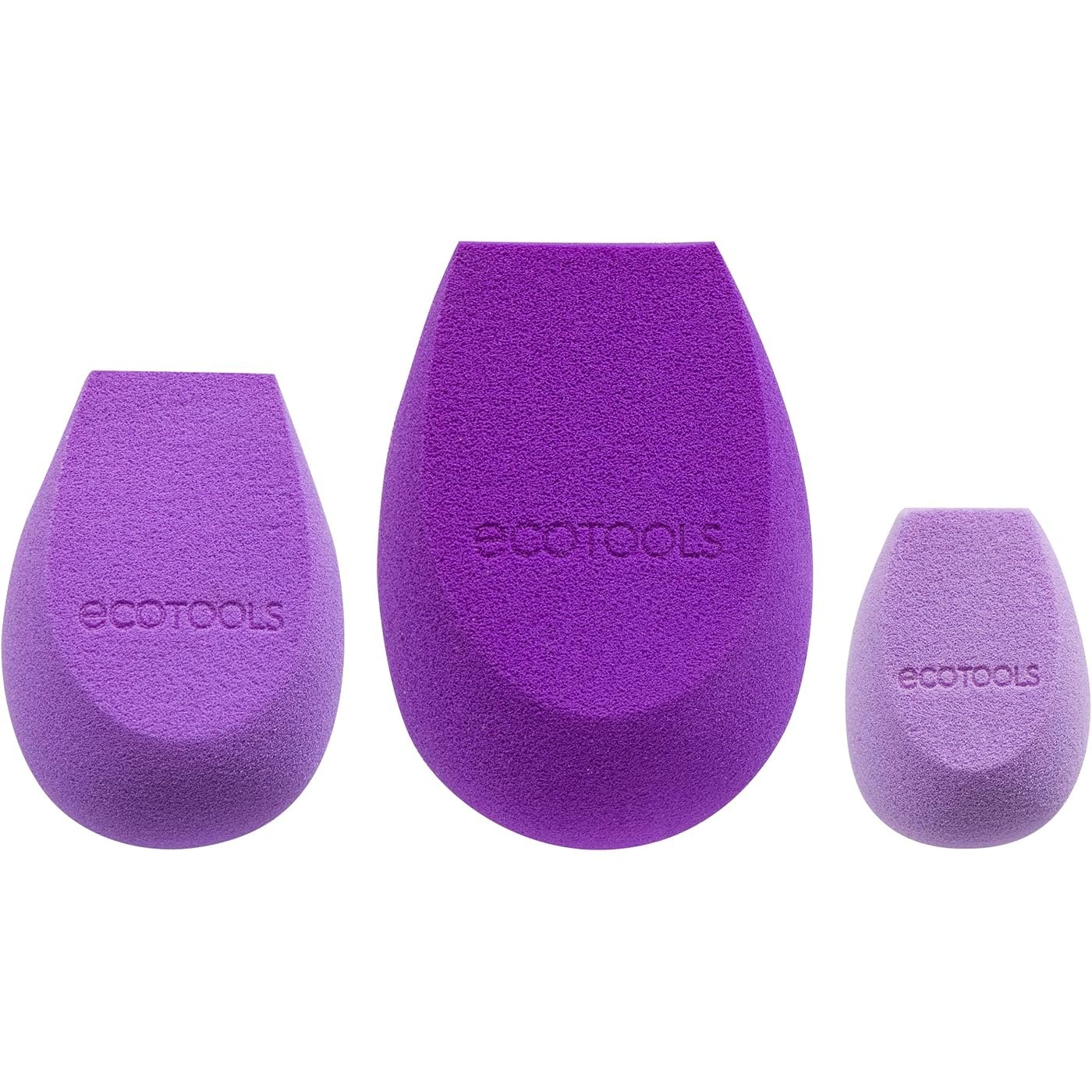
The Bioblender answers a real problem with this whole category: makeup sponges are disposable plastic foam, replaced every few months and sent to landfill. EcoTools makes this one from a biodegradable, USDA certified biobased foam designed to break down in landfill conditions rather than persist, and, unusually for an eco alternative, the performance does not feel like a compromise. The shape pairs a rounded side for bouncing concealer across the under eye with an angled side for the inner corner and nose, the foam is soft and bouncy when damp, and it blends cream concealer smoothly without eating an unusual amount of product. It is a full size sponge, so under eye work uses its tip and angled edge rather than the whole tool, and readers who want a dedicated mini should look at the Micro Mini or Real Techniques minis instead. Because the foam is designed to biodegrade, it also breaks down in use a little faster: expect a shorter working life than the Beautyblender, and do not leave it sitting wet, which accelerates the process. The price sits at the friendly end of the guide. For readers who replace sponges often and would rather each one did less environmental harm, it is the obvious pick that still does the job properly.
Specifications
Single sponge
biodegradable bio foam
USDA certified biobased
angled and rounded sides
Pros
Biodegradable biobased foam, less landfill guilt
Soft, bouncy blend with sensible product use
Angled side handles inner corner well
Cons
Breaks down faster in use, shorter lifespan
Full size, not a dedicated under eye mini
Must be dried properly between uses
Who should buyyou replace sponges often and want the biodegradable option without losing performance
Who should skipyou want a sponge that lasts as long as possible
The Wonder Blender is the internet famous budget sponge: sold by Shop Miss A for around a dollar a sponge in its Paw Paw charity line, with a portion of proceeds going to animal rescue, and genuinely, surprisingly soft. The foam is the story readers rave about: properly wetted, it swells large and bounces with a softness much closer to the Beautyblender than to other dollar sponges, so under the eye it stipples concealer gently without dragging thin skin. The classic teardrop shape gives a point that reaches the inner corner respectably and a round base for the wider area, and at this price the correct strategy is the one the six pack encourages: use them freely, wash them often and replace them the moment they firm up, which keeps under eye hygiene better than nursing one expensive sponge for six months. The compromises are consistency and sourcing: softness varies slightly between batches, the foam tears more readily than premium options, and outside the United States it is an online order with shipping on top. None of that changes the value maths. For students, beginners building technique, or anyone who wants a fresh soft sponge under their eyes every few weeks without thinking about the cost, nothing else in this guide competes.
Specifications
Pack of 6
super soft latex free foam
teardrop shape
budget multi pack
Pros
Remarkably soft for the price, gentle under eyes
Six pack encourages hygienic, frequent replacement
Paw Paw line supports animal rescue charities
Cons
Softness varies slightly between batches
Tears sooner than premium foam
Online order outside the US, shipping adds up
Who should buyyou want Beautyblender like softness at a dollar store price and will replace sponges often
Who should skipyou want one durable sponge bought in a local store
The Juno & Co sponge is built differently from everything else here: instead of bare foam, it wraps a sponge core in a layer of microfiber, fine velvet like fibres that pick up and lay down product more like a brush-sponge hybrid. The practical effect under the eyes is coverage preservation: where foam sponges soak up a share of your concealer, the microfiber surface absorbs far less, and Juno claims up to half the product saved, which anyone using an expensive concealer by the dot will feel in the tube lasting longer. The finish is also slightly different, fuller and more airbrushed, because product sits on the surface and transfers completely rather than being stippled from inside foam. For under eye work the rounded shape bounces on well, though the lack of a fine point means the inner corner needs a fingertip or a mini sponge assist. Care is the main discipline: microfiber holds onto product and needs thorough washing with soap after each use or it becomes a hygiene problem, and it should be used damp for the best result despite some marketing suggesting dry use. For full coverage concealer wearers who resent how much product a normal sponge drinks, it is a genuinely different and effective tool.
Specifications
Single sponge
microfiber velvet surface
dual layer design
use damp for fuller coverage
Pros
Microfiber surface absorbs far less concealer
Fuller, airbrushed finish from complete transfer
Saves expensive product over time
Cons
No fine point for the inner corner
Needs thorough washing after every use
Works best damp despite dry use claims
Who should buyyou use expensive, full coverage concealer and want a sponge that does not drink half of it
Who should skipyou want a pointed tip for detail, or low maintenance tools
L’Oreal Paris Infallible Blend Artist Foundation Blender
L’Oreal’s Blend Artist is the high street workhorse of this guide: a contoured teardrop sponge with a rounded base and a well defined point, made to partner the Infallible foundation line but equally at home with any concealer. Under the eyes, the point is the useful part, firm enough to place concealer precisely along the tear trough and inner corner, while the body of the sponge bounces the edges out so there is no visible line where concealer stops. The foam sits in the middle of this guide for softness and density: firmer than a Beautyblender, softer than the hardest budget sponges, durable through months of washing, and cheap enough in any pharmacy that replacing it is painless. It absorbs a moderate amount of product, so the technique that suits it is dotting concealer on skin first, then blending, rather than loading the sponge. There is no special technology story here and no mini size, and the shape is a classic teardrop rather than an under eye specific design, so it asks a little more technique than the Micro Mini or the e.l.f. angled sponge. What it offers instead is total availability and reliability: almost every reader can buy one today, locally, for a few pounds or dollars, and it will simply work.
Specifications
Single sponge
contoured teardrop
latex free
drugstore price
Pros
Available in almost every pharmacy, low price
Firm point places concealer precisely
Durable foam lasts through months of washing
Cons
Classic teardrop, not under eye specific
Moderate product absorption
Middle of the road softness
Who should buyyou want a reliable sponge you can buy locally today at a drugstore price
Who should skipyou want a specialist under eye shape or the softest foam
Morphe shaped this sponge for the precision jobs: one end comes to a micro chisel tip, a small flattened point designed for getting into tight areas, and the other is a broad flat base for stippling larger zones. Under the eyes that chisel tip is genuinely useful, because its flat little face fits the tear trough better than a round point and can press concealer right up to the lower lash line and into the inner corner without poking, while the flat base is excellent for pressing setting powder over the top. The foam is on the firmer, denser side, which suits the pressing and placing techniques this shape encourages and makes it durable and easy to wash clean. The trade off is bounce: for readers who blend under eye concealer with a soft, rolling stipple, especially on dry or mature skin, the denser foam feels less forgiving than the Beautyblender or AOA picks and can move product around if used too dry. It is priced in the middle of the guide, above drugstore multi packs, below the original Beautyblender. As a precision second sponge for detail and setting work, in a kit that already has a soft blender, it earns its place; as an only sponge for delicate eyes, choose softer.
Specifications
Single sponge
micro chisel tip and flat base
latex free
for precision and blending
Pros
Micro chisel tip fits the tear trough precisely
Flat base presses setting powder cleanly
Firm, durable foam washes well
Cons
Dense foam less forgiving on dry, mature eyes
Mid priced for a specialist tool
Best as a second sponge, not an only sponge
Who should buyyou want precise placement and powder pressing under the eyes and already own a soft blender
Who should skipyour under eyes are dry or mature and need maximum softness
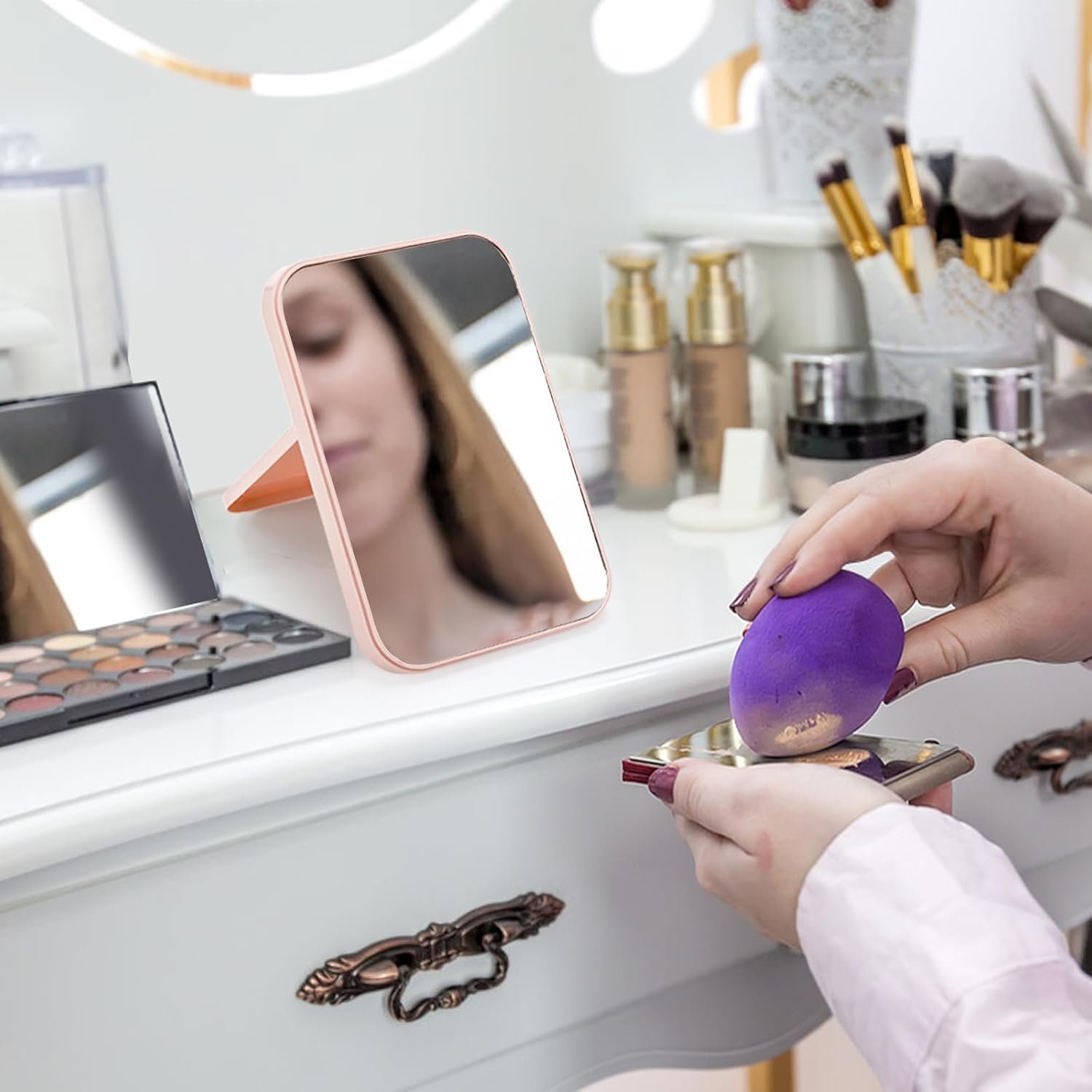
A soft egg shaped sponge used damp to bounce foundation and cream products into a thin, skin like finish.
How it works: The damp sponge stipples product on without streaks or brush marks.
Used correctly it is wet: soaked until it swells, then squeezed until just damp, which is what stops it drinking your foundation and gives the bounce. Dry use absorbs heavily and drags. The pointed end handles under eyes and around the nose; the base stipples larger areas. Hygiene is the category’s real topic: sponges harbour product and bacteria in their pores, need washing after every few uses, and should be replaced every few months or when they tear or smell.
Best for: Natural, sheer to medium base application and blending cream products.
In your routine: Wet, squeeze, then bounce foundation on in stippling motions rather than wiping. Wash with solid cleanser or soap, squeeze repeatedly until water runs clear, and air dry somewhere ventilated, not in a closed makeup bag.
What Is Makeup Brush for Foundation?
A brush for applying foundation and other makeup, in shapes from dense buffing heads to soft powder brushes.
How it works: Bristles spread and buff product in layers you can build precisely.
Natural and synthetic bristles now overlap in quality, with modern synthetics excellent for creams and liquids as well as powders. The shapes that matter: a fluffy powder brush, a tapered blush brush, two or three eyeshadow shapes for laying down, blending and detail, and a dense buffing brush if you use one for foundation. Cleaning is maintenance, not optional: product build up changes application and breeds bacteria, so a weekly wash for face brushes is the standard.
Best for: Controlled application of liquids, creams and powders, and blending.
In your routine: Buy for the makeup you actually wear: most people need five to seven brushes, not thirty. Wash with gentle shampoo, reshape and dry flat or bristles down, never upright in a wet cup.
The Downsides of Each
Beauty Blender: It absorbs product, needs frequent washing and replacing. The commonest way people make it worse: using it dry and concluding it eats foundation, when dry use is simply the wrong state
Makeup Brush for Foundation: Brushes need regular washing and good ones cost more upfront. The commonest way people make it worse: buying a huge inexpensive set with scratchy, shedding heads instead of a few good brushes
Verdict by Use Case
Choose Beauty Blender if natural, sheer to medium base application and blending cream products. That is the use case where its strengths matter most, and where its main downside, it absorbs product, needs frequent washing and replacing.
Choose Makeup Brush for Foundation if controlled application of liquids, creams and powders, and blending. That is the use case where its strengths matter most, and where its main downside, brushes need regular washing and good ones cost more upfront.
If your situation sits between the two, the deciding question is usually effort: which option fits the routine you will actually keep for the next three months? The better option on paper loses to the one you use consistently, in almost every makeup category.
Can You Use Both?
In many makeup routines the options complement each other: used at different times, on different days or for different areas, each covering the other’s weak ground. The cautions are overload and duplication: do not run both at full intensity in the same session, and do not pay twice for the same job. Introduce any combination gradually, one change at a time, so you can tell what each option is actually doing for you.
How to Decide
Work through three questions in order. First, which option matches your type: the table’s best for row is written for exactly this, and a mismatch there outweighs every other advantage. Second, which downside can you live with: every option in this comparison has one, and the right choice is usually the one whose downside does not touch your actual problem. Third, which fits the routine you already keep: the option that slots into your existing makeup habits will still be in use in three months, and consistency is what turns a reasonable choice into a good result. If the answers point different ways, weight them in that order: type, downside, routine.
Which is better overall, beauty blender or makeup brush for foundation?
There is no universal winner: the better option is the one matching your skin or hair type, routine and the use cases in the verdict section above. The difference table shows where each one genuinely leads, and the downsides section shows what each one costs you.
Can I use both in the same routine?
In many makeup routines the two can complement each other, used at different times or for different areas, as long as the combination does not overload skin or hair. Introduce any combination gradually, and keep the total intensity at a level your routine can sustain.
Which is better for beginners?
Beginners usually do best with the option that has the gentler learning curve and the fewer downsides for their type, as set out in the table. Start there, and switch only if your needs change.
Which is better for sensitive skin?
The option with the shorter, gentler downside list for your type: compare the downsides row in the table first, start with the milder option, and patch test or trial at the lowest intensity before committing. If your skin or hair is under a clinician’s care, their sequencing comes first.
Which works out cheaper over time?
Compare total cost, not shelf price: how much product or how many consumables each option uses per month, how long a unit lasts in real use, and what you would otherwise spend on the alternative. In this category the cheaper option per use is often the one people abandon, which makes it the most expensive of all.
How do I decide if I can only choose one?
Match the option to your type first, using the best for row in the table, then check that its main downside does not overlap with the problem you are trying to solve. Finally, pick the one that fits the routine you already keep, because three months of consistent use with the second best option beats three weeks of the best one.
What is the best beauty blender for under eye concealer?
The buying guide Best Beauty Blender for under Eye Concealer compares the leading options for this exact need against the criteria that matter, with specifications, honest pros and cons, and a clear statement of who should skip each pick. It is linked from this page.
By Mirror & Glow Editorial Desk – November 23, 2026
Is It Better to Use a Wet or Dry Beauty Blender? Wet, squeeze, then bounce foundation on in stippling motions rather than wiping. The full method, the mistakes to avoid, and where it fits in your routine.
By Mirror & Glow Editorial Desk – November 23, 2026
Used correctly it is wet: soaked until it swells, then squeezed until just damp. This guide applies that to is it better to use a beauty blender or brush: the method, the timing, and the traps to avoid.
By Mirror & Glow Editorial Desk – November 23, 2026
Best Beauty Blender for under Eye Concealer: Beautyblender Micro Mini first, Beautyblender Original close behind, every pick specced, photographed and given a buy or skip verdict.