By Mirror & Glow Editorial Desk – November 23, 2026
Woman using an IPL hair removal device on her legs while sitting on a bed.
The short verdict on ipl vs laser hair removal which is better: neither option wins for everyone. IPL, Laser Hair Removal differ in how they work, who they suit and what they cost in effort and money terms. Each option is explained in depth below, the table sets the differences out plainly, and the verdict section matches each option to the readers it actually suits.
IPL vs Laser Hair Removal Which Is Better Compared
Factor
IPL
Laser Hair Removal
How it works
Light targets pigment in the hair to slow regrowth progressively.
A focused laser heats the follicle precisely at each visit.
Best for
Long term reduction on suitable skin and hair combinations.
Long term reduction with professional assessment and equipment.
Routine fit
Shave, flash on clean dry skin every two weeks for the first phase, then maintain monthly. Sunscreen on treated areas matters, since treated skin and sun are a poor mix during a course.
Fits a standard beauty devices routine; the matching buying guide below gives the step by step for this category.
Cost level
Varies by brand and format; judge by the criteria in this guide rather than headline prices.
Varies by brand and format; judge by the criteria in this guide rather than headline prices.
Downsides
Not suitable for all skin tones or light hair; needs a full course.
Costs more per course and needs a clinic, unlike home devices.
The Products Behind This Comparison
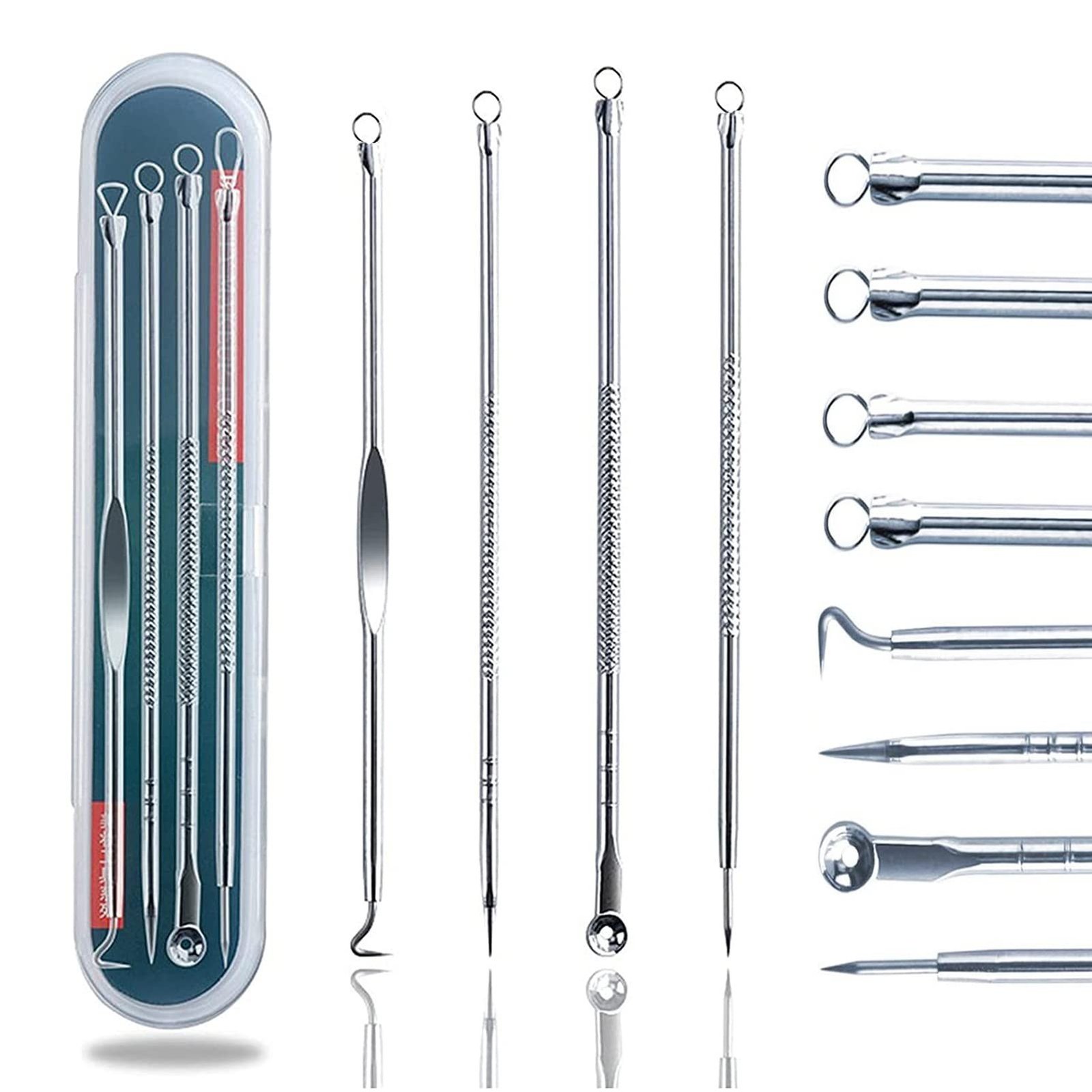
Comparisons are settled by real products, so the full line up from the buying guide Best Blackhead Remover for Nose and Chin is set out here in the same detail: every product with its photo, full description, specifications, pros and cons, and who should buy or skip it.
Product
Standout Point
Key Specification
Stainless Steel Blackhead Extractor Kit with CaseTop Pick
Removes blackheads completely, not just loosened
4 piece stainless steel kit – loop, spoon and angled extractors – storage case included
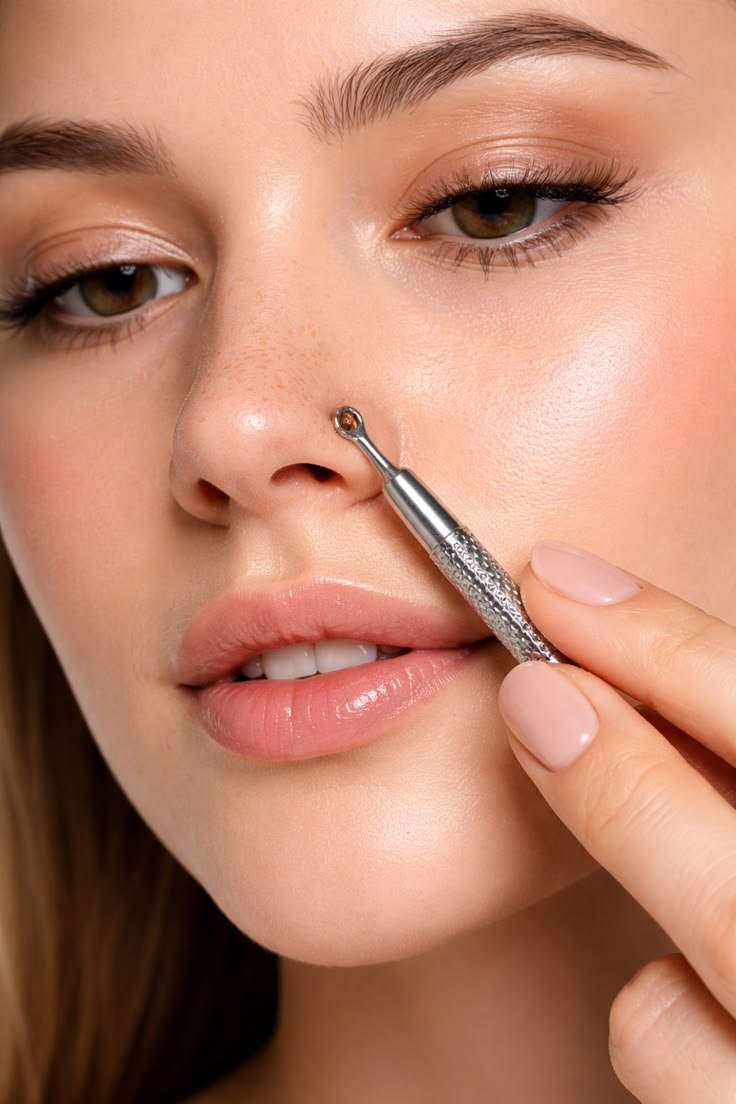
The manual extractor kit is where blackhead removal on the nose and chin should start, because it is the only tool here that removes a blackhead completely rather than loosening it. The four double ended tools cover the anatomy of the area: a small loop for the creases at the sides of the nose, a flat spoon for the chin’s broader plugs, and angled ends for the awkward curve where the nose meets the cheek. Stainless steel matters because the tools must be disinfected before and after every use, with alcohol or boiling water, and cheap plated kits pit and rust. Technique decides whether this pick helps or harms: steam or a warm shower first, loop centred over the blackhead, gentle even pressure with a slight rocking motion, and a hard rule that anything that does not release with two gentle attempts is left for another day. Used that way, a kit like this is a one time purchase that outperforms every gadget in this guide on the blackheads it can reach. Used impatiently, it is also the fastest route to broken capillaries and marks, which is why the discipline is part of the recommendation. Storage is part of the hygiene story too: the case keeps the ends from knocking against each other in a drawer, and a wipedown with alcohol before the case closes means the kit is ready the next time. For households sharing a bathroom, one kit per person is the sensible rule, since these are skin contact tools in every sense that matters.
Specifications
4 piece stainless steel kit
loop, spoon and angled extractors
storage case included
Pros
Removes blackheads completely, not just loosened
Loop and spoon ends shaped for nose and chin
Disinfects properly and lasts for years
Cons
Technique decides safety, patience required
Can mark skin if forced
No help for closed, deep plugs
Who should buyyou want the most effective removal and will learn the gentle technique
Who should skipyou want a no-skill, press-and-go gadget
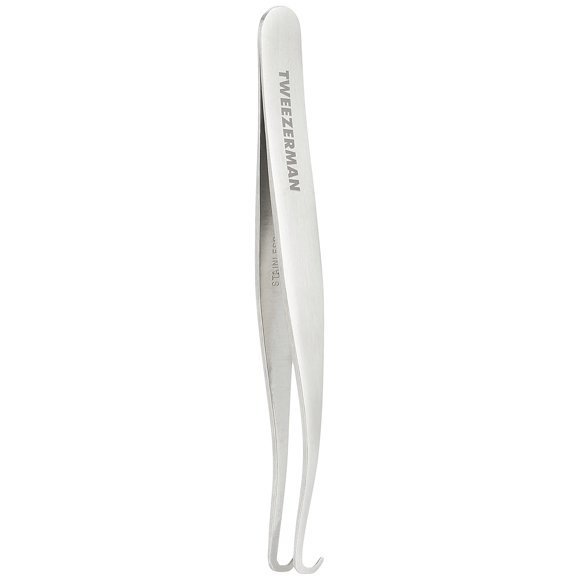
Tweezerman’s single extractor is the precision option: one tool, a thin flat loop at the working end, made by the brand whose tweezers set the standard for metal finishing in beauty tools. The flat loop is the right shape for the nose and chin because it distributes pressure evenly around the plug instead of digging at it, and the slim handle gives the fingertip control that the broader kit tools cannot match on the nose’s curves. For buyers whose blackheads are mostly on the nose, this single well made tool beats a case of mediocre ones, and its stainless steel takes disinfection indefinitely. The method is identical to the kit’s: warm, softened skin, loop centred, gentle pressure, no forcing. What you give up is variety, there is no spoon for the chin’s flat plugs and no angled end, so chin heavy blackheads are slower work. As a buy once, buy properly purchase from a brand with a sharpening and quality reputation, it is the connoisseur’s pick of the manual tools. It also rewards a lighter touch than the kit tools: the thin loop flexes very slightly under pressure, which gives feedback through the fingertips before force builds up, and that feedback is what keeps extractions on the right side of the line between clearing a plug and bruising the skin around it. Owners tend to keep this tool for years, because there is nothing to wear out, nothing to charge and nothing to replace, just a single piece of steel that does one job properly every time it is picked up.
Specifications
Single stainless steel extractor
flat loop design
professional tool brand
Pros
Flat loop distributes pressure evenly
Tweezerman metal finishing and control
A buy once single tool for nose blackheads
Cons
One shape only, slower on chin plugs
Costs more than whole budget kits
Still demands gentle technique
Who should buyyour blackheads are mainly on the nose and you want one quality tool
Who should skipyou want a full kit of shapes for every area
The pore vacuum is the gadget end of blackhead removal, and this kit is the representative worth buying: five suction heads sized from a small round tip for the nose crease to broader heads for the chin, three modes matched to skin type, and a set of manual extractors in the box for the plugs suction cannot shift. Used correctly, on steamed skin, kept moving in slow strokes and never parked in one spot, it lifts loose sebum and surface plugs across the whole nose and chin faster than manual work, and the visible result in the tip is undeniably satisfying. Used incorrectly, parked or dragged on high suction, it is a bruise machine: the hickey-like marks these devices are known for are a technique failure, not a defect. The honest verdict is that a vacuum is a maintenance tool for oily, plug prone skin, excellent weekly upkeep between proper extractions, and no substitute for the loop on a stubborn blackhead. Buy it for upkeep, respect the lowest setting first, and it earns its place. The included manual tools matter more than the box suggests: the plugs a vacuum cannot lift are usually the ones worth removing properly with a loop, so the kit works best as a two stage routine, suction across the zone first for the loose material, then the loop, used sparingly, on what remains. Charging is by USB, a full charge covers many sessions, and the heads rinse clean under a tap, which keeps the weekly upkeep this device depends on genuinely low effort.
Specifications
Electric pore vacuum
5 suction heads
3 modes for oily, neutral and dry skin
USB rechargeable
4 extractor tools included
Pros
Five heads sized for nose crease and chin
Three modes matched to skin type
Fast weekly upkeep for oily, plug prone skin
Cons
Bruises skin if parked or overused
Maintenance only, not deep extraction
Needs charging and head cleaning
Who should buyyou want fast weekly upkeep for an oily nose and chin
Who should skipyou have sensitive or bruise prone skin
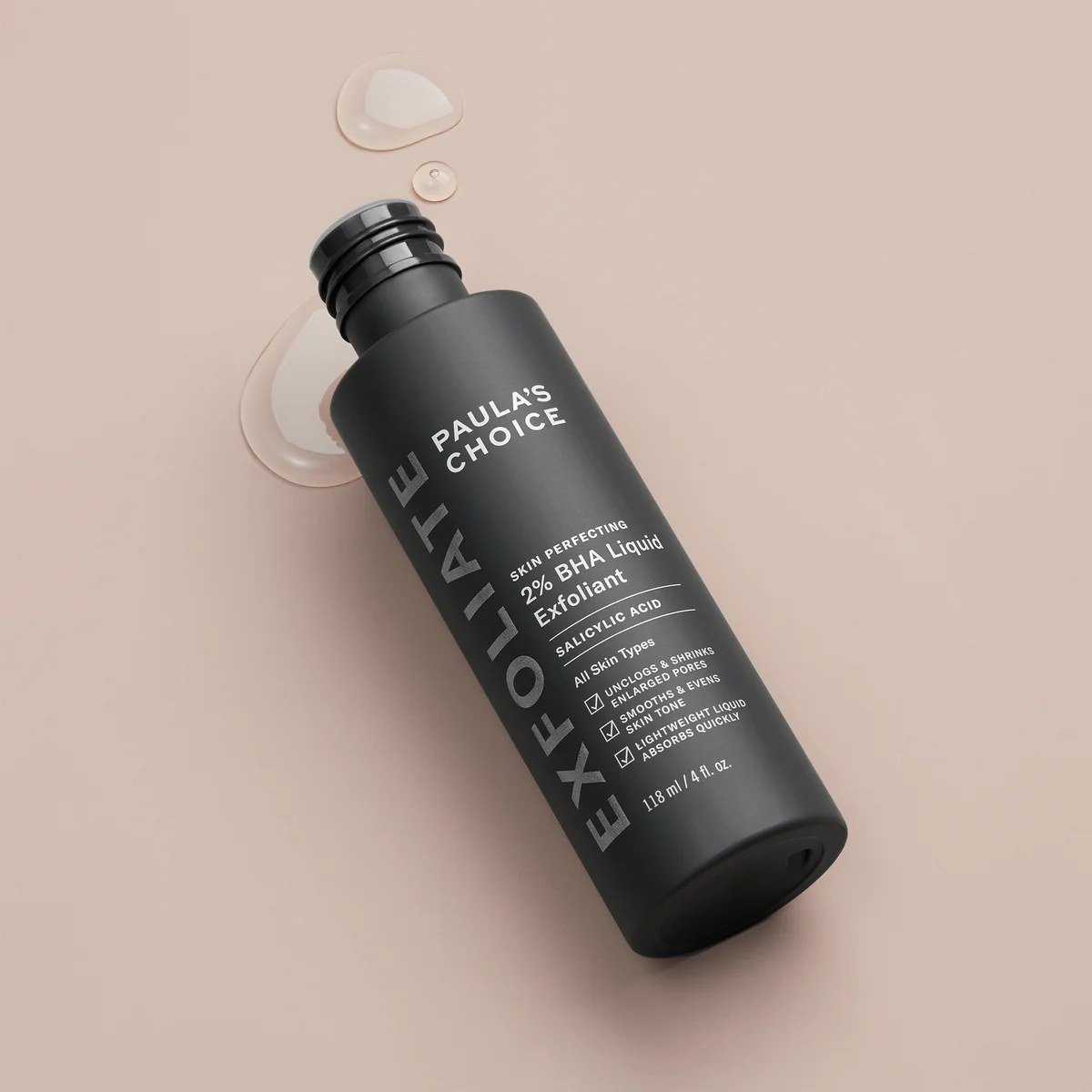
Every tool in this guide treats the blackheads you have; this liquid is how you stop needing them. Paula’s Choice 2% BHA is the benchmark salicylic acid exfoliant, and salicylic acid is the one ingredient that dissolves the oil and dead skin mixture inside the pore, which is why dermatology guidance reaches for it for nose and chin congestion specifically. Applied with a cotton pad or palms over the nose and chin two to three evenings a week, it loosens plugs so they extract easily or clear on their own, and it visibly reduces the sebaceous filaments that vacuums and loops get blamed for not removing permanently. The formula is fragrance free, the pH is in the effective range, and the bottle lasts months at this zone only usage. The trade offs are patience and discipline: results build over four to eight weeks, daily use from day one invites flaking, and sunscreen matters because exfoliated skin is sun sensitive skin. As the chemical half of a nose and chin routine, nothing here outranks it. It pairs with every other pick in this guide rather than competing with them: a fortnight of BHA before a manual extraction session makes the loop’s work noticeably gentler, and continued use afterwards is what stops the same plugs reforming in the same places. Buyers with a whole face to treat rather than a zone can step up to the larger bottle, but for nose and chin work the standard size is the economical one, since a few drops cover the whole territory.
Specifications
118 ml bottle
2% salicylic acid
liquid exfoliant
fragrance free
Pros
Dissolves the plug mixture inside the pore
The benchmark 2% BHA formula, fragrance free
Months of zone only use per bottle
Cons
Results build over four to eight weeks
Overuse causes flaking
Demands sunscreen discipline
Who should buyyou want to prevent blackheads, not just remove them
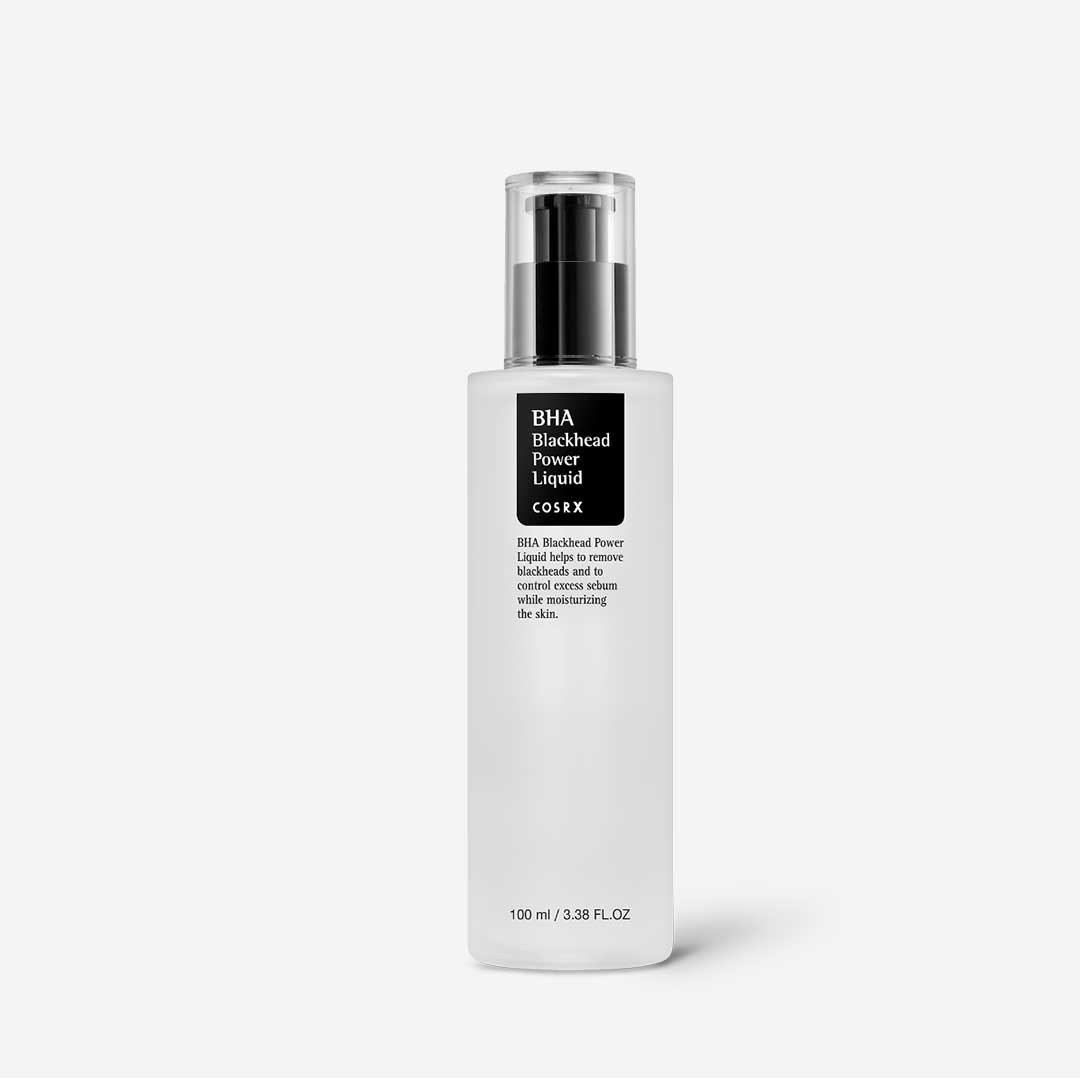
COSRX built this liquid specifically for blackhead prone skin, and its difference from the Paula’s Choice benchmark is gentleness: instead of straight salicylic acid it uses 4% betaine salicylate, a milder derivative, in a willow bark water base, which makes it the BHA for noses and chins that flake or sting with stronger formulas. The trade is speed: expect the same pore clearing direction over a slightly longer runway, six to ten weeks of regular evening use, with plugs softening and extracting more easily along the way. The pump bottle is generous, the formula layers under moisturiser without pilling, and the Korean pharmacy style pricing keeps it in easy reach. For sensitive or first time exfoliant users targeting the nose and chin, this is the sensible start, graduating to a stronger BHA only if the congestion demands it. The limits are that gentleness itself, stubborn chin plugs may need the stronger option, and like all BHAs it asks for sunscreen and a slow introduction. The willow bark base gives it a slightly herbal, watery feel that layers without the tackiness some salicylic serums leave, and it sits happily under a gel moisturiser for combination skin. Because the active is gentler, it is also the BHA in this guide most tolerant of being used alongside a mild retinoid on alternate nights, though introducing one product at a time remains the safe way to learn what your skin thinks of the combination. For the price of a takeaway lunch, it is a low risk experiment with a long runway.
Specifications
100 ml pump bottle
4% betaine salicylate
willow bark water base
Pros
Milder betaine salicylate for sensitive skin
Generous pump bottle, layers cleanly
The sensible first BHA for nose and chin
Cons
Slower runway than stronger BHAs
Stubborn plugs may need more strength
Still asks for sunscreen and patience
Who should buyyour nose and chin are sensitive and need the gentler BHA
Who should skipyou want the strongest, fastest exfoliant
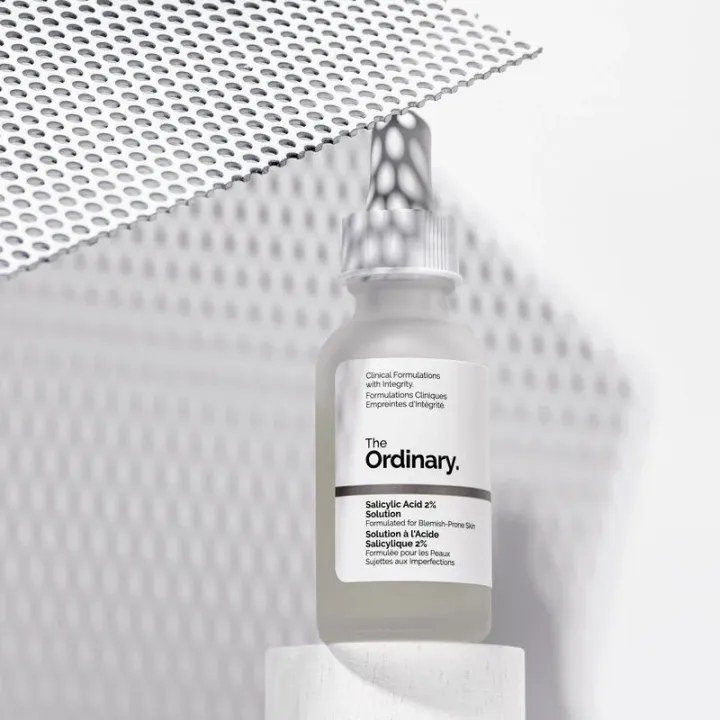
The Ordinary’s salicylic solution is the budget chemist of this guide: 2% salicylic acid in a simple water based serum at the lowest price per bottle here, and for targeted nose and chin use that bottle lasts a long time. The formula is deliberately plain, which cuts both ways: there are no soothing extras to buffer it, so sensitive skin should patch test and start twice a week, but there is also nothing wasted on fragrance or filler. Applied as a thin film over the T zone in the evening, it does the same pore dissolving work as the benchmark liquid, loosening blackheads over four to eight weeks and making manual extraction, when needed, a gentler job. The dropper format suits zone application precisely. The limits are the plainness: the texture can feel slightly tacky, layering under other serums needs a minute’s patience, and beginners often overuse it because it is cheap. As the value route into chemical blackhead control, it is unbeatable. The dropper invites precision that suits this guide’s territory: one drop spread across the nose, one across the chin, worked in with a fingertip, is a full application, which is why the small bottle outlasts expectations. It also doubles as an occasional spot treatment on individual congested pores elsewhere on the face. What it will not do is forgive a slapdash routine: sun protection in the morning and a moisturiser it can sit under are part of the deal, and buyers who build those two habits get the full value of the cheapest serious BHA here.
Specifications
30 ml dropper bottle
2% salicylic acid
water based serum
Pros
2% salicylic acid at the lowest price here
Dropper suits precise zone application
No fragrance or filler
Cons
No soothing buffer for sensitive skin
Slightly tacky texture
Cheap enough to invite overuse
Who should buyyou want proven pore clearing at the lowest cost
Who should skipyour skin needs a buffered, gentle formula
The INKEY List’s BHA serum is the middle path between the budget plainness of The Ordinary and the polish of Paula’s Choice: 2% salicylic acid with zinc PCA in the formula, the zinc being the thoughtful addition for nose and chin work, since it is included for oil balance on exactly the zones that produce blackheads. The texture is a light serum that sits comfortably under moisturiser and sunscreen, the bottle is small but zone use stretches it, and the brand’s plain spoken guidance on frequency makes it a good first exfoliant for buyers who want instructions they can follow. Expect the standard BHA arc, plugs loosening over a month or two, extractions becoming easier and less frequent. The limits are size, full face users will finish it quickly, and a strength that very congested chins may outgrow. For combination skin with an oily T zone and drier cheeks, this targeted serum is the neatest fit in the guide. Zinc PCA is doing quiet work in this formula beyond the acid: it is the ingredient linked to surface oil regulation, so the midday shine that makes nose pores look larger is addressed as well as the plugs themselves, a two front approach none of the other budget serums here attempt. The brand’s own layering guidance is refreshingly plain, cleanse, apply, moisturise, and the small bottle format means a first purchase is a cheap way to learn whether a serum texture suits you better than the liquid exfoliants above it.
Specifications
30 ml bottle
2% salicylic acid
zinc PCA
fragrance free
Pros
Zinc PCA included for oil balance
Light serum texture, easy layering
Clear frequency guidance for beginners
Cons
Small bottle for full face users
Very congested skin may outgrow it
Standard four to eight week runway
Who should buyyou have combination skin and want a T zone targeted BHA
Who should skipyou want a large bottle for full face use
CeraVe’s gel is the leave on treatment format of the BHA family: 2% salicylic acid with an AHA blend, ceramides and niacinamide in a gel that you apply to the nose and chin and leave, which suits buyers who dislike liquid exfoliants and cotton pads. The ceramide and niacinamide inclusions are the formula’s intelligence, supporting the barrier while the acids work, so the flaking and tightness that pure BHA liquids can cause are less likely, a real consideration on the chin where skin is thinner. Used nightly on the zone, it clears and prevents plugs on the usual four to eight week arc and doubles as a general breakout treatment. The tube is modest but zone use is economical. The limits are the gel’s slower feel compared with a liquid, and a strength of routine it demands: this is a nightly commitment product, not a weekly one. For dry leaning, congestion prone skin, it is the most comfortable chemical option here. The gel format has one more practical virtue: it travels. A tube in a wash bag behaves better than a dropper bottle, and the routine survives trips because there are no pads to pack and no liquid to decant. On the chin it also sits comfortably under a nighttime moisturiser without pilling, which matters because the chin is where many users layer a richer cream. For buyers who have failed to stick with liquids and toners, the format itself may be the feature that finally makes BHA a habit.
Specifications
40 ml tube
2% salicylic acid
AHA blend
ceramides and niacinamide
Pros
Barrier supporting ceramides and niacinamide
Leave on gel, no cotton pads needed
Doubles as a general breakout treatment
Cons
Nightly commitment required
Gel feels slower than a liquid
Modest tube size
Who should buyyour congested skin is dry leaning and needs barrier support
Who should skipyou prefer a quick liquid exfoliant step
Peach Slices is the accessible American pharmacy option: a 2% salicylic acid toner with glycolic and lactic acids and cica, in a large bottle at a mass market price, sold where most buyers actually shop. The acid blend gives it a slightly broader action than the pure BHAs here, surface smoothing alongside pore clearing, which helps the chin’s texture as well as its plugs, while the cica keeps the formula friendlier than its strength suggests. Applied with a pad over the nose and chin a few evenings a week, it follows the familiar arc of loosening and clearing over a month or two. The large bottle is its value card: nobody rations it, so the routine actually happens. The limits are the blend itself, sensitive skin should start slowly and not stack it with other acids, and a toner format that uses product faster than a serum. As the easy to buy, easy to keep using option, it earns its place. The cica in the formula is worth a sentence of its own: centella is the ingredient Korean skincare reaches for when skin needs calming alongside treatment, and its presence is why this stronger looking blend, three acids on the label, behaves more politely on the skin than the list suggests. It is also the easiest pick here to buy on a whim and actually keep using, stocked in the stores most readers already visit weekly, at a size that removes any temptation to ration it to special occasions.
Specifications
150 ml bottle
2% salicylic acid
glycolic and lactic acids
cica
Pros
Acid blend smooths texture as well as pores
Large bottle at a mass market price
Cica keeps it friendlier than its strength
Cons
Blend needs a slow start on sensitive skin
Toner format uses product faster
Do not stack with other acids
Who should buyyou want one affordable toner for nose, chin and texture
Who should skipyour skin is very sensitive to acids
Naturium’s liquid closes the chemical options with the polished formula argument: 2% salicylic acid with bioactive fruit acids in a fragrance free liquid that feels a tier above its price, from a brand built on publishing its percentages and pH thinking. For nose and chin work it performs the benchmark role, dissolving plug material over four to eight weeks of evening use, with a texture that layers cleanly and a bottle sized generously for zone application. It suits buyers who found the budget serums tacky or the pharmacy toner drying, the middle ground of feel and strength. The limits are retail reach, strongest through US channels, and the class limits of every BHA here: patience, sunscreen, and no stacking with other strong exfoliants while the skin adjusts. As the refined all rounder of the chemical picks, it is the one most buyers would choose if price were equal, and it nearly is. The fruit acids in the blend give it a touch more surface polish than a straight salicylic liquid, which shows on the chin in particular, where plugs and rough texture tend to arrive together. It is the pick for the buyer who reads ingredient lists and percentages before buying and wants the reasoning published rather than implied. Used on alternate evenings for the first fortnight, then nightly as tolerated, it settles into a routine skin can live with for the long term, which is the only timeframe in which any BHA in this guide truly pays off.
Specifications
120 ml bottle
2% salicylic acid
bioactive fruit acids
fragrance free
Pros
Polished fragrance free 2% BHA liquid
Clean layering, generous bottle
Percentages and formulation published
Cons
Retail reach strongest in the US
Four to eight week runway
No stacking with other strong exfoliants
Who should buyyou want the refined all rounder for nose and chin congestion
Intense pulsed light home devices that flash broad spectrum light at the hair root to reduce regrowth over a course of sessions.
How it works: Light targets pigment in the hair to slow regrowth progressively.
The mechanism is selective heating: light absorbed by hair pigment warms the follicle. That is why contrast between hair and skin decides everything, why grey, white, red and very blonde hair respond poorly, and why the published suitability chart is the first page to read. Energy level, window size and flash life are the comparables between devices.
Best for: Long term reduction on suitable skin and hair combinations.
In your routine: Shave, flash on clean dry skin every two weeks for the first phase, then maintain monthly. Sunscreen on treated areas matters, since treated skin and sun are a poor mix during a course.
What Is Laser Hair Removal?
Professional laser treatment that targets hair pigment with a single wavelength to reduce regrowth over a course of sessions.
How it works: A focused laser heats the follicle precisely at each visit.
Best for: Long term reduction with professional assessment and equipment.
The Downsides of Each
IPL: Not suitable for all skin tones or light hair; needs a full course. The commonest way people make it worse: expecting permanent removal in a few sessions, when the honest claim is progressive reduction
Laser Hair Removal: Costs more per course and needs a clinic, unlike home devices.
Verdict by Use Case
Choose IPL if long term reduction on suitable skin and hair combinations. That is the use case where its strengths matter most, and where its main downside, not suitable for all skin tones or light hair; needs a full course.
Choose Laser Hair Removal if long term reduction with professional assessment and equipment. That is the use case where its strengths matter most, and where its main downside, costs more per course and needs a clinic, unlike home devices.
If your situation sits between the two, the deciding question is usually effort: which option fits the routine you will actually keep for the next three months? The better option on paper loses to the one you use consistently, in almost every beauty devices category.
Can You Use Both?
In many beauty devices routines the options complement each other: used at different times, on different days or for different areas, each covering the other’s weak ground. The cautions are overload and duplication: do not run both at full intensity in the same session, and do not pay twice for the same job. Introduce any combination gradually, one change at a time, so you can tell what each option is actually doing for you.
How to Decide
Work through three questions in order. First, which option matches your type: the table’s best for row is written for exactly this, and a mismatch there outweighs every other advantage. Second, which downside can you live with: every option in this comparison has one, and the right choice is usually the one whose downside does not touch your actual problem. Third, which fits the routine you already keep: the option that slots into your existing beauty devices habits will still be in use in three months, and consistency is what turns a reasonable choice into a good result. If the answers point different ways, weight them in that order: type, downside, routine.
Which is better overall, ipl or laser hair removal?
There is no universal winner: the better option is the one matching your skin or hair type, routine and the use cases in the verdict section above. The difference table shows where each one genuinely leads, and the downsides section shows what each one costs you.
Can I use both in the same routine?
In many beauty devices routines the two can complement each other, used at different times or for different areas, as long as the combination does not overload skin or hair. Introduce any combination gradually, and keep the total intensity at a level your routine can sustain.
Which is better for beginners?
Beginners usually do best with the option that has the gentler learning curve and the fewer downsides for their type, as set out in the table. Start there, and switch only if your needs change.
Which is better for sensitive skin?
The option with the shorter, gentler downside list for your type: compare the downsides row in the table first, start with the milder option, and patch test or trial at the lowest intensity before committing. If your skin or hair is under a clinician’s care, their sequencing comes first.
Which works out cheaper over time?
Compare total cost, not shelf price: how much product or how many consumables each option uses per month, how long a unit lasts in real use, and what you would otherwise spend on the alternative. In this category the cheaper option per use is often the one people abandon, which makes it the most expensive of all.
How do I decide if I can only choose one?
Match the option to your type first, using the best for row in the table, then check that its main downside does not overlap with the problem you are trying to solve. Finally, pick the one that fits the routine you already keep, because three months of consistent use with the second best option beats three weeks of the best one.
By Mirror & Glow Editorial Desk – November 23, 2026
Which one, and why: ipl vs laser hair removal at home broken down in a difference table with the strengths, the weaknesses and the reader each option suits.
By Mirror & Glow Editorial Desk – November 23, 2026
Everything behind how often should i use blackhead remover tool: extraction tools press the plug out mechanically, set out as a clear step by step with the mistakes and questions readers raise most.