By Mirror & Glow Editorial Desk – November 23, 2026
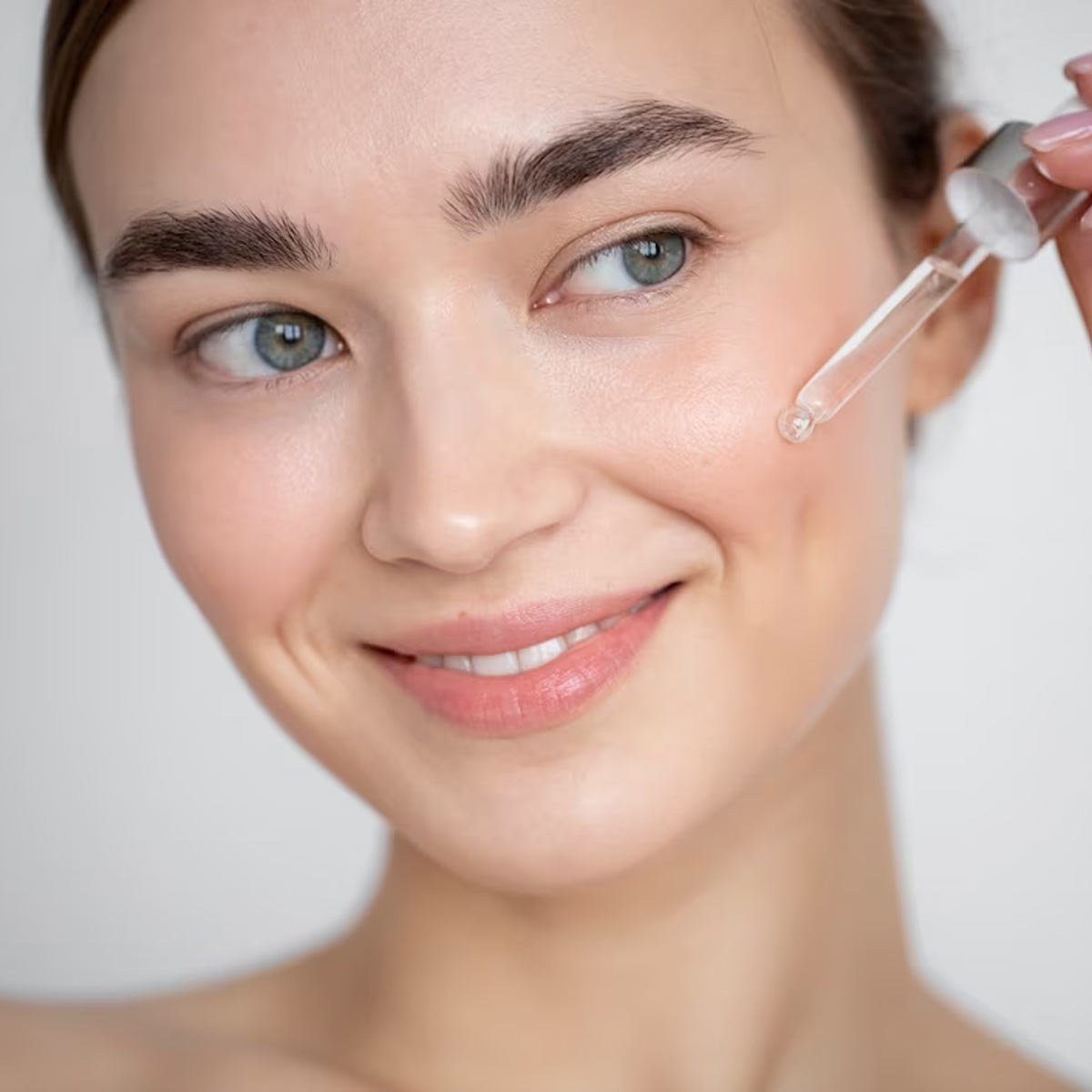
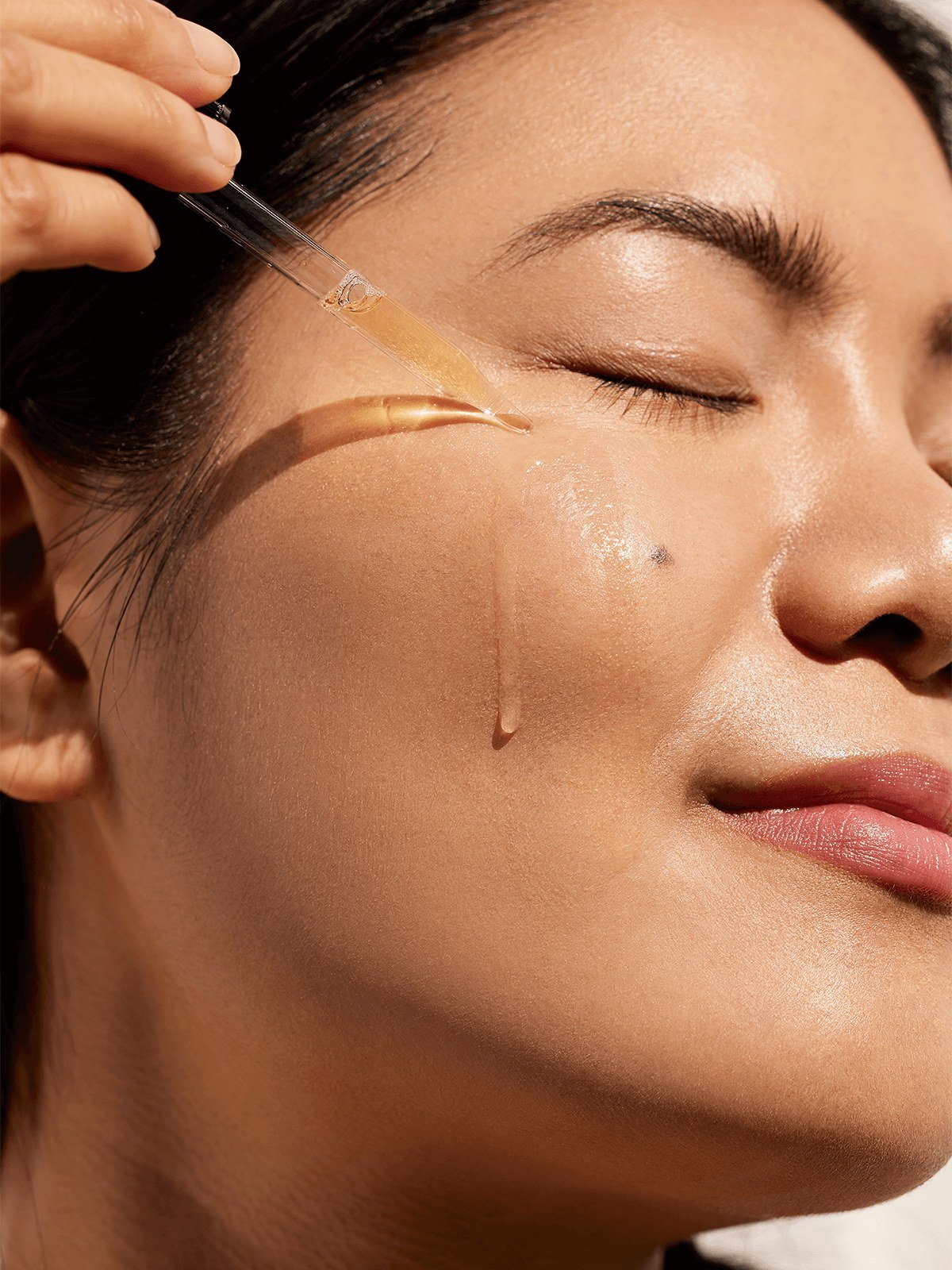
Woman applying a brightening serum to her cheek with a dropper.
Affiliate disclosure: Mirror & Glow may earn a commission from qualifying purchases made through links on this page, at no extra cost to you. Full disclosure.
The verdict up front: start with The Ordinary Alpha Arbutin 2% + HA, the strongest all round match in this line up. Every pick is compared in the table below, then reviewed in full with its downsides as well as its strengths.
If you are looking for the best alpha arbutin and tranexamic acid serum, the right choice depends on fit, not hype. This guide is written around the exact need in the title, and every criterion below is weighted for it. The short answer: choose the alpha arbutin and tranexamic acid serum whose formula, format and strength match your skin, check the ingredient or specification list before the marketing claims, and avoid the options whose downsides match the problem you are trying to solve.
What matters most in alpha arbutin is covered in depth below: what the product actually is, the types on sale and how they differ, the buying criteria explained one by one, how to use what you buy, and the mistakes that waste the most money in this category.
Best Alpha Arbutin and Tranexamic Acid Serum Compared
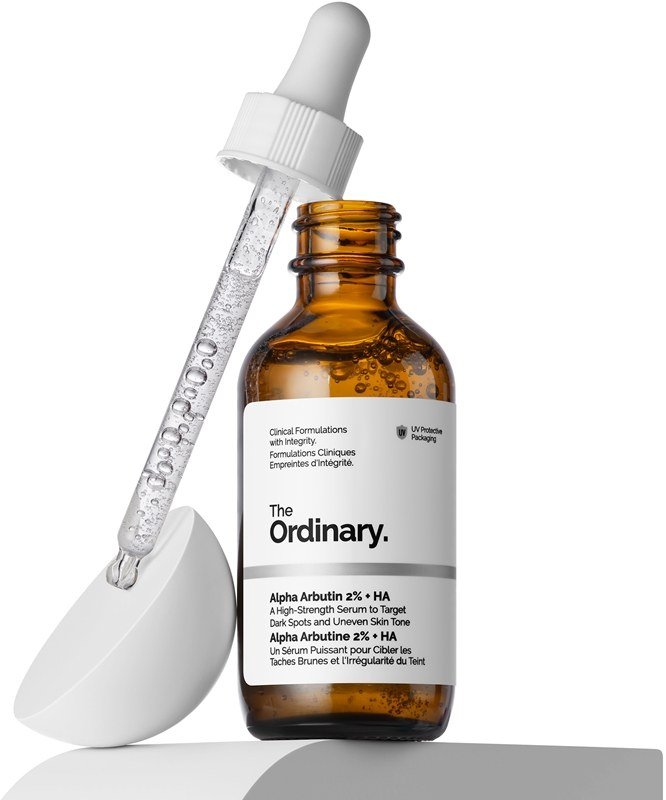
This is the reference point for alpha arbutin serums: a single active at a clearly stated 2% strength, supported by hyaluronic acid in a clear, slightly viscous water based serum. Alpha arbutin is used for the look of dark spots and uneven tone, and The Ordinary pairs it with hyaluronic acid so the formula hydrates while it treats, which matters because brightening routines often leave skin feeling dry. There is no tranexamic acid in this bottle, and that is worth stating plainly in a guide about the pair: this is the arbutin half of the combination, at full stated strength, and many readers layer it with a separate tranexamic product or alternate the two morning and evening. The texture spreads easily, two to three drops cover the face, and it layers under moisturiser and sunscreen without pilling in most routines. The brand publishes the full ingredient list, and the formula is fragrance free and alcohol free. Use it on clean skin before heavier creams, give it a minute to settle, and judge it over eight to twelve weeks, because pigment change is slow and daily sunscreen decides whether any brightening serum can hold its results. It is also one of the easiest serums here to combine with sunscreen and makeup.
Specifications
30 ml dropper bottle
2% alpha arbutin
hyaluronic acid
fragrance free
Pros
Full stated 2% alpha arbutin strength
Hyaluronic acid support against dryness
Fragrance free, full ingredients published
Cons
No tranexamic acid, so it covers one half of this guide’s pair
Small 30 ml bottle with twice daily use
Can feel slightly tacky if over applied
Who should buyyou want the arbutin half of the pair at full stated strength in a simple, fragrance free serum.
Who should skipyou want both actives in one bottle, which means choosing the ANUA serum instead.
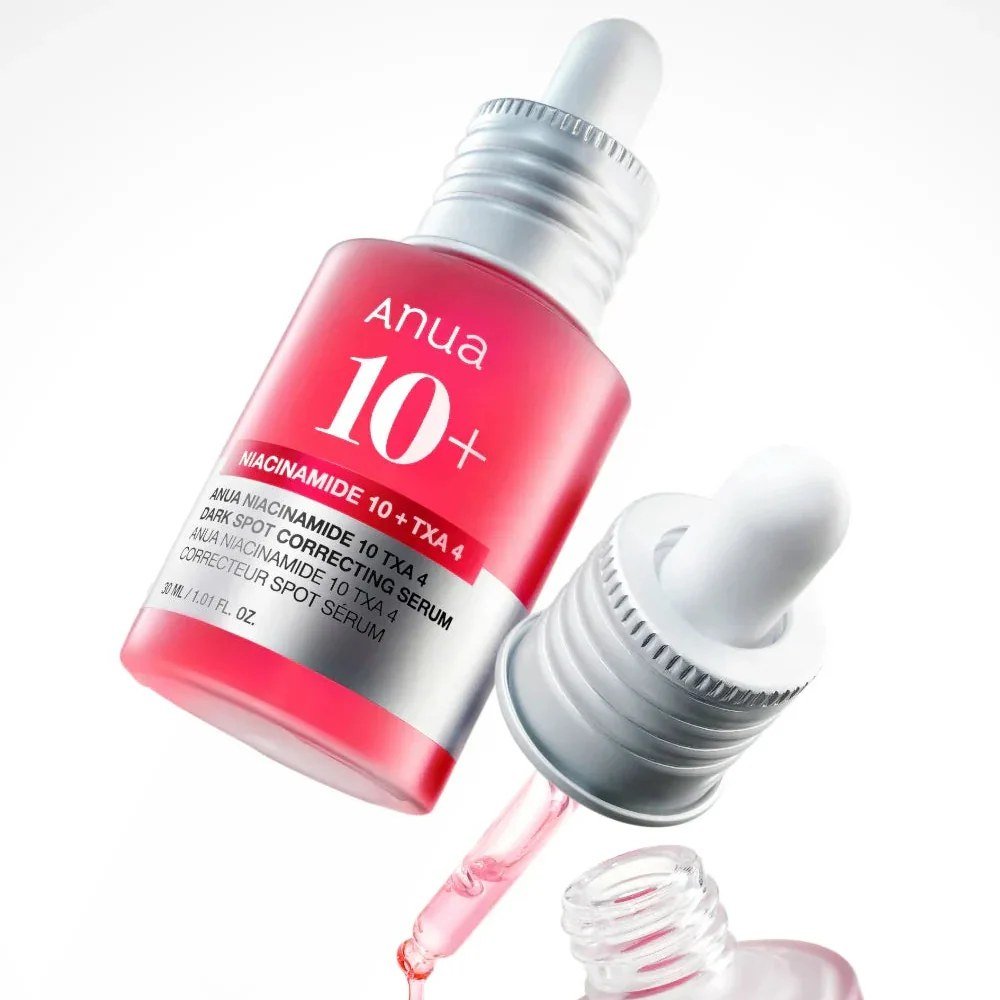
ANUA’s serum is the closest single bottle match to this guide’s title, because it combines tranexamic acid and arbutin together rather than asking you to layer two products. The published formula leads with 10% niacinamide, adds 4% tranexamic acid and 2% arbutin, and finishes with hyaluronic acid and botanical oils in a light pink tinted serum. That trio is aimed at the same target from three directions: the look of dark spots, post blemish marks and general uneven tone. The texture is watery and fast absorbing, so it sits comfortably under moisturiser and makeup, and the dropper bottle makes the two to three drop dose easy to repeat. Because niacinamide leads the formula at 10%, readers whose skin flushes or stings with strong niacinamide should patch test and start once a day, even though the tranexamic and arbutin are the ingredients they came for. The brand is a Korean skincare label whose serum became widely distributed through major beauty retailers, and the full ingredient list is published. As with every product in this guide, morning sunscreen is not optional: brightening actives cannot outpace new pigment formed by unprotected sun exposure. The bottle is made in Korea and the formula is alcohol free in its published ingredient list.
Specifications
30 ml dropper bottle
4% tranexamic acid
2% arbutin
10% niacinamide
Pros
Tranexamic acid and arbutin combined in one bottle
Stated percentages for all three lead actives
Light texture layers well under sunscreen and makeup
Cons
10% niacinamide may flush niacinamide sensitive skin
Pink tint comes from the formula, which not everyone prefers
Dropper bottle needs care to keep the pipette clean
Who should buyyou want tranexamic acid and arbutin combined in one bottle with stated percentages.
Who should skipyour skin flushes with 10% niacinamide, where a gentler formula fits better.
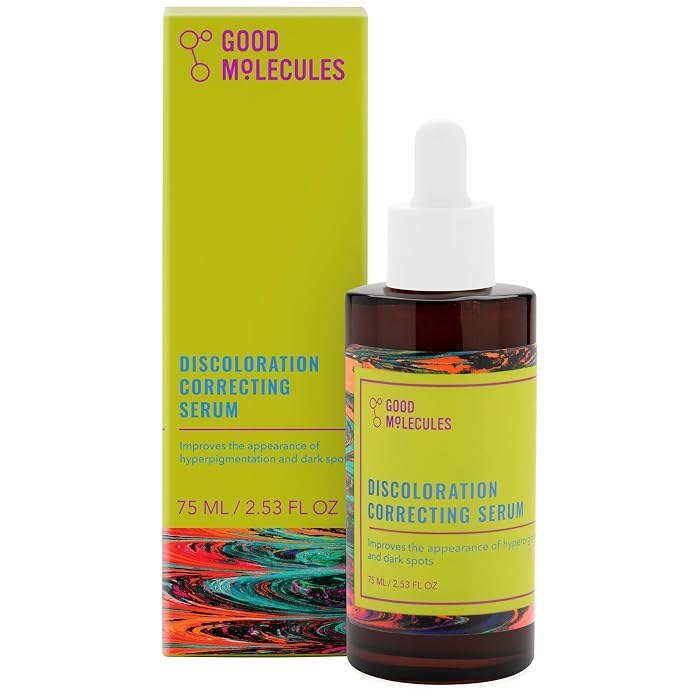
Good Molecules built this serum around tranexamic acid in a form the brand lists as cetyl tranexamate mesylate, paired with 4% niacinamide, and positioned it squarely at dark spots, acne marks and uneven tone. It is a useful counterweight to the stronger formulas in this guide: the niacinamide level is moderate rather than headline grabbing, which makes it a comfortable daily option for skin that finds 10% niacinamide too much. The texture is a light, slightly milky serum that absorbs without a sticky film, and it is sold in a standard 30 ml bottle and a larger 75 ml size, which suits a product designed for twice daily, whole face use over months. The brand publishes its ingredient list in full and keeps fragrance out, and the serum is vegan. It layers in the usual treatment slot, after cleansing and before moisturiser, morning or evening. Readers comparing it with the ANUA serum above should note the trade: this bottle leans on tranexamic acid with moderate niacinamide support and no arbutin, while ANUA combines all three. Results, as ever with pigment, are a matter of consistent weeks plus daily sunscreen, not days. It is also sold through major beauty retailers, which makes the first bottle easy to source.
Specifications
30 ml and 75 ml bottles
tranexamic acid
4% niacinamide
fragrance free
Pros
Tranexamic acid with a moderate 4% niacinamide level
Larger 75 ml size suits long twice daily routines
Fragrance free with full ingredients published
Cons
No arbutin, so it covers the tranexamic side only
Milky texture can pill under some sunscreens if rushed
Gradual results need months of consistent use
Who should buyyou want tranexamic acid with moderate niacinamide and a larger value size for long routines.
Who should skipyou specifically want arbutin in the formula.
Naturium’s entry states the highest tranexamic acid percentage in this guide at 5%, and supports it with kojic acid, niacinamide and licorice root extract, four ingredients all used for the look of discoloration. The format is worth noting: an airless style pump bottle rather than a dropper, which doses consistently and keeps the formula less exposed to air and fingers. The serum itself is a light emulsion that spreads over the whole face without the tackiness some dropper serums leave, and it is fragrance free. For this guide’s pairing question, this bottle covers tranexamic acid thoroughly but contains no arbutin, so it is the pick for readers who want the tranexamic side at full strength in one step, or who already own an arbutin serum to layer with it. Kojic acid is the ingredient to respect here: it is effective for tone but can tingle on reactive skin, so start once a day and build up. The brand publishes full ingredients and usage guidance. Pair it with morning sunscreen, avoid stacking it in the same session as strong exfoliating acids while your skin adjusts, and allow a full skin cycle or two before judging the change in your marks. The pump format also travels better than a glass dropper bottle in a wash bag.
Specifications
30 ml dropper bottle
5% tranexamic acid
kojic acid
niacinamide
licorice root
Pros
Highest stated tranexamic acid level in this guide at 5%
Pump bottle doses cleanly and protects the formula
Kojic acid and licorice root support for tone
Cons
No arbutin in the formula
Kojic acid can tingle on reactive skin
Emulsion texture may feel rich on very oily skin
Who should buyyou want the strongest stated tranexamic acid level with kojic acid support.
Who should skipyou want arbutin included, or your skin dislikes kojic acid.
The INKEY List takes the straightforward approach the brand is known for: tranexamic acid at a stated 2%, supported by acai berry extract and a vitamin C derivative, in a light serum designed for the evening routine. The brand positions it for dark spots and uneven tone and suggests applying it after cleansing, before moisturiser, which makes it an easy layer alongside a morning arbutin serum for readers building the pair from two bottles. The 2% strength is lower than the 4% and 5% options in this guide, and that is the honest trade for its gentler feel: skin that has reacted to stronger brightening blends often tolerates this one, and consistency with a milder product beats an abandoned stronger one. The texture is a fluid gel that absorbs quickly and does not interfere with the creams layered over it. Full ingredients are published and the formula is fragrance free. One practical note: the brand advises against combining it in the same session as certain strong actives, so alternate nights if your routine already includes a retinoid or a direct acid. Judge it over two to three months of nightly use, with sunscreen each morning to protect the progress. It is made to be used once a day, so the small bottle lasts longer than its size suggests.
Specifications
30 ml bottle
2% tranexamic acid
acai berry
vitamin C derivative
fragrance free
Pros
Clear stated 2% tranexamic acid strength
Gentle level suits reactive skin starting brightening care
Layers cleanly in an evening routine
Cons
Lower strength than the 4% and 5% options here
No arbutin, so pairing needs a second product
Evening only positioning limits twice daily use
Who should buyyour skin is reactive and you want a gentler 2% tranexamic starting point.
Who should skipyou want the fastest possible pace and tolerate stronger formulas well.
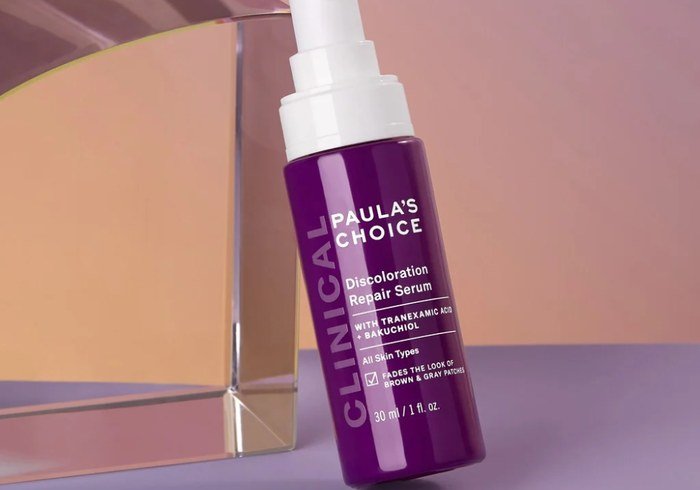
Paula’s Choice combines tranexamic acid with bakuchiol and niacinamide in this repair serum, an unusual trio that targets discoloration while also suiting skin that cannot or does not want to use retinoids. The bakuchiol is the distinguishing detail: it is a plant derived ingredient studied as a gentler alternative style active for tone and texture, and here it supports the tranexamic acid rather than replacing it. The texture is a light lotion serum dispensed from a pump, comfortable twice a day, and the formula is fragrance free with the brand’s usual fully published ingredient list and usage research notes. For this guide, it is another tranexamic led option without arbutin, best for readers whose marks come with sensitivity, or who are already using an arbutin product in the other half of the day. It layers under moisturiser and sunscreen without pilling in most routines. The brand suggests results build over eight to twelve weeks of consistent use, which matches the pigment category generally. Keep it away from the eye area, introduce it once daily if your skin is reactive, and remember that no serum in this guide can hold back new spots if mornings skip sun protection. The formula is also free of added colour, so the lotion goes on clear under makeup.
Specifications
30 ml pump bottle
tranexamic acid
bakuchiol
niacinamide
fragrance free
Pros
Tranexamic acid paired with bakuchiol and niacinamide
Suits readers avoiding retinoids
Fragrance free, pump bottle, full ingredients published
Cons
Premium price per millilitre in this line up
No arbutin in the formula
Bakuchiol blend makes single ingredient comparisons harder
Who should buyyou avoid retinoids and want tranexamic acid with bakuchiol support.
Who should skipyou are watching cost per millilitre closely.
Cos De BAHA is a Korean label built on single active serums with the percentage printed on the front, and this bottle applies that formula to tranexamic acid at 5%, supported by niacinamide. It matches the Naturium serum for stated tranexamic strength while keeping the ingredient deck shorter and the concept simpler, which appeals to readers who track exactly what is on their skin. The serum is a clear, watery gel with hyaluronic acid in the base, so it hydrates lightly as it treats and layers without weight under moisturiser. It is fragrance free and the brand publishes the full ingredient list. In the context of this guide it is a tranexamic only option: pair it with an arbutin serum in the opposite half of the day if you want both actives, or choose it alone if tranexamic acid is the ingredient your research pointed to. The dropper format and 30 ml size are standard for the category, and a few drops cover the face, so a bottle lasts a reasonable course. Start once daily, watch for any tingling in the first week, and give it the usual two to three months alongside daily sunscreen before deciding whether it has earned a permanent place.
Specifications
30 ml dropper bottle
5% tranexamic acid
niacinamide
fragrance free
Pros
Full stated 5% tranexamic acid
Short, readable ingredient deck
Fragrance free with a hydrating base
Cons
No arbutin in the bottle
Lesser known brand with fewer published usage notes
Watery texture is easy to over dispense
Who should buyyou want 5% tranexamic acid with the shortest possible ingredient list.
Who should skipyou prefer a pump bottle or a heavily documented brand.
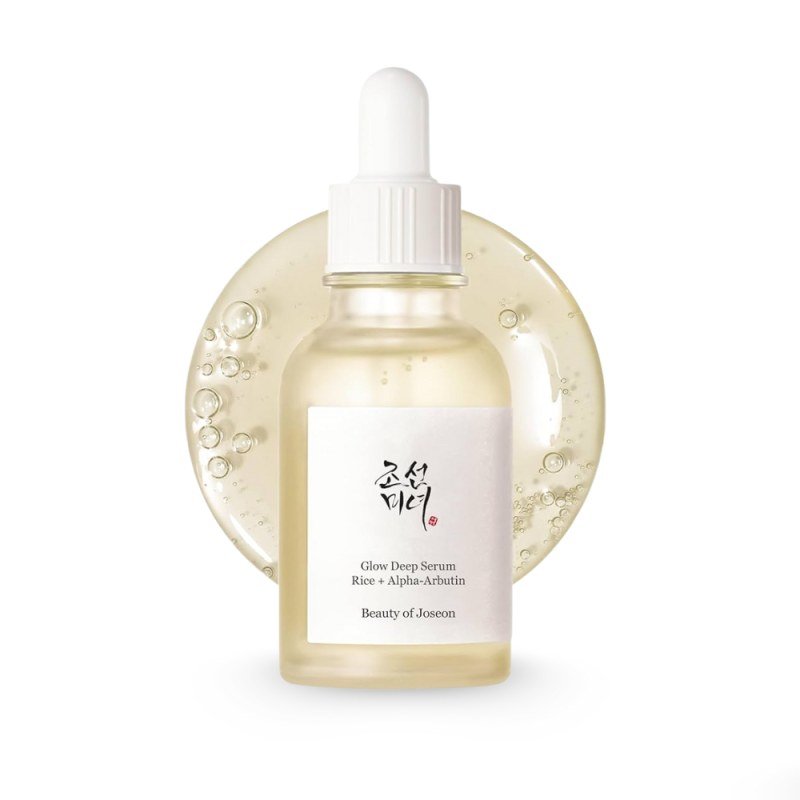
Beauty of Joseon Glow Deep Serum: Rice + Alpha-Arbutin
Beauty of Joseon’s Glow Deep Serum builds its brightening formula on a rice extract base, a traditional Korean skincare ingredient, with 2% alpha arbutin and niacinamide doing the targeted work on dark spots and dull, uneven tone. It matches The Ordinary for stated arbutin strength while offering a different experience: the rice based serum has a light, hydrating, slightly essence like texture that suits dry and combination skin better than a plain water gel. The brand publishes its ingredient list, and the formula is fragrance free. There is no tranexamic acid here, so in this guide it sits on the arbutin side of the pairing, and its gentle profile makes it a sensible morning partner to a tranexamic serum at night. Two to three drops spread over the face after cleansing, and it layers under moisturiser and sunscreen without residue. Korean skincare routines often use it daily for months, which fits how pigment care actually works: slow, cumulative and dependent on sun protection. Readers with very oily skin may find the hydrating base more than they need in summer, in which case use it once a day in the evening instead of twice. It is also a comfortable partner under sunscreen, with no white cast or heavy residue.
Specifications
30 ml dropper bottle
rice extract base
2% alpha arbutin
niacinamide
Pros
2% alpha arbutin in a hydrating rice extract base
Gentle profile suits daily twice use for most skin
Fragrance free, full ingredients published
Cons
No tranexamic acid in the formula
Hydrating base may feel rich on very oily skin
Small 30 ml bottle for a twice daily routine
Who should buyyou want 2% arbutin in a hydrating, essence like base for dry or combination skin.
Who should skipyou want tranexamic acid included in the same bottle.
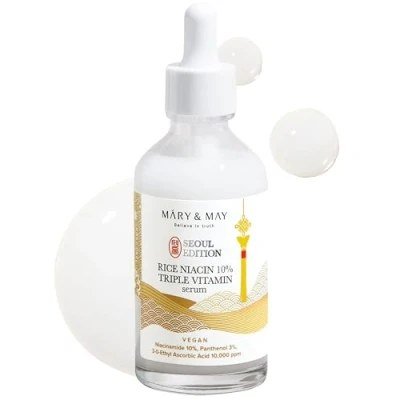
Mary&May is a Korean clean beauty label whose serum pairs 2% tranexamic acid with 5% niacinamide at moderate, clearly stated levels, aimed at dark spots and blemish marks. The moderate percentages are the point: this is the balanced option in the guide for skin that wants both brightening routes represented without the intensity of the 5% tranexamic or 10% niacinamide formulas. The texture is a clear, light serum that absorbs quickly and layers under moisturiser and makeup without a film. The brand publishes full ingredients, formulates without fragrance, and packages the serum in a glass dropper bottle. It contains no arbutin, so readers set on the exact arbutin and tranexamic pair should treat it as the tranexamic half, though many will find the niacinamide support covers their routine’s second brightening angle. Use a few drops morning or evening on clean skin, and keep the rest of the routine stable while you judge it, because swapping cleansers and moisturisers at the same time makes any serum impossible to assess. As throughout this guide, allow eight to twelve weeks and daily sunscreen before drawing conclusions about its effect on your marks. The moderate formula also suits readers who plan to use it on the neck and chest as well as the face.
Specifications
30 ml dropper bottle
2% tranexamic acid
5% niacinamide
fragrance free
Pros
Balanced stated levels of tranexamic acid and niacinamide
Moderate strengths suit a wide range of skin
Fragrance free with full ingredients published
Cons
No arbutin in the formula
Moderate levels may feel slow for stubborn marks
Glass bottle needs care in a bathroom
Who should buyyou want balanced, moderate levels of both brightening routes in one gentle serum.
Who should skipyou want maximum stated strengths for stubborn marks.
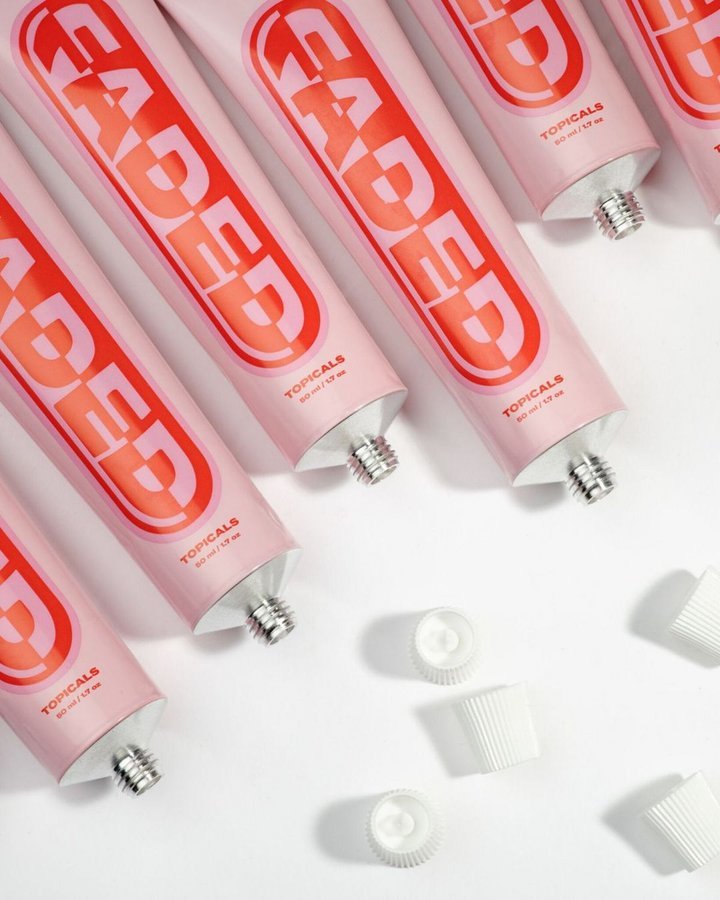
Topicals Faded is the maximalist entry in this guide: a serum mist style treatment that stacks tranexamic acid with azelaic acid, niacinamide, kojic acid and licorice root, nearly every brightening ingredient in this category inside one 50 ml tube. It earns its place in an arbutin and tranexamic guide on the strength of that tranexamic led blend, though readers should note it reaches the goal with a team of actives rather than the named pair, and it contains no arbutin. The larger tube format suits whole face, twice daily use, and the brand publishes its ingredient list and detailed usage guidance, including the honest warning that the formula has a noticeable natural scent from its active blend, which some users dislike. That scent and the stacked formula are the trade offs for convenience: sensitive skin should patch test carefully and start once a day, because several tone actives at once can tingle. It layers as a normal serum step before moisturiser. For readers who want one product instead of a pairing strategy, this is the closest thing here, provided their skin tolerates blends. Keep mornings protected with sunscreen, and photograph marks monthly to judge it fairly. The tube should be stored away from direct heat, as with most active heavy formulas.
Specifications
50 ml tube
tranexamic acid
azelaic acid
niacinamide
fragrance notes in formula
Pros
Tranexamic acid stacked with azelaic acid, kojic acid and niacinamide
Generous 50 ml tube for twice daily whole face use
Detailed published usage guidance from the brand
Cons
No arbutin despite the broad brightening blend
Noticeable natural scent from the active formula
Stacked actives can tingle on sensitive skin
Who should buyyou want one product stacking tranexamic, azelaic and kojic acids in a large tube.
Who should skipyour skin reacts to blends, or you want arbutin specifically.
Alpha arbutin is a gentle brightening ingredient used for dark spots and uneven tone, derived from the bearberry plant and related to hydroquinone in structure but far milder in action. It suits people who want pigment care without the irritation of stronger options.
It works by slowing tyrosinase, the enzyme in the pigment production pathway, so less new pigment forms in treated areas. Typical cosmetic strengths are around one to two percent, and it layers well with most routines, including alongside vitamin C or niacinamide. What it cannot do is remove pigment quickly: existing spots fade at the speed of skin renewal, so the honest timeline is eight to twelve weeks, with daily sunscreen deciding whether the work holds.
How to Choose: the Criteria That Matter
Choosing skincare well means buying for the skin you have, in the order it needs help. Start with the concern, not the product shelf: breakouts, marks, dryness, redness and lines each have a short list of ingredients with real evidence behind them, and the guide’s topic section names the ones that matter here. Then check your current routine for conflicts before adding anything. Most failed purchases are good products bought for the wrong concern, or two strong actives introduced in the same week so that irritation gets credited to both.
Active ingredient and its stated strength, since a named active without a percentage tells you very little
A percentage on the label lets you compare like with like: a 10 percent azelaic acid and a 2 percent salicylic acid are honest products, while a serum that names an active without a strength is asking you to trust the marketing instead.
Formula type for your skin: gel for oily skin, cream for dry skin, emulsion for combination skin
The same active in a gel, a cream and an oil behaves like three different products. Gel and water based formulas suit oily and combination skin; creams and emulsions carry dry skin through the day; oils are finishing steps, not treatments.
What the formula leaves out: fragrance, drying alcohol and common irritants if your skin is reactive
What is left out decides tolerance. Fragrance, essential oils and drying alcohol are the three most common reasons a well reviewed product stings, flushes or breaks someone out, and sensitive skin should read for their absence first.
How it layers with the rest of your routine, including retinoids, vitamin C and sunscreen
A product that pills under sunscreen or fights your retinoid will not survive in a real routine. Think in pairs: water based before oil based, thinnest to thickest, and actives split across morning and night when they compete.
Packaging that protects the formula, such as airless pumps and opaque bottles for light sensitive actives
Actives degrade in light and air. Vitamin C, retinoids and many antioxidants keep their strength in opaque, airless packaging, and a clear dropper bottle on a sunny shelf is quietly expiring.
Also Considered
These products were researched for this guide and left off the picks list for the reasons given. They are not poor products; they simply fit the exact question of this guide less well.
Minimalist Tranexamic 3% Serum
A genuine tranexamic formula that was researched, but its US retail availability was inconsistent at the time of research, so readers could not reliably buy it.
The Ordinary Niacinamide 10% + Zinc 1%
A good brightening adjacent serum, but it contains neither arbutin nor tranexamic acid, so it fails this guide’s stated pairing.
Hada Labo Shirojyun Premium Lotion
An arbutin containing Japanese lotion that was left off because it is a hydrating lotion format, not a serum, and import availability varies.
How to Use What You Buy
Start with clean, dry or slightly damp skin as the product type directs
Apply the amount stated on the product, usually a pea sized amount or two finger lengths for sunscreen
Introduce one new active at a time and give it at least two weeks before judging
Use the product at the time of day it is designed for, and always finish morning routines with sunscreen
Note any stinging, breakouts or dryness in the first week and adjust frequency before giving up
Fit decides whether a good product works. Skincare actives need a stable base routine around them: a gentle cleanser, a moisturiser your skin likes, and sunscreen every morning. Add the new product to that base one at a time, at the frequency the category supports, and keep everything else unchanged for the first month. That discipline is what turns a purchase into a result you can actually attribute.
Apply once or twice daily as the product directs, before moisturiser, and give it a full skin cycle or three before judging. Morning use under sunscreen is the pattern that protects its results.
Who Should Buy, and Who Should Skip
Buy if your need matches this guide exactly, you have checked the criteria above against your current routine, and you are willing to introduce the product gradually and judge it over the period the category needs.
Skip if your concern is different from the one in the title, your skin or hair is currently irritated or damaged and needs recovery first, or a clinician has advised you on this concern, in which case their advice comes before any buying guide.
Common Mistakes in Alpha Arbutin
Starting three new actives in the same week, which makes reactions impossible to trace
Using more product than directed, which increases irritation without improving results
Skipping sunscreen while using brightening or exfoliating products, which undoes their work
Expecting visible change in days when most skincare actives need weeks of consistent use
Using a brightener while skipping sunscreen, which lets new pigment form as fast as old pigment fades
Expecting spot removal in a fortnight from one of the gentlest actives in the category
Frequently Asked Questions
How do I choose the right alpha arbutin and tranexamic acid serum?
Start with the criteria in this guide: match the formula or specification to your skin type and the exact concern in the title, check the published ingredient or specification list, and pick the option whose downsides do not overlap with your problem. The type decision comes first: most disappointment in alpha arbutin is a good product bought in the wrong type.
How long before I see results from a alpha arbutin product?
It depends on the category, but most skincare products need consistent use over several weeks before a fair judgement. Devices and treatments state their expected course in the manual or on the packaging, and that timeline is the one to follow. Judge on the category’s clock, not on the first week.
What should I avoid when buying for alpha arbutin?
Avoid buying on claims alone: skip options with no published ingredient or specification list, strengths far beyond what your routine needs, and any product whose stated downsides match the exact issue you are trying to fix. Also avoid changing two other parts of your routine in the same week, which makes the new product impossible to judge.
Is the most expensive option always the best?
No. In alpha arbutin, price often reflects branding, packaging and extras rather than the core ingredient or specification doing the work. The criteria in this guide matter more than the price band, and mid priced options with the right specification beat premium options with the wrong one.
What is the most common mistake with alpha arbutin?
Using a brightener while skipping sunscreen, which lets new pigment form as fast as old pigment fades A close second: expecting spot removal in a fortnight from one of the gentlest actives in the category
How does alpha arbutin fit into a daily routine?
Apply once or twice daily as the product directs, before moisturiser, and give it a full skin cycle or three before judging. Morning use under sunscreen is the pattern that protects its results. Fit decides whether a good product works.
Can You Use Alpha Arbutin and Glycolic Acid Together?
The companion how-to guide, Can You Use Alpha Arbutin and Glycolic Acid Together, covers this in full: the step by step method, the right amounts and frequency for your type, and the mistakes that stop it working. It is linked from the routine sections of this page, and it is the right next read once you have chosen a product.
By Mirror & Glow Editorial Desk – November 23, 2026
It works by slowing tyrosinase, the enzyme in the pigment production pathway. This guide applies that to can you use alpha arbutin and glycolic acid together: the method, the timing, and the traps to avoid.
By Mirror & Glow Editorial Desk – November 23, 2026
Alpha Arbutin vs Azelaic Acid — the honest comparison: a side by side table, the trade offs nobody advertises, and a clear verdict for your skin, hair or routine.
By Mirror & Glow Editorial Desk – November 23, 2026
How to Get Rid of Acne Scars on Back? The short answer first, then the detail: one active at a time, introduced over two weeks, judged at eight to twelve weeks, with timing, amounts and the errors that stop it working.