By Mirror & Glow Editorial Desk – November 23, 2026
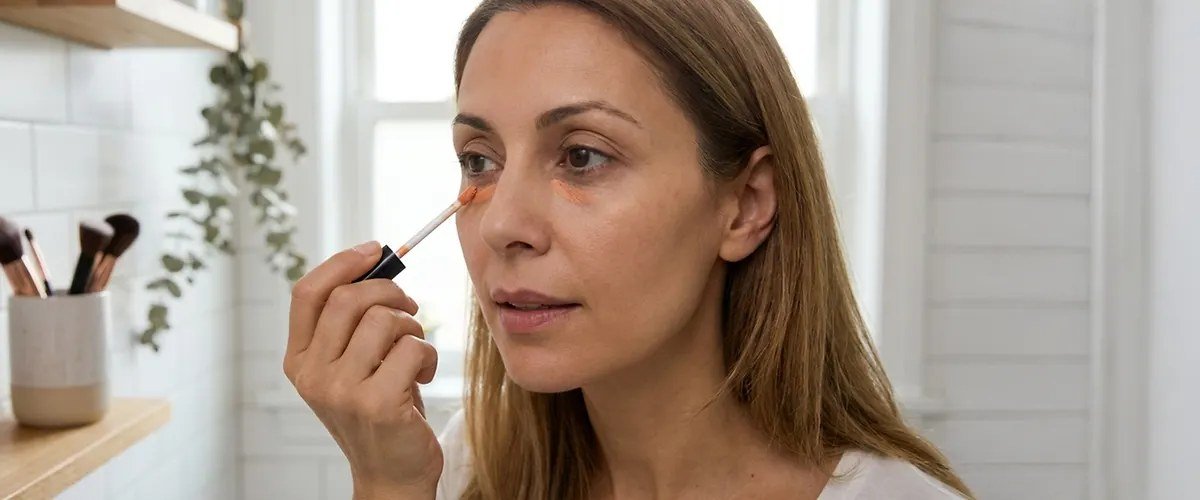
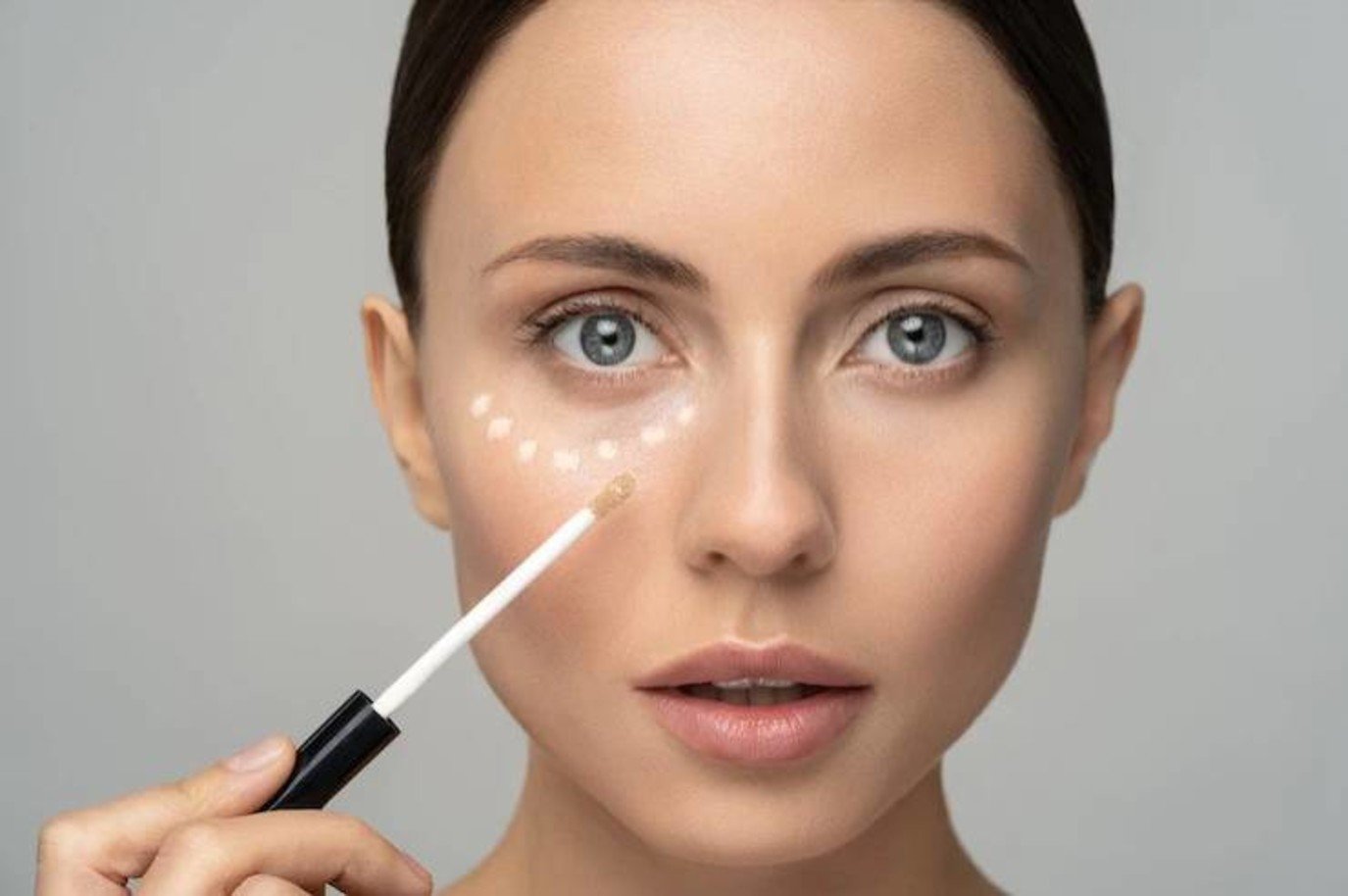
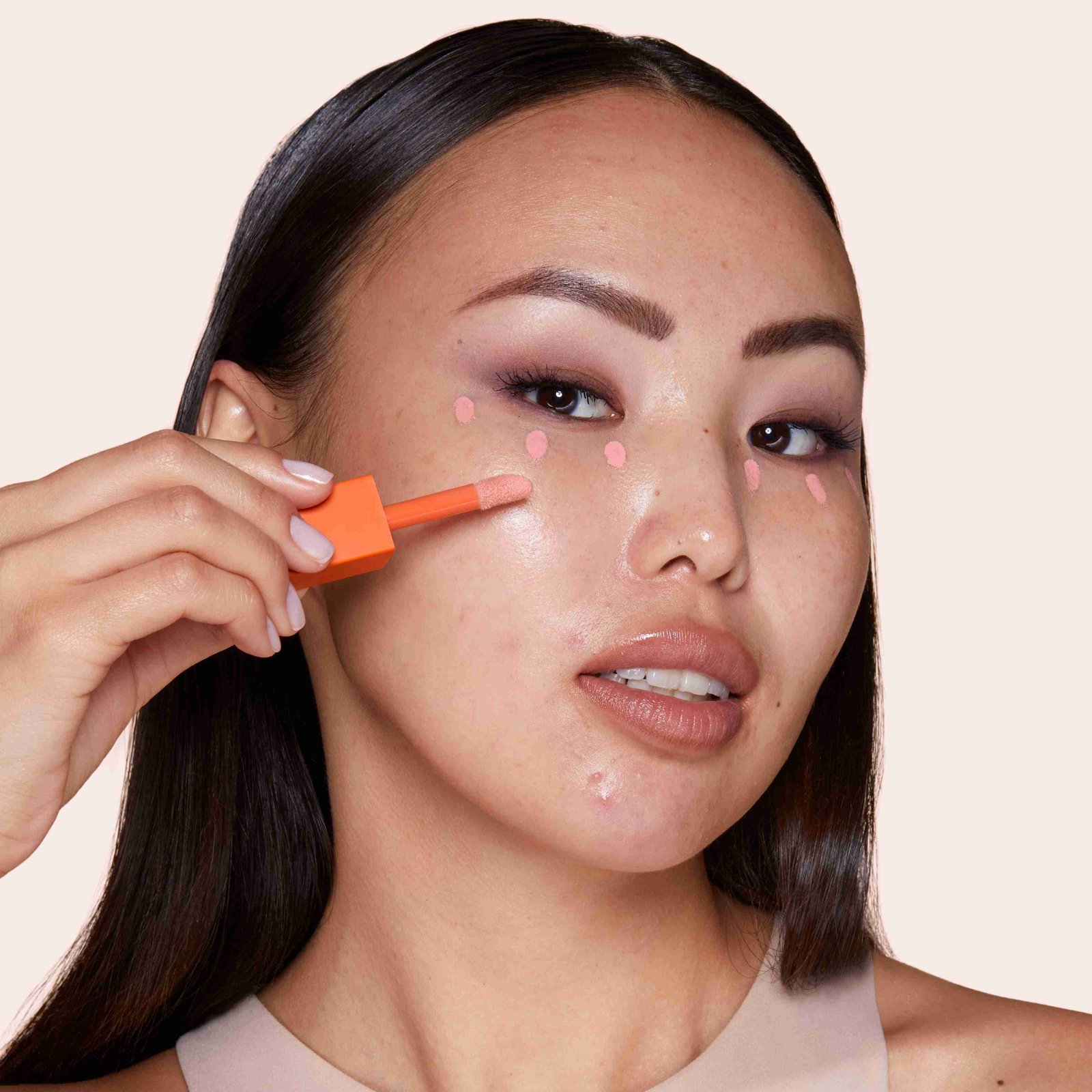
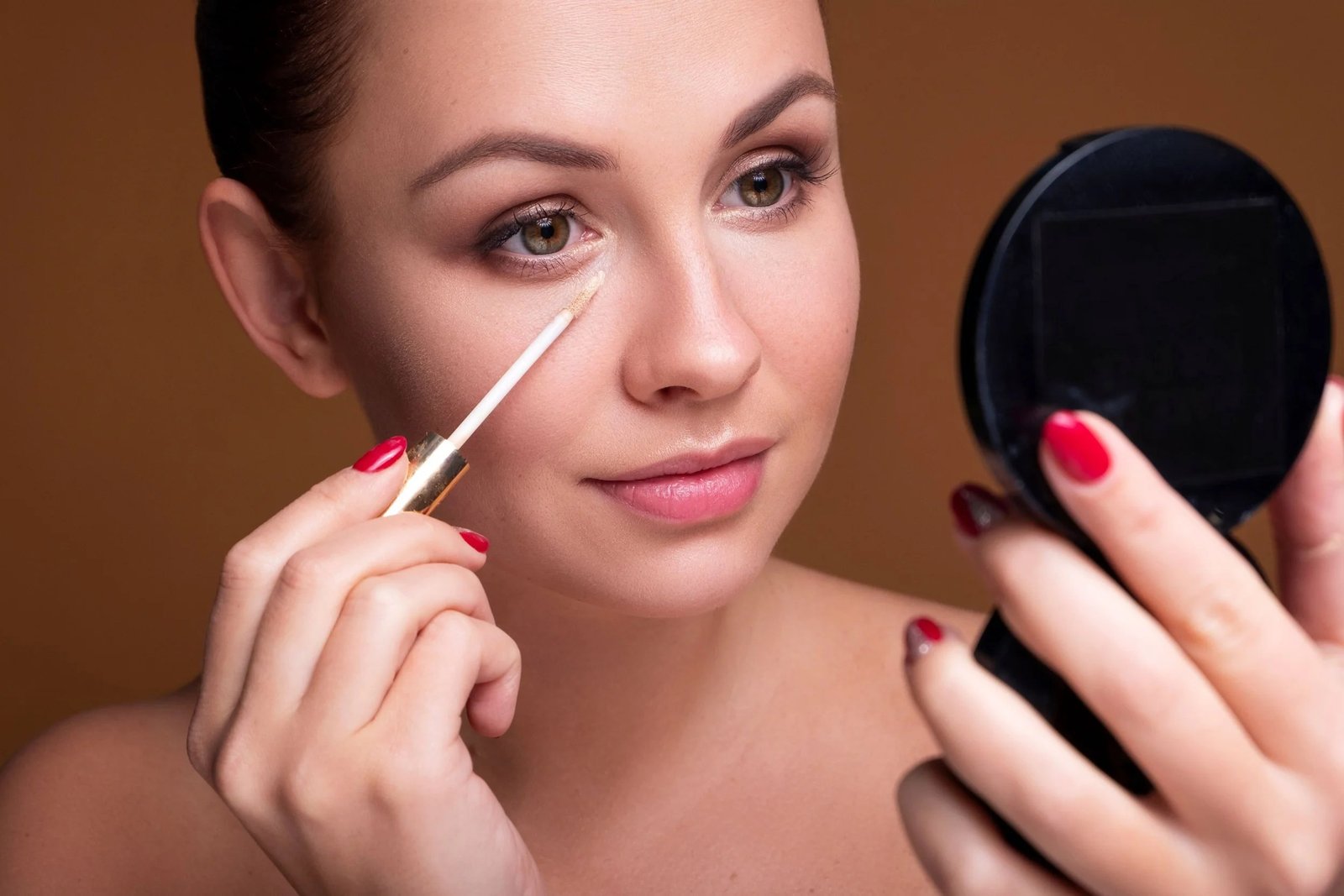
Woman applying colour corrector beneath her eye with a wand at a vanity.
Affiliate disclosure: Mirror & Glow may earn a commission from qualifying purchases made through links on this page, at no extra cost to you. Full disclosure.
The verdict up front: start with Bobbi Brown Intensive Skin Serum Corrector, the strongest all round match in this line up for dark circles mature skin. Every pick is compared in the table below, then reviewed in full with its downsides as well as its strengths.
If you are looking for the best color corrector for dark circles mature skin, the right choice depends on fit, not hype. This guide is written for dark circles mature skin, and every criterion below is weighted for that need first. The short answer: choose the color corrector whose formula, format and strength match your routine, check the ingredient or specification list before the marketing claims, and avoid the options whose downsides match the problem you are trying to solve.
What matters most in color corrector is covered in depth below: what the product actually is, the types on sale and how they differ, the buying criteria explained one by one, how to use what you buy, and the mistakes that waste the most money in this category.
Best Color Corrector for Dark Circles Mature Skin Compared
Product
Standout Point
Key Specification
Bobbi Brown Intensive Skin Serum CorrectorTop Pick
Serum texture stays flexible on crepey under eyes
7 ml bottle – serum corrector – bisque and peach shade families – doe foot applicator
This is the corrector mature under eyes keep coming back to, because it treats correction as a skincare step rather than a layer of paint. The formula is a serum hybrid, built with cordyceps mushroom and other skin conditioning ingredients in a fluid that stays flexible on thin, crepey skin instead of drying down into lines. Bobbi Brown splits the range into two families, and the distinction matters for dark circles: Bisque shades are pink based and cancel blue and purple shadows on fair to medium skin, while Peach shades are orange based and neutralise the deeper blue-green and brown shadows on medium to deep skin. The doe foot lays down a thin veil, and the correct technique is a small amount pressed only where the shadow actually sits, usually the inner half of the under eye, then concealer over the top only if brightness is still needed. Because the texture is emollient, it does not grab or skip over dry patches the way matte correctors do, which is the usual failure on skin over 50. The honest costs are the price for a small 7 ml bottle and the fact that it is a corrector, not a concealer: on its own it cancels colour without adding much coverage or brightness, so most readers will pair it with a light concealer layer.
Specifications
7 ml bottle
serum corrector
bisque and peach shade families
doe foot applicator
Pros
Serum texture stays flexible on crepey under eyes
Bisque and peach families match the shadow colour, not just skin tone
Thin layer corrects without adding bulk under concealer
Cons
Expensive for a small 7 ml bottle
Corrects colour but adds little coverage alone
Emollient finish needs a light set on oily lids
Who should buyyour dark circles are blue or purple toned and your under eye skin is dry, lined or crepey
Who should skipyou want a single product that corrects and covers in one step, or your circles are mainly brown pigmentation
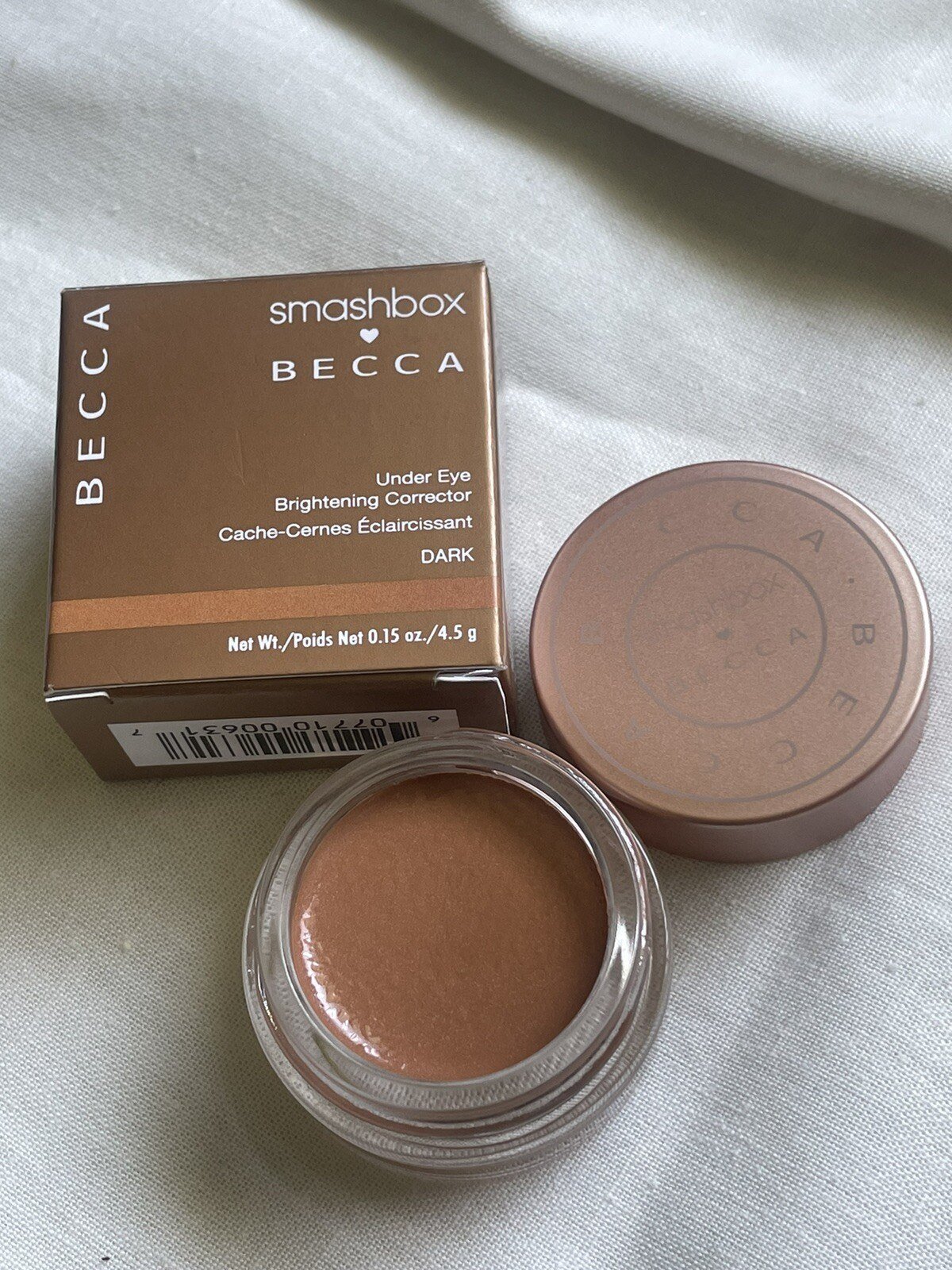
When Becca closed, this little pot was the product loyalists petitioned to save, and Smashbox revived it because nothing else quite does its job: it is a backlit corrector, a creamy peach pigment loaded with light reflecting pearls that optically lift the under eye while the colour cancels the shadow. For mature skin that dual action is valuable, because dark circles over 50 are usually part pigment and part shadow cast by hollowing, and a flat matte corrector fixes only the first half. The texture is rich and tacky in the pot, which frightens people, but warmed between fingers and pressed on in a sheer layer it grips, brightens and stays reflective rather than cakey. Eight shades run from Fair Light through deeper peach tones, so the correction can be matched to both skin depth and shadow depth. It sits best under a light concealer or even alone on no makeup days when the goal is looking rested rather than covered. The trade offs are real: the pot format is less hygienic than a wand, the richness will crease if it is piled on or left unset, and the pearl finish is wrong for anyone who wants an invisible matte result. Used thinly and set with the finest dusting of powder, it is the strongest brightening corrector here.
Specifications
4.5 g pot
brightening cream corrector
8 shades
light reflecting pearl finish
Pros
Pearl reflectors lift shadow as well as cancelling colour
Rich cream grips and does not slide on dry skin
Eight shades cover fair through deep skin
Cons
Pot format is less hygienic than a wand
Creases if applied thickly or left unset
Shimmer finish is not for matte purists
Who should buyyour circles are as much shadow and hollowness as pigment, and your under eyes look tired even when covered
Who should skipyou dislike any shimmer or glow under the eyes, or you need heavy pigment coverage rather than brightness
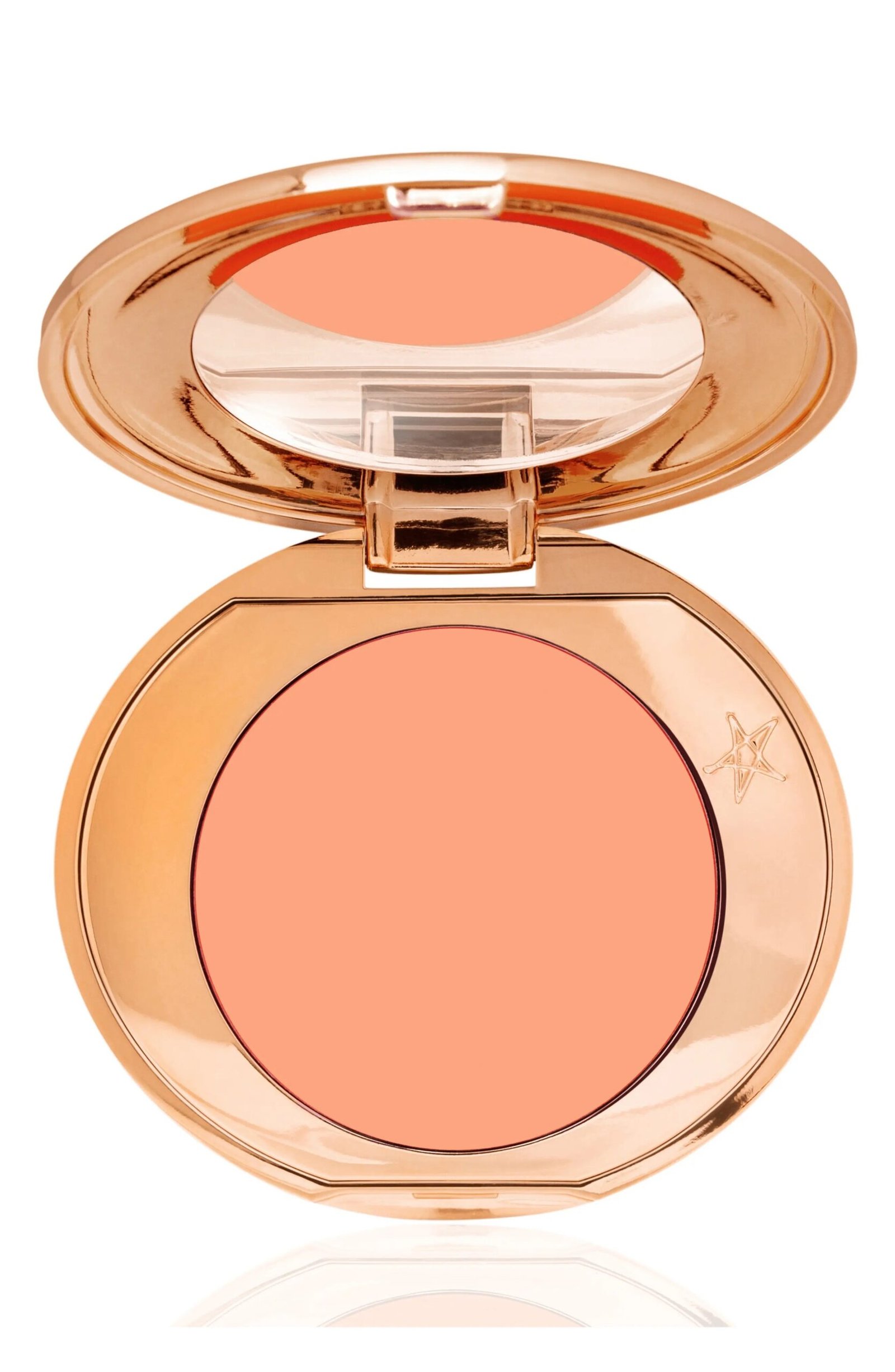
Magic Vanish is the full correction option in a compact: a dense, buttery cream that behaves like a colour correcting concealer, with enough pigment to cancel strong blue and purple shadows in one pressed layer rather than two. The formula is built on carnauba wax and mica, which gives it that balm like slip and a soft focus finish, and the brand positions the flavonoid rich blend as helping the under eye look less puffy over time. Four shades step from Fair through Tan, with the medium peach tones doing the heavy lifting for most dark circles. For mature skin the appeal is efficiency: because the pigment load is high, the layer can stay thin, and thin layers are what survive on lined under eyes without cracking by midday. It applies best warmed with a fingertip or a small brush, pressed into the shadow and edged out, then left for a minute before concealer so the waxes settle. The limits are the small shade range, which leaves the deepest and fairest skin guessing between steps, a texture that can feel heavy if it is treated like a concealer and spread everywhere, and a price that reflects the brand rather than the 2.5 g of product. For strong shadows that eat sheer correctors, it earns its place.
Specifications
2.5 g compact
cream colour corrector
4 shades
mirrored compact with brush friendly texture
Pros
High pigment cancels strong shadows in one thin layer
Buttery texture presses into lines without cracking
Compact format is precise and travel friendly
Cons
Only four shades, with gaps at both extremes
Feels heavy if spread beyond the shadow
Premium price for 2.5 g of product
Who should buyyour circles are strong, blue purple and eat through sheer correctors
Who should skipyour circles are faint and only need brightening, where this pigment level is more than the job needs
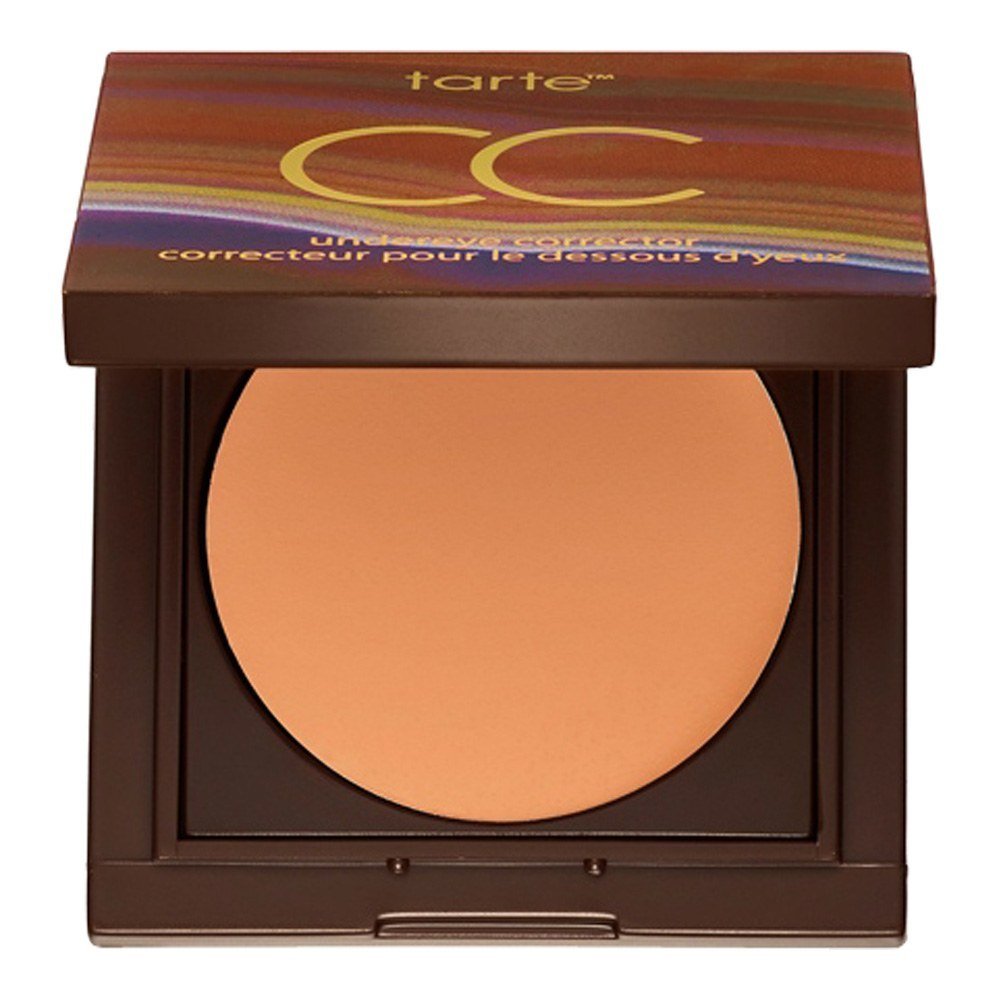
Tarte built this corrector around its colored clay base, a creamy pressed pigment designed to colour balance, brighten and smooth in one step, with caffeine and licorice root in the formula aimed at the look of puffiness and discolouration. The two shades, Light-Medium Peach and Medium-Tan Peach, are unapologetically peach, which is exactly the hue that cancels blue under eye shadows, and the cream sets down to a natural, slightly satin finish that does not need concealer over it on lighter makeup days. For mature skin the texture is the story: it is a soft, blendable cream that melts in with a fingertip and does not have the dry, waxy drag that makes some pot correctors pull on delicate skin. The clay base also gives it more staying power than a purely emollient corrector, so it survives a workday without migrating into fine lines as fast. The constraints are the shade range, because two shades cannot serve very fair or deep skin precisely, and the coverage, which is corrective and medium rather than full, so very dark hereditary circles will still want a concealer layer on top. As a one step correct and brighten for the middle of the skin tone range, it is one of the most wearable formulas here.
Specifications
2.3 g compact
colored clay cream
caffeine and licorice root
2 peach shades
Pros
Peach clay cream corrects and brightens in one step
Soft texture blends without dragging delicate skin
Sets to a natural finish that can stand alone
Cons
Only two shades, both mid range
Medium correction, not full coverage
Deep hereditary circles still need concealer over it
Who should buyyou are fair to medium tan and want one product that corrects and finishes the under eye
Who should skipyou sit outside the two shade range, or your circles need full pigment correction
NARS took the formula logic of its Radiant Creamy Concealer, the under eye favourite in our concealer guide, and rebuilt it as a dedicated corrector in four targeted shades. The texture is the advantage for mature skin: a fluid cream that spreads in a genuinely thin layer, corrects with light diffusing powders rather than heavy pigment, and keeps the radiant finish that stops corrected under eyes looking flat or grey. The shades step through peach tones for blue shadows and a deeper orange leaning tone for stronger discolouration on deeper skin, all with the blendability that makes the concealer version so forgiving on lines. Application is wand dots along the shadow, blended with a damp sponge or fingertip, and the layer is thin enough that concealer over the top still totals less product than one heavy concealer alone. That thinness is also the limit: this is a corrector for mild to moderate circles and for readers whose main complaint is dullness with their shadow, and very dark or hereditary circles will find the correction gentle rather than complete. The price per millilitre is prestige level, as with the concealer. For lined, dry under eyes that punish every thick formula, its restraint is precisely the point.
Specifications
6 ml tube
liquid cream corrector
4 shades
doe foot applicator
Pros
Fluid thin layer that respects fine lines
Radiant finish prevents the grey, flat look
Blends as forgivingly as the matching concealer
Cons
Gentle correction on very dark circles
Prestige price per millilitre
Four shades leave some skin tones between steps
Who should buyyour under eyes are dry and lined and every thick corrector you try settles or cracks
Who should skipyour circles are very dark and need dense pigment correction first
The Huestick began as a viral answer to a real gap: correctors designed first for medium and deep skin, in shades of orange and red that actually cancel the grey green shadows deeper skin gets, from a brand founded specifically around that problem. The five shades run from a soft peach through true orange to a deep red, and the stick format makes placement exact, drawn straight onto the shadow and blended with fingers, a brush or a sponge. The formula is a skincare hybrid with squalane, hyaluronic acid and vitamins C and E, so it stays balmy and blendable rather than drying down tight, which suits mature skin and also lets the same stick double as blush or lip colour on the lighter shades. For this guide its centre of gravity is readers with deeper skin tones, whose circles are the worst served by the pale peach correctors that dominate the category. Fair skin can use the lightest shade, Rise, but should apply sparingly because the pigment is honest. The trade offs are that the balmy finish needs setting under concealer to stop transfer, the stick can be dragged too heavily on first use, and 3 g runs down faster than a tube. For depth of shade range where it matters most, it leads the field.
Specifications
3 g twist stick
multipurpose corrector
5 shades
squalane and hyaluronic acid
Pros
Orange to red shades built for medium and deep skin
Stick format places correction exactly on the shadow
Balm texture with squalane stays blendable
Cons
Needs setting to prevent transfer
Easy to over apply straight from the stick
Small 3 g size runs down quickly
Who should buyyou have medium to deep skin and pale peach correctors turn grey or ashy on you
Who should skipyou are very fair, where even the lightest shade needs a careful, sparing hand
The Camo Color Corrector is the budget proof that correction is about hue, not price: a full pigment liquid in five shades, of which the Peach is the dark circle shade for fair to medium skin and the Orange carries medium to deep skin. The formula is infused with hyaluronic acid and rose flower water, and while no one should buy a corrector for its skincare claims, the result is a liquid that stays creamy long enough to blend properly instead of grabbing dry under eyes. The big doe foot from the Camo concealer line delivers a lot of product, so the working method is dots off the back of the hand, pressed on with a small brush or fingertip in a layer thinner than instinct suggests. Set under concealer, the correction is genuinely comparable to correctors at five times the price, which is why this tube is the standard recommendation for readers testing whether colour correction works for them at all. The honest limits are a creasing tendency if the layer is thick or left unset, shades that run saturated so fair skin must blend edges carefully, and a finish that needs its concealer partner to look finished. As an entry point and a daily driver for the price of a coffee, nothing else here competes.
Specifications
8 g tube
liquid corrector
5 shades
hyaluronic acid and rose flower water
Pros
Full pigment correction at a true budget price
Peach and orange shades cover most shadow types
Creamy liquid blends before it sets
Cons
Creases if applied thickly or left unset
Saturated shades need careful edge blending on fair skin
Needs concealer over it to look complete
Who should buyyou want to test colour correction, or correct daily, without prestige money in the drawer
Who should skipyou want a corrector that also brightens and covers on its own
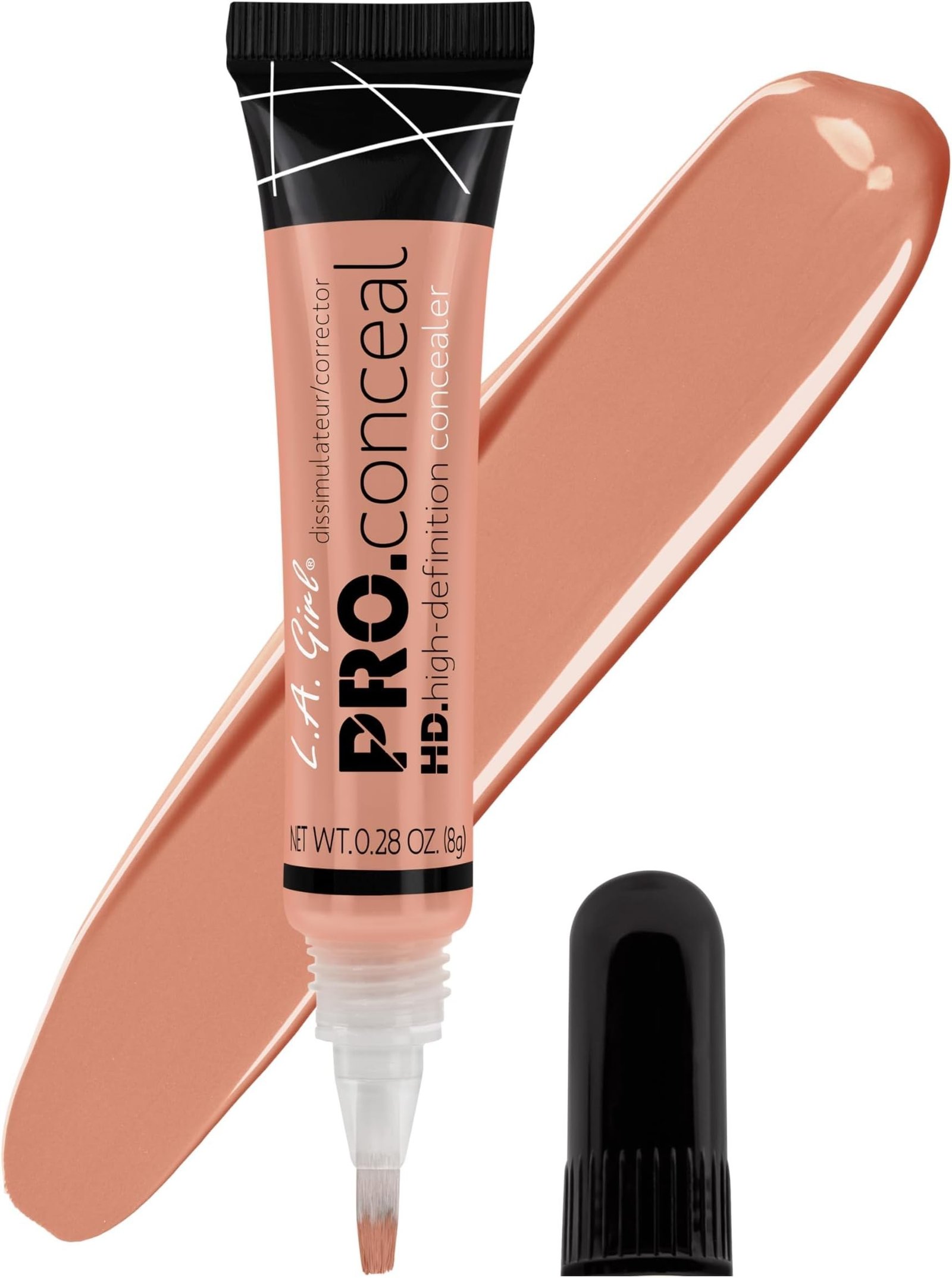
L.A. Girl’s Pro.Conceal line is a makeup artist staple that happens to cost very little, and its Peach Corrector, shade GC994, is the tube professionals buy in multiples for kit work on blue toned shadows. The formula is a creamy, opaque liquid that the brand describes as crease resistant with a long wearing, lightweight feel, and in practice it corrects decisively: the peach is properly peach, not a tinted concealer pretending, so a small amount neutralises the shadow rather than layering beige over it. The brush tip applicator paints the product exactly along the shadow line, which suits the inner corner crescent where mature dark circles concentrate. It blends with a fingertip or sponge and sits happily under any concealer weight. The compromises are those of its price class: the tube’s brush can deliver more than the under eye needs, so working off the hand is wise, the shade range for correction is a single peach plus an orange and yellow elsewhere in the line rather than a graded family, and the finish is matte enough that very dry under eyes will want eye cream fully absorbed underneath first. For readers who want the professional correction step at the lowest possible cost per use, this is the tube.
Specifications
8 g tube
brush tip applicator
shade GC994 Peach Corrector
crease resistant formula
Pros
True peach pigment that neutralises rather than tints
Brush tip places product precisely on the shadow
Kit staple formula at a minimal price
Cons
Brush can overload the under eye
Single peach shade rather than a graded range
Matte finish wants eye cream under it on dry skin
Who should buyyou want decisive peach correction for blue shadows at the lowest cost here
Who should skipyour under eyes are very dry and you prefer an emollient, radiant corrector
Maybelline Instant Age Rewind Eraser Color Correcting Concealer
This is the colour correcting sibling of the Age Rewind concealer that leads our dark circle concealer guide, in the orange shade the brand directs at dark circles on medium to deeper skin. It inherits the format mature readers already know: a twist up pen feeding a sponge cushion applicator, so the corrector is pressed on in a soft, diffused layer with no brush needed and no hard edges to blend out. The formula is a thin, moisturising liquid that wears for a claimed up to 12 hours and, crucially for lined under eyes, does not settle the way thicker correctors do when it is applied in the sheer layer the sponge encourages. The orange is properly saturated, which is what deeper shadows need, and under a skin tone concealer it removes the grey cast that concealer alone leaves behind. The limits mirror the concealer version: the sponge applicator divides opinion on hygiene, the shade story is simple, with this orange suiting medium to deep skin while fair readers are better served by the peach correctors elsewhere in this guide, and the correction is moderate rather than theatrical. For Age Rewind loyalists with deeper shadows, it is the natural first corrector to try, at a drugstore price that makes the experiment cheap.
Specifications
6 ml twist pen
sponge cushion applicator
orange corrector shade
up to 12 hour wear
Pros
Sponge applicator presses on a diffused, edge free layer
Thin moisturising formula resists settling into lines
Saturated orange corrects deeper shadows under concealer
Cons
Sponge applicator raises hygiene questions
Orange shade suits medium to deep skin only
Moderate correction, not for the darkest circles alone
Who should buyyou already use Age Rewind concealer and have medium to deep skin with grey looking shadows
Who should skipyou are fair skinned, where this orange will overwhelm rather than correct
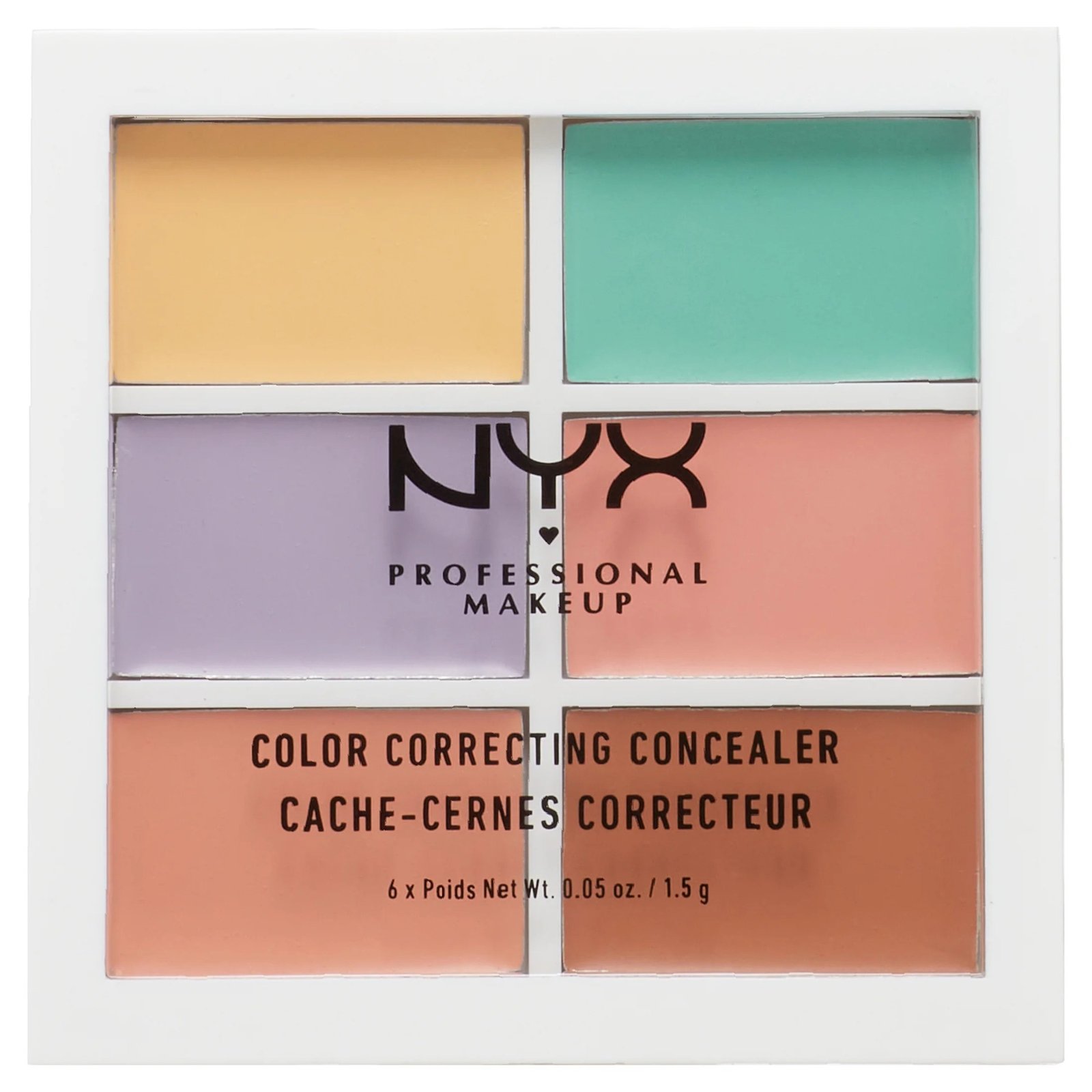
Most readers of this guide need one corrector, but some faces run several colour problems at once, and this six pan cream palette is the economical way to own the whole correction map. The pans cover green for redness, lavender for sallowness, yellow for purple tones and, the relevant ones here, peach shades for blue under eye shadows, plus two skin tone creams that can stand in as light concealer over the top. The creams are workable and blendable, in the style of a kit palette rather than a luxury balm, and for mature skin they perform best warmed on the back of the hand and pressed on thinly, ideally over well moisturised under eyes. Its real value in this guide is diagnostic: a reader unsure whether their shadow is blue, purple or brown can test the peach against the yellow and learn their colour before spending on a full size single corrector. The compromises are texture and depth: the creams are drier than the dedicated correctors above and can sit on lined skin if applied straight from the pan, and the peach pans are mid toned, so deep skin will find them too light to cancel strong shadows. As a learning tool and a multi problem solver at a low price, it earns the final slot.
Specifications
9 g palette
6 cream shades
peach, yellow, green, lavender and two skin tones
Pros
Whole correction colour map in one low priced palette
Lets readers test peach against yellow to learn their shadow
Skin tone pans can double as light concealer
Cons
Creams run drier than dedicated correctors
Peach pans too light for deep skin shadows
Several pans will go unused by single problem readers
Who should buyyou have several colour issues at once, or want to learn which corrector hue your shadow needs
Who should skipyou need one deep, precise corrector for dark circles only
A colour corrector is a pigmented product in an opposite colour to the concern it neutralises: peach and orange for blue and brown darkness, green for redness, lavender for sallowness. It goes under foundation or concealer, in thin layers, and it is a precision tool rather than a base.
The colour wheel logic is real but dosage is everything: correctors neutralise by mixing optically with the discolouration, so a thin layer corrects, while a thick layer simply shows through as its own colour. Depth of shade follows depth of skin: pale peach for fair skin’s circles, deeper orange for rich skin tones. Green correctors are the most overused, since most redness needs far less green than people apply. Correctors earn their keep on strong discolouration; mild unevenness is foundation’s job.
How to Choose: the Criteria That Matter
Choosing makeup well is mostly shade and finish discipline. Decide the finish your skin type needs before looking at shades, then test shades at the jawline in daylight and give them a minute to settle. Read the formula base against your skin: oil free for congestion prone skin, hydrating for dry. Finally, match wear to your real day. Most disappointing makeup purchases are the right product in the wrong finish or the wrong undertone, both of which are checkable before money is spent.
Finish first: matte for oily skin, luminous for dry or mature skin, natural for everyday wear
Finish is the decision everything else hangs on. Matte formulas control oil and can emphasise dryness and lines; luminous formulas forgive texture and can slide on oily skin; natural finishes split the difference and suit most people most days.
Shade and undertone range, because an exact match hides more than extra coverage does
A shade that matches your undertone disappears into the skin; one that does not sits visibly on top of it however well it is blended. Test at the jawline, in daylight, and allow a minute for the formula to settle before judging.
Formula base: oil free for acne prone skin, hydrating for dry or mature skin
Oil free and silicone smooth formulas behave on acne prone and oily skin; hydrating, cream based formulas are what dry and mature skin needs to avoid product settling into every line by noon.
Wear time and transfer behaviour for your day, from school runs to long events
A school run face and a twelve hour event face are different products. Long wear formulas trade comfort and easy removal for staying power, so match the wear claim to the day you actually live.
Application method it is designed for: sponge, brush or fingers
Sponges sheer products out and leave the most skin like finish, brushes build coverage and precision, and fingers warm creams into the skin. Some products are formulated for one method, and using another explains many disappointing results.
Also Considered
These products were researched for this guide and left off the picks list for the reasons given. They are not poor products; they simply fit the exact question of this guide less well.
Pixi Correction Concentrate in Brightening Peach
A genuine and well loved peach corrector, left off because it comes in a single shade that serves only fair to light medium skin, and its very emollient texture creases on lined under eyes unless set carefully. The Bobbi Brown and tarte picks cover its brief with better shade logic.
IT Cosmetics Bye Bye Under Eye Concealer
Researched because readers ask for it here, but it is a full coverage concealer, not a colour corrector, so it belongs to our concealer guide rather than this one. Used over a corrector from this page, it is an excellent partner.
Catrice Under Eye Brightener
A brightening budget pen researched as the low cost option. It was left off because its shades run very light and pink, brightening fair skin but doing little true colour correction, and nothing for medium or deep shadows.
Milani Supercharged Brightening Undereye Tint
A sheer brightening tint rather than a corrector: it freshens the under eye but does not carry the peach or orange pigment needed to cancel a real shadow, so it could not meet this guide’s standard.
How to Use What You Buy
Prep skin with moisturiser and, for daytime, sunscreen, and let both set for a minute
Apply a small amount to the centre of the face or the area of concern first
Blend outward in thin layers, building only where you need more coverage
Check the result in natural light near a window before adding more
Set only the areas that crease or shine, rather than powdering everything
Makeup performs on the skin underneath it. A moisturised, sunscreen protected base, given a minute to settle, is what separates a product that looks like skin from one that sits on top of it. Build in thin layers, check the result in natural light, and set only the areas that need it. When a product disappoints, change the prep and the application method once before replacing it.
Apply a small amount only on the discoloured area, blend the edges, wait a moment, then concealer or foundation over it. Build in two thin layers rather than one thick one if correction is incomplete.
Who Should Buy, and Who Should Skip
Buy if your need matches this guide exactly: you are looking for options for dark circles mature skin, you have checked the criteria above against your current routine, and you are willing to introduce the product gradually and judge it over the period the category needs.
Skip if your concern is different from the one in the title, your skin or hair is currently irritated or damaged and needs recovery first, or a clinician has advised you on this concern, in which case their advice comes before any buying guide.
Common Mistakes in Color Corrector
Choosing a shade from the back of the hand instead of the jawline
Applying one thick layer instead of two thin ones
Skipping skin prep, then blaming the product for texture
Matching to tanned or made up skin rather than your bare skin tone
Painting corrector over large areas like a base, which guarantees a coloured cast under foundation
Using green on every red mark at full strength, when a whisper would neutralise it
Frequently Asked Questions
How do I choose the right color corrector?
Start with the criteria in this guide: match the formula or specification to your skin type and the exact concern in the title, check the published ingredient or specification list, and pick the option whose downsides do not overlap with your problem. The type decision comes first: most disappointment in color corrector is a good product bought in the wrong type.
How long before I see results from a color corrector product?
It depends on the category, but most makeup products need consistent use over several weeks before a fair judgement. Devices and treatments state their expected course in the manual or on the packaging, and that timeline is the one to follow. Judge on the category’s clock, not on the first week.
What should I avoid when buying for dark circles mature skin?
Avoid buying on claims alone: skip options with no published ingredient or specification list, strengths far beyond what your routine needs, and any product whose stated downsides match the exact issue you are trying to fix. Also avoid changing two other parts of your routine in the same week, which makes the new product impossible to judge.
Is the most expensive option always the best?
No. In color corrector, price often reflects branding, packaging and extras rather than the core ingredient or specification doing the work. The criteria in this guide matter more than the price band, and mid priced options with the right specification beat premium options with the wrong one.
What is the most common mistake with color corrector?
Painting corrector over large areas like a base, which guarantees a coloured cast under foundation A close second: using green on every red mark at full strength, when a whisper would neutralise it
How does color corrector fit into a daily routine?
Apply a small amount only on the discoloured area, blend the edges, wait a moment, then concealer or foundation over it. Build in two thin layers rather than one thick one if correction is incomplete. Makeup performs on the skin underneath it.
How to Apply Color Corrector and Concealer under Eyes?
The companion how-to guide, How to Apply Color Corrector and Concealer under Eyes, covers this in full: the step by step method, the right amounts and frequency for your type, and the mistakes that stop it working. It is linked from the routine sections of this page, and it is the right next read once you have chosen a product.
By Mirror & Glow Editorial Desk – November 23, 2026
How to Apply Color Corrector and Concealer under Eyes? Apply a small amount only on the discoloured area, blend the edges, wait a moment. The full method, the mistakes to avoid, and where it fits in your routine.
By Mirror & Glow Editorial Desk – November 23, 2026
Can You Use Color Corrector on Its Own? Apply a small amount only on the discoloured area, blend the edges, wait a moment. The full method, the mistakes to avoid, and where it fits in your routine.
By Mirror & Glow Editorial Desk – November 23, 2026
Color Corrector vs Concealer for Dark Circles: the differences set out in a full table, what each option does best, the downsides of each, and a verdict for your use case.