By Mirror & Glow Editorial Desk – November 23, 2026
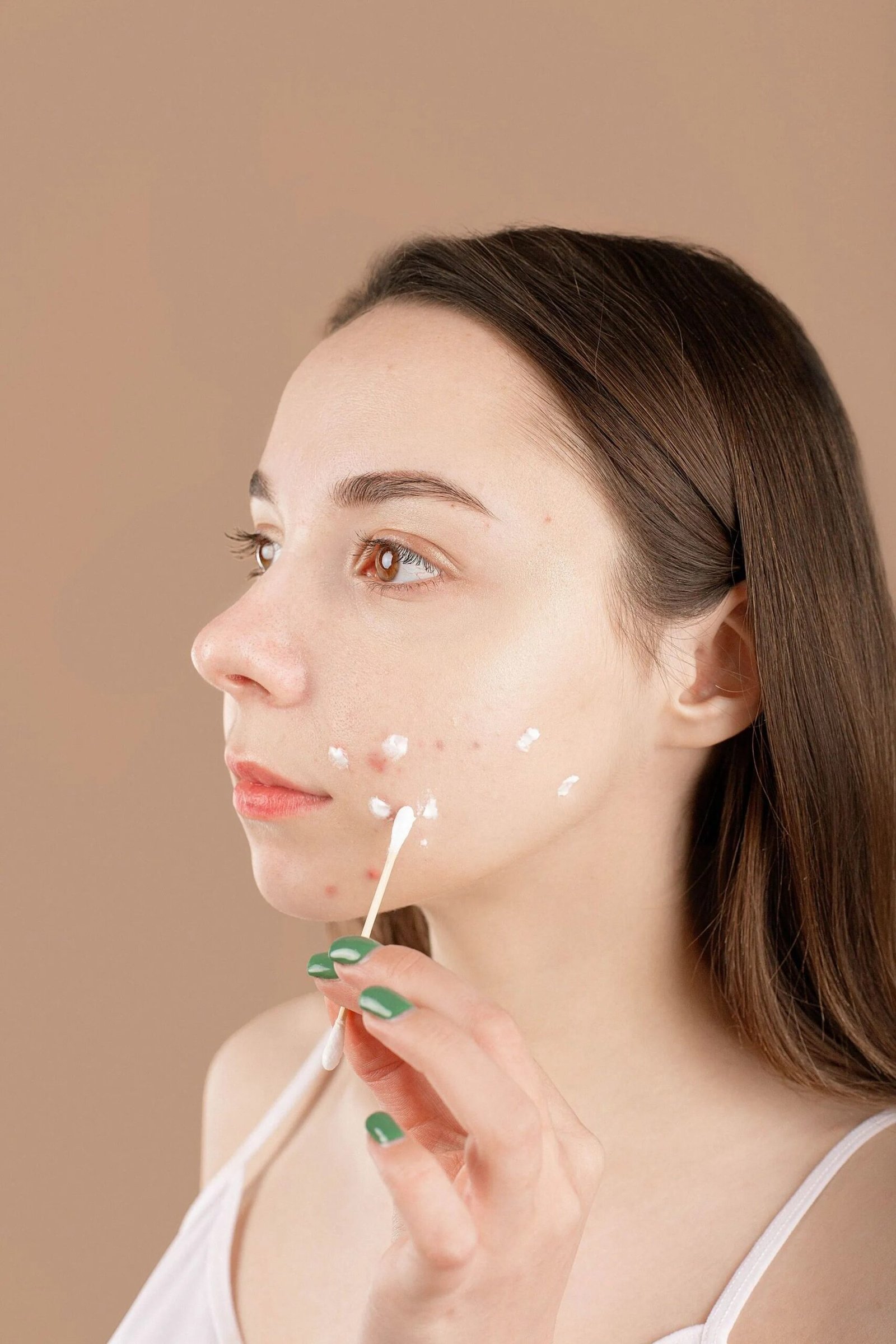
Woman dabbing spot treatment cream onto blemishes on her jaw with a cotton bud.
Affiliate disclosure: Mirror & Glow may earn a commission from qualifying purchases made through links on this page, at no extra cost to you. Full disclosure.
The verdict up front: start with Neutrogena Rapid Clear Stubborn Acne Spot Gel, the strongest all round match in this line up. Every pick is compared in the table below, then reviewed in full with its downsides as well as its strengths.
If you are looking for the best benzoyl peroxide acne spot treatment, the right choice depends on fit, not hype. This guide is written around the exact need in the title, and every criterion below is weighted for it. The short answer: choose the benzoyl peroxide acne spot treatment whose formula, format and strength match your skin, check the ingredient or specification list before the marketing claims, and avoid the options whose downsides match the problem you are trying to solve.
What matters most in benzoyl peroxide is covered in depth below: what the product actually is, the types on sale and how they differ, the buying criteria explained one by one, how to use what you buy, and the mistakes that waste the most money in this category.
Why this guide has nine picks, not ten: leave on benzoyl peroxide gels are sold at standardised strengths, and beyond the nine distinct products above, the remaining listings are near identical store generics of the same formulas. The distinct choices by strength, format and brand are all here.
Best Benzoyl Peroxide Acne Spot Treatment Compared
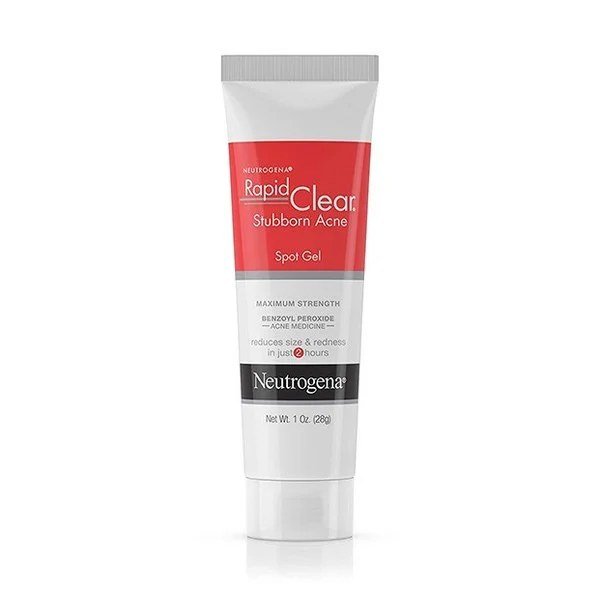
Neutrogena’s Rapid Clear Stubborn Acne spot gel is the mainstream maximum strength option: 10% benzoyl peroxide in a clear gel designed to be dabbed onto individual breakouts rather than spread over the whole face. The brand positions it for stubborn spots, and the published drug facts label gives the full directions and warnings, which matters with an ingredient this strong. Benzoyl peroxide works by reducing the bacteria and inflammation involved in spots, and at 10% it is the highest over the counter strength sold, so the honest guidance is to use a thin film on the spot only, once a day at first. It can bleach pillowcases, towels and clothing collars, a real and permanent effect worth knowing before the first use, and dryness or peeling around the spot is common in week one. The gel format dries down invisibly, so it can be worn under moisturiser and sunscreen in the morning, though many users keep it as an evening treatment. It suits readers whose breakouts are individual inflamed spots rather than widespread congestion, which is better served by a wash or a leave on treatment for the whole area. Keep it away from the eye area and from broken skin, and moisturise the surrounding skin generously.
Specifications
1 oz tube
10% benzoyl peroxide
maximum strength spot gel
Pros
Maximum 10% strength for stubborn individual spots
Clear gel dries invisibly under other products
Full drug facts directions and warnings published
Cons
Bleaches fabrics, towels and pillowcases
10% strength dries and peels many skin types
Spot format does not prevent new breakouts across an area
Who should buyyou get individual stubborn spots and want maximum strength in an invisible gel.
Who should skipyour breakouts are widespread, where an area treatment fits better.
Persa-Gel 10 is one of the longest running benzoyl peroxide spot treatments in US drugstores: a 10% gel in a small 1 oz tube, sold for decades as the maximum strength option for individual spots. Its formula concept is simple, a benzoyl peroxide gel without added fragrance positioning, and the drug facts label publishes the active, directions and warnings in full. For this guide it is the value pick at maximum strength, functionally covering the same job as the Neutrogena gel above it, and the choice between them usually comes down to which texture your skin prefers and which is stocked locally. Apply a thin layer to the spot once daily to start, increasing only if your skin tolerates it, and expect some dryness and flaking around the treated spot in the first week. It bleaches fabrics like every benzoyl peroxide product, so white pillowcases are the practical companion purchase. It is a spot treatment, not an all over preventive: readers with frequent breakouts across the forehead or jawline should look at the La Roche-Posay or Paula’s Choice leave on options in this guide instead, which are designed for whole area use. Keep it off broken skin and away from eyes, and moisturise around, not under, the treated spot.
Specifications
1 oz tube
10% benzoyl peroxide
maximum strength gel
Pros
Maximum strength at a drugstore value position
Decades long track record in US pharmacies
Simple gel with full drug facts labelling
Cons
Bleaches fabrics and bedding
Drying at 10% for many users
Not designed for whole face preventive use
Who should buyyou want maximum strength at a value price from a long established drugstore gel.
Who should skipyour skin is sensitive and needs a 2.5% or 5% starting strength.
Effaclar Duo in its US formula is a different concept from the maximum strength spot gels: 5.5% benzoyl peroxide combined with lipo hydroxy acid in a light cream gel designed to be applied over the whole breakout prone area, not just dabbed on spots. That whole area approach is why dermatology led routines often start here, because it treats visible spots and the clogged pores forming the next ones. One essential clarification: the European Effaclar Duo sold outside the US is a different formula without benzoyl peroxide, so check the drug facts panel for the 5.5% active before assuming a tube is this product. The texture absorbs cleanly and layers under moisturiser and sunscreen, and the brand publishes directions for once to twice daily use, building up gradually. At 5.5% it still dries and can still bleach fabrics, though both effects are milder than the 10% gels. It suits readers with recurring breakouts across the T-zone, cheeks or jawline rather than occasional single spots. Start once a day, moisturise well, and judge over six to eight weeks, since prevention shows in fewer new spots rather than faster healing of existing ones. Keep it away from the eye contour and broken skin.
Specifications
1.35 fl oz tube
5.5% benzoyl peroxide
lipo hydroxy acid
US formula
Pros
Whole area treatment that also works preventively
Moderate 5.5% strength balances effect and dryness
Pharmacy brand with clear published directions
Cons
US and European formulas differ, check the label
Still bleaches fabrics despite lower strength
Cream gel tube is larger but costs more per ounce
Who should buyyour breakouts recur across a whole zone and you want prevention as well as treatment.
Who should skipyou only get one occasional spot and want the cheapest small tube.
Proactiv’s Emergency Blemish Relief packages 5% benzoyl peroxide in two small pocket tubes, a format designed for bags, desks and travel rather than the bathroom shelf. The 5% strength sits in the moderate band, strong enough for individual inflamed spots with less dryness than the 10% gels for many users, and the brand publishes the drug facts directions in full. The twin tube format is the real differentiator: one tube lives at home, one travels, and the small size suits occasional spot sufferers who would never finish a full tube before it expired. The cost of that convenience is price per ounce, which is the highest in this guide, so frequent breakout sufferers should choose a full size product instead. Application is the standard benzoyl peroxide pattern: a thin dab on the spot, once a day at first, moisturiser around it, and care with fabrics, because 5% still bleaches. It is a spot treatment only, with no preventive role for the wider area. Readers building a full Proactiv routine will find it the natural companion to that system’s cleanser and toner, but it works perfectly well as a standalone in any routine that needs a moderate strength spot gel in a portable format.
Specifications
2 x 0.33 fl oz tubes
5% benzoyl peroxide
pocket size spot treatment
Pros
Moderate 5% strength in a portable twin tube format
Suits occasional spot sufferers who waste full tubes
Full drug facts directions published
Cons
Highest price per ounce in this guide
Small tubes run out fast with frequent breakouts
Spot only, no preventive whole area role
Who should buyyou get occasional spots and want a moderate strength gel that travels in a bag.
Who should skipyou treat spots weekly and need value per ounce.
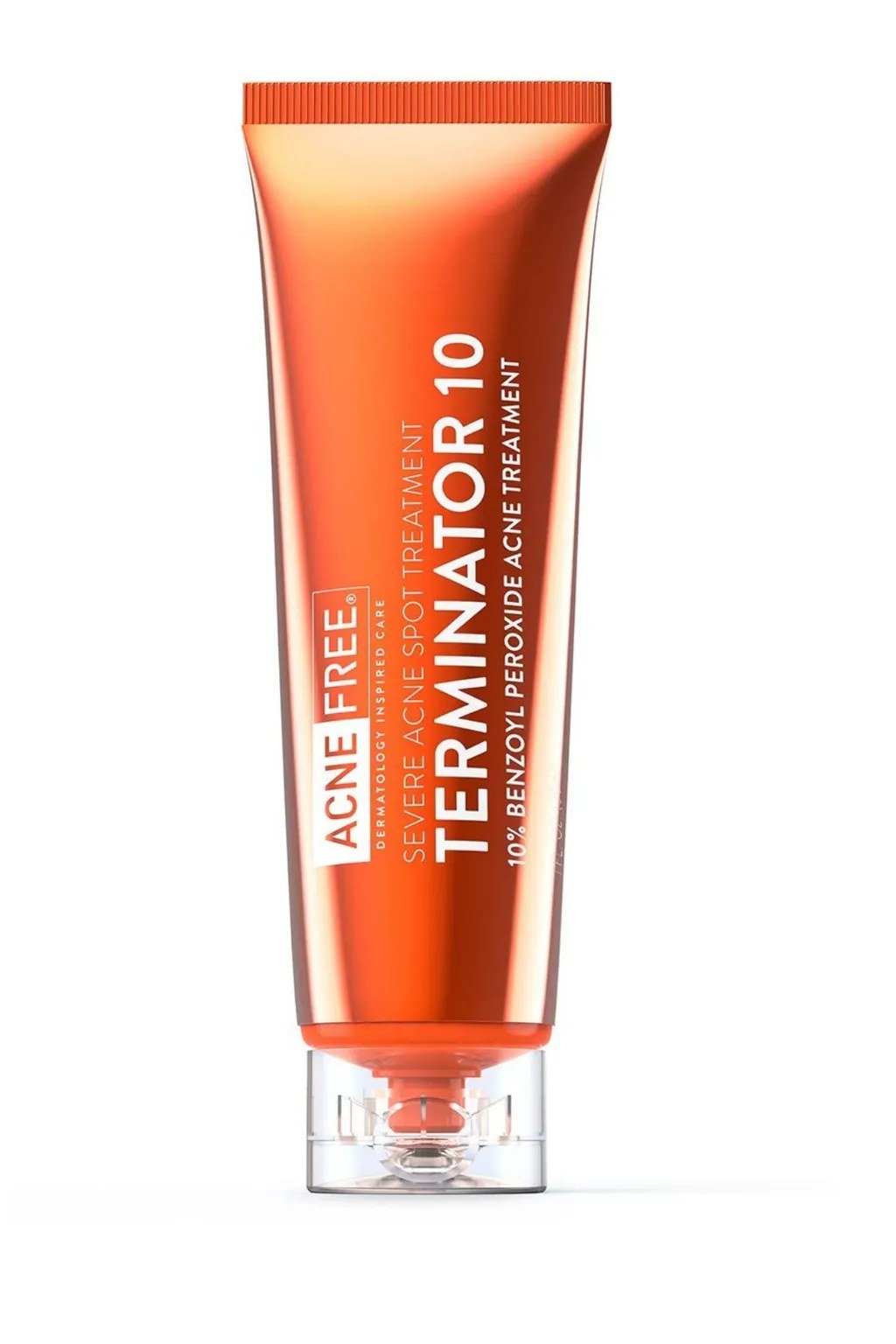
AcneFree’s Terminator 10 is the maximum strength spot gel from a brand that sells only acne products, and it adds ginger and chamomile extracts to its 10% benzoyl peroxide base, a small nod to the irritation the active causes. The drug facts label publishes the active, directions and warnings, and the tube is the standard 1 oz drugstore size. In practice it competes directly with the Neutrogena and Persa-Gel maximum strength gels in this guide: same active, same strength, same spot only role, with the choice resting on texture preference, local availability and how your skin responds to each base formula. Use a thin film on individual spots once a day to begin, expect dryness and flaking in the first week, and keep fabrics in mind because 10% benzoyl peroxide bleaches reliably. It is not a preventive treatment for breakout prone zones; readers needing that should choose the Effaclar Duo or Paula’s Choice options here. AcneFree also sells benzoyl peroxide cleansers and kits, and this gel is the leave on piece of that system for readers who already use the brand. Moisturise the skin around treated spots, keep it away from eyes and broken skin, and stop if burning persists rather than pushing through.
Specifications
1 oz tube
10% benzoyl peroxide
maximum strength spot treatment
Pros
Maximum strength from an acne specialist brand
Soothing plant extracts in the base formula
Standard drugstore tube and pricing position
Cons
Bleaches fabrics like all 10% gels
Drying for sensitive skin at this strength
Spot only role, no area prevention
Who should buyyou want maximum strength from an acne specialist brand with soothing extracts.
Who should skipyour skin dries severely at 10% strength.
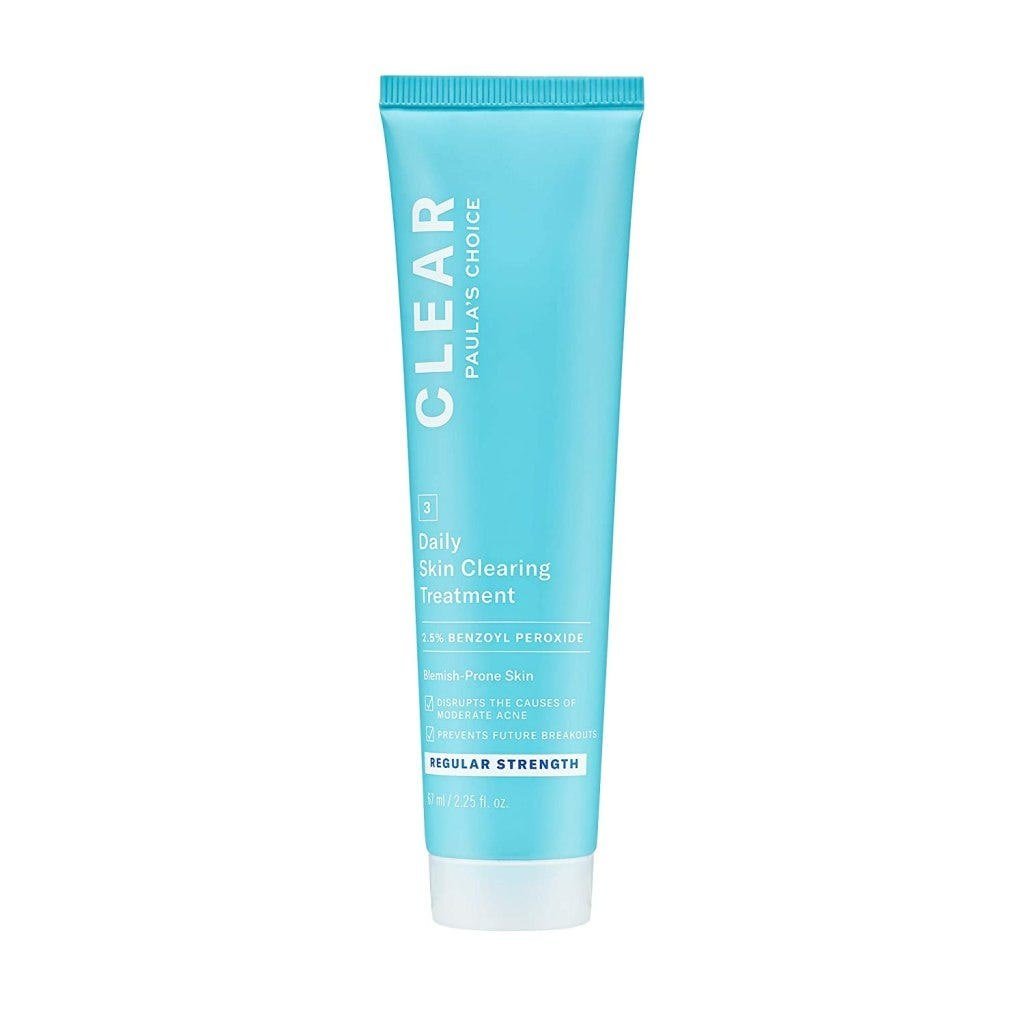
Paula’s Choice sells its CLEAR clearing treatment in two benzoyl peroxide strengths, 2.5% and 5%, in a light lotion designed for whole area application, and that choice of strength is its distinction in this guide. Dermatology research frequently cited for benzoyl peroxide found lower strengths can perform comparably to 10% for many users with less irritation, which is why a 2.5% leave on lotion exists and why sensitive readers should start there. The brand publishes full ingredients and detailed usage guidance, the formula is fragrance free, and the lotion texture spreads over the forehead, cheeks or jawline as a preventive step rather than a spot dab. It still bleaches fabrics, as any benzoyl peroxide leave on can, so evening application with a white pillowcase is the practical pattern. Apply a thin layer once a day after cleansing, build to twice daily if tolerated, and moisturise over it. Judge it on the preventive clock, six to eight weeks of fewer new breakouts, not on overnight spot healing. For readers whose skin has failed maximum strength gels through dryness rather than ineffectiveness, this is the most sensible product in the guide, and the larger 2.25 oz tube suits the whole area role it is designed for.
Specifications
2.25 fl oz tube
2.5% and 5% benzoyl peroxide versions
lotion texture
Pros
Choice of 2.5% or 5% strength for sensitive skin
Lotion format designed for preventive whole area use
Fragrance free with detailed published guidance
Cons
Larger tube costs more upfront than spot gels
Still capable of bleaching fabrics
Preventive results take six to eight weeks to judge
Who should buyyour skin is sensitive and you want a 2.5% or 5% lotion for whole area prevention.
Who should skipyou want a one off spot dab rather than a routine step.
Zapzyt’s acne treatment gel is a long standing US pharmacy staple: 10% benzoyl peroxide in a water based gel, sold at a value price in a plain 1 oz tube. The water based base is its talking point, because some users find water based benzoyl peroxide gels less greasy and easier to layer than cream bases, and the brand publishes the drug facts active, directions and warnings in the standard format. It does the same maximum strength spot job as the Neutrogena, Persa-Gel and AcneFree gels in this guide, and honest buying advice is that these four are close substitutes: choose by price, availability and which base your skin tolerates. Dab a thin film on individual spots once a day at first, keep it off broken skin and away from eyes, and expect the category’s standard first week dryness around treated spots. It bleaches fabrics and hair at the hairline can lighten with repeated contact, so apply carefully and let it dry before dressing. It has no preventive role across a whole zone; frequent breakouts need one of the leave on area treatments in this guide instead. For a single stubborn spot on otherwise calm skin, it is a straightforward, inexpensive tool that has earned its pharmacy shelf place.
Specifications
1 oz tube
10% benzoyl peroxide
water based gel
Pros
Maximum strength in a water based gel base
Value pricing among the 10% gels
Full drug facts labelling as standard
Cons
Bleaches fabrics and can lighten hairline hair
Drying at maximum strength
Spot only, no preventive coverage
Who should buyyou want maximum strength in a water based gel at a value price.
Who should skipyou want a preventive area treatment instead of a spot gel.
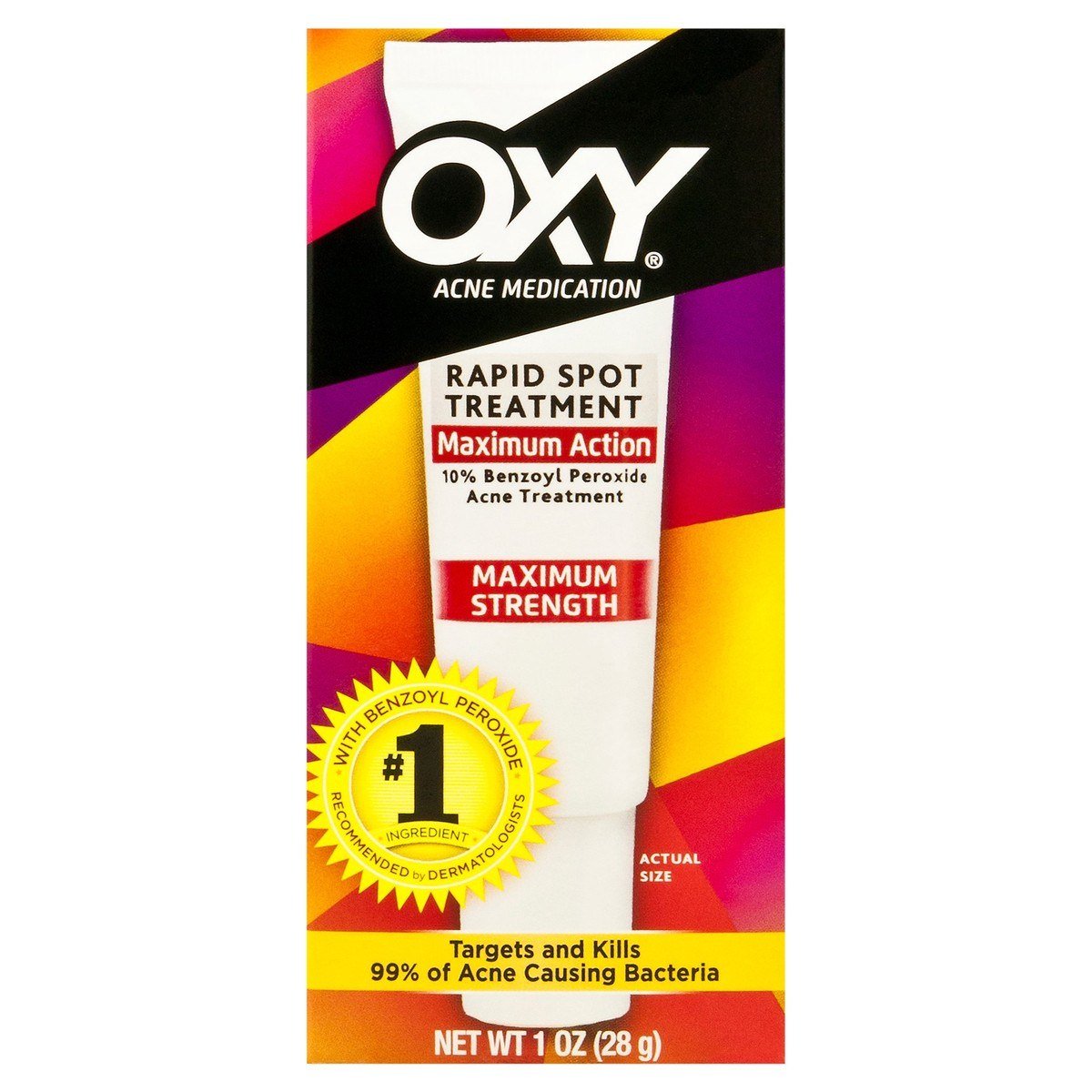
Oxy is one of the oldest acne brands in US drugstores, and its Maximum Action spot treatment carries 10% benzoyl peroxide in a vanishing style gel base designed to dry without a visible white film, which makes it one of the few maximum strength gels practical for morning use under moisturiser and sunscreen. The drug facts panel publishes the active and directions as standard. Like the other 10% gels in this guide, it is a spot weapon, not a routine: a thin dab on an inflamed breakout, once a day to start, with dryness and flaking around the spot the expected first week cost. It bleaches towels, pillowcases and collars reliably, so let it dry fully and use white bedding on treatment nights. Readers choosing between the four maximum strength gels here should weigh base texture and morning wearability, where Oxy makes its case, against brand familiarity. It does not prevent breakouts across an area and should not be spread like a moisturiser; whole area prevention belongs to the Effaclar Duo and Paula’s Choice entries. Keep it away from the eye area and broken skin, moisturise around treated spots, and discontinue if burning or swelling occurs rather than treating that as a normal adjustment.
Specifications
1 oz tube
10% benzoyl peroxide
maximum action spot gel
Pros
Vanishing gel base suits morning use
Maximum strength from a long established acne brand
Full drug facts directions published
Cons
Bleaches fabrics despite the clear finish
Drying at 10% strength for many users
No preventive role for breakout prone zones
Who should buyyou want a maximum strength gel that dries clear enough for morning use.
Who should skipyour skin needs the gentler strengths in this guide.
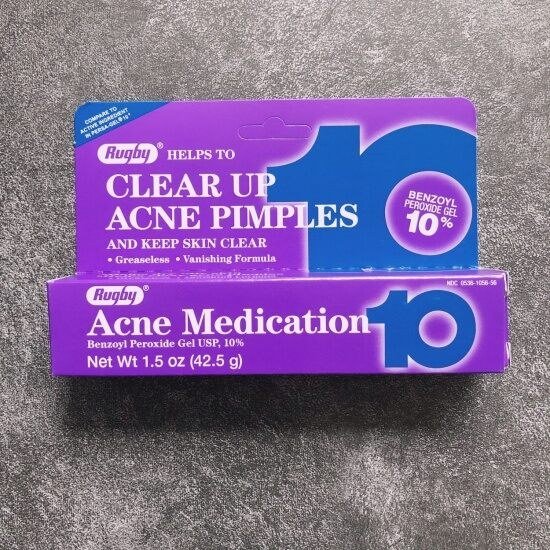
Rugby’s benzoyl peroxide gel is the pharmacy generic entry in this guide: a 10% gel made by a large US generic pharmaceutical manufacturer, sold in a larger 1.5 oz tube, usually at the lowest price per ounce of any product here. Generic drug products must meet the same standards for the active ingredient as branded ones, and the drug facts label states the same 10% benzoyl peroxide, directions and warnings. What you give up is cosmetic elegance: the base is plainer, the packaging is clinical, and there are no soothing extras or brand usage guides. For experienced users who already know benzoyl peroxide suits them and simply want maximum strength gel without brand pricing, that trade is entirely rational. Use it exactly as the other 10% gels: a thin film on individual spots, once a day at first, moisturiser around the spot, and full respect for its bleaching effect on fabrics. It is not a discovery product for beginners, who benefit from the guidance and gentler on ramps of the branded options above, and it has the same spot only limitation. Check the tube on arrival for the drug facts panel confirming the 10% strength, since Rugby sells several look alike acne products at different strengths.
Specifications
1.5 oz tube
10% benzoyl peroxide
pharmacy generic gel
Pros
Lowest price per ounce at maximum strength
Larger 1.5 oz tube suits regular users
Same regulated active as branded gels
Cons
Plain base with no soothing extras or guidance
Clinical packaging, fewer retail reviews to consult
Too strong as a first benzoyl peroxide for beginners
Who should buyyou are an experienced user who wants maximum strength at the lowest price per ounce.
Who should skipyou are new to benzoyl peroxide and need brand guidance and a gentler start.
Benzoyl peroxide is an antibacterial acne active that kills the bacteria involved in spots by releasing oxygen in the pore, with no antibiotic resistance, which is why dermatologists have relied on it for decades. It comes in washes and leave on gels and creams.
Strength is not a simple more is better: leave on studies have long suggested lower strengths around 2.5 percent work about as well as higher ones with less irritation, while washes use higher percentages because contact time is short. Its famous side effect is bleaching: towels, pillowcases and collars lose colour, so white linens are the practical fix. It deactivates some retinoids when layered, adapalene being the stable exception, which is why routines often split them morning and night.
How to Choose: the Criteria That Matter
Choosing skincare well means buying for the skin you have, in the order it needs help. Start with the concern, not the product shelf: breakouts, marks, dryness, redness and lines each have a short list of ingredients with real evidence behind them, and the guide’s topic section names the ones that matter here. Then check your current routine for conflicts before adding anything. Most failed purchases are good products bought for the wrong concern, or two strong actives introduced in the same week so that irritation gets credited to both.
Active ingredient and its stated strength, since a named active without a percentage tells you very little
A percentage on the label lets you compare like with like: a 10 percent azelaic acid and a 2 percent salicylic acid are honest products, while a serum that names an active without a strength is asking you to trust the marketing instead.
Formula type for your skin: gel for oily skin, cream for dry skin, emulsion for combination skin
The same active in a gel, a cream and an oil behaves like three different products. Gel and water based formulas suit oily and combination skin; creams and emulsions carry dry skin through the day; oils are finishing steps, not treatments.
What the formula leaves out: fragrance, drying alcohol and common irritants if your skin is reactive
What is left out decides tolerance. Fragrance, essential oils and drying alcohol are the three most common reasons a well reviewed product stings, flushes or breaks someone out, and sensitive skin should read for their absence first.
How it layers with the rest of your routine, including retinoids, vitamin C and sunscreen
A product that pills under sunscreen or fights your retinoid will not survive in a real routine. Think in pairs: water based before oil based, thinnest to thickest, and actives split across morning and night when they compete.
Packaging that protects the formula, such as airless pumps and opaque bottles for light sensitive actives
Actives degrade in light and air. Vitamin C, retinoids and many antioxidants keep their strength in opaque, airless packaging, and a clear dropper bottle on a sunny shelf is quietly expiring.
Also Considered
These products were researched for this guide and left off the picks list for the reasons given. They are not poor products; they simply fit the exact question of this guide less well.
PanOxyl Acne Foaming Wash 10%
An excellent benzoyl peroxide product that was excluded on format: it is a rinse off wash, not a leave on spot treatment.
Mario Badescu Drying Lotion
A famous spot product, but its active approach is a sulfur and calamine style lotion, not benzoyl peroxide.
Differin Gel
Researched because readers confuse the two; it is adapalene, a different active covered by its own guide.
How to Use What You Buy
Start with clean, dry or slightly damp skin as the product type directs
Apply the amount stated on the product, usually a pea sized amount or two finger lengths for sunscreen
Introduce one new active at a time and give it at least two weeks before judging
Use the product at the time of day it is designed for, and always finish morning routines with sunscreen
Note any stinging, breakouts or dryness in the first week and adjust frequency before giving up
Fit decides whether a good product works. Skincare actives need a stable base routine around them: a gentle cleanser, a moisturiser your skin likes, and sunscreen every morning. Add the new product to that base one at a time, at the frequency the category supports, and keep everything else unchanged for the first month. That discipline is what turns a purchase into a result you can actually attribute.
As a wash, massage in and leave on the skin a couple of minutes before rinsing; as a leave on, a thin layer once daily to start. Introduce over two weeks, moisturise well, and judge the pattern at eight to twelve weeks.
Who Should Buy, and Who Should Skip
Buy if your need matches this guide exactly, you have checked the criteria above against your current routine, and you are willing to introduce the product gradually and judge it over the period the category needs.
Skip if your concern is different from the one in the title, your skin or hair is currently irritated or damaged and needs recovery first, or a clinician has advised you on this concern, in which case their advice comes before any buying guide.
Common Mistakes in Benzoyl Peroxide
Starting three new actives in the same week, which makes reactions impossible to trace
Using more product than directed, which increases irritation without improving results
Skipping sunscreen while using brightening or exfoliating products, which undoes their work
Expecting visible change in days when most skincare actives need weeks of consistent use
Using a high strength leave on daily from day one and burning through the adjustment phase
Layering it over tretinoin in the same session, inactivating the retinoid you paid for
Frequently Asked Questions
How do I choose the right benzoyl peroxide acne spot treatment?
Start with the criteria in this guide: match the formula or specification to your skin type and the exact concern in the title, check the published ingredient or specification list, and pick the option whose downsides do not overlap with your problem. The type decision comes first: most disappointment in benzoyl peroxide is a good product bought in the wrong type.
How long before I see results from a benzoyl peroxide product?
It depends on the category, but most skincare products need consistent use over several weeks before a fair judgement. Devices and treatments state their expected course in the manual or on the packaging, and that timeline is the one to follow. Judge on the category’s clock, not on the first week.
What should I avoid when buying for benzoyl peroxide?
Avoid buying on claims alone: skip options with no published ingredient or specification list, strengths far beyond what your routine needs, and any product whose stated downsides match the exact issue you are trying to fix. Also avoid changing two other parts of your routine in the same week, which makes the new product impossible to judge.
Is the most expensive option always the best?
No. In benzoyl peroxide, price often reflects branding, packaging and extras rather than the core ingredient or specification doing the work. The criteria in this guide matter more than the price band, and mid priced options with the right specification beat premium options with the wrong one.
What is the most common mistake with benzoyl peroxide?
Using a high strength leave on daily from day one and burning through the adjustment phase A close second: layering it over tretinoin in the same session, inactivating the retinoid you paid for
How does benzoyl peroxide fit into a daily routine?
As a wash, massage in and leave on the skin a couple of minutes before rinsing; as a leave on, a thin layer once daily to start. Introduce over two weeks, moisturise well, and judge the pattern at eight to twelve weeks. Fit decides whether a good product works.
Can You Use Benzoyl Peroxide and Adapalene at the Same Time?
The companion how-to guide, Can You Use Benzoyl Peroxide and Adapalene at the Same Time, covers this in full: the step by step method, the right amounts and frequency for your type, and the mistakes that stop it working. It is linked from the routine sections of this page, and it is the right next read once you have chosen a product.
By Mirror & Glow Editorial Desk – November 23, 2026
Can You Use Benzoyl Peroxide and Adapalene at the Same Time? As a wash, massage in and leave on the skin a couple of minutes before rinsing. The full method, the mistakes to avoid, and where it fits in your routine.
By Mirror & Glow Editorial Desk – November 23, 2026
Choosing between benzoyl peroxide vs salicylic acid face wash: how each works, where each one wins, what each costs you in trade offs, and who should pick which.
By Mirror & Glow Editorial Desk – November 23, 2026
How to Get Rid of Acne Scars on Back? The short answer first, then the detail: one active at a time, introduced over two weeks, judged at eight to twelve weeks, with timing, amounts and the errors that stop it working.