By Mirror & Glow Editorial Desk – November 23, 2026
Young woman applying sunscreen to her face on a sunny beach.
Affiliate disclosure: Mirror & Glow may earn a commission from qualifying purchases made through links on this page, at no extra cost to you. Full disclosure.
The verdict up front: start with La Roche-Posay Anthelios Clear Skin SPF 60, the strongest all round match in this line up for acne prone skin. Every pick is compared in the table below, then reviewed in full with its downsides as well as its strengths.
If you are looking for the best chemical sunscreen for acne prone skin, the right choice depends on fit, not hype. This guide is written for acne prone skin, and every criterion below is weighted for that need first. The short answer: choose the chemical sunscreen whose formula, format and strength match your skin, check the ingredient or specification list before the marketing claims, and avoid the options whose downsides match the problem you are trying to solve.
What matters most in chemical sunscreen is covered in depth below: what the product actually is, the types on sale and how they differ, the buying criteria explained one by one, how to use what you buy, and the mistakes that waste the most money in this category.
Best Chemical Sunscreen for Acne Prone Skin Compared
Product
Standout Point
Key Specification
La Roche-Posay Anthelios Clear Skin SPF 60Top Pick
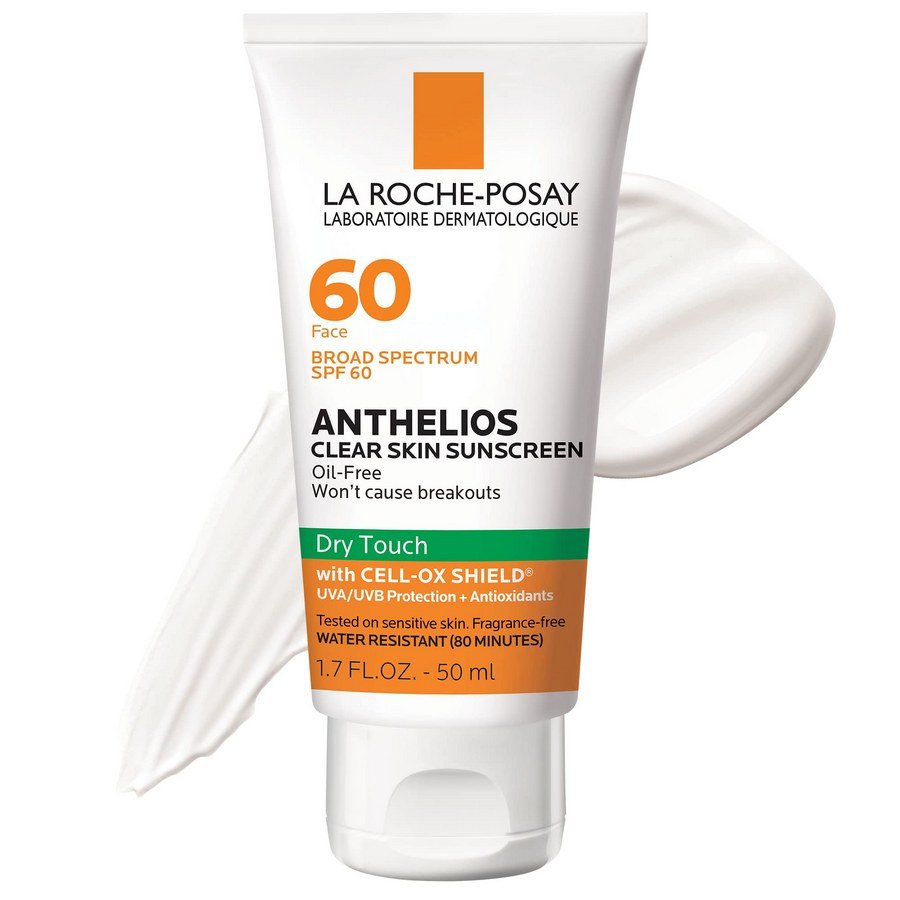
Clear Skin is the sunscreen La Roche-Posay built specifically for oily, acne prone faces, and it shows in the formula choices: an oil free base, perlite and silica to absorb surface oil as the day goes on, and a dry touch finish that sets matte instead of sitting shiny on the skin. The protection is serious, SPF 60 with the brand’s Cell-Ox Shield filter system, and the texture is a proper lotion that spreads without the drag or white cast of a mineral formula, because the filters here are chemical. For acne prone skin the practical test is the end of the day, and this is one of the few high SPF face sunscreens that does not leave an oily film feeding the congestion it was meant to coexist with. It layers under makeup well once given a minute to set. The honest downsides: the matte set can feel drying on combination skin in winter, it can pill if you rub it over heavy serums, and like every chemical sunscreen it needs twenty minutes before sun exposure to form its film. It also carries the pharmacy price of the brand rather than a drugstore one. For oily, breakout prone skin that wants maximum protection without grease, it remains the reference point in this category.
Specifications
90 ml lotion
SPF 60
oil free
perlite and silica
Cell-Ox Shield technology
dry touch finish
Pros
Oil absorbing formula made for acne prone skin
SPF 60 chemical protection with no white cast
Matte dry touch finish layers well under makeup
Cons
Matte set can feel dry on combination skin
Can pill over heavy or layered serums
Pharmacy pricing rather than drugstore
Who should buyyour skin is oily and acne prone and you want the strongest matte protection here
Who should skipyour skin is dry or sensitive to matte, oil absorbing formulas
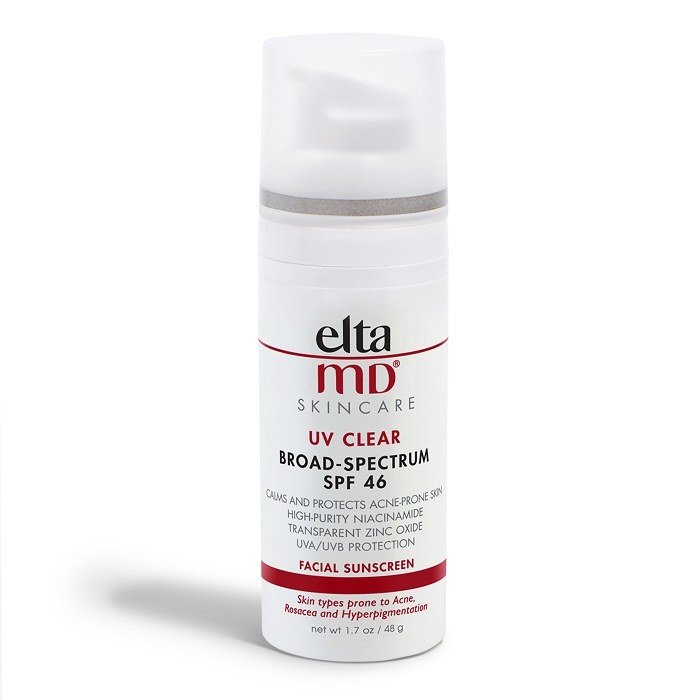
UV Clear is the dermatology office staple for acne and rosacea prone skin, and one honest clarification belongs at the top: it is a hybrid, pairing zinc oxide with the chemical filter octinoxate, rather than a purely chemical sunscreen. It earns its place in this guide because acne prone readers shop it alongside the chemical options and its formula is genuinely built for reactive, breakout prone faces: niacinamide to calm the look of redness, a light oil free texture, no fragrance, and a finish that disappears on most skin tones despite the zinc content. The pump bottle keeps fingers out and doses consistently, and the formula is designed not to clog pores, which is why dermatologists hand it to patients whose skin objects to almost everything. The trade offs are a lower SPF than the SPF 50 and 60 options here, a premium price for a small 48 g bottle, and the fact that very oily skin may find it less matte than the oil absorbing formulas in this guide. It is also not water resistant, so it is a daily face sunscreen, not a sports one. For sensitive, acne prone skin that has reacted to stronger chemical filters, it is often the sunscreen that finally sticks.
Specifications
48 g pump
SPF 46
zinc oxide and octinoxate
niacinamide
fragrance free
oil free
Pros
Formulated for acne and rosacea prone, reactive skin
Niacinamide helps calm the look of redness
Light, fragrance free and non comedogenic positioning
Cons
Hybrid formula, not purely chemical filters
SPF 46 is lower than most picks here
Small bottle at a premium price, not water resistant
Who should buyyour acne prone skin is also sensitive or rosacea prone and reacts to most sunscreens
Who should skipyou want a purely chemical formula or maximum SPF for long outdoor days
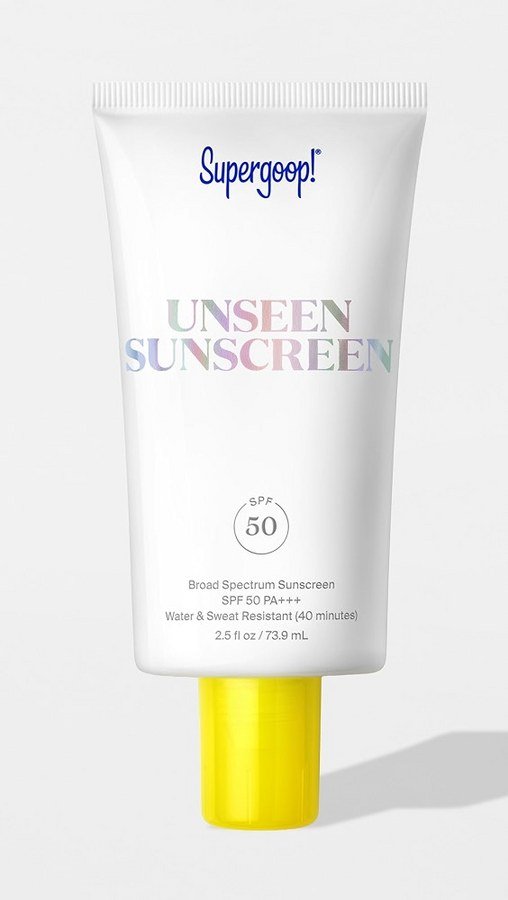
Unseen Sunscreen solved the problem that makes acne prone people skip sunscreen: the feel. It is a completely clear chemical gel, built on avobenzone, homosalate and octocrylene, that goes on like a smoothing primer and leaves no cast, no grease and no white residue on any skin tone. For oily and breakout prone skin that texture is the whole argument, because a sunscreen you cannot feel is a sunscreen you will actually apply in the right amount every morning. It grips makeup like a primer, controls the look of shine better than most lotions, and the formula is oil free and fragrance free with red algae included for antioxidant support. The current version is SPF 50, up from the original SPF 40. The downsides are real: the gel is silicone rich, so skin that dislikes that slip will not enjoy it, the price per millilitre is high for a product you should use generously, and very dry skin will find it offers no moisturising help at all. It is also not the most water resistant choice for sport. As the daily, under makeup, no excuses sunscreen for acne prone skin, though, it has few equals in this guide. It is also worth knowing that the formula is water resistant for around forty minutes, so a sweaty commute is covered, but a swim or a long run still means reapplying like any other sunscreen.
Specifications
50 ml gel
SPF 50
clear gel texture
red algae
fragrance free
primer like finish
Pros
Invisible clear gel with zero cast on any tone
Primer like grip makes it ideal under makeup
Oil free and fragrance free, shine controlling feel
Cons
Silicone rich texture is not for everyone
Expensive per millilitre for generous daily use
No moisturising benefit for drier skin types
Who should buyyou skip sunscreen because of grease or cast and wear makeup daily
Who should skipyou want a moisturising lotion texture or a budget option
Clear Face is Neutrogena’s long running answer for breakout prone skin, and its name states the brief: a liquid lotion sunscreen that will not cause breakouts, built on the brand’s Helioplex chemical filter system at SPF 55. The texture is the point of difference from standard body sunscreens: thin, fast spreading and quick to set, without the heavy emollient base that leaves acne prone faces shiny and congested by midday. It is oil free, positioned as non comedogenic, and water resistant for eighty minutes, which makes it one of the more practical picks here for active days, commuting and sport where the elegant daily gels fall short. It also comes in a generous 88 ml tube at a drugstore price, which matters because sunscreen only works at the amount people underapply when the tube feels precious. The trade offs: the finish is natural rather than matte, so very oily skin may still want a mattifying layer or one of the oil absorbing picks above it, and the formula has a light sunscreen scent. On sensitive skin the high filter load can occasionally sting around the eyes. For affordable, high protection that respects acne prone skin, it is the workhorse of this guide.
Specifications
88 ml tube
SPF 55
Helioplex technology
oil free
non comedogenic per brand
water resistant 80 minutes
Pros
SPF 55 protection in a thin, fast setting lotion
Oil free and made to not cause breakouts
Water resistant and generously sized for the price
Cons
Natural finish is not fully matte on very oily skin
Can sting the eye area on sensitive skin
Light sunscreen scent rather than fragrance free feel
Who should buyyou want high, water resistant protection at a drugstore price
Who should skipyou need a fully matte finish or have very reactive eyes
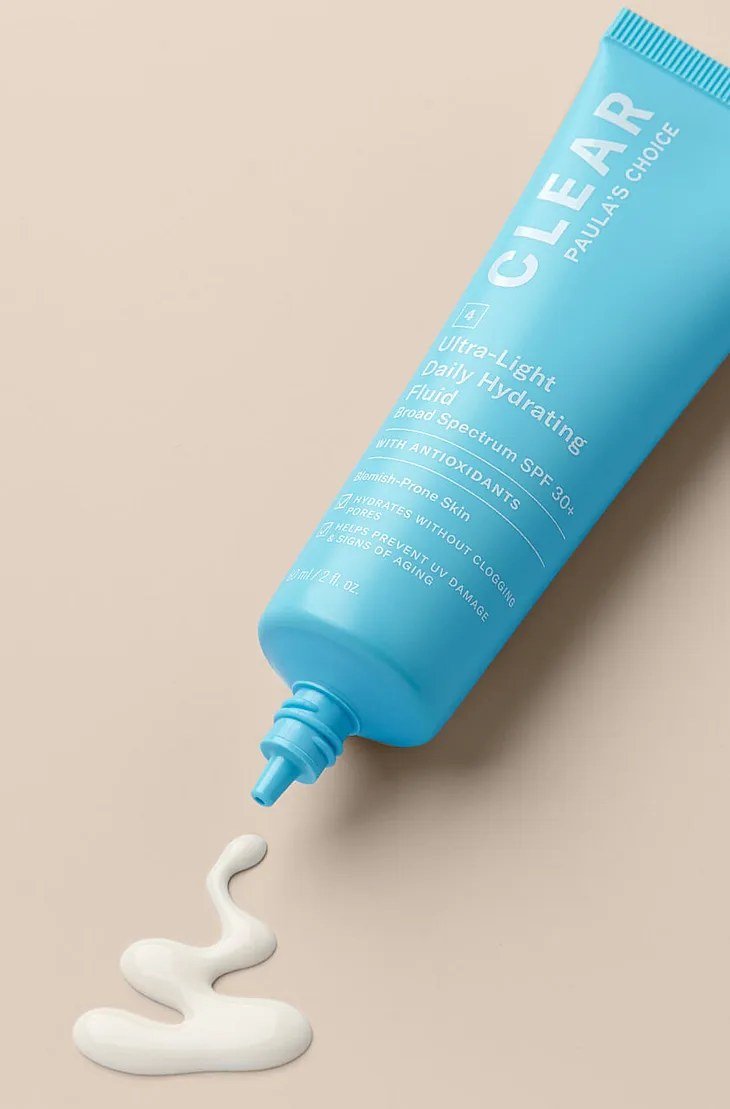
This fluid comes from the Paula’s Choice CLEAR line, the brand’s range built entirely around blemish prone skin, and it behaves like it: a genuinely fluid chemical sunscreen that spreads like a light lotion, sets without grease, and is loaded with antioxidants rather than fragrance or drying alcohol. For acne prone skin the appeal is the discipline of the formula, because everything in the CLEAR range is screened against the ingredients that typically cause trouble for reactive, congested faces. The finish is natural with a slight glow rather than matte, and it sits comfortably under makeup without pilling over the brand’s own treatments or most others. The SPF 30 rating is the honest limitation: it is a daily, mostly indoors protection level, and for long outdoor exposure the SPF 50 and 60 picks in this guide are the safer choice. The tube is also small at 60 ml for a product that should be applied generously, and the price reflects the brand’s positioning. Within its lane, though, it is one of the most thoughtfully made sunscreens for acne prone skin on the market, and for readers whose breakouts are triggered as much by heavy textures as by filters, it is often the one that finally works.
Specifications
60 ml tube
SPF 30
chemical filters
antioxidants
made for blemish prone skin
fluid texture
Pros
From a range designed entirely for blemish prone skin
Fluid texture sets clean with no grease or cast
Antioxidant rich, fragrance free formula
Cons
SPF 30 is a daily level, not a beach level
Small 60 ml tube for generous application
Natural glow finish rather than matte
Who should buyyour acne prone skin is reactive and you spend most of the day indoors
Who should skipyou need high SPF for long outdoor exposure
CeraVe took its barrier first moisturiser formula and gave it chemical sun protection and a matte finish, which makes this the pick for acne prone skin that is also dry in patches or easily irritated by stronger sunscreens. The base carries the brand’s three ceramides and hyaluronic acid, so it moisturises as it protects, and the finish is genuinely matte rather than the satin sheen most moisturiser SPFs leave behind. For combination, acne prone skin that flakes around breakouts while shining on the forehead, that combination is hard to find elsewhere at this price. The texture is a light lotion that absorbs quickly and wears under makeup without drama. The limitations are the SPF 30 ceiling, which suits daily wear rather than intense sun, the small 50 ml tube, and the fact that the matte finish can emphasise very dry patches if you skip moisturiser underneath on a dry day. It is also worth knowing the filters are chemical, so it needs the standard twenty minutes before exposure. Judged as the morning moisturiser and sunscreen in one for temperamental, breakout prone skin, it is one of the most sensible buys in this guide. One practical note: because it is a moisturiser first, very dry skin may want it over a plain cream in winter, while oily and combination skin can treat it as the only morning layer they need.
Specifications
50 ml tube
SPF 30
three ceramides
hyaluronic acid
matte finish
oil free
Pros
Moisturiser and sunscreen in one with ceramides
Matte finish suits combination, acne prone skin
Gentle, fragrance free CeraVe formula discipline
Cons
SPF 30 suits daily wear, not intense sun
Small 50 ml tube
Matte finish can catch on very dry patches
Who should buyyour acne prone skin is combination or easily irritated and you want one morning step
Who should skipyou need high SPF or long water resistance
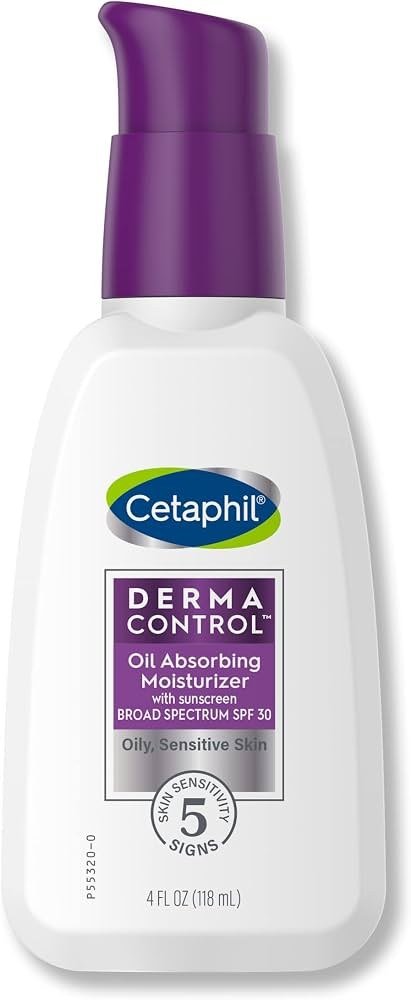
DermaControl is Cetaphil’s line for oily, sensitive skin, and this moisturiser with SPF 30 is its centrepiece: a pump bottle formula with oil absorbing technology that actively mattifies as the day goes on, rather than just starting matte and giving up by noon. That sustained oil control is what acne prone, oily skin actually needs from a morning product, and the generous 118 ml pump makes it one of the better value options in this guide for a product used every single day. The formula is designed for sensitivity alongside oiliness, fragrance free and gentle in character, and it doubles as the moisturiser step, which simplifies the routine that acne prone skin usually prefers kept short. Under makeup it behaves like a lightly gripping base. The honest limits: SPF 30 is again a daily rating rather than a holiday one, the protection is chemical so it needs application time before exposure, and truly dry skin will find the oil absorbing base too lean on its own. Some users also find the pump dispenses generously, so a half pump is the face dose. For oily, sensitive, breakout prone skin that wants oil control built into its sun protection, it is a quietly excellent staple.
Specifications
118 ml pump
SPF 30
oil absorbing technology
for oily, sensitive skin
mattifying finish
Pros
Oil absorbing technology mattifies through the day
Generous 118 ml pump is strong daily value
Made for oily skin that is also sensitive
Cons
SPF 30 is a daily rating, not for intense sun
Too lean as the only moisturiser for dry skin
Pump dispenses a lot per press
Who should buyyour skin is oily, sensitive and shiny by midday whatever you use
Who should skipyou want high SPF or a richer moisturising base
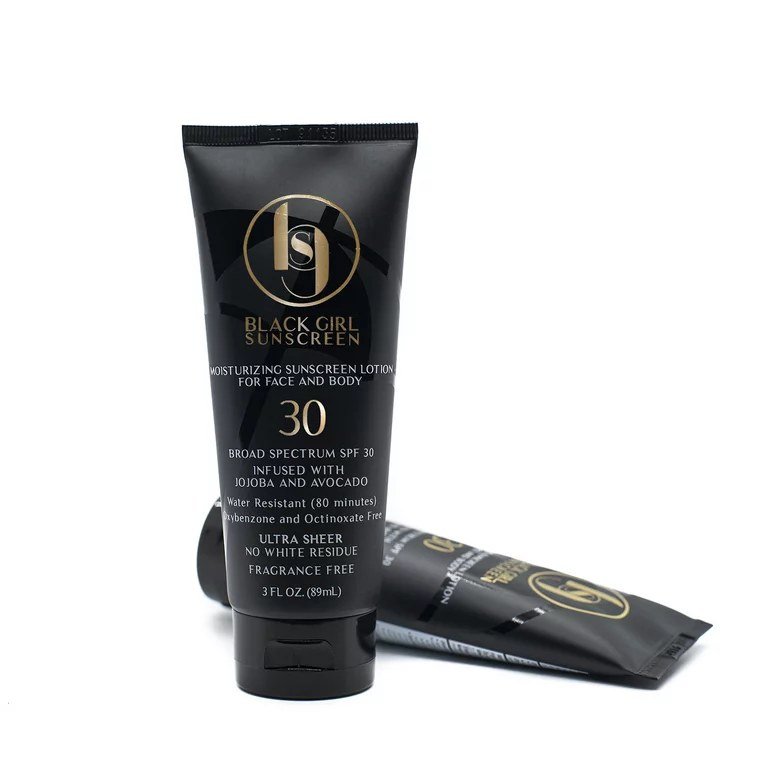
Black Girl Sunscreen was created to solve the problem mineral sunscreens never could for deeper skin tones: the grey white cast. It is a chemical lotion, built on avobenzone, homosalate and octisalate, infused with jojoba and avocado oils, and it dries completely clear on every skin tone while leaving a moisturised, slightly glowy finish. For acne prone readers the relevance is twofold: the formula is fragrance free and oxybenzone and octinoxate free, and its lotion texture replaces a separate moisturiser for normal to dry skin, shortening the morning routine. It has become a staple recommendation for Black women precisely because it behaves like skincare rather than sun care. The trade offs need stating plainly: SPF 30 is a daily rating, the finish is moisturising rather than matte, so very oily, acne prone skin may find it richer than ideal in summer and should look at the oil absorbing picks above it, and the brand’s distribution is still narrower than the pharmacy giants. Used for daily wear on skin that has been failed by chalky sunscreens for years, it is a genuinely important product, and its presence has pushed the whole category to do better. The formula is also reef conscious and free of oxybenzone and octinoxate, which matters to many of its buyers, and the brand has since added a matte version for those who want the same no cast promise with less glow.
Specifications
89 ml tube
SPF 30
avobenzone, homosalate and octisalate
jojoba and avocado oils
fragrance free
no white cast
Pros
Dries completely clear with no cast on deep skin tones
Fragrance free and moisturising enough to skip a separate cream
Oxybenzone and octinoxate free chemical formula
Cons
SPF 30 is a daily rating only
Glowy, richer finish can be much for very oily skin
Narrower distribution than the pharmacy brands
Who should buywhite cast has put you off sunscreen and your skin runs normal to dry
Who should skipyour skin is very oily and needs a matte, oil absorbing formula
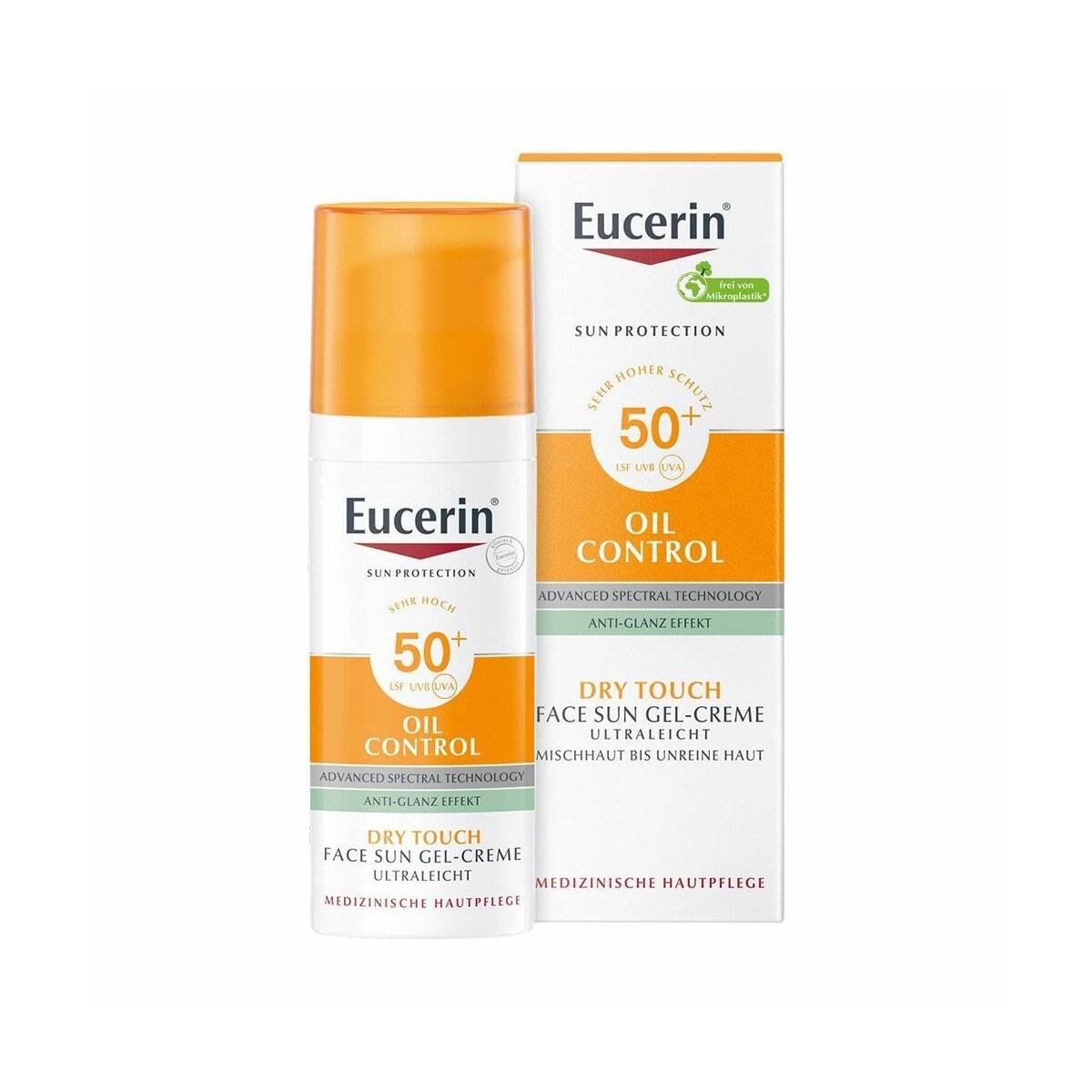
Eucerin’s Oil Control is the European pharmacy answer to oily, acne prone skin, and it is arguably the most technically focused formula in this guide: a dry touch gel creme at SPF 50+ with L-carnitine included to help regulate the look of sebum, glycyrrhetinic acid for antioxidant support, and a finish engineered to stay anti shine for hours rather than minutes. The texture is a light gel cream that sets almost immediately, leaves no cast, and wears under makeup without the pilling that plagues many high protection formulas. In European markets it is the default dermatologist counter recommendation for acne prone patients, and its filter system reflects the newer options available outside the US. The practical downsides for some readers are availability, since it is an EU market product that may need ordering from European pharmacies, and the dry touch set, which can feel tight on skin that is acne prone but dehydrated. The pump bottle is hygienic and doses well. If your skin is oily, congested and shine prone, and you can get hold of it, this is the connoisseur’s pick of the guide: high protection, real oil control, and a finish that respects the problem it was made for.
Specifications
50 ml pump
SPF 50+
L-carnitine and glycyrrhetinic acid
dry touch gel creme
anti shine finish
Pros
SPF 50+ with genuine long lasting anti shine performance
L-carnitine and glycyrrhetinic acid target oily, congested skin
Sets fast with no cast and no pilling under makeup
Cons
EU market product, may need ordering from Europe
Dry touch finish can feel tight on dehydrated skin
Premium pharmacy pricing
Who should buyyour skin is oily and shine prone and you can buy from European pharmacies
Who should skipyou need a widely stocked US shelf option today
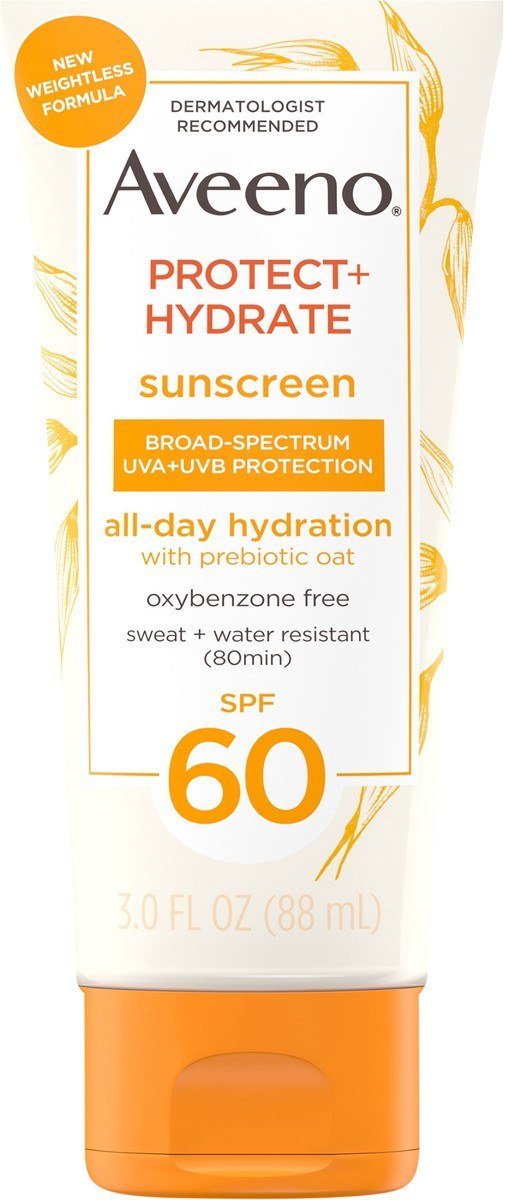
Protect + Hydrate is the pick for acne prone skin that is also dry, tight or easily stripped, because Aveeno built it as a hydrating lotion first and a high protection sunscreen second: SPF 60 chemical filters in a base centred on prebiotic oat, designed to leave skin moisturised rather than matte. That matters for the large group of acne prone readers whose breakouts come with dehydration from treatments like retinoids and benzoyl peroxide, and who find the oil absorbing sunscreens in this guide uncomfortable by afternoon. This one keeps skin comfortable for a full day, is oxybenzone free, water resistant for eighty minutes, and comes in a generous tube at a fair drugstore price. The trade offs are the mirror image of the matte picks: the finish is dewy, so oily skin will likely find it too rich and shiny, and the lotion texture is heavier under makeup than the gels and fluids here. It is a face and body formula, which some purists dislike, though in practice that just means better value per millilitre. For acne prone skin on the dry, treatment stressed side, it is the most comfortable high protection option in the guide. Because it hydrates as it protects, it doubles as the morning moisturiser for normal skin in summer, which removes one layer from the routine of anyone who finds multi step mornings hard to sustain.
Specifications
88 ml tube
SPF 60
prebiotic oat
oxybenzone free
water resistant 80 minutes
hydrating lotion
Pros
SPF 60 protection in a genuinely hydrating base
Prebiotic oat suits dry, treatment stressed skin
Water resistant and good value per millilitre
Cons
Dewy finish is too rich for oily skin
Heavier lotion feel under makeup
Face and body formula rather than face specific
Who should buyyour acne prone skin is dry or stressed by acne treatments and needs comfort
Who should skipyour skin is oily and you need shine control from your sunscreen
A chemical, or organic filter, sunscreen absorbs UV with filters such as avobenzone and octocrylene, giving an invisible, elegant finish with no white cast. It is the sunscreen most people find pleasant enough to wear daily, which is the quality that matters most.
These filters absorb into the top of the skin and convert UV to heat, which is why application twenty minutes before exposure is advised. Finish and cosmetic elegance are the category’s strength; stinging eyes and irritation on sensitive skin are its common complaints. Protection level is the labelled SPF and broad spectrum rating, and the amount applied decides the real protection: two finger lengths for the face is the standard measure most people under apply by half.
How to Choose: the Criteria That Matter
Choosing skincare well means buying for the skin you have, in the order it needs help. Start with the concern, not the product shelf: breakouts, marks, dryness, redness and lines each have a short list of ingredients with real evidence behind them, and the guide’s topic section names the ones that matter here. Then check your current routine for conflicts before adding anything. Most failed purchases are good products bought for the wrong concern, or two strong actives introduced in the same week so that irritation gets credited to both.
Active ingredient and its stated strength, since a named active without a percentage tells you very little
A percentage on the label lets you compare like with like: a 10 percent azelaic acid and a 2 percent salicylic acid are honest products, while a serum that names an active without a strength is asking you to trust the marketing instead.
Formula type for your skin: gel for oily skin, cream for dry skin, emulsion for combination skin
The same active in a gel, a cream and an oil behaves like three different products. Gel and water based formulas suit oily and combination skin; creams and emulsions carry dry skin through the day; oils are finishing steps, not treatments.
What the formula leaves out: fragrance, drying alcohol and common irritants if your skin is reactive
What is left out decides tolerance. Fragrance, essential oils and drying alcohol are the three most common reasons a well reviewed product stings, flushes or breaks someone out, and sensitive skin should read for their absence first.
How it layers with the rest of your routine, including retinoids, vitamin C and sunscreen
A product that pills under sunscreen or fights your retinoid will not survive in a real routine. Think in pairs: water based before oil based, thinnest to thickest, and actives split across morning and night when they compete.
Packaging that protects the formula, such as airless pumps and opaque bottles for light sensitive actives
Actives degrade in light and air. Vitamin C, retinoids and many antioxidants keep their strength in opaque, airless packaging, and a clear dropper bottle on a sunny shelf is quietly expiring.
Also Considered
These products were researched for this guide and left off the picks list for the reasons given. They are not poor products; they simply fit the exact question of this guide less well.
Supergoop CC Screen SPF 50
Researched as the tinted CC sunscreen option. It was left off because its colour coverage answers a slightly different brief than the clear, oil free fluids this guide ranks; readers who want colour with their SPF should still consider it.
Jack Black Double Duty Face Moisturizer SPF 20
Researched as the moisturiser with SPF route. It was left off because SPF 20 sits below the protection level this guide requires from a primary sunscreen; it remains a reasonable option for low exposure days.
How to Use What You Buy
Start with clean, dry or slightly damp skin as the product type directs
Apply the amount stated on the product, usually a pea sized amount or two finger lengths for sunscreen
Introduce one new active at a time and give it at least two weeks before judging
Use the product at the time of day it is designed for, and always finish morning routines with sunscreen
Note any stinging, breakouts or dryness in the first week and adjust frequency before giving up
Fit decides whether a good product works. Skincare actives need a stable base routine around them: a gentle cleanser, a moisturiser your skin likes, and sunscreen every morning. Add the new product to that base one at a time, at the frequency the category supports, and keep everything else unchanged for the first month. That discipline is what turns a purchase into a result you can actually attribute.
Apply generously as the last morning step, twenty minutes before going out, and reapply every two hours outdoors or after swimming and heavy sweating. Amount first, brand second: any sunscreen worn properly outperforms a premium one worn thin.
Who Should Buy, and Who Should Skip
Buy if your need matches this guide exactly: you are looking for options for acne prone skin, you have checked the criteria above against your current routine, and you are willing to introduce the product gradually and judge it over the period the category needs.
Skip if your concern is different from the one in the title, your skin or hair is currently irritated or damaged and needs recovery first, or a clinician has advised you on this concern, in which case their advice comes before any buying guide.
Common Mistakes in Chemical Sunscreen
Starting three new actives in the same week, which makes reactions impossible to trace
Using more product than directed, which increases irritation without improving results
Skipping sunscreen while using brightening or exfoliating products, which undoes their work
Expecting visible change in days when most skincare actives need weeks of consistent use
Applying a pea sized amount and expecting the labelled SPF, when protection falls steeply with under application
Skipping reapplication on a full outdoor day because the morning coat was high SPF
Frequently Asked Questions
How do I choose the right chemical sunscreen?
Start with the criteria in this guide: match the formula or specification to your skin type and the exact concern in the title, check the published ingredient or specification list, and pick the option whose downsides do not overlap with your problem. The type decision comes first: most disappointment in chemical sunscreen is a good product bought in the wrong type.
How long before I see results from a chemical sunscreen product?
It depends on the category, but most skincare products need consistent use over several weeks before a fair judgement. Devices and treatments state their expected course in the manual or on the packaging, and that timeline is the one to follow. Judge on the category’s clock, not on the first week.
What should I avoid when buying for acne prone skin?
Avoid buying on claims alone: skip options with no published ingredient or specification list, strengths far beyond what your routine needs, and any product whose stated downsides match the exact issue you are trying to fix. Also avoid changing two other parts of your routine in the same week, which makes the new product impossible to judge.
Is the most expensive option always the best?
No. In chemical sunscreen, price often reflects branding, packaging and extras rather than the core ingredient or specification doing the work. The criteria in this guide matter more than the price band, and mid priced options with the right specification beat premium options with the wrong one.
What is the most common mistake with chemical sunscreen?
Applying a pea sized amount and expecting the labelled SPF, when protection falls steeply with under application A close second: skipping reapplication on a full outdoor day because the morning coat was high SPF
How does chemical sunscreen fit into a daily routine?
Apply generously as the last morning step, twenty minutes before going out, and reapply every two hours outdoors or after swimming and heavy sweating. Amount first, brand second: any sunscreen worn properly outperforms a premium one worn thin. Fit decides whether a good product works.
How Bad Is It to Use Chemical Sunscreen While Pregnant?
The companion how-to guide, How Bad Is It to Use Chemical Sunscreen While Pregnant, covers this in full: the step by step method, the right amounts and frequency for your type, and the mistakes that stop it working. It is linked from the routine sections of this page, and it is the right next read once you have chosen a product.
By Mirror & Glow Editorial Desk – November 23, 2026
How Bad Is It to Use Chemical Sunscreen While Pregnant? Apply generously as the last morning step, twenty minutes before going out. The full method, the mistakes to avoid, and where it fits in your routine.
By Mirror & Glow Editorial Desk – November 23, 2026
Chemical sunscreen vs mineral sunscreen which is better, compared on what actually differs: texture, use, results and downsides, with a verdict for each type of reader.
By Mirror & Glow Editorial Desk – November 23, 2026
How to Get Rid of Acne Scars on Back? The short answer first, then the detail: one active at a time, introduced over two weeks, judged at eight to twelve weeks, with timing, amounts and the errors that stop it working.