By Mirror & Glow Editorial Desk – November 23, 2026
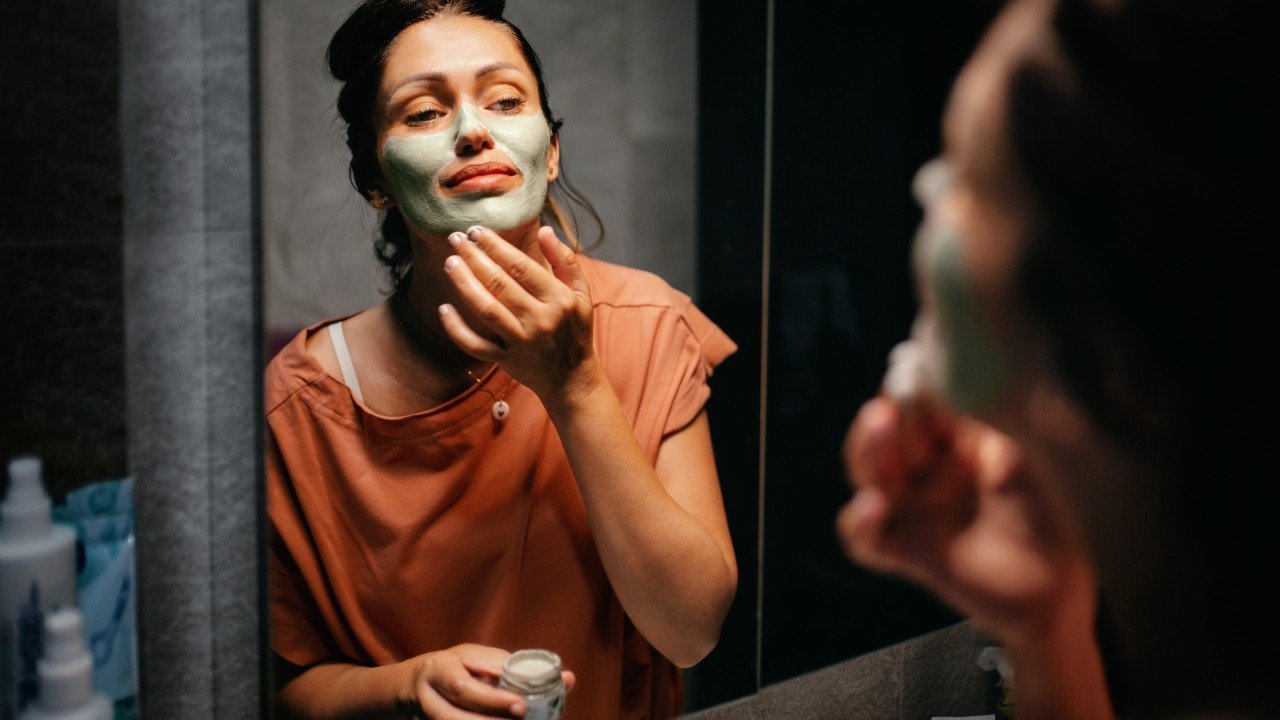
Woman with a green clay face mask looking at her reflection in a bathroom mirror.
Affiliate disclosure: Mirror & Glow may earn a commission from qualifying purchases made through links on this page, at no extra cost to you. Full disclosure.
The verdict up front: start with Innisfree Super Volcanic Pore Clay Mask 2X, the strongest all round match in this line up for acne prone skin. Every pick is compared in the table below, then reviewed in full with its downsides as well as its strengths.
If you are looking for the best clay mask for acne prone skin, the right choice depends on fit, not hype. This guide is written for acne prone skin, and every criterion below is weighted for that need first. The short answer: choose the clay mask whose formula, format and strength match your skin, check the ingredient or specification list before the marketing claims, and avoid the options whose downsides match the problem you are trying to solve.
What matters most in clay mask is covered in depth below: what the product actually is, the types on sale and how they differ, the buying criteria explained one by one, how to use what you buy, and the mistakes that waste the most money in this category.
Best Clay Mask for Acne Prone Skin Compared
Product
Standout Point
Key Specification
Innisfree Super Volcanic Pore Clay Mask 2XTop Pick
Ready to use cream, no mixing or mess
100 ml jar – Jeju volcanic clusters – creamy rinse off clay – with lactic acid (AHA)
Innisfree’s Super Volcanic Pore Clay Mask 2X is the most complete clay mask in this guide, and the one to start with. Its base is Jeju volcanic ash, a porous mineral ingredient formed from hardened lava, milled into clusters that absorb sebum and surface impurities as the mask dries. Unlike powder clays, it comes as a smooth, ready to use cream that spreads evenly, does not crack into flakes, and rinses off without scrubbing, which matters for acne prone skin that should not be dragged at. The 2X formula adds lactic acid, a gentle AHA, so a ten minute session combines oil absorption with mild surface exfoliation, and the jar also contains walnut shell powder for a slight physical polish as you rinse. Used once or twice a week on the T zone or full face, it leaves congested skin visibly clearer and less shiny without the tight, stripped feeling of stronger clays. The honest limits are that it is a cosmetic deep clean, not an acne treatment, so it supports a routine built on proven actives rather than replacing them, and the jar format means fingers in the pot unless you use a spatula. For weekly maintenance of oily, congested, acne prone skin, it is the benchmark here.
Specifications
100 ml jar
Jeju volcanic clusters
creamy rinse off clay
with lactic acid (AHA)
Pros
Ready to use cream, no mixing or mess
Volcanic clusters absorb oil without harsh drying
Added AHA gives gentle exfoliation in the same step
Cons
Jar packaging is less hygienic than a tube
Maintenance product, not an acne treatment
Can tingle on very sensitive or broken skin
Who should buyyou want one weekly clay mask that deep cleans congested, oily skin without a mixing ritual
Who should skipyour skin is dry or your acne is inflamed and sore, where any clay mask will feel like too much right now
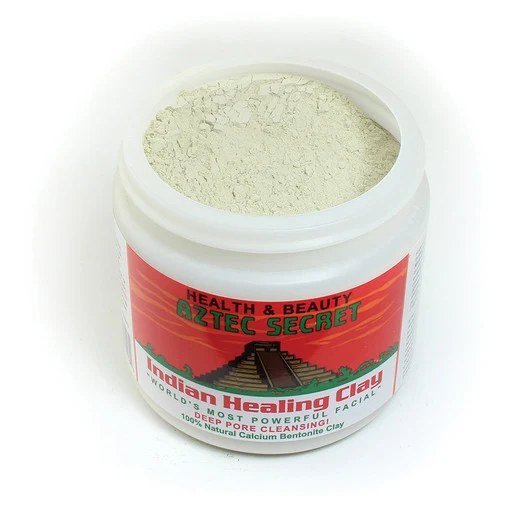
Aztec Secret is the strongest and cheapest clay in this guide: a full pound of pure calcium bentonite powder with nothing added, mixed fresh with water or raw apple cider vinegar before each use. Bentonite swells as it hydrates and has an exceptional capacity to absorb oil and draw out surface debris, and users feel it working as a pulsing tightness while it dries. For acne prone skin with heavy congestion, blackheads and very oily T zones, a weekly ten minute mask mixed to a smooth paste is the most intensive deep clean on this list, and the cost per mask is pennies. That intensity is also the risk. Mixed with vinegar it is acidic and strong, it will leave fair or reactive skin red for half an hour, and it is easy to overuse, which damages the barrier and makes breakouts worse. It must never be mixed or stored in metal, it is messy to rinse, and it can clog drains if washed off in quantity. Treat it as the heavy tool: once a week at most, only on intact skin, moisturise well afterwards, and patch test first. For the right skin type, nothing else here matches its strength per dollar.
Specifications
1 lb tub
100% calcium bentonite clay powder
mix with water or apple cider vinegar
no additives
Pros
Strongest oil absorption in the guide
A pound of pure clay costs very little per mask
Single ingredient, no fragrance or fillers
Cons
Mixing is messy and it can clog drains
Too strong for sensitive or reactive skin
Easy to overuse and damage the barrier
Who should buyyour skin is very oily, congested and resilient, and you want maximum strength at minimum cost
Who should skipyour skin is sensitive, dry or currently inflamed, where this clay’s intensity will set you back
This masque is the one pick in the guide that is a genuine acne active in mask form. The Ordinary combines 2% salicylic acid, the oil soluble BHA that works inside pores, with charcoal and Amazonian kaolin clay in a black, rinse off formula designed for a ten minute application. For acne prone skin, that pairing is logical: the clay absorbs surface oil while the salicylic acid addresses the pore congestion that becomes blackheads and breakouts, and because it is rinsed off, it suits people whose skin cannot tolerate leave on BHA every day. The brand is strict about use, and buyers should be too: never longer than ten minutes, never on sensitive, peeling or compromised skin, and not alongside other strong actives in the same routine. The tube is small at 50 ml, the black formula can stain pale towels and grout if splashed, and dry skin will find it too much except on the nose and chin. Used once a week as a targeted treatment on congested zones, it does a job the pure clay masks here cannot. It is the treatment option in a list of maintenance products, and it should be scheduled like one. A patch test is wise before the first full application, as with any strong active.
Specifications
50 ml tube
2% salicylic acid
charcoal and kaolin clay
rinse off treatment mask
Pros
Real 2% salicylic acid, not just clay
Targets pore congestion and blackheads directly
Rinse off format suits BHA sensitive skin
Cons
Strict ten minute limit, easy to misuse
Small 50 ml tube
Black formula can stain towels and grout
Who should buyyour main problem is clogged pores and blackheads and you want an active treatment, not just oil absorption
Who should skipyour skin is sensitive, dry or peeling, where a salicylic acid mask is the wrong tool entirely
La Roche-Posay’s Effaclar mask is the dermatology brand entry here, built for the reader whose skin is both oily and sensitive, the combination most clay masks punish. It uses kaolin and argilla clays in a cream base with the brand’s thermal spring water, and it is positioned as a weekly five minute mask that absorbs excess sebum and mattifies without the aggressive dry down of bentonite products. In practice it is the gentlest full face option in this guide: it sets softly, rinses easily, and leaves skin calm and matte rather than squeaky, which makes it the easiest clay mask to use consistently, and consistency is what weekly masking rewards. It sits naturally inside an Effaclar routine alongside the brand’s cleansers and Duo treatments. The trade off for gentleness is power: heavy congestion and blackheads get less from this than from the Innisfree or Aztec Secret, and the price per tube is pharmacy premium for a simple clay formula. It also contains fragrance in small amounts, unusual for the brand’s sensitive positioning, so the very fragrance reactive should patch test. For acne prone skin that flushes and stings easily, this is the clay mask most likely to be used rather than abandoned.
Specifications
100 ml tube
kaolin and argilla clays
thermal spring water
for oily, sensitive skin
Pros
Gentlest option for oily but sensitive skin
Short five minute application, easy to keep up
Rinses cleanly without scrubbing
Cons
Less decongesting power than stronger clays
Contains a small amount of fragrance
Premium price for a simple formula
Who should buyyour acne prone skin is also sensitive and stronger masks leave you red and stinging
Who should skipyou want maximum pore clearing strength, where the volcanic and bentonite masks outperform it
Origins Clear Improvement is one of the longest running charcoal masks on the market, and its formula explains its staying power. Bamboo charcoal acts like a magnet for surface debris and excess oil, white China clay (kaolin) absorbs and mattifies, and lecithin helps dissolve the surface buildup that dulls congested skin. The texture is a smooth grey cream that dries evenly in about ten minutes and rinses away without the cracking and flaking of powder clays. For acne prone skin it is a balanced middle option: stronger and more decongesting than the pharmacy gentle masks, kinder than bentonite, and pleasant enough to use weekly, which is the frequency that matters. Origins suggests opening pores first with a warm towel, and that small ritual genuinely improves the result on blackhead prone noses. The criticisms are price, since 75 ml of a clay mask at this level is not cheap per use, and the formula’s light fragrance, which sensitive noses and skin may notice. It will not treat acne itself, and very oily skin may still prefer the volcanic mask. As a reliable, enjoyable weekly deep clean from a brand that has made it for decades, it earns its place. It is also one of the easiest masks here to rinse away without grey residue.
Specifications
75 ml tube
bamboo charcoal
white China clay (kaolin)
rinse off mask
Pros
Charcoal and kaolin balance power and comfort
Smooth cream dries evenly, rinses easily
Long established formula with a loyal following
Cons
Premium price for 75 ml
Light fragrance may bother sensitive skin
Middle strength may underwhelm very oily skin
Who should buyyou want a proven weekly deep clean that sits between the gentle and the heavy duty masks
Who should skipyou are strictly fragrance free in your routine, or you want the strongest clay available for your money
Cetaphil built the DermaControl line for oily skin that is also sensitive, and this purifying clay mask is its most useful product. It blends bentonite and kaolin, so it absorbs more oil than kaolin alone, but the base is formulated to the brand’s gentle standards: fragrance free, hypoallergenic and non comedogenic, with apple fruit extract and a cream texture that does not dry down to a hard, cracking shell. That last point matters more than it sounds, because masks that set rock hard pull and irritate as they are removed, while this one stays flexible and rinses off with warm water. For acne prone readers who have been burned by strong clays, this is the re entry point: a three times weekly short application is realistic, and the skin afterwards feels clean rather than punished. The limitations are the jar format, which needs clean fingers or a spatula, a modest 3 oz size, and oil control that is good rather than dramatic, so very oily skin may still graduate to the volcanic mask. It is also a purely cosmetic clean, with no acne active inside. As the gentle, dermatologist brand clay for reactive skin, it fills its slot exactly. The same line’s cleanser and moisturiser make a matched gentle routine easy to build.
Specifications
3 oz jar
bentonite and kaolin clays
fragrance free
designed for sensitive, oily skin
Pros
Bentonite blend that stays gentle and flexible
Fragrance free and made for sensitive skin
Does not dry to a hard, cracking shell
Cons
Jar format needs a spatula for hygiene
Modest 3 oz size
Oil control is moderate, not dramatic
Who should buyyour skin is oily and acne prone but reacts badly to strong or fragranced masks
Who should skipyou want maximum oil absorption or an active ingredient, neither of which this gentle mask attempts
Sand & Sky Australian Pink Clay Porefining Face Mask
Sand & Sky built its name on a single ingredient story: Australian pink clay, a kaolin based clay the brand pairs with native botanicals including Kakadu plum, one of the richest natural sources of vitamin C, plus pomegranate and aloe. The mask itself is a smooth pink cream that dries in about ten minutes, tightens noticeably as it sets, and rinses to leave skin looking brighter and feeling refined, which is why it became a social media staple. For acne prone skin its strengths are oil absorption and the brightening effect on the dull, post blemish look, and its kaolin base is gentler than bentonite. The honest caveats are price and positioning: at 60 g it is the most expensive mask per gram in this guide, the tightening sensation can be too much for sensitive skin, and the brightening is a cosmetic glow, not a treatment for pigmentation or acne. It also contains botanical extracts that reactive skin should patch test. Readers who enjoy masking as a ritual and want the brightening payoff will like it most. Readers who want pure function per dollar should look at the Innisfree or Aztec Secret first. The small jar at least means the clay is used up while it is still fresh.
Specifications
60 g jar
Australian pink clay (kaolin)
Kakadu plum and pomegranate
brightening clay mask
Pros
Kaolin base with a real brightening payoff
Tightening, refining feel after one use
Botanical antioxidants including Kakadu plum
Cons
Most expensive per gram in the guide
Tightening sensation can overwhelm sensitive skin
Brightening is cosmetic, not a pigment treatment
Who should buyyou enjoy masking and want oil control plus a brighter, more refined look for dull, post blemish skin
Who should skipyour skin is sensitive, or you shop on cost per use, where this premium jar is hard to justify
First Aid Beauty Skin Rescue Purifying Mask with Red Clay
First Aid Beauty’s Skin Rescue line is made for stressed, congested skin, and this mask uses red clay, a mineral rich clay coloured by iron oxide, in a formula designed to draw out impurities and absorb oil while glycerin keeps the experience from becoming a desert. It applies as a smooth cream, dries down over about twenty minutes, and is removed once set, following the directions on the tube. The brand’s positioning is rescue rather than maintenance: this is the mask for skin that feels clogged, dull and out of sorts, used once or twice a week to reset. The formula is made without the harsh ingredients the brand screens against, and it is aimed at sensitive skin, though the rosemary leaf oil that gives it part of its character is a fragrant component that the very reactive should patch test first. Against the rest of the guide it sits in the middle on strength, gentler than bentonite, more assertive than the Cetaphil. The tube is a modest 3 oz and the longer twenty minute set time asks more patience than the five minute pharmacy masks. For congested skin that wants a thorough clean without aggression, it is a well judged compromise.
Specifications
3 oz tube
red clay
rosemary leaf oil and glycerin
20 minute mask for congested skin
Pros
Red clay draws oil while glycerin softens the dry down
Made for stressed, sensitive, congested skin
Tube format is hygienic and travel friendly
Cons
Twenty minute set time is the longest here
Rosemary oil may not suit the very reactive
Modest 3 oz tube
Who should buyyour skin feels congested and stressed and you want a thorough but kind weekly reset
Who should skipyou want a five minute routine mask, or you avoid fragrant botanical ingredients entirely
Supermud is the glamorous end of the clay mask market: a charcoal and clay treatment built around an Activated-X charcoal and a blend of kaolin and the brand’s K17 clay, fortified with a six acid blend that includes glycolic, salicylic and lactic acids. That acid content is what separates it from pure clay masks, because a session combines absorption with real chemical exfoliation, and skin afterwards looks clearer and feels smoother in a way plain clay does not achieve. It can also be dabbed on individual blemishes as a spot treatment, which many owners use it for more than full masks. The costs are literal and physical. It is the most expensive pick here per jar, the acids plus the formula’s fragrance make it tingle assertively, and sensitive or barrier damaged skin will find it too much. The jar is also small, so full face use burns through it quickly. Used occasionally, as an event strength treatment on resilient, congested skin, it delivers something distinctive. Used weekly by the wrong skin type, it is an expensive way to get irritated. Buy it for the acid blend and the spot treatment option, not for the branding. A thin layer is enough, which stretches the jar further than first impressions suggest.
Specifications
50 g jar
activated charcoal
Kaolin and K17 clays
six acid blend
premium treatment mask
Pros
Acid blend adds real exfoliation to clay absorption
Doubles as a spot treatment for single blemishes
Visible clarity after one session on resilient skin
Cons
Most expensive pick in the guide
Tingles strongly, too much for sensitive skin
Small jar disappears fast with full face use
Who should buyyour skin is resilient and congested and you want a treatment strength mask with acids built in
Who should skipyour skin is sensitive, dry or barrier damaged, where the acid blend will punish rather than polish
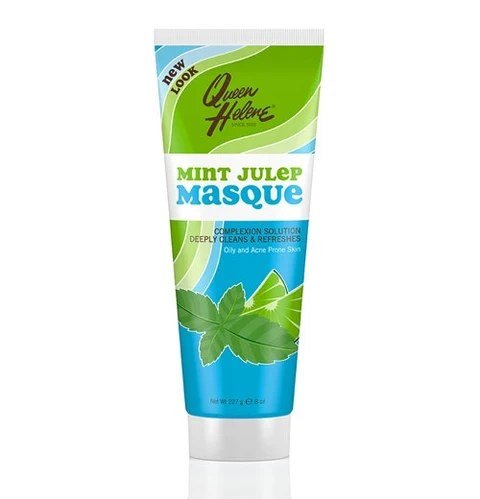
Queen Helene’s Mint Julep Masque is the old school drugstore original, a kaolin based green mask that has been sold for generations at a price that makes every other pick here look indulgent. The formula is simple: clay to absorb oil and dry surface blemishes, a strong mint scent and tingle, and a texture that dries firmly and rinses away with warm water. For acne prone skin on a budget it still does the core job of a clay mask honestly, pulling oil, tightening the look of pores for a few hours, and giving that deep cleaned feeling before an event. Owners also use it as an overnight dab on individual spots, an off label habit the clay’s drying action explains. What you give up is refinement: the fragrance is powerful, the dry down is firm enough to feel uncomfortable on sensitive skin, and there are no soothing extras or actives to speak of. It is also increasingly sold through marketplace sellers, so check the listing is the genuine product. As a first clay mask, a budget standby, or a spot dabbing tube in the cabinet, it remains strangely hard to beat for the money. Just keep it away from dry or reactive skin.
Specifications
8 oz tube
kaolin clay
mint formula
classic drugstore mask since decades
Pros
Cheapest mask in the guide by a wide margin
Kaolin clay does the core oil absorbing job
Generous 8 oz tube lasts for months
Cons
Strong mint fragrance and firm dry down
No soothing extras or active ingredients
Marketplace listings need a genuineness check
Who should buyyou want a basic, effective clay mask for oily skin at the lowest possible price
Who should skipyour skin is sensitive or dry, where the strong fragrance and firm set will be uncomfortable
A clay mask uses absorbent clays such as kaolin or bentonite to draw surface oil and debris from pores as it dries, giving an immediate mattified, tightened feel. It is a temporary oil management step for oily and combination skin, not a deep pore treatment.
Clay absorbs oil on contact; it does not extract blackheads or change pore size. Bentonite is the stronger, more drying clay, kaolin the gentler. The common error is leaving a mask until it cracks and flakes, by which point it is pulling water from the skin itself. Used briefly and rinsed at the just dry stage, it is a useful pre event step and a weekly oil reset. Dry and sensitive skin uses it on the T zone only, or skips it.
How to Choose: the Criteria That Matter
Choosing skincare well means buying for the skin you have, in the order it needs help. Start with the concern, not the product shelf: breakouts, marks, dryness, redness and lines each have a short list of ingredients with real evidence behind them, and the guide’s topic section names the ones that matter here. Then check your current routine for conflicts before adding anything. Most failed purchases are good products bought for the wrong concern, or two strong actives introduced in the same week so that irritation gets credited to both.
Active ingredient and its stated strength, since a named active without a percentage tells you very little
A percentage on the label lets you compare like with like: a 10 percent azelaic acid and a 2 percent salicylic acid are honest products, while a serum that names an active without a strength is asking you to trust the marketing instead.
Formula type for your skin: gel for oily skin, cream for dry skin, emulsion for combination skin
The same active in a gel, a cream and an oil behaves like three different products. Gel and water based formulas suit oily and combination skin; creams and emulsions carry dry skin through the day; oils are finishing steps, not treatments.
What the formula leaves out: fragrance, drying alcohol and common irritants if your skin is reactive
What is left out decides tolerance. Fragrance, essential oils and drying alcohol are the three most common reasons a well reviewed product stings, flushes or breaks someone out, and sensitive skin should read for their absence first.
How it layers with the rest of your routine, including retinoids, vitamin C and sunscreen
A product that pills under sunscreen or fights your retinoid will not survive in a real routine. Think in pairs: water based before oil based, thinnest to thickest, and actives split across morning and night when they compete.
Packaging that protects the formula, such as airless pumps and opaque bottles for light sensitive actives
Actives degrade in light and air. Vitamin C, retinoids and many antioxidants keep their strength in opaque, airless packaging, and a clear dropper bottle on a sunny shelf is quietly expiring.
Also Considered
These products were researched for this guide and left off the picks list for the reasons given. They are not poor products; they simply fit the exact question of this guide less well.
Boscia Luminizing Black Charcoal Mask
Researched as a popular charcoal mask, but it is a peel off format rather than a rinse off clay mask. Peeling a dried film off acne prone skin is a different, rougher experience than this guide covers, so it was left out on format, not quality.
L’Oréal Paris Pure-Clay Mask
The Pure-Clay line was a strong budget option, but the US range has been discontinued and current listings are old stock at inflated prices. A guide should not send readers after a product the brand no longer makes.
Freeman Anti-Stress Dead Sea Minerals Clay Mask
A cheerful budget mask that was researched and left off because its heavy fragrance is a poor match for acne prone, often reactive skin, and the Queen Helene pick covers the ultra budget slot with a simpler formula.
How to Use What You Buy
Start with clean, dry or slightly damp skin as the product type directs
Apply the amount stated on the product, usually a pea sized amount or two finger lengths for sunscreen
Introduce one new active at a time and give it at least two weeks before judging
Use the product at the time of day it is designed for, and always finish morning routines with sunscreen
Note any stinging, breakouts or dryness in the first week and adjust frequency before giving up
Fit decides whether a good product works. Skincare actives need a stable base routine around them: a gentle cleanser, a moisturiser your skin likes, and sunscreen every morning. Add the new product to that base one at a time, at the frequency the category supports, and keep everything else unchanged for the first month. That discipline is what turns a purchase into a result you can actually attribute.
Once a week for oily skin, ten minutes or until just set, rinse with lukewarm water and moisturise after. Multi masking, clay on the T zone and hydration elsewhere, suits combination skin best.
Who Should Buy, and Who Should Skip
Buy if your need matches this guide exactly: you are looking for options for acne prone skin, you have checked the criteria above against your current routine, and you are willing to introduce the product gradually and judge it over the period the category needs.
Skip if your concern is different from the one in the title, your skin or hair is currently irritated or damaged and needs recovery first, or a clinician has advised you on this concern, in which case their advice comes before any buying guide.
Common Mistakes in Clay Mask
Starting three new actives in the same week, which makes reactions impossible to trace
Using more product than directed, which increases irritation without improving results
Skipping sunscreen while using brightening or exfoliating products, which undoes their work
Expecting visible change in days when most skincare actives need weeks of consistent use
Letting the mask dry to a cracked crust, which dehydrates the surface it was meant to refresh
Using it daily to chase oil, which strips the barrier and rebounds as more oil and sensitivity
Frequently Asked Questions
How do I choose the right clay mask?
Start with the criteria in this guide: match the formula or specification to your skin type and the exact concern in the title, check the published ingredient or specification list, and pick the option whose downsides do not overlap with your problem. The type decision comes first: most disappointment in clay mask is a good product bought in the wrong type.
How long before I see results from a clay mask product?
It depends on the category, but most skincare products need consistent use over several weeks before a fair judgement. Devices and treatments state their expected course in the manual or on the packaging, and that timeline is the one to follow. Judge on the category’s clock, not on the first week.
What should I avoid when buying for acne prone skin?
Avoid buying on claims alone: skip options with no published ingredient or specification list, strengths far beyond what your routine needs, and any product whose stated downsides match the exact issue you are trying to fix. Also avoid changing two other parts of your routine in the same week, which makes the new product impossible to judge.
Is the most expensive option always the best?
No. In clay mask, price often reflects branding, packaging and extras rather than the core ingredient or specification doing the work. The criteria in this guide matter more than the price band, and mid priced options with the right specification beat premium options with the wrong one.
What is the most common mistake with clay mask?
Letting the mask dry to a cracked crust, which dehydrates the surface it was meant to refresh A close second: using it daily to chase oil, which strips the barrier and rebounds as more oil and sensitivity
How does clay mask fit into a daily routine?
Once a week for oily skin, ten minutes or until just set, rinse with lukewarm water and moisturise after. Multi masking, clay on the T zone and hydration elsewhere, suits combination skin best. Fit decides whether a good product works.
Can I Use Clay Mask and Sheet Mask in a Day?
The companion how-to guide, Can I Use Clay Mask and Sheet Mask in a Day, covers this in full: the step by step method, the right amounts and frequency for your type, and the mistakes that stop it working. It is linked from the routine sections of this page, and it is the right next read once you have chosen a product.
By Mirror & Glow Editorial Desk – November 23, 2026
Clay absorbs oil on contact; it does not extract blackheads or change pore size. This guide applies that to can i use clay mask and sheet mask in a day: the method, the timing, and the traps to avoid.
By Mirror & Glow Editorial Desk – November 23, 2026
How to Get Rid of Acne Scars on Back? The short answer first, then the detail: one active at a time, introduced over two weeks, judged at eight to twelve weeks, with timing, amounts and the errors that stop it working.
By Mirror & Glow Editorial Desk – November 23, 2026
Hydrocolloid is a wound dressing material: it draws out fluid and turns white as it works. This guide applies that to how often to use pimple patches on a single spot: the method, the timing, and the traps to avoid.