By Mirror & Glow Editorial Desk – November 23, 2026
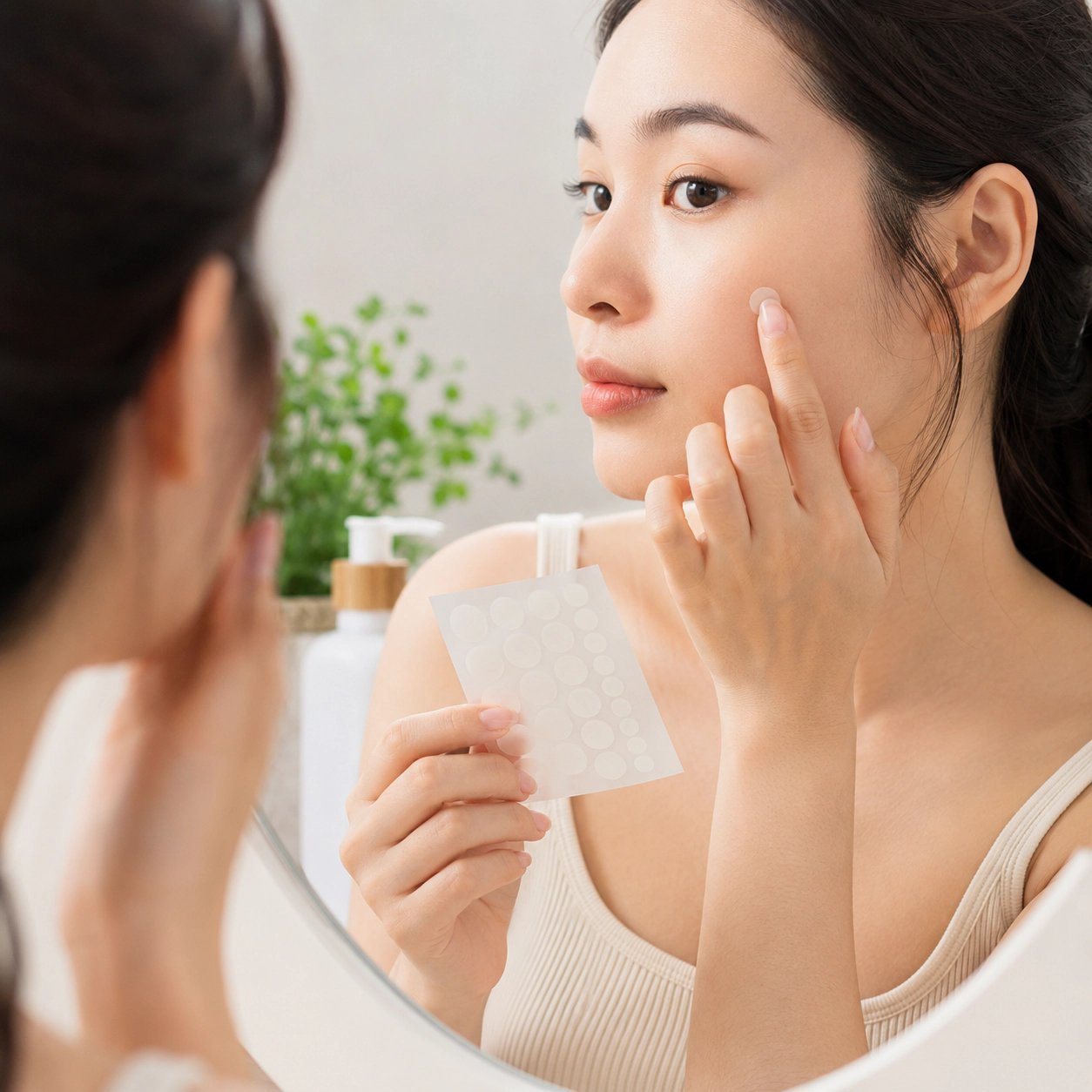
Woman applying face cream to her cheek at a dressing table.
Affiliate disclosure: Mirror & Glow may earn a commission from qualifying purchases made through links on this page, at no extra cost to you. Full disclosure.
The verdict up front: start with Eucerin Radiant Tone Night Cream, the strongest all round match in this line up for dark spots on face for women. Every pick is compared in the table below, then reviewed in full with its downsides as well as its strengths.
If you are looking for the best cream for dark spots on face for women, the right choice depends on fit, not hype. This guide is written for dark spots on face for women, and every criterion below is weighted for that need first. The short answer: choose the cream whose formula, format and strength match your skin, check the ingredient or specification list before the marketing claims, and avoid the options whose downsides match the problem you are trying to solve.
What matters most in dark spots is covered in depth below: what the product actually is, the types on sale and how they differ, the buying criteria explained one by one, how to use what you buy, and the mistakes that waste the most money in this category.
Best Cream for Dark Spots on Face for Women Compared
Product
Standout Point
Key Specification
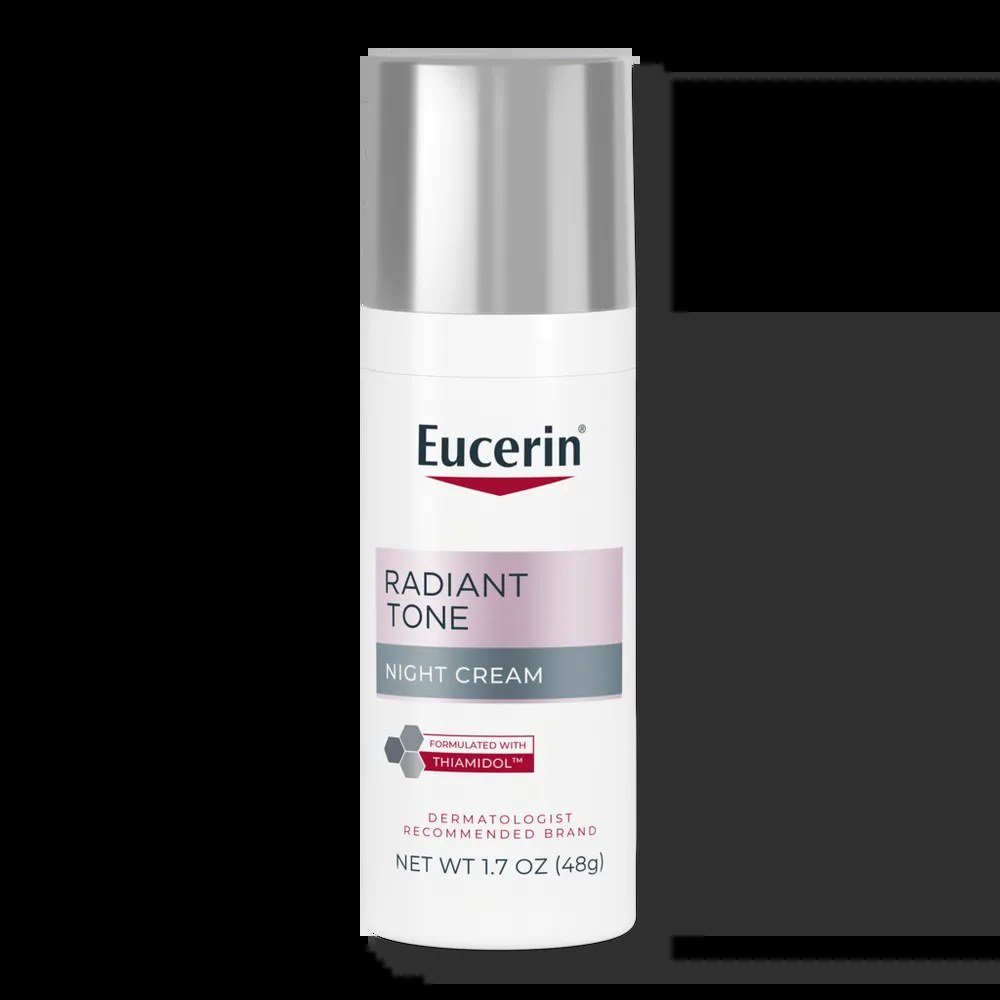
Eucerin Radiant Tone Night CreamTop Pick
Thiamidol targets spots at the melanin pathway
1.7 fl oz pump – Thiamidol dark spot ingredient – Licochalcone A – night cream for face
Eucerin’s Radiant Tone line is built around Thiamidol, the ingredient the brand spent a decade screening for its ability to reduce the appearance of dark spots at their source, and this night cream is the line’s anchor for the face. Thiamidol works on the enzyme pathway that produces excess melanin, which is the mechanism behind sun spots, post blemish marks and the patchy pigmentation many women group together as dark spots, and the formula pairs it with Licochalcone A, an antioxidant from liquorice root that calms and defends against the environmental triggers that deepen pigmentation. As a night cream it has the right richness for overnight work without feeling heavy, and the pump keeps the formula hygienic. The honest expectations are the ones dermatologists set for any cosmetic: visible improvement is gradual, measured over eight to twelve weeks of nightly use, daytime sunscreen is non negotiable because unprotected sun will undo the work, and deep melasma may need a clinician’s prescription options beyond any cream here. Within those rules, this is the most scientifically distinctive pick in the guide, from a brand whose pigmentation research is published rather than merely claimed. It is the recommendation for women who want a modern, targeted cream and will give it a season.
Specifications
1.7 fl oz pump
Thiamidol dark spot ingredient
Licochalcone A
night cream for face
Pros
Thiamidol targets spots at the melanin pathway
Published research behind the key ingredient
Night cream richness without heaviness
Cons
Needs eight to twelve weeks of nightly use
Results depend on strict daytime sunscreen
Deep melasma may need prescription care
Who should buyyou want the most research led cream here and will commit to a full season of nightly use plus sunscreen
Who should skipyou want a quick fix for an event next week, which no dark spot cream can honestly offer
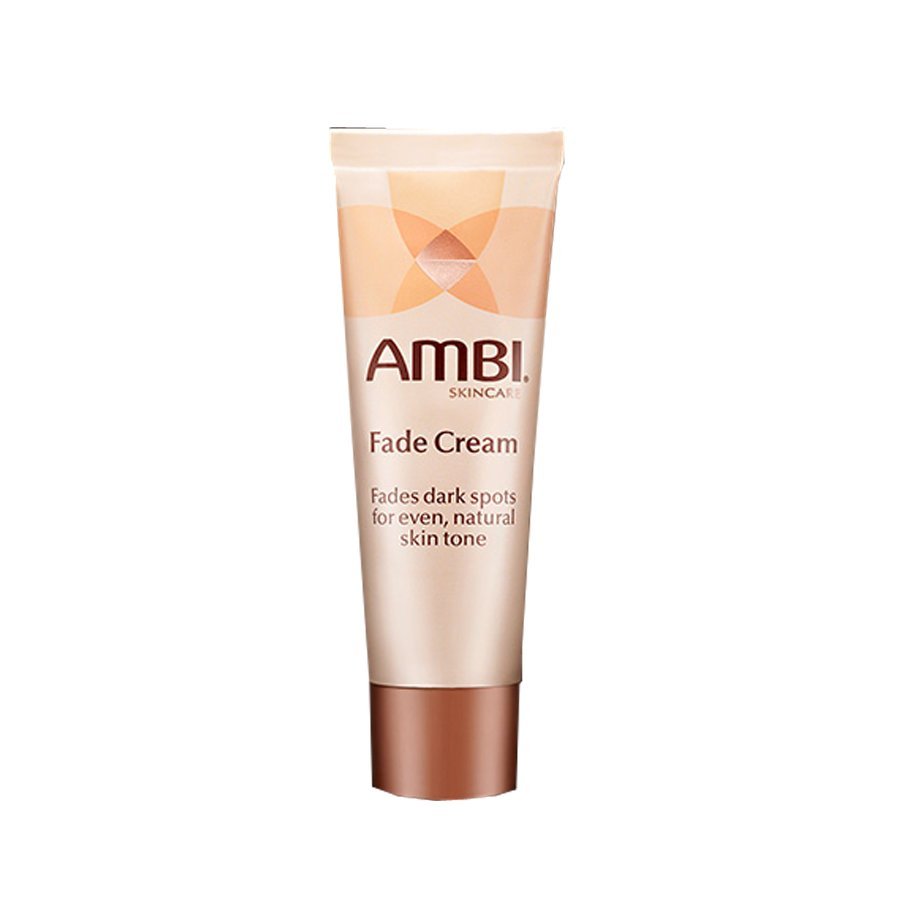
Ambi has been the drugstore fade cream name for generations of women, and its current formula is a niacinamide based treatment with vitamin E and gentle exfoliating support, after the brand moved away from hydroquinone in the US market. That heritage matters for this guide because Ambi’s audience is exactly this problem: dark spots and uneven tone on the face, including the marks left by blemishes and sun, treated with a cream that costs little and is sold in two versions, for normal skin and for oily skin, so the base suits the wearer. The cream is applied in a thin layer to the affected areas twice a day, and its texture sits comfortably under sunscreen and makeup. Results follow the category rule: gradual fading over weeks of consistent use, with sunscreen in the day deciding how much of the progress you keep. The limits are that heavy or hormonal pigmentation may respond only partially, the scent is a traditional cosmetic one some readers dislike, and the tube is small if you are treating a full face rather than spots. As the affordable, purpose built starting point for facial dark spots, Ambi remains the name most women have trusted the longest, and the current formula earns that trust more cleanly than the old one did.
Specifications
2 oz tube
fade cream for dark spots
normal skin and oily skin versions
Pros
Purpose built fade cream with decades of use
Normal and oily skin versions
Low price, sold everywhere
Cons
Gradual results over weeks, not days
Traditional cosmetic scent
Small tube for full face use
Who should buyyou want the classic, affordable fade cream made specifically for dark spots on the face
Who should skipyour pigmentation is deep melasma, where a clinician’s options will do more than any drugstore cream
Palmer’s Skin Success is the other heritage name in fade creams, and its current anti dark spot formula states its headline clearly: 5% niacinamide, hydroquinone free, with vitamins C and E supporting the brightening work. Niacinamide at that level is a sensible lead ingredient for facial dark spots because it addresses the transfer of pigment to the skin surface while also supporting the barrier, so the cream can be used twice daily without the irritation management that stronger actives demand. The texture is a proper cream, richer than the gel serums in this guide, which suits normal to dry skin and makes it a comfortable night option for dry complexions in particular. The jar is a practical 75 g and the price is firmly drugstore. The trade offs are the cocoa butter heritage scent that divides opinion, a richness that oily skin may find heavy in the day, and the same category truth that fading is a matter of weeks. Palmer’s also sells targeted versions for specific concerns, so check the jar says Anti-Dark Spot Fade Cream. For women who want a niacinamide led cream from a brand that has specialised in tone for decades, this is a straightforward, honest buy.
Specifications
75 g jar
5% niacinamide
hydroquinone free
vitamins C and E
Pros
Stated 5% niacinamide, hydroquinone free
Richer cream suits normal to dry skin
Heritage tone specialist at a drugstore price
Cons
Cocoa butter scent divides opinion
Richness can feel heavy on oily skin by day
Jar format needs clean fingers
Who should buyyou want a niacinamide led fade cream and your skin leans normal to dry
Who should skipyou prefer fragrance free or gel textures, where the serum picks in this guide fit better
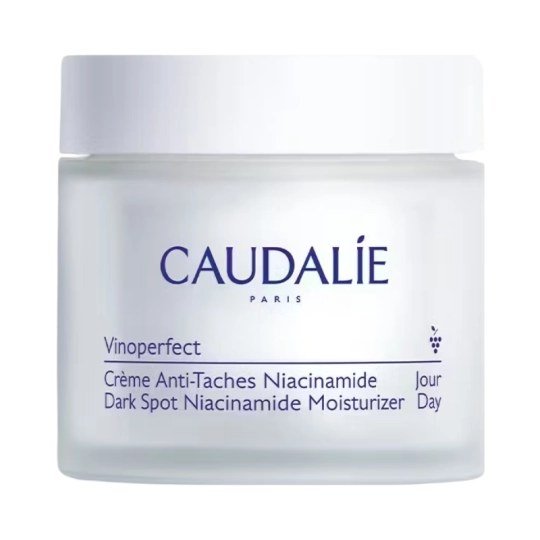
Caudalie’s Vinoperfect line is built on viniferine, a molecule from grapevine sap that the brand has studied for its brightening effect on dark spots, and this moisturiser pairs it with niacinamide in a squalane based day cream. The result is the most elegant product in this guide: a smooth, lightly scented cream that behaves like a premium daily moisturiser while quietly working on sun spots, age spots and post blemish marks. That dual role is its real value, because the dark spot product women actually use is the one that replaces a step rather than adding one, and this can be the morning cream under sunscreen for normal to dry skin. Caudalie publishes its own comparative claims for viniferine against vitamin C, which readers can weigh as brand research rather than independent proof. The limits are price, since 50 ml at this level is a considered purchase, the light fragrance that purists will decline, and brightening that is gradual like everything here. It is not a spot treatment for a single stubborn mark, where the targeted creams serve better. As a daily moisturiser that treats the whole face’s tone while it hydrates, it is the refined choice. The same line’s serum is the natural partner for readers who later want a treatment layer.
Specifications
50 ml jar
viniferine from grapevine sap
niacinamide
squalane day cream
Pros
Viniferine plus niacinamide in a daily moisturiser
Replaces a step instead of adding one
Elegant texture for normal to dry skin
Cons
Premium price for 50 ml
Lightly fragranced formula
Whole face brightening, not a spot treatment
Who should buyyou want your morning moisturiser itself to work on dark spots, in a premium formula
Who should skipyou want a targeted, budget fade cream for specific marks rather than whole face care
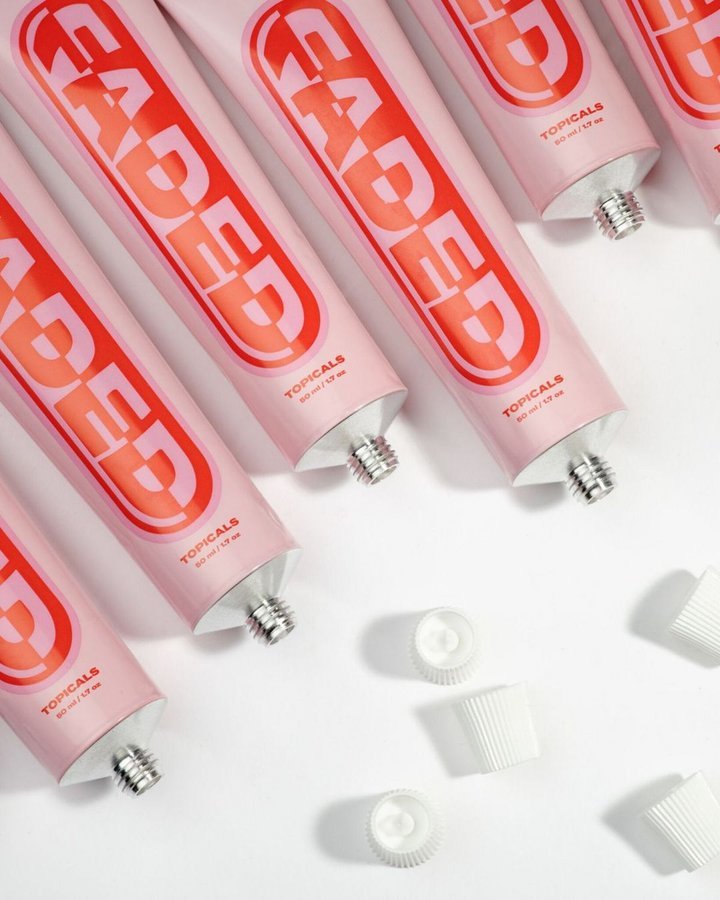
Faded is the modern, social media era entry in this category, and its formula is genuinely well assembled for dark spots: tranexamic acid, azelaic acid and niacinamide together, three of the most respected cosmetic brightening ingredients, with kojic acid and liquorice in support, in a gel serum that layers under any moisturiser. That stacking is why it belongs in a cream guide despite being a serum: it is the treatment layer women add when their regular cream is not enough, and its ingredient list covers more pigment pathways at once than any single cream here. It is aimed at post blemish marks and sun spots as much as general tone, and the brand speaks directly to deeper skin tones that the heritage brands historically underserved. The honest notes are the natural sulphurous scent of the formula, which is noticeable on application and fades, a mid premium price, and the discipline it needs: two or three times a week at first for sensitive skin, building up, always with sunscreen by day. Results are gradual and best judged at twelve weeks. For women who have tried basic niacinamide creams and want the next level of ingredient firepower, Faded is the step up.
Specifications
50 ml tube
tranexamic acid, azelaic acid and niacinamide
gel serum format
Pros
Tranexamic, azelaic and niacinamide combined
Layers under any moisturiser as a treatment step
Formulated with deeper skin tones in mind
Cons
Noticeable natural scent on application
Needs gradual introduction for sensitive skin
Serum format, so a moisturiser is still needed
Who should buyyou want the strongest cosmetic ingredient combination here, layered under your usual cream
Who should skipyou want one simple cream only, with no treatment layer and no scent compromises
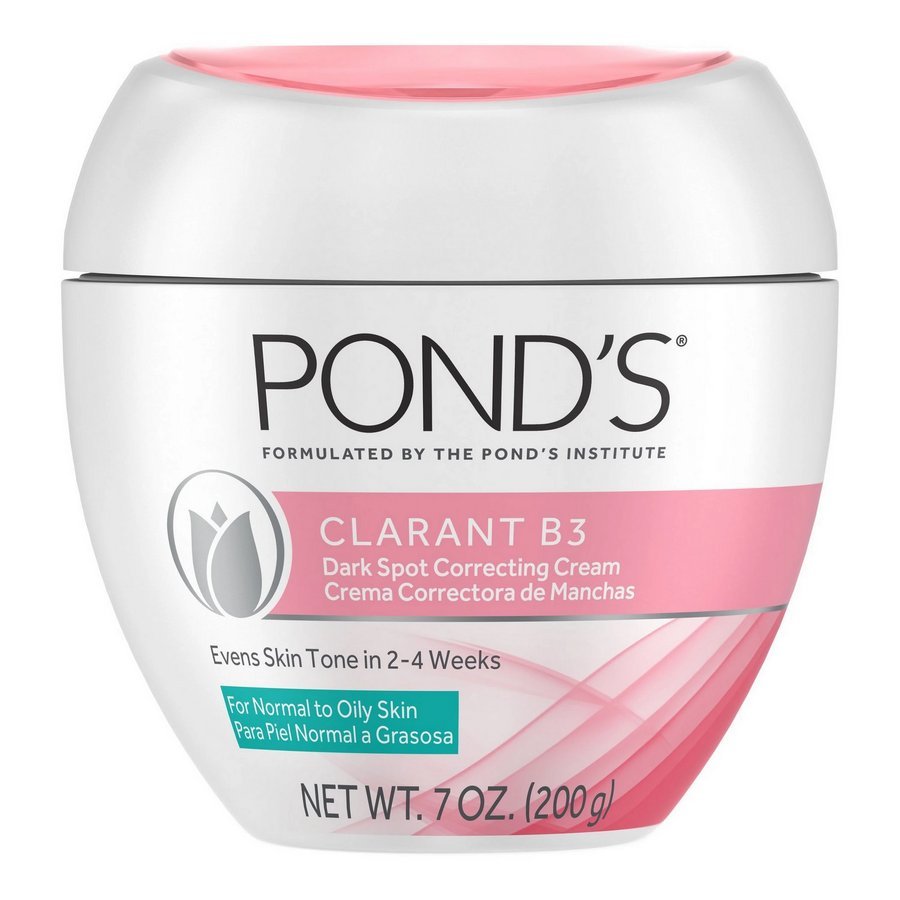
Pond’s Clarant B3 is the value giant of this guide: a 7 oz jar of niacinamide cream, sold in versions for normal to oily and normal to dry skin, at a price per ounce none of the premium picks can approach. Vitamin B3 is the whole story here, used to reduce the appearance of dark spots and uneven tone with twice daily use, in a cream base that doubles as your moisturiser. That simplicity is the appeal for women treating larger areas, the full face, neck and chest where sun spots gather, because rationing an expensive cream defeats the consistency that fading requires. A jar this size removes the rationing problem entirely. The compromises are the classic Pond’s fragrance, which is strong and traditional, a formula without the modern supporting cast of tranexamic or azelaic acids, and a jar format that needs clean hands over its long life. It is a moisturiser first and a corrector second, so expectations should be set at gradual, overall brightening rather than targeted spot removal. For the budget conscious reader who will actually apply generously every day for months, Clarant B3 may deliver more real world fading than a superior cream used sparingly. Two versions also let combination skin match the jar to its drier or oilier tendency.
Specifications
7 oz jar
vitamin B3 (niacinamide)
normal to oily and normal to dry versions
Pros
Huge 7 oz jar ends rationing
Niacinamide cream doubles as moisturiser
Two versions for oily or dry skin
Cons
Strong traditional fragrance
Niacinamide only, no modern supporting actives
Large jar needs clean hands for months
Who should buyyou want to treat face, neck and chest generously every day without watching the cost per use
Who should skipyou want a targeted, modern formula for a few stubborn spots
Nadinola is one of the oldest names in American fade creams, sold for generations in a small glass jar, and its Extra Strength formula remains a fixture of drugstore shelves for dark spots and uneven tone. The current US formula is niacinamide based and hydroquinone free, following the same regulatory shift as the other heritage brands, and it is positioned as a targeted treatment: applied in a thin layer to the discoloured areas rather than as an all over moisturiser. That targeted use is its strength, because a small jar lasts a long time when it is only covering spots, and the price is among the lowest in this guide. The texture is a rich cream that suits night application, and generations of users have built it into evening routines for marks from blemishes, sun and age. The honest limits are the traditional fragrance, a richness that oily skin will not enjoy in the day, and the modest cosmetic ceiling it shares with its heritage rivals: gradual improvement in the look of spots over weeks, with sunscreen deciding how much progress holds. For women who grew up seeing this jar in family bathrooms and want the updated version of a trusted ritual, it remains a legitimate, inexpensive choice.
Specifications
2.25 oz glass jar
extra strength formula
for dark spots and uneven tone
Pros
Targeted spot application makes the jar last
Heritage formula, updated and hydroquinone free
Among the lowest prices in the guide
Cons
Traditional fragrance
Rich texture suits night use best
Gradual cosmetic improvement only
Who should buyyou want a cheap, targeted cream for specific spots, applied at night
Who should skipyou want a modern multi active formula or an all over day cream
Porcelana is another heritage American brightening brand, and its cream is positioned as a nighttime treatment, pairing its brightening complex with vitamins A and E and antioxidants in a hydrating base designed to work while you sleep. The night positioning is sensible for dark spots: the skin is not fighting sun exposure during treatment hours, and a richer texture that would be too much under makeup is welcome before bed. The formula targets the standard trio of facial complaints, dark spots, uneven tone and the dullness that makes both look worse, and the 3 oz jar is a practical size for a product used once daily on the face. Porcelana also sells a daytime version with sunscreen in some markets, so check the jar you are buying is the night cream this guide covers. The trade offs are familiar for the heritage group: a traditional cosmetic fragrance, brightening that is gradual and cosmetic rather than dramatic, and less published ingredient detail than the modern brands provide. For women who prefer a single night step with a trusted old name and a comfortable, nourishing texture, Porcelana does its job without fuss or premium pricing. Applied nightly after cleansing, it needs no further step after it, which suits simple routines.
Specifications
3 oz jar
nighttime hydration version
vitamins A and E
antioxidants
Pros
Night cream format suits richer brightening care
Vitamins A and E with antioxidants
Practical jar size at a modest price
Cons
Traditional fragrance
Less ingredient transparency than modern brands
Day and night versions are easy to confuse
Who should buyyou want one nourishing night cream from a trusted heritage brand
Who should skipyou want stated percentages and modern actives with published research
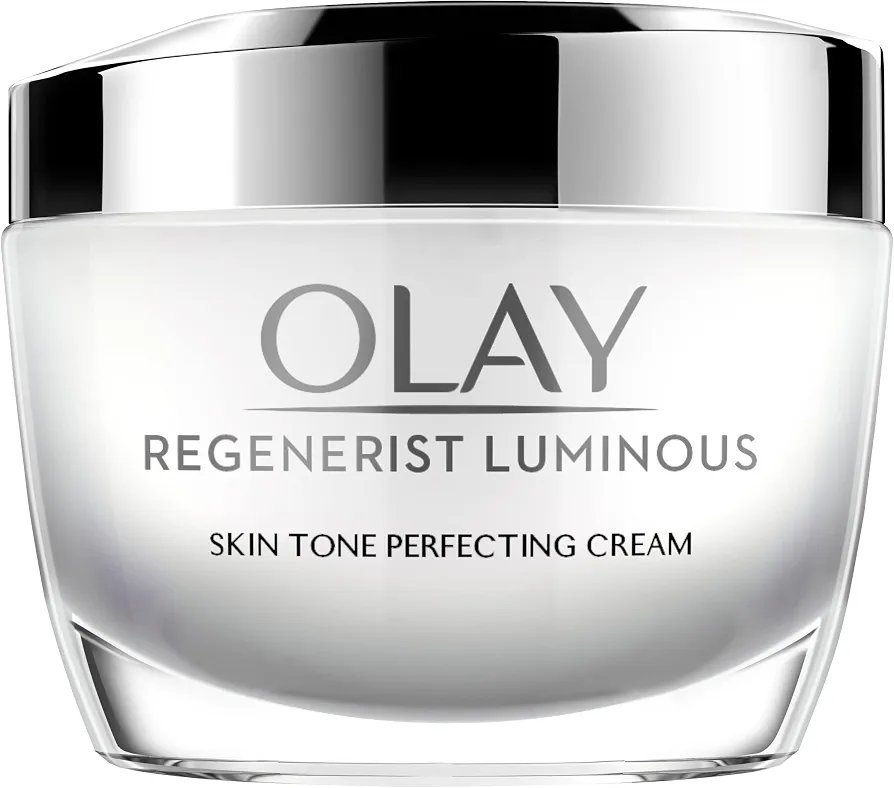
Olay’s Luminous cream brings the Regenerist line’s research weight to the dark spot problem: a niacinamide led tone perfecting moisturiser, with N-acetyl glucosamine among its supporting ingredients, a pairing with published evidence for improving the look of uneven pigmentation. In use it is the most cosmetically elegant of the mass market picks, a smooth, lightly pearlised cream that hydrates like a good daily moisturiser and gives skin an immediate soft focus glow while the tone work happens gradually underneath. That dual effect is why it suits women whose complaint is as much dullness and unevenness as defined spots. It layers well under sunscreen and makeup and is sold everywhere Olay is stocked. The limits are that it is a moisturiser with brightening benefits rather than a concentrated corrector, so stubborn individual spots will want a targeted product alongside it, the formula is fragranced in the Olay style, and the 1.7 oz jar is not generous. Judged as the daily moisturiser step in a dark spot routine, from a brand with genuine formulation depth, it is a strong mainstream choice. Judged as a spot treatment, it is the wrong shape of product. It is also frequently promoted in drugstores, which improves the value picture considerably.
Specifications
1.7 oz jar
niacinamide tone perfecting moisturiser
Regenerist Luminous line
Pros
Niacinamide plus N-acetyl glucosamine pairing
Immediate glow while tone improves gradually
Moisturiser and brightener in one step
Cons
Not a concentrated spot corrector
Fragranced in the Olay style
Modest 1.7 oz jar
Who should buyyour complaint is overall dullness and uneven tone and you want one elegant daily cream
Who should skipyou have a few deep, stubborn spots that need a targeted treatment instead
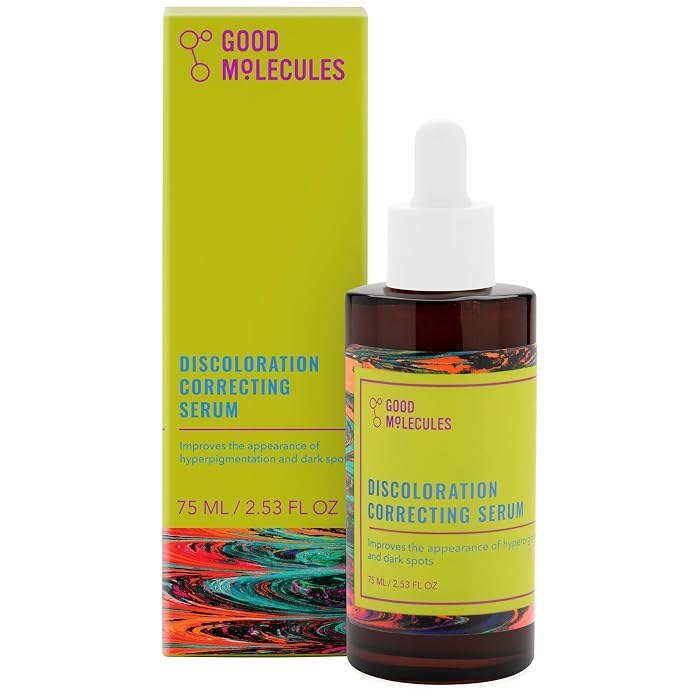
Good Molecules built its reputation on transparent formulas at low prices, and this serum is the clearest example in the guide: a water based treatment with a tranexamic acid derivative and a stated 4% niacinamide, fragrance free, in a 30 ml bottle that costs less than most of the creams here. It earns its place in a cream guide the same way the Topicals serum does, as the affordable treatment layer under any moisturiser, but it plays a different role: where Faded is the intensive option, this is the gentle daily one, suitable for sensitive skin and for women starting a first dark spot routine. The texture is a light, slightly viscous serum that absorbs quickly and layers under sunscreen without pilling. Because it is a serum, it does not moisturise, so it must be paired with a cream, ideally one of the simpler ones in this guide, and its brightening is gradual over eight to twelve weeks. The brand’s ingredient transparency makes it easy to check against the rest of your routine. For the reader who wants modern pigment ingredients, clearly stated, at the lowest cost of entry, this is the smart buy, and a good partner to the Pond’s or Ambi creams if budget is the constraint.
Specifications
30 ml serum
tranexamic acid derivative
4% niacinamide
fragrance free
Pros
Tranexamic derivative plus stated 4% niacinamide
Lowest cost modern formula in the guide
Fragrance free and gentle enough for daily use
Cons
Serum only, needs a moisturiser over it
Gentle strength means slower visible change
Small 30 ml bottle with daily use
Who should buyyou want modern brightening ingredients clearly stated at the lowest price, layered under a simple cream
Who should skipyou want a single cream that moisturises and treats in one step
Dark spots are flat areas of excess pigment: sun spots from cumulative UV, post inflammatory marks after spots or irritation, and hormonal pigmentation such as melasma. Each type has a different driver, which is why one brightener rarely fixes all three.
Every effective approach has two halves: slow new pigment, and protect the progress. Tyrosinase slowing ingredients include vitamin C, azelaic acid, niacinamide, arbutin and kojic acid; sunscreen is the non negotiable second half, and for melasma, visible light protection from tinted, iron oxide containing sunscreen matters too. Spots deepen again within weeks if sun exposure continues unprotected, whatever the serum. A spot that changes shape, colour or texture needs a doctor, not a brightener.
How to Choose: the Criteria That Matter
Choosing skincare well means buying for the skin you have, in the order it needs help. Start with the concern, not the product shelf: breakouts, marks, dryness, redness and lines each have a short list of ingredients with real evidence behind them, and the guide’s topic section names the ones that matter here. Then check your current routine for conflicts before adding anything. Most failed purchases are good products bought for the wrong concern, or two strong actives introduced in the same week so that irritation gets credited to both.
Active ingredient and its stated strength, since a named active without a percentage tells you very little
A percentage on the label lets you compare like with like: a 10 percent azelaic acid and a 2 percent salicylic acid are honest products, while a serum that names an active without a strength is asking you to trust the marketing instead.
Formula type for your skin: gel for oily skin, cream for dry skin, emulsion for combination skin
The same active in a gel, a cream and an oil behaves like three different products. Gel and water based formulas suit oily and combination skin; creams and emulsions carry dry skin through the day; oils are finishing steps, not treatments.
What the formula leaves out: fragrance, drying alcohol and common irritants if your skin is reactive
What is left out decides tolerance. Fragrance, essential oils and drying alcohol are the three most common reasons a well reviewed product stings, flushes or breaks someone out, and sensitive skin should read for their absence first.
How it layers with the rest of your routine, including retinoids, vitamin C and sunscreen
A product that pills under sunscreen or fights your retinoid will not survive in a real routine. Think in pairs: water based before oil based, thinnest to thickest, and actives split across morning and night when they compete.
Packaging that protects the formula, such as airless pumps and opaque bottles for light sensitive actives
Actives degrade in light and air. Vitamin C, retinoids and many antioxidants keep their strength in opaque, airless packaging, and a clear dropper bottle on a sunny shelf is quietly expiring.
Also Considered
These products were researched for this guide and left off the picks list for the reasons given. They are not poor products; they simply fit the exact question of this guide less well.
Murad Rapid Dark Spot Correcting Serum
A potent, well regarded serum that was researched and left off the picks because this guide compares creams and cream style treatments; readers who want a dedicated serum step will find it a strong alternative to the Topicals and Good Molecules layers included.
SkinCeuticals Discoloration Defense
A clinical grade serum with tranexamic acid and niacinamide, researched for this guide. Its serum format and premium price put it outside a cream comparison, but it is a legitimate step up for women who have plateaued on creams.
Eucerin Anti-Pigment Dual Serum
From the same Thiamidol family as the night cream pick, researched and set aside because the cream covers the line’s place in this guide; the dual serum is the lighter textured alternative for oilier skin.
How to Use What You Buy
Start with clean, dry or slightly damp skin as the product type directs
Apply the amount stated on the product, usually a pea sized amount or two finger lengths for sunscreen
Introduce one new active at a time and give it at least two weeks before judging
Use the product at the time of day it is designed for, and always finish morning routines with sunscreen
Note any stinging, breakouts or dryness in the first week and adjust frequency before giving up
Fit decides whether a good product works. Skincare actives need a stable base routine around them: a gentle cleanser, a moisturiser your skin likes, and sunscreen every morning. Add the new product to that base one at a time, at the frequency the category supports, and keep everything else unchanged for the first month. That discipline is what turns a purchase into a result you can actually attribute.
One brightening active, used consistently for eight to twelve weeks, photographed monthly in the same light, with daily sunscreen as the foundation. Layering three brighteners adds irritation risk faster than it adds speed.
Who Should Buy, and Who Should Skip
Buy if your need matches this guide exactly: you are looking for options for dark spots on face for women, you have checked the criteria above against your current routine, and you are willing to introduce the product gradually and judge it over the period the category needs.
Skip if your concern is different from the one in the title, your skin or hair is currently irritated or damaged and needs recovery first, or a clinician has advised you on this concern, in which case their advice comes before any buying guide.
Common Mistakes in Dark Spots
Starting three new actives in the same week, which makes reactions impossible to trace
Using more product than directed, which increases irritation without improving results
Skipping sunscreen while using brightening or exfoliating products, which undoes their work
Expecting visible change in days when most skincare actives need weeks of consistent use
Treating melasma like a sun spot with aggressive peels, which commonly rebounds darker
Judging brighteners at three weeks, when pigment moves on a two to three month clock
Frequently Asked Questions
How do I choose the right cream?
Start with the criteria in this guide: match the formula or specification to your skin type and the exact concern in the title, check the published ingredient or specification list, and pick the option whose downsides do not overlap with your problem. The type decision comes first: most disappointment in dark spots is a good product bought in the wrong type.
How long before I see results from a dark spots product?
It depends on the category, but most skincare products need consistent use over several weeks before a fair judgement. Devices and treatments state their expected course in the manual or on the packaging, and that timeline is the one to follow. Judge on the category’s clock, not on the first week.
What should I avoid when buying for dark spots on face for women?
Avoid buying on claims alone: skip options with no published ingredient or specification list, strengths far beyond what your routine needs, and any product whose stated downsides match the exact issue you are trying to fix. Also avoid changing two other parts of your routine in the same week, which makes the new product impossible to judge.
Is the most expensive option always the best?
No. In dark spots, price often reflects branding, packaging and extras rather than the core ingredient or specification doing the work. The criteria in this guide matter more than the price band, and mid priced options with the right specification beat premium options with the wrong one.
What is the most common mistake with dark spots?
Treating melasma like a sun spot with aggressive peels, which commonly rebounds darker A close second: judging brighteners at three weeks, when pigment moves on a two to three month clock
How does dark spots fit into a daily routine?
One brightening active, used consistently for eight to twelve weeks, photographed monthly in the same light, with daily sunscreen as the foundation. Layering three brighteners adds irritation risk faster than it adds speed. Fit decides whether a good product works.
How to Get Rid of Dark Spots on Inner Thighs?
The companion how-to guide, How to Get Rid of Dark Spots on Inner Thighs, covers this in full: the step by step method, the right amounts and frequency for your type, and the mistakes that stop it working. It is linked from the routine sections of this page, and it is the right next read once you have chosen a product.
By Mirror & Glow Editorial Desk – November 23, 2026
Answering how to get rid of dark spots on inner thighs properly: one brightening active, used consistently for eight to twelve weeks. Background, method, routine placement and FAQs, written for your skin or hair type.
By Mirror & Glow Editorial Desk – November 23, 2026
How to Get Rid of Acne Scars on Back? The short answer first, then the detail: one active at a time, introduced over two weeks, judged at eight to twelve weeks, with timing, amounts and the errors that stop it working.
By Mirror & Glow Editorial Desk – November 23, 2026
Hydrocolloid is a wound dressing material: it draws out fluid and turns white as it works. This guide applies that to how often to use pimple patches on a single spot: the method, the timing, and the traps to avoid.