By Mirror & Glow Editorial Desk – November 23, 2026
Woman rubbing clear gel over stretch marks on her hip and thigh.
Affiliate disclosure: Mirror & Glow may earn a commission from qualifying purchases made through links on this page, at no extra cost to you. Full disclosure.
The verdict up front: start with Bio-Oil Skincare Oil, the strongest all round match in this line up for stretch marks after weight loss. Every pick is compared in the table below, then reviewed in full with its downsides as well as its strengths.
If you are looking for the best cream for stretch marks after weight loss, the right choice depends on fit, not hype. This guide is written for stretch marks after weight loss, and every criterion below is weighted for that need first. The short answer: choose the cream whose formula, format and strength match your skin, check the ingredient or specification list before the marketing claims, and avoid the options whose downsides match the problem you are trying to solve.
What matters most in stretch marks is covered in depth below: what the product actually is, the types on sale and how they differ, the buying criteria explained one by one, how to use what you buy, and the mistakes that waste the most money in this category.
Best Cream for Stretch Marks After Weight Loss Compared
Product
Standout Point
Key Specification
Bio-Oil Skincare OilTop Pick
Dry oil texture people actually keep using
60 ml, 125 ml and 200 ml bottles – PurCellin Oil base – vitamins A and E – chamomile, lavender, rosemary and calendula oils
105 ml bottle – avocado oil and avocado peptides – maracuja (passion fruit) oil – ingredients of natural origin – made for pregnancy and postpartum skin
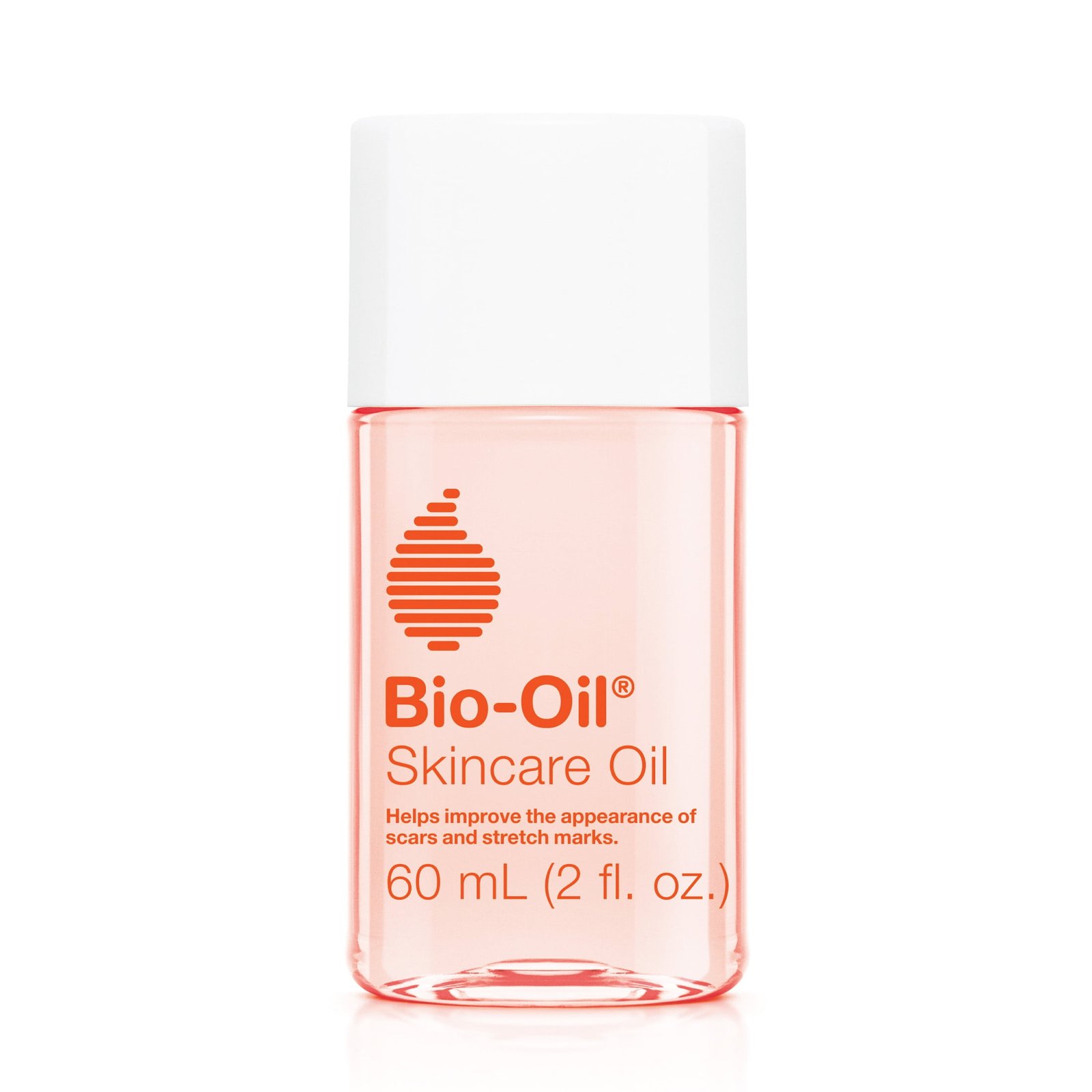
Bio-Oil is the product most people mean when they say stretch mark oil, and after weight loss it remains the sensible starting point, with the right expectations set. Its PurCellin Oil base makes a plant oil blend behave like a dry oil, spreading thin, absorbing without the greasy residue that puts people off body oils, and carrying vitamins A and E plus chamomile, calendula, lavender and rosemary oils. The evidence based framing matters here: no cream or oil erases mature stretch marks, which are structural changes in the dermis, but consistent twice daily massage with a product like this improves the skin’s hydration, elasticity feel and the visible contrast of newer, still pink or red marks as they mature, and it keeps skin over changing areas supple while weight stabilises. That last role is underrated after weight loss, when skin is adjusting and often dry and itchy. The massage itself is part of the treatment, two to three minutes worked in circular motions, which the light texture makes easy to sustain. Downsides: the scent is a powdery floral some dislike, the oil can mark delicate fabrics before it absorbs, and anyone expecting white, silvery marks to vanish will be disappointed by any product, this one included. As the default daily oil, it earns the top spot.
Specifications
60 ml, 125 ml and 200 ml bottles
PurCellin Oil base
vitamins A and E
chamomile, lavender, rosemary and calendula oils
Pros
Dry oil texture people actually keep using
Best evidence aware default for newer marks
Massage friendly, non greasy finish
Cons
Cannot erase mature white marks, nothing can
Powdery floral scent divides opinion
Can mark fabrics before absorbing
Who should buyyour marks are newer and still coloured, and you want the proven daily oil with honest expectations
Who should skipyour marks are old, white and silvery and you expect removal, which no cream delivers
Mederma’s stretch mark cream is the most clinically dressed option in this guide. Its signature ingredient is Cepalin, an onion bulb extract the brand uses across its scar range for its effect on the appearance of damaged skin, combined here with hyaluronic acid for hydration and centella asiatica, a plant extract with a genuine research history in skin repair and collagen support. The brand supports the formula with clinical testing on stretch mark appearance, which puts it ahead of purely cosmetic claims, while still sitting inside the honest limit: improvement in colour, texture and overall noticeability over about twelve weeks of twice daily use, not removal. After weight loss, where marks are often widespread across the abdomen, hips and arms, the cream format is practical, it absorbs like a body lotion, so large areas can be covered morning and evening without an oil’s waiting time before dressing. The tube is mid sized for that coverage, so heavy use empties it, and the cream carries a light medicinal scent. Skin that reacts to botanical extracts should patch test, since Cepalin is an active botanical, not an inert base. For readers who want the most treatment oriented cream in the guide, this is it.
Specifications
150 g tube
Cepalin botanical extract
hyaluronic acid and centella asiatica
cream formula
twice daily application
Pros
Most treatment oriented formula here
Centella and Cepalin target mark appearance
Cream format covers large areas easily
Cons
Twelve week horizon for judgement
Tube empties fast on wide areas
Botanical actives need a patch test
Who should buyyou want the most clinically oriented cream and will commit to twice daily use for three months
Who should skipyou prefer oils, or your skin reacts to botanical extracts
Palmer’s massage lotion is the workhorse of stretch mark care, and after weight loss its virtues are scale and habit. The formula is the brand’s cocoa butter base with shea butter, vitamin E, and collagen and elastin, the structural proteins stretch marks involve, in a lotion designed to be massaged over the whole body daily. Nothing in it is exotic, and that is the point: at this price, in a 250 ml pump bottle, a reader can cover abdomen, hips, thighs, arms and chest every day for months without rationing, and coverage plus consistency is what separates products that improve skin from products that sit in the cupboard. The lotion improves hydration and elasticity feel, softens the dry, tight sensation of skin adjusting after weight change, and supports newer marks as they fade. The cocoa butter scent is strong and sweet, a genuine deal breaker for some, and the formula is a moisturiser with supportive ingredients rather than a targeted treatment, so expectations should sit at gradual improvement in look and feel. It is also the natural partner to rotate with a stronger cream, Palmer’s for daily coverage, the treatment cream for the worst areas. As the affordable daily base of a routine, it leads its class.
Specifications
250 ml pump bottle
cocoa butter and shea butter
vitamin E, collagen and elastin
all over body lotion format
Pros
Cheap enough for true whole body daily use
Collagen, elastin and vitamin E support
Pump bottle suits a fast routine
Cons
Strong sweet cocoa scent
Moisturiser first, treatment second
Gradual, modest improvements only
Who should buyyour marks are widespread and you need affordable daily coverage everywhere
Who should skipyou dislike cocoa butter scent, or you want a targeted treatment as your only product
StriVectin’s SD Advanced is the premium concentrate of this guide, and it exists because the brand began with stretch marks before it became a wrinkle name. Its core technology is NIA-114, a proprietary form of niacin engineered to penetrate and support the skin barrier and the dermal matrix, paired with peptides aimed at collagen and elastin, the two proteins whose disruption is literally what a stretch mark is. The texture is a rich concentrate, thicker than a lotion, thinner than a butter, designed to be worked into the worst areas rather than spread everywhere, and after weight loss that targeting suits the pattern: the deepest marks on the abdomen, hips or inner arms get the concentrate, while a cheaper lotion covers the rest. The price demands that discipline, because used as an all over body cream the tube would vanish in a fortnight. It also sits at the cosmetic end of honesty: the technology is serious and the brand tests its claims, but no topical rebuilds torn dermis, so judge it on softening, colour blending and texture over eight to twelve weeks. For readers who want the most advanced formula aimed at the worst marks, this is the one. A pea sized amount per cluster of marks is the intended dose, not a body lotion layer.
Specifications
118 ml tube
NIA-114 niacin technology
peptides and collagen supporting actives
face and body concentrate
Pros
Niacin technology aimed at the dermal matrix
Concentrate format targets the worst marks
Serious formula with tested claims
Cons
Premium price demands targeted use
Not an all over body product
Weeks of use before judgement
Who should buyyou have specific deep marks to target and want the most advanced formula in the guide
Who should skipyour marks are widespread and need economical full coverage instead
Clarins approaches stretch marks through its phyto stretch complex, pairing organic green banana extract with centella asiatica, the same repair associated plant that anchors the Mederma formula, in a comfort cream built to improve the skin’s elasticity feel and the appearance of marks while soothing the tightness that comes with them. Body Partner was developed with pregnancy in mind, which after weight loss translates well: the skin states are cousins, tissue that has stretched and is now adjusting, often sensitive and reactive, and the formula is made to be gentle enough for that context, with hazelnut oil giving it a soft, cushioned finish. The texture is the most elegant in this guide, a cream that absorbs like a prestige body product and makes the twice daily massage feel like care rather than treatment. The compromises are the prestige ones: the tube is not large, the price per millilitre is high for wide coverage, and the positioning leans toward prevention and newer marks rather than old established ones. Its scent is light and clean. For readers whose skin is sensitive, whose marks are recent, and who value a product they will enjoy using for the full three months, Clarins makes the strongest case.
Specifications
175 ml tube
organic green banana and centella asiatica extracts
hazelnut oil
comfort cream texture
Pros
Centella and banana complex for elasticity feel
Gentle enough for sensitive, adjusting skin
Most elegant texture in the guide
Cons
Premium price for wide coverage
Leans to newer marks over old ones
Tube size is modest
Who should buyyour marks are recent, your skin is sensitive, and texture decides whether you keep a routine
Who should skipyou need budget coverage for widespread, established marks
Palmer’s Skin Therapy Oil is the upgrade pick inside the Palmer’s family, an oil built on cocoa butter and vitamin E with argan, coconut and sweet almond oils, formulated to absorb like a dry oil rather than sit on the skin. In the stretch mark context it plays the same role as Bio-Oil, a massage friendly daily treatment for marks, scars and uneven tone, and the comparison between them comes down to feel and scent: this one is warmer, with the cocoa note Palmer’s is known for, and a slightly richer finish that very dry, adjusting skin after weight loss often prefers. It spreads over large areas economically, a few drops per zone, so the 150 ml bottle lasts, and it doubles as an all over body oil for the dryness that frequently accompanies significant weight change. The honest limits match the category: improvement in the look and feel of marks with consistent use, not erasure, and coconut oil in the blend means breakout prone areas like the chest and back should be patch tested. It can also transfer to fabrics if you dress too fast. For readers who want an oil with a warmer feel than the top pick, at a friendlier price, this is the alternative to choose.
Specifications
150 ml bottle
cocoa butter and vitamin E
argan, coconut and sweet almond oils
non greasy dry oil
Pros
Dry oil absorption with a richer feel
Economical over large areas
Doubles as a general body oil
Cons
Cocoa scent will not suit everyone
Coconut oil needs patch testing on breakout prone zones
Can transfer if you dress too quickly
Who should buyyou want an oil like the top pick but warmer in feel and gentler in price
Who should skipyou react to coconut oil, or you strongly dislike cocoa scents
Mustela’s oil comes from the maternity shelf, and its design brief, skin under rapid change, judged by cautious standards, suits post weight loss skin remarkably well. The formula is built on avocado oil and the brand’s avocado peptides, with maracuja oil, using ingredients of natural origin and avoiding the additives maternity products are screened for, which makes it one of the gentlest options here for reactive skin. The oil itself is light, closer to a dry oil than a bath oil, and it is intended for daily massage over the areas where skin has stretched, improving suppleness and comfort while supporting newer marks as they settle. After weight loss, the comfort role is significant: skin that has lost its underlying volume is often dry, itchy and sensitive, and a gentle oil that restores ease has value beyond the marks themselves. The limits are positioning and pace: it is a supportive, elasticity focused oil rather than an active treatment for established marks, the bottle is small for whole body use, and the maternity branding will not bother most readers but is worth knowing. For sensitive skin and recent change, it is a thoughtful pick. It also absorbs quickly enough for morning use before dressing, which many richer oils do not manage.
Specifications
105 ml bottle
avocado oil and avocado peptides
maracuja (passion fruit) oil
ingredients of natural origin
made for pregnancy and postpartum skin
Pros
Among the gentlest formulas here
Light, dry oil feel despite natural oils
Excellent for dry, itchy, adjusting skin
Cons
Supportive rather than active on old marks
Small bottle for whole body use
Maternity shelf positioning
Who should buyyour skin is sensitive and recently changed, and comfort plus gentle support is the brief
Who should skipyou want an active treatment aimed at established marks
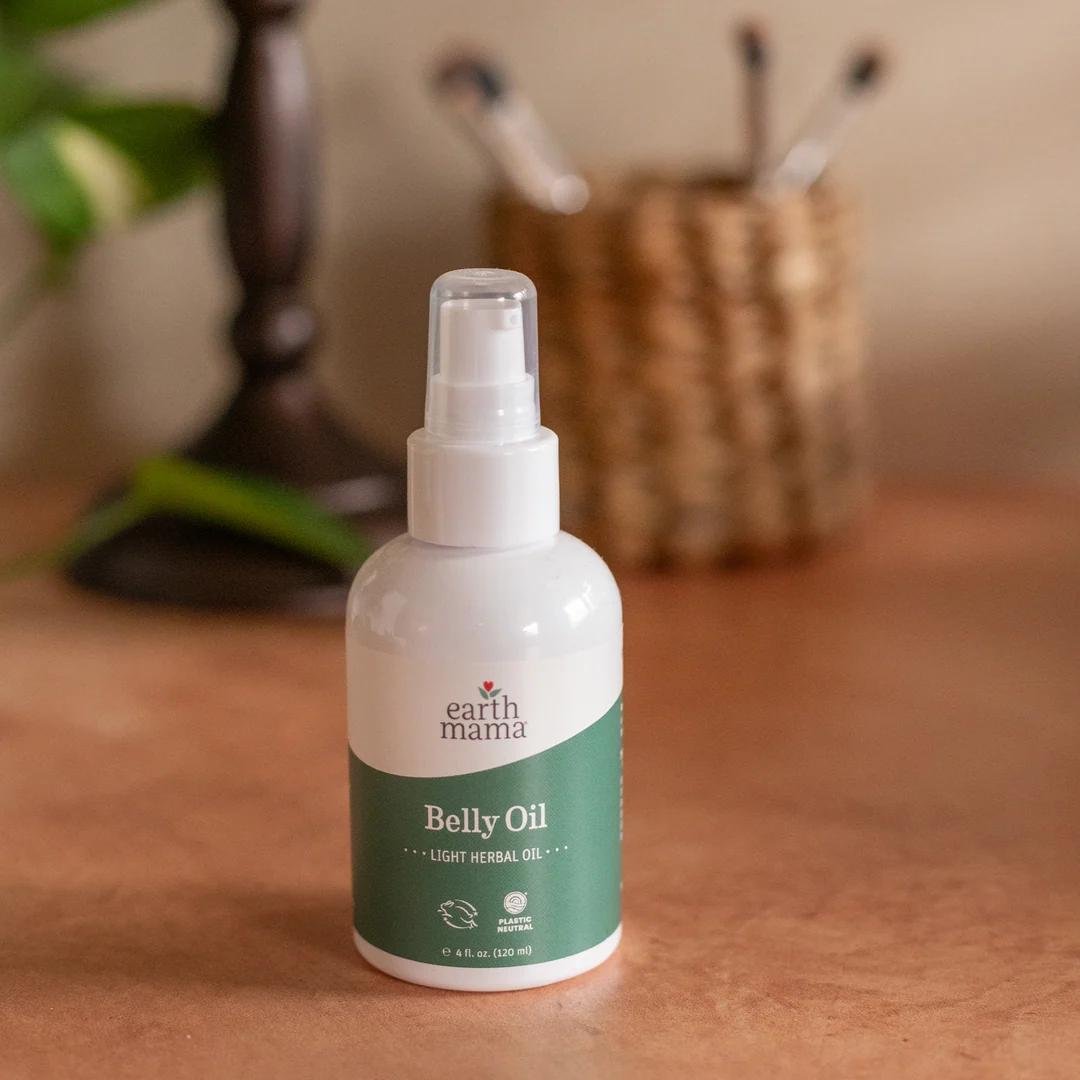
Earth Mama’s Belly Oil is the herbalist’s entry in this guide, a calendula infused blend of jojoba and borage oils in a spray bottle, scented with orange blossom. Calendula is the traditional skin soothing herb, jojoba is the oil closest to skin’s own sebum, and borage brings gamma linolenic acid, a fatty acid associated with barrier support, so the formula reads like a well composed herbal oil rather than a marketing blend. The spray format is its practical signature: a few spritzes per area, rubbed in, which keeps hands less oily and makes the twice daily habit quick over the abdomen, hips and thighs. For post weight loss skin the fit is the comfort and suppleness role, easing the dry, papery feel and supporting newer marks, with an ingredient list short enough for label readers to approve at a glance. The trade offs are the herbal ones: the orange blossom scent is natural and noticeable, the oil is a supportive moisturiser rather than a treatment with tested mark claims, and spray bottles can mist onto bathroom floors if aimed carelessly. Readers who prefer plant based simplicity over clinical positioning will find this the most congenial oil in the guide. The wider range follows the same short label philosophy, which keeps a routine consistent.
Specifications
120 ml spray bottle
calendula infused jojoba and borage oils
orange blossom scent
herbal oil blend
Pros
Short, readable herbal ingredient list
Spray format makes application quick
Calendula soothes adjusting skin
Cons
Supportive moisturiser, not a tested treatment
Noticeable natural orange blossom scent
Spray can mist the bathroom floor
Who should buyyou prefer plant based, minimal formulas and a quick spray routine
Who should skipyou want a clinically positioned treatment for established marks
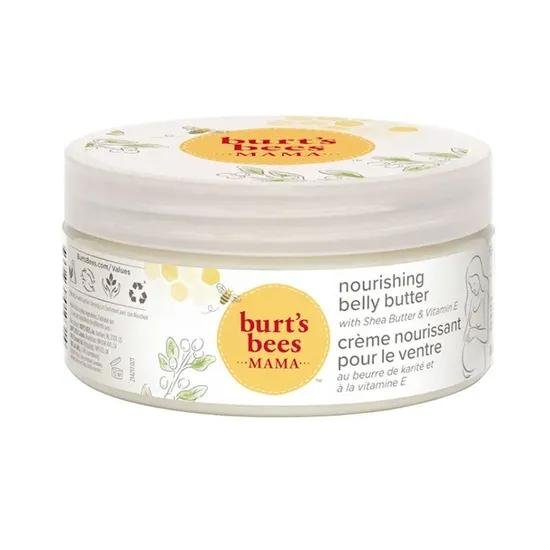
The belly butter is the richest texture in this guide, a dense blend of shea, cocoa and jojoba butters, fragrance free, made to be warmed between the hands and massaged slowly into skin that needs serious comfort. After weight loss, that richness has a specific job: the areas where marks concentrate are often the areas where skin now sits looser and drier, and a butter’s occlusive layer keeps moisture in for hours in a way lotions cannot, softening the crepey surface texture that makes marks look more pronounced than they are. Used at night, it turns the massage into a slow ritual, which suits the product, since butters reward patience and punish haste with a greasy sheet transfer if you over apply. It is a maternity product by name, fragrance free by design, and gentle in composition. Its limits are the format’s: no active treatment ingredients aimed at marks themselves, a tub to scoop from, and a texture that is wrong for rushed mornings or hot climates. As the night time comfort layer in a routine led by a treatment cream or oil in the morning, it completes the set better than any second lotion would. Warming the butter between the hands first is not optional technique; cold butter drags and underdelivers.
Specifications
185 g tub
shea, cocoa and jojoba butters
fragrance free
rich butter texture
99% natural origin positioning
Pros
Deepest moisture in the guide
Fragrance free and gentle
Softens the crepey texture around marks
Cons
No active mark treatment ingredients
Too rich for mornings or hot weather
Tub format, slow ritual application
Who should buyyour marked skin is dry and crepey and you want a rich night time comfort layer
Who should skipyou want one fast product for mornings, or an active treatment as your sole buy
Weleda’s pregnancy oil is the heritage natural option, from a brand that has made plant based body care for a century, and its formula is a study in doing simple things properly: sweet almond and jojoba oils as the base, wheat germ oil for its vitamin E content, and arnica extract, the traditional addition for skin under strain. It is certified natural, lightly scented with essential oils in the classic Weleda style, and designed for exactly the massage routine stretch mark care depends on, with the brand’s own guidance built around regular use from early in a skin change. After weight loss, that profile suits readers in the maintenance phase: weight stabilised, marks formed, skin needing elasticity support and comfort while it settles over months. The oil is richer than the dry oils here, so a little goes further and dressing waits a few minutes. The limits are familiar: supportive rather than corrective, a smaller bottle at a natural brand price, and an essential oil scent that reactive readers should patch test despite the gentle positioning. For readers who trust heritage natural formulation over clinical branding, this is the oil that will feel like theirs. The measured pump dose also makes it the easiest oil here to apply without waste.
Specifications
100 ml pump bottle
sweet almond, jojoba and wheat germ oils
arnica extract
certified natural by Natrue
Pros
Certified natural, heritage formulation
Arnica and wheat germ for strained skin
A little goes a long way
Cons
Richer oil, slower to absorb
Supportive rather than corrective
Essential oil scent needs a patch test for some
Who should buyyou are in the maintenance phase and trust certified natural formulation
Who should skipyou want fast absorption or an active treatment for newer marks
Stretch marks are linear scars where skin has stretched faster than its collagen structure could adapt, through growth, pregnancy or weight change. New marks are red or purple; older ones fade to silvery white. They are permanent in structure, though their appearance softens over time.
Honesty matters in this category: no cream erases a stretch mark, because the change is in the dermis, not the surface. Moisturisers improve the feel and look of skin generally; retinoids have the most discussion behind them for early, red marks, and are not used in pregnancy. In clinic options such as laser and microneedling offer partial improvement for some people. Any product promising removal is promising what the category cannot do.
How to Choose: the Criteria That Matter
Choosing body care well means matching the active to the concern and the texture to the severity. Bumps need a keratolytic active, cracks need urea and occlusion, plain dryness needs humectants and consistency. Read the ingredient list for the one active your concern calls for, choose a format you will genuinely use daily, and give texture problems a month of consistency before judging.
The texture your skin needs: lotion for mild dryness, cream or ointment style richness for severe dryness
Texture follows severity. Mild dryness maintains well on a lotion; established dryness needs a cream; cracked, thickened areas need ointment weight richness or an active formula. Buying too light a texture for the problem is the commonest waste in this category.
Key ingredients for the job, such as urea or lactic acid for roughness and ceramides for barrier support
Ingredients do the work: urea and lactic acid for roughness and bumps, ceramides and petrolatum for barrier repair, salicylic acid for body breakouts. A pleasant smell is not an ingredient strategy, so read the list for the active your concern actually needs.
Fragrance position, since body products are a common trigger for sensitive skin
Body products cover the largest skin area you own, which makes them the most likely trigger for fragrance sensitivity. If skin reacts to products generally, the fragrance free version of the same formula is the buy.
Application area and skin thickness: heels and elbows need stronger formulas than arms and legs
Skin thickness varies by site: heels, elbows and knees tolerate and need stronger formulas than the inner arm or chest. One product rarely serves the whole body optimally, and targeted products for feet and hands earn their separate place.
How it fits a shower routine, because the best body product is the one used daily
A body routine survives on convenience: a pump by the shower beats a beautiful jar in a cupboard. Choose the format you will use daily, because in body care consistency outperforms potency.
Also Considered
These products were researched for this guide and left off the picks list for the reasons given. They are not poor products; they simply fit the exact question of this guide less well.
Palmer’s Cocoa Butter Formula Tummy Butter
The intensive night version of the Palmer’s formula. Researched and left off because the Burt’s Bees butter covers the rich night layer role without fragrance, and the Palmer’s lotion already represents the brand in the daily slot.
Mama Mio The Tummy Rub Oil
A well regarded maternity oil with a strong ingredient story. It was researched fully, but the guide’s oil places are taken by formulas with either broader evidence awareness or better value, and a fifth oil would unbalance the ten.
How to Use What You Buy
Apply moisturiser within a few minutes of showering, on skin that is still slightly damp
Use enough to cover the area in a thin, even film rather than spot treating
For exfoliating products, start once or twice a week and build as skin tolerates
Give rough areas such as heels a nightly application, with socks to protect bedding
Allow four weeks of consistent use before judging texture problems like bumps
Body care works on shower logic: exfoliate a few times a week, moisturise within minutes of washing while skin is still damp, and give targeted areas a nightly treatment. That rhythm, kept for a month, changes skin more than any single premium product used sporadically. Keep the products where the routine happens, at the shower and the bedside, not in a cabinet.
Keep expectations at softening and blending. Moisturise daily, protect newer marks from sun since they pigment easily, and if marks are new, red and a real concern, a dermatologist conversation early is worth more than a shelf of creams.
Who Should Buy, and Who Should Skip
Buy if your need matches this guide exactly: you are looking for options for stretch marks after weight loss, you have checked the criteria above against your current routine, and you are willing to introduce the product gradually and judge it over the period the category needs.
Skip if your concern is different from the one in the title, your skin or hair is currently irritated or damaged and needs recovery first, or a clinician has advised you on this concern, in which case their advice comes before any buying guide.
Common Mistakes in Stretch Marks
Moisturising dry skin hours after showering, when the water has already escaped
Scrubbing rough or bumpy skin harder instead of using the right active ingredient
Applying exfoliating acids to broken, shaved or sunburnt skin
Stopping after a week when texture concerns respond over a month
Buying removal claims at premium prices, when the honest best case from cosmetics is improved appearance
Using retinoid products on stretch marks during pregnancy, when retinoids are specifically not advised
Frequently Asked Questions
How do I choose the right cream?
Start with the criteria in this guide: match the formula or specification to your skin type and the exact concern in the title, check the published ingredient or specification list, and pick the option whose downsides do not overlap with your problem. The type decision comes first: most disappointment in stretch marks is a good product bought in the wrong type.
How long before I see results from a stretch marks product?
It depends on the category, but most body care products need consistent use over several weeks before a fair judgement. Devices and treatments state their expected course in the manual or on the packaging, and that timeline is the one to follow. Judge on the category’s clock, not on the first week.
What should I avoid when buying for stretch marks after weight loss?
Avoid buying on claims alone: skip options with no published ingredient or specification list, strengths far beyond what your routine needs, and any product whose stated downsides match the exact issue you are trying to fix. Also avoid changing two other parts of your routine in the same week, which makes the new product impossible to judge.
Is the most expensive option always the best?
No. In stretch marks, price often reflects branding, packaging and extras rather than the core ingredient or specification doing the work. The criteria in this guide matter more than the price band, and mid priced options with the right specification beat premium options with the wrong one.
What is the most common mistake with stretch marks?
Buying removal claims at premium prices, when the honest best case from cosmetics is improved appearance A close second: using retinoid products on stretch marks during pregnancy, when retinoids are specifically not advised
How does stretch marks fit into a daily routine?
Keep expectations at softening and blending. Moisturise daily, protect newer marks from sun since they pigment easily, and if marks are new, red and a real concern, a dermatologist conversation early is worth more than a shelf of creams. Body care works on shower logic: exfoliate a few times a week, moisturise within minutes of washing while skin is still damp, and give targeted areas a nightly treatment.
How to Get Rid of Stretch Marks After Weight Loss?
The companion how-to guide, How to Get Rid of Stretch Marks After Weight Loss, covers this in full: the step by step method, the right amounts and frequency for your type, and the mistakes that stop it working. It is linked from the routine sections of this page, and it is the right next read once you have chosen a product.
By Mirror & Glow Editorial Desk – November 23, 2026
Everything behind how to get rid of stretch marks after weight loss: honesty matters in this category: no cream erases a stretch mark, set out as a clear step by step with the mistakes and questions readers raise most.
By Mirror & Glow Editorial Desk – November 23, 2026
How to Get Rid of Stretch Marks on Inner Thighs? Keep expectations at softening and blending. The full method, the mistakes to avoid, and where it fits in your routine.
By Mirror & Glow Editorial Desk – November 23, 2026
How to Get Rid of Stretch Marks After Pregnancy? The short answer first, then the detail: keep expectations at softening and blending, with timing, amounts and the errors that stop it working.