By Mirror & Glow Editorial Desk – November 23, 2026
Electric pedicure tool exfoliating the heel of a foot at home.
Affiliate disclosure: Mirror & Glow may earn a commission from qualifying purchases made through links on this page, at no extra cost to you. Full disclosure.
The verdict up front: start with Amopé Pedi Perfect Electronic Foot File, the strongest all round match in this line up for foot. Every pick is compared in the table below, then reviewed in full with its downsides as well as its strengths.
If you are looking for the best electric callus remover for foot, the right choice depends on fit, not hype. This guide is written for foot, and every criterion below is weighted for that need first. The short answer: choose the electric callus remover whose formula, format and strength match your routine, check the ingredient or specification list before the marketing claims, and avoid the options whose downsides match the problem you are trying to solve.
What matters most in electric callus remover is covered in depth below: what the product actually is, the types on sale and how they differ, the buying criteria explained one by one, how to use what you buy, and the mistakes that waste the most money in this category.
Best Electric Callus Remover for Foot Compared
Product
Standout Point
Key Specification
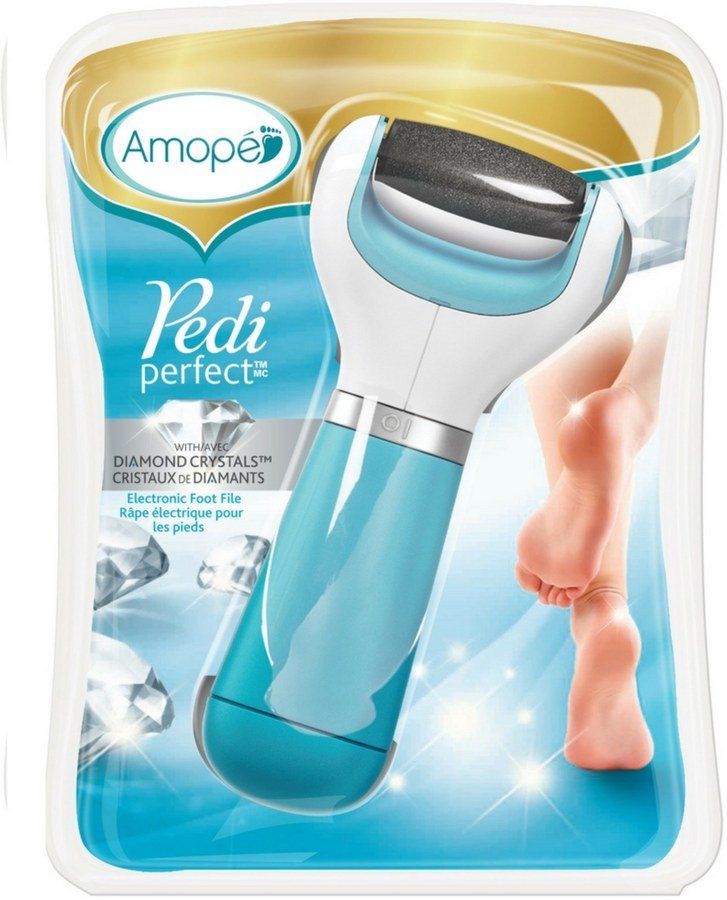
Amopé Pedi Perfect Electronic Foot FileTop Pick
Three roller grades cover rescue and upkeep
Battery operated handheld file – replaceable roller heads in regular, coarse and extra coarse grades – splash proof body – the long running category benchmark
USB rechargeable file – three roller heads, fine, regular and coarse – built in dust collection chamber – waterproof body – cleaning brush and cable included
Battery operated file – two speed settings – coarse roller with protective cap – LED lit working area per brand range – German health brand manufacture
Battery operated file – interchangeable mineral rollers, blue coarse and green extra coarse in the classic set – compact curved body – long running model
Rechargeable pen format file – two roller heads, coarse and fine per brand – built in LED light per brand – USB charging – the Flawless beauty device line
The Pedi Perfect is the file most people picture when they picture this category, and for a single foot worked on at a time it shows why it has lasted. The roller spins at a steady, unhurried pace that suits detail work: park it lightly on the heel edge, let it dust away the ridge in short passes, then move to the ball of the foot and the outer toe joint, checking with a fingertip between passes rather than chasing smoothness in one sitting. The three roller grades are the real system here. Coarse restores a neglected heel, regular maintains it weekly, and extra coarse is for the thick, cracked build up that regular cannot shift without endless passes. It runs on replaceable batteries, which sounds dated until you are travelling and a rechargeable rival dies mid trip. The limits are honest ones: it is slow on very thick callus compared with the strongest rechargeable files, the roller loses bite as it clogs with dust so it needs a brush out mid session, and buying genuine replacement rollers is an ongoing cost. As the reference file for one foot at a time, maintained weekly, it still earns the top slot. Session rhythm matters with this one: two or three shorter passes a week will keep a heel ahead of build up far better than one long monthly assault, and the skin will thank you for it. Keep a spare set of batteries with the file, because a fading battery slows the roller exactly when the callus is thickest.
Specifications
Battery operated handheld file
replaceable roller heads in regular, coarse and extra coarse grades
splash proof body
the long running category benchmark
Pros
Three roller grades cover rescue and upkeep
Steady pace suits careful single foot work
Batteries mean it never dies mid trip
Cons
Slow on very thick callus
Roller clogs and needs brushing out
Genuine rollers are an ongoing cost
Who should buyyou maintain one problem foot weekly and want the proven benchmark
Who should skipyour heels are severely cracked, where the rechargeable kits below work faster
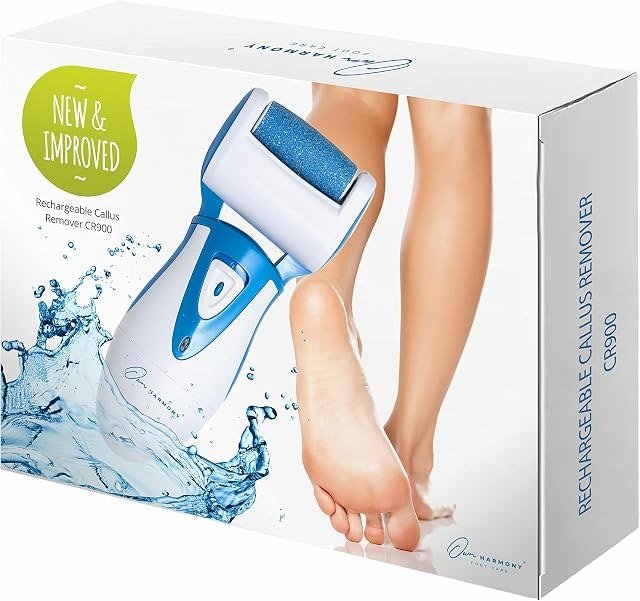
Own Harmony built its name on the details the benchmark file skips: a battery display that tells you before a session whether the charge will last, two speeds so a tender foot is not forced onto a setting meant for heel plates, and quartz roller heads that keep their bite longer than standard mineral rollers. Used on one foot, the routine is simple. Work dry, before a shower, on the low speed around the toes and the higher speed on the heel, keeping the roller moving in short strokes and stopping the moment the skin feels warm. The waterproof body matters more than it sounds: rinsing the head under the tap after each session keeps the roller honest, and a clean roller is the difference between filing and polishing dust. Battery life across a few weekly sessions is realistic rather than generous, and the body is light in a way that can read as less substantial than the Amopé. The quartz heads are also proprietary, so replacements come from one source. For a single foot that needs regular, measured attention, the display and the two speeds make it the easiest file here to live with. One small technique note from long term owners: work from the outside of the heel inward, in the direction the skin naturally sheds, and the roller clogs less. The display also removes the rechargeable gamble before a trip, since you can see at a glance whether it needs the cable before it goes in the bag. Heads rinse clean under the tap and dry quickly.
Specifications
USB rechargeable file
two speeds
three quartz roller heads per brand
waterproof design
battery display
Pros
Battery display ends mid session surprises
Two speeds for tender and tough areas
Quartz heads hold their bite well
Cons
Proprietary replacement rollers
Light body feels less substantial
Charge lasts a few sessions, not weeks
Who should buyyou want speed control and a charge readout for weekly upkeep
Who should skipyou prefer replaceable batteries over USB charging
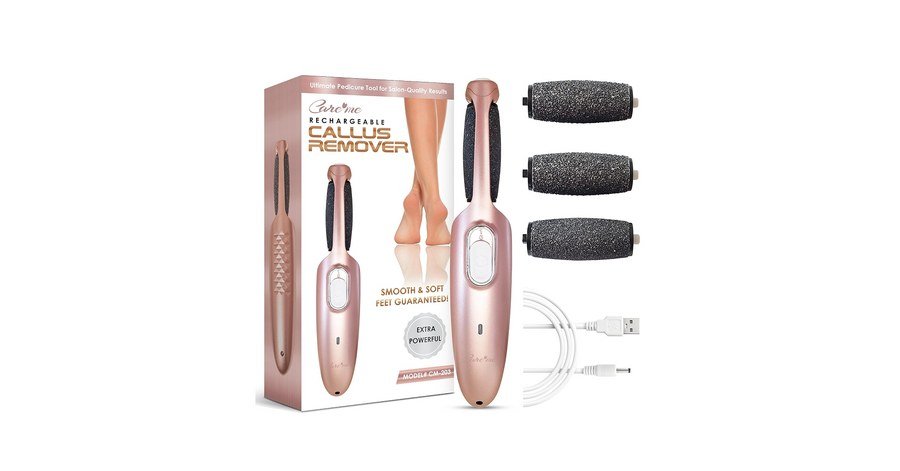
Careme sells the session rather than the device: a rechargeable file, a spread of roller heads and the manual pedicure tools that finish what a roller starts, all in a carry case. That kit logic suits the one foot routine better than it first appears. The roller does the bulk removal on the heel and forefoot, the included rasp and files tidy the edges a round roller cannot reach, and the case keeps the whole system in one drawer instead of scattered through the bathroom. Power is mid pack: strong enough for ordinary callus in a few passes, not the tool for dismantling a heel that has been ignored for a year. The roller heads are competent rather than exceptional and wear at a normal rate, and the bundle means you pay for tools you may already own. Where it wins is completeness at a fair price: someone setting up a foot care routine from nothing gets everything in one box, and the case makes the weekly habit easier to keep. For a single foot maintained little and often, that convenience is worth more than a small power deficit. The case also makes it the easiest kit here to hand to someone else in the household, since everything returns to one place and the heads stay identifiable. Clean the rollers after each use and let them dry in the open case; stored damp, mineral heads lose their edge faster than they should. Expect the file itself to outlast several sets of heads.
Specifications
Rechargeable file kit
multiple roller heads
bundled manual pedicure tools
carry case
USB charging
Pros
Complete kit with manual finishing tools
Carry case keeps the routine together
Fair price for a from scratch setup
Cons
Mid pack power on heavy callus
You may duplicate tools you own
Rollers wear at an ordinary rate
Who should buyyou are starting a foot routine from nothing and want one box
Who should skipyou only need the file itself and already own pedicure tools
The PRITECH answers the complaint nobody puts on the box: the dust. Every electric file turns callus into fine white powder that settles on the towel, the floor and you, and this model routes much of it into a built in collection chamber that empties after the session. On one foot that changes the experience more than a small power difference would. The three heads run fine, regular and coarse, the body is waterproof for a proper rinse, and the working pace is steady rather than aggressive, which suits the stop and check rhythm a single foot rewards. It is not the fastest file here on thick heel plates, and the chamber adds a step: forget to empty it and suction of debris falls away and the roller clogs sooner. The heads are standard mineral style, effective but not long lived under heavy use. Judge it as the tidy option. If the mess is what puts you off filing as often as your foot needs, the chamber removes the excuse, and a file used weekly at moderate strength beats a stronger one left in a drawer. The chamber has a second, quieter benefit: it shows you how much you actually removed, which is the best pacing feedback a new user can get, because a full chamber means the session has done enough. Brush the heads after emptying, not before, so loose dust goes in the bin rather than the air. On balance it is the considerate housemate of this guide.
Specifications
USB rechargeable file
three roller heads, fine, regular and coarse
built in dust collection chamber
waterproof body
cleaning brush and cable included
Pros
Dust chamber keeps sessions tidy
Three heads from fine to coarse
Waterproof body rinses clean
Cons
Chamber must be emptied to work well
Not the fastest on thick heel plates
Heads wear at a standard rate
Who should buythe dust is why you put off filing
Who should skipyou want maximum grinding speed above all else
The SR160 is the file for people who keep their routine where they can see it. It lives on a charging stand, so it is stored upright, charged and visible rather than buried in a drawer, and that small piece of friction removed is why owners tend to use it little and often, which is exactly how one foot stays ahead of callus. Two speeds and two included heads cover maintenance and moderate build up, and it works wet or dry, though dry skin before a shower remains the efficient order. The stand cuts both ways: it needs counter or shelf space and a socket, so small bathrooms may find it homeless, and with only two heads the grade range is narrower than the three head kits. Power is adequate rather than forceful. None of that matters for its job. This is a maintenance instrument for a foot that is already in reasonable shape, kept ready by the stand, used for two minutes at a time. Bought for rescue work on a neglected heel it would disappoint; bought for upkeep it quietly excels. The stand also solves the hygiene question neatly, since the head can be rinsed, shaken and left upright to dry in moving air rather than lying in a drawer. Pair it with a urea cream on alternate days and most feet will stay ahead of callus with two short sessions a week. It is a system for people who like their tools visible, charged and uncomplicated.
Specifications
Rechargeable file with charging stand
two speeds
wet and dry use per brand
two roller heads included
desk stand storage
Pros
Charging stand keeps it ready and visible
Two speeds for upkeep work
Wet and dry use
Cons
Stand needs counter space and a socket
Only two roller heads included
Not a rescue tool for neglected heels
Who should buyyou will use a file kept out and charged far more often
Who should skipyour heel needs heavy restoration first
Beurer comes to this category from medical devices rather than beauty gadgets, and the MP 55 shows it: a plain, well sealed battery file with two speeds, a protective cap that actually stays on, and an LED lit working area that turns out to be genuinely useful when you are working around the side of a heel in ordinary bathroom light. The coarse roller is the single included grade, pitched at removal rather than polishing, so the technique is restraint: short passes, frequent fingertip checks, and stopping at pink rather than pressing on to perfect. Battery power keeps it simple and travel ready, with the usual trade that output softens as cells fade. There is no fine roller for finishing, so a foot cream and a manual file remain part of the routine, and the design is functional rather than pretty. For one foot that needs dependable, no nonsense filing from a health brand with proper distribution and spares, it is an easy recommendation, especially for buyers wary of no name electronics near water and skin. It also travels well, being compact, battery powered and capped, so a foot that is managed at home does not have to relapse on holiday. Work after a bath only if the skin has dried again first; filing soaked skin with a coarse roller is how too much comes off. A plain urea foot cream on the filed days completes what the roller starts.
Specifications
Battery operated file
two speed settings
coarse roller with protective cap
LED lit working area per brand range
German health brand manufacture
Pros
LED light helps around the heel curve
Health brand build and spares support
Protective cap and sealed body
Cons
Only one coarse roller included
Output softens as batteries fade
Functional rather than elegant design
Who should buyyou trust a medical device brand over beauty gadgets
Who should skipyou want a fine finishing roller in the box
The pen format is the whole idea here. Where the standard files are built like small sanders for heels, this slim Dr. Scholl’s works like a pencil, and on a single foot that precision has real uses: the ridge along the big toe joint, the callus that forms under one metatarsal head, the dry edge around a toenail. The spinning head works in small circles, control is excellent, and the included batteries mean it works out of the packet. What it cannot do is area work. Filing a whole heel with a pen head is slow, patient work, and anyone whose main problem is a broad heel plate should start with a full size file and keep this for the detail. It is best understood as the second tool in a kit, or the only tool for someone whose callus is localised rather than general. Travel is its other home: it disappears into a wash bag where a chunky file would not. Judge it on precision and portability and it earns its place; judge it as a heel rescue device and it will feel underpowered. It is also the natural choice for older users and anyone with limited grip strength, since the light pen body asks nothing of the hand holding it. Work it in small circles with almost no downward pressure and let the spinning head do the abrasion. Keep it away from broken skin and corns, which are a podiatrist’s territory, not a pen file’s.
Specifications
Battery operated pen format file
360 degree spinning head per the packaging
4 AAA batteries included
travel sized
foot care heritage brand
Pros
Pen format reaches toe joints and edges
Excellent control for localised callus
Batteries included, travel sized
Cons
Too slow for whole heel work
Not a rescue tool for thick plates
Small head wears faster under heavy use
Who should buyyour callus sits in specific spots rather than across the heel
Who should skipyou need one file that does everything
The Micro-Pedi is one of the originals of this category, a compact curved file that predates the rechargeable wave and still sells on the strength of its rollers. The classic pairing tells the story: blue for coarse work, green for extra coarse, mineral surfaces that bite decisively and suit a foot with established, hard callus rather than light dryness. The curved body sits naturally against the heel, and the whole thing is small enough to work around the foot without repositioning your leg into yoga. Battery power is the dated part, with output that fades as cells tire, and there is no gentle grade in the classic set, so sensitive or thin skin should look at the three head kits instead. Rollers are widely available, which matters for a model this long lived. On one hard working foot with real callus to manage, the Micro-Pedi remains a direct, effective tool, provided you respect the extra coarse roller: it removes skin quickly, and the discipline of short passes and fingertip checks is not optional with this one. Storage is the one housekeeping note: the mineral rollers keep best dry and capped, and a roller left damp in a bathroom cabinet dulls early. Start any session on the blue roller even if you expect to need the green, because a surprising amount of heel build up is softer than it looks. Finish with cream and socks and the result lasts noticeably longer.
Specifications
Battery operated file
interchangeable mineral rollers, blue coarse and green extra coarse in the classic set
compact curved body
long running model
Pros
Extra coarse roller tackles hard callus
Curved body follows the heel well
Replacement rollers widely available
Cons
No gentle grade for thin skin
Battery output fades over time
Extra coarse head demands restraint
Who should buyyour foot carries hard, established callus
Who should skipyour skin is thin or sensitive and needs a fine grade
Flawless Pedi takes the pen format of the Dr. Scholl’s and modernises it: rechargeable by USB, an LED at the tip, and two heads that split the work between coarse removal and fine finishing. On a single foot that pairing covers the common pattern well, a heel edge and toe ridge that need the coarse head, then a general smoothing pass with the fine one so the foot does not catch on socks or sheets. The light is not a gimmick at this scale; detail work around toes happens in shadow by default. The limits are the format’s limits. The head is small, sessions on a full heel take patience, and the slim body offers less grip than the chunky files when hands are damp. Charge life is sized for touch ups rather than marathon restoration. As a finishing and detail tool it is one of the neatest here, and for feet whose problem is roughness rather than deep callus it may be all the file you need. Pair it with a rich foot cream and the weekly result is genuinely smooth rather than merely filed. Because the heads are small, work in a pattern rather than wandering: heel edge first, then the ball of the foot, then around the toes, checking by touch as you go. The fine head also makes an excellent pre polish before a home pedicure, taking the last roughness off so polish sits evenly. Charge it after every second session and it will never die mid routine.
Specifications
Rechargeable pen format file
two roller heads, coarse and fine per brand
built in LED light per brand
USB charging
the Flawless beauty device line
Pros
Coarse and fine heads in a pen format
Tip LED for toe detail work
USB rechargeable, compact
Cons
Small head makes heel work slow
Slim grip with damp hands
Charge sized for touch ups
Who should buyyour issue is roughness and edges, not deep callus
Who should skipyou need to restore a thick heel plate quickly
The PED1 is the drugstore option done properly: a contoured battery file from a mainstream personal care brand, with coarse and fine attachments that cover the standard one foot routine without accessories shopping. The body is the comfortable part, shaped to sit in the palm while the other hand steadies the foot, and the attachments swap without fuss. Performance is honest mid range. The coarse head handles ordinary heel build up in a few patient passes, the fine head tidies, and neither pretends to be a salon tool. Battery power means the usual fade over weeks of use, and the attachment range stops at two grades where rivals offer three. What you get in exchange is availability and price: it is sold everywhere, costs little, and replacement heads do not require hunting a specialist listing. For a single foot kept in decent shape with a weekly five minutes, that is a rational trade, and it is the file to recommend to someone who will not order a niche brand online but will pick one up with the groceries. Keep expectations set to the price and it will not disappoint: this is maintenance equipment, and maintenance done weekly is what separates feet that need rescue from feet that never do. A pumice pass in the shower between filing days stretches each session further. When the coarse attachment finally smooths out, replacements are cheap enough that there is no reason to persist with a tired head.
Specifications
Battery operated file
interchangeable coarse and fine attachments per the brand line
contoured body
from Conair’s True Glow personal care range
Pros
Coarse and fine attachments included
Comfortable contoured body
Cheap and sold everywhere
Cons
Two grades only
Battery output fades with use
Mid range power on heavy callus
Who should buyyou want a simple file you can buy in a regular store
Who should skipyou need three roller grades or rechargeable power
An electric callus remover is a motorised rotating roller or disc that files down thickened, hard skin on heels and feet. It does the work of a pumice or foot file faster and more evenly, which suits people who maintain their feet little and often.
Abrasiveness of the roller head and motor torque are the specs that matter: coarse heads for built up heel callus, finer heads for maintenance, and enough torque that the roller does not stall under light pressure. The correct technique is almost no pressure at all; pressing stalls the roller and heats skin. Wet and dry models differ in where you can use them, and replaceable heads are a running cost to check before buying.
How to Choose: the Criteria That Matter
Choosing a beauty device well means reading the manual before the reviews: check the published specifications, your own suitability against the charts, the contraindications, and the session schedule the course demands. Then price two years of consumables. A device that passes those checks and fits a routine you already keep is a sound buy; one bought for its best case result usually ends in a drawer.
The technology and its published specifications, such as light wavelengths for LED or skin tone sensors for IPL
Published specifications separate devices from gadgets: stated wavelengths for light devices, energy and sensor details for IPL, current programmes for microcurrent. A device that will not state its numbers is asking to be bought on faith.
Suitability for your skin and hair type, checked against the manufacturer’s own charts
Suitability is a safety gate, not a preference: skin tone and hair colour charts for IPL, contraindication lists for light and current devices. Check yourself against them honestly before buying, because the wrong match means a device that cannot be used.
Safety features: eye protection, skin contact sensors and automatic shut off
Safety features are the product: skin contact sensors, eye protection design, automatic shut off and lock outs for unsuitable skin tones. In a category used on faces and eyes, these outrank extra modes.
Session time and frequency, because a device only works if the routine is realistic
Session realism decides results: a device needing twenty minutes five times a week will lose to a ten minute one you actually use. Read the manual’s schedule and price your own discipline honestly before choosing.
Running costs: replacement heads, gels or cartridges the device needs over time
Running costs hide in consumables: conductive gels, replacement heads, cartridges and lamp life. Add two years of them to the purchase price to compare devices truthfully.
Also Considered
These products were researched for this guide and left off the picks list for the reasons given. They are not poor products; they simply fit the exact question of this guide less well.
Rio Professional Electric Hard Skin Remover
A salon positioned remover sold for home pedicures. Its heavier handset and older roller design sit a step behind the rechargeable files ranked in this guide.
Viktor Jurgen Electric Foot Callus Remover
A popular rechargeable kit at a keen price. It was left off because its rollers and refills come from a generic kit ecosystem with less reliable long term availability.
Magnitone Well Heeled Pedicure System
A buffing system for regular upkeep of soft skin. This guide is for hard heel buildup, where its gentle rollers are outmatched by the ranked files.
How to Use What You Buy
Read the manufacturer’s manual fully before the first session, including who should not use the device
Patch test or start with the shortest, lowest setting the manual allows
Prepare skin as directed, usually clean and dry with no products unless a gel is specified
Follow the stated session time and weekly frequency rather than improvising more
Track results over the full period the manual describes before judging the device
Devices work on course logic: prepare skin as the manual directs, use the stated settings and schedule without improvising more, and track results over the full period described, with photographs in consistent light for anything gradual. More frequent or stronger use than directed is the category’s classic error, and it buys irritation, not speed.
Use on clean, dry feet unless the model is rated for wet use, two to three minutes per foot, moving constantly, then moisturise. Little and often, once or twice a week, beats a monthly aggressive session that leaves feet sore.
Who Should Buy, and Who Should Skip
Buy if your need matches this guide exactly: you are looking for options for foot, you have checked the criteria above against your current routine, and you are willing to introduce the product gradually and judge it over the period the category needs.
Skip if your concern is different from the one in the title, your skin or hair is currently irritated or damaged and needs recovery first, or a clinician has advised you on this concern, in which case their advice comes before any buying guide.
Common Mistakes in Electric Callus Remover
Using a device more often than directed, expecting faster results
Skipping the suitability chart for skin tone, hair colour or medical conditions
Using IPL or light devices over tattoos, moles or irritated skin
Judging a gradual device after two sessions instead of a full course
Pressing hard to go faster, which stalls the roller and can graze the skin
Filing until the skin is pink and thin, instead of stopping at smooth and following with cream
Frequently Asked Questions
How do I choose the right electric callus remover?
Start with the criteria in this guide: match the formula or specification to your skin type and the exact concern in the title, check the published ingredient or specification list, and pick the option whose downsides do not overlap with your problem. The type decision comes first: most disappointment in electric callus remover is a good product bought in the wrong type.
How long before I see results from a electric callus remover product?
It depends on the category, but most beauty devices products need consistent use over several weeks before a fair judgement. Devices and treatments state their expected course in the manual or on the packaging, and that timeline is the one to follow. Judge on the category’s clock, not on the first week.
What should I avoid when buying for foot?
Avoid buying on claims alone: skip options with no published ingredient or specification list, strengths far beyond what your routine needs, and any product whose stated downsides match the exact issue you are trying to fix. Also avoid changing two other parts of your routine in the same week, which makes the new product impossible to judge.
Is the most expensive option always the best?
No. In electric callus remover, price often reflects branding, packaging and extras rather than the core ingredient or specification doing the work. The criteria in this guide matter more than the price band, and mid priced options with the right specification beat premium options with the wrong one.
What is the most common mistake with electric callus remover?
Pressing hard to go faster, which stalls the roller and can graze the skin A close second: filing until the skin is pink and thin, instead of stopping at smooth and following with cream
How does electric callus remover fit into a daily routine?
Use on clean, dry feet unless the model is rated for wet use, two to three minutes per foot, moving constantly, then moisturise. Little and often, once or twice a week, beats a monthly aggressive session that leaves feet sore. Devices work on course logic: prepare skin as the manual directs, use the stated settings and schedule without improvising more, and track results over the full period described, with photographs in consistent light for anything gradual.
Do You Use Electric Callus Remover on Wet or Dry Feet?
The companion how-to guide, Do You Use Electric Callus Remover on Wet or Dry Feet, covers this in full: the step by step method, the right amounts and frequency for your type, and the mistakes that stop it working. It is linked from the routine sections of this page, and it is the right next read once you have chosen a product.
By Mirror & Glow Editorial Desk – November 23, 2026
What Is the Best Electric Callus Remover for Feet? Use on clean, dry feet unless the model is rated for wet use, two to three minutes per foot. The full method, the mistakes to avoid, and where it fits in your routine.
By Mirror & Glow Editorial Desk – November 23, 2026
How to Use Dr Scholl’S Electric Callus Remover? Use on clean, dry feet unless the model is rated for wet use, two to three minutes per foot. The full method, the mistakes to avoid, and where it fits in your routine.