Best Face Moisturizer for Dry Skin Dermatologist Recommended
By Mirror & Glow Editorial Desk – November 23, 2026
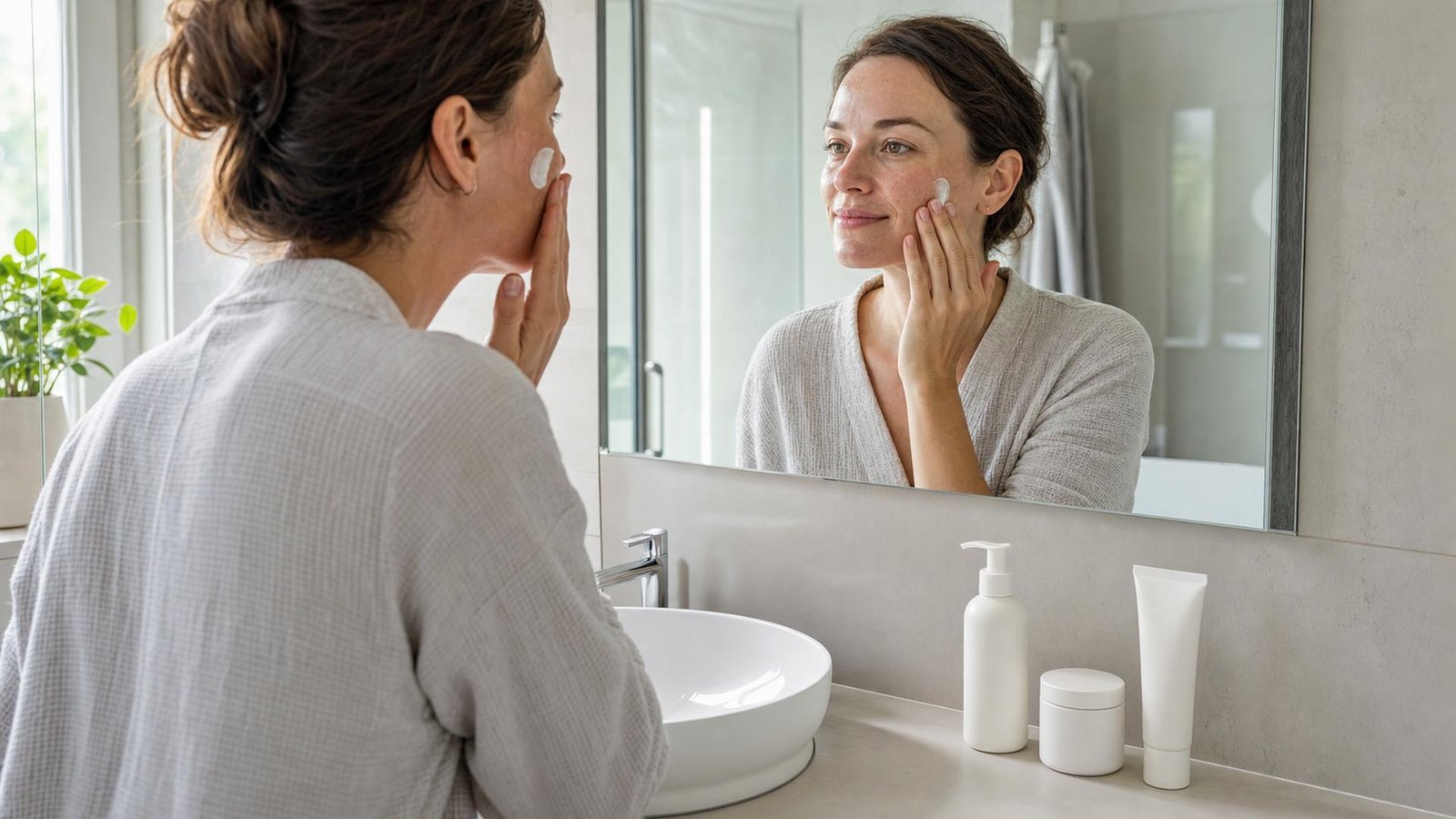
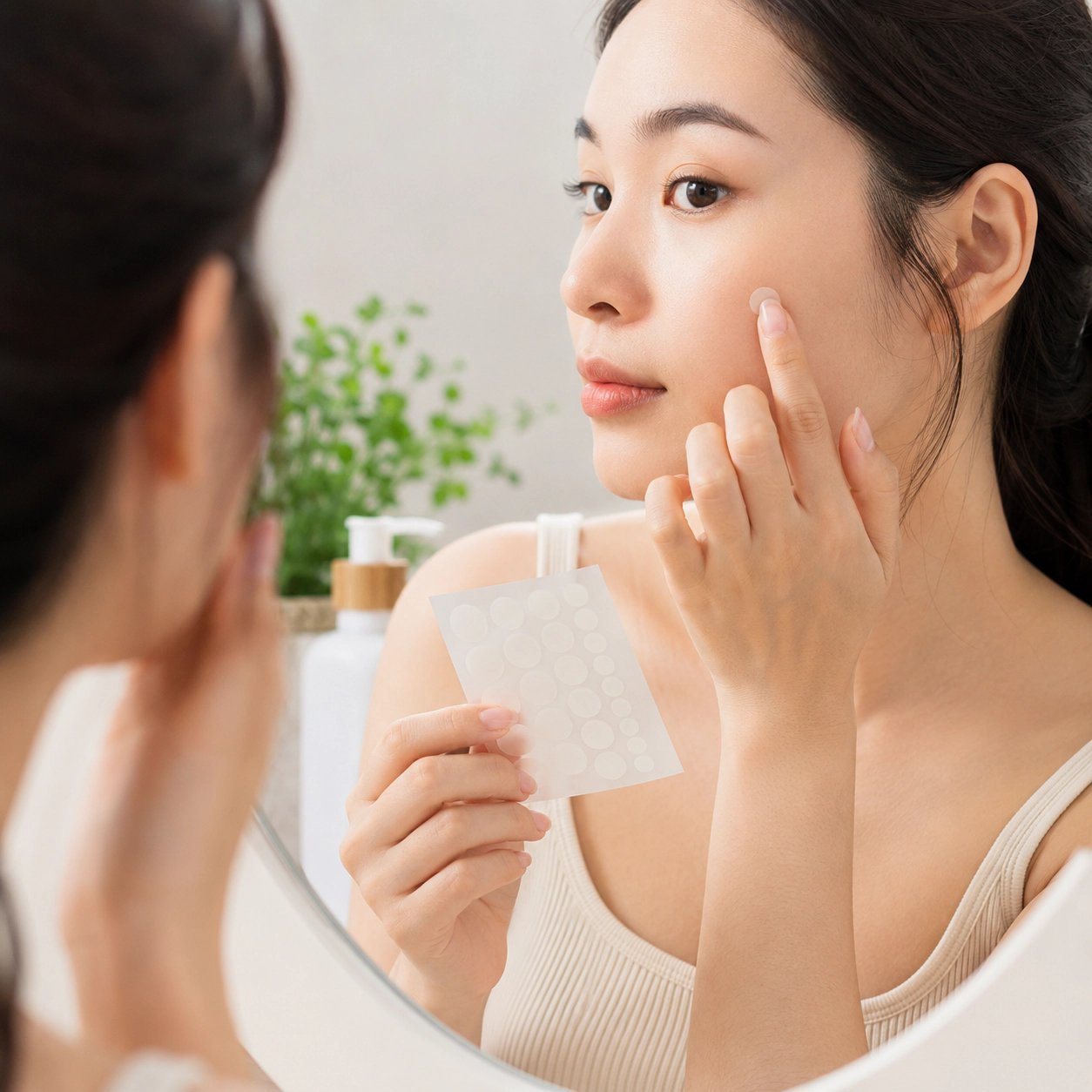
Woman applying face cream while looking into her bathroom mirror.
Affiliate disclosure: Mirror & Glow may earn a commission from qualifying purchases made through links on this page, at no extra cost to you. Full disclosure.
The verdict up front: start with CeraVe Moisturizing Cream, the strongest all round match in this line up for dry skin dermatologist recommended. Every pick is compared in the table below, then reviewed in full with its downsides as well as its strengths.
If you are looking for the best face moisturizer for dry skin dermatologist recommended, the right choice depends on fit, not hype. This guide is written for dry skin dermatologist recommended, and every criterion below is weighted for that need first. The short answer: choose the face moisturizer whose formula, format and strength match your skin, check the ingredient or specification list before the marketing claims, and avoid the options whose downsides match the problem you are trying to solve.
What matters most in face moisturizer is covered in depth below: what the product actually is, the types on sale and how they differ, the buying criteria explained one by one, how to use what you buy, and the mistakes that waste the most money in this category.
Best Face Moisturizer for Dry Skin Dermatologist Recommended Compared
Product
Standout Point
Key Specification
CeraVe Moisturizing CreamTop Pick
Ceramides, hyaluronic acid and petrolatum in one proven formula
454 g tub – three essential ceramides – hyaluronic acid – petrolatum – fragrance free – MVE gradual release
Best Face Moisturizer for Dry Skin Dermatologist Recommended
CeraVe Moisturizing Cream
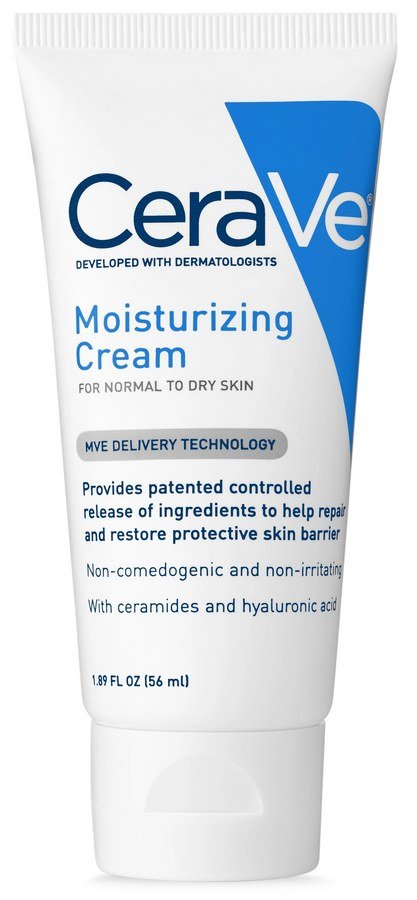
If a dermatologist is asked to name one moisturiser for dry skin, this is the tub most of them reach for first, and the reasons are structural rather than fashionable: three ceramides in the ratios skin uses, hyaluronic acid for water binding, petrolatum to seal it in, and the brand’s MVE system that releases ingredients gradually instead of all at once. The texture is a rich cream that looks heavy in the tub and behaves better than expected on the face, absorbing to a comfortable, non greasy finish that dry skin can wear morning and night. It is fragrance free, developed with dermatologists, and priced so that using it generously, which is how dry skin actually improves, does not hurt. The same tub serves face and body, which is why so many households keep it as the default. The honest limits: the open tub is less hygienic than a pump unless you use clean hands or a spatula, truly oily or acne prone skin may find it too rich for daytime, and it contains no treatment actives, so it will not fade marks or smooth texture on its own. As the barrier supporting base that dermatology keeps recommending, though, nothing in this guide is more proven.
Specifications
454 g tub
three essential ceramides
hyaluronic acid
petrolatum
fragrance free
MVE gradual release
Pros
Ceramides, hyaluronic acid and petrolatum in one proven formula
Rich but not greasy, works face and body
Fragrance free and priced for generous use
Cons
Open tub packaging needs clean hands
Too rich for oily skin in the daytime
No treatment actives for marks or texture
Who should buyyour dry skin needs the dermatologist default barrier cream
Who should skipyour skin is oily and you want a light gel texture instead
Vanicream is the moisturiser dermatologists recommend when skin cannot tolerate anything, and its formula philosophy is subtraction: a petrolatum based cream stripped of fragrance, dyes, lanolin, parabens, formaldehyde releasers and the other common triggers that fill allergy patch test lists. What is left is a thick, plain, deeply occlusive cream that does one job, holding water in dry skin, and does it without provoking the skin it is meant to calm. The pump tub keeps it hygienic and makes it easy to use on face and body alike, and it carries the National Eczema Association’s acceptance, which is why it is stocked in clinic pharmacies. For dry skin that is also reactive, eczema prone or mid flare, this restraint is worth more than any active. The trade offs follow from the same philosophy: the texture is heavier and slower to absorb than CeraVe, leaving a slight occlusive feel that some read as greasy, there are no ceramides or treatment ingredients to sell a story, and under makeup it needs a few minutes to settle. If your dry skin has a history of reacting to products that promised the world, this is the safest pair of hands in the guide. Dermatology and allergy clinics keep it on their recommendation lists for a practical reason: when skin is flaring, post procedure or reacting to everything else, this is the moisturiser least likely to add a new problem.
Specifications
453 g pump tub
petrolatum based
free of fragrance, dyes, lanolin and parabens
for sensitive skin
Pros
Formulated without the common irritants and allergens
Deeply occlusive petrolatum base for very dry skin
Pump tub is hygienic, accepted for eczema prone skin
Cons
Heavy texture absorbs slowly, slight occlusive feel
No ceramides or treatment actives
Needs settling time under makeup
Who should buyyour dry skin is reactive, eczema prone or allergic to fragranced products
Who should skipyou want a lighter cream with treatment ingredients
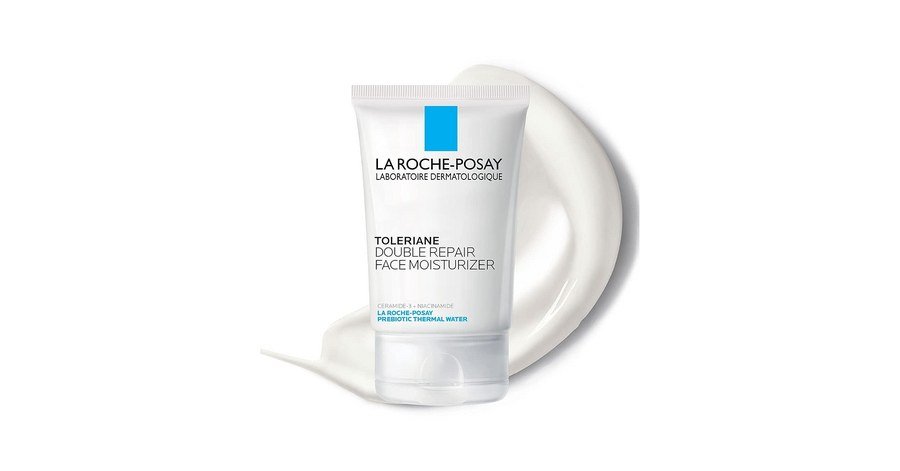
Double Repair is the face specific entry in this guide: where the big tubs serve face and body, this 100 ml tube was formulated for facial skin that is dry and sensitised, with ceramide-3, niacinamide, glycerin and the brand’s prebiotic thermal water. The texture is a proper cream that spreads thinner than the tub creams, absorbs cleanly, and wears under sunscreen and makeup without the weight that makes people skip moisturiser in the morning. Niacinamide is the quiet advantage for dry skin with uneven tone or redness, because it supports the barrier while calming the look of blotchiness, and the formula is fragrance free and tested on sensitive skin in the brand’s usual clinical style. Dermatologists recommend it heavily for patients whose dryness comes with reactivity, including skin stressed by retinoids. The compromises are size and richness: 100 ml runs out far faster than a 454 g tub if you use it on the body too, and for severely dry, flaking skin in winter it may need an occlusive layer over it at night rather than standing alone. As a daily facial moisturiser for dry, sensitive skin that still wants elegance, it is the most complete formula here. It is also one of the few rich feeling moisturisers that oily leaning dry skin can tolerate, because the finish sets down matte enough for daytime wear under sunscreen without a greasy film.
Specifications
100 ml tube
ceramide-3
niacinamide
glycerin
thermal spring water
fragrance free
Pros
Face specific cream with ceramide-3 and niacinamide
Absorbs cleanly and layers well under sunscreen
Fragrance free and made for sensitised skin
Cons
100 ml tube is small next to the tub creams
Severely dry skin may need an extra night layer
Costs more per millilitre than CeraVe or Vanicream
Who should buyyour dry face is also sensitive or retinoid stressed and you want a face only cream
Who should skipyou want one big tub for face and body at the lowest cost
Cetaphil’s Moisturizing Cream is the other clinic shelf classic, reformulated in recent years into a stronger barrier formula with glycerin, panthenol and niacinamide alongside sweet almond oil. It sits between CeraVe and Vanicream in character: richer and more emollient than a lotion, with a cushioned feel dry skin tends to prefer in winter, but lighter in concept than a pure petrolatum ointment cream. The brand built its reputation on gentleness for sensitive skin, and this cream keeps that discipline, fragrance free and non comedogenic in positioning, in a large jar that serves the whole body. Dermatologists recommend it particularly for dry skin on the body, hands and feet as much as the face, and for patients who find CeraVe’s texture slightly waxy. The honest limits: the jar format shares the hygiene point of any open tub, the almond oil richness means oily facial skin should look elsewhere, and like the other staples here it is a barrier cream, not a treatment, so it will not address pigmentation or fine lines beyond what hydration itself improves. For dependable, gentle, whole body dryness care, it remains one of the safest recommendations in dermatology. The brand’s clinical, pharmacy first character shows in the details: the formula is fragrance free, non comedogenic and tested on sensitive skin panels, which is why it keeps appearing on dermatology recommendation sheets.
Specifications
453 g jar
glycerin and panthenol
niacinamide
sweet almond oil
fragrance free
for very dry to dry sensitive skin
Pros
Glycerin, panthenol and niacinamide support the barrier
Cushioned richness suits face, body, hands and feet
Gentle, fragrance free sensitive skin heritage
Cons
Open jar packaging
Too rich for oily facial skin
Barrier care only, no treatment actives
Who should buyyou want one gentle cream for dry skin everywhere, face included
Who should skipyour facial skin is oily or you want targeted treatment ingredients
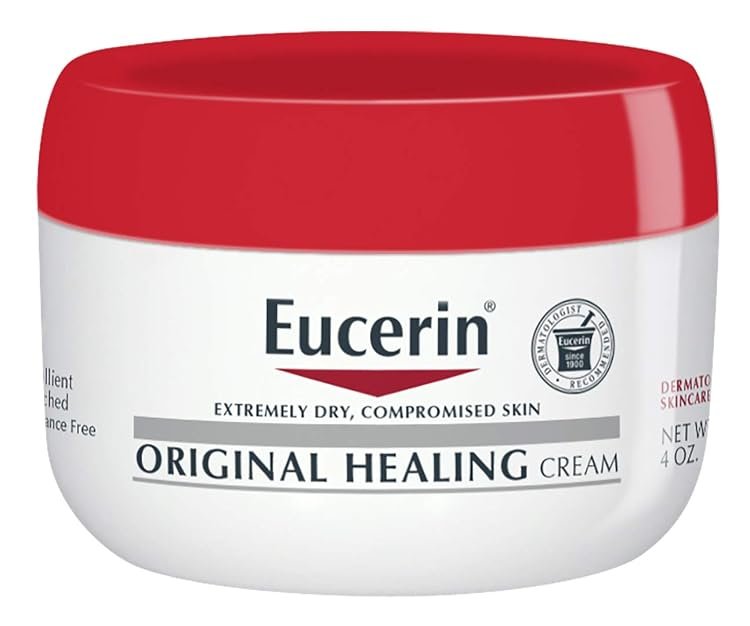
Original Healing is the heavyweight of this guide: an emollient rich, water in oil style cream that Eucerin has sold for decades for very dry, compromised skin, and the one dermatologists suggest when standard creams are not holding moisture through the day. Its texture is closer to a soft ointment than a lotion, spreading thick and leaving a protective film that dry, cracked or winter damaged skin can feel working for hours. That film is the point and also the compromise: on the body, hands, elbows and heels it is superb, and on the face it suits very dry skin at night or in harsh weather, but many people will find it too heavy for daytime facial wear or under makeup. The formula is fragrance, dye and alcohol free, built for skin that cannot afford experiments. It contains no fashionable actives, and it is not trying to: it is the rescue layer you put over a routine when the barrier is genuinely struggling. If your dry skin drinks CeraVe and asks for more, this is the step up, and a jar lasts because a little covers a long way on damp skin after a shower. Because it is so occlusive, a little goes a very long way, and warming a pea sized amount between the palms before pressing it on stops the dragging that puts people off rich creams.
Specifications
454 g jar also sold
emollient rich formula
fragrance, dye and alcohol free
for very dry, compromised skin
Pros
Heaviest, longest lasting moisture in this guide
Made for very dry and compromised skin
Fragrance, dye and alcohol free
Cons
Too heavy for most faces in the daytime
Leaves a protective film some will read as greasy
No treatment ingredients at all
Who should buyyour skin is very dry, cracked or winter damaged and lighter creams fail
Who should skipyou want a light daytime face cream under makeup
Intensive Repair is Eucerin’s answer when dry skin is not just dry but rough and flaky, because it adds gentle alpha hydroxy exfoliation to a rich cream base with natural moisturising factors. That combination does what plain occlusion cannot: it loosens the dull, scaly surface layer while the cream underneath restores water, so skin gets smoother as it gets softer rather than just greased. Dermatologists reach for it for the classic very dry presentations, shins like parchment, rough upper arms, and hands that crack every winter. On the face it suits dry, dull skin used in the evening, though sensitive faces may prefer it as a body cream and keep the face routine simpler. The alpha hydroxy content brings one caution: it can tingle on broken or freshly shaved skin, and it mildly increases sun sensitivity, so daytime use pairs with sunscreen, which dry skin should be wearing anyway. It is fragrance free and comes in the same generous jar format as the brand’s other staples. For dry skin whose main complaint is texture as much as tightness, this is the most functional cream in the guide. It also earns its keep beyond the face: the same urea based formula is a favourite for rough elbows, heels and hands, so one tub often ends up serving the whole dry skin routine.
Specifications
454 g jar
alpha hydroxy
natural moisturising factors
fragrance free
rich cream for very dry, flaky skin
Pros
Alpha hydroxy smooths rough, flaky texture while it moisturises
Rich cream with natural moisturising factors
Fragrance free, generous jar format
Cons
Can tingle on broken or freshly shaved skin
Mild sun sensitivity means pairing with SPF
Rich texture is a night or body weight for many faces
Who should buyyour dry skin is rough and flaky, not just tight
Who should skipyour skin is broken, freshly shaved or highly reactive
Not all dry skin wants a heavy cream all year, and this lotion is the dermatologist staple for the lighter end of dry: the same three ceramides and hyaluronic acid as the famous tub, in a lightweight, oil free lotion that pumps out thin, spreads fast and disappears. It is the right weight for dry skin in summer, for faces that find the cream too much in the daytime, for layering under sunscreen, and for the body after a morning shower when a rich cream feels like work. The pump format is the most hygienic and convenient in this guide, and the price per bottle makes twice daily whole body use realistic. What it will not do is rescue very dry or compromised skin on its own in winter, because a lotion’s water rich formula simply carries less occlusive weight than the creams above it; the classic dermatologist pattern is this lotion by day and the cream, or an ointment layer, by night in the cold months. It is also the easiest recommendation for dry skin that is acne prone on the body, since the oil free base avoids the richness that congests backs and chests. As the daily driver of a dry skin routine, it is hard to beat.
Specifications
355 ml pump bottle
ceramides NP, AP and EOP
hyaluronic acid
lightweight oil free lotion
fragrance free
Pros
Ceramide lotion light enough for daytime and summer
Hygienic pump and fast, clean absorption
Oil free base suits acne prone body skin
Cons
Not occlusive enough alone for very dry winter skin
May need reapplication more often than the creams
No treatment actives
Who should buyyour dry skin wants light daily moisture, or a day lotion under sunscreen
Who should skipyour skin is severely dry or cracked and needs maximum occlusion
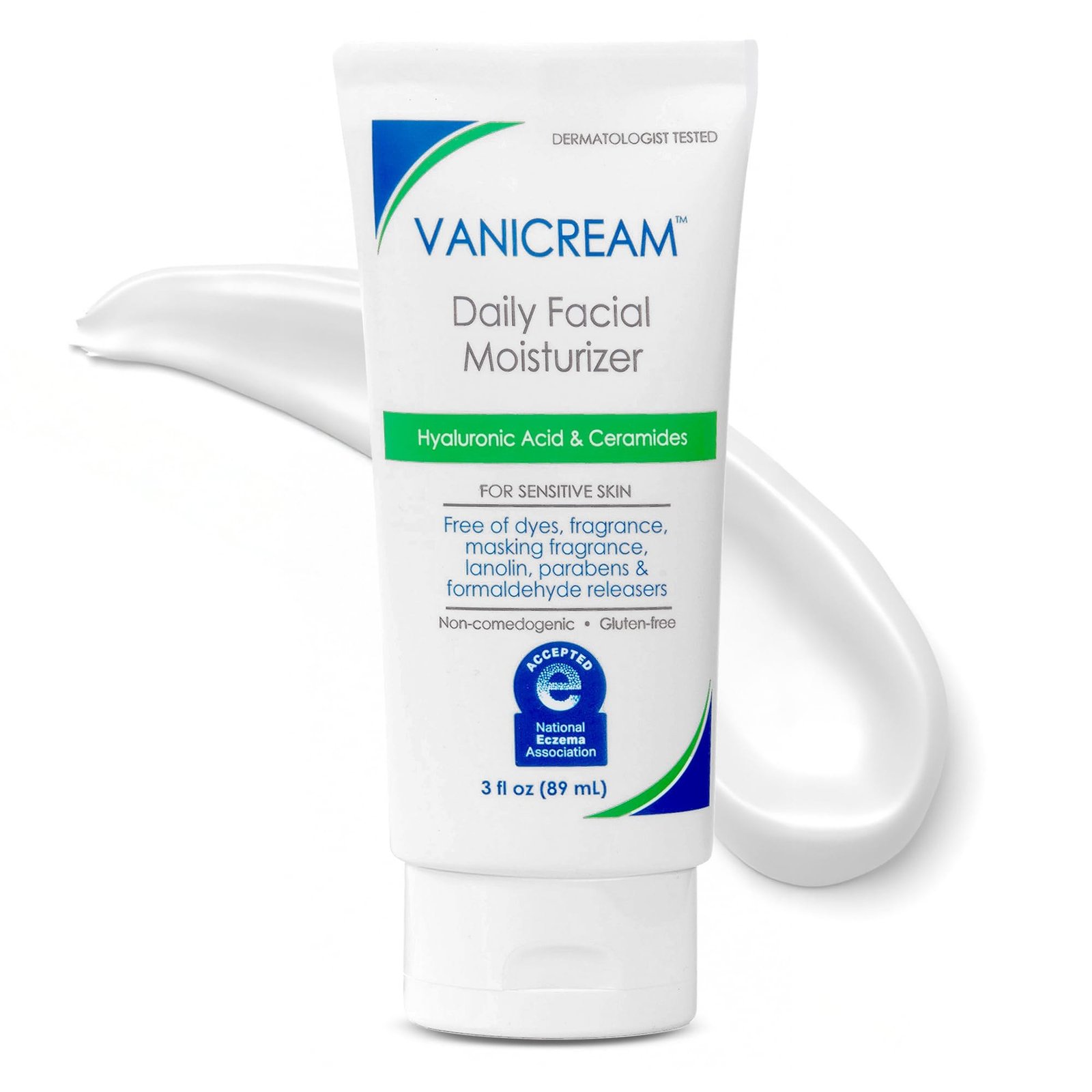
Vanicream’s facial moisturiser takes the brand’s famous restraint and gives it a modern face formula: five ceramides, hyaluronic acid and squalane in a light cream that still excludes fragrance, dyes, lanolin, parabens and the rest of the usual trigger list. That combination is rarer than it should be, a genuinely gentle ingredient deck that also contains the barrier lipids dry facial skin actually needs, in a texture elegant enough for morning use under sunscreen. It is the recommendation dermatologists give dry, sensitive faces that found the original Vanicream tub too heavy and CeraVe not quite calm enough, and it carries eczema association acceptance like its bigger sibling. The texture sits between a lotion and a cream, so normal to dry skin will find it sufficient most of the year. The limits are scale and richness: the 89 ml tube is a face only proposition that runs out quickly if shared with the body, and very dry skin in winter may still want the tub cream or an ointment layer at night. For dry facial skin with a reactive streak, though, this is arguably the best balanced formula in the entire guide. It is a particularly sensible choice after procedures or during retinoid adjustment, when skin needs hydration and ceramides with the lowest possible chance of stinging, burning or breaking out.
Specifications
89 ml tube
five ceramides
hyaluronic acid
squalane
fragrance free
National Eczema Association accepted
Pros
Five ceramides plus hyaluronic acid and squalane
Full Vanicream free from trigger discipline
Light, elegant texture for morning facial use
Cons
Small 89 ml tube, face only value
Very dry winter skin may need more at night
Less widely stocked than CeraVe
Who should buyyour dry face is sensitive and you want ceramides without the heavy tub texture
Who should skipyou need one large product for face and body together
Lipikar Balm AP+ is La Roche-Posay’s intense repair balm for dry to very dry skin on face and body, built on shea butter, glycerin and niacinamide with the brand’s prebiotic thermal water, and accepted for eczema prone skin. Despite the word balm, the texture is a rich cream from a hygienic pump, easier to live with daily than a tub of ointment, and it has become a standard dermatology recommendation for the dry skin that comes with eczema, winter and ageing. Niacinamide gives it a calming edge for itchy, uncomfortable dryness that the plain barrier creams do not claim, and a single application genuinely lasts, which is the test that matters for body skin. On the face it suits dry and very dry skin, particularly at night, though combination skin will find it rich for daytime. The pump bottle is family sized and priced accordingly, so it is an investment next to the drugstore tubs, and the shea richness leaves a few minutes of slip before it settles. For dry skin that itches, flakes and wakes you at night, this is the most therapeutic feeling cream in the guide that still behaves like a cream. Families often end up sharing the pump bottle between a parent’s face and a child’s eczema patches, and the formula is positioned as suitable for both, which explains the generous sizes it is sold in.
Specifications
400 ml pump bottle
shea butter and glycerin
niacinamide
prebiotic thermal water
fragrance free
accepted for eczema prone skin
Pros
Rich repair cream for dry, itchy, eczema prone skin
Niacinamide calms while shea and glycerin restore
Hygienic family size pump, face and body
Cons
Rich for combination skin in the daytime
Premium price for the 400 ml pump
Needs a few minutes to settle before dressing
Who should buyyour dry skin itches or flares and needs repair level moisture
Who should skipyour skin is combination and you want a light daytime lotion
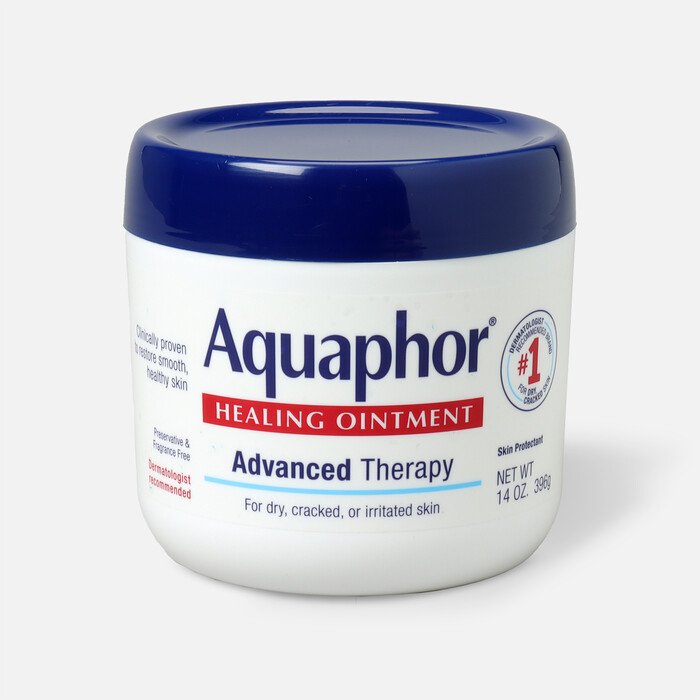
Aquaphor is the ointment dermatologists name when skin is past moisturising and into repair: a petrolatum based skin protectant with panthenol and glycerin that seals damaged, cracked or severely dry skin under a breathable barrier while it recovers. It is the classic recommendation for cracked heels and hands, chapped lips, dry patches that creams will not touch, and as the final night layer over a moisturiser, the slugging step that transformed many dry skin routines. A little goes a very long way, it is preservative and fragrance free, and the same jar serves the whole household’s emergencies. The limits are obvious and worth stating: it is shiny and occlusive, so it is a night, home and targeted area product rather than a daytime face cream for most people, and on acne prone areas that occlusion can congest, so keep it to the dry zones it is meant for. It also contains lanolin alcohol, which a small number of people are sensitive to, the one ingredient note in an otherwise minimal formula. As the rescue end of a dry skin routine, nothing in this guide replaces it. Makeup artists keep it for the same reason dermatologists do: pressed over a dry patch or used to slug at night, nothing seals a compromised barrier faster, and a single tube lasts for months.
Specifications
396 g jar also sold
petrolatum skin protectant
panthenol and glycerin
preservative and fragrance free
advanced therapy
Pros
Maximum occlusion for cracked and severely dry skin
Repairs lips, heels, hands and dry patches alike
Preservative and fragrance free, a little goes far
Cons
Shiny, heavy finish is a night and home product
Can congest acne prone areas if used broadly
Contains lanolin alcohol, a rare sensitivity
Who should buyyou need a rescue layer for cracked skin or a night sealing step
Who should skipyou want an elegant daytime moisturiser under makeup
A face moisturiser is the sealing step of a skincare routine: it adds water binding humectants and lipids, and locks them in so skin stays comfortable and the barrier can maintain itself. Every skin type uses one; only the texture changes, from gel for oily skin to rich cream for dry.
Formulas are built from three ingredient families: humectants that draw water, emollients that smooth and soften, and occlusives that slow water loss. Dry skin needs all three in weight; oily skin needs humectants with the lightest emollients. Position in the routine is last at night, and before sunscreen in the morning. A moisturiser is also the buffer that makes retinoids and acids tolerable, applied before or after them to moderate strength.
How to Choose: the Criteria That Matter
Choosing skincare well means buying for the skin you have, in the order it needs help. Start with the concern, not the product shelf: breakouts, marks, dryness, redness and lines each have a short list of ingredients with real evidence behind them, and the guide’s topic section names the ones that matter here. Then check your current routine for conflicts before adding anything. Most failed purchases are good products bought for the wrong concern, or two strong actives introduced in the same week so that irritation gets credited to both.
Active ingredient and its stated strength, since a named active without a percentage tells you very little
A percentage on the label lets you compare like with like: a 10 percent azelaic acid and a 2 percent salicylic acid are honest products, while a serum that names an active without a strength is asking you to trust the marketing instead.
Formula type for your skin: gel for oily skin, cream for dry skin, emulsion for combination skin
The same active in a gel, a cream and an oil behaves like three different products. Gel and water based formulas suit oily and combination skin; creams and emulsions carry dry skin through the day; oils are finishing steps, not treatments.
What the formula leaves out: fragrance, drying alcohol and common irritants if your skin is reactive
What is left out decides tolerance. Fragrance, essential oils and drying alcohol are the three most common reasons a well reviewed product stings, flushes or breaks someone out, and sensitive skin should read for their absence first.
How it layers with the rest of your routine, including retinoids, vitamin C and sunscreen
A product that pills under sunscreen or fights your retinoid will not survive in a real routine. Think in pairs: water based before oil based, thinnest to thickest, and actives split across morning and night when they compete.
Packaging that protects the formula, such as airless pumps and opaque bottles for light sensitive actives
Actives degrade in light and air. Vitamin C, retinoids and many antioxidants keep their strength in opaque, airless packaging, and a clear dropper bottle on a sunny shelf is quietly expiring.
Also Considered
These products were researched for this guide and left off the picks list for the reasons given. They are not poor products; they simply fit the exact question of this guide less well.
Neutrogena Hydro Boost Gel-Cream
Researched as the light gel cream option. It was left off because its water gel texture does not give very dry skin the lasting occlusive comfort the creams in this guide provide; dry skin that dislikes heavy creams may still prefer it.
La Roche-Posay Cicaplast Baume B5+
Researched as the repair balm option. It was left off the main list because it is a targeted balm for compromised patches rather than an all over daily moisturiser; as a rescue product for dry areas it is excellent.
How to Use What You Buy
Start with clean, dry or slightly damp skin as the product type directs
Apply the amount stated on the product, usually a pea sized amount or two finger lengths for sunscreen
Introduce one new active at a time and give it at least two weeks before judging
Use the product at the time of day it is designed for, and always finish morning routines with sunscreen
Note any stinging, breakouts or dryness in the first week and adjust frequency before giving up
Fit decides whether a good product works. Skincare actives need a stable base routine around them: a gentle cleanser, a moisturiser your skin likes, and sunscreen every morning. Add the new product to that base one at a time, at the frequency the category supports, and keep everything else unchanged for the first month. That discipline is what turns a purchase into a result you can actually attribute.
Apply to damp skin, morning and night, a pea to almond sized amount for the face. Adjust seasonally: many people need a lighter texture in summer and a richer one in winter, which is normal, not inconsistency.
Who Should Buy, and Who Should Skip
Buy if your need matches this guide exactly: you are looking for options for dry skin dermatologist recommended, you have checked the criteria above against your current routine, and you are willing to introduce the product gradually and judge it over the period the category needs.
Skip if your concern is different from the one in the title, your skin or hair is currently irritated or damaged and needs recovery first, or a clinician has advised you on this concern, in which case their advice comes before any buying guide.
Common Mistakes in Face Moisturizer
Starting three new actives in the same week, which makes reactions impossible to trace
Using more product than directed, which increases irritation without improving results
Skipping sunscreen while using brightening or exfoliating products, which undoes their work
Expecting visible change in days when most skincare actives need weeks of consistent use
Skipping moisturiser on oily skin, leaving it dehydrated under its own oil
Judging a moisturiser by how rich it feels in the jar rather than how skin feels four hours later
Frequently Asked Questions
How do I choose the right face moisturizer?
Start with the criteria in this guide: match the formula or specification to your skin type and the exact concern in the title, check the published ingredient or specification list, and pick the option whose downsides do not overlap with your problem. The type decision comes first: most disappointment in face moisturizer is a good product bought in the wrong type.
How long before I see results from a face moisturizer product?
It depends on the category, but most skincare products need consistent use over several weeks before a fair judgement. Devices and treatments state their expected course in the manual or on the packaging, and that timeline is the one to follow. Judge on the category’s clock, not on the first week.
What should I avoid when buying for dry skin dermatologist recommended?
Avoid buying on claims alone: skip options with no published ingredient or specification list, strengths far beyond what your routine needs, and any product whose stated downsides match the exact issue you are trying to fix. Also avoid changing two other parts of your routine in the same week, which makes the new product impossible to judge.
Is the most expensive option always the best?
No. In face moisturizer, price often reflects branding, packaging and extras rather than the core ingredient or specification doing the work. The criteria in this guide matter more than the price band, and mid priced options with the right specification beat premium options with the wrong one.
What is the most common mistake with face moisturizer?
Skipping moisturiser on oily skin, leaving it dehydrated under its own oil A close second: judging a moisturiser by how rich it feels in the jar rather than how skin feels four hours later
How does face moisturizer fit into a daily routine?
Apply to damp skin, morning and night, a pea to almond sized amount for the face. Adjust seasonally: many people need a lighter texture in summer and a richer one in winter, which is normal, not inconsistency. Fit decides whether a good product works.
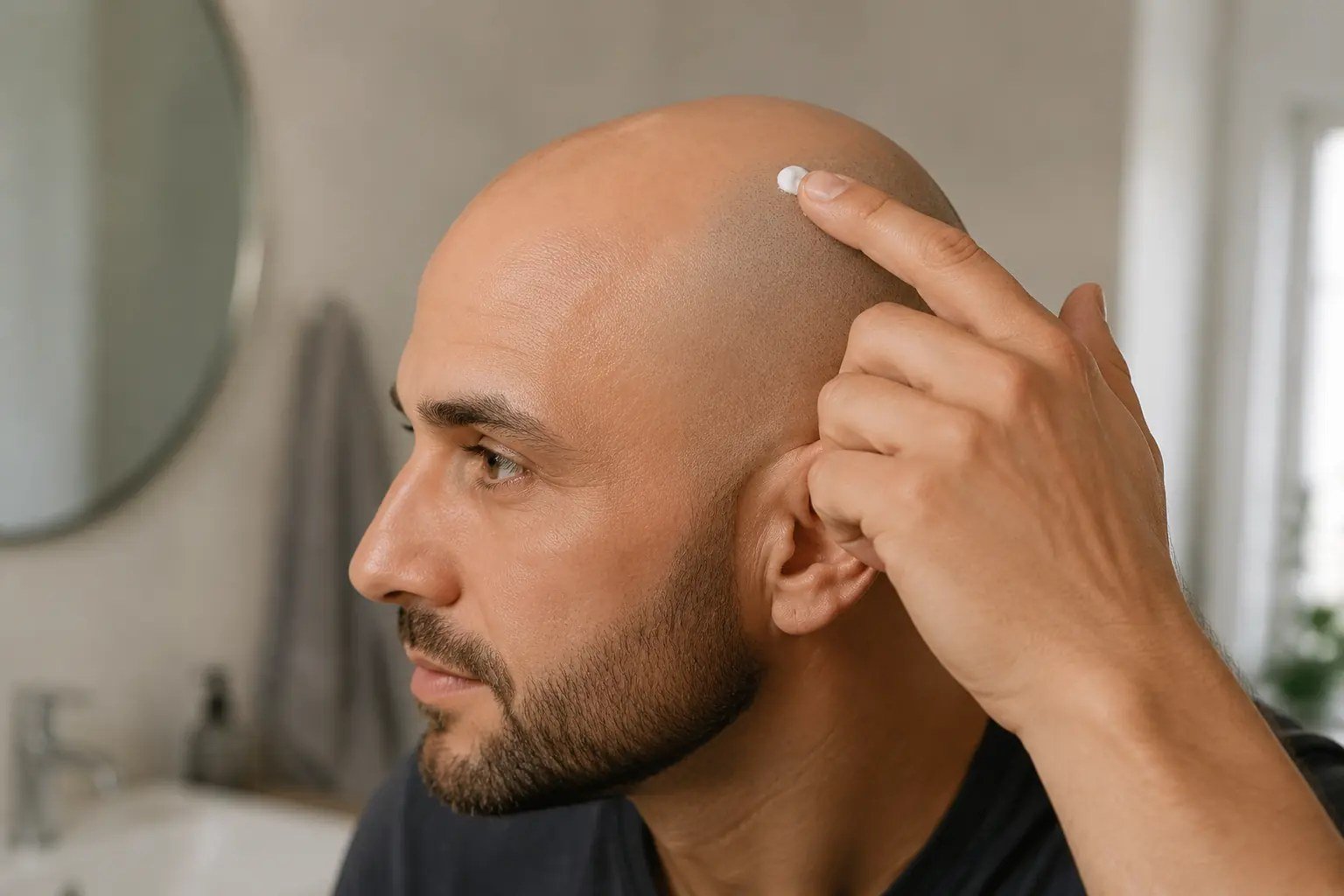
Can You Use Face Moisturizer on Bald Head?
The companion how-to guide, Can You Use Face Moisturizer on Bald Head, covers this in full: the step by step method, the right amounts and frequency for your type, and the mistakes that stop it working. It is linked from the routine sections of this page, and it is the right next read once you have chosen a product.
By Mirror & Glow Editorial Desk – November 23, 2026
Can You Use Face Moisturizer on Bald Head? Apply to damp skin, morning and night, a pea to almond sized amount for the face. The full method, the mistakes to avoid, and where it fits in your routine.
By Mirror & Glow Editorial Desk – November 23, 2026
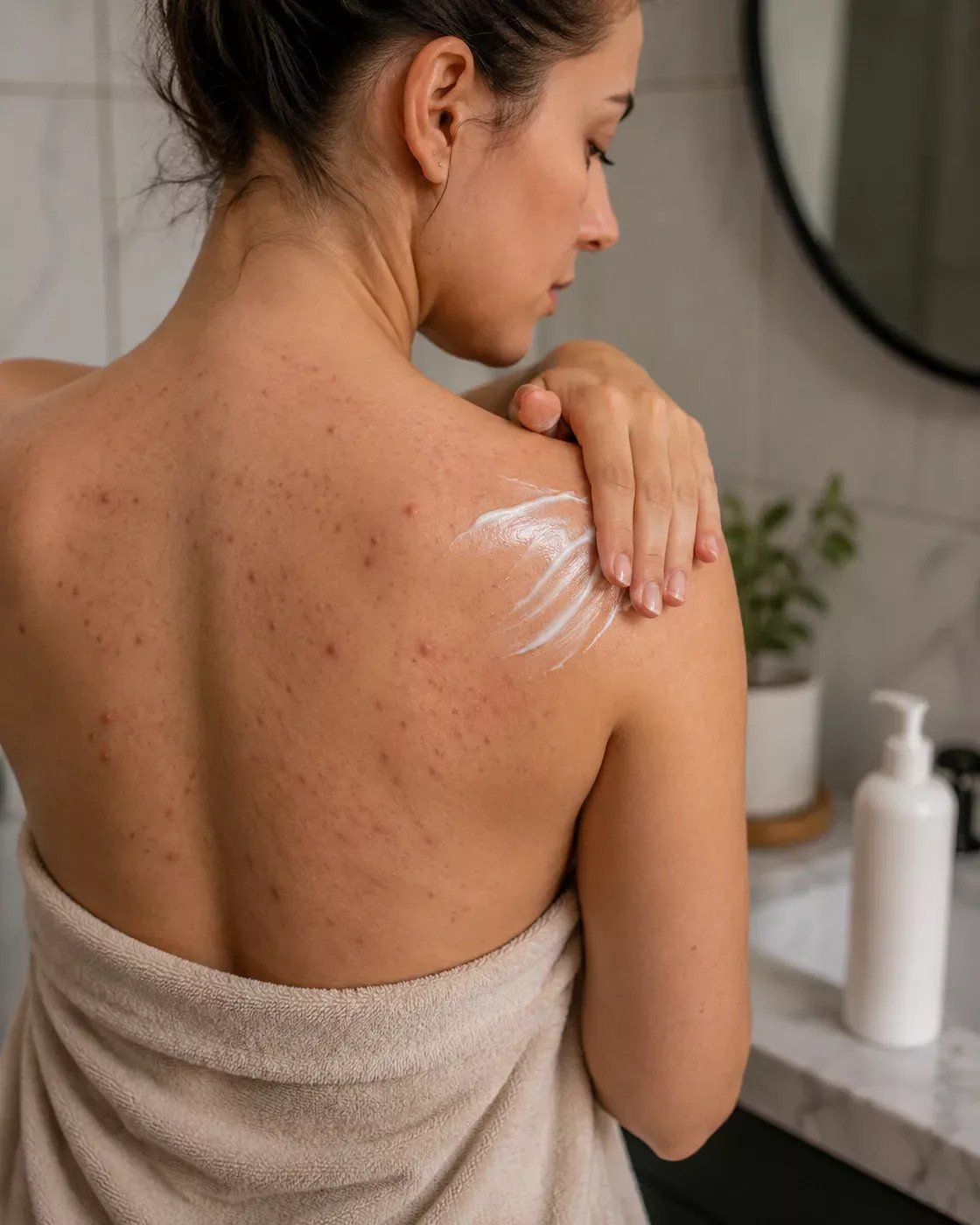
How to Get Rid of Acne Scars on Back? The short answer first, then the detail: one active at a time, introduced over two weeks, judged at eight to twelve weeks, with timing, amounts and the errors that stop it working.
By Mirror & Glow Editorial Desk – November 23, 2026
Hydrocolloid is a wound dressing material: it draws out fluid and turns white as it works. This guide applies that to how often to use pimple patches on a single spot: the method, the timing, and the traps to avoid.