By Mirror & Glow Editorial Desk – November 23, 2026
Woman holding a cotton pad to her cheek during her evening routine.
Affiliate disclosure: Mirror & Glow may earn a commission from qualifying purchases made through links on this page, at no extra cost to you. Full disclosure.
The verdict up front: start with The Ordinary Glycolic Acid 7% Toning Solution, the strongest all round match in this line up for dark spots. Every pick is compared in the table below, then reviewed in full with its downsides as well as its strengths.
If you are looking for the best glycolic acid for dark spots, the right choice depends on fit, not hype. This guide is written for dark spots, and every criterion below is weighted for that need first. The short answer: choose the glycolic acid whose formula, format and strength match your skin, check the ingredient or specification list before the marketing claims, and avoid the options whose downsides match the problem you are trying to solve.
What matters most in glycolic acid is covered in depth below: what the product actually is, the types on sale and how they differ, the buying criteria explained one by one, how to use what you buy, and the mistakes that waste the most money in this category.
Best Glycolic Acid for Dark Spots Compared
Product
Standout Point
Key Specification
The Ordinary Glycolic Acid 7% Toning SolutionTop Pick
Proven 7% glycolic at the lowest price per ml
8 oz bottle – 7% glycolic acid – Tasmanian pepperberry – aloe and ginseng
This is the product that made glycolic acid a household ingredient, and for dark spots it remains the benchmark everything else is priced against. The formula is a straightforward 7 percent glycolic acid at a pH of around 3.6, supported by Tasmanian pepperberry to calm irritation, plus aloe and ginseng, in a big 240 ml bottle that costs less than most serums in this guide. Used on a cotton pad or pressed in with palms two or three evenings a week, it dissolves the bonds between dull surface cells, and because dark spots live in those surface layers, consistent use gradually lifts post acne marks, sun spots and general unevenness while speeding the turnover that brings fresher skin up. The nozzle bottle makes it easy to use on the face, neck, chest and backs of hands, the other places sun spots gather. The honest cautions: 7 percent is a real acid, so tingling is normal and burning is a sign to rinse and rest; it must not be layered with retinol or vitamin C in the same routine while your skin is adapting; and daily sunscreen is non negotiable, because freshly exfoliated skin burns faster and new pigment forms easily. It is too strong as a daily product for sensitive skin, and beginners should start once a week. For everyone else, this is the highest strength of honest glycolic per dollar on the market, and the first bottle to buy before spending more.
Specifications
8 oz bottle
7% glycolic acid
Tasmanian pepperberry
aloe and ginseng
Pros
Proven 7% glycolic at the lowest price per ml
Large bottle suits face, chest and hands
Soothing pepperberry helps tolerance
Cons
Too strong daily for sensitive skin
Must be kept apart from retinol while adapting
Sunscreen is mandatory alongside it
Who should buyyour dark spots are post acne marks or sun spots and you want maximum glycolic value for money
Who should skipyour skin is sensitive or rosacea prone, where the gentler Pixi and COSRX picks below are safer starts
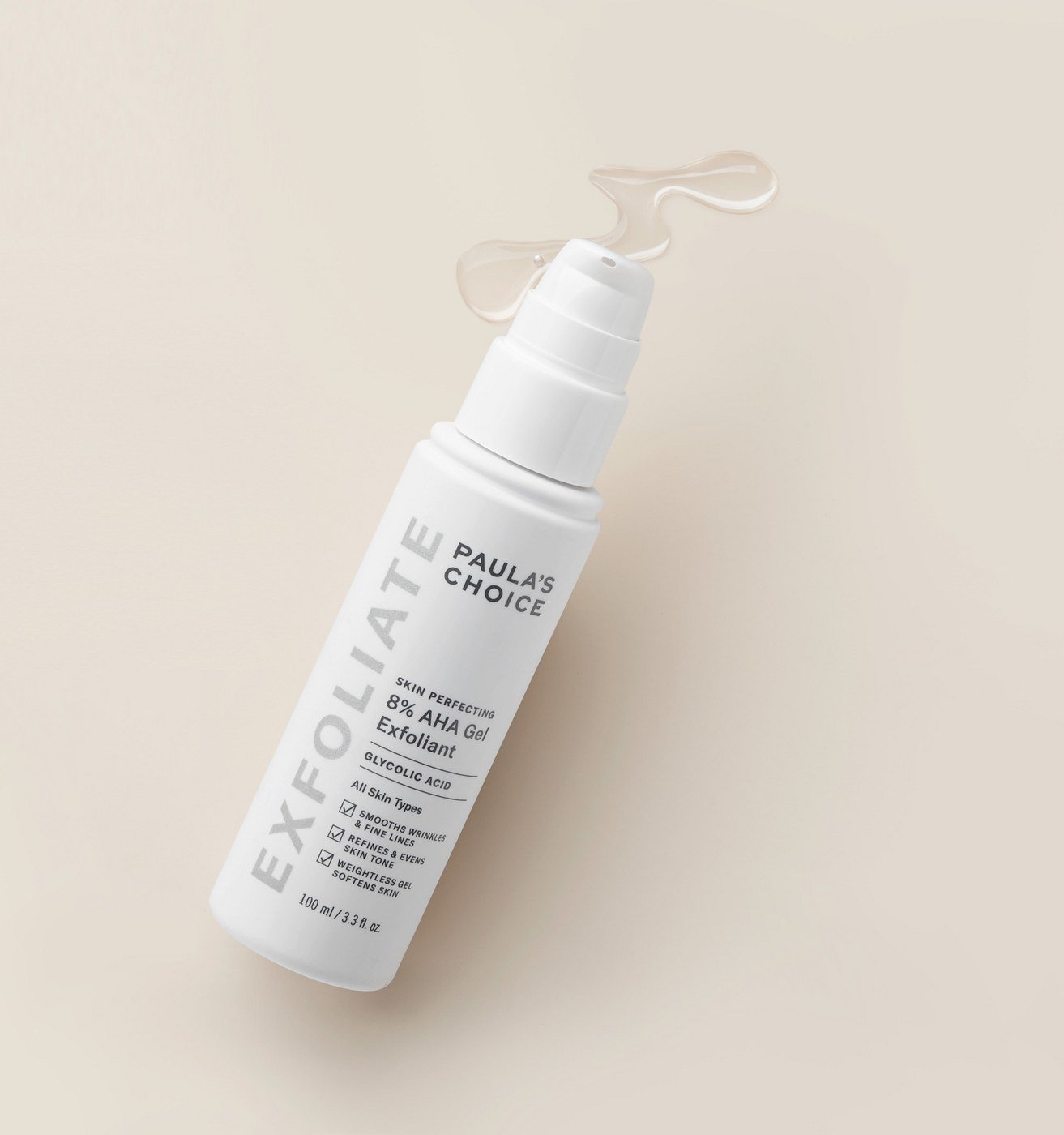
Paula’s Choice Skin Perfecting 8% AHA Gel Exfoliant
Paula’s Choice built its reputation on well formulated exfoliants, and this 8 percent glycolic gel is the connoisseur’s version of the ingredient for dark spots. The leave on gel format matters: unlike a toner that flashes across the skin, the gel sits in an even film, so the acid works uniformly, which is what you want when the goal is fading a patch of pigmentation rather than general glow. The formula adds green tea, chamomile and other antioxidants and soothers, is completely fragrance free, and is pH balanced in the range where glycolic acid is effective without being needlessly harsh. In use it feels like a light serum, layers under moisturiser without pilling, and suits dry to combination skin that finds toner style acids drying. On dark spots, expect the same honest timeline as any glycolic, six to twelve weeks of two to four applications a week before marks visibly soften, with sunscreen every morning to protect the progress. It is priced well above The Ordinary, and what the money buys is formulation polish: better tolerance, no stickiness, and a pump that keeps the product hygienic. Beginners should still start twice a week, and it should not share an evening with strong retinoids until your skin is experienced. For readers who want glycolic as a precise, elegant treatment step rather than a splash on toner, this is the one to beat.
Specifications
3.3 oz pump
8% glycolic acid
green tea and chamomile
fragrance free leave on gel
Pros
Even leave on gel film for targeted spot work
Antioxidants and soothers, fully fragrance free
Pump packaging, elegant non sticky texture
Cons
Costs several times The Ordinary per bottle
Results still take six to twelve weeks
Not the format for body areas like hands and chest
Who should buyyou want a precise, well tolerated leave on glycolic treatment for facial dark spots
Who should skipyou want the cheapest route into glycolic or need to treat larger body areas
Drunk Elephant T.L.C. Framboos Glycolic Night Serum
Framboos is the prestige mixed acid option in this guide, a night serum blending a 10 percent AHA complex, in which glycolic is the lead acid alongside tartaric, lactic and citric, with 1 percent salicylic acid and raspberry extract. The thinking behind the blend is sound for dark spots that come with congestion: the glycolic works on surface pigment while the salicylic acid clears inside pores, so post acne marks fade while the breakouts that create new ones are reduced. It is formulated at a skin friendly pH with the brand’s usual exclusion of fragrance and essential oils, and the airless pump keeps the acids stable. The gel serum texture is light, slightly tacky for a few minutes, and designed to be buffered with a moisturiser or the brand’s marula oil if your skin is new to acids. The results on uneven tone are among the strongest in this guide, and so is the price, which is the highest per ounce here by a wide margin. That cost is the main argument against it, because The Ordinary and Paula’s Choice deliver glycolic itself for far less; what you are paying for is the blended, buffered, prestige formulation. Use it two or three nights a week, never with retinol in the same routine, and expect marks to soften over two to three months. For combination, breakout prone skin with lingering marks and a real budget, it earns its place; for simple sun spots, it is more than you need to spend.
Specifications
1 oz pump
10% AHA blend with glycolic
1% salicylic acid
raspberry extract
Pros
Glycolic blend plus salicylic tackles marks and breakouts together
Fragrance free, airless pump, well buffered
Strong results on uneven, congested skin
Cons
Highest price per ounce in this guide
Too active to pair with retinol same night
Blend is unnecessary for simple sun spots
Who should buyyour dark spots come from breakouts and your skin is combination or oily, with a budget for a prestige serum
Who should skipyour spots are sun damage on otherwise calm skin, where a straight glycolic does the job for less
Alpha Skin Care Intensive Renewal Serum 14% Glycolic AHA
Alpha Skin Care is the quiet veteran of American AHA products, selling glycolic formulas since long before acid toners were fashionable, and this 14 percent serum is the strongest pick in the guide. At 14 percent glycolic and a pH of 3.7, it is aimed at experienced acid users whose skin has plateaued on 7 to 10 percent products and whose dark spots, often years of sun damage on the cheeks and forehead, need a stronger push. The formula is fragrance free, includes soothing ingredients to take the edge off, and comes in a pump bottle at a price that embarrasses prestige brands offering half the strength. Used two or three evenings a week as a thin serum layer, it produces visible peeling in some users during the first fortnight, which is the product working, not failing, but it makes this a poor choice before a big event and an unacceptable one for beginners. It is also the pick most likely to be misused, so the rules matter: patch test, never combine with retinol or other acids in the same routine, moisturise generously, and treat daily sunscreen as part of the product. Sensitive, thin or rosacea prone skin should stay with the gentler options above. For tolerant skin with stubborn pigmentation that has not shifted on milder acids, this is the strongest honest tool short of a professional peel, and its decades on the market reflect a formula that does what it claims.
Specifications
2 oz pump
14% glycolic AHA
pH 3.7
fragrance free
Pros
Strongest glycolic here at 14%, for stubborn spots
Fragrance free and very fairly priced
Decades long track record in AHA skincare
Cons
Far too strong for beginners or sensitive skin
Can cause visible peeling in early use
Easy to overuse without discipline
Who should buyyou are an experienced acid user with stubborn sun spots that milder glycolics have not shifted
Who should skipyou are new to acids or have sensitive skin, where this strength will set you back
Glow Tonic is the gentle introduction to glycolic acid that has converted more beginners than any other product, and it earns its place in a dark spot guide because the best acid is the one your skin tolerates consistently. At 5 percent glycolic with aloe vera and ginseng, in an alcohol free base, it gives a mild daily or alternate day polish that gradually evens tone and softens fresh marks without the sting, flaking or adjustment period of stronger formulas. The big bottle and simple splash on application make it easy to keep up for the months that pigment work requires, and it suits the face, neck and chest. The trade off is speed and ceiling: 5 percent will fade recent post acne marks and surface dullness, but deep sun spots and melasma will barely respond, and experienced users will find it too weak within a bottle or two. It also contains fragrance, which most users enjoy and sensitive skin may not, and the brand’s own guidance to build up from a few uses a week is worth following despite its gentle reputation. Think of Glow Tonic as the training wheels and maintenance option of this guide: start here if acids are new, move up to The Ordinary or Paula’s Choice when your skin is ready and the marks demand it, and return here between stronger treatments. For mild, recent pigmentation on cautious skin, it is exactly the right strength.
Specifications
8.5 oz bottle
5% glycolic acid
aloe vera
ginseng
alcohol free
Pros
Gentlest glycolic here, ideal first acid
Big bottle and easy daily routine
Gradually evens tone without flaking
Cons
Too weak for deep sun spots or melasma
Contains fragrance
Experienced users outgrow it quickly
Who should buyyou are new to acids and your marks are recent and mild, on skin that reacts easily
Who should skipyour pigmentation is deep or long standing and needs a stronger percentage
Pixi’s second entry in this guide is a different animal from Glow Tonic: a concentrated 10 percent glycolic night serum for skin that has outgrown the tonic. The dropper format suits targeted work, letting you press a few drops over the cheeks, forehead or wherever sun spots cluster, and the formula cushions the acid with aloe, cucumber and vitamins A, C and E so the strength is usable two or three nights a week by most skin types. In effect it sits between The Ordinary toner and the Alpha serum in strength, in a more elegant serum texture that layers under night cream without the wet cotton pad routine. On dark spots it performs like the 10 percent product it is: fresh marks fade within weeks, older sun spots soften over a couple of months, and overall tone evens out noticeably. The dropper bottle is small, so full face nightly use runs through it quickly, and like every strong acid it needs a slow start, separation from retinol evenings, and daily sunscreen to hold its gains. It carries a light fragrance typical of the brand. Readers who like the Pixi approach but need real strength, or who prefer serums to toners, will find this the sweet spot of the range, and it is fairly priced against other 10 percent serums. It is not for sensitive skin or acid beginners, who should start with Glow Tonic and graduate.
Specifications
1 oz dropper
10% glycolic acid
aloe
cucumber and vitamins A, C and E
Pros
Full 10% glycolic in a targeted serum format
Cushioned with aloe, cucumber and vitamins
Good step up from Glow Tonic
Cons
Small bottle runs out quickly with full face use
Too strong for beginners and sensitive skin
Light fragrance may not suit everyone
Who should buyyou have outgrown 5% tonics and want a 10% serum you can aim at spot prone areas
Who should skipyou are an acid beginner or have reactive skin
The INKEY List takes the same ingredient led approach as The Ordinary and applies it to a stronger toner: 10 percent glycolic acid in a simple, affordable formula aimed at dullness, uneven tone and visible pores. For dark spots, that extra strength over the 7 percent benchmark is meaningful on tolerant skin, and the brand is commendably plain about usage, directing it to the evening, a few times a week, with sunscreen in the morning. The texture is a watery toner applied with a cotton pad or palms, and the formula includes witch hazel, which oily and combination skin tends to like and dry or sensitive skin often does not, so your skin type decides whether this or the Paula’s Choice gel is your 10 percent option. The bottle is smaller than The Ordinary’s at 100 ml, which narrows the price gap per millilitre, and the flip top is basic but functional. On performance, expect the standard glycolic story at a stronger setting: surface pigment softening over six to twelve weeks, smoother texture within a fortnight, and tingling that should stay mild. It is not a beginner product despite the friendly branding, and it should not be used on the same night as retinol or the brand’s other acids. For oily, resilient skin that wants a strong, cheap, no nonsense glycolic toner for spot fading, this is a very easy recommendation.
Specifications
3.4 oz bottle
10% glycolic acid
witch hazel
helps reduce pore appearance
Pros
Strong 10% glycolic at a budget price
Simple, honest usage guidance from the brand
Oily skin friendly formula
Cons
Witch hazel can dry out dry or sensitive skin
Smaller bottle than The Ordinary
Not suitable for acid beginners
Who should buyyour skin is oily or resilient and you want a strong budget glycolic toner
Who should skipyour skin is dry or sensitive, where the gel and gentler tonics serve you better
COSRX’s AHA 7 is the Korean approach to glycolic: the same 7 percent strength as The Ordinary benchmark, but built on apple fruit water and buffered with niacinamide and hyaluronic acid, which makes it noticeably kinder in use and a favourite of skin that finds Western acid toners harsh. The niacinamide is a thoughtful inclusion for a dark spot product, because it works on pigmentation by a different route, slowing melanin transfer, so the formula exfoliates and brightens at once. The texture is a slightly viscous liquid from a hygienic pump, applied after cleansing and left for a few minutes before the rest of the routine, and most users can build to alternate evenings without the flaking that stronger acids cause. Its name points at whiteheads, and it is genuinely good for the clogged, bumpy texture that traps pigment, but its record on post acne marks and sun spots is why it is in this guide. Progress is steadier than spectacular: this is a six to twelve week product, not a two week transformation, and deep melasma is beyond it. It is fragrance free in the way K beauty usually means, with no added perfume, and the price is fair for the size. For sensitive or dehydrated skin that needs glycolic but has failed with stronger toners, AHA 7 is the gentlest effective route here, and a very sensible first serious acid.
Specifications
3.38 oz pump
7% glycolic acid
apple fruit water
niacinamide
hyaluronic acid
Pros
7% glycolic buffered for sensitive skin
Niacinamide adds a second brightening route
Hygienic pump and no added fragrance
Cons
Slower, steadier results than stronger picks
Not enough for deep melasma or old sun damage
Needs a few minutes before layering other products
Who should buyyour skin is sensitive or dehydrated and needs glycolic in its gentlest effective form
Who should skipyou want the fastest possible fading and tolerate strong acids easily
Mario Badescu’s glycolic toner is the old school New York facialist option, a mild alcohol free toner that has been used in the brand’s salons for decades to brighten and refine skin between treatments. Its glycolic percentage is not disclosed, and its effect in use is gentle, closer to the Pixi Glow Tonic end of this guide than to the strong serums, which defines who it is for: readers with dry, mature or slightly dull skin whose dark spots are mild and whose priority is a comfortable daily toner that gradually evens tone without any risk of flaking before work. Grapefruit extract and aloe round out a formula that feels more like classic skincare than a clinical acid, and the generous 236 ml bottle lasts for months of twice daily use. That comfort comes with limits. Without a stated percentage, readers chasing specific pigmentation cannot dose it precisely, and stubborn sun spots will respond slowly if at all; experienced acid users will find it closer to a refreshing toner than a treatment. It also has the brand’s characteristic light scent. Where it shines is as a maintenance product, keeping tone even after stronger acids or professional treatments have done the heavy lifting, and as a zero drama introduction for mature skin that is new to glycolic. Judged on those terms it is a likeable, reliable bottle; judged as a spot treatment for serious pigmentation, look further up this list.
Specifications
8 oz bottle
glycolic acid
grapefruit extract
aloe vera
alcohol free
Pros
Very gentle, comfortable for dry and mature skin
Large bottle lasts months
Good maintenance toner after stronger treatments
Cons
Percentage not disclosed, so dosing is imprecise
Slow on stubborn pigmentation
Too mild for experienced acid users
Who should buyyour spots are mild and your dry or mature skin wants a gentle daily brightening toner
Who should skipyou need a stated, strong percentage to treat established sun spots
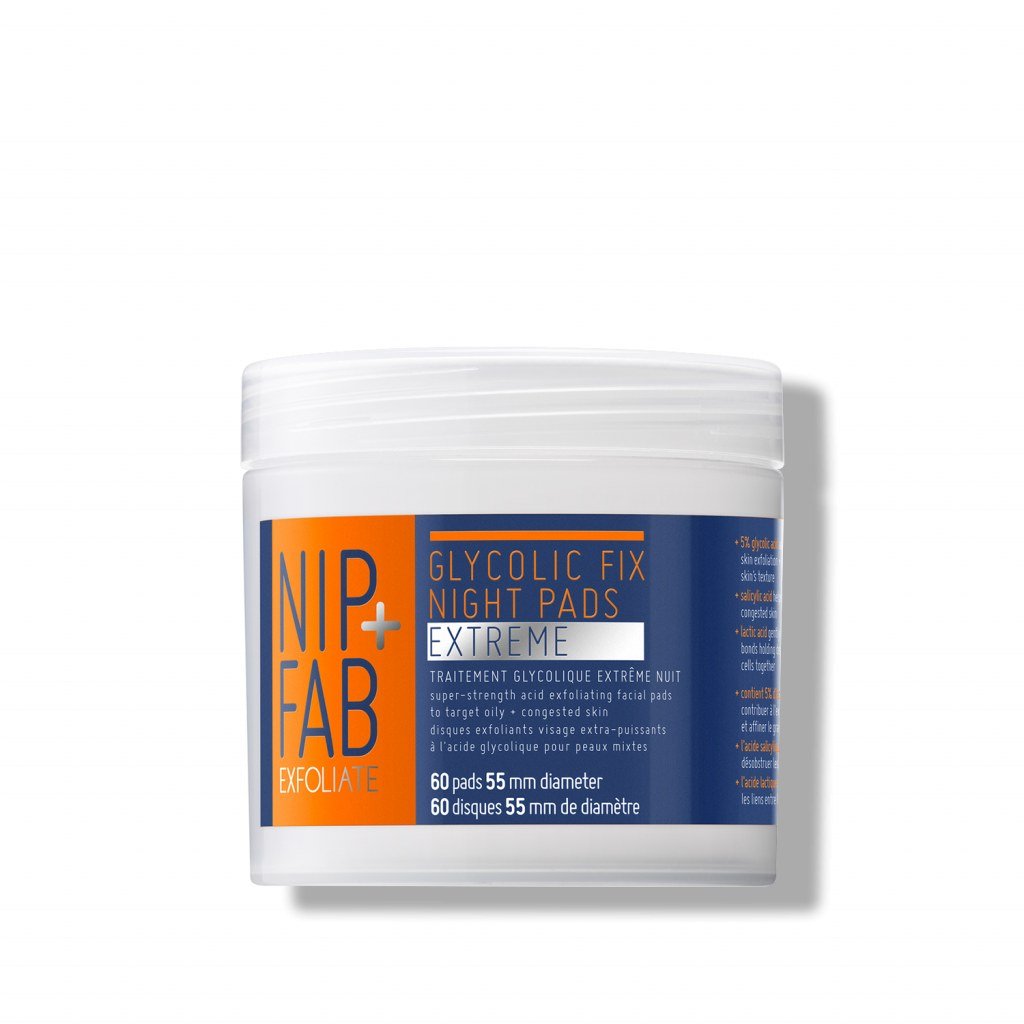
The pad format is the point of this final pick: sixty pre soaked pads carrying 5 percent glycolic acid with salicylic and lactic acids, so the dose is measured, the application takes ten seconds, and there is no bottle, cotton wool or guesswork involved. For dark spots the blend makes sense, because the glycolic and lactic work on surface pigment while the salicylic keeps pores clear, which suits the reader whose marks come from breakouts on the face, chest or back, areas where pads are far easier to use than toners. Each pad is generously wet, one covers the face and neck with enough left for the backs of the hands, and the tub keeps them moist to the last one if you close it properly. The strength is honest mid level: stronger in effect than the 5 percent number suggests because of the acid blend, but still a gradual six to ten week route to fading, and not a match for the 14 percent Alpha serum on old sun damage. The compromises are environmental and economic, since disposable pads create waste and cost more per month than a bottle of toner, and the formula is fragranced in the brand’s style. Used two or three nights a week, they are the most convenient acid in this guide and the one busy readers actually stay consistent with, which in pigment care is half the battle. Sensitive skin should patch test, as with every pick here.
Specifications
60 pads
5% glycolic acid
salicylic acid
lactic acid
pre soaked night pads
Pros
Pre dosed pads make consistent use effortless
Acid blend suits breakout driven marks on face and body
Easy to use on chest, back and hands
Cons
Disposable pads create waste and cost more monthly
Fragranced formula
Mid strength only, slow on old sun damage
Who should buyyou know consistency is your problem and want the convenience of pre soaked pads
Who should skipyou prefer a bottle for value and less waste, or need maximum strength
Glycolic acid is an alpha hydroxy acid from sugar cane, water soluble, that exfoliates the skin surface for brightness, smoothness and help with sun spots and rough texture. Its small molecule size makes it the strongest of the common AHAs, and the most likely to sting.
It works by loosening the bonds between dead surface cells so they shed evenly. Strength and pH decide intensity together, and leave on products in the five to ten percent range are the typical home territory. Because it removes surface cells, it increases sun sensitivity for days after use, making sunscreen part of the product, not an optional extra. It pairs poorly in the same session with retinoids and other acids for most people; alternating nights is the standard pattern. Darker skin tones use it carefully, since irritation can leave pigmentation.
How to Choose: the Criteria That Matter
Choosing skincare well means buying for the skin you have, in the order it needs help. Start with the concern, not the product shelf: breakouts, marks, dryness, redness and lines each have a short list of ingredients with real evidence behind them, and the guide’s topic section names the ones that matter here. Then check your current routine for conflicts before adding anything. Most failed purchases are good products bought for the wrong concern, or two strong actives introduced in the same week so that irritation gets credited to both.
Active ingredient and its stated strength, since a named active without a percentage tells you very little
A percentage on the label lets you compare like with like: a 10 percent azelaic acid and a 2 percent salicylic acid are honest products, while a serum that names an active without a strength is asking you to trust the marketing instead.
Formula type for your skin: gel for oily skin, cream for dry skin, emulsion for combination skin
The same active in a gel, a cream and an oil behaves like three different products. Gel and water based formulas suit oily and combination skin; creams and emulsions carry dry skin through the day; oils are finishing steps, not treatments.
What the formula leaves out: fragrance, drying alcohol and common irritants if your skin is reactive
What is left out decides tolerance. Fragrance, essential oils and drying alcohol are the three most common reasons a well reviewed product stings, flushes or breaks someone out, and sensitive skin should read for their absence first.
How it layers with the rest of your routine, including retinoids, vitamin C and sunscreen
A product that pills under sunscreen or fights your retinoid will not survive in a real routine. Think in pairs: water based before oil based, thinnest to thickest, and actives split across morning and night when they compete.
Packaging that protects the formula, such as airless pumps and opaque bottles for light sensitive actives
Actives degrade in light and air. Vitamin C, retinoids and many antioxidants keep their strength in opaque, airless packaging, and a clear dropper bottle on a sunny shelf is quietly expiring.
Also Considered
These products were researched for this guide and left off the picks list for the reasons given. They are not poor products; they simply fit the exact question of this guide less well.
Glytone Exfoliating Serum 5.5
A dermatology channel glycolic serum researched for this guide. It was left off because its price per millilitre is high for a 5.5 percent formula and the Paula’s Choice gel covers the mid strength leave on role with better availability.
Good Molecules Glycolic Exfoliating Toner
A good budget toner researched closely. It was left off because it occupies the same role as The INKEY List toner at a similar strength with a shorter track record, and the guide already carries three toner formats.
Dermalogica Daily Glycolic Cleanser
A respected glycolic cleanser researched for completeness. It was left off because rinse off contact time is too short to fade established dark spots, and every pick above leaves the acid on the skin where it can work.
How to Use What You Buy
Start with clean, dry or slightly damp skin as the product type directs
Apply the amount stated on the product, usually a pea sized amount or two finger lengths for sunscreen
Introduce one new active at a time and give it at least two weeks before judging
Use the product at the time of day it is designed for, and always finish morning routines with sunscreen
Note any stinging, breakouts or dryness in the first week and adjust frequency before giving up
Fit decides whether a good product works. Skincare actives need a stable base routine around them: a gentle cleanser, a moisturiser your skin likes, and sunscreen every morning. Add the new product to that base one at a time, at the frequency the category supports, and keep everything else unchanged for the first month. That discipline is what turns a purchase into a result you can actually attribute.
Start once or twice a week at night on dry skin, building frequency as tolerated, moisturiser after. Expect brightness changes in three to four weeks and texture and spot changes over eight to twelve.
Who Should Buy, and Who Should Skip
Buy if your need matches this guide exactly: you are looking for options for dark spots, you have checked the criteria above against your current routine, and you are willing to introduce the product gradually and judge it over the period the category needs.
Skip if your concern is different from the one in the title, your skin or hair is currently irritated or damaged and needs recovery first, or a clinician has advised you on this concern, in which case their advice comes before any buying guide.
Common Mistakes in Glycolic Acid
Starting three new actives in the same week, which makes reactions impossible to trace
Using more product than directed, which increases irritation without improving results
Skipping sunscreen while using brightening or exfoliating products, which undoes their work
Expecting visible change in days when most skincare actives need weeks of consistent use
Using it daily from the start alongside a retinoid and calling the resulting irritation a purge
Skipping sunscreen while using an acid that measurably increases sun sensitivity
Frequently Asked Questions
How do I choose the right glycolic acid?
Start with the criteria in this guide: match the formula or specification to your skin type and the exact concern in the title, check the published ingredient or specification list, and pick the option whose downsides do not overlap with your problem. The type decision comes first: most disappointment in glycolic acid is a good product bought in the wrong type.
How long before I see results from a glycolic acid product?
It depends on the category, but most skincare products need consistent use over several weeks before a fair judgement. Devices and treatments state their expected course in the manual or on the packaging, and that timeline is the one to follow. Judge on the category’s clock, not on the first week.
What should I avoid when buying for dark spots?
Avoid buying on claims alone: skip options with no published ingredient or specification list, strengths far beyond what your routine needs, and any product whose stated downsides match the exact issue you are trying to fix. Also avoid changing two other parts of your routine in the same week, which makes the new product impossible to judge.
Is the most expensive option always the best?
No. In glycolic acid, price often reflects branding, packaging and extras rather than the core ingredient or specification doing the work. The criteria in this guide matter more than the price band, and mid priced options with the right specification beat premium options with the wrong one.
What is the most common mistake with glycolic acid?
Using it daily from the start alongside a retinoid and calling the resulting irritation a purge A close second: skipping sunscreen while using an acid that measurably increases sun sensitivity
How does glycolic acid fit into a daily routine?
Start once or twice a week at night on dry skin, building frequency as tolerated, moisturiser after. Expect brightness changes in three to four weeks and texture and spot changes over eight to twelve. Fit decides whether a good product works.
Can You Use Glycolic Acid and Salicylic Acid Together?
The companion how-to guide, Can You Use Glycolic Acid and Salicylic Acid Together, covers this in full: the step by step method, the right amounts and frequency for your type, and the mistakes that stop it working. It is linked from the routine sections of this page, and it is the right next read once you have chosen a product.
By Mirror & Glow Editorial Desk – November 23, 2026
It works by loosening the bonds between dead surface cells so they shed evenly. This guide applies that to can you use glycolic acid and salicylic acid together: the method, the timing, and the traps to avoid.
By Mirror & Glow Editorial Desk – November 23, 2026
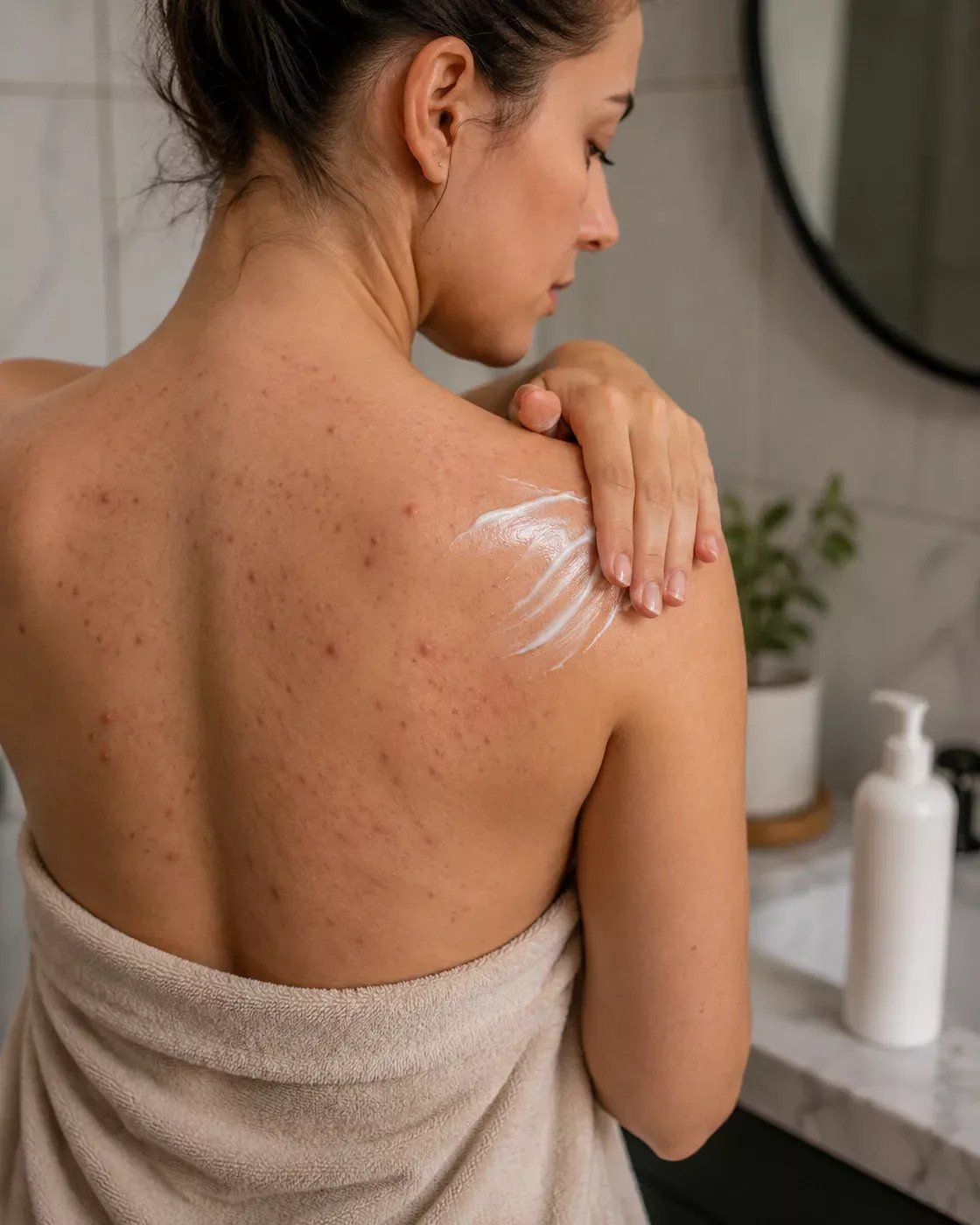
How to Get Rid of Acne Scars on Back? The short answer first, then the detail: one active at a time, introduced over two weeks, judged at eight to twelve weeks, with timing, amounts and the errors that stop it working.
By Mirror & Glow Editorial Desk – November 23, 2026
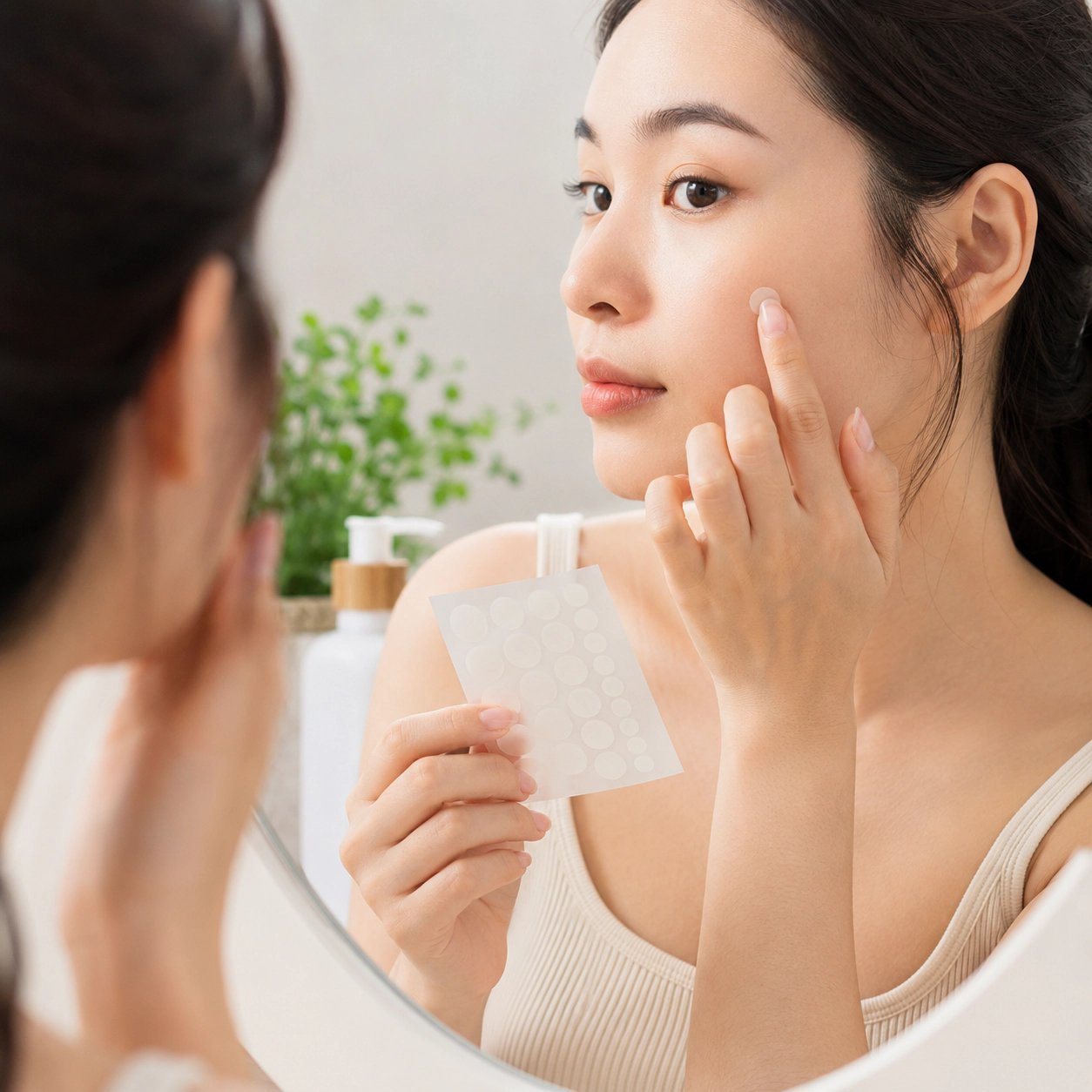
Hydrocolloid is a wound dressing material: it draws out fluid and turns white as it works. This guide applies that to how often to use pimple patches on a single spot: the method, the timing, and the traps to avoid.