By Mirror & Glow Editorial Desk – November 23, 2026
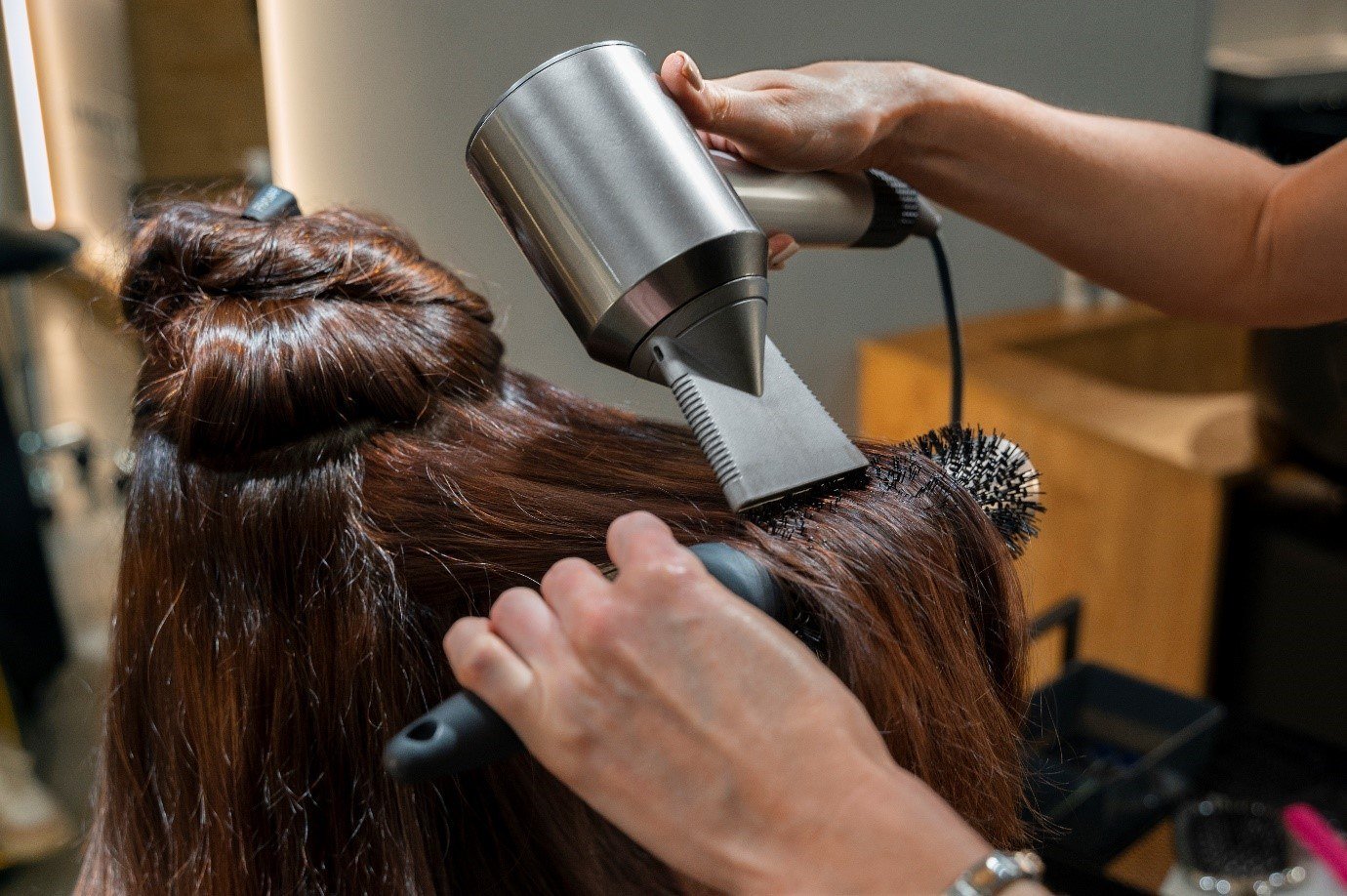
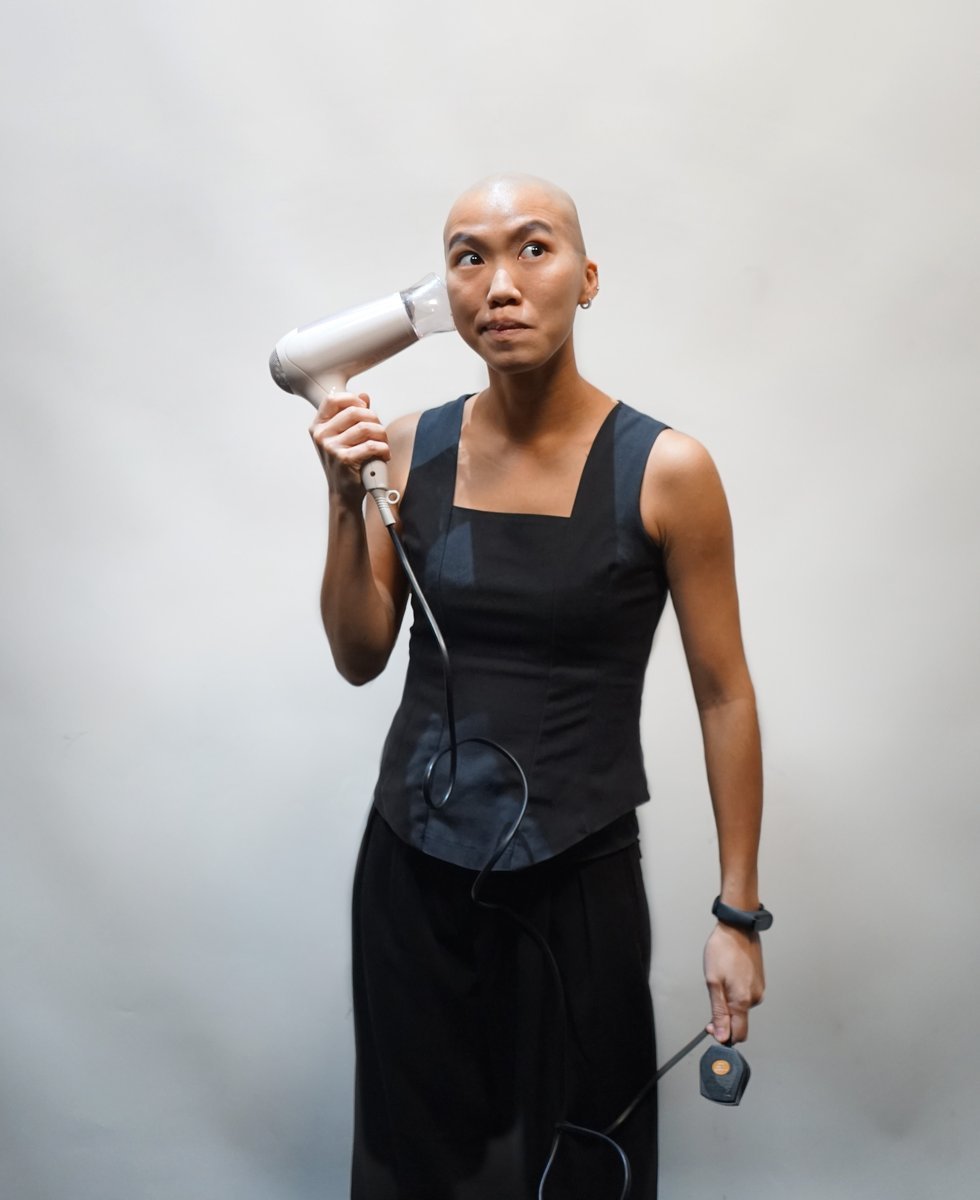
Woman blow drying a section of her hair with a round brush over a bathroom sink.
Affiliate disclosure: Mirror & Glow may earn a commission from qualifying purchases made through links on this page, at no extra cost to you. Full disclosure.
The verdict up front: start with Dyson Supersonic Hair Dryer, the strongest all round match in this line up for fine thin hair. Every pick is compared in the table below, then reviewed in full with its downsides as well as its strengths.
If you are looking for the best hair dryer for fine thin hair, the right choice depends on fit, not hype. This guide is written for fine thin hair, and every criterion below is weighted for that need first. The short answer: choose the hair dryer whose formula, format and strength match your hair, check the ingredient or specification list before the marketing claims, and avoid the options whose downsides match the problem you are trying to solve.
What matters most in hair dryer is covered in depth below: what the product actually is, the types on sale and how they differ, the buying criteria explained one by one, how to use what you buy, and the mistakes that waste the most money in this category.
Best Hair Dryer for Fine Thin Hair Compared
Product
Standout Point
Key Specification
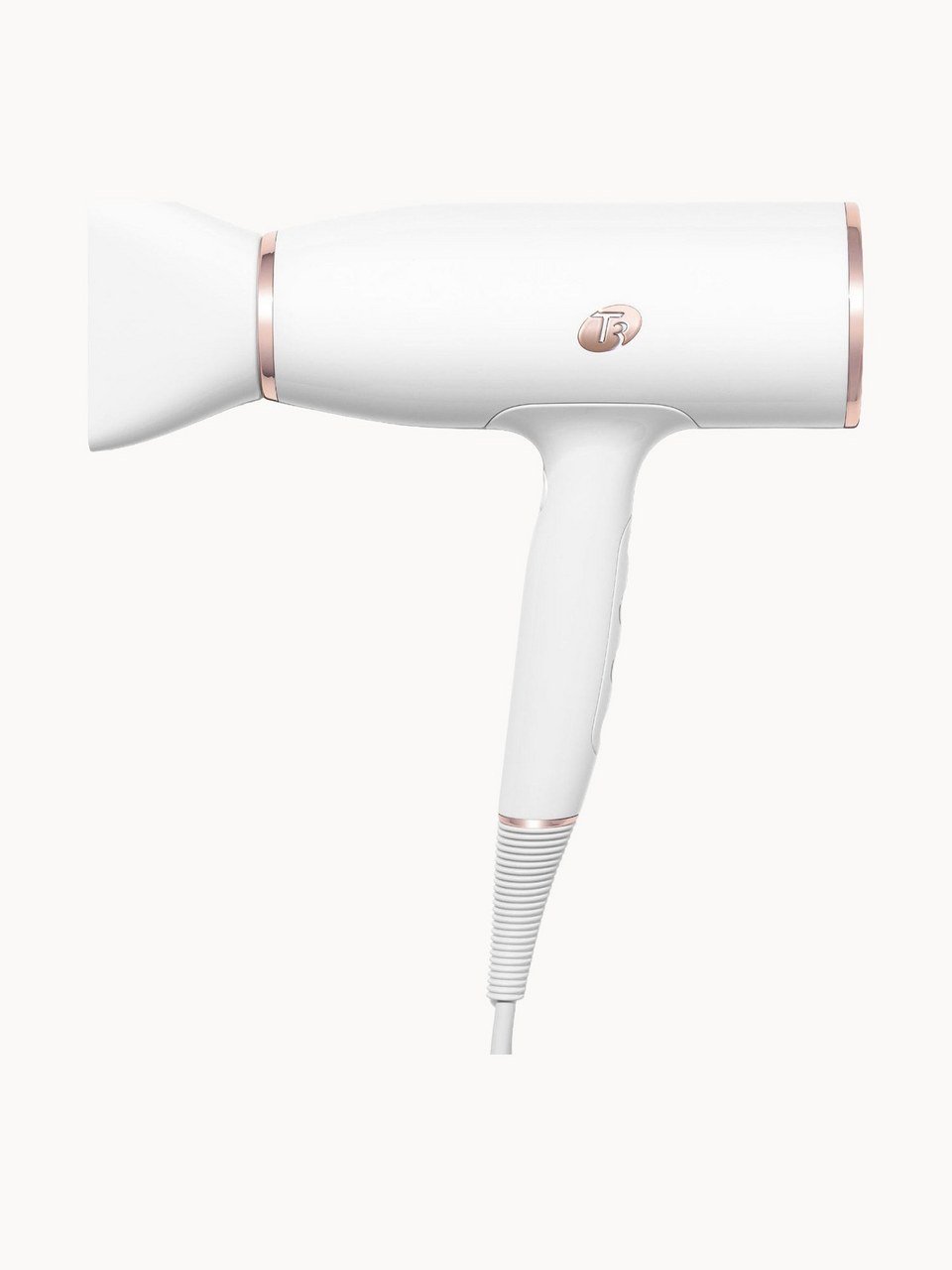
Dyson Supersonic Hair DryerTop Pick
Measured heat control protects the most fragile hair type
1600W digital motor V9 – Air Multiplier technology – intelligent heat control measuring air temperature 40 times per second – 4 heat and 3 speed settings – magnetic attachments including Flyaway Smoother
1600W brushless motor – self cleaning filter system – auto memorising heat and speed settings – 3 heat and 3 speed settings plus cool shot – weighs about 0.75 lb
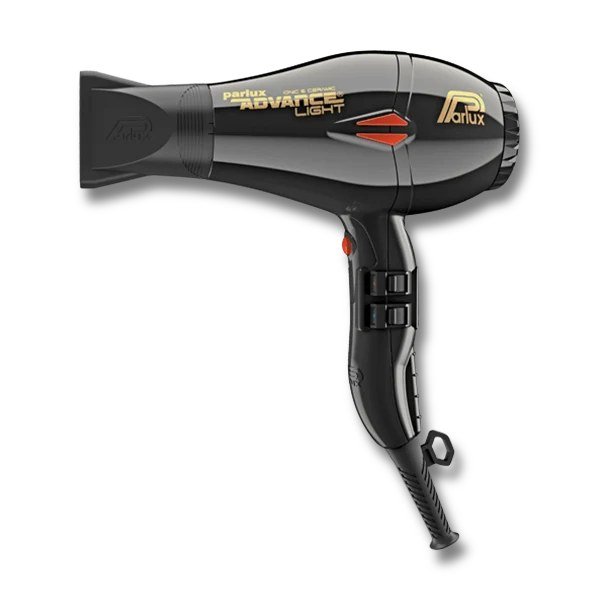
2200W K-ADVANCE motor – 83 cubic metres per hour airflow – ceramic and ionic technology – 2 speeds and 4 temperature settings – weighs about 460 g without cord
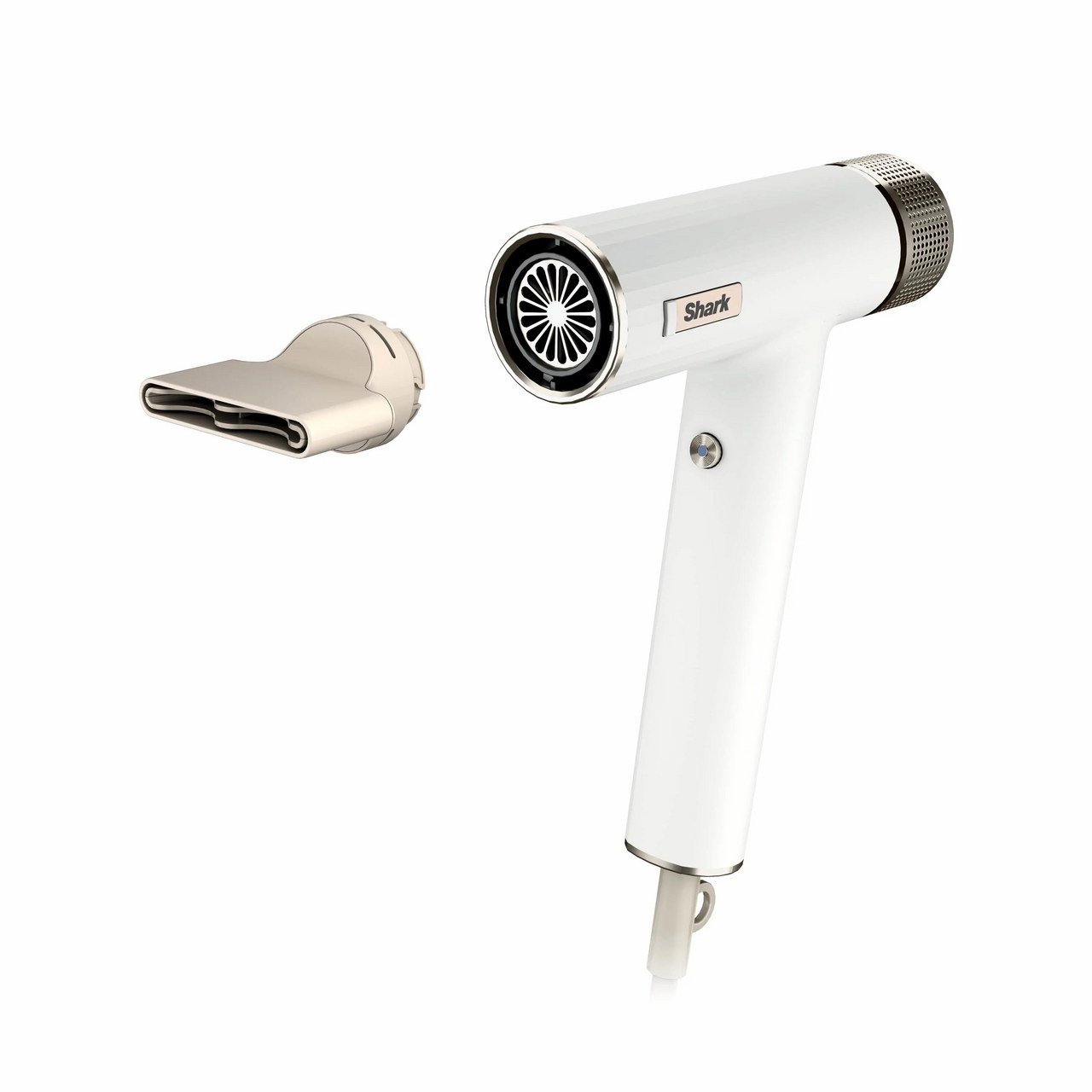
1700W – intelligent temperature regulation measuring heat 1000 times per second – RapidGloss Finisher attachment for shine – QuickSmooth Brush attachment – compact, lightweight body
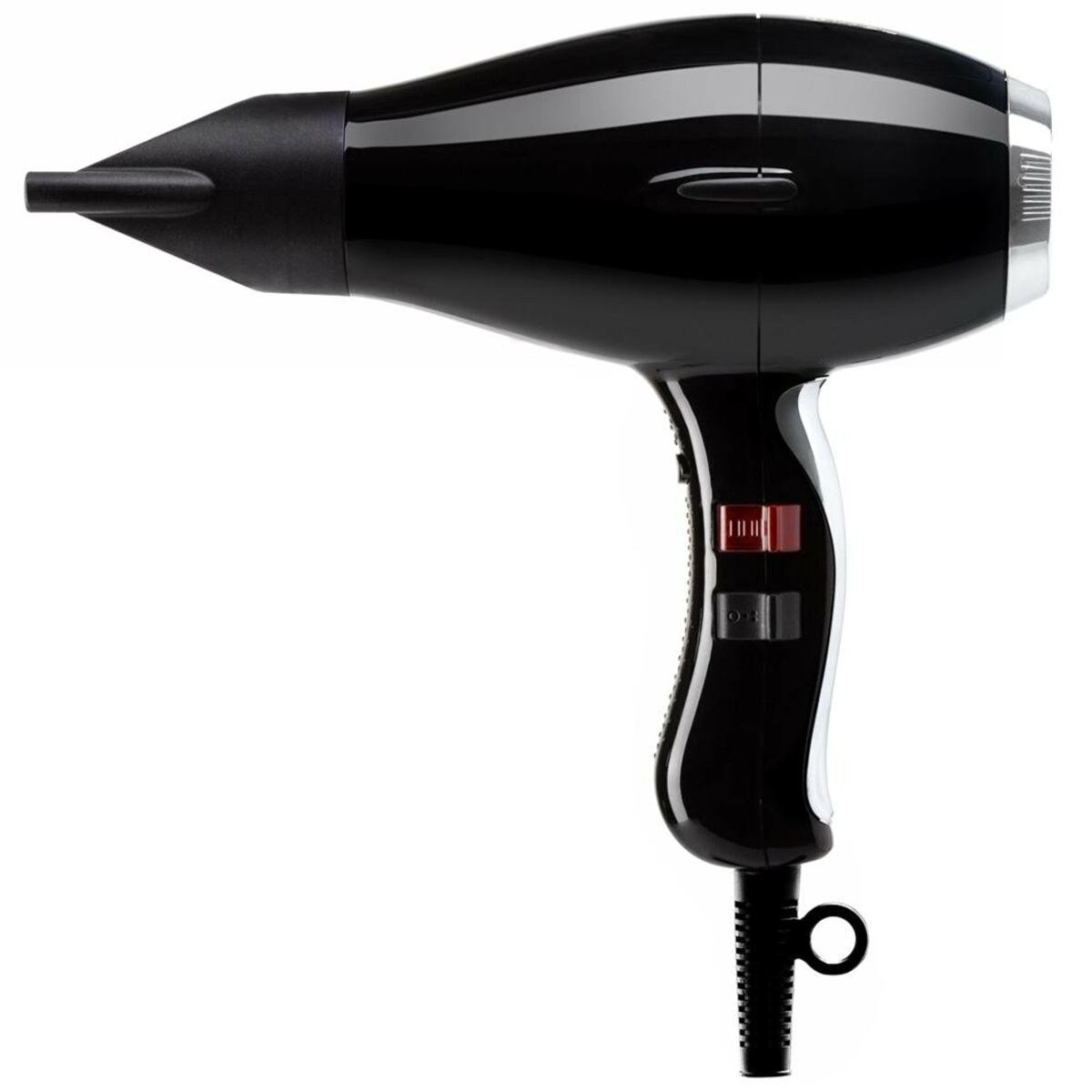
2000W professional AC motor – ionic and ceramic system – 2 speeds and 3 temperature settings – cold air button – two concentrator nozzles – made in Italy
2200W brushless motor – 120 km/h airflow – Aeroprecis technology for focused airflow – variable heat and speed with cool shot – contoured concentrator nozzle included
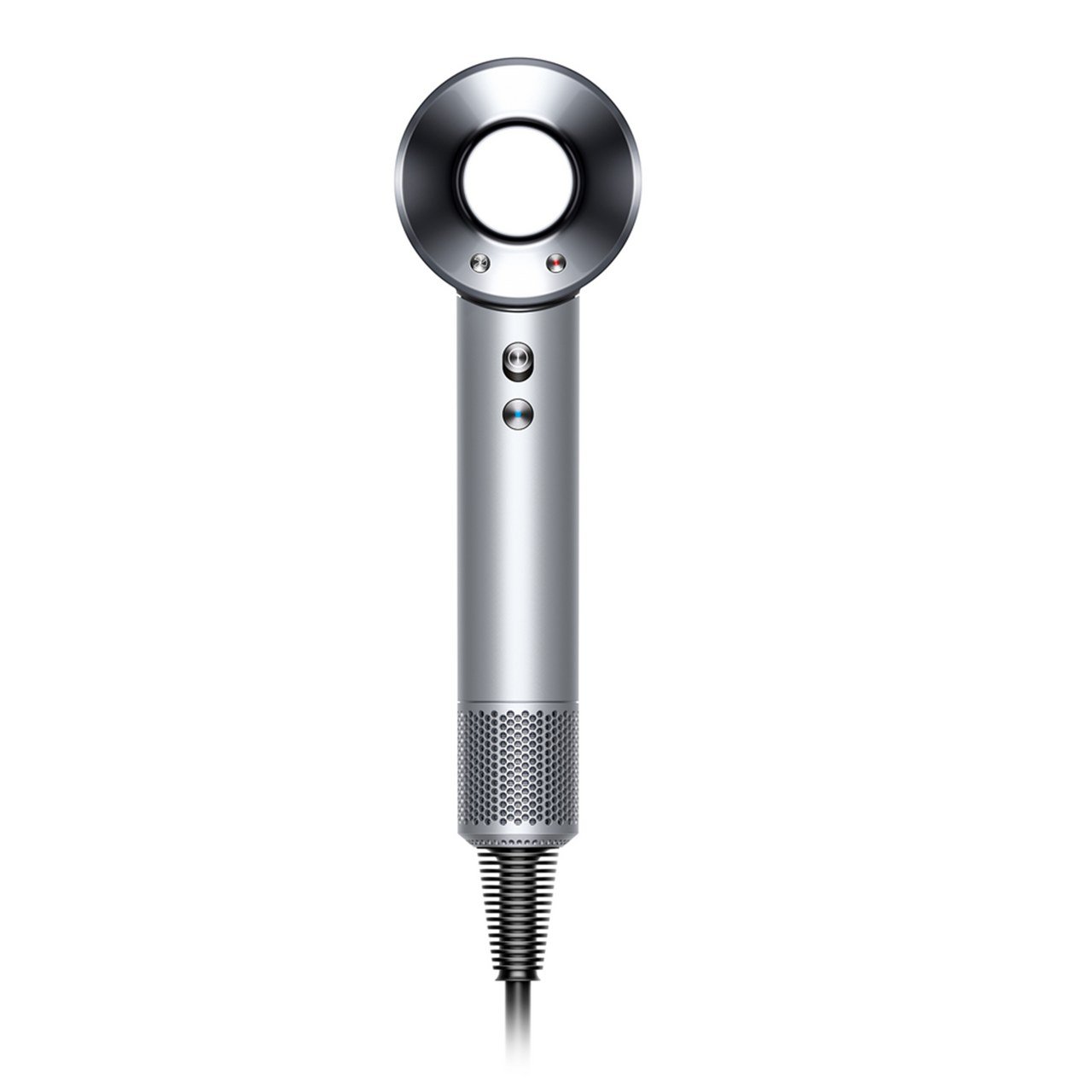
Fine, thin hair is the least forgiving hair type a dryer meets: few strands, each one fragile, with no density to hide damage or create the illusion of body. The Supersonic leads this guide because its heat is measured, not guessed: a sensor checks air temperature 40 times per second and the heater obeys, so the spikes that snap thin ends simply do not happen. The Gentle Air attachment is the key tool here, softening the jet so thin hair dries without being whipped into tangles, while the Flyaway Smoother lays the surface smooth afterwards using Coanda airflow rather than heat and friction. Four heat and three speed settings include genuinely low options, and the cold shot runs properly cold for setting what little root lift thin hair can hold. The handle weighted body keeps control easy when you are working close. The price is the obvious objection, and it is steep; the cord is also shorter than salon models and the maximum heat is modest, which is irrelevant for this hair type but worth knowing if the dryer is shared. Judged purely on protecting fine, thin hair while still styling it, nothing else in the guide is as carefully engineered.
Specifications
1600W digital motor V9
Air Multiplier technology
intelligent heat control measuring air temperature 40 times per second
4 heat and 3 speed settings
magnetic attachments including Flyaway Smoother
Pros
Measured heat control protects the most fragile hair type
Gentle Air attachment dries without tangling
Cold shot sets root lift on thin hair
Cons
Steep price
Shorter cord than salon dryers
Modest maximum heat if shared with thick hair
Who should buyyour hair is both fine and thin and heat damage shows immediately.
Who should skipyou need one dryer mainly for thick, dense hair.
Thin hair blowouts fail on technique before they fail on product: the dryer must stay moving, held high, section by section, and at about 0.75 lb the Smart-X is the dryer least likely to tire the arm doing it. That lightness is why it ranks second for this hair type specifically. The brushless motor delivers efficient airflow from 1600W, the settings are memorised so it never surprises thin hair with a full heat start, and the self cleaning filter matters more than it sounds: fine, thin hair sheds into filters, a clogged filter chokes airflow and the dryer compensates with heat, which is exactly the failure mode this hair type cannot afford. Three heat and three speed settings plus a cool shot are honestly matched to the job, and the compact body stores in a drawer rather than dominating a counter. The trade offs are a premium price, airflow that very long hair will find slower than a salon dryer, and a concentrator on the small side for sleek work. For fine, thin hair dried most days, the combination of feather weight, memory settings and a filter that maintains itself is a genuinely protective package. Storage and handling reinforce the case: the compact body hangs or drawers easily, the controls are placed for thumb operation while the other hand holds the brush, and the cool shot is a button rather than a hold, so a thin haired user setting five or six root sections is not cramping a finger through the whole routine.
Specifications
1600W brushless motor
self cleaning filter system
auto memorising heat and speed settings
3 heat and 3 speed settings plus cool shot
weighs about 0.75 lb
Pros
Feather light at 0.75 lb for sectioned styling
Self cleaning filter prevents heat creep
Memorised settings, no hot surprises
Cons
Premium price
Slower on very long hair
Small concentrator
Who should buyyou style fine, thin hair in sections and weight wears you out.
Who should skipyou want maximum salon airflow above all.
Thin hair lives or dies on volume, and the AireLuxe is the only dryer here with two separate volume tools: an ion switch and a Volume Boost switch, both doing the same essential thing, letting you turn the ioniser off. Ionised air smooths, but on fine, thin hair smoothing is often just flattening with better PR; drying with ions off leaves the cuticle with more grip and the roots with visibly more lift. Five heat and three speed settings let you pair that with low heat and moderate air, the safe working zone for this hair type, and the cool shot locks so you can set each root section without holding a button. The auto pause sensor stops airflow when you put the dryer down to reposition a brush, which suits the stop start rhythm of thin hair styling. Trade offs are the premium price, a weight above the Smart-X and Harry Josh, and a filter that needs manual cleaning. The 1875W motor means the top settings exist and must be deliberately avoided on this hair type. Used at its gentle, ion free end, the AireLuxe gives fine, thin hair the fullest finish in the guide. A detail worth knowing: the Volume Boost and ion switch interact, so the routine most fine, thin hair owners settle into is ions off and boost on for the roots and crown, then ions back on for the final surface pass through the lengths. That two stage method is only possible on a dryer that separates the controls, which in this guide means this one and the Harry Josh.
Specifications
1875W
digital ion generator with ion switch
5 heat and 3 speed settings
Volume Boost switch
auto pause sensor
cool shot lock
Pros
Ion switch and Volume Boost for real lift
Locking cool shot sets roots section by section
Wide low end settings range
Cons
Premium price
Mid weight
Top settings must be avoided on thin hair
Who should buyvolume is your first priority for fine, thin hair.
Who should skipyou want the lightest dryer available.
For fine, thin hair, the Ultra Light Pro’s under a pound weight and ion switch are the two features that matter, and it offers both for less than the T3 and Dyson. The light body makes the overhead, root directed drying that builds thin hair volume sustainable across the whole head, and the ion switch lets you dry ion free for body, then finish with ions on if the surface looks flyaway. Power is a full 1875W, so drying is quick, which itself protects thin hair: less time under heat beats lower heat for longer. Two speeds and three heat settings are a shorter menu than rivals, but they cover the working range, and two concentrators are included for root and sleek work. The extra long cord is a practical joy in real bathrooms. The compromises are the smaller brand’s service network, a finish and feel that prioritise weight over luxury, and no diffuser in the box, though thin, straight to wavy hair rarely needs one. If the budget will not stretch to the top three and the hair is fine and thin, this is the dryer this guide would buy instead, without much sense of sacrifice. The finish deserves a word too: the matte mint body does not show every fingerprint, the buttons are mechanical and repairable in feel rather than touch sensitive, and the dryer is quiet enough for early mornings in a shared flat. Small things, but a tool used daily at close quarters is judged on exactly these accumulations.
Specifications
1875W
weighs under 1 lb
ionic technology with ion switch
2 speeds and 3 heat settings
two concentrator nozzles
extra long cord
Pros
Under 1 lb with an ion switch, mid price
Full power dries thin hair quickly
Two concentrators included
Cons
Smaller brand service network
Short settings menu
No diffuser included
Who should buyyou want light weight and volume control below the luxury price.
Who should skipyou want a diffuser and premium build.
The salon logic of the Advance Light suits fine, thin hair better than it first appears: its 83 cubic metres per hour of airflow means the middle temperatures dry this hair type in a few minutes, and total heat exposure, which is what damages thin strands, is lower than a weak dryer running hot for twice as long. At about 460 grams without cord it is light enough for root work, and the ceramic ionic system keeps the finish calm rather than static charged, a visible problem on thin hair. Parlux’s K-ADVANCE motor is built for professional hours, so the dryer is a long term purchase, and its switches are simple, positive and glove friendly. The limits for this hair type are the lack of an ion off option, since the ionic system is always on and can leave very thin hair smoother than it is full, a diffuser sold separately, and a professional price with a long salon cord. In a household or a careful routine, though, its speed at moderate heat is a protective feature in disguise. For fine, thin hair that is dried daily and a dryer expected to last for years, the Parlux is the durability pick.
Specifications
2200W K-ADVANCE motor
83 cubic metres per hour airflow
ceramic and ionic technology
2 speeds and 4 temperature settings
weighs about 460 g without cord
Pros
Fast drying at moderate heat limits exposure
Salon motor longevity
Light for a professional dryer
Cons
Ionics always on, can flatten thin hair
Diffuser sold separately
Professional price
Who should buyyou dry fine, thin hair daily and want a dryer that lasts years.
Who should skipmaximum root volume is your priority.
Thin hair shows frizz and flyaway more than any other type because there is no weight to hold the surface down, and the SpeedStyle HD331 set is aimed precisely at surface finish. Its heat is regulated 1000 times per second and capped by design, so the tool cannot spike against fragile strands, and the RapidGloss Finisher then polishes the dried hair with two controlled air streams, giving the sleek, light reflective surface that makes thin hair look thicker and healthier. The QuickSmooth Brush handles the drying pass itself for straighter styles, combining brush and dryer so thin hair is not double handled. The body is compact and light, and the price is mid band, well below the Dyson whose regulated heat idea it echoes. The trade offs are dependence on Shark’s attachment system, no diffuser in this set, and a small body’s airflow that very long thin hair may find slower than a salon dryer. Storage is easy, which matters for a tool used daily. For fine, thin hair whose problem is less volume than a wispy, dull surface, the SpeedStyle’s gloss first approach answers the actual complaint. Technique matters with the finisher on thin hair: it works best on hair that is already dry and roughly smooth, passed slowly over the surface in the direction of growth, two or three passes per side. Used that way the gloss effect is visible immediately, and because the tool adds no further meaningful heat load, it can be used daily without adding to the week’s heat total.
Specifications
1700W
intelligent temperature regulation measuring heat 1000 times per second
RapidGloss Finisher attachment for shine
QuickSmooth Brush attachment
compact, lightweight body
Pros
Regulated, capped heat protects thin strands
Gloss finisher makes thin hair look healthier
Compact, light, mid priced
Cons
Needs Shark attachments
No diffuser in this set
Slower on very long hair
Who should buyyour fine, thin hair looks wispy and dull rather than flat.
Who should skipyou want a conventional dryer with universal fittings.
The 3900 is the conservative choice for fine, thin hair: a Milan made professional dryer whose ionic ceramic system produces even, radiant heat, and whose middle temperature is calibrated for steady drying rather than speed records. Thin hair benefits from that evenness, because hot spots in a cheap dryer’s airstream are what create the brittle patches that later snap. Elchim’s build quality is the other half of the case: these dryers run for years in salons, parts exist, and the two included concentrators cover root lift and sleek finishing. The cold air button delivers genuinely unheated air for setting lift. Against it for this hair type: the AC motor makes it the heaviest dryer in this guide, which works against the overhead styling thin hair needs; the ionics are always on, so volume seekers get a smoother, flatter result; and the settings menu is short. The price is professional band. None of that stops it being the right answer for a buyer who wants one traditional, repairable dryer and whose thin hair is worn smooth rather than volumised. It is the guide’s longevity pick, with the weight caveat stated plainly. There is also a repairability argument that suits a careful buyer: Elchim publishes parts, salons service these dryers, and a tool that can be repaired rather than replaced sits well with readers who buy appliances once. For fine, thin hair the steady, unchanging character of the heat, year after year, is itself a protective feature, because routines can be learned against it.
Specifications
2000W professional AC motor
ionic and ceramic system
2 speeds and 3 temperature settings
cold air button
two concentrator nozzles
made in Italy
Pros
Even ceramic heat avoids brittle hot spots
Decades long salon durability
Two concentrators and true cold air
Cons
Heaviest dryer in this guide
Always on ionics flatten volume
Short settings menu
Who should buyyou wear fine, thin hair smooth and want a dryer for years.
Who should skipyou need a feather light dryer for volume styling.
The Helios earns its place for fine, thin hair on precision rather than gentleness: its Aeroprecis system focuses the 120 km/h airflow into a controlled stream, and thin hair, which has so little mass that a diffuse blast just scatters it, responds to that focus with actual root direction. You can aim air at the root line section by section and build the architecture of volume instead of hoping for it. The brushless motor is strong, the body balanced, and the acoustic tuning keeps the note lower than most. The contoured concentrator is shaped for exactly this close work. The cautions are real for this hair type: the top heat and speed are more than fine, thin hair should meet, so the Helios rewards a disciplined user who lives on the lower settings and keeps the dryer moving; there is no diffuser in the box; and the price is premium. In careless hands it is the easiest dryer here to overdo. In careful hands, it produces the most deliberate, salon structured blowout this guide offers thin hair, which is why it stays, with its warning label attached. Used with discipline, the method is specific: lowest heat that dries, highest comfortable airflow, dryer always moving, concentrator angled down the shaft from root to tip. On thin hair that method with the Helios produces the kind of structured, lasting blowout that softer dryers cannot, because the focused air sets each section before the next begins. The tool rewards skill, and this guide prices that honestly.
Specifications
2200W brushless motor
120 km/h airflow
Aeroprecis technology for focused airflow
variable heat and speed with cool shot
contoured concentrator nozzle included
Pros
Focused airflow directs thin roots precisely
Balanced body, lower noise
Salon structured blowout potential
Cons
Easy to overdo heat on thin hair
Premium price
No diffuser included
Who should buyyou are a careful, brush led stylist of your own thin hair.
Who should skipyou want set and forget gentle drying.
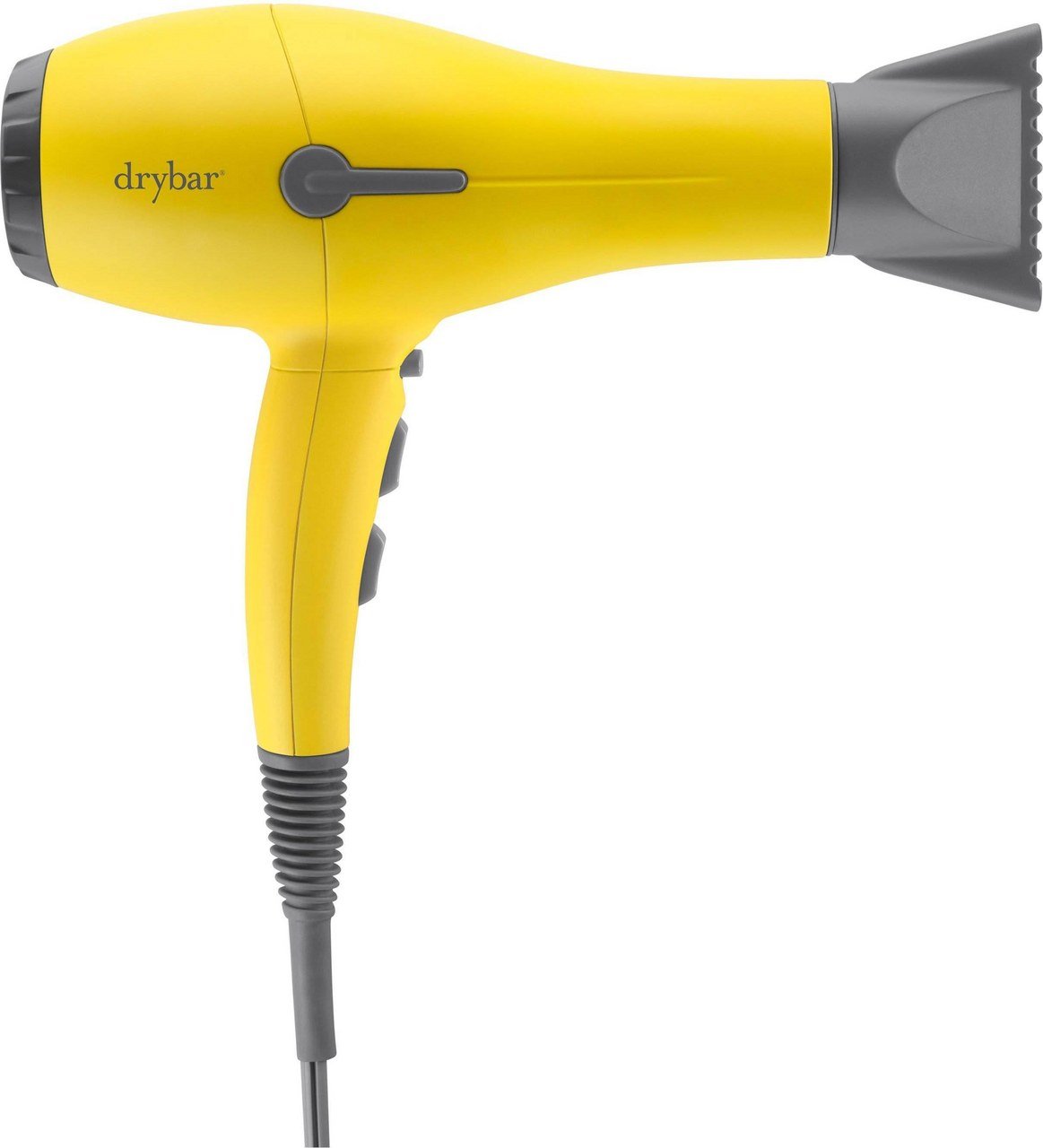
Drybar built its business blowing out fine to medium hair, and the Buttercup carries that tuning: 1875W, ionic conditioning, two concentrators and a cool shot that sets the bouncy finish the chain sells. For fine, thin hair the appeal is the middle of its range, where it dries quickly and leaves the surface smooth enough that thin hair looks polished rather than wispy, and the 9 ft cord and light body make the overhead root work easy. The controls are simple switches, which suits a daily routine better than a dial of fifteen options. The compromises are the brand premium in the price, always on ionics that can take some fullness out of very thin hair, no diffuser included, and durability that is good rather than salon legendary. It also sits in a crowded middle: the Harry Josh offers an ion switch for less, the T3 offers more control for more. What the Buttercup offers is a known outcome: the blowout bar finish, at home, with no learning curve. For fine, thin hair worn in that classic bouncy style, it is a safe, pleasant choice. The Buttercup also travels through Drybar’s own ecosystem of round brushes sized for fine hair, which are balanced for this dryer’s airflow; owners who buy into the matching brush usually report the biggest single improvement in their home blowout. It is a system sale, certainly, but for fine, thin hair the system was designed around exactly this hair type’s behaviour.
Specifications
1875W
ionic technology
heat and speed controls with cool shot
two concentrator nozzles
9 ft professional cord
lightweight design
Pros
Blowout bar tuning for fine hair
Light body, 9 ft cord
Simple, daily friendly controls
Cons
Brand premium pricing
Always on ionics can flatten
No diffuser included
Who should buyyou want the classic bouncy blowout on fine, thin hair.
Who should skipyou want ion control or maximum durability.
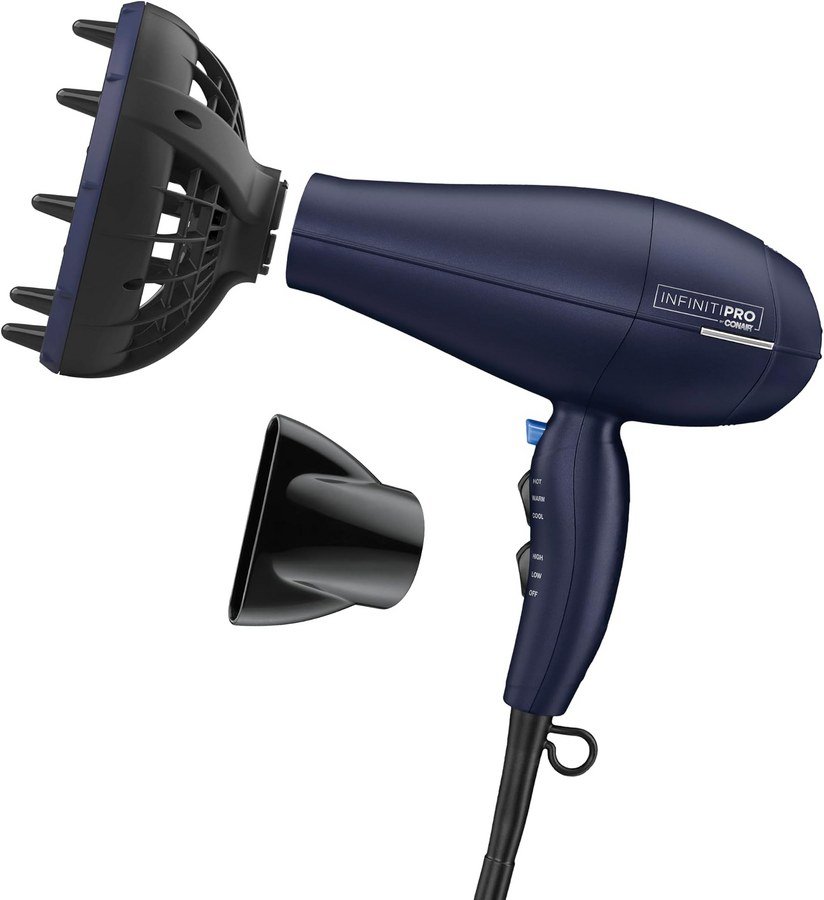
The InfinitiPRO is the honest budget answer for fine, thin hair, and its inclusion is deliberate: not every reader of this guide can spend salon money, and this dryer covers the fundamentals, an AC motor, tourmaline ceramic heat, ionic conditioning, three heats and two speeds, a cold shot, and both a concentrator and a diffuser in the box, for a fraction of the premium prices above. Used on its low and medium heats, which is where fine, thin hair should live, it dries quickly and leaves a respectable finish. The compromises are the ones the price predicts: it is heavier than the lightweights here, the heat is less even and less regulated, so technique matters more, keep it moving and do not park it on thin sections, and the build will not match a Parlux for lifespan. The ionic system is always on. None of these are disqualifying at the price, and the diffuser inclusion is genuinely useful for wavy thin hair. As the value pick for fine, thin hair, it respects the budget without pretending to be a Dyson, and with careful settings it will not harm the hair it dries. A final practical point: because the InfinitiPRO is sold everywhere, its replacement and its attachments are easy to find, and a dropped dryer before an event is an annoyance rather than a crisis. For a reader whose fine, thin hair needs drying daily and whose budget is the binding constraint, that availability is part of the product, not an afterthought.
Specifications
1875W AC motor
tourmaline ceramic technology
ionic conditioning
diffuser and concentrator included
3 heat and 2 speed settings plus cold shot
Pros
Full attachment set at a budget price
AC motor, three heats, cold shot
Diffuser included for wavy thin hair
Cons
Heavier than premium lightweights
Heat less even, technique matters
Always on ionics
Who should buyyour budget is firm and you will use the low settings carefully.
Who should skipyou want regulated heat and the lightest body.
A hair dryer dries with moving heated air rather than pressing heat, which makes it the gentlest full styling tool and the base step for almost every style. Attachments decide its personality: a concentrator for smooth blowouts, a diffuser for curls, a comb for textured hair.
Wattage is a weak guide; airflow design, heat settings and a true cool shot matter more. Ionic models aim to reduce static and drying time, and brushless motors are lighter and quieter. For curly hair the diffuser size and prong length decide whether curls dry defined or blown apart. Weight matters more than people expect, because a full dry of thick hair is a ten minute hold.
How to Choose: the Criteria That Matter
Choosing a hair tool well means matching three things: the tool’s heat range to your hair’s tolerance, its size to your hair’s length and thickness, and its design to the style you actually wear most days. Read the temperature specification before the marketing, check the attachments your hair type needs are in the box, and be honest about session length, because a tool that takes forty minutes will be abandoned by February.
Temperature range and control, since fine hair needs genuinely low settings and coarse hair needs sustained heat
Temperature range is a safety specification, not a power boast. Fine, bleached and damaged hair needs a tool that genuinely works at low heat; coarse, resistant hair needs heat that holds under load. A wide, controllable range serves both.
Plate, barrel or airflow design matched to your hair texture and the style you want
The working surface must match the hair: plate width and float for irons, barrel diameter for curlers, airflow and attachments for dryers. A mismatch here cannot be fixed by technique, so it is the first thing to check.
Heat protection technology such as sensors, even heat plates or controlled airflow
Even heat is what separates a good tool from a damaging one. Sensors, quality plates and controlled airflow exist to remove hot spots, the places that scorch one section while the next stays damp.
Size and weight for your hair length and for how long styling sessions last
A tool that is heavy or oversized for your hair length will be used badly and then not used at all. Short hair needs narrow plates and small barrels; long, thick hair needs the opposite, plus a motor or element that keeps up.
Attachments included, such as diffusers for curls or concentrators for smooth blowouts
Attachments are part of the product: a diffuser decides whether a dryer serves curly hair at all, and a concentrator decides the smoothness of a blowout. Price the tool with the attachments your hair needs included.
Also Considered
These products were researched for this guide and left off the picks list for the reasons given. They are not poor products; they simply fit the exact question of this guide less well.
Revlon Infrared Hair Dryer
The other budget contender, with infrared heat and a full attachment kit; left off because the InfinitiPRO’s AC motor and heat range suit daily fine hair drying better at the same price tier.
BaBylissPRO Nano Titanium Portofino Dryer
A superb salon dryer, researched and left off this specific list because its weight and top end power are more than fine, thin hair can use, and its price buys the lighter specialists above.
How to Use What You Buy
Start with clean, fully detangled hair and apply heat protectant evenly
Dry hair completely before using irons, unless the tool is designed for wet to dry use
Work in small sections, no wider than the plate or barrel
Use the lowest temperature that achieves the style in one or two passes
Let each section cool in shape before touching it, which is what sets the style
Technique is half the tool. Hair should be detangled, protected and, for irons, completely dry before styling starts. Work in sections sized to the tool, use the lowest temperature that does the job in one or two passes, and let each section cool in shape before touching it. Those habits protect hair more than any single product feature, and they are free.
Rough dry to about eighty percent first, then style in sections with the attachment. Keep the nozzle moving and pointed down the hair shaft for smoothness, and finish with the cool shot to set the style and calm frizz.
Who Should Buy, and Who Should Skip
Buy if your need matches this guide exactly: you are looking for options for fine thin hair, you have checked the criteria above against your current routine, and you are willing to introduce the product gradually and judge it over the period the category needs.
Skip if your concern is different from the one in the title, your skin or hair is currently irritated or damaged and needs recovery first, or a clinician has advised you on this concern, in which case their advice comes before any buying guide.
Common Mistakes in Hair Dryer
Using maximum heat by default instead of the lowest effective setting
Passing the iron repeatedly over the same section
Styling damp hair with a flat iron, which boils water inside the hair shaft
Taking sections too large, which leaves the inside under styled and the outside over heated
Holding the nozzle against one spot on maximum heat, which scorches that section while the rest stays damp
Skipping attachments and blasting curls with open airflow, then blaming the hair for frizz
Frequently Asked Questions
How do I choose the right hair dryer?
Start with the criteria in this guide: match the formula or specification to your hair type and the exact concern in the title, check the published ingredient or specification list, and pick the option whose downsides do not overlap with your problem. The type decision comes first: most disappointment in hair dryer is a good product bought in the wrong type.
How long before I see results from a hair dryer product?
It depends on the category, but most hair tools products need consistent use over several weeks before a fair judgement. Devices and treatments state their expected course in the manual or on the packaging, and that timeline is the one to follow. Judge on the category’s clock, not on the first week.
What should I avoid when buying for fine thin hair?
Avoid buying on claims alone: skip options with no published ingredient or specification list, strengths far beyond what your routine needs, and any product whose stated downsides match the exact issue you are trying to fix. Also avoid changing two other parts of your routine in the same week, which makes the new product impossible to judge.
Is the most expensive option always the best?
No. In hair dryer, price often reflects branding, packaging and extras rather than the core ingredient or specification doing the work. The criteria in this guide matter more than the price band, and mid priced options with the right specification beat premium options with the wrong one.
What is the most common mistake with hair dryer?
Holding the nozzle against one spot on maximum heat, which scorches that section while the rest stays damp A close second: skipping attachments and blasting curls with open airflow, then blaming the hair for frizz
How does hair dryer fit into a daily routine?
Rough dry to about eighty percent first, then style in sections with the attachment. Keep the nozzle moving and pointed down the hair shaft for smoothness, and finish with the cool shot to set the style and calm frizz. Technique is half the tool.
Can You Use Hair Dryer Instead of Heat Gun for Resin?
The companion how-to guide, Can You Use Hair Dryer Instead of Heat Gun for Resin, covers this in full: the step by step method, the right amounts and frequency for your type, and the mistakes that stop it working. It is linked from the routine sections of this page, and it is the right next read once you have chosen a product.
By Mirror & Glow Editorial Desk – November 23, 2026
Can You Use Hair Dryer Instead of Heat Gun for Resin? A hair dryer dries with moving heated air rather than pressing heat — the guide explains the why, the step by step how, and what to do when it does not work.
By Mirror & Glow Editorial Desk – November 23, 2026
How to Use Hair Dryer to Remove Water from Ear? Rough dry to about eighty percent first, then style in sections with the attachment. The full method, the mistakes to avoid, and where it fits in your routine.
By Mirror & Glow Editorial Desk – November 23, 2026
Can You Use Hair Dryer for Heat Shrink Tubing? A hair dryer dries with moving heated air rather than pressing heat — the guide explains the why, the step by step how, and what to do when it does not work.