By Mirror & Glow Editorial Desk – November 23, 2026
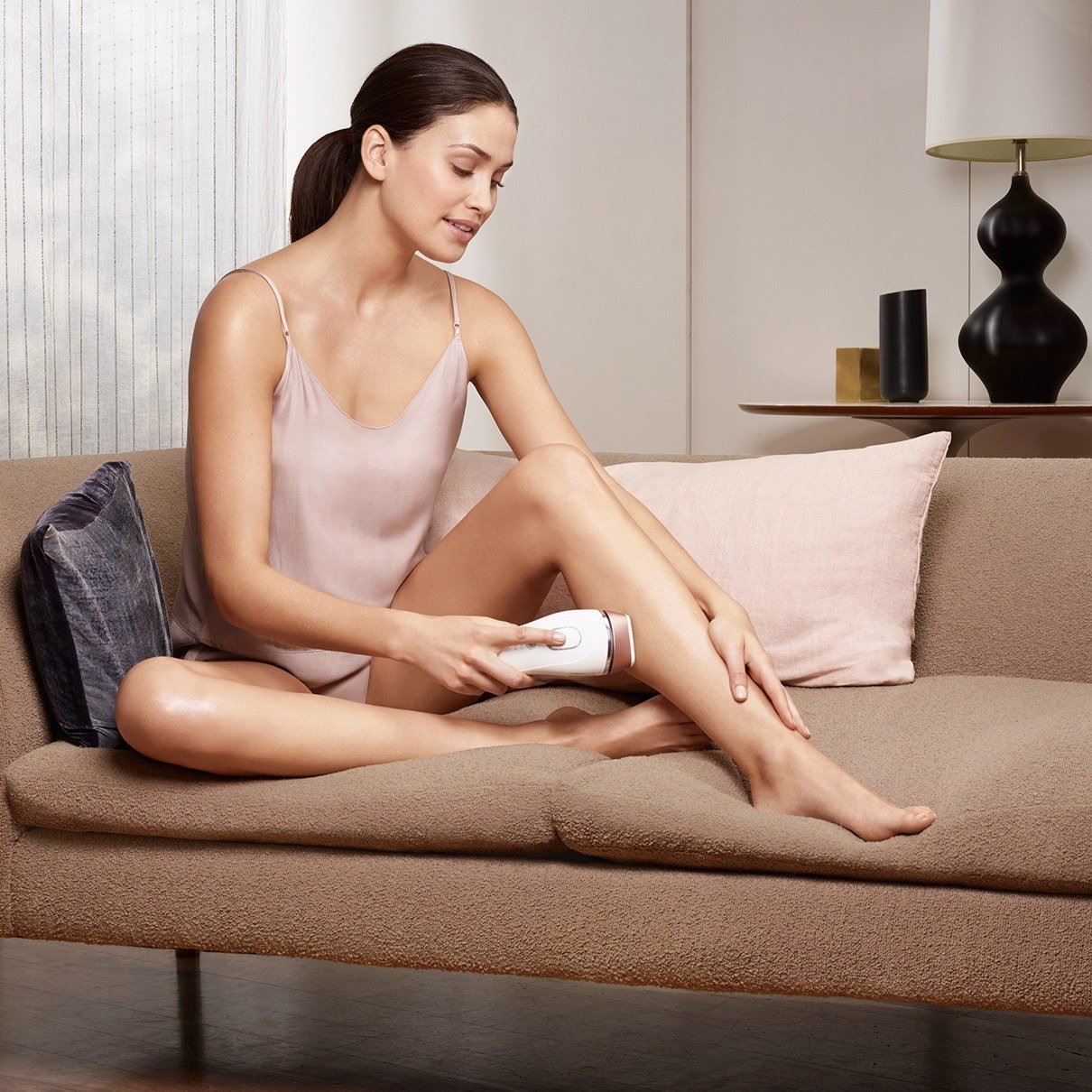
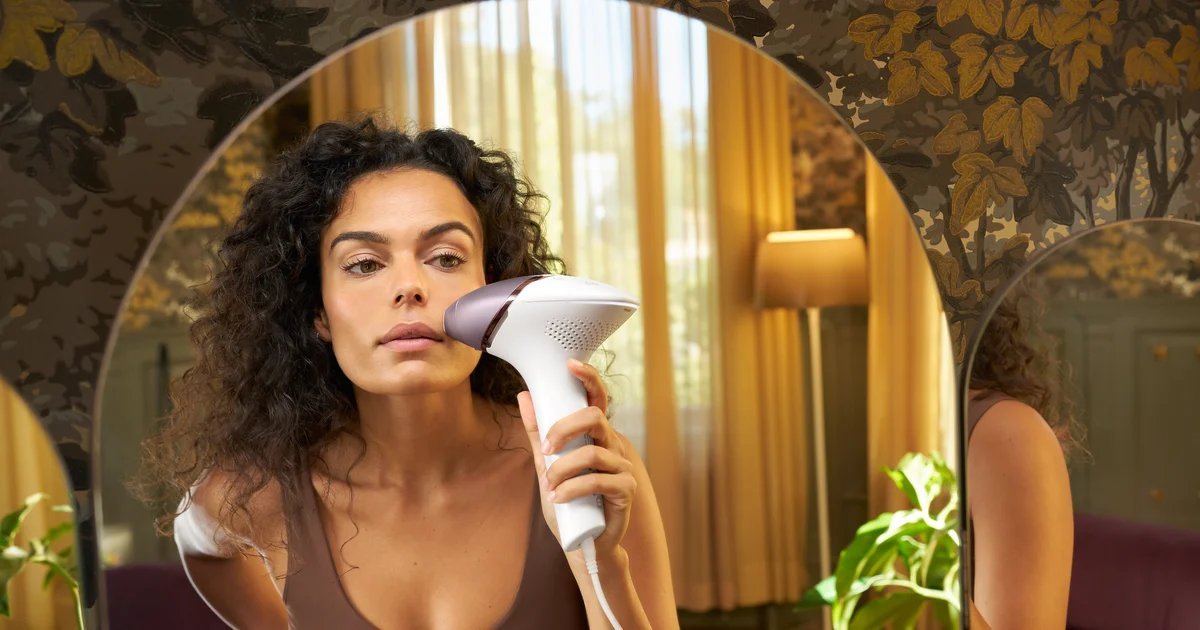
Woman seated on a couch using an IPL hair removal device on her lower leg.
Affiliate disclosure: Mirror & Glow may earn a commission from qualifying purchases made through links on this page, at no extra cost to you. Full disclosure.
The verdict up front: start with Iluminage Touch Hair Removal System, the strongest all round match in this line up for brown skin. Every pick is compared in the table below, then reviewed in full with its downsides as well as its strengths.
If you are looking for the best ipl hair removal device for brown skin, the right choice depends on fit, not hype. This guide is written for brown skin, and every criterion below is weighted for that need first. The short answer: choose the ipl hair removal device whose formula, format and strength match your routine, check the ingredient or specification list before the marketing claims, and avoid the options whose downsides match the problem you are trying to solve.
What matters most in ipl hair removal device is covered in depth below: what the product actually is, the types on sale and how they differ, the buying criteria explained one by one, how to use what you buy, and the mistakes that waste the most money in this category.
Best IPL Hair Removal Device for Brown Skin Compared
Product
Standout Point
Key Specification
Iluminage Touch Hair Removal SystemTop Pick
Cleared for all skin tones
Elos technology, IPL combined with radio frequency – cleared for all skin tones per brand – 300,000 pulse cartridge per brand – epilator and shaver accessories available
eHPL technology, galvanic energy combined with optical light – suitable for all skin tones per brand – 400,000 pulses per brand – touch sensor activation
IPL with SensoAdapt skin tone sensor – reads tone and adjusts every flash per brand – brand chart covers light to medium brown – precision head included in most kits
IPL with SenseIQ and SmartSkin sensor per brand – curved attachments for body, face and bikini – brand chart covers light to medium brown tones – corded and cordless use
IPL with AdaptPlus sensors reading tone up to 80 times a second per brand – automatic power adjustment – brand chart covers light to medium brown – glide and stamp modes
IPL handset with skin tone guidance in the app per brand – seven intensity levels – brand chart covers light to medium brown tones – compact corded design
IPL with sapphire ice cooling per brand – six treatment modes including face and bikini – rotating head design – brand chart covers light to medium tones
IPL with ice cooling base station per brand – interchangeable lamp cartridges for hair removal and skin care – unlimited flash claims per brand – brand chart covers light to medium tones
Brown skin is exactly where standard IPL runs out of road, because a conventional flash cannot reliably tell dark hair from the melanin in brown skin around it. The Iluminage Touch exists to solve that problem: its elos technology pairs a gentler optical pulse with radio frequency energy, so the light does not have to do all the work, and the system is cleared for all skin tones, which no standard IPL in this guide can claim. For brown skin buyers, that clearance is the headline and the reason this device leads the guide despite its base station format and cartridge system. The handset runs from a base unit, the cartridge delivers a stated 300,000 pulses before replacement, and epilator and shaver accessories extend the system. The trade offs are cost structure and convenience: cartridges are an ongoing purchase, the base station is not a travel item, and treatment discipline still matters, with sessions on the brand’s schedule over several weeks. Buy from authorised sellers so cartridges are genuine. If your skin is medium to deep brown and every other chart has told you no, this is the device designed for you. One discipline note for new owners: the system works on the brand’s treatment schedule, typically weekly at first, and the cartridge count assumes that rhythm, so doubling sessions does not double results, it just spends pulses. Keep the base station somewhere it can stay set up, because a device that needs assembling before every session is a device whose course quietly gets abandoned by week three.
Specifications
Elos technology, IPL combined with radio frequency
cleared for all skin tones per brand
300,000 pulse cartridge per brand
epilator and shaver accessories available
Pros
Cleared for all skin tones
Radio frequency assists the light pulse
System accessories available
Cons
Replacement cartridges are ongoing cost
Base station is not portable
Premium system pricing
Who should buyyour brown skin falls outside standard IPL charts and you want a cleared system
Who should skipyou want a simple cordless handset with no cartridges
The Infinity is the other genuine answer for brown skin, built on Silk’n’s eHPL technology, which combines optical light with galvanic energy so the flash intensity can stay lower while the hair follicle still receives an effective treatment. The brand rates it suitable for all skin tones, and the handset format is far simpler than the Iluminage system: no base station, no cartridges, a stated 400,000 pulses in the device, and touch sensor activation that fires when the window sits properly on skin. For brown skin users, the working advice is to start at the lowest energy, follow the brand’s tone guidance carefully, and build slowly, because suitable for all tones still means respecting the settings. The compromises are a smaller treatment window than the big IPL handsets, so legs take time, and a brand whose support network is thinner than Braun or Philips in some markets. There is no skin tone sensor making decisions for you, which puts the responsibility, and the control, in your hands. As a cartridge free route into hair removal for brown skin, it is the most straightforward device in this guide. Ownership is correspondingly light: wipe the window after sessions, keep the handset in its case, and the stated pulse count covers years of maintenance treatments once the initial course is done. The touch sensor also makes it a good lending device within a household, since it simply will not fire held away from skin, though each user should still set their own level from the guidance rather than inheriting yours.
Specifications
eHPL technology, galvanic energy combined with optical light
suitable for all skin tones per brand
400,000 pulses per brand
touch sensor activation
Pros
Rated suitable for all skin tones
No cartridges to replace
Simple handset with touch activation
Cons
Small window slows large areas
No automatic tone sensor
Thinner support network in some markets
Who should buyyou want all tone suitability in a simple cartridge free handset
Who should skipyou want a sensor led device that sets power for you
The Air 10 is where the standard IPL chart starts to stretch: Ulike’s published guidance reaches into deeper mid brown tones than the classic light to medium charts, helped by a skin tone sensor and a dual lamp system with an SHR mode for stubborn areas. Its sapphire window is ice cooled on contact, which makes sessions genuinely comfortable and helps consistency, because a device that does not sting gets used on schedule. For brown skin, the honest boundary is in the brand’s own chart: deeper mid tones are covered, the deepest brown tones are not, and the sensor will refuse or reduce power where it judges the tone out of range, which is the correct behaviour. Check your tone against the chart before buying, treat a small area first, and never use any IPL over tattoos or very dark spots. Within its range, the Air 10 is fast, with rapid flash rates for legs and a well made handset. It sits below the two all tone systems in this guide only because its chart has an edge; for the brown skin tones inside that edge, it is the most modern standard IPL here. Session craft for in range users: the SHR mode suits stubborn patches like the lower leg and bikini line, while the standard mode covers large areas fastest, and alternating them across a course is how owners report the most even result. Keep the window clean and the cooling contact full, because a tilted window both weakens the flash and confuses the sensor’s reading of your tone.
Specifications
Dual lamp IPL with SHR mode per brand
sapphire ice cooling window
skin tone sensor
brand chart reaches deeper mid tones, not the deepest
Pros
Chart reaches deeper mid brown tones
Ice cooled window makes sessions comfortable
Sensor guards out of range skin
Cons
Deepest brown tones are out of range
Sensor can refuse borderline areas
Premium handset pricing
Who should buyyour brown tone sits inside Ulike’s published chart and you want cooling comfort
Who should skipyour tone is at the deepest end, where the all tone systems above are the answer
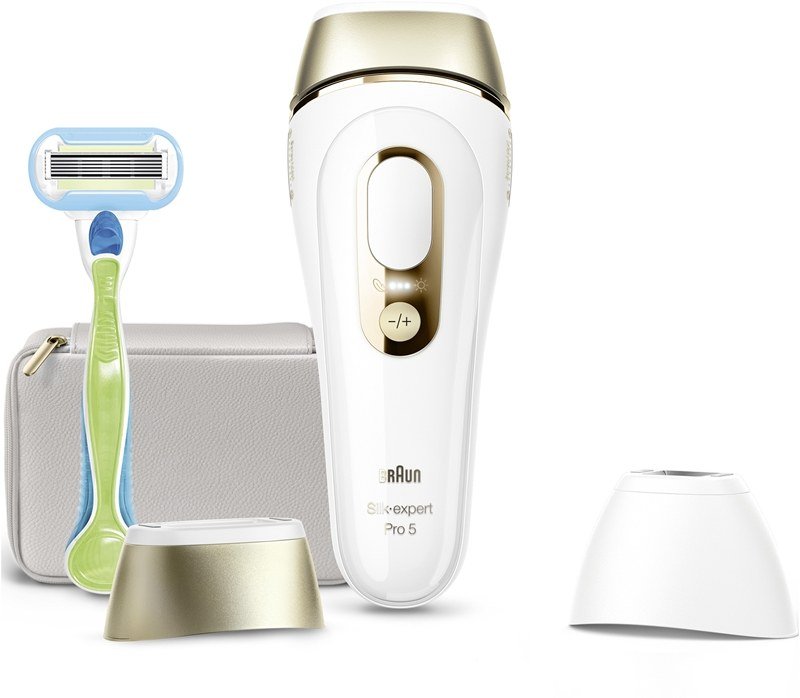
Braun’s Silk-expert Pro 5 is the sensor benchmark: its SensoAdapt system reads your skin tone continuously and adjusts every flash, which removes the guesswork that makes IPL risky at the brown end of its chart. That chart is the boundary to respect. Braun publishes coverage from light through medium brown tones, and within that range the Pro 5 is arguably the easiest IPL to live with: very fast flashes for legs, a precision head in most kits for the face and bikini line, and Braun’s build and support behind it. For medium brown skin inside the chart, it is an excellent, safe feeling choice. For deeper brown skin, the sensor will simply not let the device do what it cannot do safely, and the honest move is to the all tone systems at the top of this guide rather than hoping a session works out. There are no cartridges, the device is corded for consistent power, and the app support helps schedule the first course of treatments. Judge it as the best standard IPL for light to medium brown skin, with a clearly published edge. A routine point that protects results: because the sensor sets power per flash, there is no benefit in pressing harder or repeating a spot, and overlapping passes on the same area in one session is the commonest cause of the temporary redness new users report. Trust the fortnightly schedule, shave rather than wax between sessions so the root stays in place for the light to target, and judge the course at three months, not three weeks.
Specifications
IPL with SensoAdapt skin tone sensor
reads tone and adjusts every flash per brand
brand chart covers light to medium brown
precision head included in most kits
Pros
Sensor adjusts every flash to your tone
Fast treatment with precision head included
Braun build quality and support
Cons
Chart stops at medium brown
Corded power only
Premium pricing
Who should buyyour skin is light to medium brown and you want sensor led safety
Who should skipyour skin is deep brown, outside Braun’s published chart
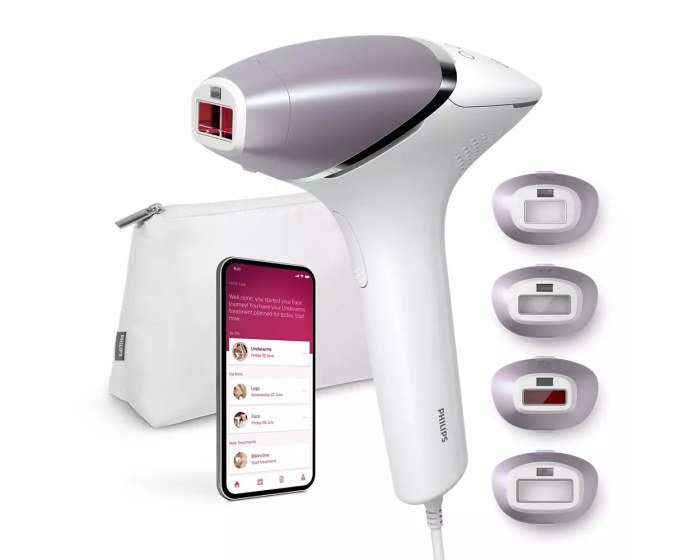
The Lumea Prestige is the premium standard IPL: SenseIQ technology with a SmartSkin sensor that reads your tone and suggests settings, curved attachments shaped for body, face and bikini areas, and the flexibility of corded or cordless running. Philips publishes its chart clearly, and like Braun’s it covers light to medium brown tones, which makes this a guide of two halves: inside that range, the Lumea is a superb, comfortable device with the best attachment system here; beyond it, the all tone systems above are the correct purchase. Medium brown users get a lot from the sensor guidance and the face attachment, which is sized and filtered for facial use, an area where freehand IPL deserves extra care. Sessions are quick, the device feels substantial, and Philips’ support and spares network is excellent. Philips also publishes its treatment schedule plainly, a course of sessions spaced across the first two months and then touch ups as regrowth slows, which helps new users judge progress honestly instead of expecting overnight change from a technology that works gradually. There are no consumables. The price is the highest among the standard IPLs, and the cordless battery will not do a whole body in one charge at the largest settings. For in chart brown skin wanting the most refined standard IPL experience, this is it.
Specifications
IPL with SenseIQ and SmartSkin sensor per brand
curved attachments for body, face and bikini
brand chart covers light to medium brown tones
corded and cordless use
Pros
SmartSkin sensor guides settings
Curved attachments for each area
Corded and cordless flexibility
Cons
Chart stops at medium brown tones
Highest standard IPL price
Battery limits full body cordless sessions
Who should buyyou are light to medium brown and want the most refined standard IPL
Who should skipyour tone is deeper than the published chart reaches
SmoothSkin is the IPL specialist brand, and the Pure Adapt is built around its sensor system: AdaptPlus sensors read skin tone up to 80 times a second and adjust power continuously, so as you move across areas where brown skin varies, the inner arm against the outer arm, the device follows without manual resets. Its published chart covers light to medium brown tones, and within that range this automatic adjustment is a real safety and convenience strength, especially for beginners who cannot yet judge settings by feel. Glide mode keeps the flashes coming for legs; stamp mode places single flashes precisely for the face and bikini line. The handset is light, the design is simple, and there are no cartridges or attachments to manage. The limits match the other standard IPLs: deep brown skin is outside the chart, and the brand is a specialist rather than a household name, so support runs through its own channels. For medium brown users who want the device to handle tone decisions at speed, the Pure Adapt makes the strongest case among the sensor IPLs here. The automatic adjustment has one more brown skin virtue worth stating: tone varies across a single leg more than most users realise, darker at the shin and knee, lighter at the calf, and a device re-reading eighty times a second follows that variation without the user ever knowing it happened. That is the difference between a chart checked once and a treatment actually delivered at the right power throughout.
Specifications
IPL with AdaptPlus sensors reading tone up to 80 times a second per brand
automatic power adjustment
brand chart covers light to medium brown
glide and stamp modes
Pros
Sensors read tone 80 times a second
Power adjusts as you move between areas
Glide and stamp modes included
Cons
Chart stops at medium brown
Specialist brand support channels
No attachments for area shaping
Who should buyyour light to medium brown skin varies by area and you want automatic adjustment
Who should skipyour skin is deep brown and needs an all tone system
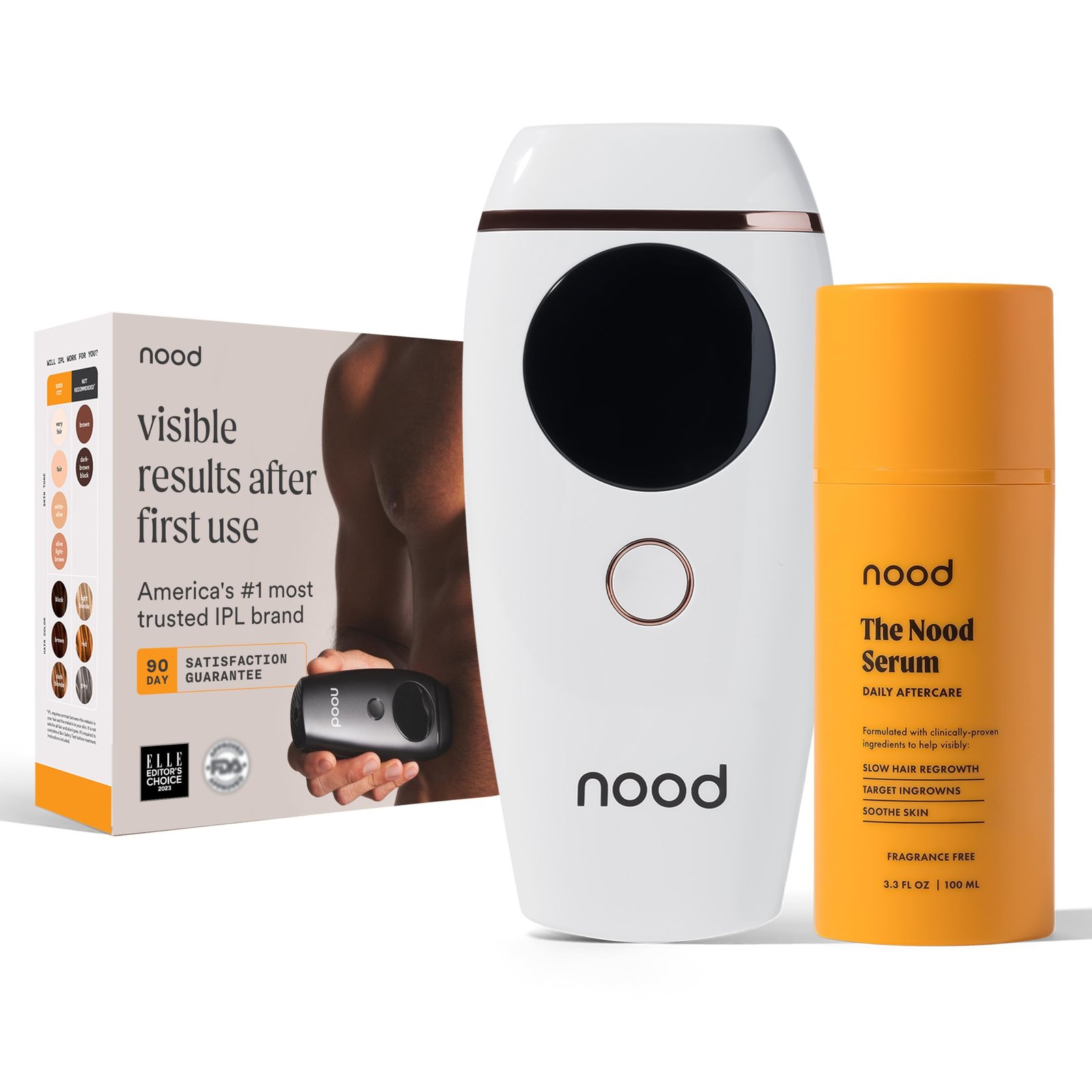
Nood built its following on direct to consumer simplicity, and the Flasher 2.0 is a compact corded handset with seven intensity levels and app based guidance that walks new users through tone checking and treatment scheduling. Its published chart covers light to medium brown tones, and for in chart users the appeal is price and approachability: it costs less than the Braun and Philips flagships, the levels are clearly stepped so you can start low and build, and the brand’s content is written for first timers. The compromises are the other side of its positioning. The app guidance is not a sensor; the device does not read your skin, so the responsibility for staying inside the chart is yours, and the build and support are those of a younger direct brand. Brown skin at the deeper end of its chart should start at the lowest levels and test areas patiently. As a budget entry for light to medium brown skin with careful use, the Flasher 2.0 is a reasonable buy; deeper brown skin belongs with the all tone systems at the top of this guide. Budget honesty completes the picture: the savings against the sensor flagships are real, and they buy a device that asks more of its user, chart checking, patch testing and level discipline, on every session. Readers who know they will do that homework get fair value here. Readers who know they will not should read the price difference as the cost of the sensor doing the homework for them, and pay it.
Specifications
IPL handset with skin tone guidance in the app per brand
seven intensity levels
brand chart covers light to medium brown tones
compact corded design
Pros
Lower price with clear intensity steps
App guidance for first time users
Compact, simple corded handset
Cons
No skin sensor, guidance only
Chart stops at medium brown
Younger brand support network
Who should buyyou are light to medium brown and want a guided budget entry
Who should skipyou want the device itself to sense and set power
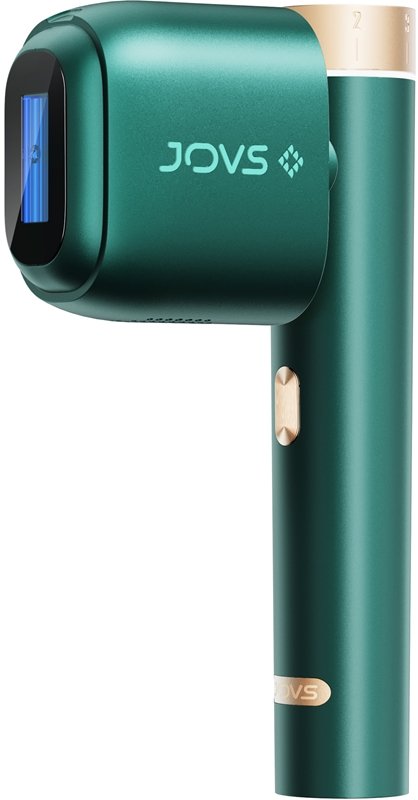
The Venus Pro II stands out mechanically: its head rotates, so the window sits flat on curved areas like the jawline, knees and bikini line without wrist gymnastics, and the sapphire contact is ice cooled for comfort. Six modes tailor output for face, body and bikini areas. Its published tone chart is the most conservative in this guide’s standard IPL group, covering light to medium tones, so its place here is specific: for brown skin at the lighter end of brown, where the chart clearly includes you, the rotating cooled head makes facial and curved area work easier than any rival. For medium brown and deeper, the chart says no, and that answer must stand; the all tone and deeper chart devices above exist for you. JOVS is a newer brand in Western markets, with support through its own store, and the rotating head is one more moving part than a fixed handset carries. Within its stated range it is a thoughtful, comfortable device. Outside that range it is not a brown skin device at all, and this guide will not pretend otherwise. The rotating head also makes it the easiest device here for the back of the calf and behind the knee, areas fixed windows reach awkwardly, so in range users with full leg routines feel its design advantage weekly. Keep the rotation joint clean, since bathroom dust and product residue are the enemies of any moving part, and store it head down in its case so the sapphire window stays unmarked.
Specifications
IPL with sapphire ice cooling per brand
six treatment modes including face and bikini
rotating head design
brand chart covers light to medium tones
Pros
Rotating head sits flat on curves
Ice cooled sapphire contact
Six area specific modes
Cons
Most conservative tone chart here
Newer brand in Western markets
Moving head is an extra mechanism
Who should buyyour skin is at the lighter end of brown and facial work is a priority
Who should skipyour skin is medium brown or deeper
Kenzzi is the budget handset of the standard IPL world: five intensity levels, interchangeable caps that change the window for different areas, and a price that undercuts every big brand here. Its published guidance covers light to medium tones, so the same rule as the other standard devices applies, with extra emphasis, because at this price there is no skin tone sensor standing between you and a wrong setting. For light brown skin inside the guidance, used carefully from the lowest level upward, it performs the basic IPL job and the caps are a genuinely useful touch for face and bikini work. For anything deeper, it is the wrong device, full stop. The compromises are build feel, flash speed and the support depth you would expect at the price, and the brand’s tone guidance is less detailed than the charts from Braun, Philips or Ulike. Treat the Kenzzi as the entry ticket for in range skin on a tight budget, bought from the brand’s own store so returns and support are real, and treat the all tone systems above as the correct spend when your skin needs them. Practical safeguards for its buyers: photograph the brand’s tone guidance on your phone so it is in front of you at every session, start a full level below where you think you belong, and give each new level a week before judging it. The caps swap by hand and should be clicked fully home, because a half seated cap leaks light at the edges and weakens the treatment it is meant to focus.
Specifications
IPL handset with five intensity levels
interchangeable treatment caps per brand
brand guidance covers light to medium tones
the budget handset
Pros
Lowest price standard IPL here
Interchangeable caps for different areas
Five clear intensity levels
Cons
No skin tone sensor at all
Guidance covers light to medium tones only
Basic build and flash speed
Who should buyyour skin is light brown, inside the guidance, and budget decides
Who should skipyour skin is medium brown or deeper, or you want sensor protection
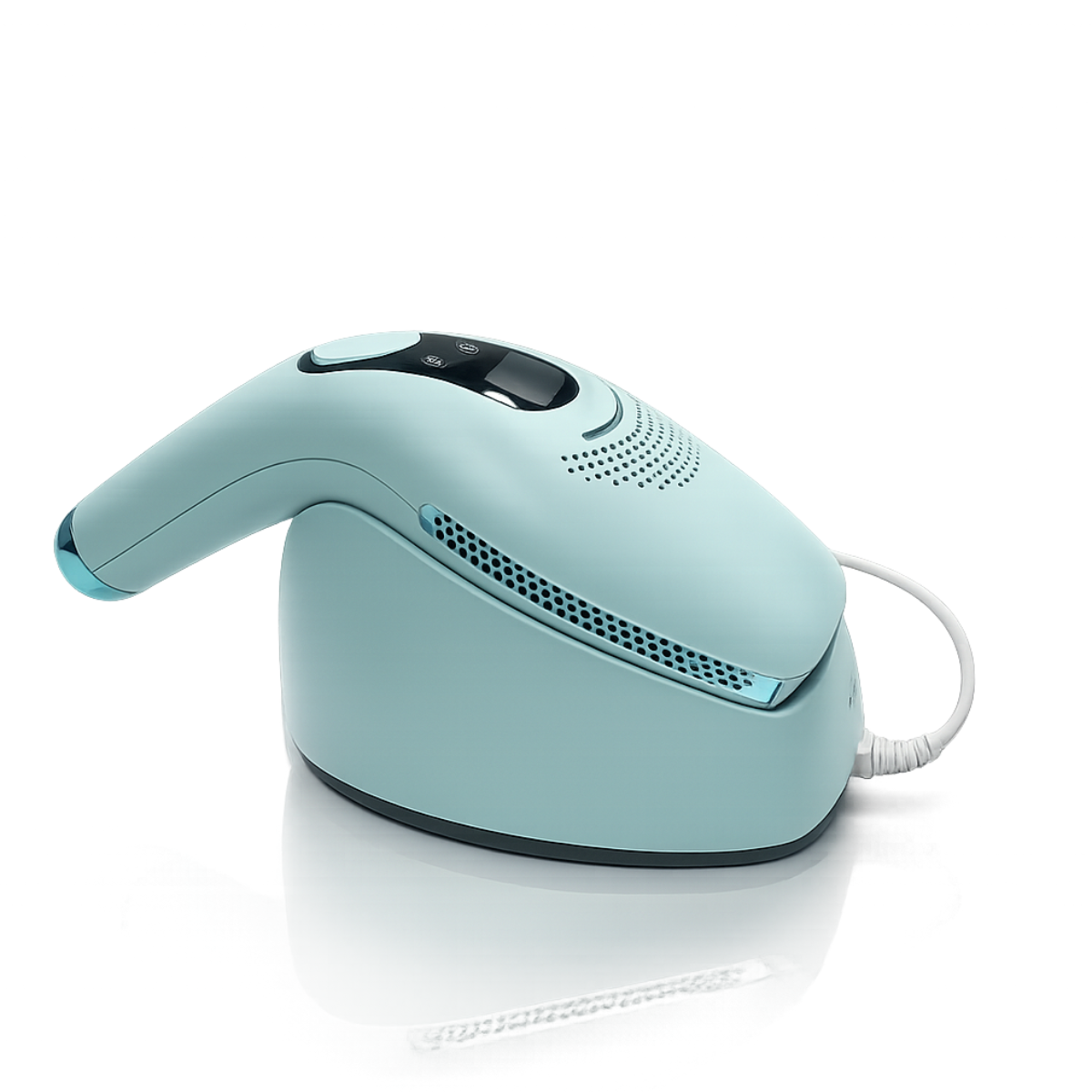
The GP590 takes the base station route: the handset docks into an ice cooling base that chills the treatment window, and interchangeable lamp cartridges switch the system between hair removal and the brand’s skin care lamps. Its published tone chart covers light to medium tones, placing it with the standard IPL group: suitable for light brown skin used carefully at the lower settings, not suitable for deeper brown skin, whatever the cooling makes comfortable. The cooling itself is the strongest comfort system among the budget devices, and the cartridge idea means a worn lamp is replaced rather than the whole device, though cartridges are an ongoing cost and the unlimited flash language in marketing should be read as applying to the system with fresh lamps. The base station format suits a fixed bathroom routine and nobody’s travel bag. DEESS support runs through its own channels. For light brown skin wanting maximum cooling at a system price below the flagships, the GP590 is a coherent choice; everyone deeper should spend on the all tone technology at the top of this guide instead. Ownership rhythm suits a set routine: the base lives on the bathroom counter, sessions happen on fixed days, and the chilled window makes the lower settings genuinely easy to keep to, which matters because light brown skin gets its results from consistency at safe levels rather than bravery at high ones. Budget the second cartridge into the first year if legs are on the plan, and the system’s real price becomes clear before it surprises you.
Specifications
IPL with ice cooling base station per brand
interchangeable lamp cartridges for hair removal and skin care
unlimited flash claims per brand
brand chart covers light to medium tones
Pros
Base station ice cooling for comfort
Replaceable lamps extend device life
System price below the flagships
Cons
Lamp cartridges are an ongoing cost
Chart covers light to medium tones only
Base station is not portable
Who should buyyour skin is light brown and session comfort is your priority
Who should skipyour skin is medium brown or deeper, or you need portability
A home IPL device flashes broad spectrum light at the hair root; the pigment in the hair absorbs it, heating the follicle and slowing regrowth over a course of sessions. It is long term reduction, not instant removal, and it works only where there is contrast between hair and skin.
Suitability is the whole category: IPL needs darker hair against lighter skin, and every reputable device publishes a skin tone and hair colour chart. Check yourself against it honestly, including for tattoos, moles and very dark or very light hair, where it should not be used or will not work. Flash count, treatment window size and skin tone sensors are the useful specs; a sensor that locks out unsuitable tones is a safety feature, not a gimmick.
How to Choose: the Criteria That Matter
Choosing a beauty device well means reading the manual before the reviews: check the published specifications, your own suitability against the charts, the contraindications, and the session schedule the course demands. Then price two years of consumables. A device that passes those checks and fits a routine you already keep is a sound buy; one bought for its best case result usually ends in a drawer.
The technology and its published specifications, such as light wavelengths for LED or skin tone sensors for IPL
Published specifications separate devices from gadgets: stated wavelengths for light devices, energy and sensor details for IPL, current programmes for microcurrent. A device that will not state its numbers is asking to be bought on faith.
Suitability for your skin and hair type, checked against the manufacturer’s own charts
Suitability is a safety gate, not a preference: skin tone and hair colour charts for IPL, contraindication lists for light and current devices. Check yourself against them honestly before buying, because the wrong match means a device that cannot be used.
Safety features: eye protection, skin contact sensors and automatic shut off
Safety features are the product: skin contact sensors, eye protection design, automatic shut off and lock outs for unsuitable skin tones. In a category used on faces and eyes, these outrank extra modes.
Session time and frequency, because a device only works if the routine is realistic
Session realism decides results: a device needing twenty minutes five times a week will lose to a ten minute one you actually use. Read the manual’s schedule and price your own discipline honestly before choosing.
Running costs: replacement heads, gels or cartridges the device needs over time
Running costs hide in consumables: conductive gels, replacement heads, cartridges and lamp life. Add two years of them to the purchase price to compare devices truthfully.
Also Considered
These products were researched for this guide and left off the picks list for the reasons given. They are not poor products; they simply fit the exact question of this guide less well.
Tria Hair Removal Laser
Researched because it is the best known home laser. It is a diode laser rather than IPL, and its built in tone sensor locks out deeper skin, which is the opposite of what this guide needs.
Remington iLight Ultra
A long running home IPL device with a skin tone sensor. Its published tone guidance stops at medium skin, so brown skin readers are outside its intended range.
Silk’n Flash and Go
An earlier generation of the Infinity line ranked in this guide. Its tone range is narrower and its cartridge based design has been superseded for this audience.
How to Use What You Buy
Read the manufacturer’s manual fully before the first session, including who should not use the device
Patch test or start with the shortest, lowest setting the manual allows
Prepare skin as directed, usually clean and dry with no products unless a gel is specified
Follow the stated session time and weekly frequency rather than improvising more
Track results over the full period the manual describes before judging the device
Devices work on course logic: prepare skin as the manual directs, use the stated settings and schedule without improvising more, and track results over the full period described, with photographs in consistent light for anything gradual. More frequent or stronger use than directed is the category’s classic error, and it buys irritation, not speed.
The standard course is a session every two weeks for the first four to six sessions, shaving first so light reaches the root, then maintenance every month or two. Judge the course at three months, not after two flashes.
Who Should Buy, and Who Should Skip
Buy if your need matches this guide exactly: you are looking for options for brown skin, you have checked the criteria above against your current routine, and you are willing to introduce the product gradually and judge it over the period the category needs.
Skip if your concern is different from the one in the title, your skin or hair is currently irritated or damaged and needs recovery first, or a clinician has advised you on this concern, in which case their advice comes before any buying guide.
Common Mistakes in IPL Hair Removal Device
Using a device more often than directed, expecting faster results
Skipping the suitability chart for skin tone, hair colour or medical conditions
Using IPL or light devices over tattoos, moles or irritated skin
Judging a gradual device after two sessions instead of a full course
Buying without checking the suitability chart, when hair colour alone can make the device useless
Treating tanned skin or flashing over moles and tattoos, which the manual excludes for safety
Frequently Asked Questions
How do I choose the right ipl hair removal device?
Start with the criteria in this guide: match the formula or specification to your skin type and the exact concern in the title, check the published ingredient or specification list, and pick the option whose downsides do not overlap with your problem. The type decision comes first: most disappointment in ipl hair removal device is a good product bought in the wrong type.
How long before I see results from a ipl hair removal device product?
It depends on the category, but most beauty devices products need consistent use over several weeks before a fair judgement. Devices and treatments state their expected course in the manual or on the packaging, and that timeline is the one to follow. Judge on the category’s clock, not on the first week.
What should I avoid when buying for brown skin?
Avoid buying on claims alone: skip options with no published ingredient or specification list, strengths far beyond what your routine needs, and any product whose stated downsides match the exact issue you are trying to fix. Also avoid changing two other parts of your routine in the same week, which makes the new product impossible to judge.
Is the most expensive option always the best?
No. In ipl hair removal device, price often reflects branding, packaging and extras rather than the core ingredient or specification doing the work. The criteria in this guide matter more than the price band, and mid priced options with the right specification beat premium options with the wrong one.
What is the most common mistake with ipl hair removal device?
Buying without checking the suitability chart, when hair colour alone can make the device useless A close second: treating tanned skin or flashing over moles and tattoos, which the manual excludes for safety
How does ipl hair removal device fit into a daily routine?
The standard course is a session every two weeks for the first four to six sessions, shaving first so light reaches the root, then maintenance every month or two. Judge the course at three months, not after two flashes. Devices work on course logic: prepare skin as the manual directs, use the stated settings and schedule without improvising more, and track results over the full period described, with photographs in consistent light for anything gradual.
How Often Can You Use an IPL Hair Removal Device?
The companion how-to guide, How Often Can You Use an IPL Hair Removal Device, covers this in full: the step by step method, the right amounts and frequency for your type, and the mistakes that stop it working. It is linked from the routine sections of this page, and it is the right next read once you have chosen a product.
By Mirror & Glow Editorial Desk – November 23, 2026
Suitability is the whole category: IPL needs darker hair against lighter skin. This guide applies that to how often can you use an ipl hair removal device: the method, the timing, and the traps to avoid.
By Mirror & Glow Editorial Desk – November 23, 2026
How Often to Use Laser Hair Removal Device at Home? A home IPL device flashes broad spectrum light at the hair root — the guide explains the why, the step by step how, and what to do when it does not work.
By Mirror & Glow Editorial Desk – November 23, 2026
How to Use Ice Cool Handheld IPL Hair Removal Device? A home IPL device flashes broad spectrum light at the hair root — the guide explains the why, the step by step how, and what to do when it does not work.