By Mirror & Glow Editorial Desk – November 23, 2026
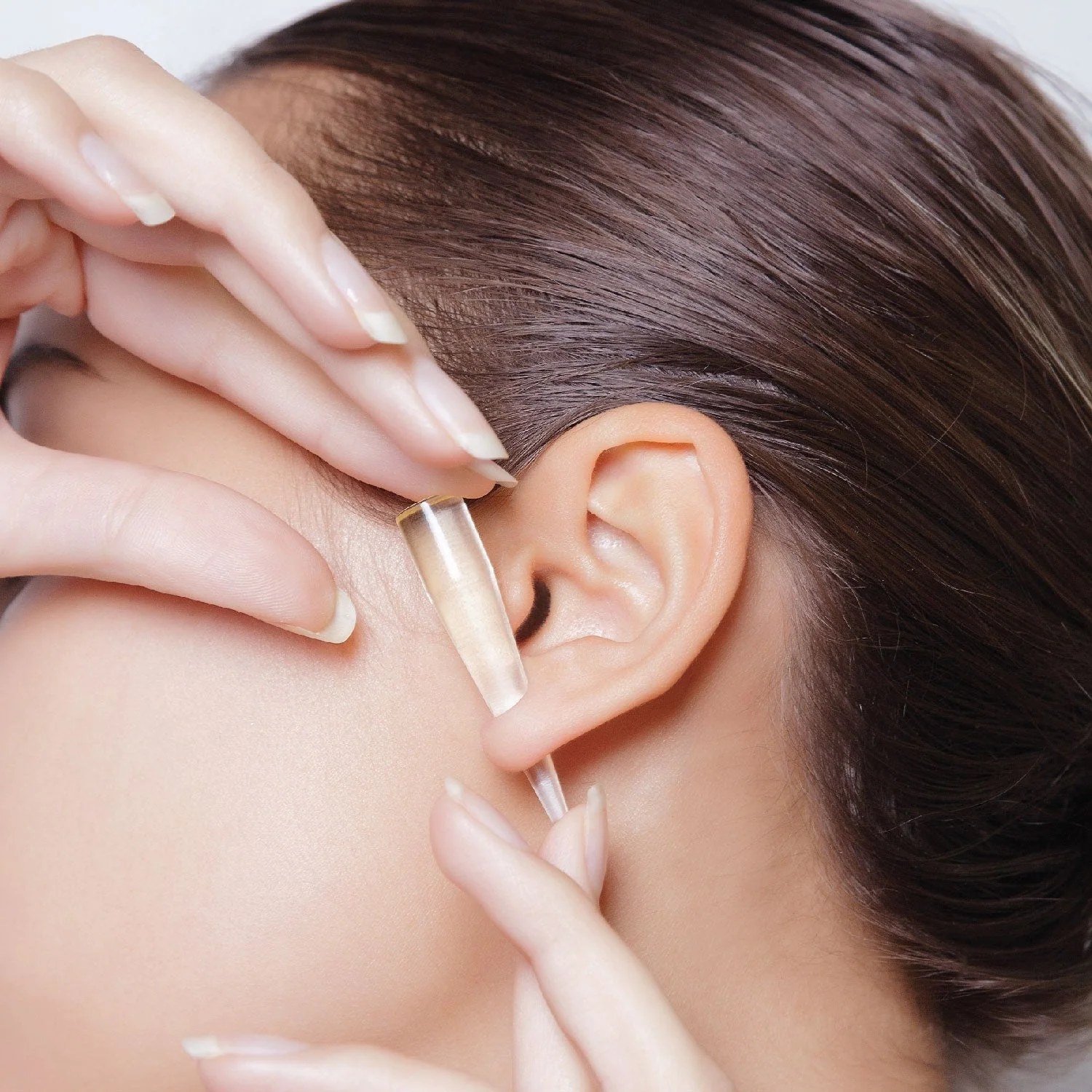
Close up of hands applying oil to an ear lobe with a cotton bud.
Affiliate disclosure: Mirror & Glow may earn a commission from qualifying purchases made through links on this page, at no extra cost to you. Full disclosure.
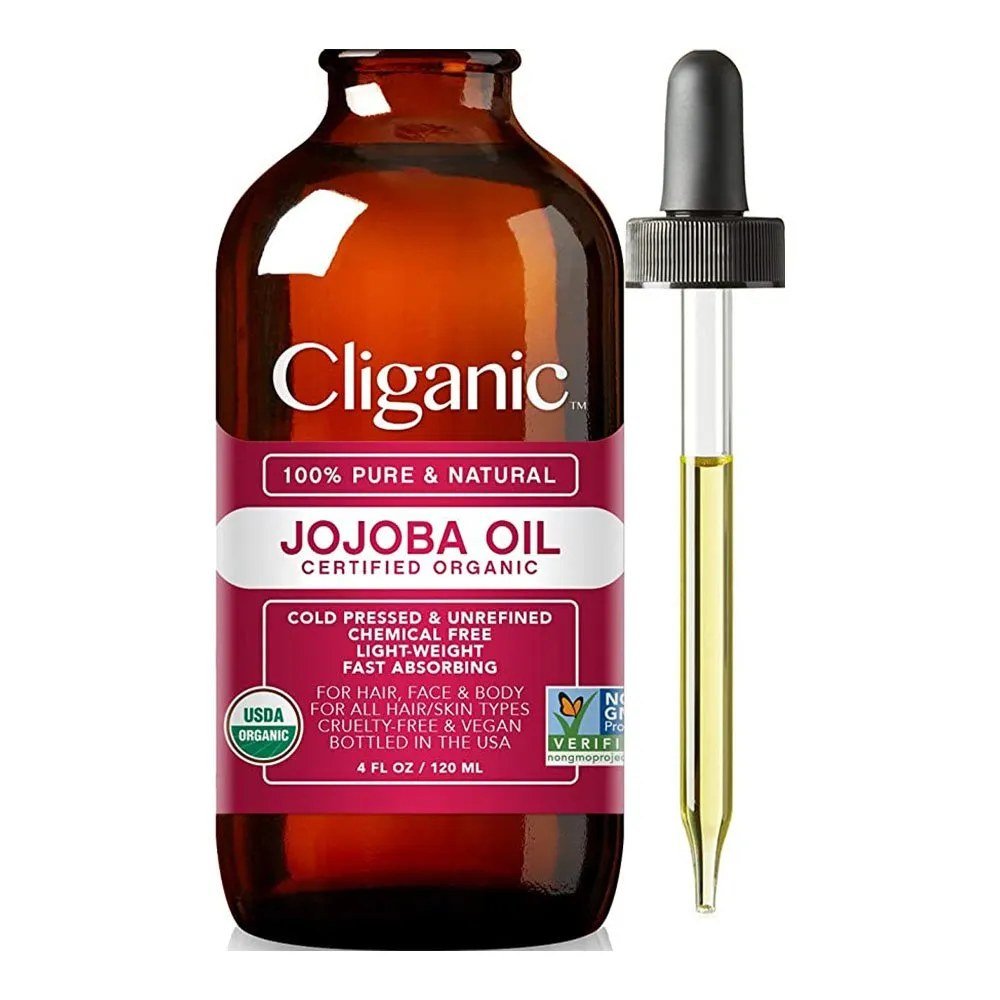
The verdict up front: start with Cliganic Organic Jojoba Oil, the strongest all round match in this line up for ear stretching. Every pick is compared in the table below, then reviewed in full with its downsides as well as its strengths.
If you are looking for the best jojoba oil for ear stretching, the right choice depends on fit, not hype. This guide is written for ear stretching, and every criterion below is weighted for that need first. The short answer: choose the jojoba oil whose formula, format and strength match your skin, check the ingredient or specification list before the marketing claims, and avoid the options whose downsides match the problem you are trying to solve.
What matters most in jojoba oil is covered in depth below: what the product actually is, the types on sale and how they differ, the buying criteria explained one by one, how to use what you buy, and the mistakes that waste the most money in this category.
Best Jojoba Oil for Ear Stretching Compared
Product
Standout Point
Key Specification
Cliganic Organic Jojoba OilTop Pick
USDA organic, single ingredient, nothing added
4 oz amber glass bottle – USDA organic – cold pressed and unrefined – dropper cap
Cliganic is the name most often recommended in stretching communities, and the reasons are practical rather than fashionable. The oil is USDA certified organic, cold pressed and unrefined, a single ingredient with nothing added, which is precisely what healing and healed piercings need, because a stretched ear is skin that must not be asked to deal with fragrance, dyes or carrier blends of unknown strength. Jojoba is technically a liquid wax that closely mimics the skin’s own sebum, so lobes absorb it without the greasy residue or the pore blocking behaviour of heavier oils, and daily massage with it keeps lobes supple, improves elasticity and reduces the dryness and micro tearing that lead to blowouts when sizing up. The 4 ounce amber glass bottle with a dropper is the right format: glass does not leach, amber protects the oil, and the dropper doses the few drops a lobe massage needs, so a bottle lasts many months. Cliganic’s batch consistency and certification paperwork are a step above generic marketplace oils, which matters when the product goes on broken or freshly stretched skin. It costs a little more than the supermarket brands and a little less than the boutique labels. Use it for daily lobe massages once a stretch is healed, and on the jewellery and taper during a stretch only when your piercer’s guidance allows oil at all. For most stretchers, this is the bottle to buy first and rebuy.
Specifications
4 oz amber glass bottle
USDA organic
cold pressed and unrefined
dropper cap
Pros
USDA organic, single ingredient, nothing added
Dropper bottle doses lobe massage perfectly
Trusted across stretching communities
Cons
Slightly pricier than supermarket brands
Dropper is glass, so care needed in bathrooms
4 oz only, heavy users may want bigger
Who should buyyou are stretching or maintaining lobes and want the community standard pure organic jojoba
Who should skipyou want the absolute cheapest oil and do not mind uncertified sourcing
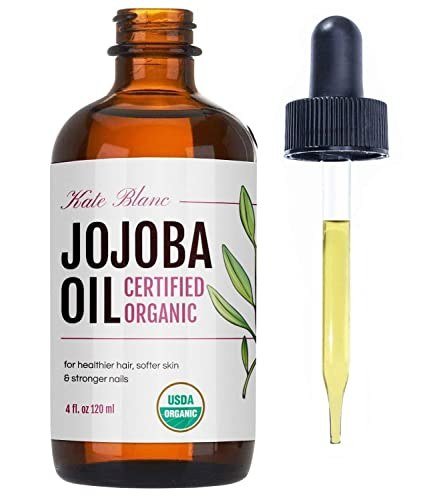
Kate Blanc’s jojoba is the other community favourite, a USDA certified organic, cold pressed golden oil in a 4 ounce amber glass dropper bottle, sold at a price that regularly undercuts Cliganic. Golden means the oil is unrefined and keeps its natural colour and nutrient profile, which is what you want on lobes; refined, deodorised jojoba is clearer and cheaper but has had more processing than healing skin needs. For ear stretching the use case is identical to the pick above: a few drops massaged into each lobe daily keeps the tissue hydrated and elastic, reduces friction when inserting jewellery, and helps thick, healthy lobes develop over time, which is the real long term goal of most stretchers. Kate Blanc built its reputation on single ingredient beauty oils with honest labelling, and the bottle states exactly what is inside, one ingredient, with the organic seal to back the sourcing claim. The dropper is precise, the glass is properly dark, and the oil itself is light, fast absorbing and free of any scent beyond the faint natural nuttiness of jojoba. Differences from Cliganic are marginal and mostly about price on the day and which label you prefer; both are certified, both are pure, and both are trusted by piercers. If you find this one on offer, buy it with confidence; stretching veterans often keep whichever of the two is cheaper as their standing bottle.
Specifications
4 oz amber glass bottle
USDA organic
cold pressed golden
dropper cap
Pros
USDA organic golden, unrefined oil
Often the cheapest certified dropper bottle
Single ingredient with honest labelling
Cons
Price fluctuates, sometimes above Cliganic
Natural scent may surprise refined oil users
One size only in most listings
Who should buyyou want certified organic jojoba for lobes at the best price on the day
Who should skipyou prefer a pump bottle or a larger size for full body use as well
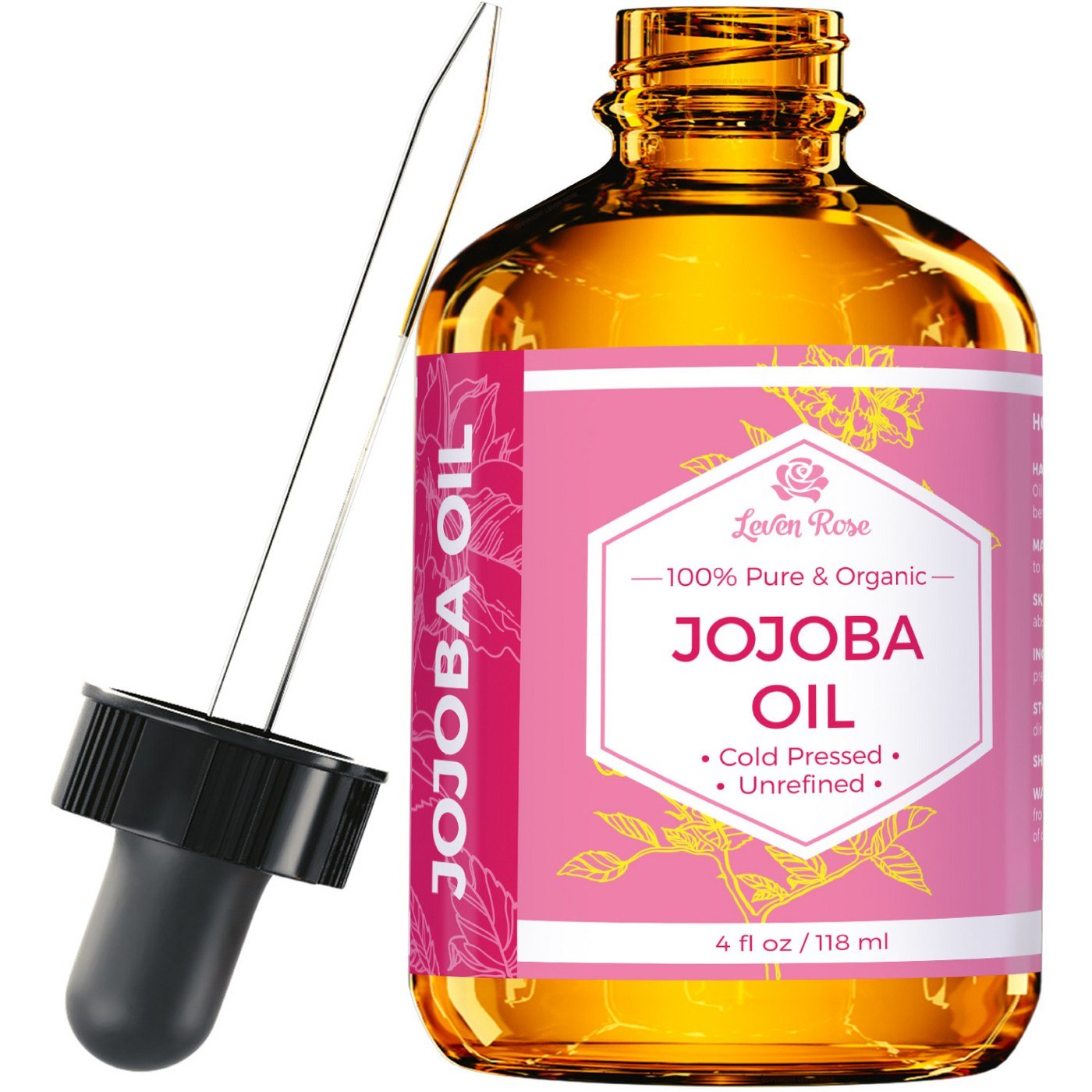
Leven Rose is a small American brand built entirely on pure, single ingredient oils, and its jojoba follows the house standard: 100 percent pure and organic, cold pressed and unrefined, in an amber glass bottle with a dropper, and nothing else in the formula. For stretched ears, that purity is the whole story, because lobes massaged daily absorb whatever you put on them, and a one ingredient oil with a named source is the safest possible habit. The oil itself is a rich golden colour, a touch more viscous feeling than some rivals, which many stretchers prefer for massage because it stays where you put it through a full minute of working each lobe. Leven Rose sells in small batches and has the responsive, human customer service that big brands rarely match, including easy replacements if a bottle arrives damaged. The pink floral label makes it the prettiest bottle in this guide, which is irrelevant to your ears and pleasant on a shelf. Price is mid range, usually a little above Kate Blanc and close to Cliganic, and the range tops out at 4 ounces in the dropper format, with larger refill sizes appearing in a different bottle style. For daily lobe care, downsizing aftercare on healed ears, and massage before inserting double flared jewellery, it performs exactly as a pure jojoba should. A loyal following in the body modification community keeps it in this guide on merit.
Specifications
4 oz amber glass bottle
100% pure and organic
cold pressed unrefined
dropper cap
Pros
Small batch pure organic oil, one ingredient
Slightly richer feel suits lobe massage
Responsive small brand customer service
Cons
Mid range price
Dropper size caps at 4 oz
Label style is not to everyone’s taste
Who should buyyou like small batch oils and a richer massage feel for daily lobe care
Who should skipyou want the largest or cheapest bottle available
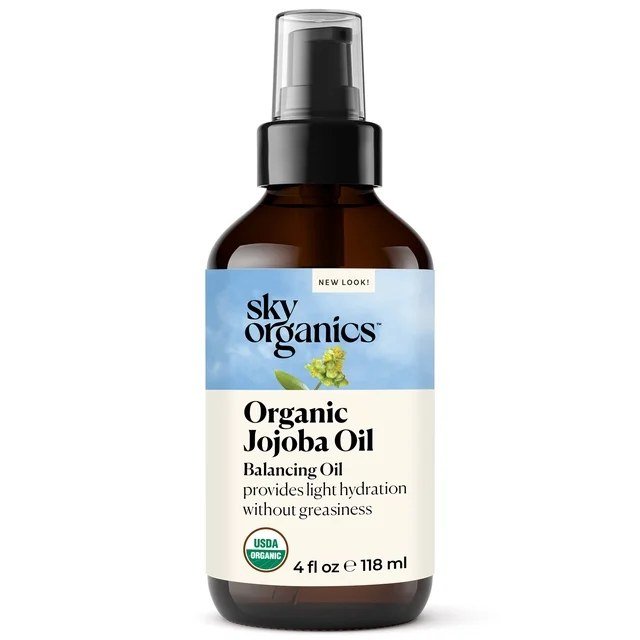
Sky Organics is the most widely retailed brand in this guide, stocked in major US stores, and its organic jojoba is a reliable, certified option for readers who prefer to buy in person. The oil is USDA organic and cold pressed, sold for face and body balancing, and everything that makes it good for skin makes it good for lobes: a single pure ingredient, light texture, fast absorption and no fragrance. The current packaging uses a pump rather than a dropper, which divides opinion among stretchers. A pump is hygienic and one handed, and for full body users it is faster, but it dispenses more than the few drops a lobe needs, so the habit is to pump into a palm and take drops from there, which wastes a little. The bottle is also plastic in current versions rather than glass, a practical downgrade some purists dislike, though it travels better and will not shatter in a bathroom. Performance on the ears is identical to the other certified oils here, because pure jojoba is pure jojoba; the differences in this guide are packaging, price and trust, and Sky Organics scores on availability and price, which is often the lowest of the certified brands on promotion. If you are already buying it for your face, it is entirely suitable for your lobes, and consolidation is a legitimate reason to choose it.
Specifications
4 oz bottle
USDA organic
cold pressed
pump dispenser on current packaging
Pros
Certified organic and widely stocked in stores
Often the lowest certified price on promotion
Pump is hygienic and travel proof
Cons
Pump dispenses too much for lobe use
Current bottle is plastic, not glass
Labelled for face and body, not piercing specific
Who should buyyou want a certified oil you can buy in a store today, possibly already own for skincare
Who should skipyou want a dropper bottle in glass for precise lobe dosing
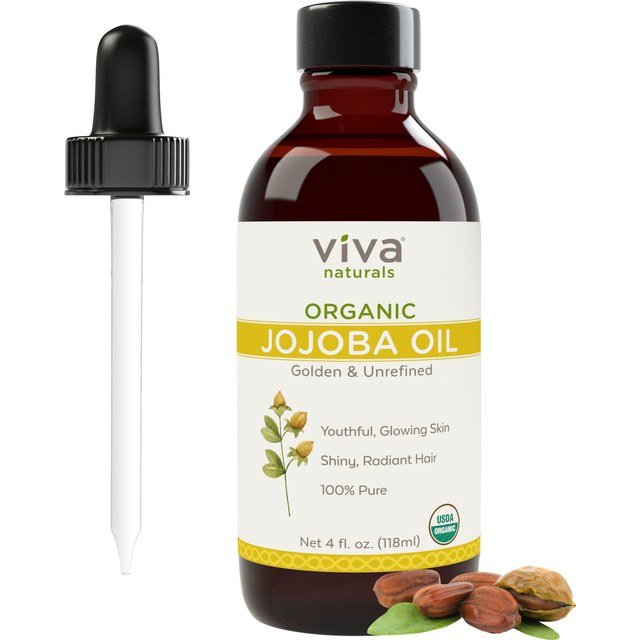
Viva Naturals sells its organic jojoba as a head to toe staple, and stretchers discovered it for the same reasons everyone else did: certified organic, cold pressed and unrefined oil, honestly labelled, at a fair price, in an amber bottle that protects it properly. For ear care it does everything required. Daily drops massaged into healed lobes keep the skin conditioned and elastic, the oil absorbs cleanly without leaving the ears greasy against pillows or headphones, and its purity means it can also serve freshly stretched ears once your piercer clears oil massage, which is typically after the initial healing window. The brand is a substantial wellness company with proper quality systems, so batch consistency is strong, and the bottle is frequently bundled or discounted, making it one of the better value certified options over a year of use. Packaging has varied between dropper and pump across versions, so check the current listing if the dispenser matters to you. The oil itself is a clear golden colour with the characteristic light feel of good jojoba and no added scent. Against the community favourites above, it lacks only the body modification following, not any quality; piercers recommend the ingredient, not the label, and this label delivers the ingredient in certified form. A sound, mainstream choice for lobe care, especially bought on offer.
Specifications
4 oz amber bottle
USDA organic
cold pressed and unrefined
dropper included
Pros
Certified organic from a substantial wellness brand
Frequently discounted, good yearly value
Clean absorption, no greasy residue on lobes
Cons
Dispenser type varies between versions
Less known in stretching circles
Marketing aimed at beauty, not piercing care
Who should buyyou want certified jojoba from a mainstream brand, ideally bought on promotion
Who should skipyou specifically want the dropper format guaranteed
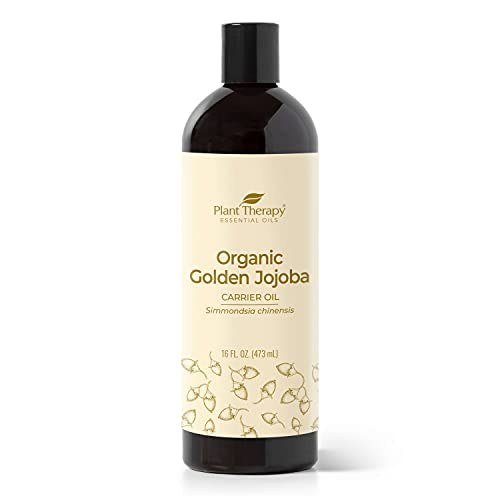
Plant Therapy comes to this guide from aromatherapy, where it is one of the most trusted essential oil companies, and its organic golden jojoba is sold as a carrier oil, which is a useful way to think about quality: carrier oils for aromatherapy are bought by professionals who test what they receive. The oil is USDA certified organic and cold pressed, with the botanical name, Simmondsia chinensis, on the label and batch information available, a level of transparency beauty brands rarely offer. For stretched ears, that translates to a pure, consistent oil ideal for daily massage, and the size range is the widest here, from small bottles to a 16 ounce value size that heavy users and people who also use jojoba on hair and body will appreciate. The larger sizes come with a plain cap rather than a dropper, so decant a little into a small dropper bottle for lobe use and keep the big bottle in a cool cupboard. Plant Therapy’s pricing is honest mid range, and its kid safe and purity focused reputation makes it a favourite of cautious buyers. The aromatherapy framing means you will not find piercing advice on the label, but the ingredient is exactly what piercers recommend. If you want professional grade sourcing transparency and a big bottle option, this is the strongest choice in the guide.
Specifications
4 oz and 16 oz sizes
USDA organic
golden cold pressed
aromatherapy grade sourcing
Pros
Professional aromatherapy grade sourcing and transparency
Widest size range including 16 oz value bottle
USDA organic, batch information available
Cons
Large sizes lack a dropper, decanting needed
No piercing specific guidance from the brand
Plain packaging compared with beauty brands
Who should buyyou want maximum sourcing transparency or a large value bottle
Who should skipyou want a small dropper bottle only, with nothing to decant
NOW Solutions is the supplement aisle institution, and its certified organic jojoba oil is the workhorse option: 100 percent pure, certified organic, sold in 4 and 8 ounce clear bottles with a flip top, at prices that are usually the lowest per ounce of any certified oil in this guide. For ear stretching, that value matters because daily lobe massage is a years long habit, and the 8 ounce bottle brings the cost per month down to very little. The oil is a light golden colour, absorbs well, and does the full job of conditioning lobes, easing jewellery insertion on healed ears and keeping stretched skin supple between sizes. The packaging is the compromise: a clear bottle rather than amber glass, so store it in a cupboard away from light, and a flip top that pours rather than drops, so most users decant into a small dropper bottle or apply from a fingertip. NOW’s scale brings real quality systems and wide availability in health food stores, which balances the basic packaging. It is also genuinely multi purpose, so the big bottle earns its place across hair, skin and ears. Readers who prioritise certified purity per dollar over dispensing elegance will land here, and their lobes will not know the difference from the boutique oils, because the ingredient is the same certified jojoba.
Specifications
4 oz and 8 oz bottles
certified organic
100% pure moisturizing oil
flip top cap
Pros
Lowest cost per ounce among certified oils
8 oz size suits a years long daily habit
Available in health food stores everywhere
Cons
Clear bottle must be stored away from light
Flip top pours, so decanting helps
Basic, supplement style presentation
Who should buyyou want certified organic jojoba at the lowest cost per ounce for long term daily use
Who should skipyou want amber glass and a dropper in the original bottle
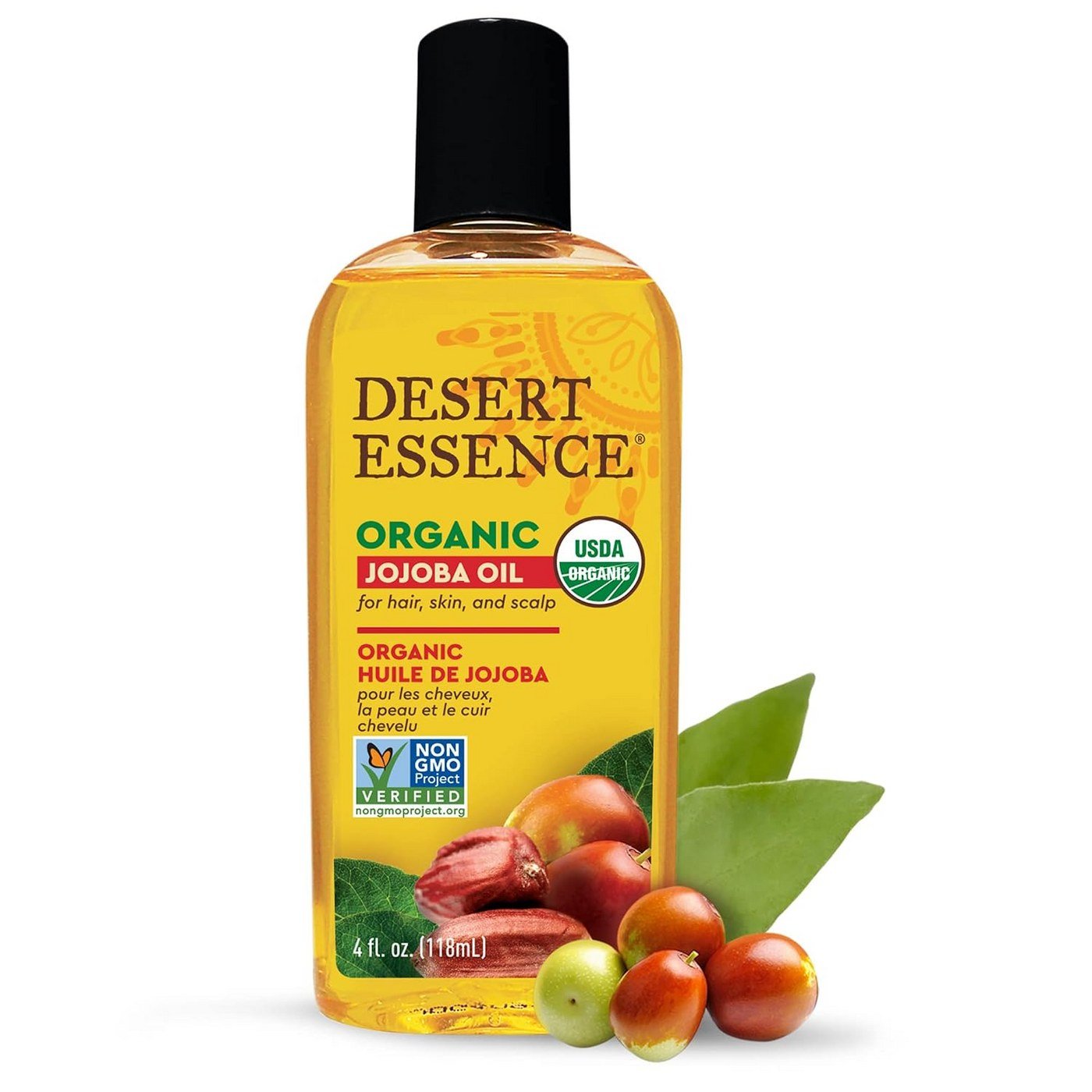
Desert Essence has sold jojoba longer than most brands in this guide have existed, which is fitting, because jojoba is a desert plant native to the American Southwest and the brand built its identity on desert botanicals. Its organic jojoba oil is USDA certified, 100 percent pure, and pressed from seeds sourced with the plant’s home region in mind. For stretched ears it is a proven, old school choice: light, clean absorbing oil for daily lobe massage, with decades of use in natural body care behind it. The bottle is a modest 4 ounces with a press top cap rather than a dropper, so fingertip application is the method, which many long time stretchers actually prefer, taking a drop on a clean fingertip per lobe. The clear bottle should live in a drawer, and the price per ounce is mid pack rather than leading. What you are buying is heritage and simplicity from a brand that has never chased trends with this product, plus easy availability in natural food stores. It lacks the community buzz of Cliganic and the size options of Plant Therapy or NOW, but on the only measure the ears care about, pure certified jojoba, it matches them. A dependable choice for traditionalists and for anyone who already trusts the brand’s other desert botanical staples.
Specifications
4 oz bottle
USDA organic
100% pure
press top cap
desert botanical brand
Pros
Decades of heritage with this exact product
USDA organic, 100% pure, simple formula
Easy to find in natural food stores
Cons
Press top cap, no dropper
Clear bottle needs drawer storage
One size, mid pack price
Who should buyyou trust heritage natural brands and prefer fingertip application
Who should skipyou want a dropper bottle or the lowest price per ounce
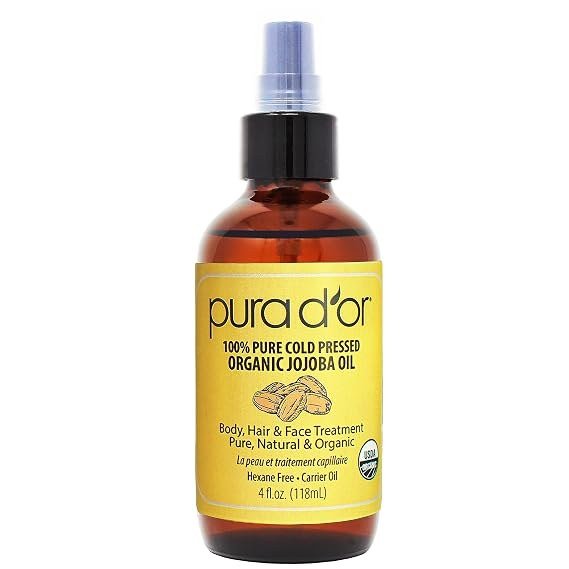
PURA D’OR made its name with hair oils, and its organic jojoba is a polished, giftable version of the ingredient: USDA certified organic, cold pressed, hexane free, in an amber glass bottle with a pump and a metallic gold label. For ear stretching, the fundamentals are all correct, a single pure certified oil with nothing added, light in texture and quick to absorb, well suited to the daily massage routine that keeps lobes thick and healthy. The pump is the discussion point, as with the Sky Organics pick: it is tidy and hygienic, dispenses a consistent amount, and that amount is more than two lobes need, so pump into a palm and apply from there. The amber glass is a genuine plus over the clear bottles here, protecting the oil on an open shelf. Price is the premium end of the mainstream group, reflecting the presentation, and the brand’s marketing is aimed at hair and face rather than body modification, so you will find no piercing guidance on the box. None of that affects performance on the ears. Choose it if you like your staples to look and feel premium and you are happy to pay a little more for presentation, or if you already use the brand’s hair products and want one supplier. The oil inside fully earns its place in this guide.
Specifications
4 oz amber glass bottle
USDA organic
cold pressed
pump dispenser
Pros
Certified organic in protective amber glass
Tidy pump dispenser, premium presentation
Hexane free, single ingredient purity
Cons
Pump portion is large for lobe use
Premium price for presentation
No piercing specific guidance
Who should buyyou want certified jojoba in amber glass with a premium feel
Who should skipyou want precise dropper dosing or the lowest price
Aura Cacia is the other aromatherapy institution in this guide, and its jojoba skin care oil closes the list as the bulk value option, sold in sizes up to 16 ounces at prices that make daily use feel free. The oil is pure jojoba, labelled noncomedogenic, with the brand’s long aromatherapy sourcing history behind it. One honest distinction matters: the standard Aura Cacia jojoba is not the certified organic line, the brand sells organic versions separately, so readers for whom certification is a requirement should check the exact bottle, while readers who prioritise purity and price can buy this with confidence, since the ingredient is the same single oil. For lobes, it performs identically in massage, conditioning and jewellery insertion on healed ears. The big bottle has a flip top and belongs in a cupboard; decant a working amount into a small dropper bottle, as with the other bulk picks. Aura Cacia is stocked in co ops and natural stores across the US, and its essential oil displays are often where stretchers first meet jojoba. As a household bottle that serves ears, hair, skin and massage for a year, the 16 ounce size is the cheapest route in this guide to never running out. Certification purists have better picks above; pragmatic bulk buyers have found their bottle.
Specifications
4 oz and 16 oz bottles
noncomedogenic
aromatherapy brand
flip top cap
Pros
16 oz bulk size is the cheapest per ounce here
Pure single ingredient from an aromatherapy institution
Widely stocked in natural food stores
Cons
Standard version is not certified organic
Bulk bottle needs decanting for lobe use
Flip top cap is basic
Who should buyyou want a big household bottle of pure jojoba at the lowest total cost
Who should skipcertified organic status is a firm requirement for you
Jojoba oil is technically a liquid wax pressed from jojoba seeds, famous for resembling human sebum closely, which makes it one of the most versatile oils: face, body, hair, cuticles and beard all use it, and most skin tolerates it well.
Its stability is a practical advantage: it resists oxidation far longer than most plant oils, so a bottle stays good. On skin it softens and seals lightly without the greasiness of heavier oils; on hair it smooths without much build up. It does not penetrate hair or skin deeply, working mainly as a surface conditioner, which is a feature for finesse and a limit for deep dryness. In beard and cuticle products it is often the lead ingredient for good reason.
How to Choose: the Criteria That Matter
Choosing skincare well means buying for the skin you have, in the order it needs help. Start with the concern, not the product shelf: breakouts, marks, dryness, redness and lines each have a short list of ingredients with real evidence behind them, and the guide’s topic section names the ones that matter here. Then check your current routine for conflicts before adding anything. Most failed purchases are good products bought for the wrong concern, or two strong actives introduced in the same week so that irritation gets credited to both.
Active ingredient and its stated strength, since a named active without a percentage tells you very little
A percentage on the label lets you compare like with like: a 10 percent azelaic acid and a 2 percent salicylic acid are honest products, while a serum that names an active without a strength is asking you to trust the marketing instead.
Formula type for your skin: gel for oily skin, cream for dry skin, emulsion for combination skin
The same active in a gel, a cream and an oil behaves like three different products. Gel and water based formulas suit oily and combination skin; creams and emulsions carry dry skin through the day; oils are finishing steps, not treatments.
What the formula leaves out: fragrance, drying alcohol and common irritants if your skin is reactive
What is left out decides tolerance. Fragrance, essential oils and drying alcohol are the three most common reasons a well reviewed product stings, flushes or breaks someone out, and sensitive skin should read for their absence first.
How it layers with the rest of your routine, including retinoids, vitamin C and sunscreen
A product that pills under sunscreen or fights your retinoid will not survive in a real routine. Think in pairs: water based before oil based, thinnest to thickest, and actives split across morning and night when they compete.
Packaging that protects the formula, such as airless pumps and opaque bottles for light sensitive actives
Actives degrade in light and air. Vitamin C, retinoids and many antioxidants keep their strength in opaque, airless packaging, and a clear dropper bottle on a sunny shelf is quietly expiring.
Also Considered
These products were researched for this guide and left off the picks list for the reasons given. They are not poor products; they simply fit the exact question of this guide less well.
Holey Butt’r Ear Care Balm
The most loved ear stretching product of all, researched first for this guide. It was left off because it is a balm of plant butters and oils, not a jojoba oil, and this guide compares oils; many stretchers own both and use the balm in winter.
Gauge Gear Stretching Balm
Another respected balm researched for completeness, excluded on the same format grounds as Holey Butt’r. Worth knowing about if your lobes prefer balm in cold weather.
Vitamin E oil
Often suggested to beginners and researched here. It was left off because it is much thicker than jojoba, messier on lobes, and piercers generally recommend jojoba’s sebum like profile over it for daily stretching care.
How to Use What You Buy
Start with clean, dry or slightly damp skin as the product type directs
Apply the amount stated on the product, usually a pea sized amount or two finger lengths for sunscreen
Introduce one new active at a time and give it at least two weeks before judging
Use the product at the time of day it is designed for, and always finish morning routines with sunscreen
Note any stinging, breakouts or dryness in the first week and adjust frequency before giving up
Fit decides whether a good product works. Skincare actives need a stable base routine around them: a gentle cleanser, a moisturiser your skin likes, and sunscreen every morning. Add the new product to that base one at a time, at the frequency the category supports, and keep everything else unchanged for the first month. That discipline is what turns a purchase into a result you can actually attribute.
A few drops wherever it is used, on damp skin or hair for best spread. For faces, two to three drops pressed in as the final step; for nails and beards, daily small amounts massaged in.
Who Should Buy, and Who Should Skip
Buy if your need matches this guide exactly: you are looking for options for ear stretching, you have checked the criteria above against your current routine, and you are willing to introduce the product gradually and judge it over the period the category needs.
Skip if your concern is different from the one in the title, your skin or hair is currently irritated or damaged and needs recovery first, or a clinician has advised you on this concern, in which case their advice comes before any buying guide.
Common Mistakes in Jojoba Oil
Starting three new actives in the same week, which makes reactions impossible to trace
Using more product than directed, which increases irritation without improving results
Skipping sunscreen while using brightening or exfoliating products, which undoes their work
Expecting visible change in days when most skincare actives need weeks of consistent use
Flooding skin with oil expecting it to absorb like a cream, when a thin film is the working amount
Assuming one oil can replace moisturiser entirely on very dry skin, when it seals rather than hydrates
Frequently Asked Questions
How do I choose the right jojoba oil?
Start with the criteria in this guide: match the formula or specification to your skin type and the exact concern in the title, check the published ingredient or specification list, and pick the option whose downsides do not overlap with your problem. The type decision comes first: most disappointment in jojoba oil is a good product bought in the wrong type.
How long before I see results from a jojoba oil product?
It depends on the category, but most skincare products need consistent use over several weeks before a fair judgement. Devices and treatments state their expected course in the manual or on the packaging, and that timeline is the one to follow. Judge on the category’s clock, not on the first week.
What should I avoid when buying for ear stretching?
Avoid buying on claims alone: skip options with no published ingredient or specification list, strengths far beyond what your routine needs, and any product whose stated downsides match the exact issue you are trying to fix. Also avoid changing two other parts of your routine in the same week, which makes the new product impossible to judge.
Is the most expensive option always the best?
No. In jojoba oil, price often reflects branding, packaging and extras rather than the core ingredient or specification doing the work. The criteria in this guide matter more than the price band, and mid priced options with the right specification beat premium options with the wrong one.
What is the most common mistake with jojoba oil?
Flooding skin with oil expecting it to absorb like a cream, when a thin film is the working amount A close second: assuming one oil can replace moisturiser entirely on very dry skin, when it seals rather than hydrates
How does jojoba oil fit into a daily routine?
A few drops wherever it is used, on damp skin or hair for best spread. For faces, two to three drops pressed in as the final step; for nails and beards, daily small amounts massaged in. Fit decides whether a good product works.
Do You Use Jojoba Oil Before or After Moisturiser?
The companion how-to guide, Do You Use Jojoba Oil Before or After Moisturiser, covers this in full: the step by step method, the right amounts and frequency for your type, and the mistakes that stop it working. It is linked from the routine sections of this page, and it is the right next read once you have chosen a product.
By Mirror & Glow Editorial Desk – November 23, 2026
The direct answer to do you use jojoba oil before or after moisturiser, with the background explained: jojoba oil is technically a liquid wax pressed from jojoba seeds. Step by step method, routine placement and FAQs.
By Mirror & Glow Editorial Desk – November 23, 2026
How to Get Rid of Acne Scars on Back? The short answer first, then the detail: one active at a time, introduced over two weeks, judged at eight to twelve weeks, with timing, amounts and the errors that stop it working.
By Mirror & Glow Editorial Desk – November 23, 2026
Hydrocolloid is a wound dressing material: it draws out fluid and turns white as it works. This guide applies that to how often to use pimple patches on a single spot: the method, the timing, and the traps to avoid.