Beauty DevicesBuying GuideRed Light Therapy for Face
Best Red Light Therapy for Face and under Eyes
By Mirror & Glow Editorial Desk – November 23, 2026
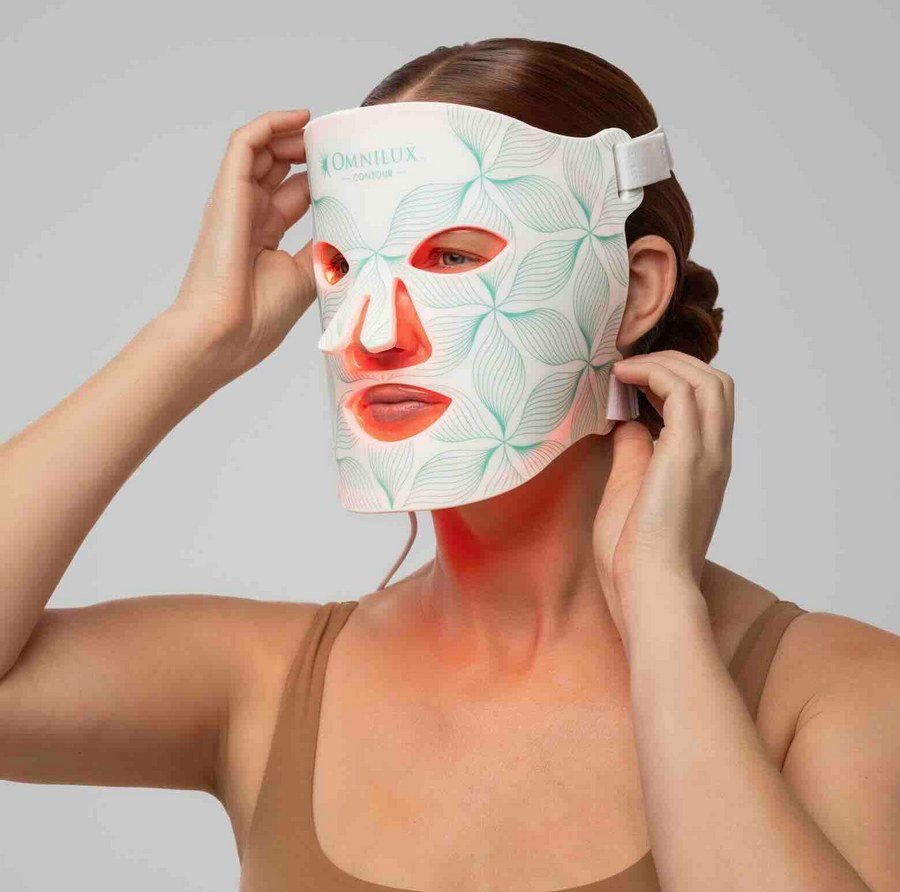
Woman wearing a red light therapy mask with a matching neck collar at home.
Affiliate disclosure: Mirror & Glow may earn a commission from qualifying purchases made through links on this page, at no extra cost to you. Full disclosure.
The verdict up front: start with Dr Dennis Gross SpectraLite FaceWare Pro, the strongest all round match in this line up for face and under eyes. Every pick is compared in the table below, then reviewed in full with its downsides as well as its strengths.
If you are looking for the best red light therapy for face and under eyes, the right choice depends on fit, not hype. This guide is written for face and under eyes, and every criterion below is weighted for that need first. The short answer: choose the red light therapy whose formula, format and strength match your routine, check the ingredient or specification list before the marketing claims, and avoid the options whose downsides match the problem you are trying to solve.
What matters most in red light therapy for face is covered in depth below: what the product actually is, the types on sale and how they differ, the buying criteria explained one by one, how to use what you buy, and the mistakes that waste the most money in this category.
Best Red Light Therapy for Face and under Eyes Compared
Product
Standout Point
Key Specification
Dr Dennis Gross SpectraLite FaceWare ProTop Pick
Fixed LED distance covers the orbital area evenly
Hard shell mask – red, infrared and blue light modes – 162 LEDs per brand – 3 minute sessions – FDA cleared per brand
The FaceWare Pro leads an under eye guide for a practical reason: its hard shell holds the LEDs at a fixed, even distance from the whole face including the orbital area, and its three minute sessions make the daily consistency that under eye work demands genuinely easy to keep. The red and infrared modes are the relevant ones here; the under eye responds to the same collagen supporting logic as the rest of the face, and the shell’s eye spacing means the delicate zone is treated without anything pressed against it. The blue mode is for acne and plays no part under the eyes. The honest limits are the shell’s weight, which some users never accept, a premium price, and the standing truth of this category: light supports the under eye over months, it does not erase hollows or pigment in weeks, and any device promising that should be distrusted. For a user who wants one credible device for face and under eyes together, with the shortest daily commitment in the guide, this is the starting point. The three minute format also makes it the easiest device here to pair with an evening routine rather than a morning one, which some users find suits the under eye better, since the light work is done before sleep. Keep the shell clean and store it out of bathroom steam. For the time poor, it is not a compromise pick; it is the pick, and the under eye benefits from exactly the regularity it makes possible.
Specifications
Hard shell mask
red, infrared and blue light modes
162 LEDs per brand
3 minute sessions
FDA cleared per brand
Pros
Fixed LED distance covers the orbital area evenly
Three minute sessions sustain daily use
FDA cleared, red and infrared modes
Cons
Hard shell weight
Premium price
Blue mode is acne led, not eye led
Who should buyyou want face and under eyes from one credible device
The CryoGlow is the only mask here that treats the under eye as a place, not just a zone the light passes over: it carries dedicated under eye cooling pads alongside its red, blue and infrared programmes, so the session combines light for the longer term with cooling for the morning puffiness that is most users’ actual under eye complaint. That pairing is honest about what each half does. Cooling de puffs today; red light supports the skin over months. The programme controller gives structure, though it is a menu to learn, and the hard shell must sit correctly for the pads to meet the under eye, so the first sessions involve some adjustment. The price is premium and the shell will not suit every face. For the user whose under eye issue is specifically puffiness plus early lines, no other device in this guide addresses both in one sitting, and that focus earns it second place. Keep expectations where the brand, to its credit, keeps them: firmer, calmer under eyes over time, not a blepharoplasty in a box. A routine note the cooling pads reward: use it in the morning, when puffiness is actually present, rather than the evening, and the device treats the problem at the hour it exists. Keep the pads clean and the shell stored dry. For the puffy eyed user who has tried every cream in the drawer, this is the first device in the guide aimed at their actual mirror complaint.
Specifications
Hard shell mask
red, blue and infrared LED programmes per brand
under eye cooling pads
programme controller with display
Pros
Under eye cooling pads target puffiness directly
Red and infrared programmes for longer term
Structured controller programmes
Cons
Cooling pads need the mask worn correctly
Hard shell, programme menu to learn
Premium price
Who should buyyour under eye complaint is puffiness plus lines
Who should skipyou want the simplest possible mask
CurrentBody’s mask treats the under eye the way it treats the rest of the face, with red 633 and near infrared 830 delivered evenly from a flexible silicone shell that sits close across the orbital bone. For under eye purposes that evenness is the argument: no gaps at the inner corner, no pressure on the eye itself, and ten minute sessions that fit a morning routine. It lacks any eye specific hardware, so it ranks below the CryoGlow’s targeted pads for puffiness, but for the common under eye pattern of fine lines and thinning skin, a top tier full face mask used consistently is a defensible and popular answer. The controller needs its charging habit, and the price is premium. Fit is the variable to check, since the flexible shell must sit flat around the nose and eyes to deliver its evenness. As the face half of a routine that takes the under eye seriously without buying a separate eye device, it is one of the two or three most credible choices here, with the brand’s following to match. A fitting note for this guide’s area: adjust the straps so the shell sits close without pressing the eye sockets, and use the sessions lying back if the weight migrates on your face shape. Consistency is the entire game here, and a mask that fits is the one that gets worn. CurrentBody’s following was built by users who kept wearing it, which is the review that matters in this category.
Specifications
Flexible silicone mask
red 633 nm and near infrared 830 nm
132 LEDs per brand
10 minute sessions
rechargeable handheld controller
Pros
Even light across the orbital area
Flexible shell, no pressure on eyes
Ten minute cordless sessions
Cons
Face wide treatment, not eye specific
Premium price
Controller to keep charged
Who should buyyour under eye issue is lines and thinning skin
Who should skipyour main issue is morning puffiness
Omnilux brings the strongest clinical framing among the flexible masks, FDA clearance included, and its Contour Face delivers red 633 and near infrared 830 evenly across the whole face, under eyes included, in automatic ten minute sessions. The under eye case is the same as CurrentBody’s, consistency and evenness over gadgetry, with the Omnilux’s evidence base the tie breaker for buyers who weight it. There is no cooling, no eye programme and no shortcut: ten minutes, several times a week, for months, is the deal, and the brand is relatively straight about that timeline. The controller is a separate piece to charge and keep, and system pricing is premium. Fit around the nose bridge decides how well the inner under eye is covered, so the strap adjustment in the first week matters. For the reader who wants the most clinically positioned flexible mask and accepts that the under eye improves as part of the face rather than as a special project, this is the considered choice, and its reputation has been built on exactly that restraint. Omnilux also publishes its treatment protocol plainly, ten minutes, three to five times a week, for a minimum of four to six weeks before judging, and that plainness is worth copying whatever mask you buy. The under eye is slow skin; it changes on a season’s rhythm, not a fortnight’s. Bought with that calendar in mind, this is one of the most defensible purchases in the guide.
Specifications
Flexible silicone mask
red 633 nm and near infrared 830 nm
132 LEDs per brand
10 minute automatic sessions
FDA cleared per brand
Pros
Strongest clinical positioning of the flexible masks
Even orbital coverage, automatic sessions
FDA cleared
Cons
No eye specific feature
Premium system pricing
Separate controller piece
Who should buyyou weight clinical positioning and evidence
Who should skipyou want an eye specific feature like cooling
Qure’s mask is the app controlled entry: five light modes, treatment zones you can configure in the app, and short daily sessions. For under eye work the zoning is the interesting part, because it lets the routine emphasise the zones you care about rather than running a fixed whole face programme, and the red modes are the ones that matter here. In practice the app is both the feature and the friction. Users who enjoy tracking and tuning will keep the habit; users who want to press one button will find the phone step quietly kills it by month two, and an unused mask treats nothing. The flexible build is comfortable and the light specification is credible. It ranks mid guide as a genuinely capable device whose value depends on the owner’s relationship with apps. For the under eye specifically, zone control is a real if modest advantage, and the short sessions help consistency. Buy it if you are an app person; the button only rivals above are better if you are not. The app also keeps a session log, which in this category is not vanity data: the users who see results are the users who can see their own consistency, and the log makes inconsistency impossible to hide from yourself. If that mirror motivates you, the Qure earns its premium. If it would annoy you by week three, believe that now and buy a button instead.
Specifications
Flexible mask
five light modes including red and blue per brand
app controlled treatment zones
short daily sessions per brand
Pros
App controlled treatment zones
Five modes including red
Short daily sessions
Cons
App dependency for zone control
Session structure is app led
Premium price
Who should buyyou like app tracked, tunable routines
The Solawave is the only wand here, and for the under eye that format has a specific logic: you treat exactly the area in question, gliding the rotating head along the orbital bone with red light, microcurrent, warmth and massage combined. Nothing is pressed over the whole face, sessions on the under eye take a couple of minutes, and the warmth and massage give an immediate de puffing feel that masks cannot. The trade offs are coverage and dose discipline. A wand is slow for a whole face, it needs conductive gel and a practised glide to deliver its light evenly, and the microcurrent and warmth are partners to the light rather than substitutes for a mask’s fixed array. As a full face device it ranks low; as an under eye tool used daily by someone who will not wear a mask, it may deliver more actual treatment than a mask in a drawer. That honesty about adherence is why it holds a mid guide place in an under eye ranking specifically. Technique is short to learn: gel on the orbital bone, never on the eyelid itself, slow glides outward, a minute or two a side. The warmth should feel like a warm coin, never hot, and the skin should look calm afterwards, not flushed. Used that way daily, it is the most targeted under eye routine in this guide, and for mask refusers it is not a consolation prize but the correct tool.
Specifications
Wand format
microcurrent with red light therapy
therapeutic warmth and facial massage per brand
rotating treatment head
Pros
Targets the under eye directly
Warmth and massage de puff immediately
Small, quick daily sessions
Cons
Wand coverage is slow for the whole face
Needs conductive gel and technique
Warmth and massage are extras, not light dose
Who should buyyou will not wear a mask but will use a wand daily
Who should skipyou want full face coverage in one session
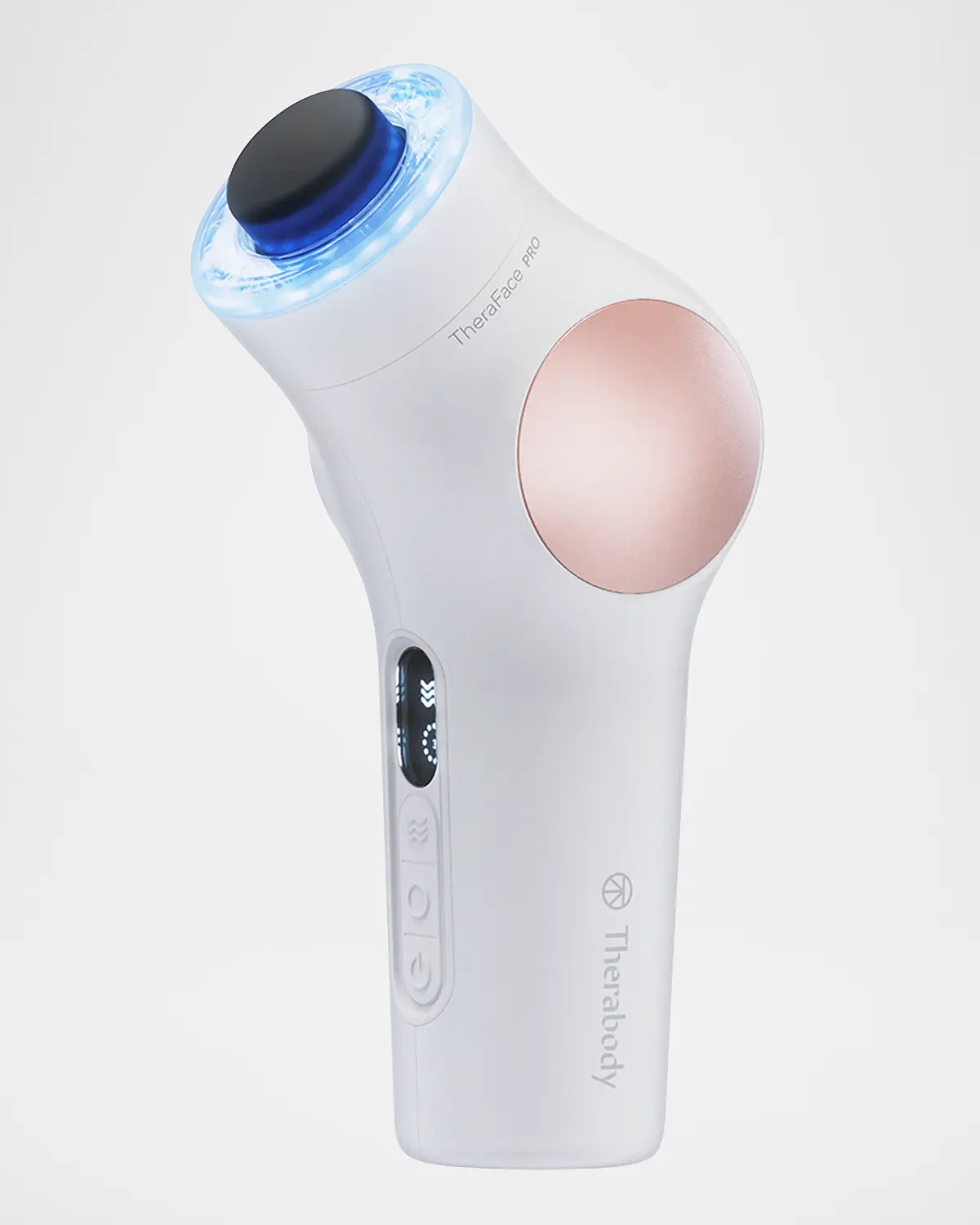
The TheraFace Pro is a modular system whose LED ring brings red light to a device that also does microcurrent, percussion and cleansing through magnetic attachments. For the under eye, the relevant routine is the red light ring used around the orbital area plus the microcurrent for the firming pass, a combination no mask offers. It suits the user who wants one handle for several facial jobs and will actually swap the heads. The compromises are the modular economics, since the full kit price climbs with attachments, and focus: the light ring is one function among many, with a smaller treatment area than a mask, so under eye sessions are active, guided work rather than ten passive minutes. Percussion near the eyes is for the surrounding muscles, used gently, not the eye area itself. It ranks here as the versatile option, genuinely useful for under eyes in practised hands, but a roundabout purchase if light therapy is the only goal, in which case the masks above do the same job while you sit still. The attachment discipline is the ownership story: rinse the cleansing head, dry the rings, and keep the kit in its case, because a modular system scattered in a drawer becomes a single function device by default. Used as a system, it covers more of a facial routine than anything else here. Used as a light only device, it is an expensive way to buy what the masks do sitting still.
Specifications
Modular facial device
microcurrent ring attachment
LED light ring
percussive and cleansing attachments
magnetic attachment system
Pros
Red light plus microcurrent in one handle
Modular attachments for several jobs
Active, targeted under eye work
Cons
Modular price adds up with attachments
Light is one ring among many functions
Overkill if light is all you want
Who should buyyou want one device for light, microcurrent and cleansing
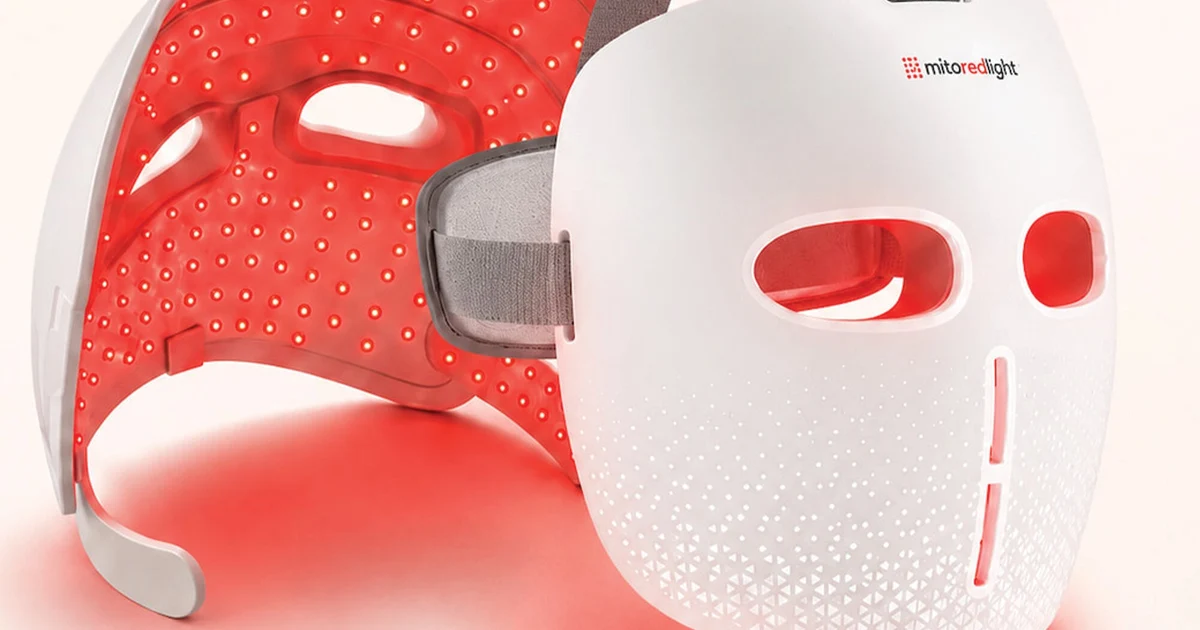
Mito’s mask offers the panel brand’s red 660 and near infrared 850 in a hard shell at a mid price, and for under eye purposes it behaves like the other full face masks: even, fixed distance light across the orbital area, ten minute style sessions, results that arrive over months of consistency. It is a sound, specification led mask without an eye specific feature, which places it below the CryoGlow and the wand for this guide’s particular question, and its wired controller is a dated touch that tethers you to a seat and socket while rivals run cordless. Hard shell fit is the usual variable, and around the eyes that fit decides everything, so the strap needs care in the first sessions. The value case is real: a serious light brand’s wavelengths at well under the premium masks’ prices, from a maker whose panels anchor our other guides. For a buyer prioritising the light itself over comfort features and eye hardware, it is a rational purchase that will do the under eye job as part of the whole face. The wire, fairly considered, also means no battery to age and no controller to lose, so the mask will work in five years exactly as it does today, which is more than some cordless rivals will promise. Sit near the socket, use the timer, and let the season pass. For a specification first buyer, the MitoGLOW is the mask that spends its money on light and saves it on everything else.
Specifications
Hard shell mask
red 660 nm and near infrared 850 nm per brand
wired controller with timer
adjustable head strap
Pros
Serious wavelengths at a mid price
Fixed distance hard shell coverage
From a specialist light brand
Cons
Wired controller tethers sessions
Hard shell fit varies
No eye specific design
Who should buyyou prioritise light specification over features
Who should skipyou want cordless, eye specific design
HigherDOSE’s flexible mask earns its place on comfort: red 630 and near infrared 850, a cordless controller, and a chin strap that keeps the shell seated so the under eye area stays covered through the session instead of the mask slowly sliding into it. That seating matters more under the eyes than anywhere, because a slipping mask either gaps at the orbital bone or presses on it, and this design avoids both better than most flexible rivals. It has no eye specific hardware, so for puffiness it offers light alone, and the chin strap that helps most users will annoy some jaw shapes. The price is premium for a mask. Its ranking reflects a strong general mask whose particular virtue, staying put, happens to serve the under eye well. For the user whose previous mask wandered and whose under eye concern is lines and firmness rather than morning puff, it is a sensible, comfortable long term buy, and comfort is what month six consistency is made of. Use the sessions as the pause they are designed to be, lying back rather than wandering, because a flexible mask delivers its evenness best when the face is still and the straps are not fighting gravity. That small discipline closes most of the gap between this and the hard shells. For comfort led buyers, it is the mask most likely to still be in the routine when the under eye results are due.
Specifications
Flexible silicone mask
red 630 nm and near infrared 850 nm per brand
cordless with handheld controller
adjustable straps including a chin strap
Pros
Chin strap keeps orbital coverage in place
Cordless and comfortable
Red and near infrared pairing
Cons
Face only, premium price
Chin strap will not suit everyone
No eye targeted hardware
Who should buyyour previous mask slipped during sessions
Aphrona’s Moonlight is the long running budget mask, a hard shell with red, blue and yellow light, a wired remote and a price that undercuts everything else here by a wide margin. For under eye use the red mode is the relevant one, and the shell does hold it at a fixed distance across the face including the orbital area, so the basic mechanism of this guide is present. The rest needs the budget framing: the yellow mode carries little evidence, the wired remote and hard shell feel dated, and build and straps are plainly built to the price. It ranks last, but last in this guide is not a dismissal. Red light is a consistency game, and a cheap mask used faithfully will outperform a premium one abandoned in a drawer, which is the honest case for it as a trial. If the trial converts you, the masks above are the upgrade path. If it does not, you have spent the least possible to learn that, and the under eye has still had its months of red light. Keep the sessions honest and the verdict fair: use the red mode, at the stated distance, several times a week for a full season before judging, because judging any light device at three weeks judges the calendar, not the light. If puffiness is your main complaint, pair it with the cheap trick that actually works, a cold spoon in the morning, and let the light do the slow work it is good at.
Specifications
Hard shell mask
three light colours, red, blue and yellow per brand
wired remote control
the long running budget option
Pros
Lowest price in the guide by far
Red mode at fixed shell distance
Long running, widely available
Cons
Three colours, only red carries the evidence
Wired remote, hard shell
Budget build throughout
Who should buyyou want the cheapest trial of red light
Who should skipyou want build quality and cordless use
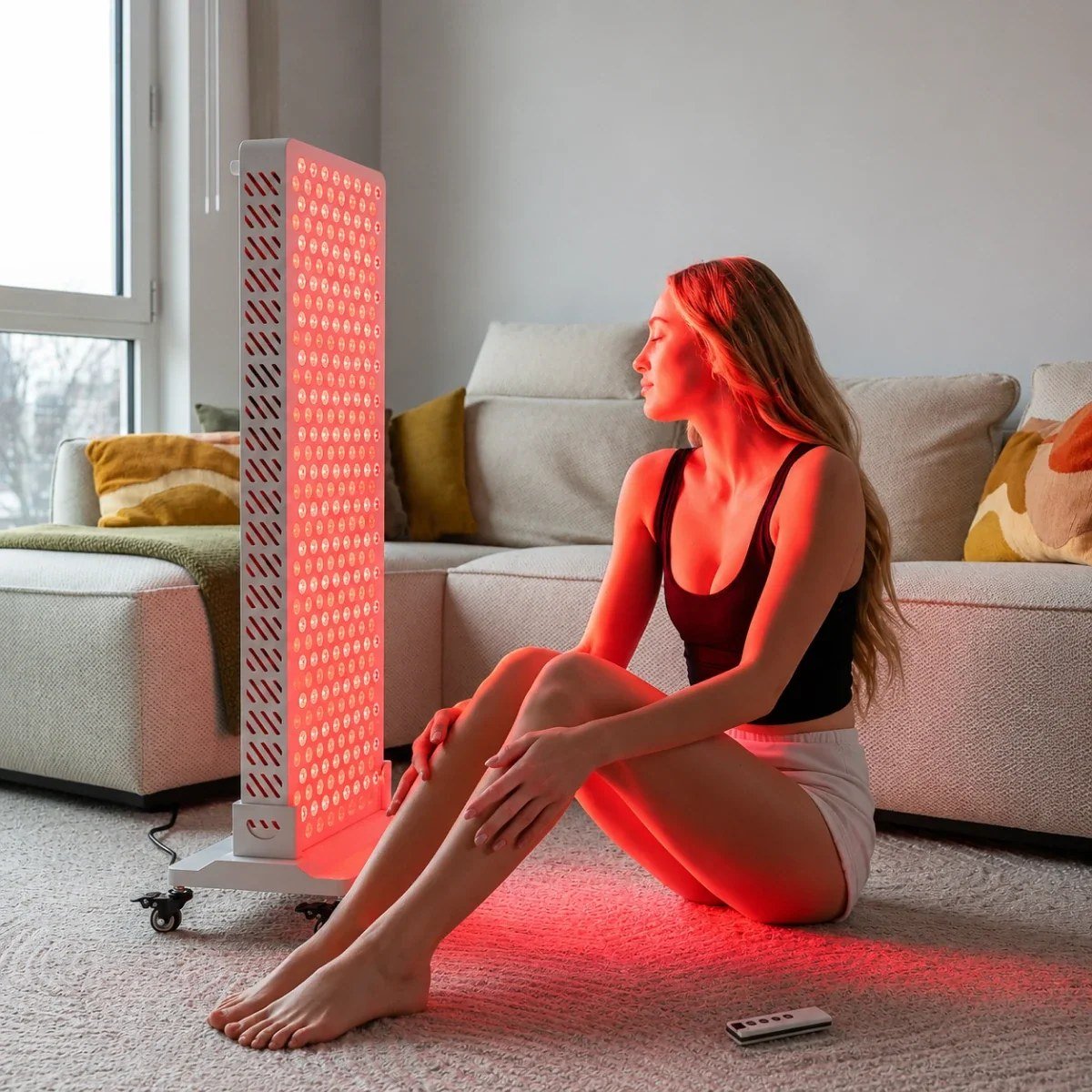
Red light therapy for the face is light therapy focused on red and near infrared wavelengths, delivered by masks or panels, used in short regular sessions to support collagen related firmness and tone over a course of weeks. It is a routine, not a treatment event.
The two spec families are wavelength, with red in the 630s nanometres and near infrared in the 800s the commonly used ranges, and dose at the skin, which depends on power and distance. Panels treat at a distance and cover neck and chest; masks sit close and keep dose consistent. Neither works through makeup or sunscreen, so sessions are on clean skin. Eye comfort and the manual’s contraindications, including light sensitising medicines, are part of choosing.
How to Choose: the Criteria That Matter
Choosing a beauty device well means reading the manual before the reviews: check the published specifications, your own suitability against the charts, the contraindications, and the session schedule the course demands. Then price two years of consumables. A device that passes those checks and fits a routine you already keep is a sound buy; one bought for its best case result usually ends in a drawer.
The technology and its published specifications, such as light wavelengths for LED or skin tone sensors for IPL
Published specifications separate devices from gadgets: stated wavelengths for light devices, energy and sensor details for IPL, current programmes for microcurrent. A device that will not state its numbers is asking to be bought on faith.
Suitability for your skin and hair type, checked against the manufacturer’s own charts
Suitability is a safety gate, not a preference: skin tone and hair colour charts for IPL, contraindication lists for light and current devices. Check yourself against them honestly before buying, because the wrong match means a device that cannot be used.
Safety features: eye protection, skin contact sensors and automatic shut off
Safety features are the product: skin contact sensors, eye protection design, automatic shut off and lock outs for unsuitable skin tones. In a category used on faces and eyes, these outrank extra modes.
Session time and frequency, because a device only works if the routine is realistic
Session realism decides results: a device needing twenty minutes five times a week will lose to a ten minute one you actually use. Read the manual’s schedule and price your own discipline honestly before choosing.
Running costs: replacement heads, gels or cartridges the device needs over time
Running costs hide in consumables: conductive gels, replacement heads, cartridges and lamp life. Add two years of them to the purchase price to compare devices truthfully.
Also Considered
These products were researched for this guide and left off the picks list for the reasons given. They are not poor products; they simply fit the exact question of this guide less well.
LightStim for Wrinkles
A handheld device that can work around the eyes carefully. Its small treatment head makes full face sessions slow, and nothing about it is shaped for the under eye area.
Mito Red Light Therapy Mito Mobile
A pocket sized panel from a respected light brand. It was left off because a flat mini panel cannot follow the eye contour the way the wands and masks ranked here can.
Project E Beauty LED Light Therapy Mask
A rigid shell mask sold for home light routines. Its stiff fit leaves the under eye zone less evenly covered than the contoured picks in this guide.
How to Use What You Buy
Read the manufacturer’s manual fully before the first session, including who should not use the device
Patch test or start with the shortest, lowest setting the manual allows
Prepare skin as directed, usually clean and dry with no products unless a gel is specified
Follow the stated session time and weekly frequency rather than improvising more
Track results over the full period the manual describes before judging the device
Devices work on course logic: prepare skin as the manual directs, use the stated settings and schedule without improvising more, and track results over the full period described, with photographs in consistent light for anything gradual. More frequent or stronger use than directed is the category’s classic error, and it buys irritation, not speed.
Ten minutes or so, several times a week, on clean dry skin, before the rest of the routine. Keep the device where the habit already happens; these courses fail in cupboards, not on faces.
Who Should Buy, and Who Should Skip
Buy if your need matches this guide exactly: you are looking for options for face and under eyes, you have checked the criteria above against your current routine, and you are willing to introduce the product gradually and judge it over the period the category needs.
Skip if your concern is different from the one in the title, your skin or hair is currently irritated or damaged and needs recovery first, or a clinician has advised you on this concern, in which case their advice comes before any buying guide.
Common Mistakes in Red Light Therapy for Face
Using a device more often than directed, expecting faster results
Skipping the suitability chart for skin tone, hair colour or medical conditions
Using IPL or light devices over tattoos, moles or irritated skin
Judging a gradual device after two sessions instead of a full course
Judging at two weeks, when the category’s honest timeline is eight to twelve weeks of consistency
Layering sessions back to back to speed results, which adds nothing but time
Frequently Asked Questions
How do I choose the right red light therapy?
Start with the criteria in this guide: match the formula or specification to your skin type and the exact concern in the title, check the published ingredient or specification list, and pick the option whose downsides do not overlap with your problem. The type decision comes first: most disappointment in red light therapy for face is a good product bought in the wrong type.
How long before I see results from a red light therapy for face product?
It depends on the category, but most beauty devices products need consistent use over several weeks before a fair judgement. Devices and treatments state their expected course in the manual or on the packaging, and that timeline is the one to follow. Judge on the category’s clock, not on the first week.
What should I avoid when buying for face and under eyes?
Avoid buying on claims alone: skip options with no published ingredient or specification list, strengths far beyond what your routine needs, and any product whose stated downsides match the exact issue you are trying to fix. Also avoid changing two other parts of your routine in the same week, which makes the new product impossible to judge.
Is the most expensive option always the best?
No. In red light therapy for face, price often reflects branding, packaging and extras rather than the core ingredient or specification doing the work. The criteria in this guide matter more than the price band, and mid priced options with the right specification beat premium options with the wrong one.
What is the most common mistake with red light therapy for face?
Judging at two weeks, when the category’s honest timeline is eight to twelve weeks of consistency A close second: layering sessions back to back to speed results, which adds nothing but time
How does red light therapy for face fit into a daily routine?
Ten minutes or so, several times a week, on clean dry skin, before the rest of the routine. Keep the device where the habit already happens; these courses fail in cupboards, not on faces. Devices work on course logic: prepare skin as the manual directs, use the stated settings and schedule without improvising more, and track results over the full period described, with photographs in consistent light for anything gradual.
Can You Use Red Light Therapy on Your Face Too Much?
The companion how-to guide, Can You Use Red Light Therapy on Your Face Too Much, covers this in full: the step by step method, the right amounts and frequency for your type, and the mistakes that stop it working. It is linked from the routine sections of this page, and it is the right next read once you have chosen a product.
By Mirror & Glow Editorial Desk – November 23, 2026
Everything behind can you use red light therapy on your face too much: the two spec families are wavelength, set out as a clear step by step with the mistakes and questions readers raise most.
By Mirror & Glow Editorial Desk – November 23, 2026
The two spec families are wavelength. This guide applies that to can you use red light therapy on your face while pregnant: the method, the timing, and the traps to avoid.
By Mirror & Glow Editorial Desk – November 23, 2026
The two spec families are wavelength. This guide applies that to can you use red light therapy with a face mask on: the method, the timing, and the traps to avoid.