By Mirror & Glow Editorial Desk – November 23, 2026
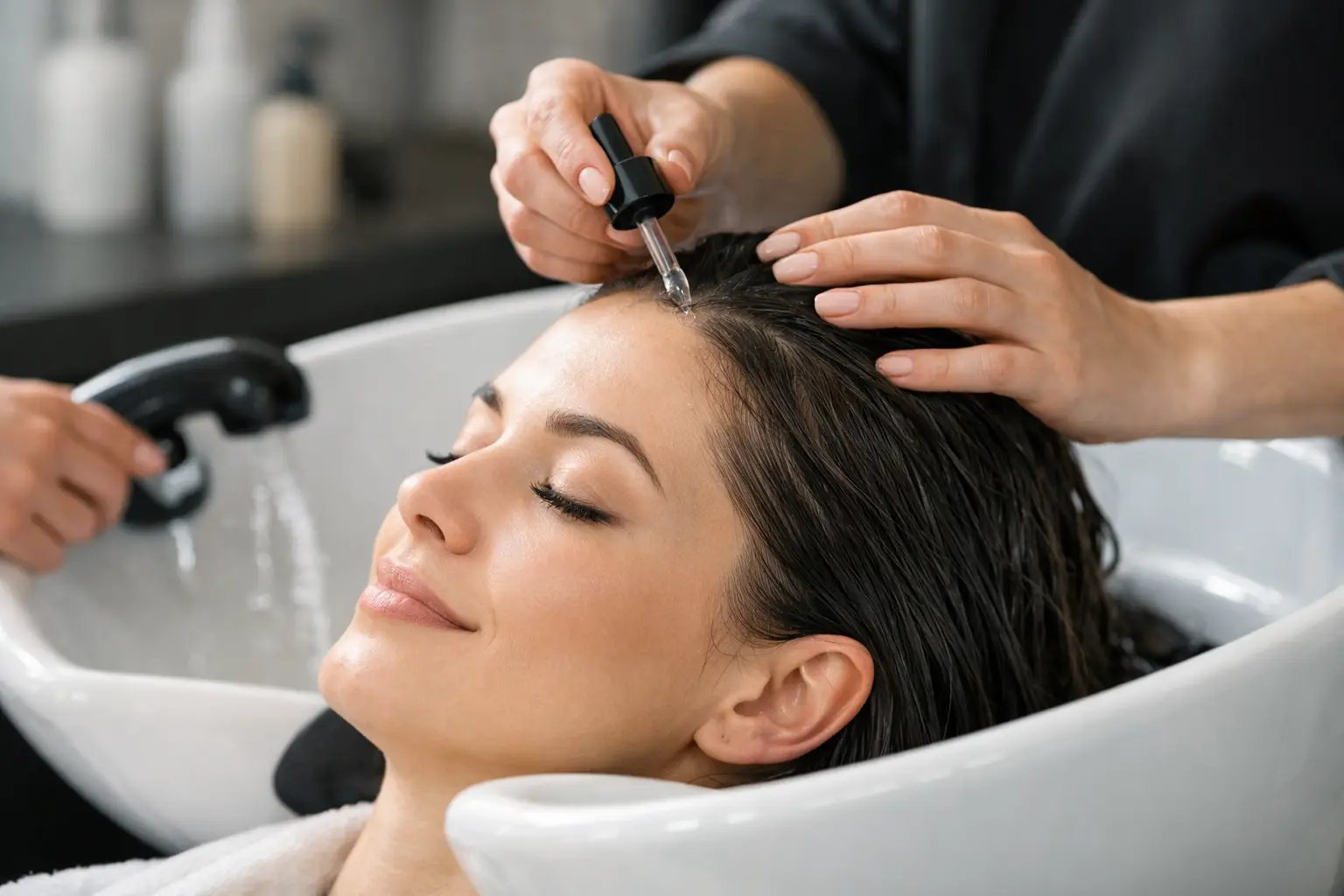
Stylist applying scalp serum with a dropper at a salon wash basin.
Affiliate disclosure: Mirror & Glow may earn a commission from qualifying purchases made through links on this page, at no extra cost to you. Full disclosure.
The verdict up front: start with Vegamour GRO Hair Serum, the strongest all round match in this line up for dry scalp and hair growth. Every pick is compared in the table below, then reviewed in full with its downsides as well as its strengths.
If you are looking for the best serum for dry scalp and hair growth, the right choice depends on fit, not hype. This guide is written for dry scalp and hair growth, and every criterion below is weighted for that need first. The short answer: choose the serum whose formula, format and strength match your hair, check the ingredient or specification list before the marketing claims, and avoid the options whose downsides match the problem you are trying to solve.
What matters most in dry scalp is covered in depth below: what the product actually is, the types on sale and how they differ, the buying criteria explained one by one, how to use what you buy, and the mistakes that waste the most money in this category.
A note on expectations: every product in this guide is a cosmetic serum. They support scalp health and the appearance of density, and the best of them reduce shedding over months, but none is a regrowth drug. If thinning is rapid, patchy or accompanied by inflammation, a dermatologist comes before any serum.
Best Serum for Dry Scalp and Hair Growth Compared
Product
Standout Point
Key Specification
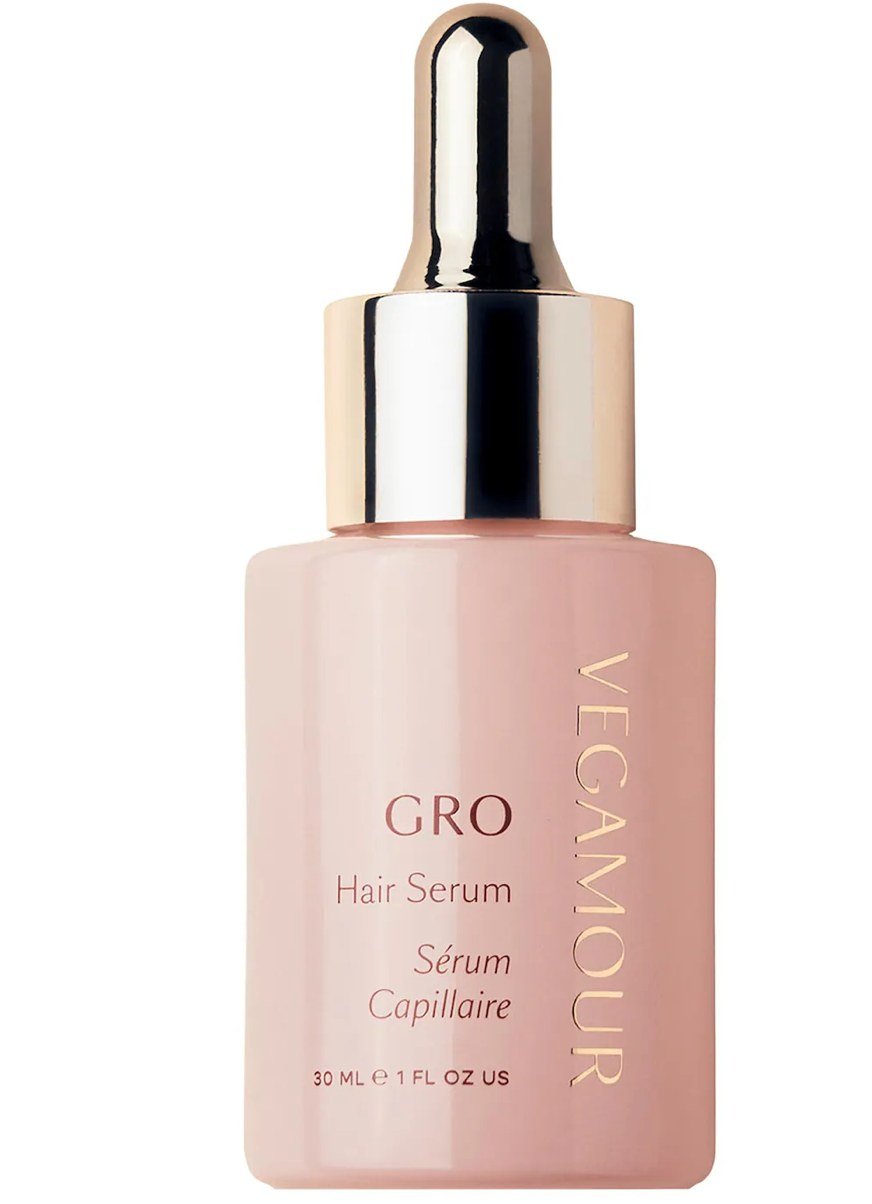
Vegamour GRO Hair SerumTop Pick
Water light texture suits daily use on dry scalps
30 ml dropper bottle – mung bean, red clover, curcumin and caffeine – vegan and cruelty free – once daily, no rinse
Vegamour’s GRO is the serum that built the modern scalp serum category for most readers: a water light, vegan formula in a 30 ml dropper bottle, built on phyto actives including mung bean and red clover extracts, curcumin and caffeine, applied once a day to the scalp, parting by parting, with no rinse and no greasy residue. For this guide’s exact combination, a dry, uncomfortable scalp plus a wish for fuller looking hair, it is the most complete answer: the base is genuinely soothing rather than stripping, it layers under styling without disturbing it, and the brand’s whole positioning is density and reduced shedding over a three to four month course. That timeline deserves emphasis. This is a cosmetic serum, not a drug: it supports the scalp environment and the appearance of thickness, and the honest expectation is less shedding and better looking density over months, not regrowth of the minoxidil kind. The price is the other honest point: the bottle is small, the routine is daily, and the cost of a fair trial is several bottles. Readers who accept both of those terms get the benchmark product of the category; readers who do not should start further down this list.
Specifications
30 ml dropper bottle
mung bean, red clover, curcumin and caffeine
vegan and cruelty free
once daily, no rinse
Pros
Water light texture suits daily use on dry scalps
Phyto active formula aimed at density and shedding
No grease, so it layers under styling invisibly
Cons
Premium price for a small 30 ml bottle
Daily routine must be kept for months to judge it
Cosmetic product, so it does not regrow hair like minoxidil
Who should buyyou want the benchmark daily serum for a dry scalp and thinning looking hair, and accept a months long course
Who should skipyou want a proven regrowth drug or a one bottle experiment
The Ordinary brought its ingredient list transparency to the scalp with this concentrated leave on serum, and the formula reads like a catalogue of the category’s best known complexes: REDENSYL, Procapil, CAPIXYL, BAICAPIL and AnaGain, a stack of peptide and botanical systems each aimed at hair density and reduced shedding, in a 60 ml bottle at a price far below the prestige serums it competes with. For a dry scalp, the experience is better than the brand’s clinical image suggests: the texture is a light, slightly viscous liquid that spreads well along partings and does not leave hair looking wet or oily once dry. Used once a day, ideally in the evening, it asks for the same patience as every pick here, with the brand suggesting visible density improvements over months of consistent use. The reservations are real ones. The base contains drying alcohols that help the actives penetrate and the finish stay light, and a minority of very dry or reactive scalps find daily use slightly drying, which is fixable with a weekly oil treatment but worth knowing. There is also no fragrance to mask the formula’s functional smell. Judged on actives per pound, nothing else in this guide comes close.
Specifications
60 ml bottle
REDENSYL, Procapil, CAPIXYL and BAICAPIL complexes
concentrated leave-on scalp serum
once daily
Pros
Stacks five recognised density complexes in one formula
Twice the volume of most rivals at a fraction of the price
Light finish that does not disturb styling
Cons
Can leave a slight residue if over applied
Drying alcohols in the base bother some very dry scalps
Results are cosmetic and gradual, judged over months
Who should buyyou want the strongest published ingredient list for the least money
Who should skipyour scalp is very reactive and alcohol containing bases irritate it
Kérastase Initialiste Advanced Scalp and Hair Serum
Initialiste is Kérastase’s scalp and hair concentrate, and it approaches this guide’s question from the quality end: rather than promising regrowth, it is a salon serum built on native plant cells, gluco lipids and ceramides, meant to make the hair that grows come through stronger, shinier and less prone to breakage, applied to the scalp after washing, a few pipettes massaged in and left. For a dry scalp it is one of the most comfortable products here, a silky, scented treatment that feels like skincare rather than medicine, and it doubles as a lengths treatment, which none of the dropper serums around it really do. That dual role decides who should buy it. If your thinning appearance is partly breakage, if your hair snaps and thins toward the ends and your scalp is dry and tight, Initialiste addresses your actual picture. If your loss is patterned and progressing, a cosmetic salon serum is the support act, not the treatment, and the money is better spent on the density serums above or on a diagnosis. The price is salon level and the fragrance, while lovely, is present on the scalp all day. Beautifully made, honestly positioned, and best bought with clear expectations.
Specifications
60 ml dropper bottle
native plant cells, gluco-lipids and ceramides
scalp and hair concentrate
after washing, no rinse
Pros
Ceramide formula comforts dry scalps immediately
Improves hair quality and breakage as well as the scalp
Silky texture works on scalp and lengths together
Cons
Salon pricing for a 60 ml bottle
Scented in the Kérastase style, which not everyone wants on a scalp
A hair quality serum first, so density claims are softer than Vegamour’s
Who should buyyour thinning look is driven by breakage and a dry, tight scalp
Who should skipyou want a density focused serum and nothing else
Divi is a scalp first brand founded by influencer Dani Austin after her own hair loss, and its serum is the product the company was built around: a 30 ml dropper bottle combining copper tripeptide-1 with caffeine, rosemary and tea tree, aimed squarely at the pairing in this guide’s title, a dry, flaky, unhappy scalp and hair that is shedding more than it should. The formula is water based and quick drying, designed for daily use on a dry scalp without leaving the roots greasy, and the brand leans on being dermatologist tested and free of the heavier cosmetic baggage. In use it feels like a treatment rather than a cosmetic: a slight tingle, a clean finish, and a scalp that feels calmer within the first weeks, with density judged, as ever, over months. The honest reservations are commercial as much as cosmetic. The bottle is small for a daily habit, the price is premium DTC, and the brand’s marketing is heavy on personal story, which readers will either connect with or not. The product itself, though, is one of the most precisely aimed in this guide: if your scalp is dry and flaky as well as thinning, this is the serum designed for exactly that combination.
Specifications
30 ml dropper bottle
copper tripeptide-1, caffeine, rosemary and tea tree
daily leave-on serum
dermatologist tested
Pros
Copper peptide formula aimed at scalp health and density together
Calms dry, flaky scalps, not just thinning
Clean, quick drying finish for daily use
Cons
Small 30 ml bottle on a daily routine
Brand built around one founder’s routine, which some readers find off putting
Premium DTC pricing without salon or drugstore availability
Who should buyyour scalp is dry and flaky as well as thinning, and you want one serum aimed at both
Who should skipyou prefer established pharmacy brands and in store buying
Act+Acre built its name on cold processing, making its formulas without the heat the brand says degrades botanical actives, and its Stem Cell Scalp Serum is the flagship of that approach: a leave on serum built around apple stem cell extract, with bamboo and aloe, aimed at a dry, ageing scalp and the thinning that follows it. The experience is the gentlest in this guide: a watery, fast absorbing liquid with a faint botanical scent, no tingle, no residue, and a scalp that feels hydrated rather than treated, which makes it the easiest daily habit here for sensitive skin. It is also the pick most aligned with a clean beauty philosophy, from a brand that publishes its process in detail. The trade offs are price and patience. Act+Acre sells in sets and subscriptions that raise the cost of a fair, months long trial, and its positioning is scalp ageing and health first, so readers chasing the most aggressive density claims should look at the peptide stacked picks above. For the reader whose scalp is dry, sensitive and thinning with age, and who wants the routine to feel like skincare, this is the most considered formula here. The brand also sells refills for its bottles, which softens the cost for readers who commit to the full course.
Specifications
Dropper bottle
apple stem cell extract, bamboo and aloe
cold processed
daily leave-on scalp serum
Pros
Gentlest formula here, ideal for sensitive dry scalps
Apple stem cell and aloe formula hydrates as it treats
Cold processed, transparent and clean beauty positioning
Cons
Sold in sets and subscriptions that push the cost up
Scented lightly, despite the clean positioning
A newer brand, so the long term evidence base is thinner
Who should buyyour scalp is dry and sensitive and stronger serums sting or irritate
Who should skipyou want the most aggressive density formula regardless of feel
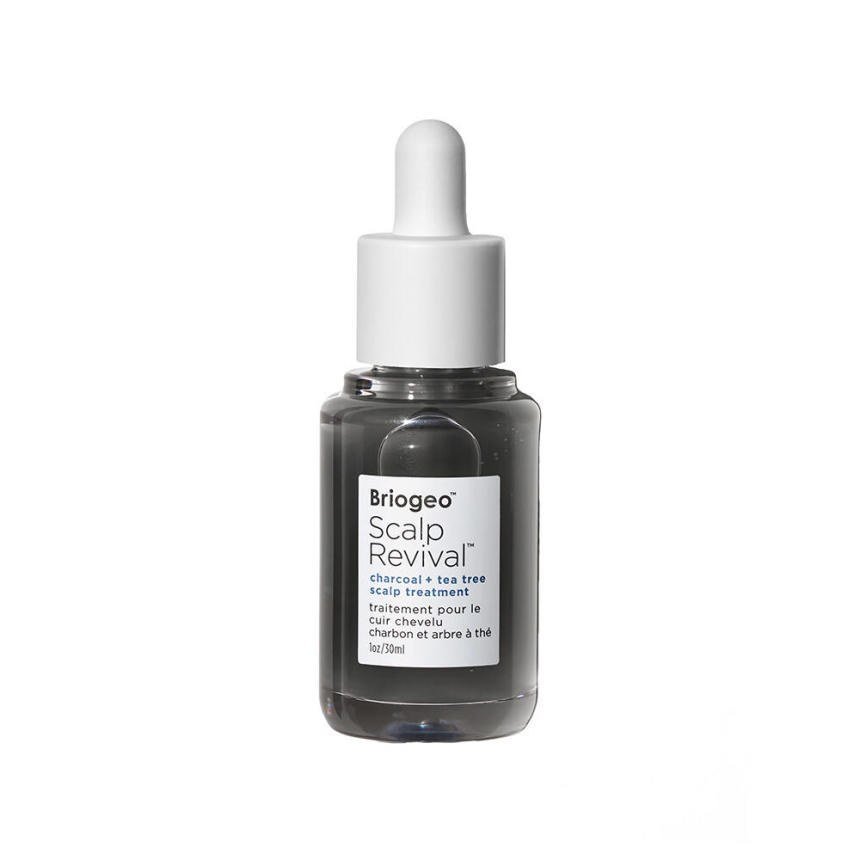
Briogeo Scalp Revival Charcoal + Tea Tree Scalp Treatment
Briogeo’s Scalp Revival treatment is the one pick here that behaves like a scalp facial: a charcoal and tea tree treatment in a dropper bottle, applied to the scalp, massaged in and left, that draws out build up and calms itch and flaking with tea tree, peppermint and spearmint oils, witch hazel and aloe. For dry scalps whose problem is as much congestion and flake as thinning, it clears the ground the growth serums then work on, and many readers will use it exactly that way, two or three times a week alongside a daily density serum from this same list. On its own it is a genuine dry scalp treatment: the itch relief is quick, the flakes reduce visibly, and the scalp feels reset. What it is not is a density product in the peptide sense, so as a sole purchase for hair growth it is the supporting act. Charcoal based treatments can also feel drying if used daily on an already dry scalp, which is why the brand’s rhythm is a few times weekly. It is vegan, cruelty free and built on the brand’s clean ingredient standards. Think of it as the reset button of this guide: for flaky, itchy, product clogged scalps, start here.
Specifications
30 ml dropper bottle
charcoal, tea tree, peppermint and witch hazel
scalp treatment
two to three times weekly
Pros
Best itch and flake relief in this guide
Charcoal clears build up so other serums reach the scalp
Vegan, cruelty free, clean ingredient standards
Cons
A treatment to use two or three times a week, not a daily serum
Charcoal can feel drying if overused on very dry scalps
Dropper application is slower than a spray
Who should buyyour dry scalp is itchy, flaky and clogged with build up
Who should skipyou want a daily density serum rather than a weekly reset treatment
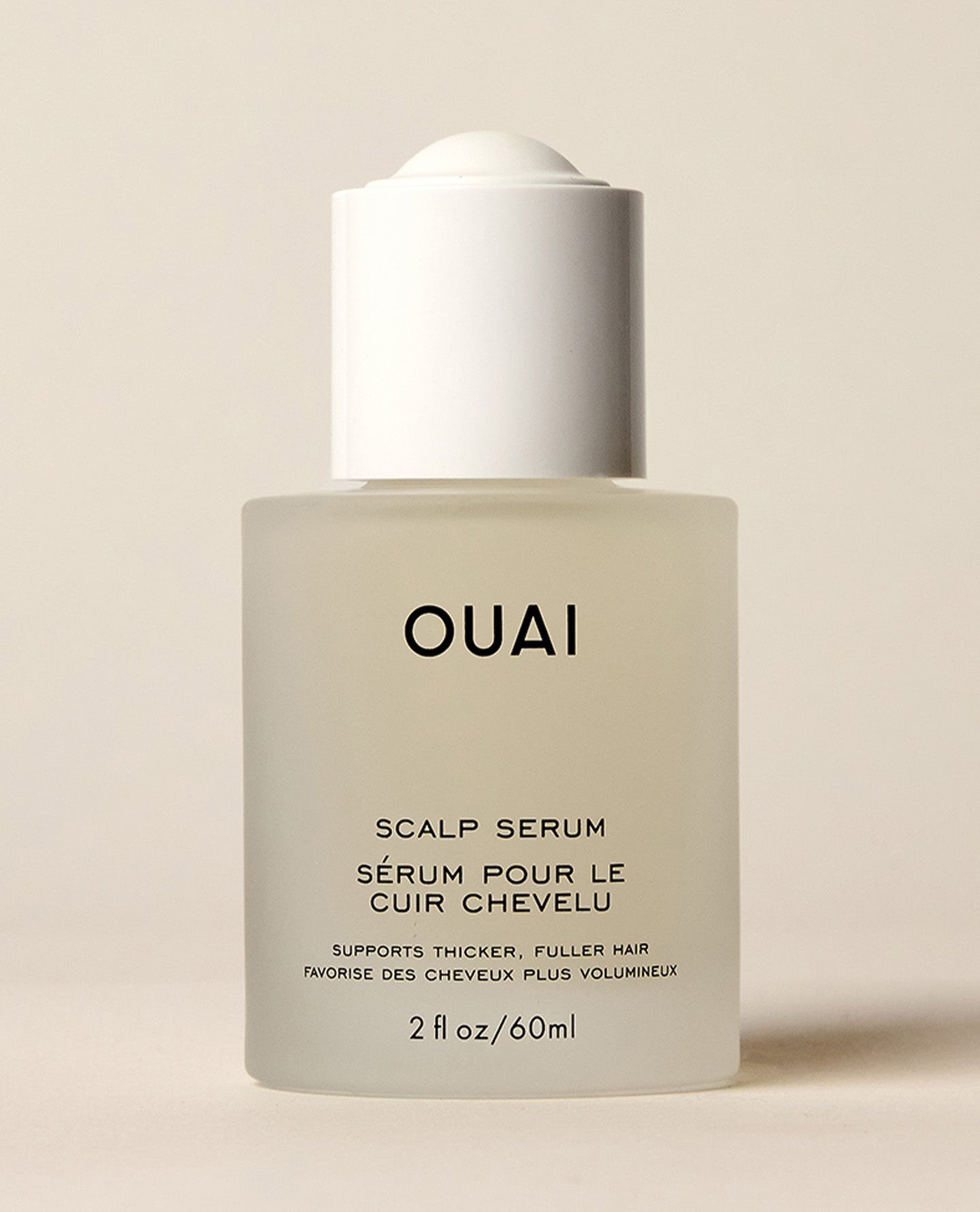
OUAI’s entry translates the brand’s polished, fragrance led style to the scalp: a 60 ml serum built on adaptogens, arctic root, Siberian ginseng and chaga mushroom, with red clover flower extract and peptides, positioned to support thicker, fuller looking hair and a healthier scalp barrier. It is the most cosmetically elegant daily serum here, a light texture, a subtle scent in the brand’s signature style, and packaging that belongs on a bathroom shelf rather than in a medicine cabinet. For a dry scalp it is a comfortable wear: hydrating enough to take the tight feeling away, light enough to use in the morning before styling. The assessment should stay honest about the evidence hierarchy: adaptogens make a good story and a pleasant product, but they are not the measured density complexes of The Ordinary’s formula or the focused phyto actives of Vegamour’s, and the price reflects brand and experience as much as actives. What OUAI sells, successfully, is adherence: the serum readers actually enjoy using every day for four months is the one that works. If your history is abandoning clinical smelling treatments by week three, this may genuinely be your most effective option. The dropper application is tidy, and the serum sits under dry shampoo and styling products without pilling or residue showing by the end of the day.
Specifications
60 ml bottle
arctic root, Siberian ginseng and chaga mushroom
red clover and peptides
daily scalp serum
Pros
Most elegant daily wear here, light texture and subtle scent
Adaptogen and peptide formula supports scalp barrier
Generous 60 ml bottle for a prestige serum
Cons
Adaptogen story is more marketing than measurement
Pricier than the ingredient list alone would suggest
Fine hair may find daily use slightly coating at the roots
Who should buyyou abandon clinical products quickly and need a serum you will enjoy using daily
Who should skipyou shop strictly by published active percentages
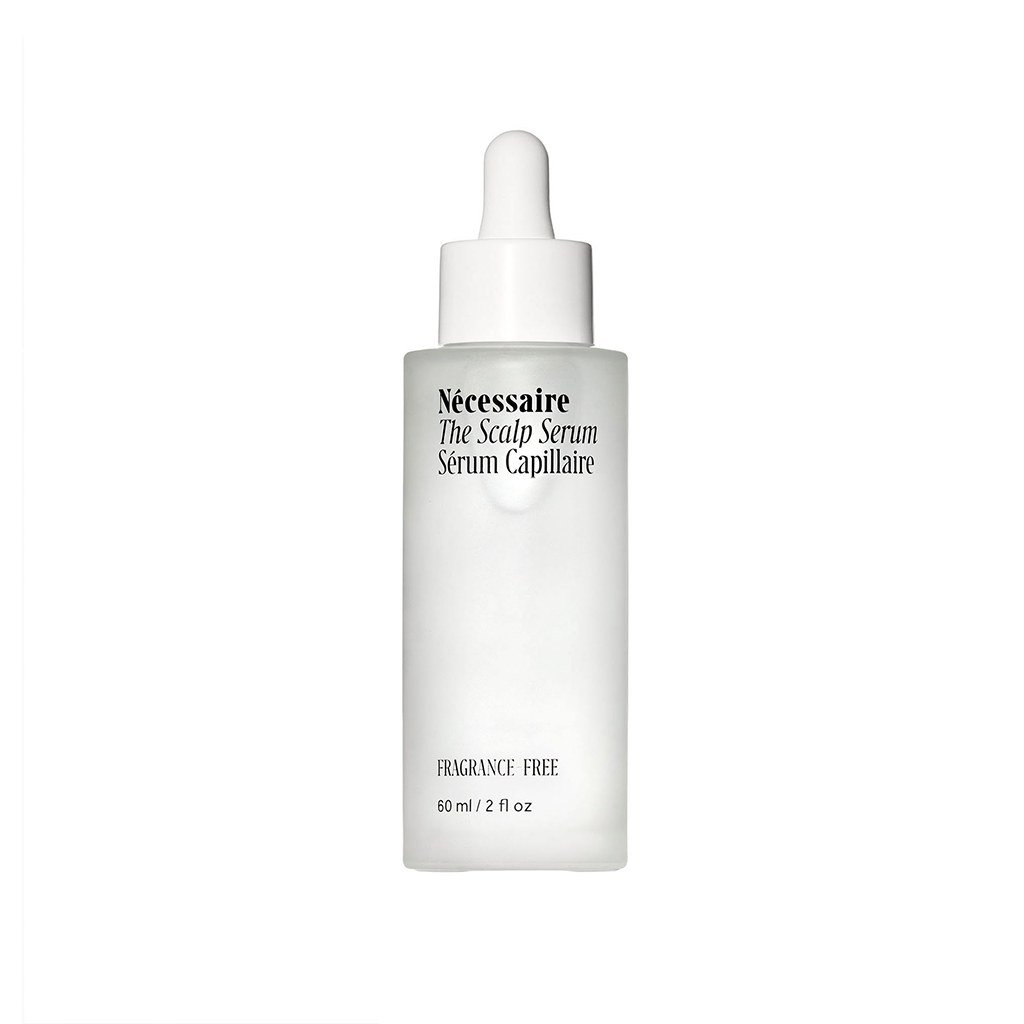
Nécessaire applies the same body care minimalism that made its lotions famous to the scalp: a fragrance free serum in a plain 60 ml bottle, built around a biomimetic peptide and plant extract system for density, with niacinamide and hyaluronic acid style hydration support for the scalp itself. The fragrance free decision is the headline for this guide’s readers, because a dry scalp is often a reactive one, and several rivals here are scented or tingling. This is the serum for skin that complains: no perfume, no cooling blast, no colour, just a light liquid that disappears into the partings and can be used morning or evening without announcing itself. The formula’s density story is quieter than Vegamour’s or The Ordinary’s, and the brand’s minimalism extends to publishing less comparative data than either, so the purchase rests on tolerability and routine fit more than on the boldest claims. The price is premium for a deliberately plain product. But for readers with eczema prone or fragrance sensitive scalps who have had to abandon stronger serums, this is frequently the one that survives contact with their skin, and a serum used daily for months beats a stronger one used for a fortnight.
Specifications
60 ml bottle
fragrance free
biomimetic peptide and niacinamide
daily leave-on scalp serum
Pros
Fragrance free, the safest choice here for reactive scalps
Hydrating base suits dry scalps used daily
Clean, invisible finish morning or evening
Cons
Premium price for a minimalist formula
Nozzle-free dropper makes full scalp coverage slow
Brand’s aesthetic minimalism extends to its claims data
Who should buyyour dry scalp is also fragrance sensitive or eczema prone
Who should skipyou want the boldest density claims and do not mind fragrance
Ranavat brings an Ayurvedic frame to the category: its Fortifying Hair Serum, from the line named Mighty Majesty, is an oil based serum built on amla, the Indian gooseberry long used in Ayurvedic hair care, with jasmine and sunflower seed oil, in a dark glass bottle that looks and smells like a luxury perfume. It can be used two ways, and the choice matters for this guide. As a pre wash treatment, massaged into the scalp and lengths and left before shampooing, it is a rich, nourishing ritual that suits dry scalps and dry hair beautifully, softening flakes and leaving hair glossy. As a leave on, it is an oil, and fine or thin hair, the very hair this guide’s readers usually have, will find more than a few drops too much. The brand, founded by Michelle Ranavat drawing on her Indian heritage, is transparent that this is a treatment oil in the Ayurvedic tradition rather than a clinical density serum. Buy it for scalp comfort, hair strength and the ritual, and for the growth question pair it with one of the leave on serums above. As a standalone answer to thinning, it is the weakest here; as a dry scalp treatment oil, it is the most luxurious.
Specifications
50 ml glass bottle
amla, jasmine and sunflower seed oil
Ayurvedic treatment serum
pre-wash or leave-on
Pros
Amla based Ayurvedic oil nourishes dry scalps deeply
Works as pre-wash treatment or finishing oil
Luxurious jasmine scent and glass bottle ritual
Cons
An oil format, so fine hair should use it pre-wash only
Strong jasmine scent, beautiful or too much
Luxury pricing against mostly cosmetic benefits
Who should buyyour scalp and hair are both dry and you want a nourishing treatment oil ritual
Who should skipyou want a water based leave-on density serum for fine hair
Jupiter’s Restoring Serum is the dry scalp specialist of this list: a leave on treatment in a squeeze tube from the same flake focused brand as the Balancing Shampoo in this site’s beard dandruff guide, designed to be applied directly to dry, flaky, irritated areas of scalp and left there, rather than washed out. That format is its distinction. Where the daily density serums spread thinly over the whole scalp, this one is aimed at the patches, the itchy hairline, the flaky parting, the dry crown, and it is formulated to calm and hydrate those areas without greasiness, so it can be used in the morning without ruining a style. It pairs naturally with a density serum rather than replacing one: this for comfort and flakes, the other for the growth question. The tube is less precise than a dropper along partings, and the brand is an online purchase for most readers. Judged against this guide’s full title, it answers the dry scalp half more completely than the growth half, which is why it sits here as the targeted comfort pick: for readers whose dryness is localised and miserable, it may be the most useful product on the page. Used at the first sign of a dry spell, rather than once flakes are fully established, it works at its best.
Specifications
50 ml tube
leave-on scalp serum
for dry, flaky and irritated scalps
no rinse, non greasy
Pros
Leave on format targets dry, flaky patches precisely
Calms itch and dryness without greasiness
Pairs with a density serum instead of competing with it
Cons
Tube format is less precise than a dropper for partings
A support product, not a density serum
Brand is US online only for most readers
Who should buyyour dryness and flaking sit in specific patches that need targeted care
Who should skipyou want one daily serum that covers density as its main job
A dry scalp is a scalp short of moisture and barrier lipids: tight, itchy, with small white dry flakes, often in winter or after harsh washing. It looks like dandruff and is treated oppositely, which is why the distinction is the first step.
Dry scalp responds to gentler, less frequent washing, lukewarm water, and moisture: humectant scalp serums and light oils massaged in before washing. Dandruff, by contrast, is oily and yeast driven and wants antifungal actives. Using anti dandruff strength products on a dry scalp strips it further and worsens the flaking they were bought to fix. Persistent itching with redness, crusting or hair loss is beyond dryness and needs a professional.
How to Choose: the Criteria That Matter
Choosing hair care well starts with an honest read of your own hair: its thickness, its porosity, how damaged it is and what you actually do to it weekly. Match the product’s weight to your strand thickness, its job to your hair’s actual deficit, and its format to a slot in your real routine. The expensive mistake in this category is buying for the hair you wish you had, or copying the routine of a different hair type entirely.
Your hair type and porosity, since low porosity hair needs lighter products than high porosity hair
Porosity, how readily your hair takes in and loses water, decides how much product hair needs and how heavy it can be. Low porosity hair resists rich products and needs light layers and warmth; high porosity hair drinks product and needs it sealed in.
The job to be done: moisture, protein and bond support, scalp care or colour protection
Name the job before the product. Moisture, protein and bond support, scalp care and colour protection are different purchases, and the commonest hair mistake is buying a rich moisture product for hair that needed protein, or the reverse.
Ingredient weight: rich butters and oils for coarse hair, light emulsions for fine hair
Fine hair collapses under butters and heavy oils; coarse hair laughs at light sprays. Read ingredient weight honestly against your strand thickness, and dose by section rather than by handful.
Silicone and sulfate position, depending on your routine and how you clarify
Neither position is a moral stance: sulfates clean thoroughly and suit oily scalps and build up, while sulfate free washing protects colour, keratin treatments and dry curls. Silicones similarly split by need: smoothness and protection for damaged hair, build up risk for fine hair.
How the product is used: rinse out, leave in, or pre wash treatment
Rinse out, leave in and pre wash products are different tools. A leave in cannot do a mask’s job and a mask cannot be left in; buying the right format for the routine slot you actually have is what makes the purchase work.
Also Considered
These products were researched for this guide and left off the picks list for the reasons given. They are not poor products; they simply fit the exact question of this guide less well.
Mielle Rosemary Mint Scalp and Hair Strengthening Oil
The most popular scalp oil of the last few years, left off a serum list on format: it is an oil treatment rather than a water based leave-on serum, and it is reviewed in full in this site’s rosemary oil guide. Readers who prefer oils will find it the natural first stop.
Nutrafol Hair Serum
A well formulated serum built on the brand’s ashwagandha exosome platform, left off because it overlaps the Vegamour pick’s premium daily serum slot almost exactly, and its subscription led pricing makes it the harder one to trial.
How to Use What You Buy
Start with hair washed and gently squeezed free of excess water
Apply the product to mid lengths and ends first, where hair is oldest and driest
Use the contact time on the label rather than rinsing immediately
Rinse with lukewarm water and judge softness once hair is fully dry, not wet
Repeat on a weekly rhythm and adjust the amount before switching products
Hair care rewards rhythm over intensity. A weekly pattern, wash, condition, one treatment step, gentle styling, does more than a monthly rescue session. Introduce one product at a time and judge it on fully dry, styled hair over at least three uses, since hair lies when it is wet and coated. Protect the routine’s gains at night with silk or satin and gentle handling, where a surprising share of breakage happens.
Wash less often with a mild shampoo, apply a scalp serum or a light pre wash oil, and give it two to three weeks. If flakes are oily and yellowish or itch is intense, switch thinking to dandruff and its treatments.
Who Should Buy, and Who Should Skip
Buy if your need matches this guide exactly: you are looking for options for dry scalp and hair growth, you have checked the criteria above against your current routine, and you are willing to introduce the product gradually and judge it over the period the category needs.
Skip if your concern is different from the one in the title, your skin or hair is currently irritated or damaged and needs recovery first, or a clinician has advised you on this concern, in which case their advice comes before any buying guide.
Common Mistakes in Dry Scalp
Applying rich products to the roots, which weighs hair down and dulls it
Judging a conditioner while hair is still wet and coated
Using protein heavy products daily on hair that needs moisture instead
Skipping heat protectant because a treatment is in the routine
Assuming all flaking is dandruff and medicating a dry scalp into worse dryness
Scratching with nails and brushes, which breaks skin and invites infection
Frequently Asked Questions
How do I choose the right serum?
Start with the criteria in this guide: match the formula or specification to your hair type and the exact concern in the title, check the published ingredient or specification list, and pick the option whose downsides do not overlap with your problem. The type decision comes first: most disappointment in dry scalp is a good product bought in the wrong type.
How long before I see results from a dry scalp product?
It depends on the category, but most hair care products need consistent use over several weeks before a fair judgement. Devices and treatments state their expected course in the manual or on the packaging, and that timeline is the one to follow. Judge on the category’s clock, not on the first week.
What should I avoid when buying for dry scalp and hair growth?
Avoid buying on claims alone: skip options with no published ingredient or specification list, strengths far beyond what your routine needs, and any product whose stated downsides match the exact issue you are trying to fix. Also avoid changing two other parts of your routine in the same week, which makes the new product impossible to judge.
Is the most expensive option always the best?
No. In dry scalp, price often reflects branding, packaging and extras rather than the core ingredient or specification doing the work. The criteria in this guide matter more than the price band, and mid priced options with the right specification beat premium options with the wrong one.
What is the most common mistake with dry scalp?
Assuming all flaking is dandruff and medicating a dry scalp into worse dryness A close second: scratching with nails and brushes, which breaks skin and invites infection
How does dry scalp fit into a daily routine?
Wash less often with a mild shampoo, apply a scalp serum or a light pre wash oil, and give it two to three weeks. If flakes are oily and yellowish or itch is intense, switch thinking to dandruff and its treatments. Hair care rewards rhythm over intensity.
How to Get Rid of Dry Scalp with Curly Hair?
The companion how-to guide, How to Get Rid of Dry Scalp with Curly Hair, covers this in full: the step by step method, the right amounts and frequency for your type, and the mistakes that stop it working. It is linked from the routine sections of this page, and it is the right next read once you have chosen a product.
By Mirror & Glow Editorial Desk – November 23, 2026
How to Get Rid of Dry Scalp with Curly Hair? Wash less often with a mild shampoo, apply a scalp serum or a light pre wash oil. The full method, the mistakes to avoid, and where it fits in your routine.
By Mirror & Glow Editorial Desk – November 23, 2026
Dry scalp responds to gentler, less frequent washing, lukewarm water. This guide applies that to how to get rid of dry scalp and dandruff: the method, the timing, and the traps to avoid.
By Mirror & Glow Editorial Desk – November 23, 2026
Pure argan oil is mostly oleic and linoleic acids with vitamin E. This guide applies that to can i leave argan oil in my hair for a week: the method, the timing, and the traps to avoid.