By Mirror & Glow Editorial Desk – November 23, 2026
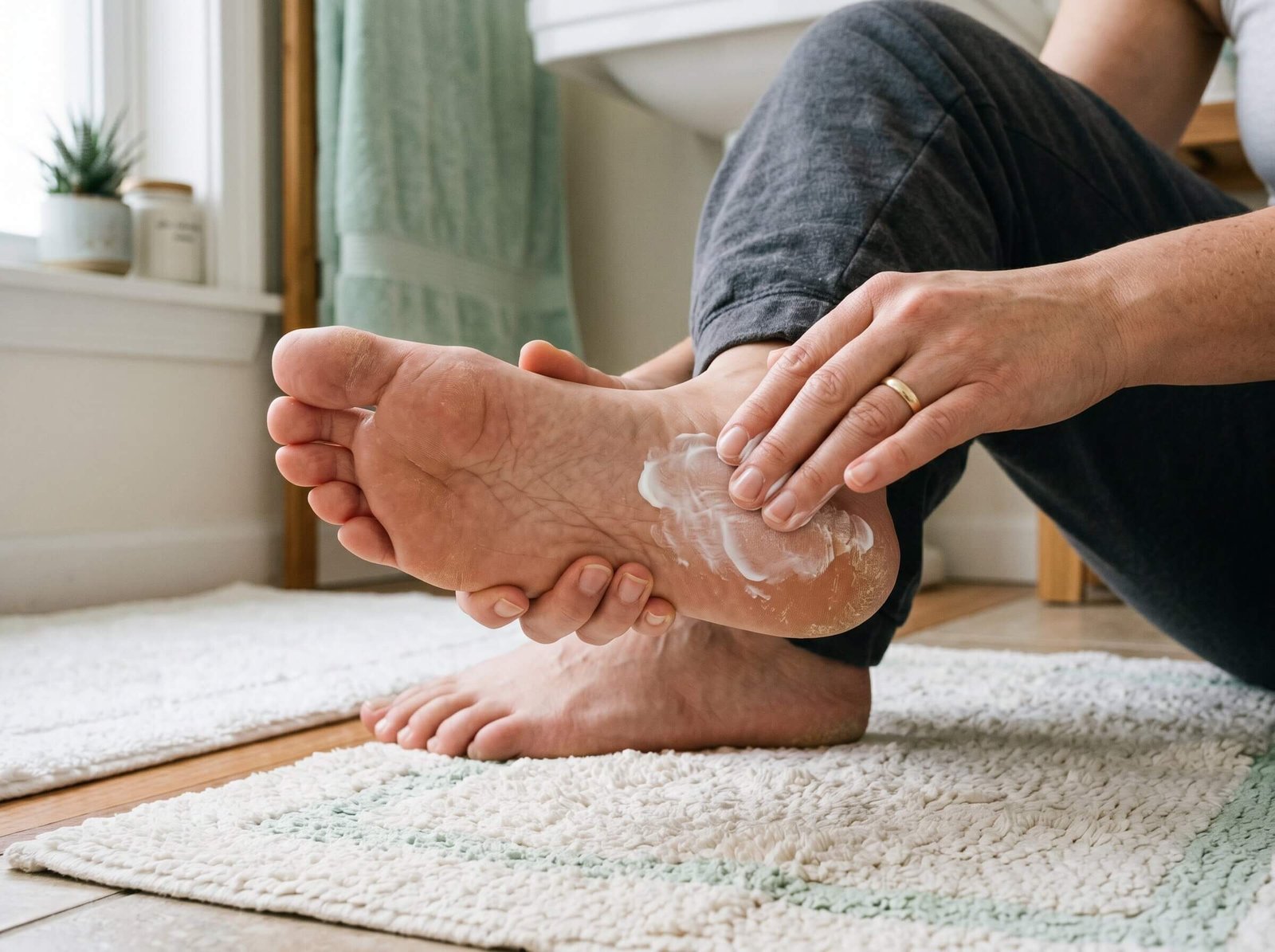
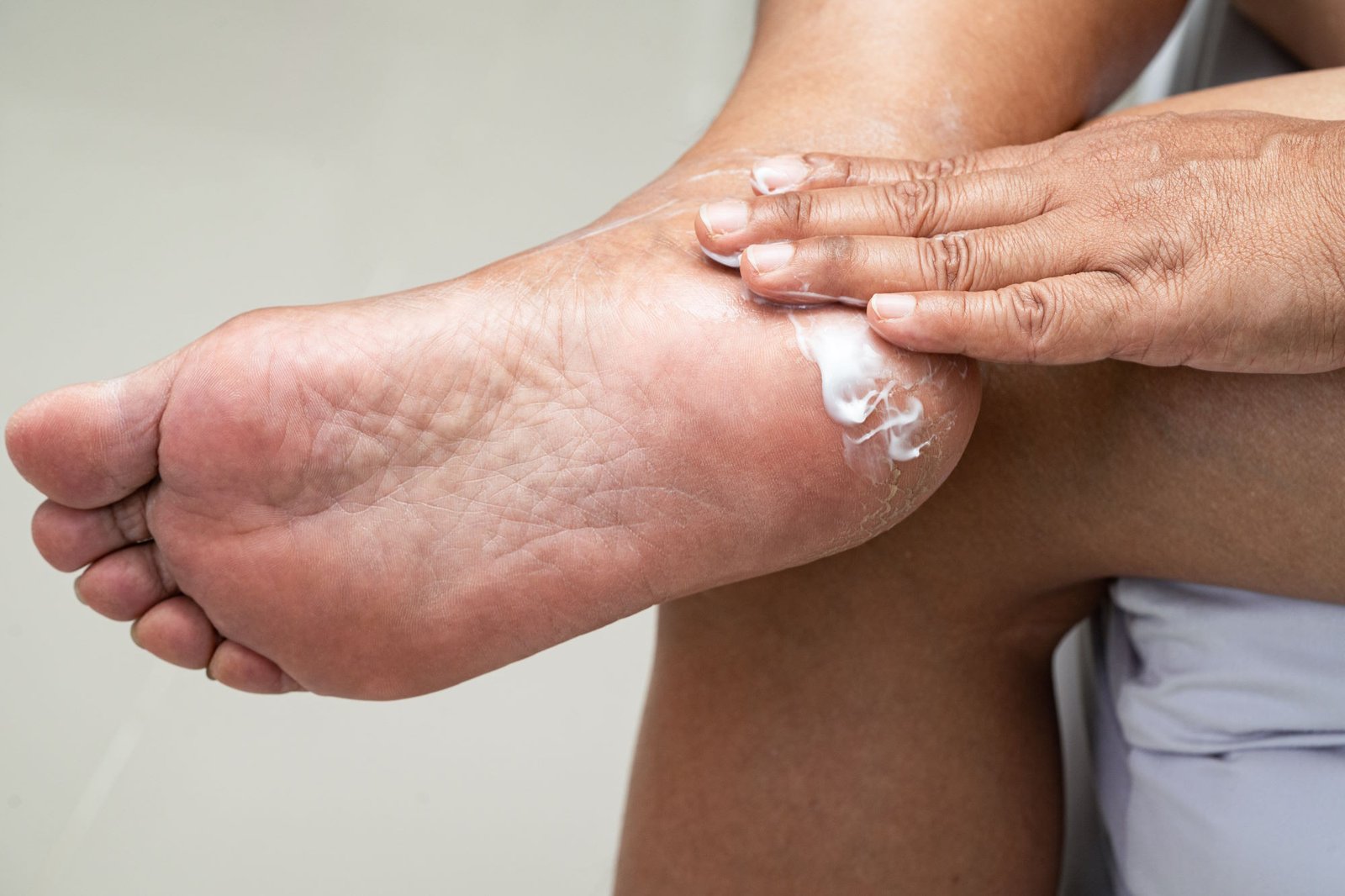
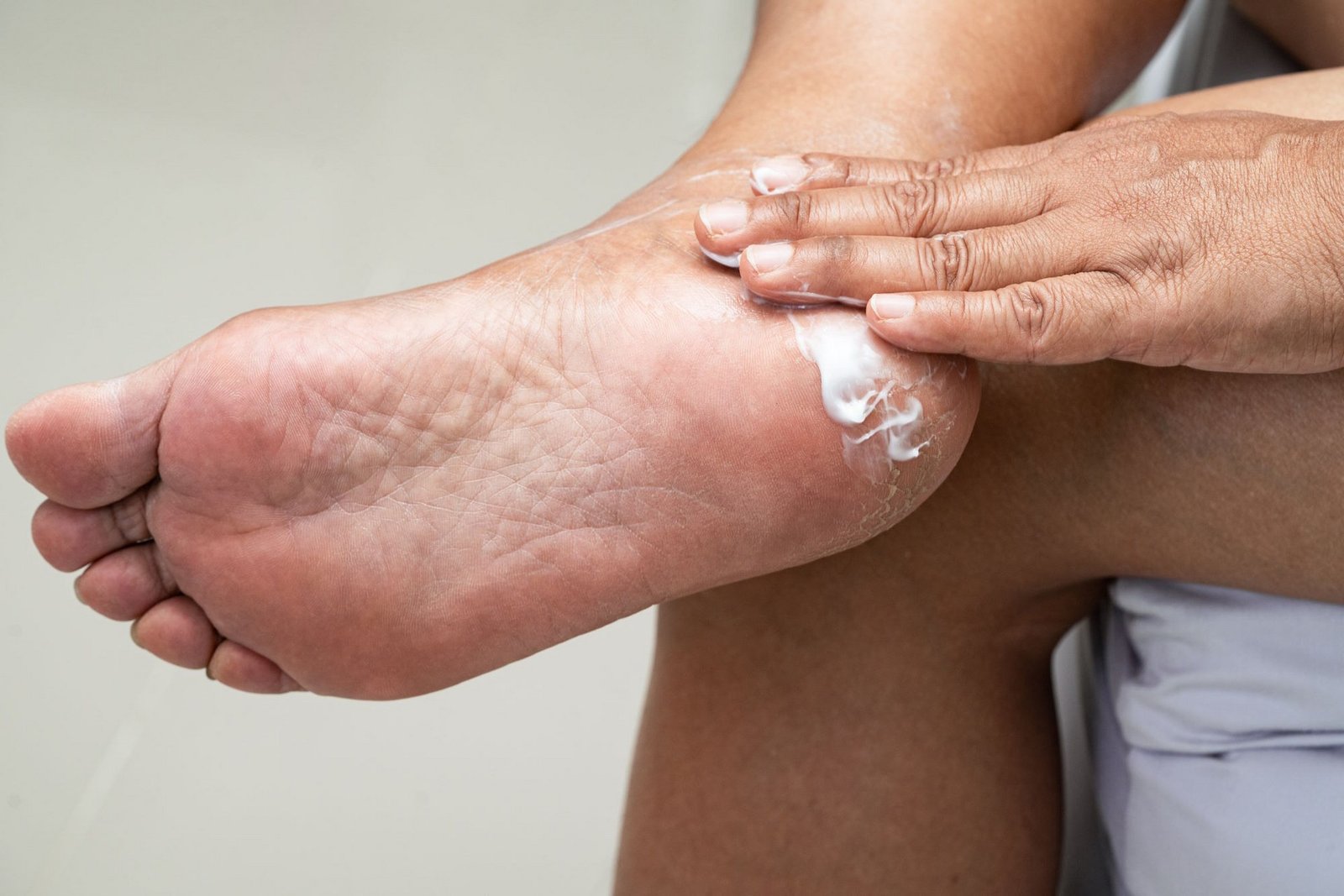
Man rubbing white cream into the sole of his foot on a bath mat.
Affiliate disclosure: Mirror & Glow may earn a commission from qualifying purchases made through links on this page, at no extra cost to you. Full disclosure.
The verdict up front: start with Kerasal Intensive Foot Repair, the strongest all round match in this line up for cracked heels and dry feet. Every pick is compared in the table below, then reviewed in full with its downsides as well as its strengths.
If you are looking for the best treatment for cracked heels and dry feet, the right choice depends on fit, not hype. This guide is written for cracked heels and dry feet, and every criterion below is weighted for that need first. The short answer: choose the treatment whose formula, format and strength match your skin, check the ingredient or specification list before the marketing claims, and avoid the options whose downsides match the problem you are trying to solve.
What matters most in cracked heels is covered in depth below: what the product actually is, the types on sale and how they differ, the buying criteria explained one by one, how to use what you buy, and the mistakes that waste the most money in this category.
Best Treatment for Cracked Heels and Dry Feet Compared
Product
Standout Point
Key Specification
Kerasal Intensive Foot RepairTop Pick
Salicylic acid plus urea in an occlusive ointment
30 g tube – salicylic acid and urea – ointment base – approved by the American Podiatric Medical Association – visible results in 1 day claim
Kerasal is the treatment most pharmacists point to first for cracked heels, because it attacks the problem from both sides at once: salicylic acid and urea soften and loosen the thickened, hardened skin that splits, while the petrolatum ointment base seals the fissures against further water loss while they close. That combination is why the brand carries the American Podiatric Medical Association seal and a visible results in one day claim: the ointment format keeps the acids in contact with the heel all night instead of rubbing off in the first hour. As a treatment it is used precisely, a thin layer over the heel and any cracked edges at bedtime, ideally under socks, for a course of nights rather than as an occasional moisturiser. The texture is honestly greasy, which is the price of the occlusive base, and it is a heels product, not a whole foot cream. It does not belong on broken, bleeding skin or between the toes, and diabetic readers should take professional advice before using acid treatments on their feet. For heels that are hard, ridged and starting to split, though, this is the most purpose built first move in the guide, and the small tube lasts because so little is needed per application.
Specifications
30 g tube
salicylic acid and urea
ointment base
approved by the American Podiatric Medical Association
visible results in 1 day claim
Pros
Salicylic acid plus urea in an occlusive ointment
Purpose built for cracked, hardened heel skin
Podiatric association seal, treatment sized tube
Cons
Greasy ointment texture is night use only
Not for broken skin or diabetic feet without advice
Small tube is for heels, not whole foot care
Who should buyyour heels are hard and beginning to split, and you want the purpose built overnight treatment first
Who should skipyour cracks are open or bleeding, or you have diabetes, where fissures need professional care before acids
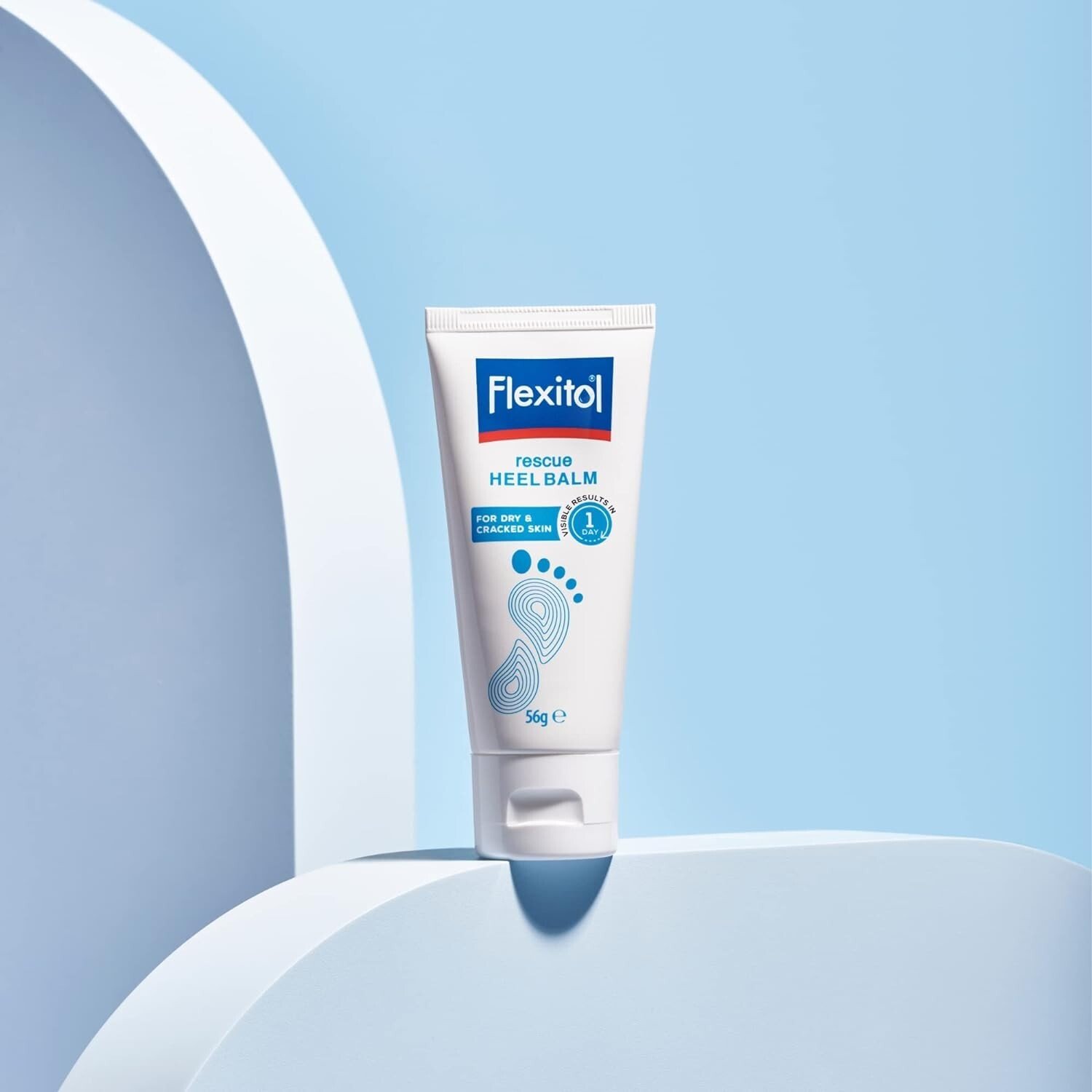
Flexitol is the pharmacy standard for cracked heels in much of the world, and its formula explains why: a stated 25% urea, high enough to genuinely soften thick heel callus rather than merely moisturise over it, carried in a rich balm with lanolin and glycerin so the softened skin stays pliable instead of drying back out by morning. Urea at this strength works as both humectant and keratolytic, drawing water in while loosening the bonds in hardened skin, which is exactly the dual action a cracked heel needs. The balm is applied to the heel once or twice daily and stays where it is put under socks, and the brand’s visible results claim is measured in days for surface cracks deepening no further. Readers should know the honest limits: it can sting on open fissures, it is a heel treatment rather than a whole foot moisturiser, and the richest texture in the guide means bedtime application suits it best. Diabetic feet need professional advice before any urea treatment. Within those limits, for the common presentation of dry, rough, cracking heels without open wounds, Flexitol is the benchmark treatment the rest of this guide is judged against, and its decades on pharmacy shelves reflect that.
Specifications
56 g tube
25% urea
lanolin and glycerin
for dry and cracked skin
visible results in 1 day claim
Pros
Stated 25% urea softens thick heel skin
Balm format stays on the heel under socks
Long pharmacy track record for cracked heels
Cons
Can sting on open cracks
Heel treatment only, not a whole foot moisturiser
Diabetic feet need professional advice first
Who should buyyour heels are dry, thick and cracking but not openly split, and you want the proven pharmacy treatment
Who should skipyour fissures are open or bleeding, where a plain healing ointment comes before any urea
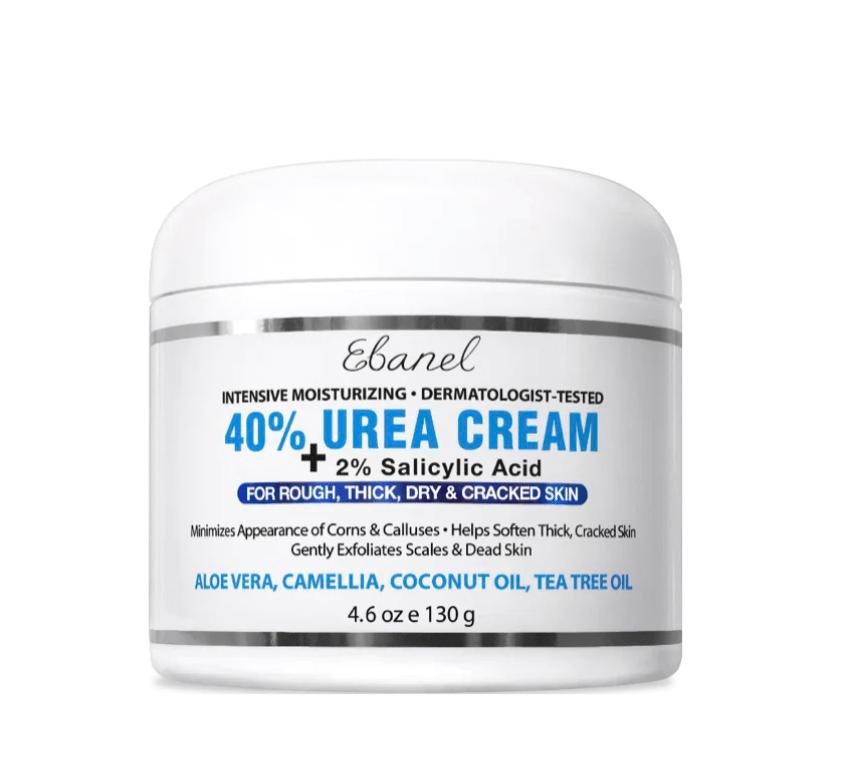
Ebanel is the heavy artillery of this guide: 40% urea, the highest concentration sold for home use, paired with 2% salicylic acid, in a jar sized for heels, knees and elbows. At 40%, urea stops behaving like a moisturiser and works as a genuine keratolytic treatment, breaking down the plate like callus that makes heels crack in the first place, while the salicylic acid clears the loosened skin between the cracks. Aloe vera, coconut oil and tea tree oil round out a formula that is otherwise unapologetically clinical. Used correctly it is a short course treatment: applied precisely to the thickened heel skin only, once daily, for days rather than months, then stepped down to a maintenance cream once the heel is smooth. Used carelessly it will irritate the thinner skin around the heel, and it stings on any break in the skin, so open fissures rule it out until they have closed. It is not for diabetic feet without medical advice. For severe, stubborn heel callus that has shrugged off 10 and 25% creams, this is the strongest legitimate home treatment available, and the guide places it with that respect and those warnings attached. A practical routine is to apply it after a warm shower, when the callus is hydrated and most receptive, then cover with cotton socks so the cream stays on the heel rather than the bedsheet.
Specifications
130 g jar
40% urea
2% salicylic acid
aloe vera, coconut oil and tea tree oil
for rough, thick, dry and cracked skin
Pros
40% urea plus 2% salicylic acid, the strongest pairing here
Effective on severe, stubborn heel callus
Jar also serves thick skin on knees and elbows
Cons
Too strong for thin skin or indefinite daily use
Stings on any break in the skin
Not for diabetic feet without medical advice
Who should buyyour heel callus is thick and plate like and gentler urea creams have stopped improving it
Who should skipyour cracks are open, your skin is thin or sensitive, or you want a gentle daily moisturiser instead
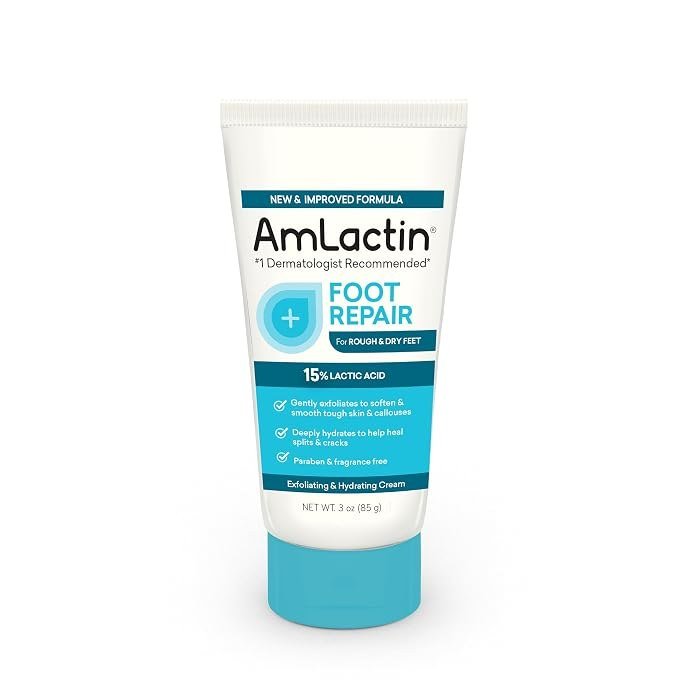
AmLactin’s treatment route is lactic acid rather than urea: a stated 15% in a cream format that stays on the heel under socks. Lactic acid dissolves the cement between dead surface cells, so the thickened heel gradually thins back toward flexible skin, and because it is also a humectant it pulls water into that skin at the same time, which matters because cracks form in skin that is both thick and dry. The cream format is the point for heel treatment: it is richer than the brand’s lotion, clings through the night, and covers the whole heel and sole edge from one application. The treatment rhythm is daily patience, judged over weeks, and it suits heels that crack from generalised thick, dry skin rather than one deep fissure. The cautions are the standard lactic acid ones and they are real on feet: it stings sharply in open or bleeding cracks, so fissures close first with a plain ointment, and it raises sun sensitivity on exposed feet in sandal season. Fragrance free and sized in a generous tub, it is the gradual, whole heel treatment for readers who prefer an acid they can use every day over a short aggressive course.
Specifications
396 g tub
15% lactic acid
exfoliating moisturiser
fragrance free version
cream format
Pros
Stated 15% lactic acid thins callus while moisturising
Cream format stays on the heel under socks
Works gradually without aggressive filing
Cons
Stings sharply in open or bleeding cracks
Increases sun sensitivity on exposed feet
Not for use on broken skin
Who should buyyour heels crack from generally thick, dry skin and you want a daily acid treatment in a stay put cream
Who should skipyou have an open fissure today, where acids wait until the crack has closed
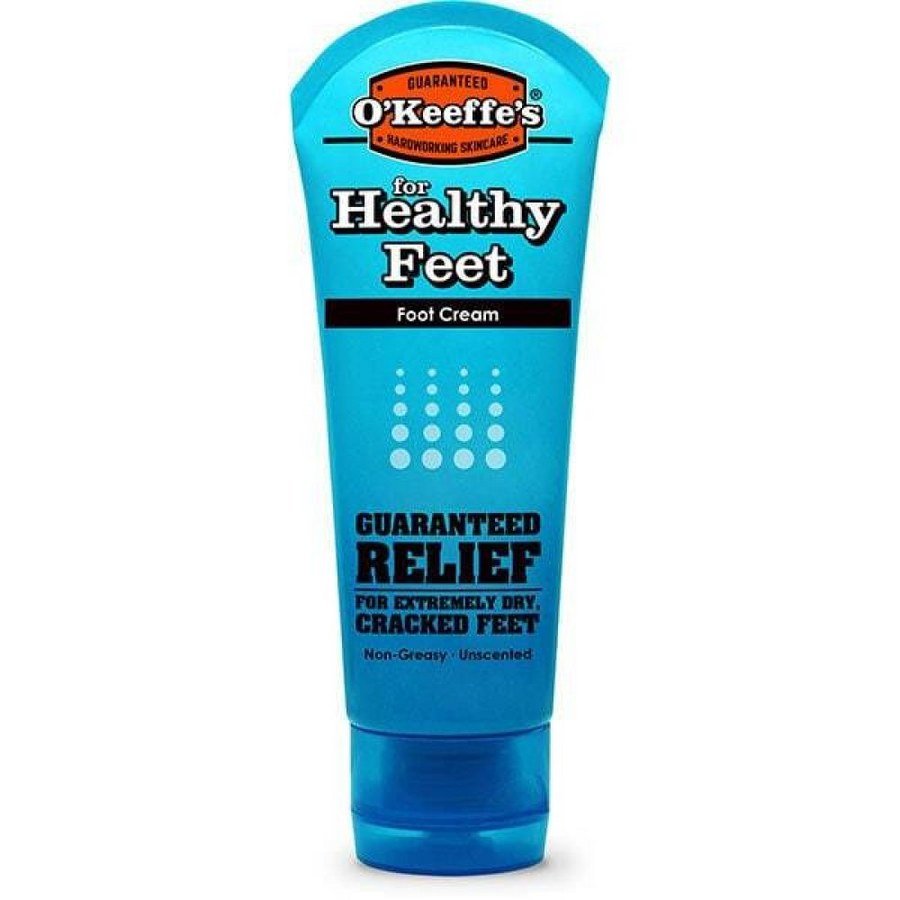
O’Keeffe’s Healthy Feet is the treatment for the maintenance half of the cracked heel problem: the phase after the hard skin has been softened, when the job is keeping the heel hydrated enough that it stops splitting again. The formula is a concentrated glycerin cream with allantoin, designed to draw in moisture and hold it, and its following among nurses, warehouse staff and others on their feet all day comes from how little it takes: a pea sized amount per foot, worked in at bedtime or after a shower. It sets down without the greasy residue of an ointment, so morning use before socks and shoes is realistic, which is precisely why people keep using it when richer products get abandoned. The honest boundary is that it moisturises superbly but does not thin thick callus: a heel that is already deeply ridged and splitting needs a urea or acid treatment first, with this as the daily keeper afterwards. The small jar looks expensive until the dose is understood, and there is a brief tacky phase as it sets. As the cream that stops cracked heels coming back, it earns its place in a treatment guide. It also layers well in a combined routine: the urea treatment works on the heel ridge at night while this cream keeps the whole foot comfortable through the day.
Specifications
91 g jar
glycerin
allantoin
concentrated formula
unscented
non greasy claim
Pros
Concentrated formula, so a little goes a long way
Sets down non greasy enough for morning use
Glycerin and allantoin suit daily maintenance
Cons
Moisturises but does not thin thick callus
Small jar feels expensive until the dose is understood
Brief tacky phase as it sets
Who should buyyour heels have been softened and you need the daily cream that stops them splitting again
Who should skipyour callus is still thick and hard, where a urea or acid treatment has to come first
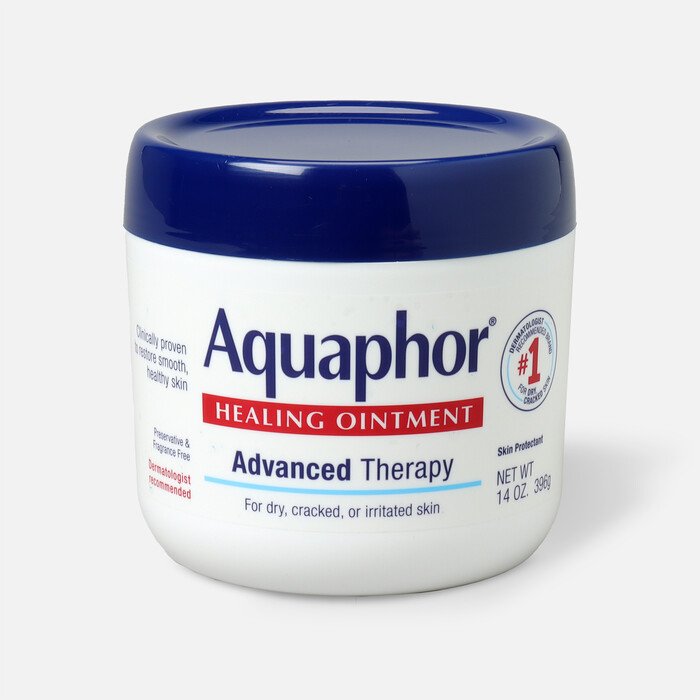
Aquaphor is the treatment for the days when nothing with an active can touch the heel: the open, sore fissure phase. It is a petrolatum based healing ointment with panthenol and glycerin, preservative and fragrance free, and its job is purely protective: it seals the crack against air, water and friction so the skin underneath can close, while keeping the edges soft enough that the fissure does not keep tearing wider with every step. Every experienced foot routine uses it this way, generously at night under a sock, sometimes over a plaster during the day, until the crack has sealed and an acid or urea treatment can safely take over. It does not thin callus at all, and no one should mistake it for a complete treatment: a heel protected but never exfoliated will crack again along the same ridge. It is also greasy in the way of all ointments and needs socks to protect bedding. But as the first aid stage of cracked heel treatment, the stage that makes every other product in this guide usable, it is indispensable, and it doubles for cracked knuckles, cuticles and any other small, sore split. Carried in a small pot, it also serves during the day whenever a crack starts to pull or sting, buying comfort until the night application.
Specifications
396 g jar
petrolatum skin protectant
panthenol and glycerin
preservative and fragrance free
advanced therapy
Pros
Safe on open, sore fissures where acids cannot go
Petrolatum seal protects cracks while they close
Fragrance and preservative free formula
Cons
Greasy and needs socks overnight
Does not thin callus at all
A healing phase product, not a complete routine
Who should buyyou have an open, sore heel fissure today and need it sealed and protected while it closes
Who should skipyour heels are closed but thick, where protection alone will not stop the next crack
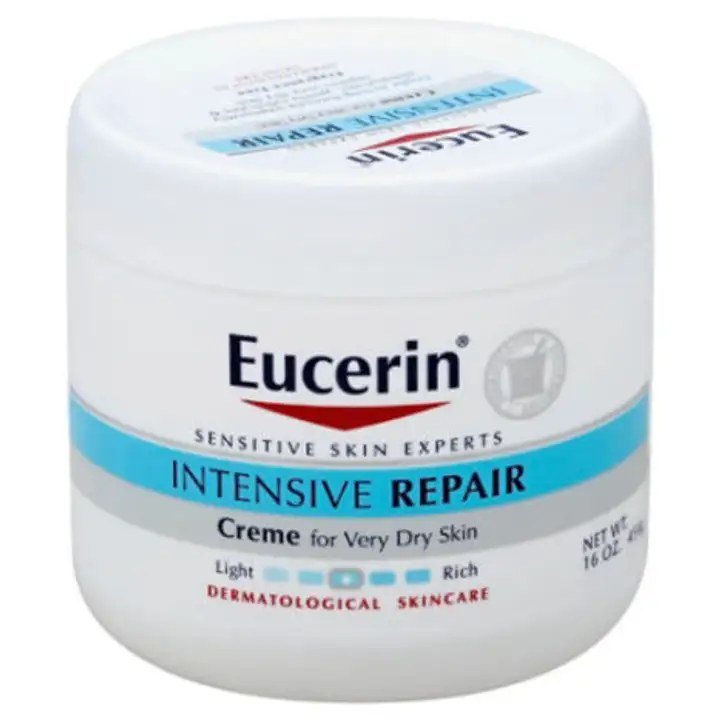
Eucerin’s Intensive Repair Cream is the treatment for cracked heels that come with generally very dry, rough skin across the whole foot and lower leg. The formula pairs gentle alpha hydroxy exfoliation with natural moisturising factors in a rich, fragrance free cream, so it works on the heel ridge while also treating the flaky sole and shin skin that usually travels with it. That breadth is its distinction in this guide: instead of a heel only product plus a separate body cream, one large jar covers the whole territory, which suits readers whose cracked heels are one symptom of winter dry skin everywhere. The exfoliation is gentler than the urea treatments here, so thick, established callus softens slowly, and the rich texture needs socks to protect bedding and a minute to settle before shoes. It can sting in open fissures, like every acid containing cream, so cracks close first. For the maintenance and mild to moderate end of the condition, used nightly after a shower while skin is still slightly damp, it is one of the most economical treatments in the guide, and its fragrance free formula suits the reactive skin that often cannot tolerate the scented alternatives. Applied straight after bathing, while the skin is still slightly damp, it seals in the water the shower added, which noticeably improves how much softening each application achieves.
Specifications
454 g jar
alpha hydroxy
natural moisturising factors
fragrance free
rich cream for very dry skin
Pros
Rich cream with gentle alpha hydroxy exfoliation
Fragrance free and economical in a large jar
Good for whole foot and lower leg, not just heels
Cons
Can sting in open fissures
Slower on thick callus than urea formulas
Rich texture needs socks to protect bedding
Who should buyyour cracked heels come with very dry skin across feet and legs and you want one jar for all of it
Who should skipyour callus is severe and localised, where a concentrated urea treatment works faster
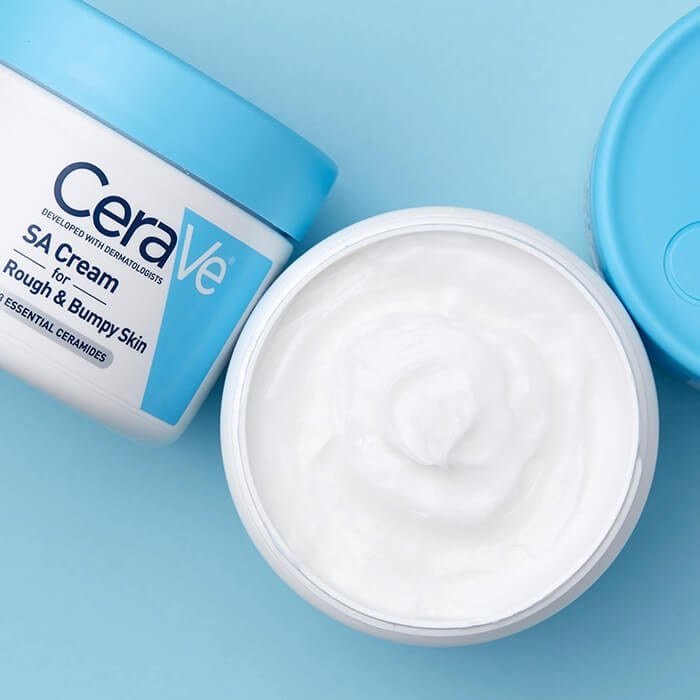
CeraVe’s SA Cream is the gentlest exfoliating treatment in this guide, and for mildly cracked, rough heels on sensitive skin it is often the right one. Salicylic and lactic acids loosen the rough surface at maintenance strength, while three ceramides and hyaluronic acid rebuild the barrier in the same step, so the heel gets smoother without the sting and redness that stronger acids can cause on reactive feet. The cream is fragrance free, non greasy for an exfoliating product, and comfortable enough for morning use across the whole foot and leg, which makes it the easiest treatment here to keep up daily. Daily is the operative word: this is a slow, steady smoother, and a heel with deep, plate like callus or an established fissure will need one of the stronger treatments first. The tub format asks for clean hands or a spatula. Judged on its own terms, though, as the treatment for rough, dry, early cracking heels on skin that cannot tolerate the heavy options, and as the maintenance cream after a urea course has done the hard work, it is a well judged formula from a brand that understands barrier repair better than most. It is also the easiest product here to share across a household routine, since the same tub serves rough elbows, bumpy arms and dry legs without a second purchase.
Specifications
340 g tub
salicylic acid and lactic acid
three ceramides
hyaluronic acid
fragrance free
non greasy cream
Pros
Salicylic and lactic acids with ceramides in one cream
Non greasy enough for morning and whole leg use
The gentlest exfoliating option in this guide
Cons
Slow on thick, established heel callus
Tub format needs clean hands or a spatula
Deep fissures need ointment care first
Who should buyyour heels are rough and early cracking and your skin is too sensitive for strong urea creams
Who should skipyou have deep, established callus that needs a keratolytic course before maintenance
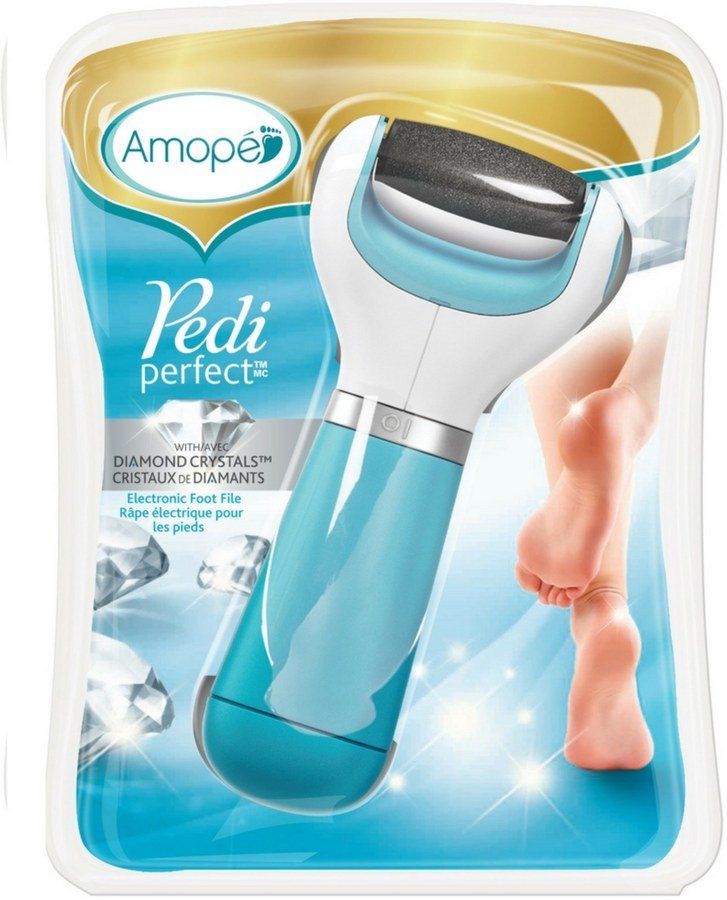
The Amopé Pedi Perfect is the mechanical half of cracked heel treatment: a battery powered file whose rotating mineral roller heads grind down hard, thickened heel skin in minutes, doing the physical reduction that creams then maintain. Its place in a treatment plan is specific and honest: used on dry heels before a shower, in short passes without pressing, it removes the ridge of callus that makes the heel inflexible and prone to splitting, and it makes every urea or acid cream in this guide work faster because there is less dead skin to penetrate. The range offers roller heads in different coarse levels with refills sold separately, and the splash resistant body rinses clean. The cautions matter as much as the benefits: it must never be used on an open crack, on sore or broken skin, or by diabetic readers without professional advice, and over filing leaves heels tender and can trigger thicker regrowth. It also treats nothing by itself: file without cream and the heel dries and cracks again within weeks. As the weekly mechanical partner to a daily cream, though, it is the fastest route from rough to smooth in this guide. Two or three minutes per heel, once a week, is the rhythm most routines settle into; more frequent filing removes the progress the creams are trying to protect.
Specifications
Battery powered
rotating mineral roller heads
refill heads in coarse levels
splash resistant designs in range
Pros
Removes thick heel callus mechanically in minutes
Roller heads in coarse levels, refills available
Makes follow up creams work faster
Cons
Never on open cracks or broken skin
Over filing leaves heels tender
Treats nothing without a cream routine after it
Who should buyyour heels carry a thick ridge of callus and you want the fast mechanical reduction before creams
Who should skipyour cracks are open or your feet need professional care, where filing is unsafe
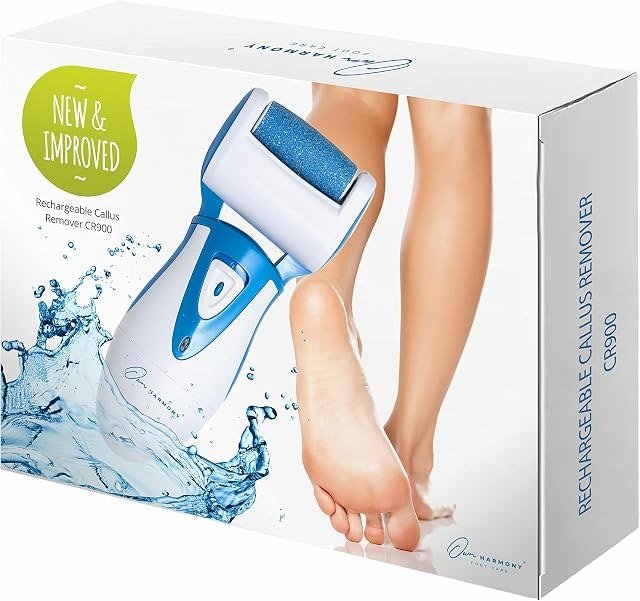
Own Harmony’s callus remover is the rechargeable alternative to the battery file: a cordless electric roller with, in current models, a built in vacuum that collects the skin dust as you work, three roller heads and two speed settings, with washable designs in the range. For cracked heel treatment its role matches the Amopé: mechanical reduction of the hard ridge, on dry skin, in light passes, before the shower and before creams. The vacuum is a genuine practical difference for readers who file over a bed or bathroom floor and dislike the dust, and the rechargeable format removes the battery cost and the fading power problem that weakens battery files mid session. Two speeds let coarse heels take the higher setting while thinner sole skin takes the lower. The same safety rules apply without exception: never on an open fissure, never on broken or sore skin, no pressing down, and diabetic readers take professional advice first. Refill heads are a running cost to budget for. For readers who know they will file weekly as part of a heel routine, the rechargeable, vacuum equipped format is the more considered tool, and it earns its place as this guide’s second device. The two speed design also suits households sharing one tool, since coarse heel work and lighter sole maintenance ask for different pressure and pace.
Specifications
Rechargeable
built in vacuum in current models
3 roller heads
2 speed settings
IPX7 washable in range
Pros
Rechargeable, with a vacuum that collects skin dust
Three roller heads and two speed settings
Washable designs in the range
Cons
Never on open cracks or broken skin
Refill heads are an ongoing cost
Treats nothing without a cream routine after it
Who should buyyou file weekly and want a rechargeable tool with dust collection for the job
Who should skipyou file rarely, where the cheaper battery format covers the same ground
Cracked heels are splits in the thickened skin of the heel rim, caused by dryness, pressure and the heel’s fat pad spreading sideways under weight. Shallow cracks are a home care problem; deep, painful or bleeding ones, especially with diabetes, are a medical one.
The treatment logic is soften, moisturise, protect. Urea creams, at ten percent and above, both hydrate and dissolve the thickened edge so cracks can close; rich occlusives seal them overnight. Gentle filing of the surrounding callus on dry skin reduces the ridge that pulls the crack open, but cutting into a crack is how infections start. Open heeled shoes and long hot showers both keep the cycle running.
How to Choose: the Criteria That Matter
Choosing body care well means matching the active to the concern and the texture to the severity. Bumps need a keratolytic active, cracks need urea and occlusion, plain dryness needs humectants and consistency. Read the ingredient list for the one active your concern calls for, choose a format you will genuinely use daily, and give texture problems a month of consistency before judging.
The texture your skin needs: lotion for mild dryness, cream or ointment style richness for severe dryness
Texture follows severity. Mild dryness maintains well on a lotion; established dryness needs a cream; cracked, thickened areas need ointment weight richness or an active formula. Buying too light a texture for the problem is the commonest waste in this category.
Key ingredients for the job, such as urea or lactic acid for roughness and ceramides for barrier support
Ingredients do the work: urea and lactic acid for roughness and bumps, ceramides and petrolatum for barrier repair, salicylic acid for body breakouts. A pleasant smell is not an ingredient strategy, so read the list for the active your concern actually needs.
Fragrance position, since body products are a common trigger for sensitive skin
Body products cover the largest skin area you own, which makes them the most likely trigger for fragrance sensitivity. If skin reacts to products generally, the fragrance free version of the same formula is the buy.
Application area and skin thickness: heels and elbows need stronger formulas than arms and legs
Skin thickness varies by site: heels, elbows and knees tolerate and need stronger formulas than the inner arm or chest. One product rarely serves the whole body optimally, and targeted products for feet and hands earn their separate place.
How it fits a shower routine, because the best body product is the one used daily
A body routine survives on convenience: a pump by the shower beats a beautiful jar in a cupboard. Choose the format you will use daily, because in body care consistency outperforms potency.
Also Considered
These products were researched for this guide and left off the picks list for the reasons given. They are not poor products; they simply fit the exact question of this guide less well.
Gold Bond Ultimate Healing Foot Cream
A pleasant, widely stocked maintenance cream researched for this guide. It was left off the treatment list because it publishes no urea or acid strength and maintains rather than repairs; as a pick it anchors the foot cream guide instead.
Baby Foot Exfoliant Foot Peel
The famous acid sock peel, researched fully. It was left off because its whole foot peeling format cannot be aimed at the heel alone, the week of shedding is impractical for many readers, and it is unsuitable for cracked, broken skin, which is this guide’s reader.
How to Use What You Buy
Apply moisturiser within a few minutes of showering, on skin that is still slightly damp
Use enough to cover the area in a thin, even film rather than spot treating
For exfoliating products, start once or twice a week and build as skin tolerates
Give rough areas such as heels a nightly application, with socks to protect bedding
Allow four weeks of consistent use before judging texture problems like bumps
Body care works on shower logic: exfoliate a few times a week, moisturise within minutes of washing while skin is still damp, and give targeted areas a nightly treatment. That rhythm, kept for a month, changes skin more than any single premium product used sporadically. Keep the products where the routine happens, at the shower and the bedside, not in a cabinet.
Nightly urea foot cream under cotton socks, after a shower or soak, for at least two to three weeks, with gentle pumice work on the dry callus once or twice a week. See a clinician promptly for deep, bleeding or non healing cracks.
Who Should Buy, and Who Should Skip
Buy if your need matches this guide exactly: you are looking for options for cracked heels and dry feet, you have checked the criteria above against your current routine, and you are willing to introduce the product gradually and judge it over the period the category needs.
Skip if your concern is different from the one in the title, your skin or hair is currently irritated or damaged and needs recovery first, or a clinician has advised you on this concern, in which case their advice comes before any buying guide.
Common Mistakes in Cracked Heels
Moisturising dry skin hours after showering, when the water has already escaped
Scrubbing rough or bumpy skin harder instead of using the right active ingredient
Applying exfoliating acids to broken, shaved or sunburnt skin
Stopping after a week when texture concerns respond over a month
Cutting or digging into the crack to tidy it, which deepens the split and risks infection
Moisturising once a week with a light lotion and expecting a pressure split in thick skin to close
Frequently Asked Questions
How do I choose the right treatment?
Start with the criteria in this guide: match the formula or specification to your skin type and the exact concern in the title, check the published ingredient or specification list, and pick the option whose downsides do not overlap with your problem. The type decision comes first: most disappointment in cracked heels is a good product bought in the wrong type.
How long before I see results from a cracked heels product?
It depends on the category, but most body care products need consistent use over several weeks before a fair judgement. Devices and treatments state their expected course in the manual or on the packaging, and that timeline is the one to follow. Judge on the category’s clock, not on the first week.
What should I avoid when buying for cracked heels and dry feet?
Avoid buying on claims alone: skip options with no published ingredient or specification list, strengths far beyond what your routine needs, and any product whose stated downsides match the exact issue you are trying to fix. Also avoid changing two other parts of your routine in the same week, which makes the new product impossible to judge.
Is the most expensive option always the best?
No. In cracked heels, price often reflects branding, packaging and extras rather than the core ingredient or specification doing the work. The criteria in this guide matter more than the price band, and mid priced options with the right specification beat premium options with the wrong one.
What is the most common mistake with cracked heels?
Cutting or digging into the crack to tidy it, which deepens the split and risks infection A close second: moisturising once a week with a light lotion and expecting a pressure split in thick skin to close
How does cracked heels fit into a daily routine?
Nightly urea foot cream under cotton socks, after a shower or soak, for at least two to three weeks, with gentle pumice work on the dry callus once or twice a week. See a clinician promptly for deep, bleeding or non healing cracks. Body care works on shower logic: exfoliate a few times a week, moisturise within minutes of washing while skin is still damp, and give targeted areas a nightly treatment.
How to Get Rid of Cracked Heels in 5 Minutes?
The companion how-to guide, How to Get Rid of Cracked Heels in 5 Minutes, covers this in full: the step by step method, the right amounts and frequency for your type, and the mistakes that stop it working. It is linked from the routine sections of this page, and it is the right next read once you have chosen a product.
By Mirror & Glow Editorial Desk – November 23, 2026
Everything behind how to get rid of cracked heels in 5 minutes: the treatment logic is soften, moisturise, protect, set out as a clear step by step with the mistakes and questions readers raise most.
By Mirror & Glow Editorial Desk – November 23, 2026
The treatment logic is soften, moisturise, protect. This guide applies that to how to get rid of cracked heels without pumice stone: the method, the timing, and the traps to avoid.
By Mirror & Glow Editorial Desk – November 23, 2026
Everything behind how to get rid of cracked heels at home: the treatment logic is soften, moisturise, protect, set out as a clear step by step with the mistakes and questions readers raise most.