By Mirror & Glow Editorial Desk – November 23, 2026
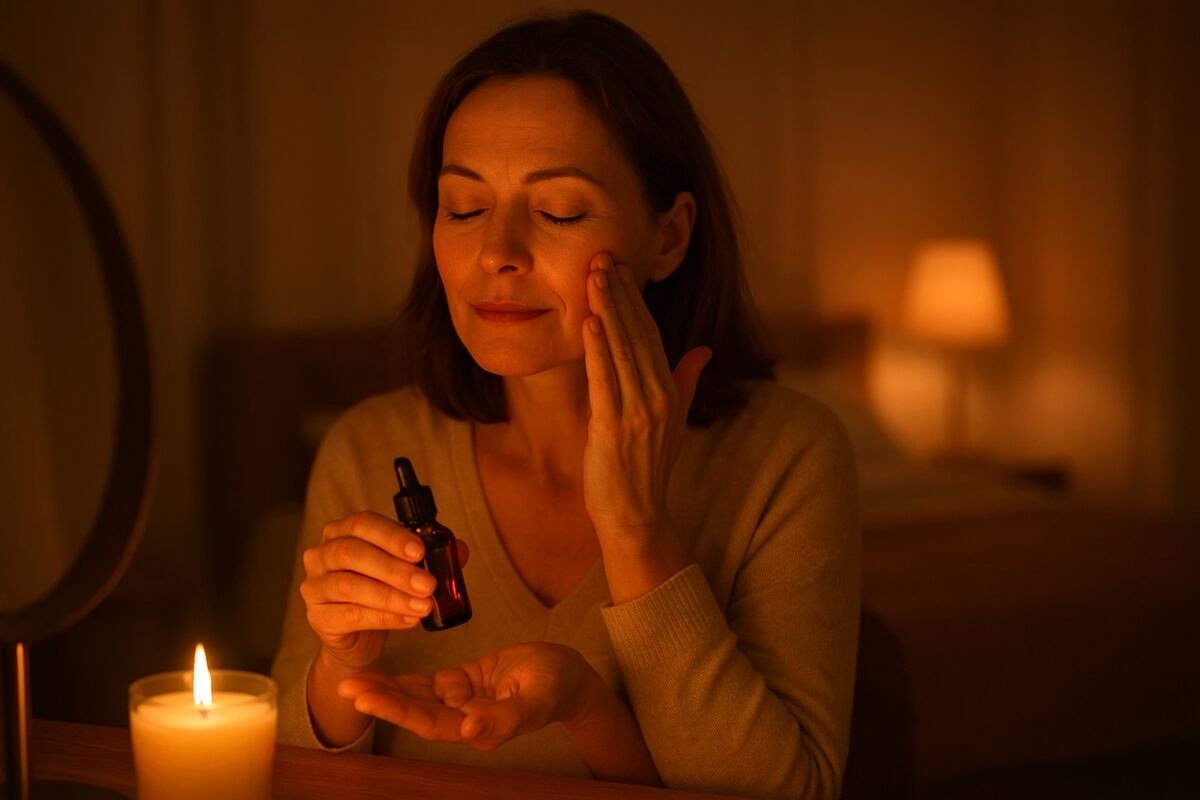
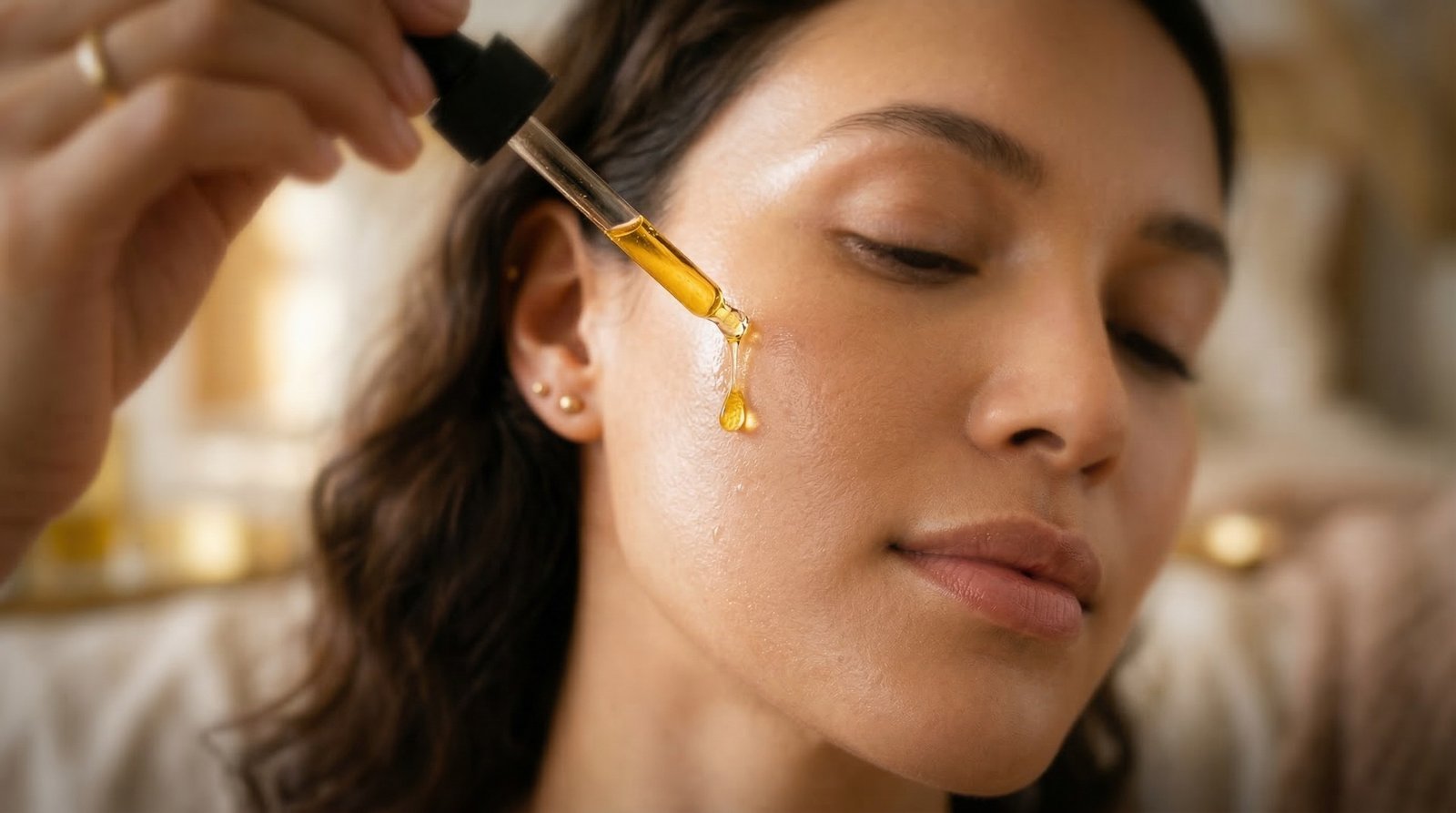
Woman applying facial oil during her evening skincare routine.
The short verdict on bakuchiol vs retinol which is better: neither option wins for everyone. Bakuchiol, Retinol differ in how they work, who they suit and what they cost in effort and money terms. Each option is explained in depth below, the table sets the differences out plainly, and the verdict section matches each option to the readers it actually suits.
Bakuchiol vs Retinol Which Is Better Compared
Factor
Bakuchiol
Retinol
How it works
It supports skin renewal pathways with a calmer tolerance profile.
It supports skin renewal over weeks of night use.
Best for
Sensitive skin and people who cannot tolerate retinoids.
Skin concerned with aging signs and uneven texture that can tolerate an adjustment period.
Routine fit
Apply once or twice daily as directed; no slow retinoid style build is usually needed. Judge lines and tone at twelve weeks, and keep sunscreen as the foundation if pigmentation is the target.
Start two nights a week, a pea sized amount, moisturiser buffer if needed, building over two to three months toward nightly as tolerated. Dryness and flaking in the first month are managed by slowing down, not stopping entirely, unless irritation is severe.
Cost level
Varies by brand and format; judge by the criteria in this guide rather than headline prices.
Varies by brand and format; judge by the criteria in this guide rather than headline prices.
Downsides
Evidence is promising but smaller than retinol’s body of research.
Irritation and dryness are common at the start, and it is not used in pregnancy.
The Products Behind This Comparison
Comparisons are settled by real products, so the full line up from the buying guide Best Bakuchiol for Acne Prone Skin is set out here in the same detail: every product with its photo, full description, specifications, pros and cons, and who should buy or skip it.
Product
Standout Point
Key Specification
Ole Henriksen Glow Cycle Retin-ALT Power SerumTop Pick
Bakuchiol combined with AHAs for congestion and marks
Ole Henriksen built this serum as its retinol alternative flagship: bakuchiol paired with alpha hydroxy acids and hibiscus flower extract in a purple tinted gel serum aimed at fine lines, texture and the uneven look acne leaves behind. For acne prone skin the pairing cuts both ways, and this guide will be honest about it: the AHA side helps surface congestion and post spot marks, while bakuchiol offers the retinoid style benefits the brand positions it for, without being a retinoid. The texture is a light gel that absorbs quickly, and the pump bottle keeps dosing consistent at one to two pumps for the face. The brand publishes its ingredient list and suggests morning or evening use with sunscreen in the day, which the AHA content makes essential rather than optional. Readers whose acne is driven by clogged pores often find the acid support more immediately useful than bakuchiol alone, while sensitive skin should start on alternate days because AHAs can tingle. It sits in the routine after cleansing and before moisturiser. Give it the usual eight to twelve weeks, photograph texture and marks monthly in the same light, and do not stack it in the same session as a separate strong exfoliant while your skin adjusts to it.
Specifications
30 ml pump bottle
bakuchiol
AHAs
hibiscus flower extract
Pros
Bakuchiol combined with AHAs for congestion and marks
Pump bottle with consistent dosing
Published ingredients and clear usage guidance
Cons
AHAs increase sun sensitivity, sunscreen is essential
Acid content may tingle on reactive skin
Premium price for the category
Who should buyyou want bakuchiol with AHA support for congestion and marks in one serum.
Who should skipyour skin is very sensitive to acids, where the Herbivore serum fits better.
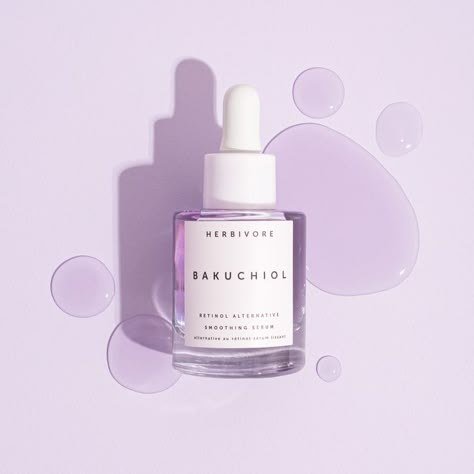
Herbivore’s serum is the gentle maximalist of this guide: bakuchiol supported by polyhydroxy acids, which exfoliate more mildly than AHAs, plus tremella mushroom for hydration, in a water based gel with a natural amethyst tint. The brand positions it as a smoothing serum for fine lines and uneven texture, and for acne prone skin its interest lies in that mildness: PHAs work on the surface without the sting many acne routines already have enough of, and the hydrating base suits skin dried out by benzoyl peroxide or adapalene used on other nights. The full ingredient list is published, the formula is vegan, and the texture layers under moisturiser without pilling. Use a few drops after cleansing, morning or evening. Because the exfoliation is gentle, readers with heavy congestion should not expect it to clear pores on its own; it is a texture and tone step, not an acne treatment, and this guide includes it for the many acne prone readers whose skin cannot tolerate retinoids and who want a bakuchiol led routine anyway. Judge it over two to three months, keep the rest of the routine stable, and protect mornings with sunscreen as with any resurfacing product. The glass bottle and dropper are also fully recyclable in most local schemes, a small point the brand emphasises.
Specifications
30 ml dropper bottle
bakuchiol
polyhydroxy acids
tremella mushroom
Pros
Gentlest exfoliation support in this guide via PHAs
Hydrating base suits skin dried by acne treatments
Vegan formula with published ingredients
Cons
Too mild to address congestion on its own
Natural tint and scent are not to every taste
Dropper bottle in glass needs careful handling
Who should buyyour skin is reactive or dried by acne treatments and needs the gentlest resurfacing.
Who should skipyou need real pore clearing power, which bakuchiol does not provide.
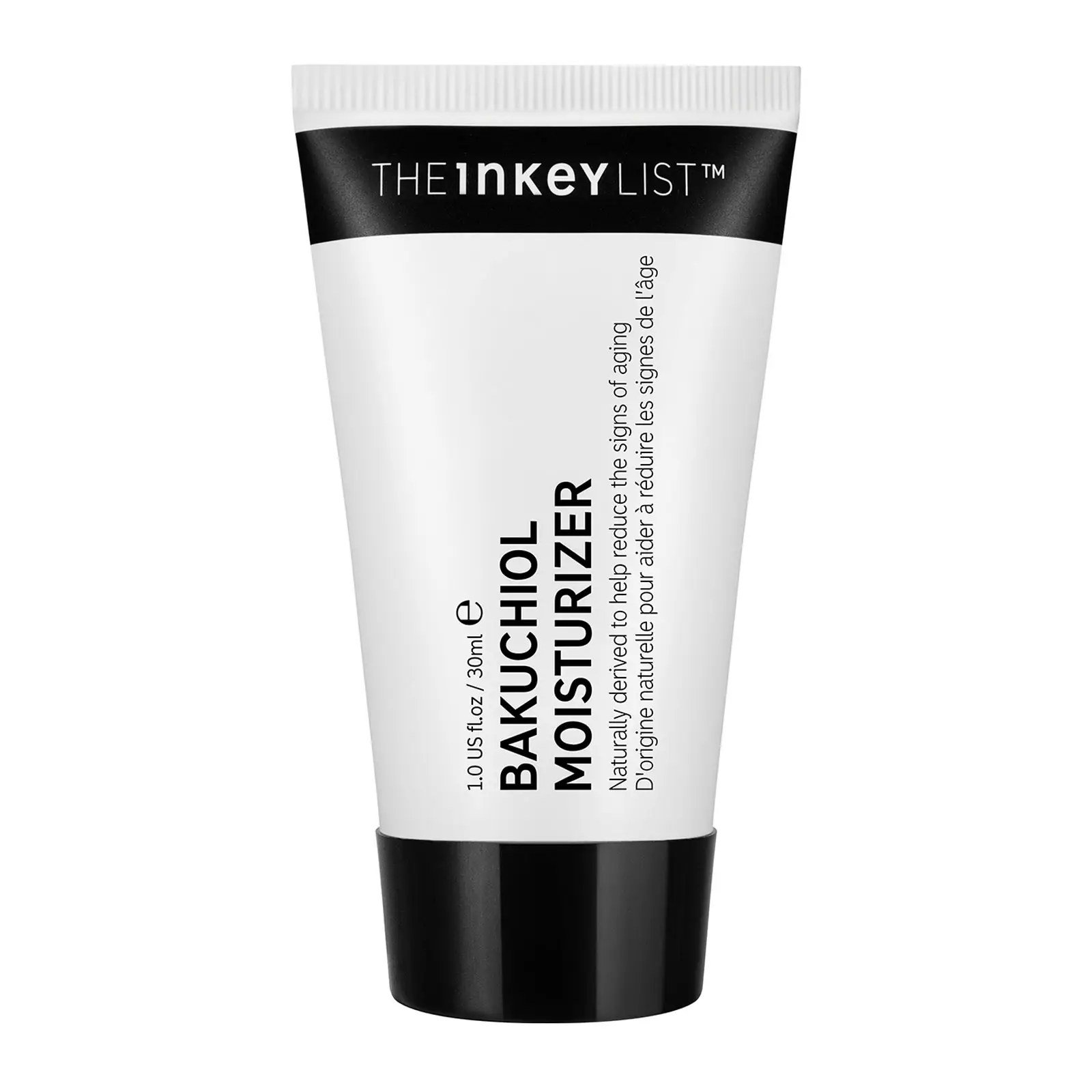
The INKEY List folds bakuchiol into a moisturiser rather than a serum, at a stated 1% strength, with squalane and sacha inchi oil in a light cream base. That format is the story here: acne prone readers often run several treatment serums already, and a bakuchiol step that replaces the moisturiser rather than adding a layer keeps the routine shorter and the skin less overloaded. The brand publishes the full ingredient list, keeps fragrance out, and positions the cream for morning and evening use over other treatments. The texture is lighter than most creams thanks to the squalane base, absorbing without the heavy film oily skin dislikes, though very oily skin in summer may still prefer it as a night cream only. It is not an acne treatment and will not clear breakouts; its role is the retinoid alternative style support for texture and tone while your dedicated acne products do their work on other steps or nights. Apply a pea to fingertip amount after serums. Because it is a moisturiser, judge it partly on comfort: skin should feel hydrated without new congestion over the first month. It pairs sensibly with sunscreen in the morning, applied after the cream has settled for a minute.
Specifications
30 ml tube
1% bakuchiol
squalane
sacha inchi oil
Pros
Bakuchiol step that replaces a layer instead of adding one
Stated 1% strength with a squalane base
Fragrance free with published ingredients
Cons
Moisturiser format gives less targeted dosing than a serum
May feel rich on very oily skin in summer
Not an acne treatment in its own right
Who should buyyou want bakuchiol inside your moisturiser step rather than another serum layer.
Who should skipyou want targeted, high control dosing of bakuchiol as a treatment.
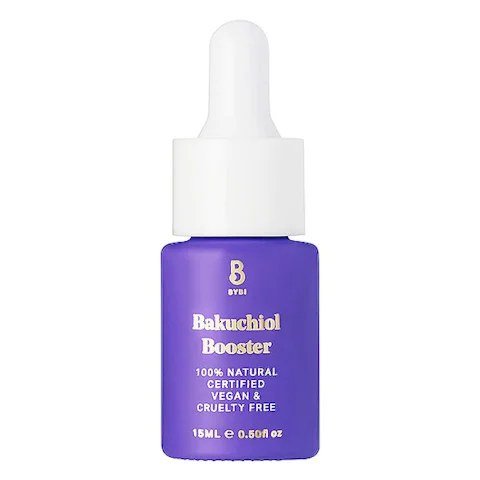
BYBI’s Booster is bakuchiol in its simplest delivery: 1% bakuchiol dissolved in an olive squalane base, a few drops of oil designed to be mixed into your existing moisturiser or used alone as the last step. The minimalist formula is the appeal for acne prone skin that reacts to complex blends, because the ingredient list is short enough to read at a glance and the brand publishes it in full. Squalane is a skin compatible emollient that most acne prone skin tolerates well, though any oil step deserves a cautious first week if your skin congests easily. The small 15 ml bottle lasts because the dose is two to three drops, and the booster concept means it upgrades a moisturiser you already trust rather than replacing it. The brand is a UK vegan label and the product is fragrance free, the scent being the natural note of the oils. Use it in the evening if your mornings are sunscreen led and you dislike layering oils under SPF. It will not treat active breakouts; it is the bakuchiol maintenance step for readers avoiding retinoids. Judge texture and tone over two to three months, and stop if congestion clearly tracks with its introduction.
Specifications
15 ml dropper bottle
1% bakuchiol
olive squalane base
vegan
Pros
Shortest ingredient list in this guide
Mixes into a moisturiser you already trust
Vegan, fragrance free, small dose per use
Cons
Oil format will not suit every acne prone routine
Small bottle looks poor value until dosing is considered
No exfoliating support for congestion
Who should buyyou react to complex formulas and want the shortest ingredient list possible.
Who should skipyou dislike facial oils of any kind on acne prone skin.
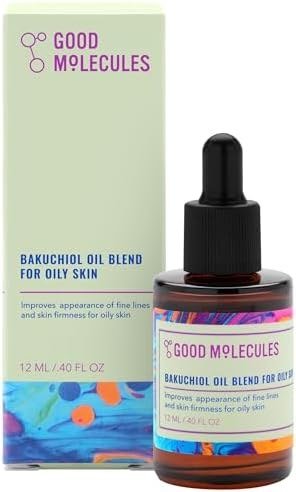
Good Molecules sells this oil blend in two versions, one for dry skin and one formulated for oily skin, both built around 1% bakuchiol with plant oils such as chia seed and rosehip. The existence of an oily skin version is what earns it a place in an acne prone guide: the brand adjusts the oil selection toward lighter, faster absorbing choices for skin that congests easily, rather than pretending one oil suits everyone. The ingredient lists are published in full for both versions, and the format is the booster style, a few drops pressed over moisturiser or mixed into it as the final evening step. Rosehip oil brings its own following for post spot marks, which makes this blend a sensible tone support alongside a separate, proven acne treatment. Be honest with yourself about oils if your skin is very reactive: patch test, start every other night, and watch congestion for a fortnight before committing. The bottle is small at 13 ml but the per use dose is drops, not pumps. Fragrance is absent; the scent is the natural oils. Judge it over eight to twelve weeks for tone and texture, with sunscreen protecting the gains each morning. Choosing the right version matters more than the dose, so check the skin type on the box before ordering.
Specifications
13 ml dropper bottle
1% bakuchiol
chia and rosehip seed oils
two versions
Pros
Separate oily skin version for congestion prone readers
Stated 1% bakuchiol with published ingredients
Booster format layers over an existing routine
Cons
Oil format still a risk for very reactive skin
Small 13 ml bottle
Not a treatment for active breakouts
Who should buyyou want the version of a bakuchiol oil blended specifically for oily skin.
Who should skipoils reliably congest your skin, whatever the blend.
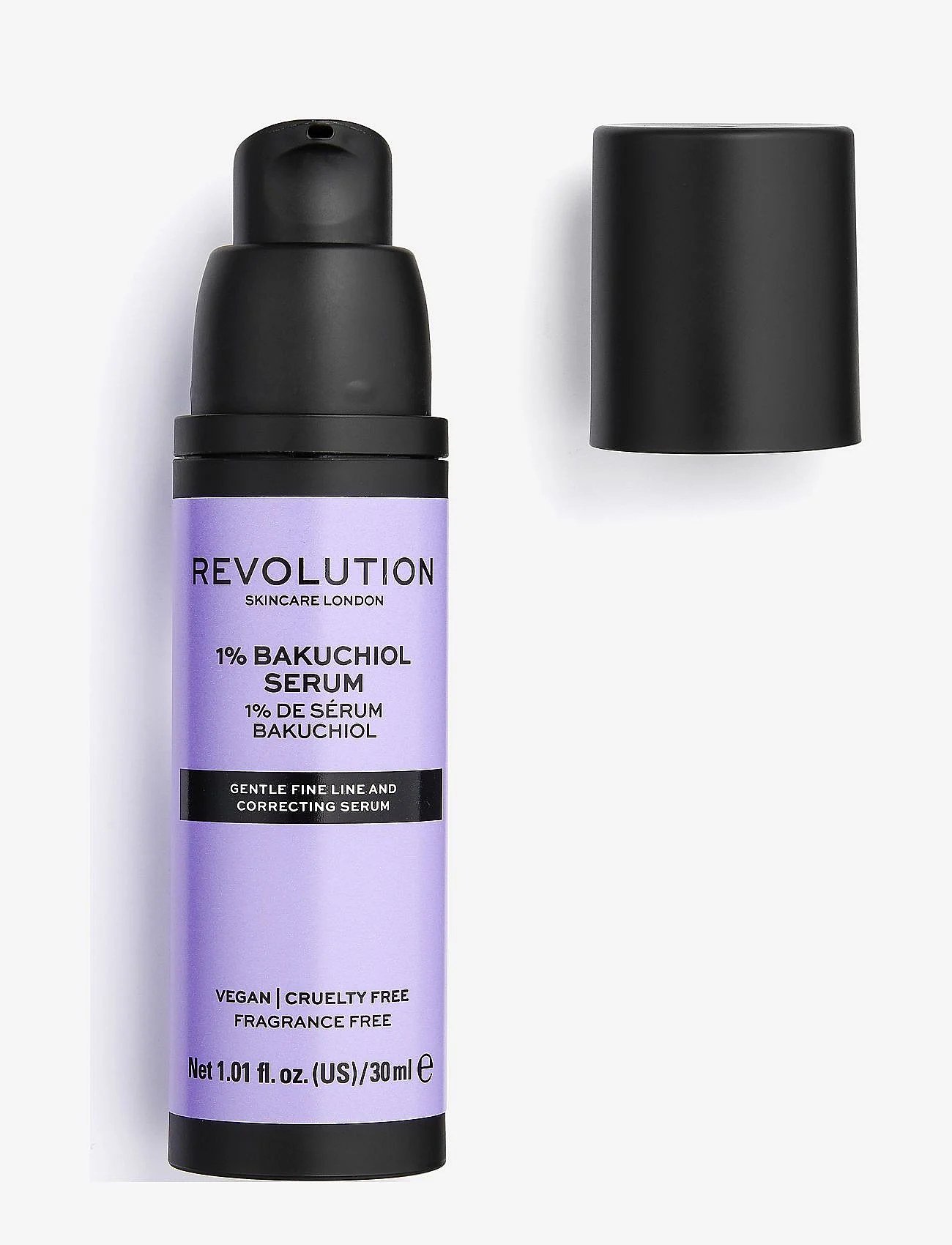
Revolution Skincare’s bakuchiol serum is the budget entry in this guide, a 30 ml dropper serum from the UK drugstore brand’s ingredient led line. It suits readers who want to test whether bakuchiol agrees with their skin before paying the premium prices elsewhere in this list, and the brand publishes the ingredient list so you can check what supports the headline active. The texture is a light oil serum that spreads over the face in a few drops and layers under moisturiser. One honest note for acne prone and sensitive readers: this formula includes fragrant plant oil notes, unlike the fragrance free picks above it, so reactive skin should patch test carefully or choose the BYBI or Good Molecules oils instead. Used in the evening after cleansing, it plays the same maintenance role as the other bakuchiol products here, supporting texture and tone while dedicated acne treatments do the clearing. It is widely stocked through major retailers, which makes the first bottle easy to source. Judge it over two to three months, keep the rest of the routine unchanged while you assess it, and move up the list to a fragrance free option if your skin objects to this one.
Specifications
30 ml dropper bottle
bakuchiol serum
grapefruit oil notes
budget line
Pros
Lowest cost way to test bakuchiol in this guide
Standard 30 ml dropper format
Ingredient list published by the brand
Cons
Contains fragrant plant oils, unlike rivals here
Less detailed usage guidance than premium brands
Budget formula has fewer supporting actives
Who should buyyou want to test bakuchiol at the lowest cost before committing.
Who should skipyour skin is fragrance sensitive, where the fragrance free picks fit better.
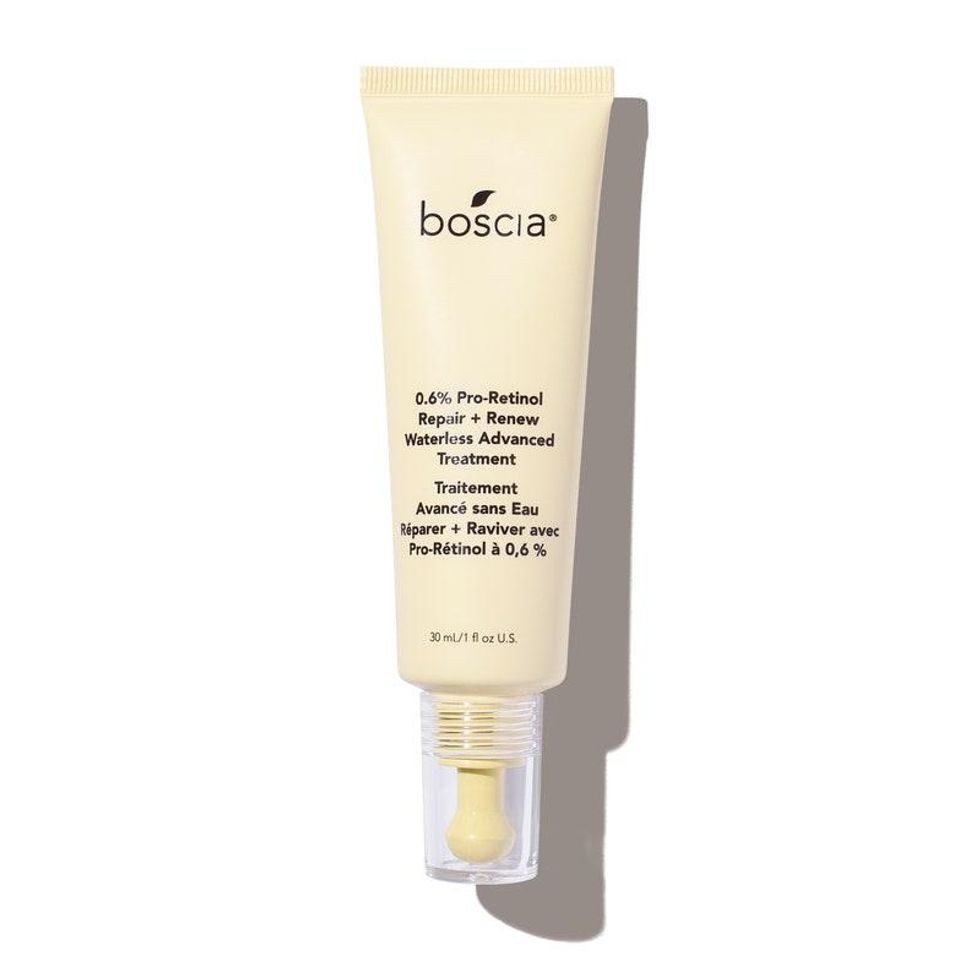
Boscia’s waterless oil blends bakuchiol, which the brand markets within its pro-retinol concept, with a vitamin C derivative and plant oils in an anhydrous formula, meaning no water in the bottle at all. For acne prone skin the waterless oil format is a deliberate choice: it seals in the water based treatments layered under it and delivers bakuchiol in a cushioned base that suits skin dried by acne routines. The brand publishes its ingredient list and the formula is fragrance free. A few drops warmed between palms and pressed over the face is the full dose, used as the last evening step or mixed into moisturiser. Vitamin C in the blend adds a tone angle for post spot marks, though in an oil derivative form it works gently rather than quickly. Readers with very oily skin should treat this as a night only product and start with two drops; the cushion that dry skin loves can feel like excess on oily zones by morning. It is not an acne treatment and should accompany, not replace, proven breakout care. Judge tone and comfort over eight to twelve weeks, and keep mornings for sunscreen over a plain moisturiser instead of the oil.
Specifications
30 ml dropper bottle
bakuchiol and vitamin C blend
waterless oil
fragrance free
Pros
Bakuchiol with vitamin C support for post spot marks
Waterless oil seals in layered treatments
Fragrance free with published ingredients
Cons
Oil cushion may be too much for very oily skin
Derivative vitamin C works gently, not quickly
Premium pricing for the category
Who should buyyour skin is dry from acne treatments and wants a sealing, cushioned night oil.
Who should skipyour skin is very oily and you dislike any oil finish.
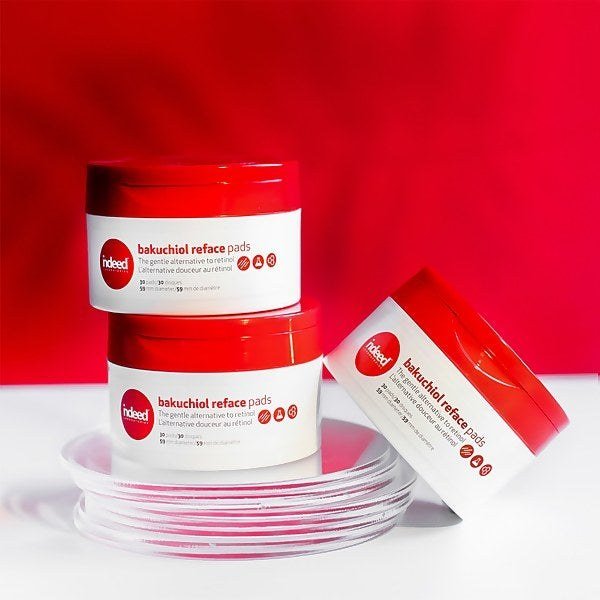
Indeed Labs delivers bakuchiol in pre soaked pads, a format twist that matters for acne prone readers who dislike oils and heavy serums: each pad carries a measured dose in a light essence, swiped over the face after cleansing, with niacinamide supporting the bakuchiol. The Canadian brand publishes the ingredient list and the pads are fragrance free. The format controls quantity in a way droppers do not, which helps consistency, and the light essence absorbs without the oil film the booster products in this guide leave. The trade offs are waste and cost per use: thirty pads are roughly a month of nightly use, and pads generate more packaging than a bottle. The essence is gentle enough for daily use for most skin, and the pads suit travel and gym bags better than glass bottles. They are a maintenance and texture step, not a breakout treatment, and pair well with a separate salicylic or benzoyl peroxide product on alternate nights. If your skin is very sensitive, the physical swipe of a pad can itself irritate, so press and pat rather than scrub. Judge over two months of consistent nights, and protect the progress with morning sunscreen as always in this category.
Specifications
30 pads per jar
bakuchiol soaked pads
niacinamide
fragrance free
Pros
Measured dose per pad with no oil film
Niacinamide support in a light essence
Fragrance free, travel friendly format
Cons
Thirty pads last about a month of nightly use
More packaging waste than a serum bottle
Pad friction can irritate very sensitive skin
Who should buyyou prefer a measured pad dose and travel friendly format over bottles.
Who should skipyou want the lowest waste and lowest cost per month.
A plant derived ingredient positioned as a gentler retinol alternative for lines and tone, without the classic retinoid irritation.
How it works: It supports skin renewal pathways with a calmer tolerance profile.
It is not a retinoid and does not bind the same receptors; the comparison rests on outcomes in a small number of studies rather than a shared mechanism. Typical strengths are around half a percent, in oils and serums. Because it does not carry retinol’s pregnancy warning in the same way, it is often chosen in pregnancy, though any active in pregnancy is a conversation for your own clinician. It is stable in daylight, so it can be used morning or night.
Best for: Sensitive skin and people who cannot tolerate retinoids.
In your routine: Apply once or twice daily as directed; no slow retinoid style build is usually needed. Judge lines and tone at twelve weeks, and keep sunscreen as the foundation if pigmentation is the target.
What Is Retinol?
A vitamin A derivative used in night skincare for fine lines, texture and breakouts, introduced gradually because it commonly causes early dryness.
How it works: It supports skin renewal over weeks of night use.
Skin converts retinol to its active form in two steps, which is why it works more slowly and gently than retinal or prescription retinoids. It speeds cell turnover and supports collagen production over months. Strengths run from gentle starter levels around 0.1 to 0.3 percent up to one percent for experienced users. It degrades in light and air, so opaque, airless packaging matters. It is not used in pregnancy, and it increases sun sensitivity in effect, making morning sunscreen part of the deal.
Best for: Skin concerned with aging signs and uneven texture that can tolerate an adjustment period.
In your routine: Start two nights a week, a pea sized amount, moisturiser buffer if needed, building over two to three months toward nightly as tolerated. Dryness and flaking in the first month are managed by slowing down, not stopping entirely, unless irritation is severe.
The Downsides of Each
Bakuchiol: Evidence is promising but smaller than retinol’s body of research. The commonest way people make it worse: expecting identical strength to a prescription retinoid from a gentler cosmetic ingredient
Retinol: Irritation and dryness are common at the start, and it is not used in pregnancy. The commonest way people make it worse: starting at a high strength nightly and quitting in week two, the standard failure this category is known for
Verdict by Use Case
Choose Bakuchiol if sensitive skin and people who cannot tolerate retinoids. That is the use case where its strengths matter most, and where its main downside, evidence is promising but smaller than retinol’s body of research.
Choose Retinol if skin concerned with aging signs and uneven texture that can tolerate an adjustment period. That is the use case where its strengths matter most, and where its main downside, irritation and dryness are common at the start, and it is not used in pregnancy.
If your situation sits between the two, the deciding question is usually effort: which option fits the routine you will actually keep for the next three months? The better option on paper loses to the one you use consistently, in almost every skincare category.
Can You Use Both?
In many skincare routines the options complement each other: used at different times, on different days or for different areas, each covering the other’s weak ground. The cautions are overload and duplication: do not run both at full intensity in the same session, and do not pay twice for the same job. Introduce any combination gradually, one change at a time, so you can tell what each option is actually doing for you.
How to Decide
Work through three questions in order. First, which option matches your type: the table’s best for row is written for exactly this, and a mismatch there outweighs every other advantage. Second, which downside can you live with: every option in this comparison has one, and the right choice is usually the one whose downside does not touch your actual problem. Third, which fits the routine you already keep: the option that slots into your existing skincare habits will still be in use in three months, and consistency is what turns a reasonable choice into a good result. If the answers point different ways, weight them in that order: type, downside, routine.
There is no universal winner: the better option is the one matching your skin or hair type, routine and the use cases in the verdict section above. The difference table shows where each one genuinely leads, and the downsides section shows what each one costs you.
Can I use both in the same routine?
In many skincare routines the two can complement each other, used at different times or for different areas, as long as the combination does not overload skin or hair. Introduce any combination gradually, and keep the total intensity at a level your routine can sustain.
Which is better for beginners?
Beginners usually do best with the option that has the gentler learning curve and the fewer downsides for their type, as set out in the table. Start there, and switch only if your needs change.
Which is better for sensitive skin?
The option with the shorter, gentler downside list for your type: compare the downsides row in the table first, start with the milder option, and patch test or trial at the lowest intensity before committing. If your skin or hair is under a clinician’s care, their sequencing comes first.
Which works out cheaper over time?
Compare total cost, not shelf price: how much product or how many consumables each option uses per month, how long a unit lasts in real use, and what you would otherwise spend on the alternative. In this category the cheaper option per use is often the one people abandon, which makes it the most expensive of all.
How do I decide if I can only choose one?
Match the option to your type first, using the best for row in the table, then check that its main downside does not overlap with the problem you are trying to solve. Finally, pick the one that fits the routine you already keep, because three months of consistent use with the second best option beats three weeks of the best one.
What is the best bakuchiol for acne prone skin?
The buying guide Best Bakuchiol for Acne Prone Skin compares the leading options for this exact need against the criteria that matter, with specifications, honest pros and cons, and a clear statement of who should skip each pick. It is linked from this page.
By Mirror & Glow Editorial Desk – November 23, 2026
Can You Use Bakuchiol and Vitamin C Together? Bakuchiol is a plant derived ingredient from the babchi plant — the guide explains the why, the step by step how, and what to do when it does not work.
By Mirror & Glow Editorial Desk – November 23, 2026
Best Bakuchiol for Acne Prone Skin: Ole Henriksen Glow Cycle Retin-ALT Power Serum first, Herbivore Bakuchiol Retinol Alternative Serum close behind, every pick specced, photographed and given a buy or skip verdict.
By Mirror & Glow Editorial Desk – November 23, 2026
How to Get Rid of Acne Scars on Back? The short answer first, then the detail: one active at a time, introduced over two weeks, judged at eight to twelve weeks, with timing, amounts and the errors that stop it working.