By Mirror & Glow Editorial Desk – November 23, 2026
Woman with wet hair applying oil to her shoulder after a shower.
The short verdict on body oil vs body oil gel: neither option wins for everyone. Body Oil, Body Oil Gel differ in how they work, who they suit and what they cost in effort and money terms. Each option is explained in depth below, the table sets the differences out plainly, and the verdict section matches each option to the readers it actually suits.
Body Oil vs Body Oil Gel Compared
Factor
Body Oil
Body Oil Gel
How it works
It locks in moisture on damp skin effectively.
The gel network delivers oil evenly and sets down quickly, sealing moisture on damp skin with a lighter finish.
Best for
Dry skin that prefers an oil finish, and massage style routines.
Dry skin that dislikes the residue and transfer of pure body oils.
Routine fit
Apply to damp skin straight after showering, a few drops per limb spread thin, then pat dry or dress once it has settled for a minute. In winter, layering oil over lotion is the heavy duty pattern for very dry skin.
Apply to damp skin straight after showering, a few drops per limb spread thin, then pat dry or dress once it has settled for a minute. In winter, layering oil over lotion is the heavy duty pattern for very dry skin.
Cost level
Varies by brand and format; judge by the criteria in this guide rather than headline prices.
Varies by brand and format; judge by the criteria in this guide rather than headline prices.
Downsides
Can feel greasy and transfer to clothing.
It seals rather than hydrates, like all oils, and very dry or cracked areas still need richer creams.
The Products Behind This Comparison
Comparisons are settled by real products, so the full line up from the buying guide Best Body Oil for Pregnancy Stretch Marks is set out here in the same detail: every product with its photo, full description, specifications, pros and cons, and who should buy or skip it.
Product
Standout Point
Key Specification
Bio-Oil Skincare OilTop Pick
Dry oil absorbs faster than traditional oils
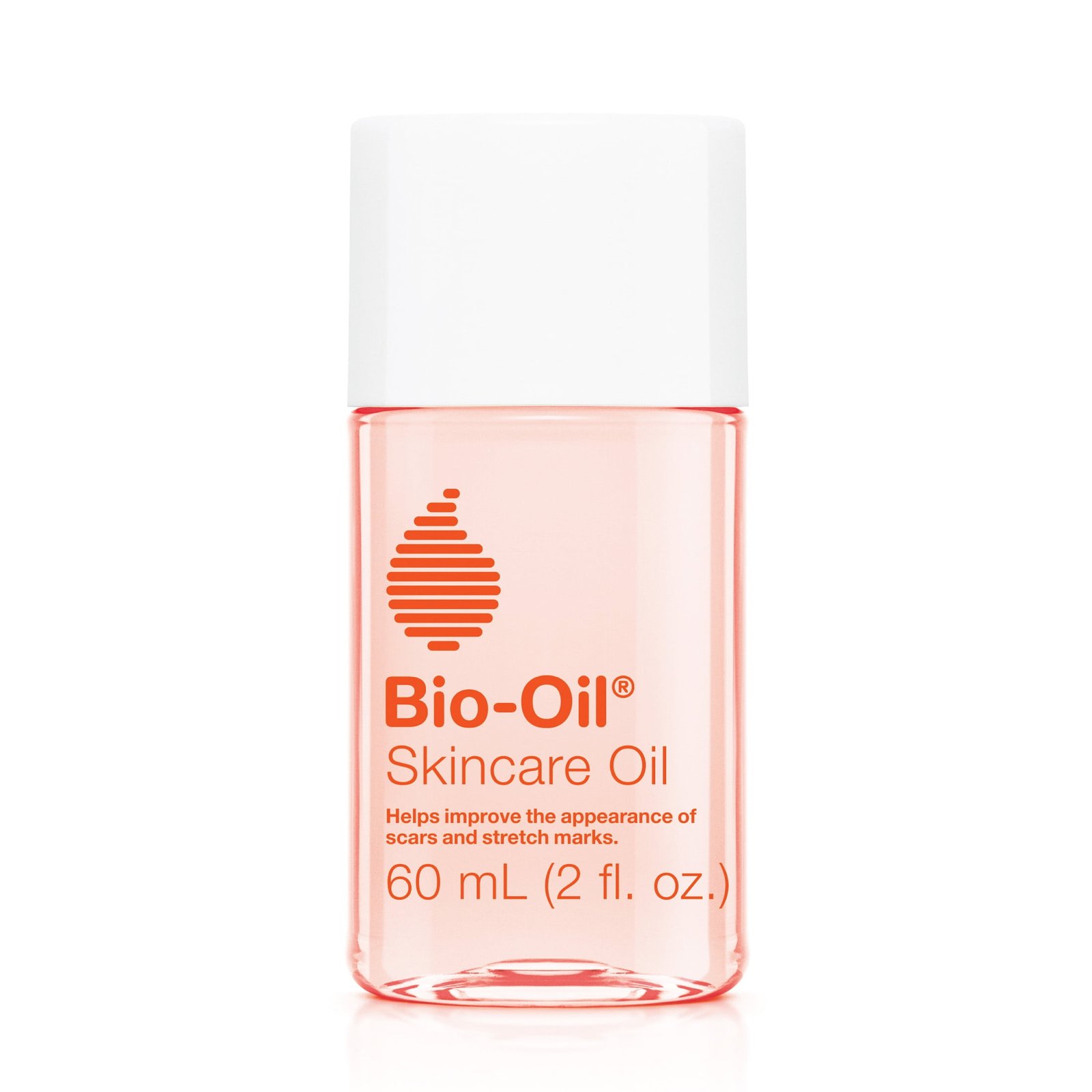
60 ml bottle shown, larger sizes available – PurCellin Oil base – vitamins A and E – calendula, lavender, rosemary and chamomile oils – positioned for scars and stretch marks
Bio-Oil is the name most pregnant readers already know for stretch marks, so it leads this guide with the honest context the whole category needs: stretch marks are driven mainly by genetics and how skin stretches, and no oil has been shown to prevent them. What Bio-Oil’s maker has studied is the appearance of existing scars and marks, with gradual improvement reported over months of twice daily use. The formula is a dry oil on the brand’s PurCellin Oil base, which makes it absorb faster than a traditional oil, carrying vitamins A and E and calendula, lavender, rosemary and chamomile oils. On a growing bump its real daily value is comfort: it keeps tight, itchy skin supple and makes the twice daily massage routine pleasant enough to sustain. Readers should note the vitamin A content and discuss retinoid type ingredients with their own clinician if they have any concern, as pregnancy guidance on topical vitamin A varies, and the fragranced botanical blend may not suit sensitive noses in the first trimester. Used from the second trimester on bump, hips and breasts, with expectations set on comfort and gradual appearance rather than prevention, it is a reasonable, widely available choice. That combination of familiarity, tolerability and honest usefulness is why it remains the category’s reference product despite everything written about its limits.
Specifications
60 ml bottle shown, larger sizes available
PurCellin Oil base
vitamins A and E
calendula, lavender, rosemary and chamomile oils
positioned for scars and stretch marks
Pros
Dry oil absorbs faster than traditional oils
Studied by its maker for scar and mark appearance
Widely available in several sizes
Cons
No oil can prevent stretch marks, whatever the marketing
Contains vitamin A; check with your clinician if unsure
Fragranced botanicals may not suit early pregnancy noses
Who should buyyou want the best known oil for bump comfort and gradual mark care, with realistic expectations.
Who should skipyou are looking for a product that guarantees no stretch marks, which does not exist.
Palmer’s massage lotion is the lotion format alternative to the oils in this guide, from the brand most associated with pregnancy skincare in American drugstores. Its published formula combines cocoa butter and shea butter with vitamin E and the brand’s collagen and elastin additions, plus argan oil, and it is made without mineral oil, parabens or phthalates. The brand cites consumer testing in which users reported improved skin elasticity, which is the quality that makes expanding skin feel more comfortable and less tight, rather than any promise that marks will not appear. As a lotion it absorbs faster than an oil, so it suits mornings and readers who dislike an oily finish on clothing, and the pump format makes daily whole bump, hip and thigh application easy. The cocoa butter scent is strong and sweet, which pregnant readers tend to love or cannot tolerate, often depending on the trimester. It is also a moisturiser first: for very dry, itchy bumps an oil layered over it at night gives more relief. For an affordable, everywhere available daily lotion built specifically for pregnancy skin, it is the guide’s most practical starting point. It is the product most likely to be recommended between pregnant friends, and on the evidence of its formula and its price, that word of mouth is well placed.
Specifications
250 ml pump bottle
cocoa butter and shea butter
vitamin E
collagen and elastin
argan oil
free of mineral oil, parabens and phthalates
Pros
Lotion absorbs faster than oils for daytime use
Cocoa butter, shea, vitamin E and argan oil
Affordable, in a practical pump bottle
Cons
Strong sweet cocoa scent divides pregnant users
Very itchy bumps may still want an oil at night
Elasticity claims are about comfort, not prevention
Who should buyyou want a pregnancy specific daily lotion that will not leave oil on your clothes.
Who should skipyou cannot tolerate strong sweet scents during pregnancy.
Palmer’s Skin Therapy Oil is the same brand’s oil answer, and it is the more versatile product: a light spray oil with cocoa butter, vitamin E and argan oil in the brand’s Cetesomate-E delivery complex, positioned for scars, stretch marks, dry damaged skin and uneven tone. The spray format is genuinely useful in pregnancy, because it reaches the bump, hips and lower back evenly without tipping a bottle over a bump you can no longer see past, and the formula is made to absorb without the heavy residue of classic oils and contains no mineral oil. On stretch mark care specifically it plays the same honest role as every product here, supporting supple, comfortable skin while marks form or fade, and its scar and tone positioning makes it the Palmer’s product most likely to stay in the routine after pregnancy for existing marks. The scent is the lighter cocoa fragrance of the range, noticeable but less sweet than the lotion. Its limits are that a spray can mist onto bathroom floors, so it is best applied standing on a towel or in the shower, and very dry skin may still want the lotion layered under it. For one bottle covering bump care now and mark care later, it is a strong value pick.
Specifications
150 ml spray bottle
cocoa butter and vitamin E
argan oil
Cetesomate-E complex
no mineral oil
for scars, stretch marks and dry skin
Pros
Spray format reaches the bump and lower back easily
Light oil absorbs without heavy residue
Also positioned for scars and tone after pregnancy
Cons
Spray can mist onto floors
Lighter moisture than the lotion for very dry skin
Cocoa scent, though milder than the lotion
Who should buyyou want one Palmer’s bottle for bump care now and scar and mark care after pregnancy.
Who should skipyour skin is very dry and itchy, where the richer lotion or a balm gives more relief.
Mustela’s maternity oil is the pharmacy grade, natural origin option in this guide: the brand publishes 100% ingredients of natural origin, built on avocado oil with a maracuja, or passionfruit, oil concentrate, in a range developed specifically for pregnancy and tested under dermatological control for use from the first month. That early start positioning matters, because the realistic benefit of any of these products is skin that stays supple and comfortable as it begins to stretch, and Mustela is one of the few brands that formulates and tests explicitly for the whole pregnancy rather than adding a maternity claim to a general oil. The texture is a proper oil that absorbs better than most, and a fragrance free version exists for readers whose sense of smell has become a first trimester problem. Its limits are size and price: the bottle is small for twice daily use over bump, hips, thighs and breasts, so it is best kept for the bump and supplemented with a value product elsewhere, and it costs more per millilitre than the Palmer’s range. For readers who prioritise natural origin ingredients and pregnancy specific testing, it is the guide’s most considered formulation. For readers building a pregnancy routine around ingredient standards rather than marketing, this is the oil in the guide that best survives that scrutiny.
Specifications
105 ml bottle
100% ingredients of natural origin
avocado oil and maracuja oil concentrate
fragrance free version
maternity range
Pros
100% natural origin ingredients, pregnancy specific range
Avocado and maracuja oils in a fast absorbing oil
Fragrance free version for sensitive noses
Cons
Small bottle for twice daily whole area use
Premium price per millilitre
Best reserved for the bump, with a value product for other areas
Who should buyyou want a natural origin oil formulated and tested specifically for pregnancy from the first month.
Who should skipyou need an economical oil for bump, hips, thighs and breasts twice a day.
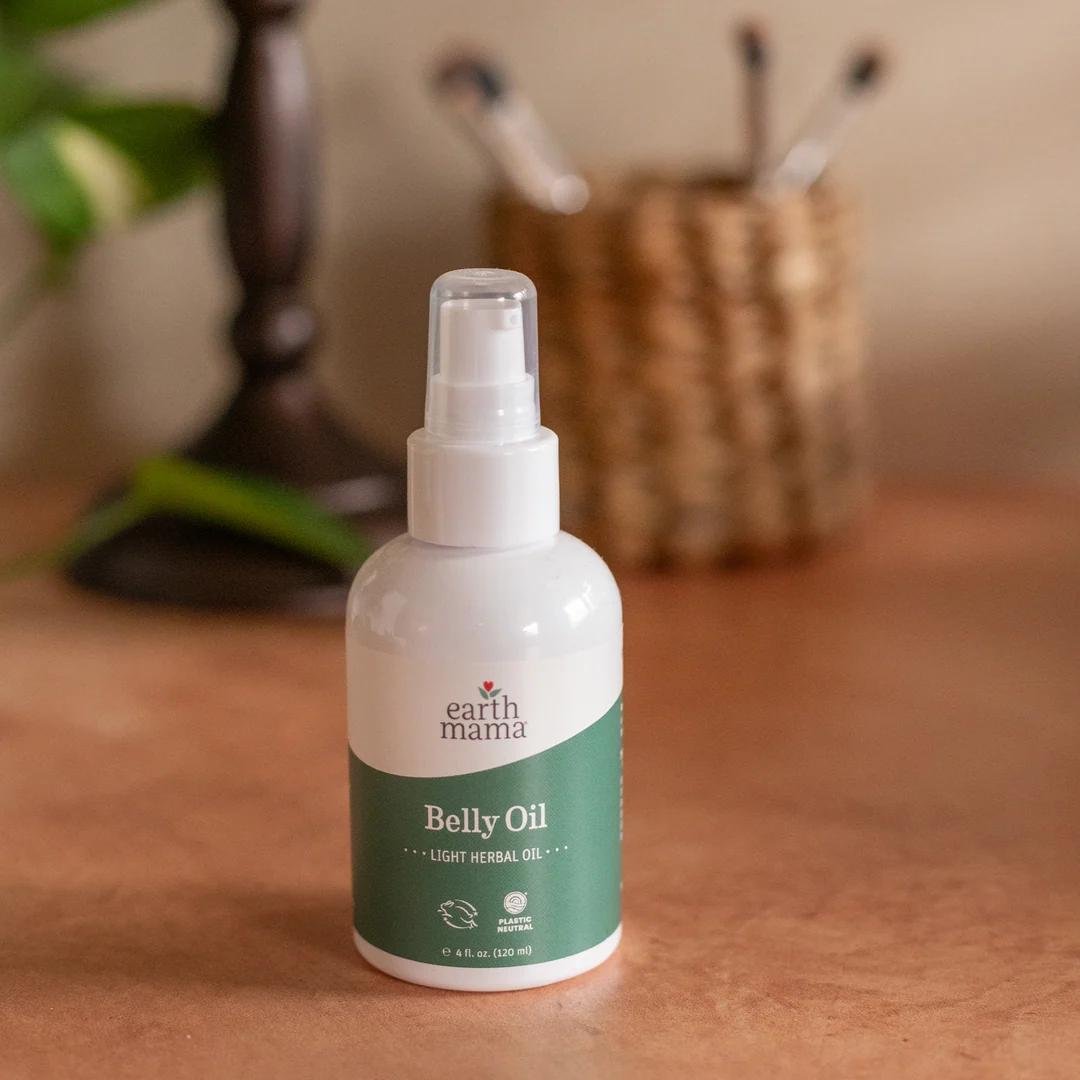
Earth Mama’s Belly Oil is the herbalist’s entry in this guide: a light spray oil built on calendula and jojoba with the brand’s organic herbal blend, made without artificial fragrance, from a company whose entire range is pregnancy and postpartum care. Calendula is the thoughtful lead ingredient, long used in herbal skincare for delicate, easily irritated skin, and the formula’s lightness is its character: it sprays on, spreads easily over a bump, and absorbs to a soft finish that does not leave the heavy oil slick some pregnant readers dislike at bedtime. The scent is a mild, natural herbal note rather than a perfume. Earth Mama positions it for itch and stretch comfort on bellies, hips and breasts, which is the honest job description for this whole category. Its limits are richness and reach. Very dry, tight skin in winter may find it too light alone and prefer it layered over a lotion, and outside North America availability is thinner than the pharmacy brands here. The spray bottle, like Palmer’s, earns practical points for application over a late pregnancy bump. For readers who shop by ingredient philosophy and want a pregnancy specialist brand, this is the natural first choice. Its restraint is the appeal: a short, herbal ingredient list, a light hand, and a brand that does nothing but pregnancy and postpartum care.
Specifications
120 ml spray bottle
calendula and jojoba oils
organic herbal blend
light herbal oil
no artificial fragrance
Pros
Calendula and jojoba in a light, fast absorbing spray oil
Pregnancy specialist brand, no artificial fragrance
Mild natural scent suits sensitive noses
Cons
May be too light alone for very dry winter skin
Availability outside North America is thinner
Premium price for its size
Who should buyyou want a light, herbal, pregnancy specialist oil without artificial fragrance.
Who should skipyour bump skin is very dry and needs a rich oil or butter instead.
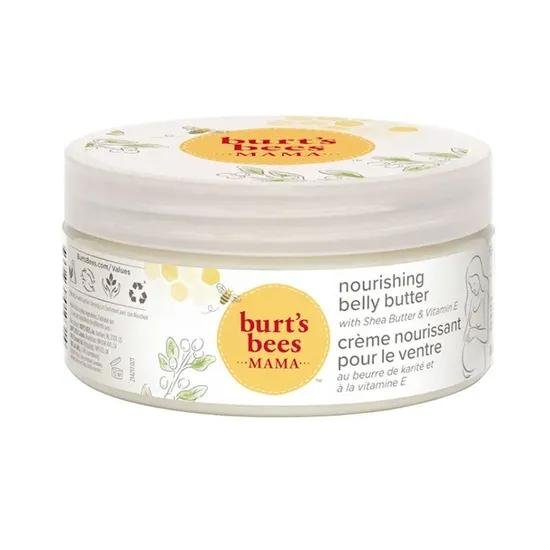
The Belly Butter is the butter format in this guide, for readers who find oils too thin and lotions gone too quickly: a rich tub of shea butter with cocoa and jojoba butters and vitamin E, published at 99% natural origin and fragrance free. Butters come into their own at night and in the later trimesters, when bump skin is at its tightest and itchiest; a butter worked in after a shower gives hours of cushioned comfort that an oil cannot match, and the fragrance free formula is a genuine mercy for readers who have become scent averse. Burt’s Bees positions the Mama range for use during and after pregnancy, and the butter is equally useful on the post birth skin that follows. Its limits are the format’s. It is thick, takes a minute to warm and spread, and can feel heavy in warm weather or under fitted clothes, so many readers will use it as the night product alongside a lighter day lotion or oil. The tub also needs clean hands. For maximum comfort on a dry, itchy, late pregnancy bump without any fragrance, this is the guide’s most soothing pick. Many readers buy a second tub for the weeks after birth, when the same tight, changing skin needs the same comfort in a different direction.
Specifications
185 g tub
shea butter
cocoa and jojoba butters
vitamin E
99% natural origin
fragrance free
Pros
Richest comfort format in the guide for tight, itchy skin
Shea, cocoa and jojoba butters with vitamin E
Fragrance free and 99% natural origin
Cons
Thick and slow to spread, best as a night product
Can feel heavy in warm weather
Tub format needs clean hands
Who should buyyour bump is dry, tight and itchy, especially at night, and you want fragrance free richness.
Who should skipyou want a light daytime product under fitted clothes.
Weleda’s pregnancy oil is the European pharmacy classic of this guide, from a brand with a century of natural cosmetics behind it: sweet almond oil as the base, with jojoba and wheat germ oil, which is naturally rich in vitamin E, and arnica flower extract, in a certified natural formula. The brand’s own guidance is a massage routine, used regularly from early pregnancy until three months after birth, on bump, thighs, hips, buttocks and breasts, and that routine framing is the most honest in the category, because the massage and consistency are plausibly as valuable as the oil itself. The pump bottle dispenses a measured amount of a moderately rich oil that warms well under hands and suits the massage the brand describes. Its scent is a soft, natural almond and floral note. Its limits are size, richness and the arnica note: the bottle is small for the full area routine described, the oil is rich enough that daytime use under clothes needs a few minutes, and readers should follow the brand’s guidance and their own clinician’s advice on any ingredient questions in pregnancy, as with every product here. For a massage centred ritual from an established natural brand, it is the guide’s heritage pick.
Specifications
100 ml pump bottle
sweet almond oil
jojoba and wheat germ oils
arnica flower extract
certified natural cosmetics
Pros
Almond, jojoba and wheat germ oils from a heritage natural brand
Built around a massage routine through pregnancy and beyond
Certified natural cosmetics formula
Cons
Small bottle for a full area, twice daily routine
Rich oil needs time before dressing
Premium price per millilitre
Who should buyyou want a massage centred ritual with a certified natural oil from an established brand.
Who should skipyou need an economical oil for large areas twice daily.
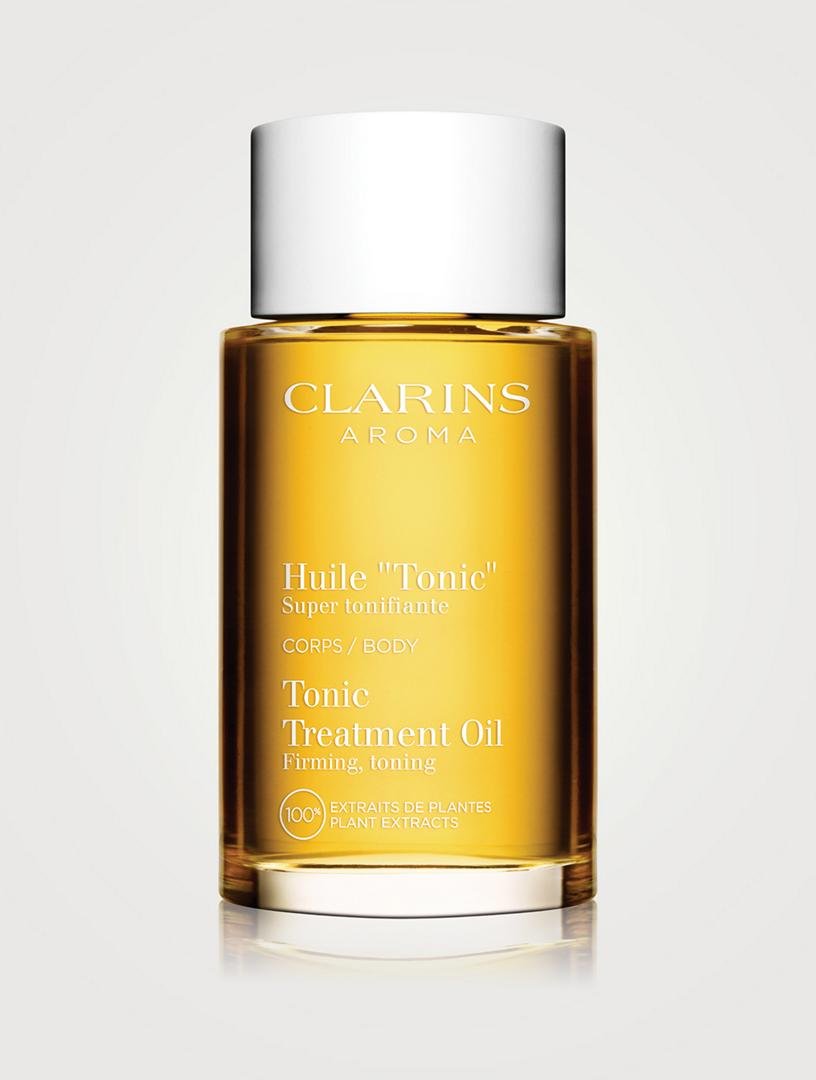
Clarins’ Tonic oil is the luxury spa entry in this guide, and its inclusion needs the clearest expectation setting of all: it is a firming and toning body oil built on hazelnut oil with geranium, mint and rosemary essential oils, which Clarins has long positioned for use during pregnancy to help skin feel firmer and more elastic, and it is a beautiful product to use. The texture is silky, the scent is a genuine aromatherapy experience, and skin feels conditioned and smooth in a way that justifies its following. The pregnancy specific caution is equally clear: this is an essential oil rich formula, and essential oils are an area where pregnancy guidance advises care and individual advice, so readers should check with their own clinician before using it, particularly in the first trimester, and many will prefer the fragrance free, simpler formulas elsewhere in this guide for daily bump use. It is also the most expensive oil here per millilitre by a wide margin. Its honest place is as an occasional, pleasurable body oil for readers who already love it and whose clinician is content, not as the default recommendation for a first pregnancy routine. Judged as a luxury body oil rather than a medical answer, it is superb; judged as a pregnancy necessity, it is an indulgence to clear with a clinician first.
Specifications
100 ml bottle
100% plant extracts per brand
hazelnut oil base
geranium, mint and rosemary essential oils
firming and toning positioning
Pros
Silky texture and a genuine spa scent experience
Hazelnut oil base leaves skin conditioned and smooth
Long standing firming and elasticity positioning
Cons
Essential oil rich, so check with your clinician in pregnancy
Most expensive oil in this guide per millilitre
Scent too strong for scent averse readers
Who should buyyou already love this oil and your clinician is happy for you to keep using it.
Who should skipyou are in the first trimester or want a simple, fragrance free daily bump oil.
Hatch is a maternity brand first and a beauty brand second, and its Belly Oil reflects that positioning: a quick dry oil built on calendula with sweet almond and jojoba oils and a light grapefruit note, in the largest bottle in this guide. The size is a real argument, because the economics of twice daily application over bump, hips and breasts for months are where many premium oils fail, and Hatch’s format acknowledges the actual quantities involved. The quick dry positioning also matters practically in pregnancy, when getting dressed is enough of a project without waiting for oil to sink in. Calendula, as in the Earth Mama formula, suits delicate and itch prone skin, and the grapefruit scent is kept light and fresh rather than perfumed. Its limits are availability and price at the shelf: it is a premium product sold mainly through maternity and beauty retailers, so it lacks the walk in availability of the drugstore brands here, and readers outside North America will find it harder to source. For readers who want a pregnancy native brand, a fast finish and a bottle that lasts the trimester, it is a well judged pick. That realism about quantities and drying time, rare in premium beauty, is what lifts it above a merely pleasant oil into a well designed pregnancy product.
Specifications
195 ml bottle
calendula
sweet almond and jojoba oils
grapefruit oil
quick dry oil
pregnancy brand
Pros
Largest bottle in the guide, sized for real routines
Quick dry finish suits getting dressed in pregnancy
Calendula based, with a light fresh scent
Cons
Premium price, though the size softens it
Sold through maternity and beauty retailers, not drugstores
Harder to source outside North America
Who should buyyou want a pregnancy native brand in a bottle sized for twice daily use over months.
Who should skipyou want to pick up your oil with the weekly shop at a drugstore price.
Mederma’s stretch marks cream closes the guide as the product aimed at marks themselves rather than at prevention routines: an intensive cream combining the brand’s Cepalin onion extract with hyaluronic acid and centella asiatica, paraben free, in a large tube. The brand’s positioning is improvement in the appearance of stretch marks, including discoloration and texture, with published consumer study language around noticeable improvement in four weeks, and the sensible reading of that is gradual softening of newer, redder marks rather than erasure of established silver ones, which no cream achieves. In a pregnancy routine its place is usually later: many readers use the oils and butters above for comfort during pregnancy, then a targeted cream like this on the marks that remain afterwards, applied twice daily to the specific areas. The tube is generously sized for that targeted use. Its limits are the category limits, plus scent and patience: it has a noticeable fragrance, and four weeks is the start of judging, not the end. For readers whose question has shifted from caring for a bump to treating the marks left behind, it is the guide’s most purpose built answer. Set against the oils, it is the specialist rather than the all rounder, and backs and bumps with real marks to treat are exactly where a specialist earns its place.
Specifications
150 g tube
Cepalin onion extract
hyaluronic acid
centella asiatica
paraben free
intensive cream and skin protectant
Pros
Targets the appearance of existing stretch marks
Cepalin with hyaluronic acid and centella
Large tube suits twice daily targeted use
Cons
Best on newer marks; silver marks change slowly
Noticeable fragrance
A post pregnancy focus more than a bump comfort product
Who should buyyour priority is treating marks that have already appeared, during late pregnancy care or after birth.
Who should skipyou want a comforting daily bump oil, where the oils above are the right format.
An oil applied to body skin, usually after showering, to seal in water and add glow.
How it works: It locks in moisture on damp skin effectively.
That mechanism explains both its strength and its limit: on damp skin it is one of the most effective softeners there is; on dry skin it can leave you greasy and still dehydrated. Oil choice decides feel: squalane and lighter esters absorb cleanly, while rich plant oils linger. Dry oils are formulations designed to reduce transfer onto clothes. In shower oils cleanse and deposit oil in one step, a different product wearing a similar name.
Best for: Dry skin that prefers an oil finish, and massage style routines.
In your routine: Apply to damp skin straight after showering, a few drops per limb spread thin, then pat dry or dress once it has settled for a minute. In winter, layering oil over lotion is the heavy duty pattern for very dry skin.
What Is Body Oil Gel?
A body moisturiser in a gel oil hybrid texture: the nourishment of an oil suspended in a gel that absorbs faster and feels less greasy than a straight oil.
How it works: The gel network delivers oil evenly and sets down quickly, sealing moisture on damp skin with a lighter finish.
Best for: Dry skin that dislikes the residue and transfer of pure body oils.
The Downsides of Each
Body Oil: Can feel greasy and transfer to clothing. The commonest way people make it worse: applying to dry skin and concluding body oil does not moisturise, when it was never given water to seal in
Body Oil Gel: It seals rather than hydrates, like all oils, and very dry or cracked areas still need richer creams. The commonest way people make it worse: applying to dry skin and concluding body oil does not moisturise, when it was never given water to seal in
Verdict by Use Case
Choose Body Oil if dry skin that prefers an oil finish, and massage style routines. That is the use case where its strengths matter most, and where its main downside, can feel greasy and transfer to clothing.
Choose Body Oil Gel if dry skin that dislikes the residue and transfer of pure body oils. That is the use case where its strengths matter most, and where its main downside, it seals rather than hydrates, like all oils, and very dry or cracked areas still need richer creams.
If your situation sits between the two, the deciding question is usually effort: which option fits the routine you will actually keep for the next three months? The better option on paper loses to the one you use consistently, in almost every body care category.
Can You Use Both?
In many body care routines the options complement each other: used at different times, on different days or for different areas, each covering the other’s weak ground. The cautions are overload and duplication: do not run both at full intensity in the same session, and do not pay twice for the same job. Introduce any combination gradually, one change at a time, so you can tell what each option is actually doing for you.
How to Decide
Work through three questions in order. First, which option matches your type: the table’s best for row is written for exactly this, and a mismatch there outweighs every other advantage. Second, which downside can you live with: every option in this comparison has one, and the right choice is usually the one whose downside does not touch your actual problem. Third, which fits the routine you already keep: the option that slots into your existing body care habits will still be in use in three months, and consistency is what turns a reasonable choice into a good result. If the answers point different ways, weight them in that order: type, downside, routine.
Which is better overall, body oil or body oil gel?
There is no universal winner: the better option is the one matching your skin or hair type, routine and the use cases in the verdict section above. The difference table shows where each one genuinely leads, and the downsides section shows what each one costs you.
Can I use both in the same routine?
In many body care routines the two can complement each other, used at different times or for different areas, as long as the combination does not overload skin or hair. Introduce any combination gradually, and keep the total intensity at a level your routine can sustain.
Which is better for beginners?
Beginners usually do best with the option that has the gentler learning curve and the fewer downsides for their type, as set out in the table. Start there, and switch only if your needs change.
Which is better for sensitive skin?
The option with the shorter, gentler downside list for your type: compare the downsides row in the table first, start with the milder option, and patch test or trial at the lowest intensity before committing. If your skin or hair is under a clinician’s care, their sequencing comes first.
Which works out cheaper over time?
Compare total cost, not shelf price: how much product or how many consumables each option uses per month, how long a unit lasts in real use, and what you would otherwise spend on the alternative. In this category the cheaper option per use is often the one people abandon, which makes it the most expensive of all.
How do I decide if I can only choose one?
Match the option to your type first, using the best for row in the table, then check that its main downside does not overlap with the problem you are trying to solve. Finally, pick the one that fits the routine you already keep, because three months of consistent use with the second best option beats three weeks of the best one.
What is the best body oil for pregnancy stretch marks?
The buying guide Best Body Oil for Pregnancy Stretch Marks compares the leading options for this exact need against the criteria that matter, with specifications, honest pros and cons, and a clear statement of who should skip each pick. It is linked from this page.
By Mirror & Glow Editorial Desk – November 23, 2026
Can You Use Body Oil and Body Butter Together? Apply to damp skin straight after showering. The full method, the mistakes to avoid, and where it fits in your routine.
By Mirror & Glow Editorial Desk – November 23, 2026
Answering how often do i need to use body oil properly: apply to damp skin straight after showering. Background, method, routine placement and FAQs, written for your skin or hair type.
By Mirror & Glow Editorial Desk – November 23, 2026
How Often Should You Use Body Oil and Lotion? Apply to damp skin straight after showering. The full method, the mistakes to avoid, and where it fits in your routine.