By Mirror & Glow Editorial Desk – November 23, 2026
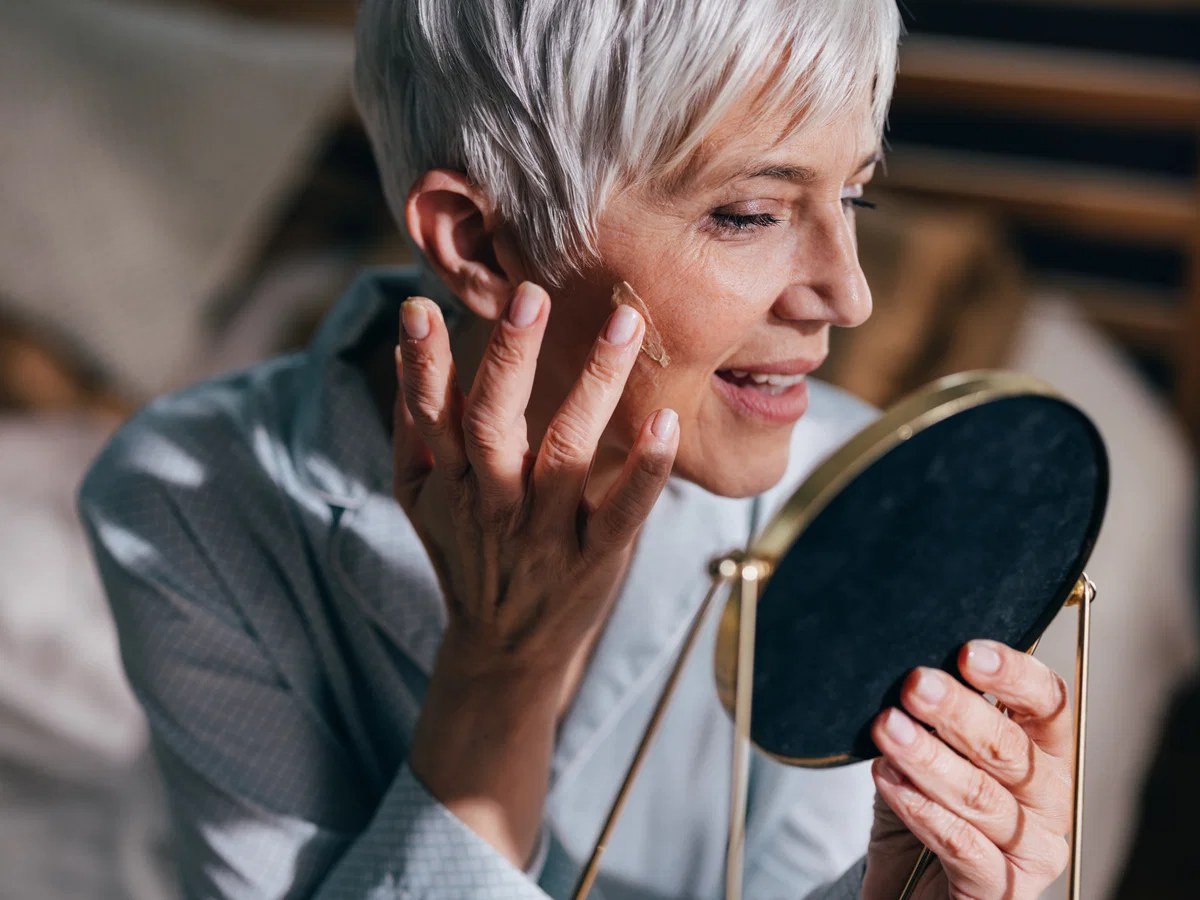
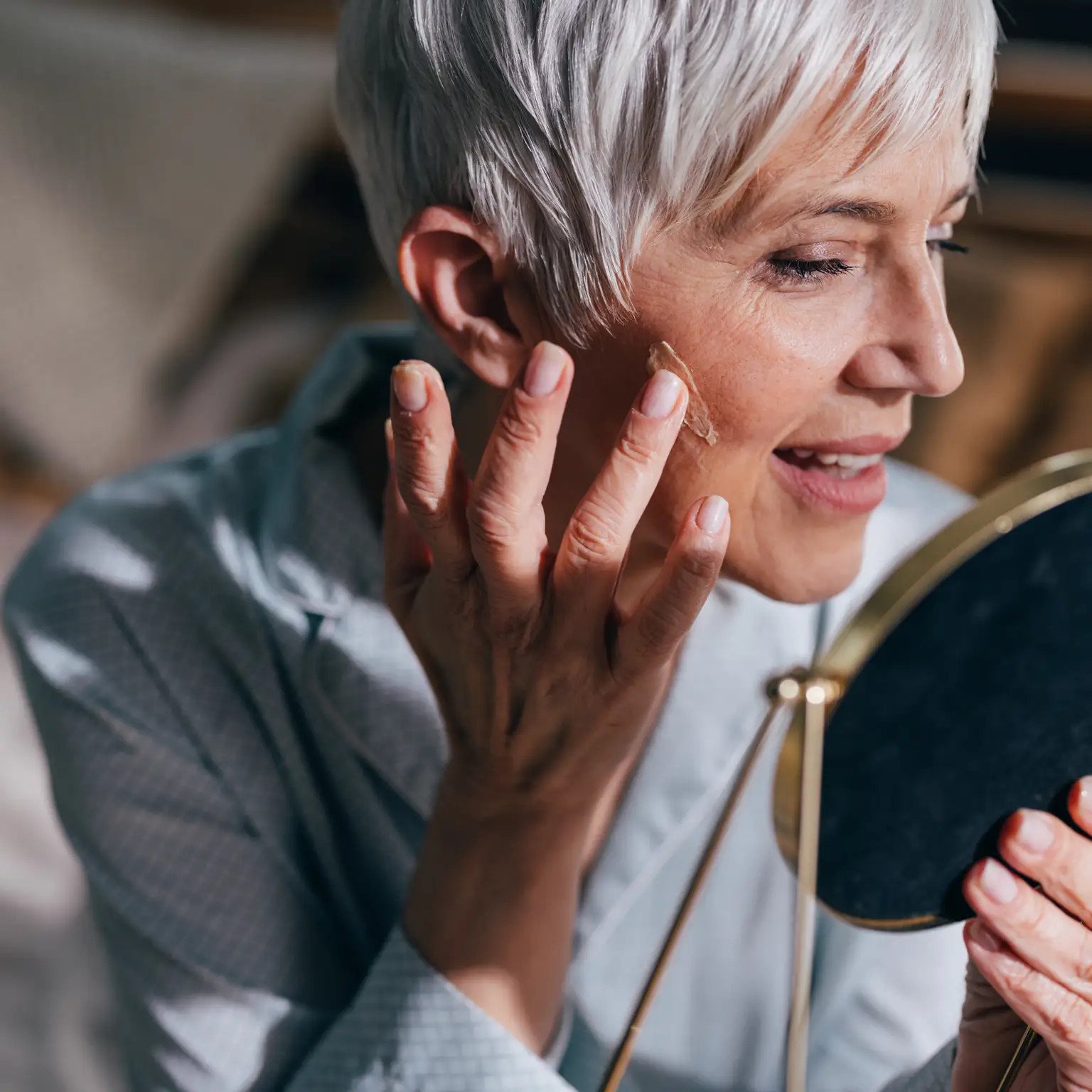
Older woman applying face cream while holding a hand mirror.
The short verdict on cc cream vs bb cream for mature skin: neither option wins for everyone. CC Cream, BB Cream for Mature Skin differ in how they work, who they suit and what they cost in effort and money terms. Each option is explained in depth below, the table sets the differences out plainly, and the verdict section matches each option to the readers it actually suits.
CC Cream vs BB Cream for Mature Skin Compared
Factor
CC Cream
BB Cream for Mature Skin
How it works
It corrects colour while covering like a light foundation.
It evens tone lightly while feeling like a cream.
Best for
Uneven tone, redness and mature skin wanting coverage plus care.
Everyday light coverage with a natural finish.
Routine fit
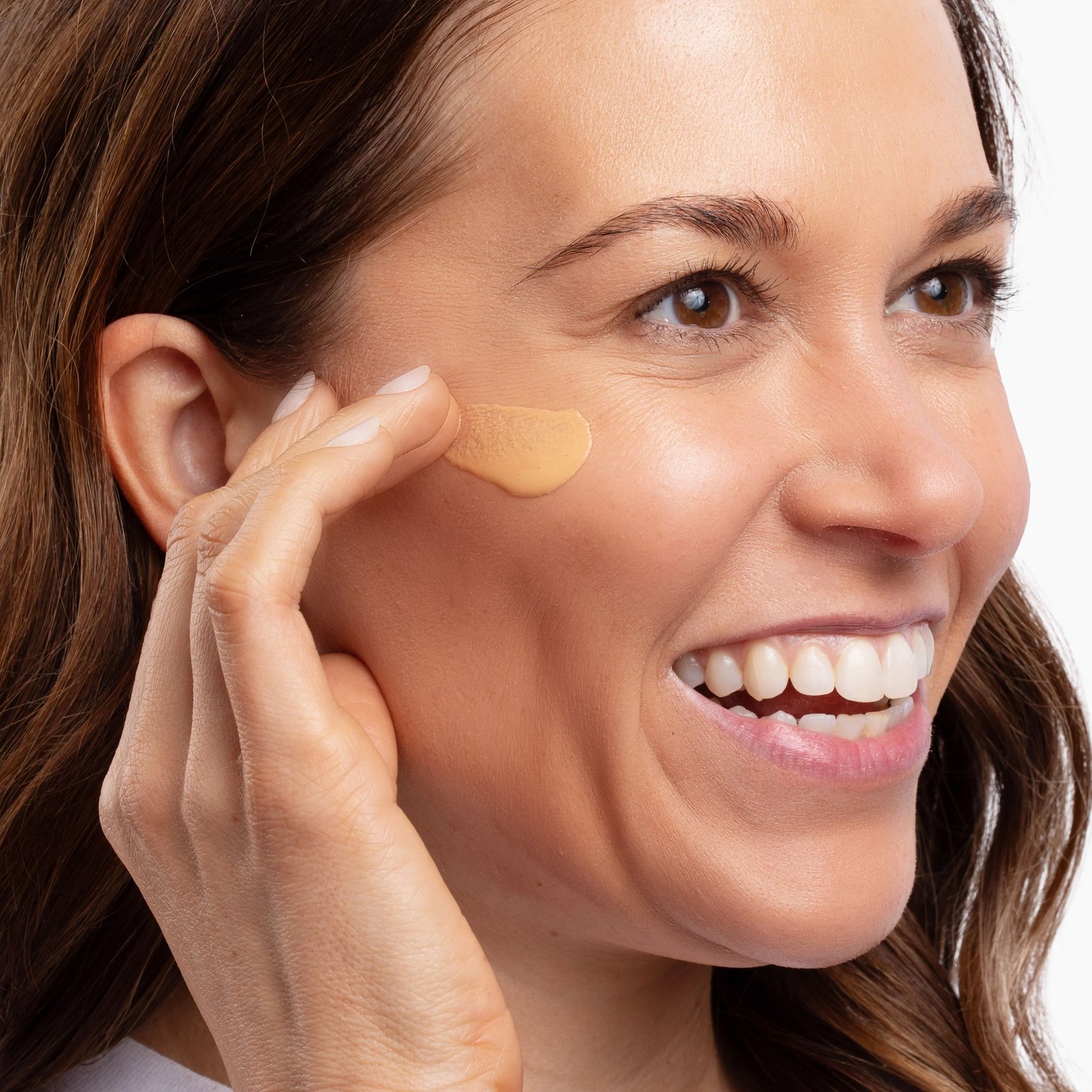
Apply a small amount to the areas of unevenness first, blend outward, and let it settle a minute before judging coverage, since pigment capsules develop as they are worked. Powder only where you crease or shine.
Apply like a moisturiser with fingers, a small amount blended from the centre of the face outward, building a second thin layer only where needed. Set the T zone lightly if you shine, and judge shade at the jawline in daylight.
Cost level
Varies by brand and format; judge by the criteria in this guide rather than headline prices.
Varies by brand and format; judge by the criteria in this guide rather than headline prices.
Downsides
Shade ranges are often narrow.
Coverage is too light for strong marks or spots.
The Products Behind This Comparison
Comparisons are settled by real products, so the full line up from the buying guide Best CC Cream for Mature Skin over 50 is set out here in the same detail: every product with its photo, full description, specifications, pros and cons, and who should buy or skip it.
Product
Standout Point
Key Specification
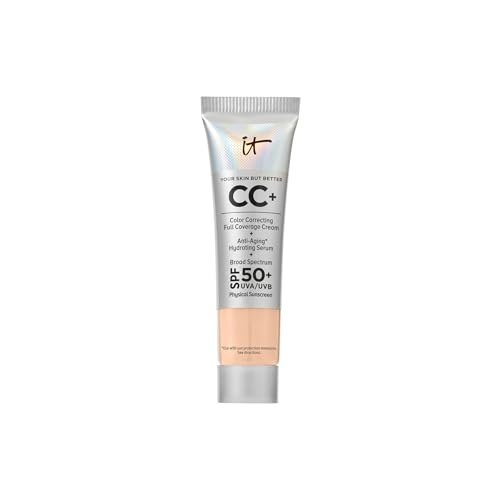
IT Cosmetics CC+ Cream SPF 50Top Pick
Full coverage that does not settle into lines when pressed in
32 ml cream – SPF 50 – full coverage – hyaluronic acid – niacinamide – peptides
Three pigment correction for redness, fatigue and spots
30 ml tube – three colour correcting pigments – apricot for anti fatigue, green for anti redness, white for dark spots per brand – SPF 15 – oil free positioning
For skin over 50 the CC brief changes: coverage must even out age spots and redness without settling into fine lines, and this cream is the reference point because it pairs full coverage with a hydrating, luminous finish and SPF 50. The formula includes hyaluronic acid, niacinamide and peptides, and the brand developed it with dermatologists and plastic surgeons. The texture is rich, so the application method matters: warmed between fingers, pressed on in a thin layer and blended with a damp sponge, it melts into skin instead of sitting on texture. A pea sized amount is genuinely enough for the face. What keeps it at the top of this guide is how it behaves at hour six: where most full coverage bases dry down and start to map every line, the hydrating base here keeps the finish supple, so the face looks covered rather than coated. It also layers sensibly, taking blush and a light powder at the T-zone without disturbing the base. The trade offs are a shade range that runs limited at both ends, a finish that can look dewy to the point of shine on oily skin, and the general sunscreen rule that makeup quantities rarely reach the tested amount, so a separate sunscreen underneath remains the careful routine. For dry, mature skin wanting one step that covers like foundation and cares like cream, it leads this page.
Specifications
32 ml cream
SPF 50
full coverage
hyaluronic acid
niacinamide
peptides
Pros
Full coverage that does not settle into lines when pressed in
SPF 50 plus hydrating skincare ingredients
A little product goes a long way
Cons
Limited shade range at both ends
Dewy finish can shine on oily skin
Still best over a separate sunscreen layer
Who should buyyou want full coverage, hydration and SPF 50 in one step, and your skin runs dry or normal
Who should skipyour skin is oily and shine prone, or you sit outside its limited shade range
Erborian’s CC Cream is the sheer, skin first alternative: white encapsulated pigments burst on application and adapt to the skin tone, giving light, even coverage that blurs rather than masks. The formula centres on centella asiatica, a soothing ingredient the Korean French brand uses across its line, and includes SPF 25. For mature skin that dislikes the feeling of foundation, this is often the product that gets worn daily, because it feels like a moisturiser and simply makes skin look rested and even. It comes in a small set of flexible shades such as Clair and Dore that adapt across a range of tones. The adapting pigments do their best work on the concerns mature readers actually list first: background redness, uneven tone and dullness, which it evens out while leaving freckles and character visible, a finish many over 50 readers prefer to full masking. It also sits well under a targeted concealer, so a single strong age spot can be covered precisely without committing the whole face to foundation. The limits follow from the concept: coverage is light, so prominent age spots will still show through and need concealer on top, the adapting shades cannot match every undertone precisely, and SPF 25 is a top up rather than a full sun protection plan. As a daily even out step for over 50 skin that values comfort, it earns its place.
Specifications
45 ml and 15 ml
SPF 25
centella asiatica
colour adapting pigments
Korean French brand
Pros
Sheer adapting coverage feels like moisturiser
Centella based, comfortable for daily wear
Blurs redness and uneven tone naturally
Cons
Light coverage will not hide strong age spots
Few adapting shades cannot match everyone
SPF 25 is not a full protection plan
Who should buyyou dislike foundation and want a sheer, moisturiser like layer that simply evens and rests the skin
Who should skipyou have prominent age spots you need properly covered
Complexion Rescue is a tinted gel cream with mineral SPF 30, hyaluronic acid and olive derived squalane, and it suits mature skin that runs dry and sensitive. The gel cream texture is the point: it hydrates like a light moisturiser, gives sheer to medium buildable coverage, and the mineral filters avoid the sting some chemical sunscreens cause around eyes. The shade range is one of the widest among tinted moisturisers, with undertone labelling that helps over 50 shoppers match skin that has become less even in tone. It applies best with fingers, like a moisturiser, and can be built on the cheeks and nose where redness concentrates. That finger application is part of its appeal for this audience: there is no brush technique to learn, the warmth of the hands melts the gel into dry skin, and a second pass only where needed keeps the result looking like skin rather than a base. It is also one of the few tinted bases that sensitive, rosacea leaning readers consistently tolerate. The trade offs are wear and finish: the dewy finish transfers more than a set foundation, longevity is a workday rather than an event, and dry patches need proper moisturiser underneath or the gel clings. For daily wear that prioritises comfort, hydration and a real shade match, it is the most forgiving option here.
Specifications
35 ml gel cream
SPF 30 mineral
hyaluronic acid
squalane
wide shade range
Pros
Hydrating gel cream with mineral SPF 30
Wide shade range with undertone labels
Gentle around sensitive eyes
Cons
Dewy finish transfers more than foundation
Wear time is a workday, not an event
Needs moisturiser under it on dry patches
Who should buyyour skin is dry and sensitive and you want a hydrating gel cream with a real shade match and mineral SPF
Who should skipyou need long, transfer proof wear for events
Supergoop built its name on sunscreen people actually enjoy wearing, and CC Screen applies that thinking to mature skin: a 100 percent mineral zinc oxide formula with SPF 50 that behaves like a light foundation. For skin over 50 the mineral base matters, because zinc sits on the surface rather than soaking in, gives a soft blurring effect over age spots and redness, and avoids the chemical filters some sensitive, thinning skin reacts to. The finish is natural rather than dewy, which flatters texture better than shine does, and the coverage is honest medium: it evens tone and softens spots without pretending to erase them. The shade system is organised by undertone as well as depth, which helps mature skin that has lost warmth find a match that does not turn grey or orange by midday. Application rewards a light hand, warmed between the fingers and pressed on in sections, because mineral formulas can look heavy if they are buffed around like a liquid foundation. The limits are the usual mineral ones: very dry patches can catch if skin is not moisturised first, deep shades are fewer than the light end of the range, and zinc can leave a cast on the deepest skin tones. As a daily one step base with serious sun protection, it earns its place here.
Specifications
47 ml tube
100% mineral zinc oxide
SPF 50
natural finish
shade range built around undertones
Pros
Fully mineral SPF 50 for sensitive mature skin
Natural finish flatters texture better than shine
Undertone led shade system helps colour matching
Cons
Can catch on very dry patches without moisturiser first
Fewer shades at the deep end of the range
Mineral cast possible on the deepest skin tones
Who should buyyou want one mineral step that covers, corrects and protects every day
Who should skipyou want a very dewy, luminous finish from your base
Lumene is the quiet Finnish option in this guide, a CC cream built around Nordic ingredients and a lighter touch than the full coverage American creams. The brand positions it as a 6 in 1 product covering foundation, concealer, primer, illuminator, long wear and SPF 20 in one tube, and while no single product truly replaces six, the formula does deliver the two things mature skin asks for most: even tone and a finish that does not pool in lines. Arctic spring water and lingonberry seed oil are the signature ingredients, in a texture that spreads like a tinted moisturiser but sets with more coverage than one. On skin over 50 it behaves politely, softening redness and sun spots while letting real skin show through, which often reads younger than a mask of full coverage. It layers well under a dab of concealer exactly where spots need more help. The honest limits are a small shade range that runs light, an SPF 20 that counts as a bonus rather than your day’s sun protection, and coverage that will not satisfy readers who want spots fully hidden. For normal to dry mature skin that wants a fresh, believable base in one step, it is one of the easiest wears in this guide.
Specifications
30 ml tube
SPF 20
6 in 1 positioning per brand
Nordic lingonberry and Arctic spring water
light to medium coverage
Pros
Light, believable coverage that does not pool in lines
Comfortable Nordic formula for normal to dry skin
Works as base, primer and light concealer in one
Cons
Small shade range that runs light
SPF 20 is a bonus, not full sun protection
Too sheer for readers wanting spots fully hidden
Who should buyyou want a fresh, skin like base that takes two minutes to apply
Who should skipyou want full coverage over prominent age spots
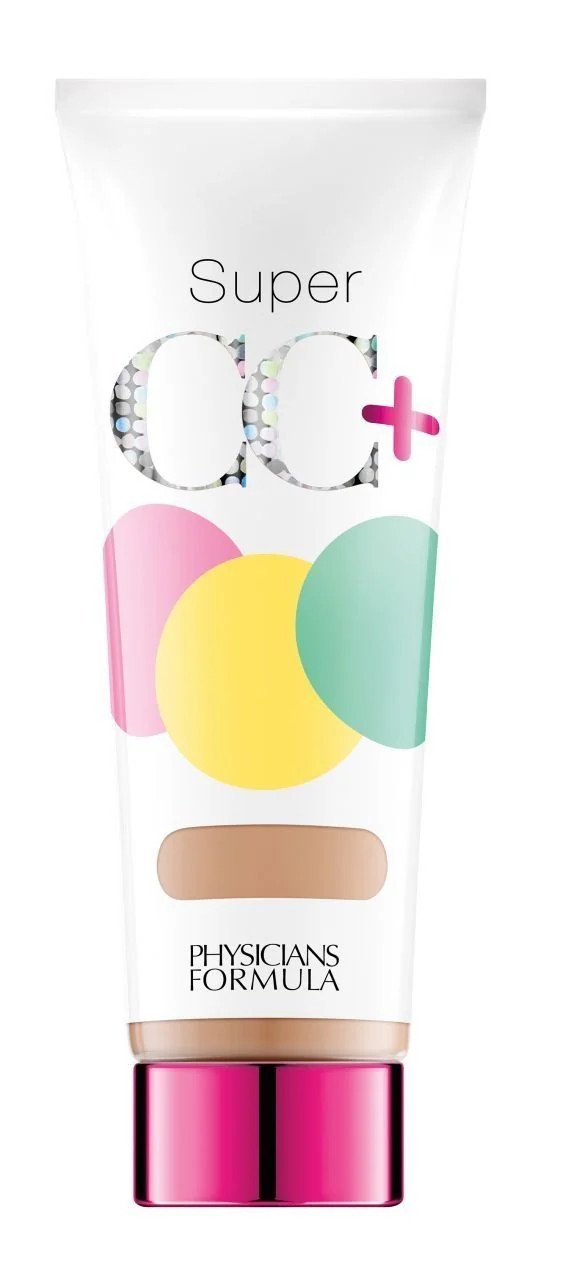
Physicians Formula has always aimed at skin that reacts to ordinary makeup, and Super CC+ is its colour correcting entry: a fragrance free positioned cream with correcting pigments, SPF 30 and a light to medium coverage that suits reactive mature skin. The pigment blend is the point of the product, using colour theory to neutralise the redness around the nose and the dull, sallow cast that bothers many women over 50, so skin looks rested rather than painted. The texture sits between a tinted moisturiser and a foundation, sets to a soft natural finish, and does not emphasise dry flakes as much as matte bases do, provided skin is moisturised first. It is also one of the gentler prices in this guide, which matters for a product used daily. The compromises are a very small shade range, coverage that stops at medium, and a formula that can transfer onto collars more than long wear bases. Readers with rosacea prone or easily flushed skin often land on this brand first, and for mature skin in that group it is a sensible, low drama choice that corrects colour without asking the skin to tolerate fragrance or heavy pigment loads. It also layers calmly under powder and takes cream blush without lifting, which makes it practical for a full morning routine rather than a bare skin day only.
Specifications
35 ml tube
SPF 30
colour correcting pigments
fragrance free positioning
dermatologist tested brand positioning
Pros
Fragrance free positioning for reactive skin
Correcting pigments tackle redness and sallowness
Gentler price for a daily use product
Cons
Very small shade range
Coverage stops at medium
Can transfer more than long wear bases
Who should buyyour mature skin flushes easily and reacts to fragrance
Who should skipyou need full, transfer proof coverage
Olay approaches the CC idea from the skincare side: Total Effects is its long running anti ageing line, and the CC cream is essentially its day moisturiser with a sheer tint and sun protection added. Niacinamide is the headline ingredient, supported by the line’s vitamin complex, in a formula the brand positions against seven signs of ageing from fine lines to uneven tone. For women over 50 who dislike the feeling of foundation, this is the lightest commitment in the guide: it evens tone gently, adds moisture, and leaves a healthy finish that never looks like makeup from conversational distance. The pump bottle is hygienic and the 50 ml size is generous. Set expectations correctly, though, because the tint is sheer, closer to a tinted moisturiser than to the full coverage of the IT Cosmetics pick, and the shade offering is essentially a couple of flexible tones rather than a true range. Age spots will still show through without a corrector underneath. The SPF also varies by market and should be treated as a top up over real sunscreen. Readers who want their morning routine down to cleanse, this, and lipstick will find it the most convenient product here. Used daily, the niacinamide base also suits the neck and the backs of the hands, where sun spots show age as much as the face does.
Specifications
50 ml pump
niacinamide and vitamin complex
sheer tinted coverage
SPF 15 in most markets
part of the Total Effects anti ageing line
Pros
Skincare first formula with niacinamide
Sheer tint that never looks like foundation
Generous 50 ml pump bottle
Cons
Tint too sheer to hide age spots alone
Only a couple of flexible shades
SPF varies by market, treat as a top up
Who should buyyou want moisturiser, tint and light protection in a single pump
Who should skipyou want a CC cream that replaces foundation completely
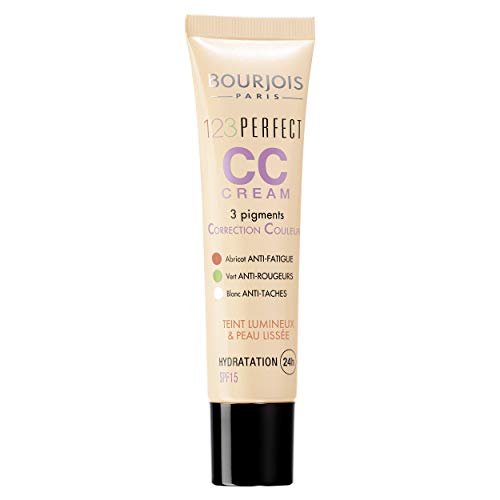
Bourjois built 123 Perfect around the oldest trick in makeup, colour correction, and it remains one of the clearest expressions of what a CC cream is supposed to do. Three pigments share the tube: apricot to counter tiredness, green to neutralise redness, and white to brighten dark spots, blended into a light base with SPF 15 and an oil free positioning. On mature skin the effect is less about coverage and more about correction, so the face looks fresher and more even while the product itself stays almost invisible, which suits women whose skin has thinned and shows heavy bases badly. The texture is fluid, spreads fast, and sets to a natural finish that does not need powder except on the T-zone. It is a European pharmacy staple at a friendly price. The trade offs are a shade range concentrated in light to medium tones, correction that fades faster than full coverage foundations over a long day, and availability that varies by country since the brand’s distribution has narrowed in some markets. For combination mature skin that wants redness and dullness handled without weight, it is a smart, understated pick. Because the correction does the work, it needs less product per application than a foundation, so the small tube lasts longer than its size suggests. A light press of powder over the centre of the face extends it through a working day.
Specifications
30 ml tube
three colour correcting pigments
apricot for anti fatigue, green for anti redness, white for dark spots per brand
SPF 15
oil free positioning
Pros
Three pigment correction for redness, fatigue and spots
Featherlight texture suits thinner mature skin
Friendly pharmacy price
Cons
Shades concentrated in light to medium tones
Correction fades over a long day
Availability varies by country
Who should buyyour main concerns are redness and dullness rather than deep spots
Who should skipyou need one base to last a full twelve hour day untouched
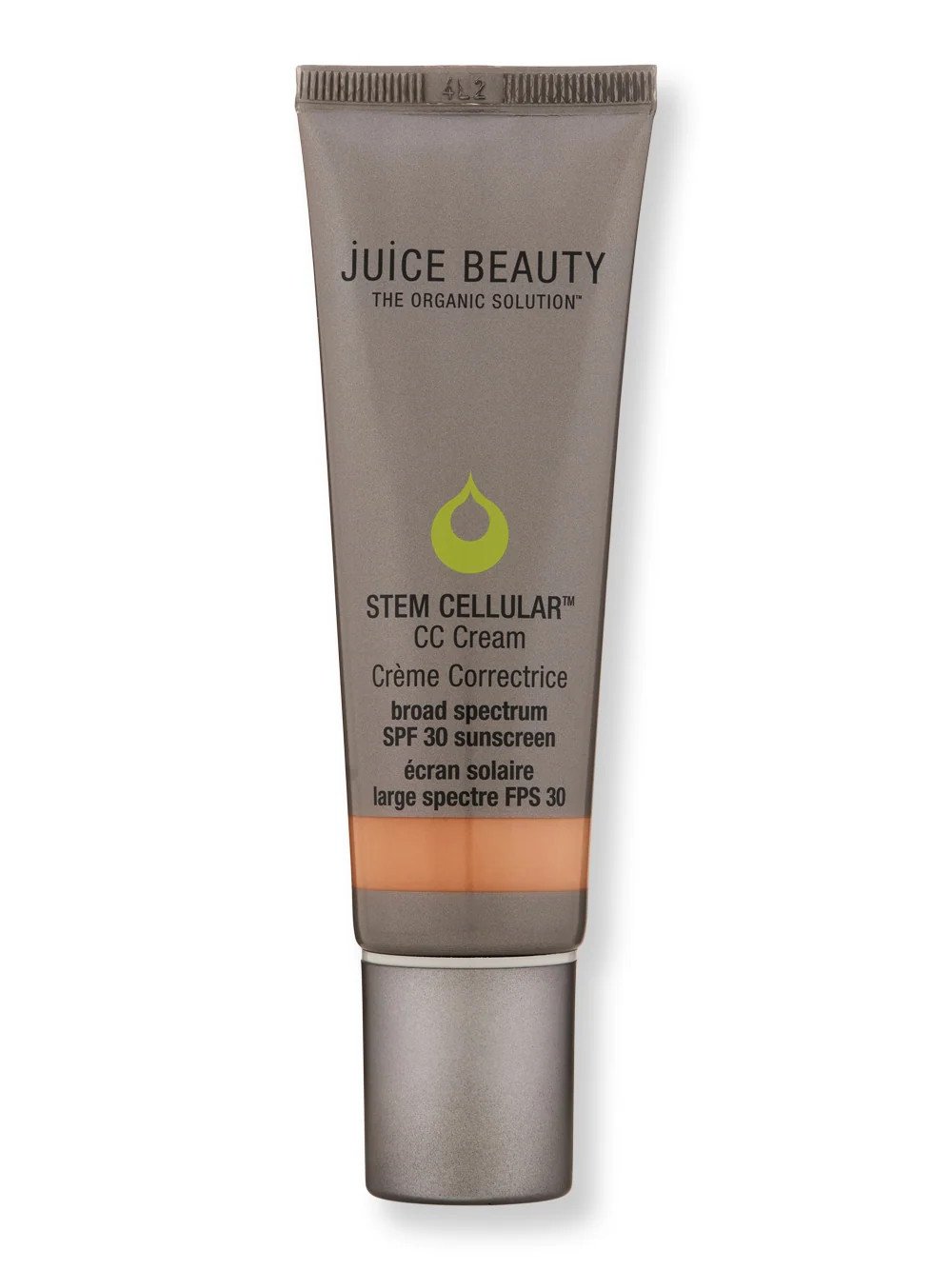
Juice Beauty is the clean beauty entry in this line up, a CC cream built on organic botanical juices with fruit stem cells, resveratrol rich grape and a mineral zinc SPF 30. It suits the reader over 50 who reads ingredient lists first and wants her base to double as antioxidant skincare with a tint, accepting sheerer coverage as the trade. The finish is genuinely glowy, which on well moisturised mature skin reads as healthy and rested, and the formula is free of the synthetic fragrance and dyes the brand’s audience avoids. Coverage is sheer to light, enough to unify tone and soften minor discolouration, not enough to hide a dark sun spot without help. Application is best in a thin layer over moisturiser, because the zinc base can drag on dry skin and settle if it is applied thickly. The shade range is small and the glow can tip into shine on combination skin by afternoon. It is also a premium price for the category. Within its own brief, though, it is coherent: certified organic positioning, mineral protection and a radiant finish for the ingredient led buyer who wants correction without a conventional foundation feel. The brand publishes its organic positioning openly, which ingredient led readers can check against their own standards before buying. It also sits comfortably under a mineral powder for readers who want a touch more coverage in the centre of the face.
Specifications
50 ml tube
SPF 30 mineral zinc oxide
fruit stem cells and resveratrol positioning
organic ingredient positioning
sheer to light coverage
Pros
Organic, ingredient led formula with mineral SPF 30
Radiant finish flatters well moisturised mature skin
Free of synthetic fragrance and dyes
Cons
Sheer coverage will not hide dark spots alone
Glow can become shine on combination skin
Premium price and small shade range
Who should buyyou shop clean beauty and want your base to work as skincare
Who should skipyou want matte, full coverage correction
Chanel CC Cream Super Active Complete Correction SPF 50
Chanel’s CC Cream is the luxury interpretation of the category, and it earns consideration here because its formula genuinely behaves like skincare with coverage rather than foundation with claims. The brand builds it around a peach complex for radiance and hyaluronic acid for moisture, with SPF 50, in a cream that melts to a luminous, even finish. On mature skin the effect is polish: pores and fine texture look softened, tone looks unified, and the face keeps a lit quality that flat matte bases cannot give. A little goes a long way, applied with fingers and blended at the edges, and it wears evenly rather than cracking into lines by evening. The compromises are the ones luxury always brings: the price is the highest in this guide, the shade range is narrow by modern standards, and the luminous finish will not suit readers who want shine controlled. There is also the standard caution that SPF in makeup is a supplement to, not a substitute for, a proper sunscreen layer. For the reader who buys one beautiful base and uses it daily, this is the connoisseur’s pick of the CC category. The tube keeps the cream hygienic to the last application, and the formula layers over a separate sunscreen without pilling when the first layer is given a minute to settle. For occasions when skin will be photographed, it is especially flattering.
Specifications
30 ml tube
SPF 50
peach complex and hyaluronic acid per brand
five shade positioning
luxury skincare makeup hybrid
Pros
Skincare grade feel with SPF 50
Luminous finish softens texture and lines
Wears evenly without cracking into lines
Cons
Highest price in this guide
Narrow shade range
Luminous finish will not suit shine averse readers
Who should buyyou want one luxurious daily base and will use it every day
Who should skipyou are shopping on a budget or need a wide shade range
A colour correcting cream, usually with more coverage and tone correcting pigments than a BB cream.
How it works: It corrects colour while covering like a light foundation.
Colour correction works through pigments: green tones counter redness, peach and apricot lift dullness and dark areas, lavender counters sallowness. Many CC creams are white or beige in the tube with encapsulated pigments that adjust on blending. Coverage sits between BB cream and foundation, and shade ranges, while better than they were, still run narrower than foundation ranges. As with BB cream, its SPF is a bonus, not a sunscreen replacement.
Best for: Uneven tone, redness and mature skin wanting coverage plus care.
In your routine: Apply a small amount to the areas of unevenness first, blend outward, and let it settle a minute before judging coverage, since pigment capsules develop as they are worked. Powder only where you crease or shine.
What Is BB Cream for Mature Skin?
A blemish balm giving sheer to medium coverage with skincare style ingredients and often SPF.
How it works: It evens tone lightly while feeling like a cream.
The category’s trade is coverage for comfort: it blurs and evens but will not cover strong marks or spots, which need concealer over it. Shade ranges are typically narrow, a genuine problem for very fair and deep skin. The SPF in BB creams is rarely applied in the amount needed for real protection, so it does not replace sunscreen. Finishes lean dewy; oily skin usually needs powder on the T zone to keep it in place.
Best for: Everyday light coverage with a natural finish.
In your routine: Apply like a moisturiser with fingers, a small amount blended from the centre of the face outward, building a second thin layer only where needed. Set the T zone lightly if you shine, and judge shade at the jawline in daylight.
The Downsides of Each
CC Cream: Shade ranges are often narrow. The commonest way people make it worse: applying it like a thick foundation all over, when it is designed to correct and even selectively
BB Cream for Mature Skin: Coverage is too light for strong marks or spots. The commonest way people make it worse: expecting foundation level coverage and layering it thickly, which looks heavier than foundation would
Verdict by Use Case
Choose CC Cream if uneven tone, redness and mature skin wanting coverage plus care. That is the use case where its strengths matter most, and where its main downside, shade ranges are often narrow.
Choose BB Cream for Mature Skin if everyday light coverage with a natural finish. That is the use case where its strengths matter most, and where its main downside, coverage is too light for strong marks or spots.
If your situation sits between the two, the deciding question is usually effort: which option fits the routine you will actually keep for the next three months? The better option on paper loses to the one you use consistently, in almost every makeup category.
Can You Use Both?
In many makeup routines the options complement each other: used at different times, on different days or for different areas, each covering the other’s weak ground. The cautions are overload and duplication: do not run both at full intensity in the same session, and do not pay twice for the same job. Introduce any combination gradually, one change at a time, so you can tell what each option is actually doing for you.
How to Decide
Work through three questions in order. First, which option matches your type: the table’s best for row is written for exactly this, and a mismatch there outweighs every other advantage. Second, which downside can you live with: every option in this comparison has one, and the right choice is usually the one whose downside does not touch your actual problem. Third, which fits the routine you already keep: the option that slots into your existing makeup habits will still be in use in three months, and consistency is what turns a reasonable choice into a good result. If the answers point different ways, weight them in that order: type, downside, routine.
Which is better overall, cc cream or bb cream for mature skin?
There is no universal winner: the better option is the one matching your skin or hair type, routine and the use cases in the verdict section above. The difference table shows where each one genuinely leads, and the downsides section shows what each one costs you.
Can I use both in the same routine?
In many makeup routines the two can complement each other, used at different times or for different areas, as long as the combination does not overload skin or hair. Introduce any combination gradually, and keep the total intensity at a level your routine can sustain.
Which is better for beginners?
Beginners usually do best with the option that has the gentler learning curve and the fewer downsides for their type, as set out in the table. Start there, and switch only if your needs change.
Which is better for sensitive skin?
The option with the shorter, gentler downside list for your type: compare the downsides row in the table first, start with the milder option, and patch test or trial at the lowest intensity before committing. If your skin or hair is under a clinician’s care, their sequencing comes first.
Which works out cheaper over time?
Compare total cost, not shelf price: how much product or how many consumables each option uses per month, how long a unit lasts in real use, and what you would otherwise spend on the alternative. In this category the cheaper option per use is often the one people abandon, which makes it the most expensive of all.
How do I decide if I can only choose one?
Match the option to your type first, using the best for row in the table, then check that its main downside does not overlap with the problem you are trying to solve. Finally, pick the one that fits the routine you already keep, because three months of consistent use with the second best option beats three weeks of the best one.
What is the best cc cream for mature skin over 50?
The buying guide Best CC Cream for Mature Skin over 50 compares the leading options for this exact need against the criteria that matter, with specifications, honest pros and cons, and a clear statement of who should skip each pick. It is linked from this page.
By Mirror & Glow Editorial Desk – November 23, 2026
Can You Use CC Cream and BB Cream Together? The short answer first, then the detail: apply a small amount to the areas of unevenness first, blend outward, with timing, amounts and the errors that stop it working.
By Mirror & Glow Editorial Desk – November 23, 2026
Can You Use CC Cream and Tinted Moisturizer Together? Apply a small amount to the areas of unevenness first, blend outward. The full method, the mistakes to avoid, and where it fits in your routine.
By Mirror & Glow Editorial Desk – November 23, 2026
The IT Cosmetics CC+ Cream, Supergoop CC Screen and Chanel CC Cream headline the best cc cream for mature skin over 50: ten creams judged on coverage that respects fine lines, sun protection and skincare ingredients, each photographed, specified and researched in full.