By Mirror & Glow Editorial Desk – November 23, 2026
Dropper applying oil to grey hair at the scalp in close up.
The short verdict on hair serum vs hair oil which is better: neither option wins for everyone. Hair Serum, Hair Oil differ in how they work, who they suit and what they cost in effort and money terms. Each option is explained in depth below, the table sets the differences out plainly, and the verdict section matches each option to the readers it actually suits.
Hair Serum vs Hair Oil Which Is Better Compared
Factor
Hair Serum
Hair Oil
How it works
–
It coats and conditions strands, reducing friction and breakage.
Best for
–
Softness, frizz control and shine matched by weight to hair type.
Routine fit
One pump or a few drops through mid lengths and ends of damp hair before heat styling, or dry hair to finish. Keep it off the roots. If hair feels coated after a few days, clarify and restart with less.
Apply to mid lengths and ends, never roots unless it is a scalp treatment, on damp hair for distribution or dry hair for finishing. Start with half what you think you need; adding is easy, removing means washing.
Cost level
Varies by brand and format; judge by the criteria in this guide rather than headline prices.
Varies by brand and format; judge by the criteria in this guide rather than headline prices.
Downsides
Expecting a serum to repair split ends or damage, when it coats rather than repairs
It seals rather than hydrating, and heavy oils flatten fine hair.
The Products Behind This Comparison
Comparisons are settled by real products, so the full line up from the buying guide Best Hair Serum for Damaged and Frizzy Hair is set out here in the same detail: every product with its photo, full description, specifications, pros and cons, and who should buy or skip it.
Product
Standout Point
Key Specification
Olaplex No. 9 Bond Protector Nourishing Hair SerumTop Pick
Treats damage and frizz together instead of just coating
90 ml airless pump – silicone free serum gel – Bis-Aminopropyl Diglycol Dimaleate bond building – heat protection up to 450F – for all hair types, applied to damp hair
Built specifically to stop styled hair swelling in humidity
125 ml spray pump – oil in serum leave in – sustainably sourced babassu oil – humidity protection for medium to coarse hair – applied to damp or dry hair
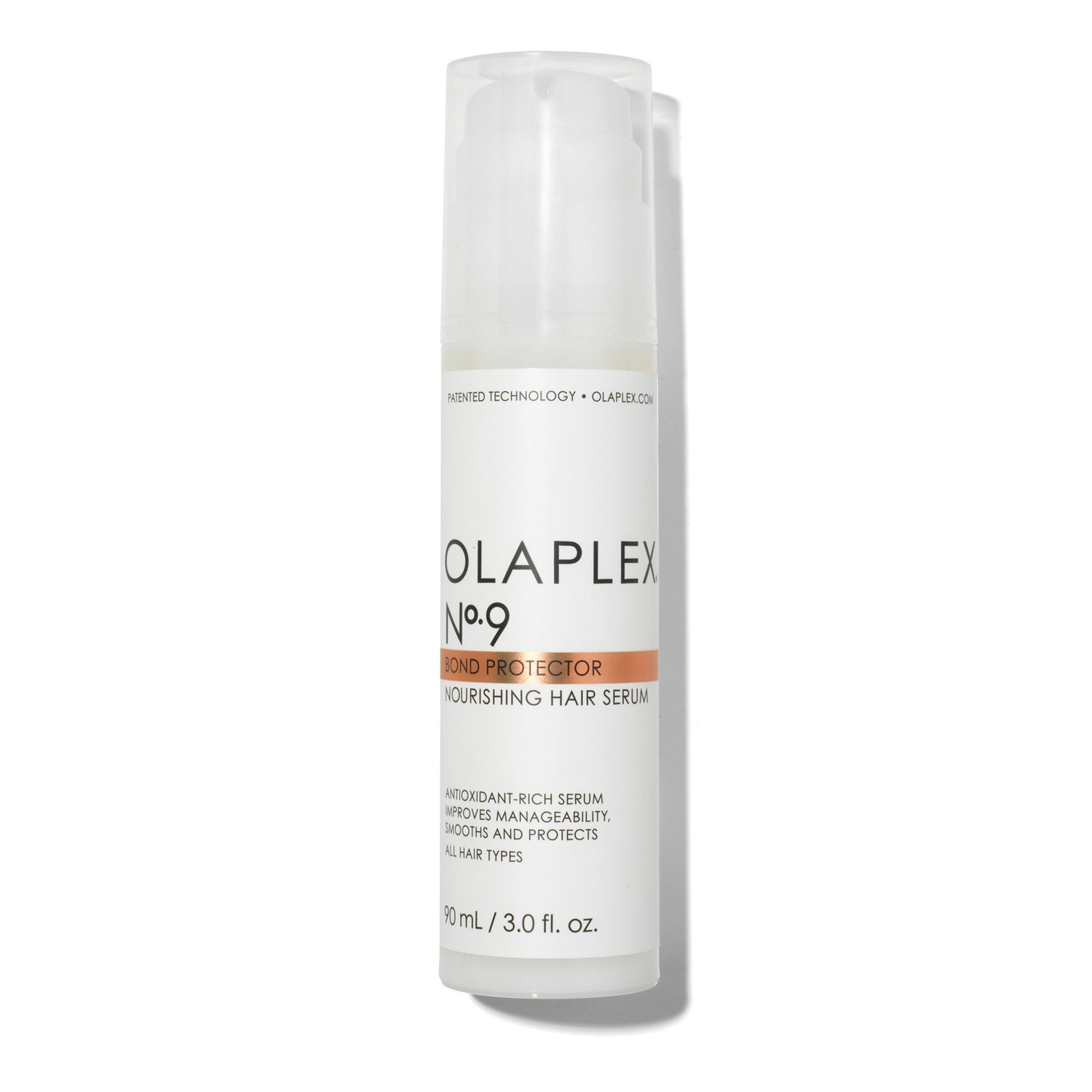
Olaplex No. 9 Bond Protector Nourishing Hair Serum
No. 9 is the serum Olaplex built for hair that is both damaged and frizz prone, and it works on the damage first: the formula carries the brand’s bond building chemistry in a silicone free, antioxidant rich serum gel, so it addresses the broken internal structure that makes damaged hair puff and misbehave rather than simply coating it into temporary smoothness. A red algae extract and antioxidant complex target pollution and free radical stress, and the serum gives heat protection up to 450 degrees Fahrenheit, which matters because damaged hair is usually damaged by styling. The texture is a light gel cream rather than an oil, applied to damp hair from mid lengths to ends, and it leaves satin shine and noticeably better control without the slip or weight of a silicone oil, so fine damaged hair can use it where classic serums flatten it. It also has a style memory effect that helps blow dries hold and reduces static. The honest limits: it is a premium price for 90 ml, the finish is polished rather than the glassy gloss a silicone oil gives, and severely compromised hair still needs the bond treatments and trims a leave on serum cannot replace. As a daily serum for damaged, frizzy hair, though, it is the most complete answer in this guide.
Specifications
90 ml airless pump
silicone free serum gel
Bis-Aminopropyl Diglycol Dimaleate bond building
heat protection up to 450F
for all hair types, applied to damp hair
Pros
Treats damage and frizz together instead of just coating
Silicone free, so fine damaged hair keeps its volume
Heat protection to 450F built into the same step
Cons
Premium price for a 90 ml bottle
Less glassy shine than a silicone oil serum
Cannot substitute for bond treatments on severe damage
Who should buyyour hair is damaged and frizzy and you want repair and control in one daily serum
Who should skipyou want the high gloss finish only a silicone oil gives, where Moroccanoil fits better
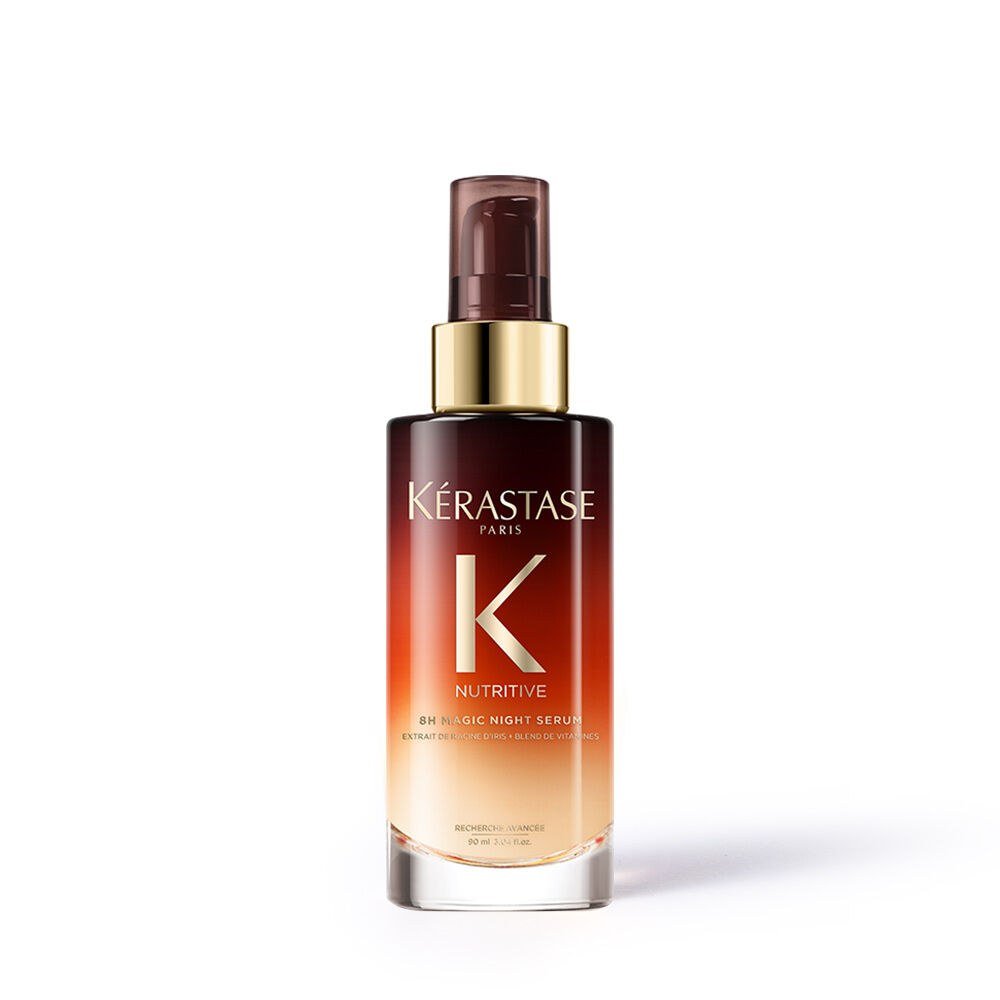
The 8H Magic Night Serum rethinks when a serum should work: instead of fighting frizz at styling time, it is applied to dry or towel dried hair before bed and nourishes for eight hours while you sleep, absorbing fully so nothing transfers to the pillow. The formula pairs iris root extract with a blend of five vitamins, aimed squarely at dry hair that wakes up rough, tangled and frizzy, and by morning hair is measurably softer, easier to detangle and calmer at the surface, which means less mechanical damage from morning brushing and less need for heat to fix the frizz. It suits fine to medium dry hair particularly well because the texture is a light cream serum that disappears rather than sitting on the hair, and a small amount through the ends also works as a gentle day time finisher on very dry lengths. Used nightly it behaves like skincare for hair, a cumulative conditioning habit rather than a rescue product. The trade offs are the salon price, a fragrance some sleepers find strong for a product worn overnight, and the fact that it is a nourisher, not a heat protectant or a styling serum, so the morning routine still needs its own products. For damaged hair whose frizz is really dryness, it is a quietly transformative pick.
Specifications
90 ml pump bottle
overnight leave in serum
iris root extract and five vitamin blend
for dry hair, fine to medium
applied before bed, no rinse
Pros
Works overnight, so mornings start with calmer hair
Fully absorbs with no pillow transfer or greasy feel
Light enough for fine dry hair that oils overwhelm
Cons
Salon price for 90 ml
Fragrance is strong for an overnight product
No heat protection, so it does not replace a styling serum
Who should buyyour frizz is driven by dryness and you want repair happening while you sleep
Who should skipyou need one serum that also protects against hot tools, where Olaplex No. 9 fits better
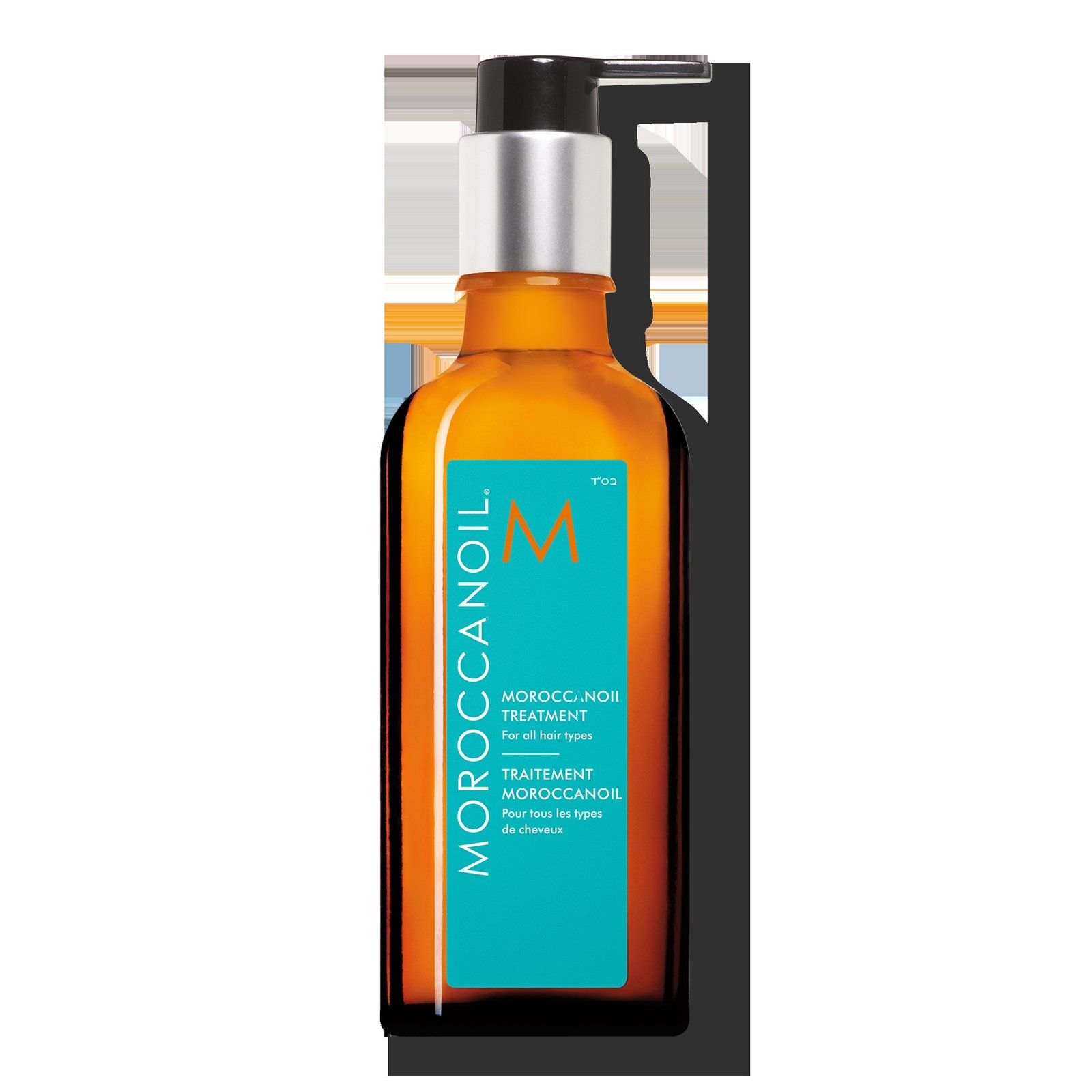
Moroccanoil Treatment is the original oil serum that created this category, and for thick, damaged, frizz prone hair it remains the benchmark finish: argan oil and linseed extract carried in a silicone base that smooths the cuticle, adds immediate gloss and shortens drying time when worked through damp hair. On hair that is coarse, porous or heavily processed, that richness is exactly the point, because porous hair drinks lighter serums and stays rough, while this coats evenly, detangles and gives the conditioned, polished feel that defines a good blow dry. It doubles as a finishing oil on dry hair to press down frizz and revive shine between washes, and a little genuinely goes a long way, so the glass bottle lasts months. The formula is also the base of an entire care line, which makes matching shampoo and masks easy. The downsides are real: the silicones that make it work can build up on fine hair and are not welcome in strict silicone free routines, the signature fragrance is strong and divides opinion, and on fine or easily weighed down hair even a pea sized amount can look greasy by day two. There is a Light version for fine hair, but for the damaged and frizzy brief, the original is the one that performs.
Specifications
100 ml glass bottle
argan oil and linseed extract
silicone based oil serum
for medium to coarse and very dry hair
damp or dry application
Pros
The benchmark smoothing finish for coarse, porous hair
Speeds drying time and detangles as it smooths
A little goes far, so the bottle lasts for months
Cons
Silicone heavy, so not for silicone free routines
Easily too rich for fine hair
Strong signature scent that divides users
Who should buyyour hair is thick, coarse or very dry and lighter serums disappear into it
Who should skipyour hair is fine or you avoid silicones, where Olaplex No. 9 fits better
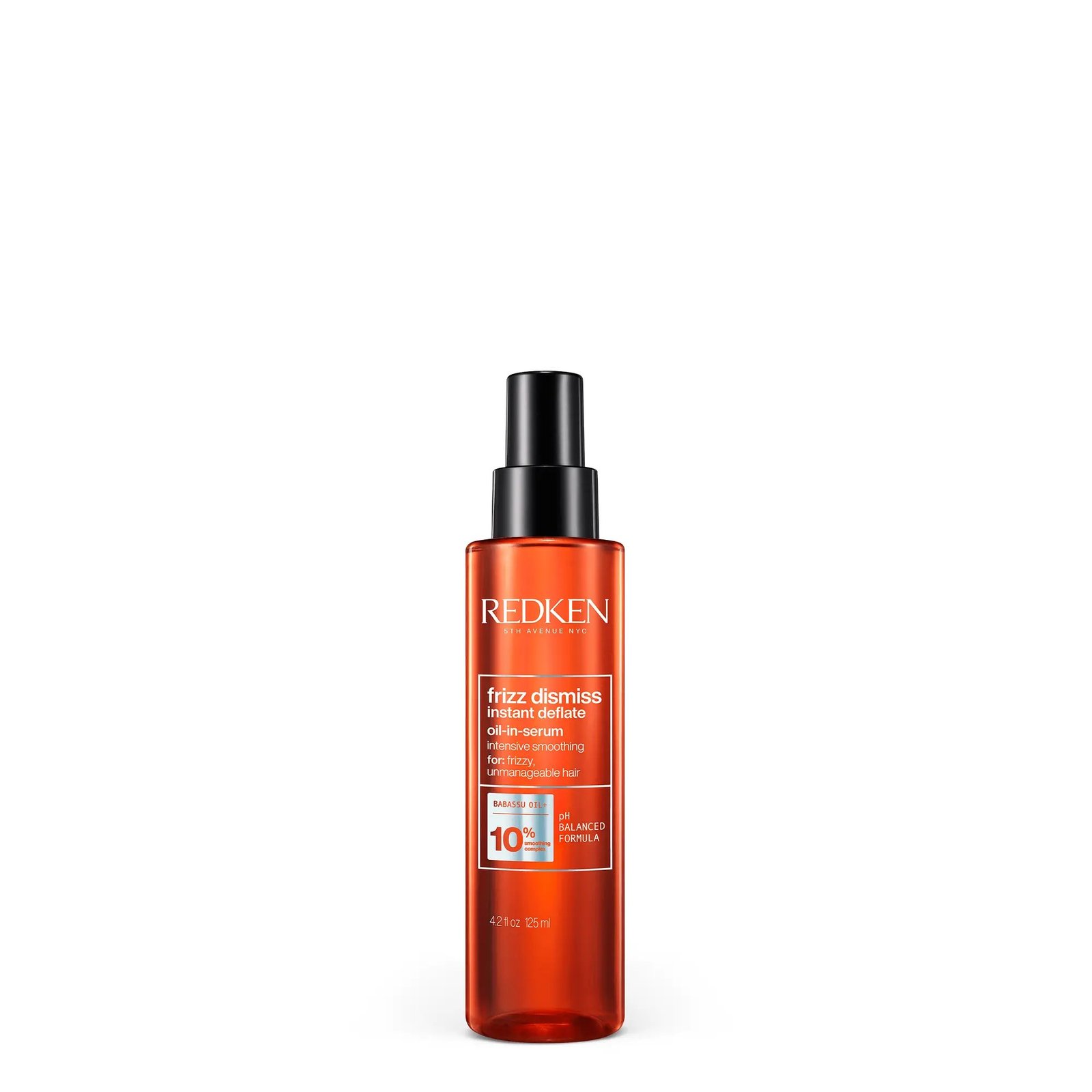
Instant Deflate is Redken’s answer to a specific misery: hair that is smooth when styled and swollen an hour later in humid air. It sits in the Frizz Dismiss line, built around sustainably sourced babassu oil, and the oil in serum format is aimed at medium to coarse hair that puffs in moisture heavy weather. Applied to damp hair before drying, or smoothed over dry hair as a finisher, it controls volume and frizz without the flat, coated feel of heavy oils, and it is particularly good on hair that is damaged at the ends, where frizz starts. Redken rates its frizz protection by hair type across the line, and this is the leave in step designed to deflate rather than merely shine, so blow dries keep their shape outdoors. It layers sensibly with the matching shampoo and conditioner for very unruly hair. The limits: fine hair will find it too much except in tiny amounts on the ends, the frizz control is cosmetic and washes out rather than cumulative, and in extreme humidity no leave in fully holds, so expectations should stop at strong control rather than immunity. For damaged hair in a humid climate, it earns its place near the top of this guide.
Specifications
125 ml spray pump
oil in serum leave in
sustainably sourced babassu oil
humidity protection for medium to coarse hair
applied to damp or dry hair
Pros
Built specifically to stop styled hair swelling in humidity
Controls volume without a flat, coated finish
Works as both a damp hair styler and dry finisher
Cons
Too rich for fine hair beyond the ends
Control is cosmetic and washes out
Extreme humidity will still win eventually
Who should buyyour styled hair swells and puffs in humid weather
Who should skipyour hair is fine and needs weightless control, where the Kérastase night serum fits better
Virtue’s Healing Oil is built around the brand’s signature ingredient, Alpha Keratin 60ku, a human keratin protein Virtue says is recognised by the body and binds to damaged areas of the hair shaft. In practice it behaves as a very refined finishing oil: a few drops warmed between palms and pressed through mid lengths and ends give shine, softness and frizz control with an unusually clean finish, because the formula pairs the protein with lightweight oils rather than heavy silicones. For damaged hair the appeal is the combination of cosmetic smoothing now and a protein story aimed at strength over time, and the texture suits a wide range of hair, including finer damaged hair that cannot take Moroccanoil weight. It also works as a pre wash treatment on very dry ends and mixes into masks. The compromises are the price per millilitre, the highest in this guide, a dropper that makes dosing generous pours easy to overdo, and shine that is healthy rather than mirror gloss. The scent is a warm, mild floral that most users find inoffensive. Readers who want a prestige oil that treats damage as its first job, rather than fragrance or gloss, will find this the most considered formula here.
Specifications
50 ml dropper bottle
Alpha Keratin 60ku protein
tocopherol and tamanu oil blend
for damaged hair of all types
damp or dry application
Pros
Keratin protein story aimed at damage, not just shine
Clean, lightweight finish unusual in an oil
Works across fine to coarse damaged hair
Cons
Highest price per millilitre in this guide
Dropper makes overdosing easy
Shine is healthy rather than high gloss
Who should buyyou want a prestige oil whose first job is damaged hair, in a light finish
Who should skipyou go through oil quickly and need value, where OGX or TRESemmé fit better
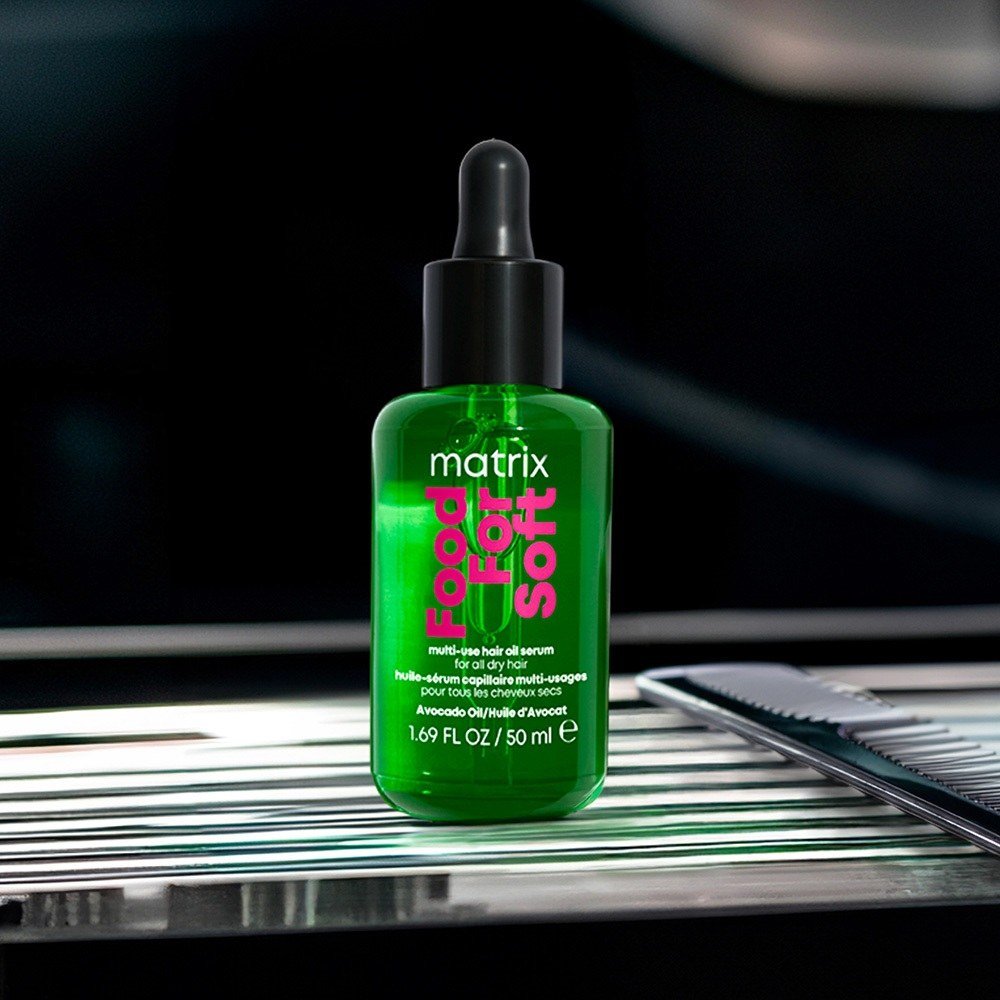
Food For Soft is Matrix’s dry hair line, and this oil serum is its finishing step: avocado oil for nourishment and hyaluronic acid for moisture, in a multi use format that can be worked through damp hair before drying, smoothed over dry hair to finish, or used as an overnight ends treatment. For damaged and frizzy hair the interesting part is the moisture angle, because much frizz on damaged hair is the hair reaching for water from the air, and a humectant plus oil combination addresses both the dryness and the sealing. It also carries heat protection up to 450 degrees Fahrenheit, so it can be the only leave in before a blow dry. The texture sits in the middle of this guide, richer than Virtue, lighter than Moroccanoil, which makes it a sensible first salon serum for medium hair. The trade offs: hyaluronic acid on hair is a surface effect that needs the oil over it to last, very coarse hair may want something heavier, and the dropper bottle is small for long, thick hair used daily. As a modern, moisture led serum at a fair salon price, it is one of the easiest recommendations in this line up.
Specifications
50 ml dropper bottle
avocado oil and hyaluronic acid
oil serum for dry hair
heat protection up to 450F
damp or dry application
Pros
Pairs humectant moisture with sealing oil in one step
Heat protection to 450F for blow dry days
Midweight texture suits most medium hair
Cons
Small bottle for long, thick hair
Very coarse hair may need a heavier oil
Moisture effect needs sealing to last in humidity
Who should buyyour damaged hair is dry rather than coarse and needs moisture plus control
Who should skipyour hair is very coarse and porous, where Moroccanoil Treatment fits better
Smoothproof is Biolage’s long running frizz serum, inspired by the camellia flower’s ability to shed water, and that water resistant idea is the whole product: a lightweight serum that coats the hair to resist humidity and keep styles smooth for longer between washes. It is one of the more versatile serums in this guide, working through damp hair before a blow dry or pressed over dry hair to calm flyaways and reseal ends, and the finish is clean rather than oily, which makes it a good match for medium hair that is damaged at the surface but not coarse. Biolage positions it for frizzy, unmanageable hair, and in the matching Smoothproof system it behaves as the sealing last step. For damaged hair specifically it is a protector of styles rather than a repairer, so it pairs best with a bond or protein product underneath on wash days. The limits follow from that: it will not transform very rough, porous hair on its own, the pump bottle is modest in size, and in very high humidity it extends a blow dry rather than guaranteeing it. As an affordable salon serum for everyday frizz management on normal wash day routines, it has honestly earned its long shelf life.
Specifications
89 ml pump bottle
camellia flower extract serum
humidity resistant smoothing
for frizzy and unmanageable hair
damp or dry application
Pros
Humidity resistant finish that extends a blow dry
Clean, non greasy feel on medium hair
Works on damp hair and as a dry finisher
Cons
A style protector rather than a repair treatment
Modest 89 ml bottle
Very porous hair needs a richer product underneath
Who should buyyou want an affordable salon serum to keep everyday frizz and flyaways down
Who should skipyour hair is severely damaged and needs repair first, where Olaplex No. 9 fits better
OGX’s coconut milk serum is the supermarket pick of this guide, and its brief is breakage: coconut milk and egg white proteins in a light serum aimed at hair that snaps, splits and frizzes because it is fragile. The texture is thinner than the oil serums above it here, so it spreads easily through damp hair before drying and can be smoothed over dry ends without an oily residue, and for the price of a coffee it gives fine to medium damaged hair a workable daily layer of slip, shine and light, lasting frizz control. It is also one of the easiest products in this guide to actually buy, sitting in supermarkets and pharmacies almost everywhere. Nobody should mistake it for a salon serum: the protein content is modest, the frizz control fades faster in humidity than the Redken or Biolage options, and the coconut scent, while pleasant to most, is distinctly sweet. Hair that is severely damaged will outgrow it quickly and need a bond product. But as a first serum, a gym bag bottle, or the budget answer for a teenager’s damaged lengths, it does its stated job honestly, every wash, and costs very little to find out.
Specifications
118 ml pump bottle
coconut milk and egg white proteins
budget serum for damaged hair
damp or dry application
widely sold in supermarkets
Pros
Genuine budget price and sold almost everywhere
Light texture suits fine to medium damaged hair
Protein angle aimed at breakage prone lengths
Cons
Frizz control fades faster than salon serums
Modest protein content for severe damage
Sweet coconut scent will not suit everyone
Who should buyyou want a cheap daily serum for fragile, breakage prone hair
Who should skipyou need humidity proofing that lasts all day, where Redken Frizz Dismiss fits better
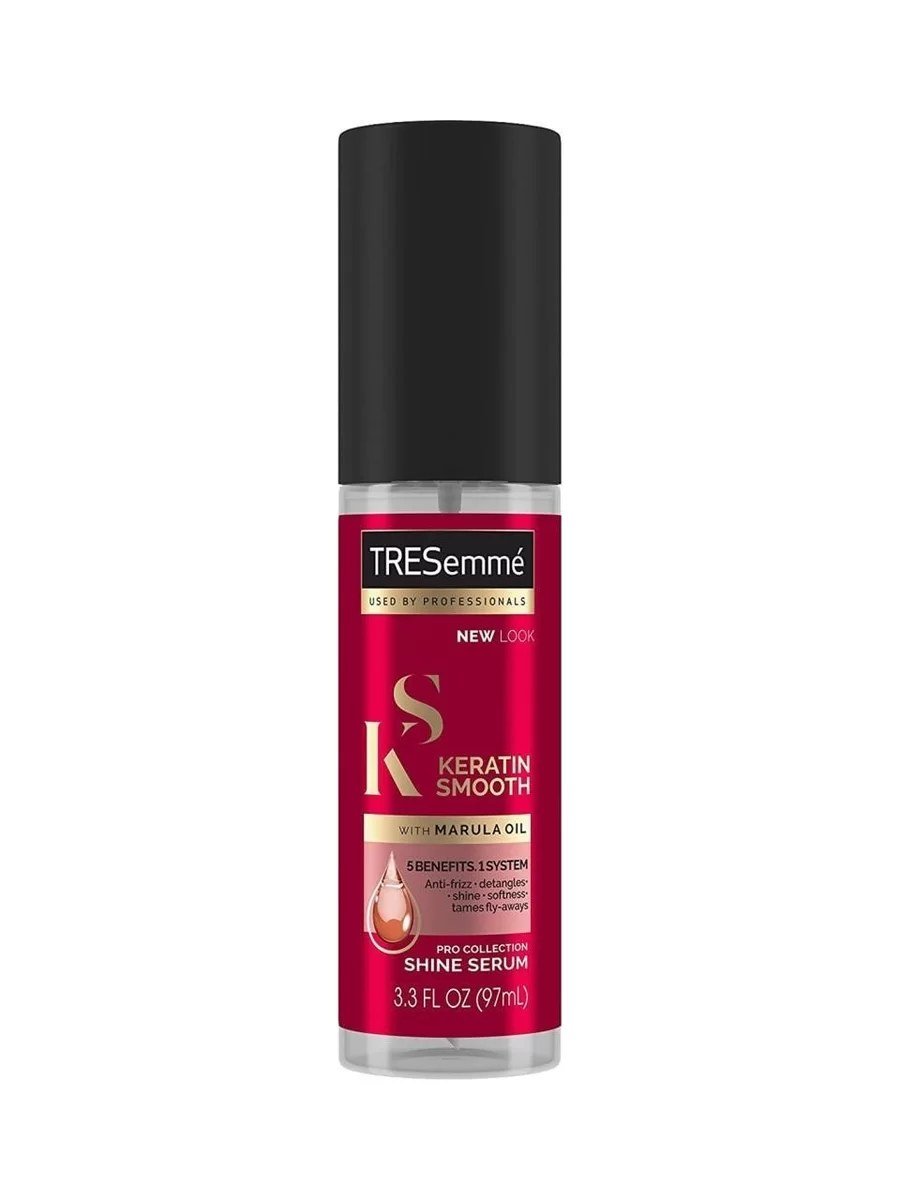
TRESemmé’s Keratin Smooth serum is the high street end of the keratin idea: keratin protein plus marula oil in a smoothing serum that promises up to 72 hours of frizz control and heat protection up to 230 degrees Celsius, at a price that undercuts every salon bottle in this guide. In use it is a classic silicone smooth serum, best worked through damp hair before a blow dry, where it gives the sleek, swishy finish the line is known for and genuinely helps a blow dry survive a damp commute. On damaged hair the keratin is a surface smoothing story rather than deep repair, but as part of the Keratin Smooth system, with the matching shampoo and conditioner, it delivers a coherent salon look routine for very little money. The trade offs are a formula that can coat fine hair if over applied, shine that reads as sleek rather than natural, and performance that depends on the blow dry: air dried hair gets less from it. It is also fragranced in the familiar TRESemmé way. For readers whose damage comes with a tight budget and a regular daily blow dry habit, this is the pragmatic pick of the whole guide.
Specifications
97 ml pump bottle
keratin and marula oil
up to 72 hour frizz control claim
heat protection up to 230C
for dry and frizzy hair
Pros
Keratin smoothing at a true high street price
Heat protection to 230C for daily blow dries
Part of a complete, cheap matching system
Cons
Can coat fine hair if over applied
Works best with a blow dry, less for air drying
Surface smoothing rather than deep repair
Who should buyyou blow dry daily and want keratin smoothing on a budget
Who should skipyou air dry and want a treatment serum, where the Kérastase night serum fits better
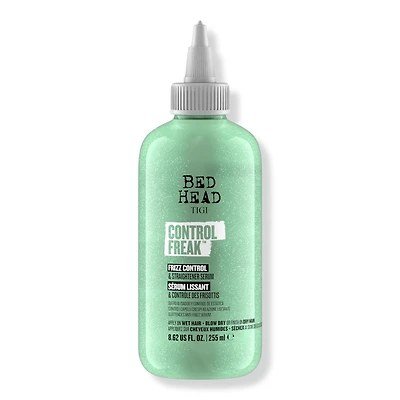
Control Freak is the extrovert of this guide: a pearlescent green serum from TIGI’s Bed Head line that has been taming frizz since long before bond building existed, in a big 250 ml salon bottle that makes it the value pick for heavy users. The formula is a light, water based smoothing serum rather than an oil, which gives it a different feel from most of this line up: it slicks frizz and flyaways down, adds shine and resists humidity without an oily finish, and it can be applied to wet hair before styling or smoothed over dry hair to finish. That lightness makes it a favourite for fine to medium frizzy hair and for curly hair used under a gel, while very coarse or porous hair may find it too light to fully smooth. For damaged hair it is a styling aid, not a treatment, so it earns its place on finish and value rather than repair. The scent is a sweet, fruity salon fragrance that lingers, and the nozzle bottle is less precise than a pump. If your household gets through serum quickly, or you style several heads of frizzy hair, Control Freak’s size and price per millilitre are hard to argue with.
Specifications
250 ml bottle
lightweight frizz control serum
for wet or dry hair
resists humidity and adds shine
salon size value bottle
Pros
Big 250 ml bottle is the value pick of this guide
Water based lightness with no oily finish
Good under gel for curly hair routines
Cons
A styling aid, not a damage treatment
Too light for very coarse, porous hair
Sweet fruity scent lingers
Who should buyyou use serum daily and want salon size value with a light finish
Who should skipyour hair is coarse and needs a rich oil, where Moroccanoil Treatment fits better
A hair serum is a lightweight finishing product, usually silicone based, that smooths the hair surface, adds shine, reduces frizz and often provides heat protection. It is a surface perfector: it makes hair look and behave better without changing its condition.
Silicones such as dimethicone coat each strand thinly, which is why serum works instantly and washes out with shampoo. That coating is also the difference from hair oil: serums are engineered for slip and shine, oils for conditioning richness. Many serums include heat protection, making them the practical pre styling step. Build up is possible with heavy daily use on fine hair, answered by a clarifying wash. A serum cannot repair damage; it disguises it well, which is a legitimate job.
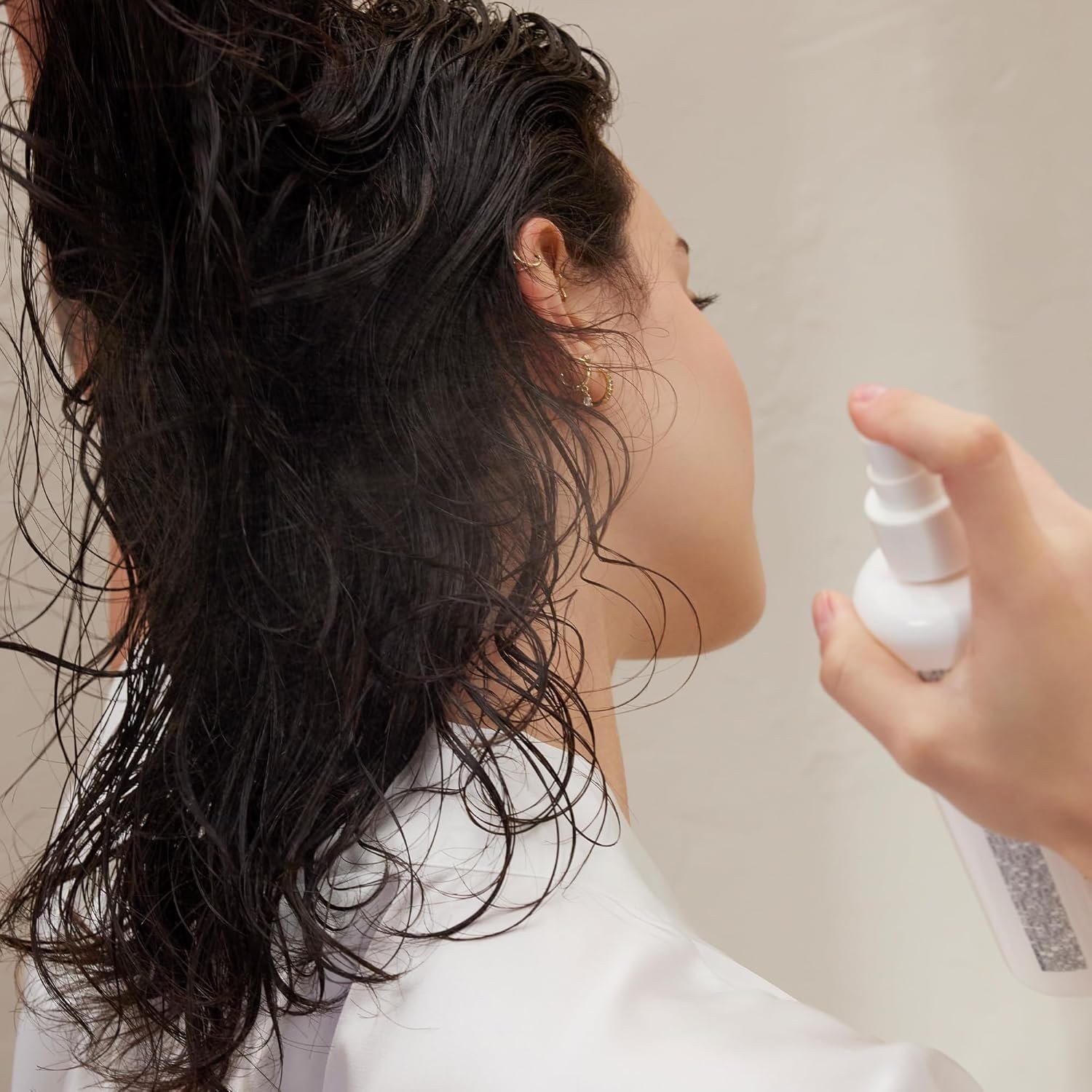
In your routine: One pump or a few drops through mid lengths and ends of damp hair before heat styling, or dry hair to finish. Keep it off the roots. If hair feels coated after a few days, clarify and restart with less.
What Is Hair Oil?
An oil used to condition, smooth and shine hair lengths, from pure plant oils to blended finishing oils.
How it works: It coats and conditions strands, reducing friction and breakage.
Weight is the organising principle: fine hair takes the lightest oils and tiny amounts, coarse and curly hair takes richer oils and more of them. Some oils penetrate the hair shaft, coconut being the studied example, while most coat the surface. Finishing blends with silicones add heat protection and smoothness that pure oils do not claim. Oil is not moisture; hair still needs water based conditioning, with oil sealing it in, which is why oil on dry, brittle hair alone disappoints.
Best for: Softness, frizz control and shine matched by weight to hair type.
In your routine: Apply to mid lengths and ends, never roots unless it is a scalp treatment, on damp hair for distribution or dry hair for finishing. Start with half what you think you need; adding is easy, removing means washing.
The Downsides of Each
Hair Serum: Expecting a serum to repair split ends or damage, when it coats rather than repairs The commonest way people make it worse: expecting a serum to repair split ends or damage, when it coats rather than repairs
Hair Oil: It seals rather than hydrating, and heavy oils flatten fine hair. The commonest way people make it worse: using oil as the only response to dry hair, when the hair needs water based moisture first
Verdict by Use Case
Choose Hair Serum if your needs match this option That is the use case where its strengths matter most, and where its main downside, expecting a serum to repair split ends or damage, when it coats rather than repairs
Choose Hair Oil if softness, frizz control and shine matched by weight to hair type. That is the use case where its strengths matter most, and where its main downside, it seals rather than hydrating, and heavy oils flatten fine hair.
If your situation sits between the two, the deciding question is usually effort: which option fits the routine you will actually keep for the next three months? The better option on paper loses to the one you use consistently, in almost every hair care category.
Can You Use Both?
In many hair care routines the options complement each other: used at different times, on different days or for different areas, each covering the other’s weak ground. The cautions are overload and duplication: do not run both at full intensity in the same session, and do not pay twice for the same job. Introduce any combination gradually, one change at a time, so you can tell what each option is actually doing for you.
How to Decide
Work through three questions in order. First, which option matches your type: the table’s best for row is written for exactly this, and a mismatch there outweighs every other advantage. Second, which downside can you live with: every option in this comparison has one, and the right choice is usually the one whose downside does not touch your actual problem. Third, which fits the routine you already keep: the option that slots into your existing hair care habits will still be in use in three months, and consistency is what turns a reasonable choice into a good result. If the answers point different ways, weight them in that order: type, downside, routine.
There is no universal winner: the better option is the one matching your skin or hair type, routine and the use cases in the verdict section above. The difference table shows where each one genuinely leads, and the downsides section shows what each one costs you.
Can I use both in the same routine?
In many hair care routines the two can complement each other, used at different times or for different areas, as long as the combination does not overload skin or hair. Introduce any combination gradually, and keep the total intensity at a level your routine can sustain.
Which is better for beginners?
Beginners usually do best with the option that has the gentler learning curve and the fewer downsides for their type, as set out in the table. Start there, and switch only if your needs change.
Which is better for delicate or damaged hair?
The option with the shorter, gentler downside list for your type: compare the downsides row in the table first, start with the milder option, and patch test or trial at the lowest intensity before committing. If your skin or hair is under a clinician’s care, their sequencing comes first.
Which works out cheaper over time?
Compare total cost, not shelf price: how much product or how many consumables each option uses per month, how long a unit lasts in real use, and what you would otherwise spend on the alternative. In this category the cheaper option per use is often the one people abandon, which makes it the most expensive of all.
How do I decide if I can only choose one?
Match the option to your type first, using the best for row in the table, then check that its main downside does not overlap with the problem you are trying to solve. Finally, pick the one that fits the routine you already keep, because three months of consistent use with the second best option beats three weeks of the best one.
What is the best hair serum for damaged and frizzy hair?
The buying guide Best Hair Serum for Damaged and Frizzy Hair compares the leading options for this exact need against the criteria that matter, with specifications, honest pros and cons, and a clear statement of who should skip each pick. It is linked from this page.
By Mirror & Glow Editorial Desk – November 23, 2026
Silicones such as dimethicone coat each strand thinly. This guide applies that to how to apply hair serum on scalp step by step: the method, the timing, and the traps to avoid.
By Mirror & Glow Editorial Desk – November 23, 2026
Can You Use Hair Serum and Leave in Conditioner? A hair serum is a lightweight finishing product, usually silicone based — the guide explains the why, the step by step how, and what to do when it does not work.
By Mirror & Glow Editorial Desk – November 23, 2026
Best Hair Serum for Damaged and Frizzy Hair: Olaplex No. 9 Bond Protector Nourishing Hair Serum leads the picks, each photographed and specced with honest pros and cons and a buy or skip verdict.