Alpha Skin Care Renewal Body Lotion
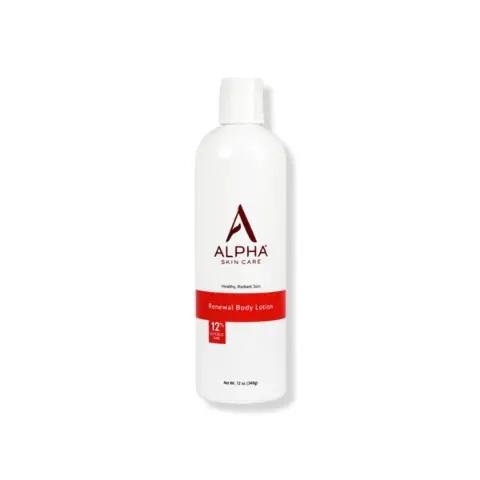
Specifications
- 340 g bottle
- 12% glycolic acid AHA
- renewal body lotion
This guide answers alpha skin care renewal body lotion before and after directly, then explains the method, the common mistakes and the point at which professional advice is the right next step. Everything is specific to body lotion and to body care routines.
Body lotion is the lighter, pump bottle end of body moisturisers: a fast absorbing emulsion for daily maintenance of mild to moderate dryness over large areas. It is the consistency product, the one people actually apply every day, which is its main clinical virtue.
Lotions are mostly water with humectants such as glycerin and a light oil phase, so they spread thin and absorb fast. For genuinely dry or rough skin the same brand’s cream will outperform it, and for texture problems like bumps, an active lotion with lactic acid or urea does work a plain lotion cannot. Fragrance is the main tolerance question, since lotion covers the most skin area of any product you own.
Apply within a few minutes of showering, onto slightly damp skin, a thin film over the whole area rather than spots. Daily use is the design assumption; if skin still feels tight by midday, step up to a cream rather than applying lotion twice.
Build the habit at the gentlest effective level first and attach it to something you already do, after a shower, before bed, with your morning routine, because techniques attached to existing habits survive. Keep the rest of your body care routine stable while you judge the change, and give the routine the full period the product guidance describes before deciding it does not work.
The method below is the standard technique for this category, in the order that makes each step work. Adapt the amounts to your own skin or hair, and keep the order. If you still need the product itself, the buying guide Best Body Lotion for Dry Skin Dermatologist Recommended compares the current options for this exact need.
Fit matters more than intensity with body lotion. Build the habit at the gentlest effective level first: the right product amount, the right frequency for your type, and one change at a time so you can see what is actually helping. Keep the rest of your body care routine stable while you judge the change, and give the routine the full period the product guidance describes before deciding it does not work.
Keep notes for the first two weeks: what you used, how much, and how your skin or hair felt the next day. That simple record answers most follow up questions, including whether a reaction came from the new step or from something layered with it.
The natural companion read is How to Use Body Lotion Before Bath or After Bath, which covers the next question most readers ask once this one is settled.
| Product | Key Specification | |
|---|---|---|
|
Alpha Skin Care Renewal Body Lotion |
340 g bottle – 12% glycolic acid AHA – renewal body lotion | Check Price on Amazon |
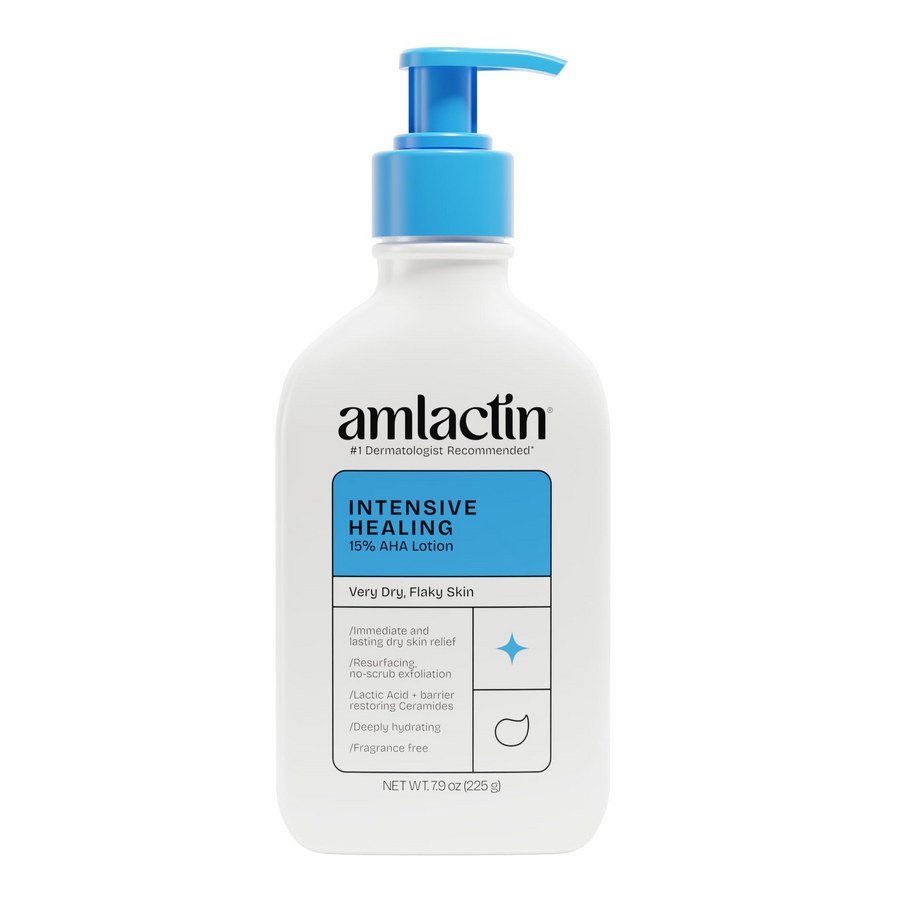 AmLactin 15% Lactic Acid Lotion |
567 g pump – 15% lactic acid – exfoliating moisturiser | Check Price on Amazon |
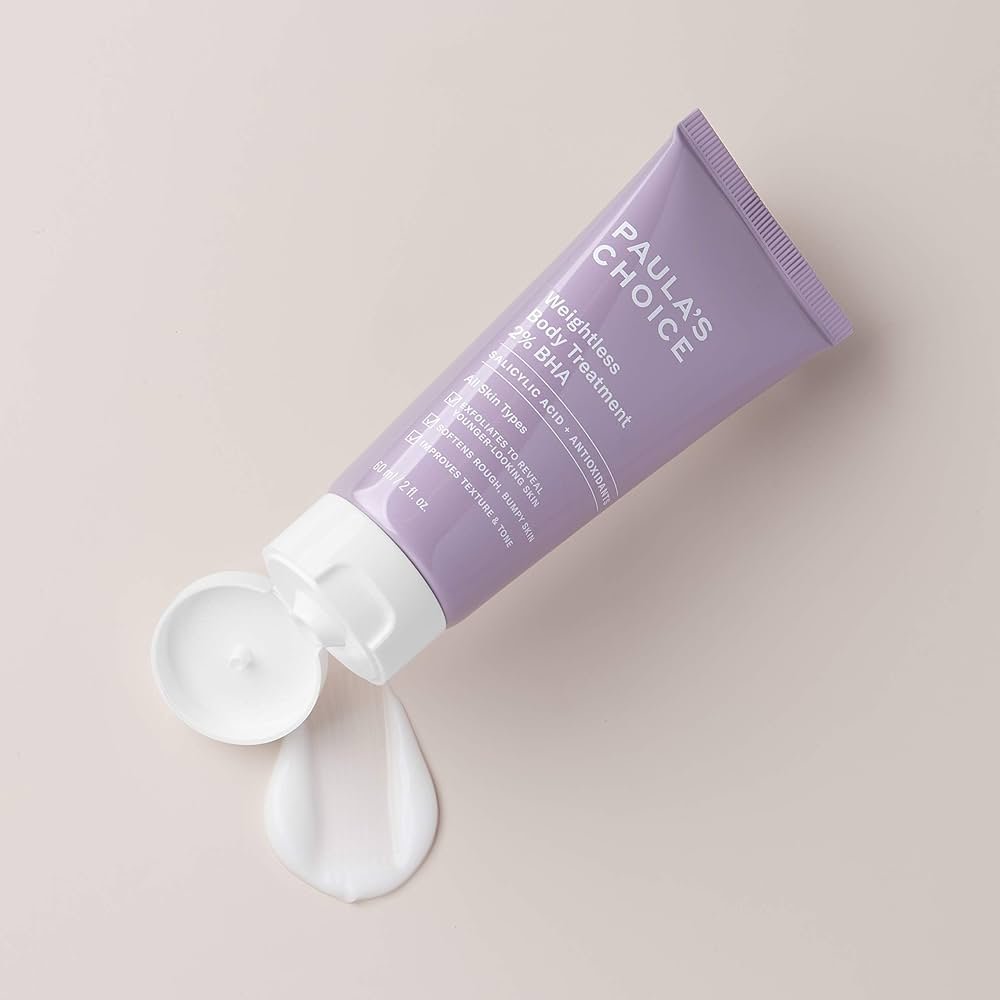 Paula’s Choice Weightless Body Treatment 2% BHA |
210 ml tube – 2% salicylic acid – leave on body treatment – fragrance free | Check Price on Amazon |
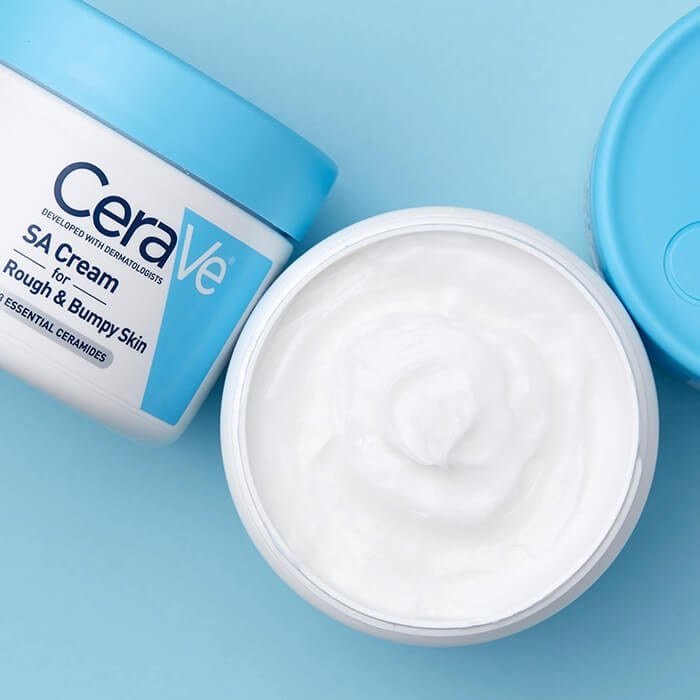 CeraVe SA Cream for Rough & Bumpy Skin |
340 g tub – salicylic and lactic acids – ceramides – fragrance free | Check Price on Amazon |
AmLactin earns its place in a back routine as the large area exfoliating moisturiser: 15% lactic acid in a pump bottle big enough to cover a back daily without rationing. Lactic acid loosens the surface layer where pigment from healed breakouts sits, so marks fade faster than they would under a plain moisturiser, and it smooths the rough, congested texture that often accompanies back acne. It is also a humectant, so unlike many acne treatments it improves hydration while it exfoliates, which matters on backs dried out by benzoyl peroxide washes and retinoids. In a routine it usually takes the morning slot or alternate nights, kept apart from adapalene applications while skin builds tolerance. The cautions are the acid cautions: tingling is common at first, it should not go on broken or freshly picked skin, which on acne prone backs requires honesty about habits, and sun protection matters on exposed shoulders and backs. It will not unclog deep, inflamed breakouts by itself, so it supports rather than replaces the salicylic acid or retinoid steps. For widespread flat dark marks across the back and shoulders, its combination of strength, size and price makes it the guide’s most practical fading lotion. That practicality is decisive on a back, where the best product is the one that can cover the area every single day without becoming a project.
Who should buyyour back marks are widespread and flat, and you need an affordable daily fading lotion.
Who should skipyour skin is currently broken or inflamed, where acids should wait until it settles.
This is the anchor product for a back routine, because back acne scars and active back acne usually coexist, and salicylic acid is the ingredient that addresses both sides: it is oil soluble, so it works inside the pore where back breakouts form, and by keeping pores clear and surface skin turning over it steadily improves the flat dark marks breakouts leave behind. Paula’s Choice formulates it at a stated 2% in a lightweight body lotion base with antioxidants, fragrance free, in a tube sized for large areas, which is exactly what a back needs and what most face products cannot economically provide. It is applied once or twice daily to clean skin and left on. The honest expectations matter: dark marks fade over eight to twelve weeks of consistent use, not days, and the lotion does not treat raised or pitted scarring. It can tingle at first, it increases sun sensitivity on an exposed back, and it should not be layered in the same application with strong retinoids while skin adjusts. For the common pattern of recurring back breakouts plus the marks they leave, this is the guide’s first recommendation and the product the rest of the routine is built around.
Who should buyyour back has both ongoing breakouts and the dark marks they leave behind.
Who should skipyour back scarring is pitted or raised, which needs in clinic treatment rather than creams.
CeraVe’s SA Cream is the gentle daily option for backs that are marked, rough and easily irritated at the same time. It pairs salicylic and lactic acids at smoothing levels with the brand’s three ceramides and hyaluronic acid, so it clears the surface congestion that feeds back breakouts and holds pigment, while supporting the barrier that stronger acne routines tend to strip. That balance makes it the product in this guide most likely to be used every day without a reaction, and on a back, daily for months is what fading actually requires. The cream texture covers a back comfortably, is fragrance free and non greasy, and it doubles for rough arms and legs, which often share the same pattern. Its limits are potency and format. The acid levels are for maintenance and mild congestion, so active, inflamed back acne needs the salicylic lotion or adapalene steps as the lead treatment, and the tub needs clean hands or an applicator, which matters when treating your own back. Judged as the sustainable base layer of a back routine for sensitive skin, it is the pick most readers will still be using, happily, at the twelve week mark. That staying power is a formulation success worth naming: gentle products only work if people keep using them, and this one is unusually easy to keep using.
Who should buyyour back is marked and rough but also sensitive, and stronger acids have irritated it.
Who should skipyou have active inflamed back acne needing a lead treatment first.
See a dermatologist or qualified professional if the concern is painful, spreading, bleeding, not improving after a consistent routine of several weeks, or if it appeared suddenly and severely. Nail changes such as thickening, colour change with pain, or separation from the nail bed also deserve professional assessment rather than cosmetic treatment. Buying guides support everyday care; they do not diagnose or treat medical conditions.
Deciding between options? The comparison Body Lotion vs Body Oil vs Body Butter sets out the differences, downsides and verdicts for this topic.
Consistency at the right level for your type. With body lotion, the correct amount and frequency used steadily will outperform an intense routine used occasionally, and it avoids most of the irritation that makes people abandon the routine.
Most body care routines show their direction within two to four weeks of consistent use, with fuller results over two to three months for concerns involving skin renewal or hair growth cycles. Judge on that timeline, not on single days.
Stop the new step, return to your simplest routine until things settle, and reintroduce only one product at a time if you try again. Persistent pain, swelling or spreading irritation is a reason to seek professional advice rather than push through.
Applying to bone dry skin hours after a shower, when most of the shower’s water has already escaped A close second: expecting a plain lotion to fix rough, bumpy texture that needs an exfoliating active
Lotions are mostly water with humectants such as glycerin and a light oil phase, so they spread thin and absorb fast. Beyond that, check the product’s own directions against your skin or hair type, start at the gentle end of any range, and change nothing else in your routine for the first two weeks so the result is readable.
The buying guide Best Body Lotion for Dry Skin Dermatologist Recommended compares the leading options for this exact need against the criteria that matter, with specifications, honest pros and cons, and a clear statement of who should skip each pick. It is linked from this page.

Lotions are mostly water with humectants such as glycerin and a light oil phase. This guide applies that to how to use body lotion before bath or after bath: the method, the timing, and the traps to avoid.
How to Use Body Lotion and Body Oil Together? Apply within a few minutes of showering, onto slightly damp skin. The full method, the mistakes to avoid, and where it fits in your routine.

Everything behind what is body lotion used for: lotions are mostly water with humectants such as glycerin and a light oil phase, set out as a clear step by step with the mistakes and questions readers raise most.