Can You Use Leave in Conditioner and Sea Salt Spray
By Mirror & Glow Editorial Desk – November 23, 2026
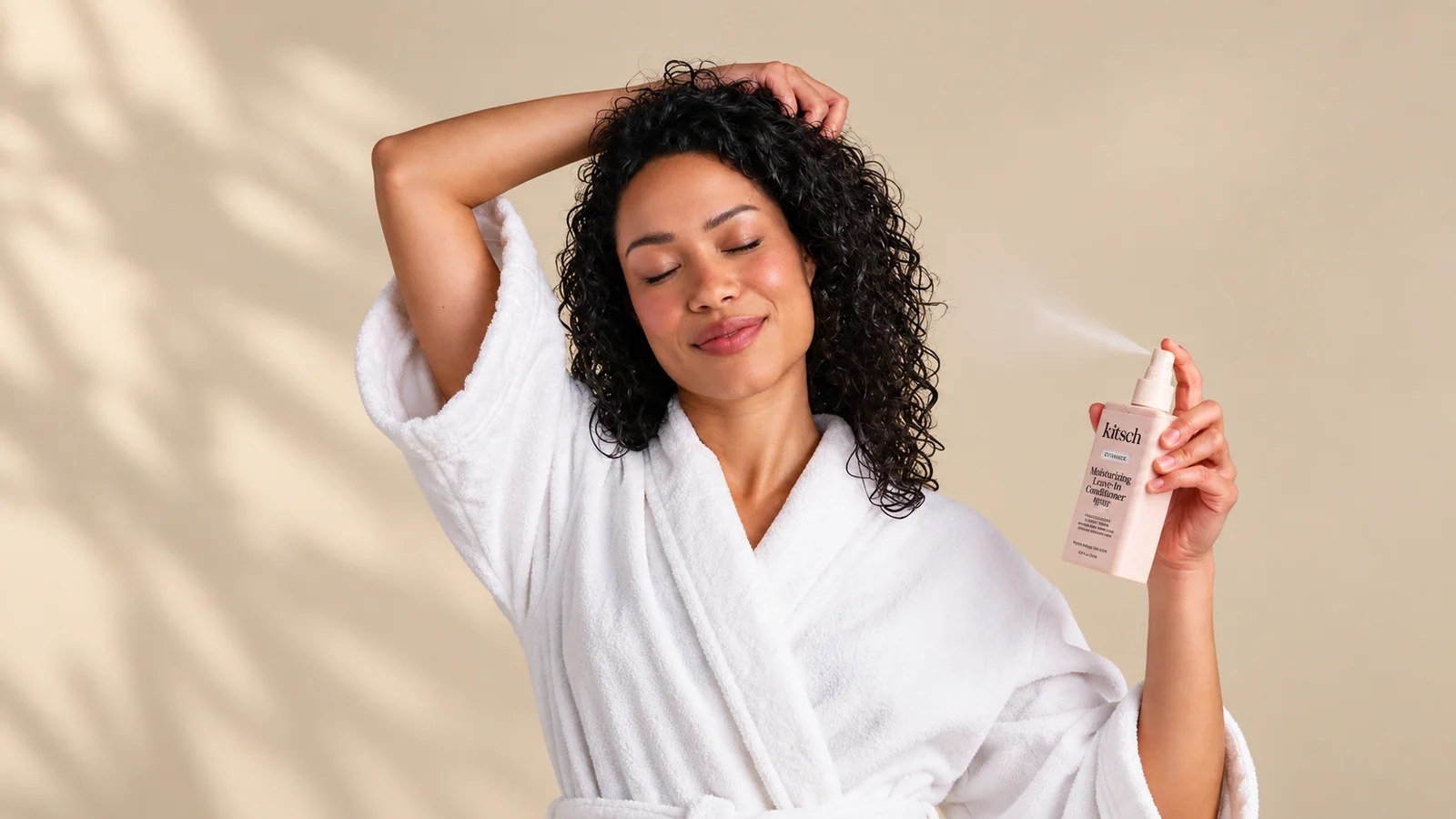
Woman spraying a mist over her wet curly hair in profile.
The direct answer: in most cases yes, with conditions. Whether you can use leave in conditioner and sea salt spray depends on the products involved, your skin or hair type, and how you layer or time them. The guide below gives the conditions, the safe way to do it, and the situations where the answer becomes no.
Leave in Conditioner Explained
A leave in conditioner is a light conditioning product applied to damp hair and not rinsed, providing ongoing moisture, detangling and a base layer for styling. It is the step that most improves how hair behaves between washes, especially for dry, curly and damaged hair.
Formats divide by hair weight: sprays and milks for fine hair that collapses under cream, creams and butters for thick and curly hair that drinks moisture. Many include heat protection, making them the practical first styling layer. The method matters as much as the product: applied to soaking wet hair and distributed in sections, it defines curls and prevents the frizz that comes from hair drying unevenly coated. Layering order in curly routines is liquid, oil, cream in some order, and the leave in is the liquid foundation.
Using Leave in Conditioner and Sea Salt Spray Together
Leave in Conditioner: A light conditioner left in damp hair for ongoing moisture, detangling and styling preparation.
Whether the combination works comes down to three things: whether the two products compete for the same job, whether one changes how strongly the other acts, and whether your skin or hair has the tolerance for both at once. As a rule, water based products go on before oil based ones, treatments go on before moisturisers, and two strong actives are introduced on alternate days or nights until you know how the pairing behaves on you. If either product is new to you, establish it alone for a week first; combining two new products makes every reaction a mystery with two suspects.
The answer becomes no, or at least not yet, when both products are strong exfoliants or retinoids in the same session, when one is a medication your clinician has sequenced for you, or when your skin or hair is currently irritated, sunburnt or freshly treated. In those cases the pairing is not wrong in principle; the timing is.
Step by Step: Leave in Conditioner
The method below is the standard technique for this category, in the order that makes each step work. Adapt the amounts to your own skin or hair, and keep the order. If you still need the product itself, the buying guide Best Leave in Conditioner for Low Porosity Hair compares the current options for this exact need.
Start with hair washed and gently squeezed free of excess water
Apply the product to mid lengths and ends first, where hair is oldest and driest
Use the contact time on the label rather than rinsing immediately
Rinse with lukewarm water and judge softness once hair is fully dry, not wet
Repeat on a weekly rhythm and adjust the amount before switching products
Getting Leave in Conditioner Right in Your Routine
Fit matters more than intensity with leave in conditioner. Build the habit at the gentlest effective level first: the right product amount, the right frequency for your type, and one change at a time so you can see what is actually helping. Keep the rest of your hair care routine stable while you judge the change, and give the routine the full period the product guidance describes before deciding it does not work.
Keep notes for the first two weeks: what you used, how much, and how your skin or hair felt the next day. That simple record answers most follow up questions, including whether a reaction came from the new step or from something layered with it.
Apply to freshly washed, damp hair in sections, detangle with fingers or a wide comb while it is in, then style. Refresh between washes with a water mist and a little more product rather than a full reapplication.
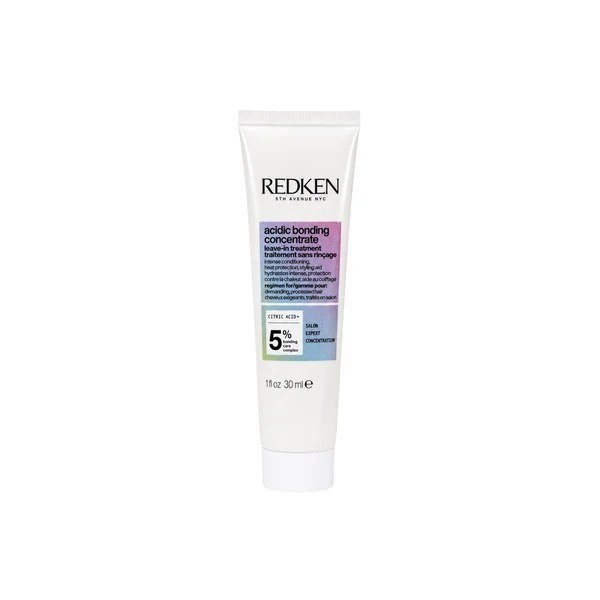
Redken’s Acidic Bonding Concentrate line is the salon system’s answer to bond care, and the leave in treatment is its most practical bottle: a conditioning leave in carrying the line’s citric acid and bonding care complex, with heat protection up to 450 degrees Fahrenheit and a pH balanced acidic formula designed to counter the alkalinity damage leaves behind. In this guide it plays a specific role. It is the bond product most likely to already fit a low porosity routine, because it replaces your usual leave in conditioner rather than adding a treatment day, and its texture is a midweight cream that distributes in a thin layer if you apply it to soaking wet hair in sections, the standard trick for getting any cream past a resistant cuticle. Redken publishes the line’s testing against breakage and split end appearance, and the tube is the generous 150 ml size at a salon brand price below K18. The cautions: it is a leave in conditioner first and a bond treatment second, so the repair depth is shallower than the dedicated treatments above it, the formula is fragranced like most Redken products, and layering it over other leave ins on low porosity hair is a reliable route to build up and dullness.
Specifications
150 ml tube
citric acid bonding care complex
the leave in base layer this article builds the sea salt spray over
Pros
Replaces your leave in, no extra routine step
Bond care plus heat protection in one tube
Generous 150 ml salon size
Cons
Repair depth shallower than dedicated treatments
Fragranced formula
Easy to over layer on low porosity hair
Who should buyyou heat style often and want bond care and heat protection in the leave in you already use
Who should skipyou need intensive repair for serious breakage, where K18 or the Olaplex pair go further
Knot Today is the leave in that low porosity readers are most often told to start with, and the advice survives scrutiny. It is a light, slippery cream built on botanical extracts including mango fruit and slippery elm, with behentrimonium methosulfate giving it genuine detangling power, and crucially for this hair type it contains no heavy butters and no protein load to sit on a closed cuticle. Low porosity hair repels water and product alike, so a leave in earns its place by spreading thin, absorbing during the styling process rather than after it, and leaving nothing white or waxy behind; Knot Today does all three, and it detangles in the process, which for curly low porosity hair is half the battle. It is also the classic partner to the brand’s Curling Custard, and the pair together built much of the modern curly routine. The limits are that its moisture level is moderate, so very dry or coarse low porosity hair may need a light oil sealed over it, and the 8 oz bottle is not generous. It is also a detangler first in many people’s routines, used in the shower as much as after it. As the reference light leave in for this hair type, it remains the right first buy.
Specifications
8 fl oz bottle
mango fruit and slippery elm extracts
no heavy butters or protein
the light leave in that will not fight a texture spray
Pros
Light, butter free and protein free formula
Detangles while it moisturises
Absorbs instead of coating a closed cuticle
Cons
Modest moisture for very dry hair
Small bottle for the category
Best with its own gel partner
Who should buyyour low porosity hair is curly and needs detangling and light moisture that actually absorbs
Who should skipyour hair is very dry and coarse and needs a richer leave in, where Camille Rose below carries more moisture
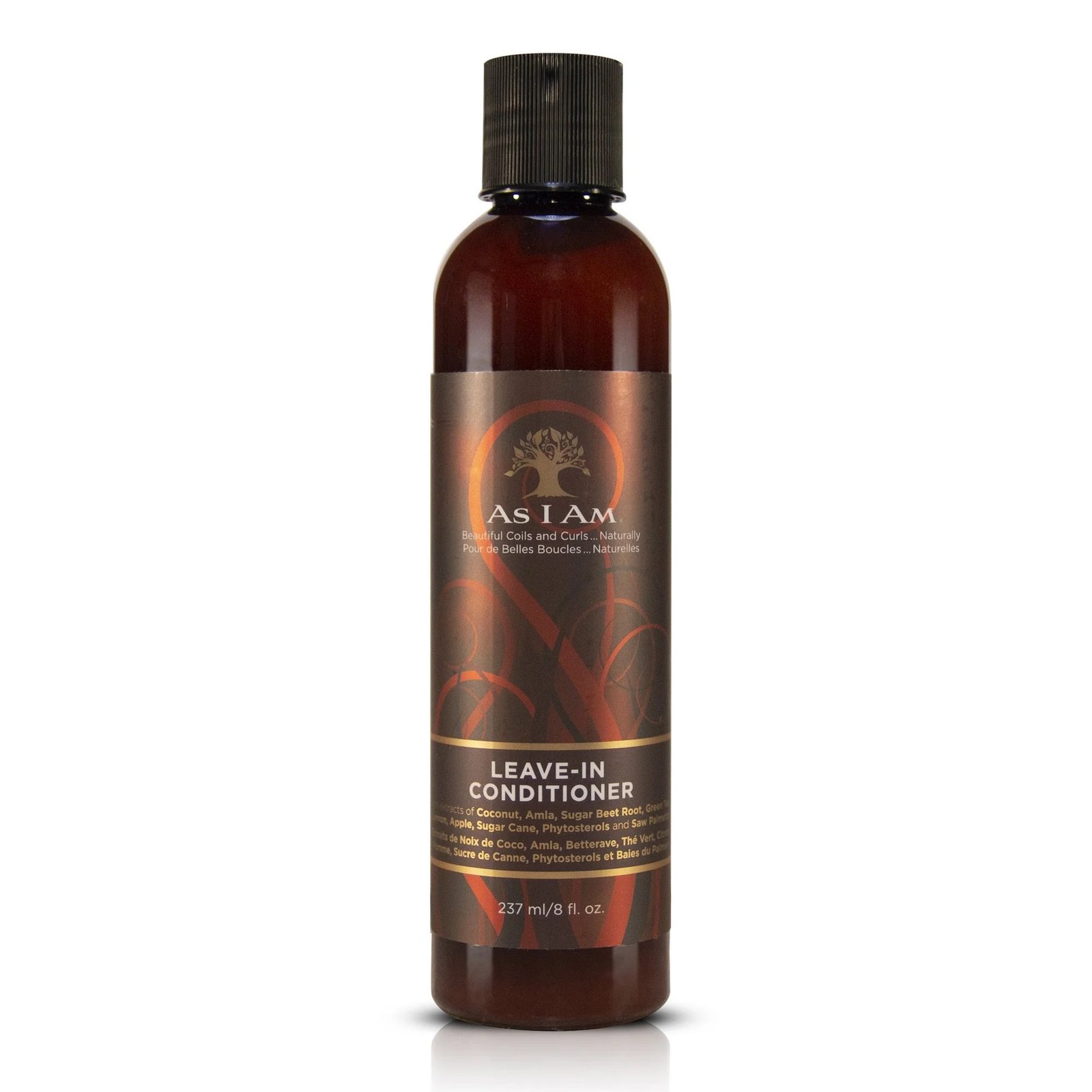
A conditioner guide for dry, frizzy hair needs its leave in, because rinse out care ends in the shower and frizz is made during drying. As I Am’s leave in is the textured hair standard: a light, milky conditioner worked through damp hair to keep moisture in, soften the lengths and prepare curls for styling. It detangles gently, layers under gels and creams without flaking, and can be refreshed with water on day two and three hair, which is where its value compounds for curly routines. The formula is coconut based with the brand’s usual care for curl definition, and the scent is mild and pleasant. On straight or fine hair it should be used in small amounts through the ends only, since its richness is calibrated for hair that drinks product. The honest limits are that calibration and the bottle size for heavy handed users. It is not a heat protectant and does not claim to be, so blow drying routines need that step separately. For curly and coily readers building a moisture routine, this is the daily layer that makes the weekly masks above last longer, and it earns its slot as the guide’s leave in benchmark. It is the layer that makes wash day results survive the week.
Specifications
8 fl oz bottle
coconut oil with green tea and pumpkin seed extracts
the moisture first leave in for type 3 and 4 hair in this table
Pros
Keeps moisture in hair between washes
Layers under styling products without flaking
Refreshes with water on later days
Cons
Calibrated for textured hair, rich for fine hair
Not a heat protectant
Heavy users will empty the bottle quickly
Who should buyyour curls need a daily moisture layer under styling
Who should skipyour hair is fine and straight and needs only the lightest leave in
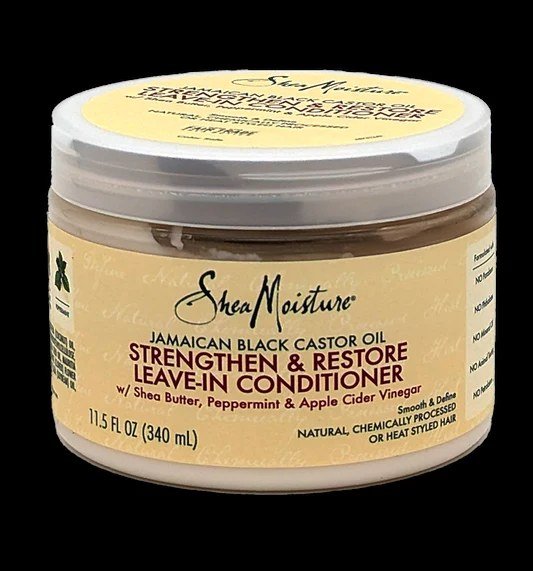
This is the one pick in the guide that is not a bottle of oil, and it is here because many readers searching for castor oil for growth and thickness actually want what this jar does: a daily, wearable product that puts Jamaican black castor oil into a routine without the grease, the warming or the wash out timing of a pure oil treatment. Shea Moisture builds the leave in on certified organic shea butter with JBCO, peppermint oil and apple cider vinegar, positioned for natural, chemically processed and heat styled hair, to soften, detangle and support elasticity so hair breaks less as it grows out. The texture is a rich cream, scooped from the jar and worked through damp hair, and for thick, coily and transitioning hair it doubles as the moisture layer under a sealant, which can be a few drops of one of the pure oils above. The compromises follow from the format: the castor oil here is one ingredient in a cream, at cosmetic rather than pure oil levels, so it does not replace an oil treatment for readers who want the full scalp oiling ritual, and the richness that thick hair loves will weigh down fine hair and can build up if it is reapplied daily without washing. As the low effort way to get JBCO into every wash day, it is the most used product in this guide.
Specifications
11.5 fl oz jar
JBCO with shea butter, peppermint and apple cider vinegar
the rich leave in this article pairs carefully with salt spray
Pros
JBCO in a wearable daily leave in format
Detangles and softens thick, coily hair
Peppermint and ACV for a fresh scalp feel
Cons
Castor oil at cosmetic levels, not a pure oil
Too rich for fine hair
Builds up if layered daily without washing
Who should buyyou want castor oil benefits in a normal leave in step, especially on thick or transitioning hair
Who should skipyou want a pure oil for scalp massage and hot oil treatments
Applying rich products to the roots, which weighs hair down and dulls it
Judging a conditioner while hair is still wet and coated
Using protein heavy products daily on hair that needs moisture instead
Skipping heat protectant because a treatment is in the routine
Applying leave in to dry hair and expecting detangling miracles, when it is formulated for damp hair
Skipping it on fine hair entirely instead of choosing a spray weight version
When to See a Professional
See a trichologist, dermatologist or experienced stylist if you notice sudden shedding, patchy loss, scalp pain, sores or breakage that continues despite gentle care. Those signs point beyond product choice, and professional assessment comes before further buying.
Deciding between options? The comparison Hair Mask vs Leave in Conditioner sets out the differences, downsides and verdicts for this topic.
Frequently Asked Questions
Can You Use Leave in Conditioner and Sea Salt Spray – what is the most important thing to get right?
Consistency at the right level for your type. With leave in conditioner, the correct amount and frequency used steadily will outperform an intense routine used occasionally, and it avoids most of the irritation that makes people abandon the routine.
How long does it take to see a difference?
Most hair care routines show their direction within two to four weeks of consistent use, with fuller results over two to three months for concerns involving skin renewal or hair growth cycles. Judge on that timeline, not on single days.
What if my skin or hair reacts badly?
Stop the new step, return to your simplest routine until things settle, and reintroduce only one product at a time if you try again. Persistent pain, swelling or spreading irritation is a reason to seek professional advice rather than push through.
What is the biggest mistake people make with leave in conditioner?
Applying leave in to dry hair and expecting detangling miracles, when it is formulated for damp hair A close second: skipping it on fine hair entirely instead of choosing a spray weight version
What should I check before starting with leave in conditioner?
Formats divide by hair weight: sprays and milks for fine hair that collapses under cream, creams and butters for thick and curly hair that drinks moisture. Beyond that, check the product’s own directions against your skin or hair type, start at the gentle end of any range, and change nothing else in your routine for the first two weeks so the result is readable.
What is the best leave in conditioner for low porosity hair?
The buying guide Best Leave in Conditioner for Low Porosity Hair compares the leading options for this exact need against the criteria that matter, with specifications, honest pros and cons, and a clear statement of who should skip each pick. It is linked from this page.
By Mirror & Glow Editorial Desk – November 23, 2026
Answering what is the best leave in conditioner for extremely dry hair properly: apply to freshly washed, damp hair in sections. Background, method, routine placement and FAQs, written for your skin or hair type.
By Mirror & Glow Editorial Desk – November 23, 2026
Best Leave in Conditioner for Low Porosity Hair: Kinky Curly Knot Today Leave-In Conditioner leads the picks, each photographed and specced with honest pros and cons and a buy or skip verdict.
By Mirror & Glow Editorial Desk – November 23, 2026
Pure argan oil is mostly oleic and linoleic acids with vitamin E. This guide applies that to can i leave argan oil in my hair for a week: the method, the timing, and the traps to avoid.