By Mirror & Glow Editorial Desk – November 23, 2026
Woman applying scalp oil along her parting with a dropper at a dressing table.
The direct answer to how often do you use rosemary oil for hair growth: frequency for rosemary oil for hair depends on your skin or hair type and the strength of the product, and the safe pattern is to start at the lower end of the product’s stated frequency, then increase only if your skin or hair stays comfortable. The sections below explain how to judge the right rhythm for you, and the signs that you are doing it too often.
Rosemary Oil for Hair Explained
Rosemary oil for hair is an essential oil used diluted on the scalp for hair growth support, made famous by a study in which a rosemary oil preparation compared favourably with a minoxidil strength for pattern hair loss over six months. It is the most discussed natural option in the category, and the most misused.
Essential oils are never applied neat: rosemary oil is diluted in a carrier oil, typically a few drops per tablespoon of jojoba or similar, or bought in ready diluted scalp oils and serums. The study timeline was six months of consistent use, which is the honest expectation to set. It can irritate skin and is avoided in pregnancy and on broken scalps. It is a support for some shedding patterns, not a substitute for diagnosis when loss is sudden, patchy or rapid.
How Often, by Type
The right frequency is the highest one your skin or hair stays comfortable with, and no higher. Use the table for your type, start there, and let two weeks of evidence, not enthusiasm, argue for increasing.
Your Type
Guidance
Fine or low porosity hair
Light products can be used at every wash, but rich treatments are weekly at most: fine hair shows overuse as limpness within a day.
Thick, coarse or curly hair
Richer products and treatments suit a weekly rhythm, with light refreshing between washes rather than full reapplication.
Damaged or chemically treated hair
Treatments can run at every wash for a short repair period, then settle to weekly as breakage reduces and hair behaviour improves.
For rosemary oil for hair specifically: Apply the diluted oil to the scalp, massage for a few minutes, leave at least thirty minutes or overnight as tolerated, then wash out, two to three times a week. Judge at six months with photographs of the parting and hairline.
Signs you are overdoing it are consistent across categories: tightness, stinging, flaking, new sensitivity, or hair that feels coated, limp or brittle. Any of those means step the frequency down for a week, not push through. Consistency at a sustainable frequency beats intensity in bursts every time.
Step by Step: Rosemary Oil for Hair
The method below is the standard technique for this category, in the order that makes each step work. Adapt the amounts to your own skin or hair, and keep the order. If you still need the product itself, the buying guide Best Rosemary Oil for Hair Growth and Thickness compares the current options for this exact need.
Start with hair washed and gently squeezed free of excess water
Apply the product to mid lengths and ends first, where hair is oldest and driest
Use the contact time on the label rather than rinsing immediately
Rinse with lukewarm water and judge softness once hair is fully dry, not wet
Repeat on a weekly rhythm and adjust the amount before switching products
Getting Rosemary Oil for Hair Right in Your Routine
Fit matters more than intensity with rosemary oil for hair. Build the habit at the gentlest effective level first: the right product amount, the right frequency for your type, and one change at a time so you can see what is actually helping. Keep the rest of your hair care routine stable while you judge the change, and give the routine the full period the product guidance describes before deciding it does not work.
Keep notes for the first two weeks: what you used, how much, and how your skin or hair felt the next day. That simple record answers most follow up questions, including whether a reaction came from the new step or from something layered with it.
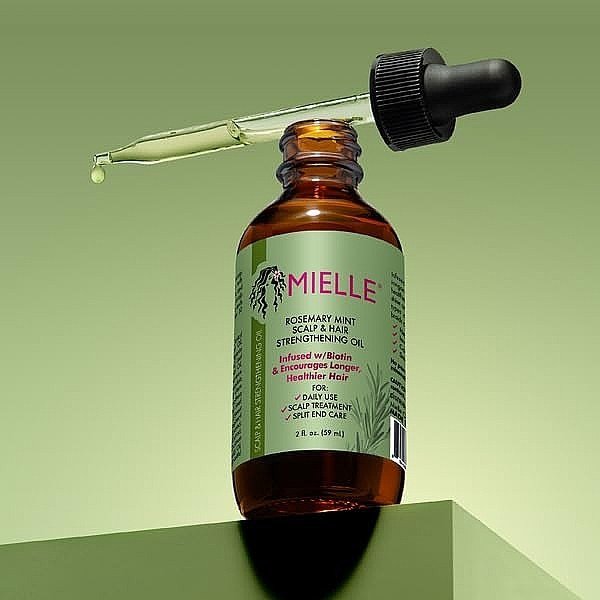
Mielle’s rosemary mint oil is the product that carried rosemary oil from a niche remedy to a bathroom staple, and it still leads this guide because its formula is built for the actual job: a scalp first oil blending rosemary and peppermint in a base of carrier oils, with biotin listed among its ingredients, in a 59 ml dropper bottle. The mint gives an immediate cooling tingle that users read as activity, and the honest reading is more modest: rosemary oil has one frequently cited study comparing it favourably with a common hair growth treatment over six months, and everything else is the ordinary good of scalp care, less dryness, less breakage at the root and hair kept rather than lost. The dropper makes targeted application along the parting easy, the scent is strong and herbal, and the price is fair for a branded blend. The limits matter: the essential oil load means it should be patch tested, it is too stimulating for some sensitive scalps, and the small bottle goes quickly on long or thick hair. Used two or three times a week, massaged in and left for at least thirty minutes before washing, it is the benchmark blend the rest of this guide is measured against.
Specifications
59 ml dropper bottle
rosemary and mint oils
biotin
over 30 essential oils and extracts positioning
Pros
Purpose built scalp formula with rosemary and mint
Dropper makes parting by parting application easy
Fair price for a branded treatment oil
Cons
Strong scent and tingle are too much for some scalps
Small bottle empties quickly on thick hair
Essential oil blend needs a patch test
Who should buyyou want the proven, purpose built rosemary scalp oil and like a mint tingle
Who should skipyour scalp is sensitive or you want a single ingredient pure oil
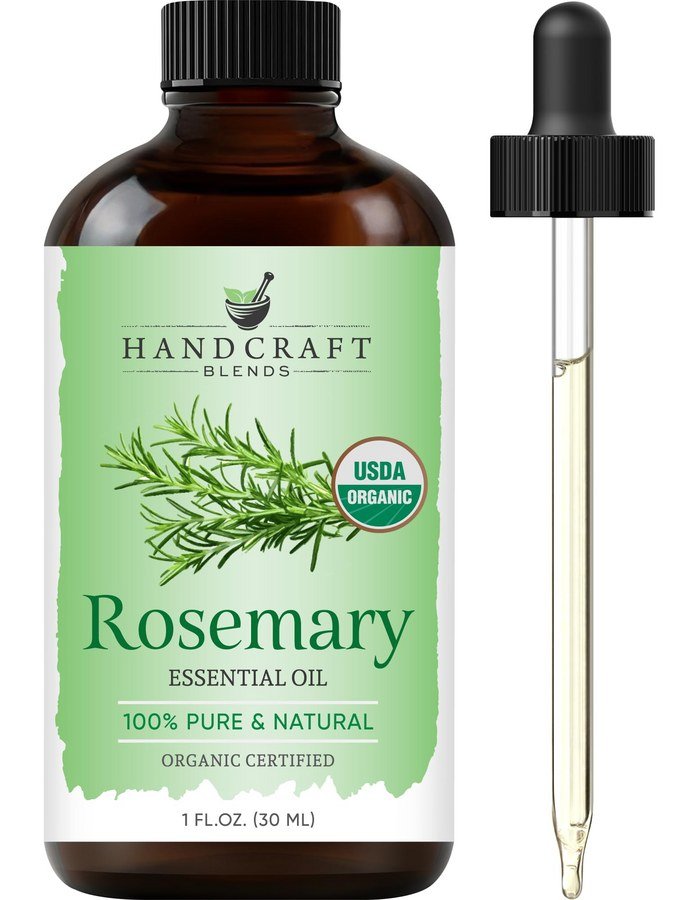
Handcraft Blends takes the pure oil route at the opposite scale to Cliganic: a full 118 ml bottle of 100% pure rosemary essential oil. Like the Cliganic, it must be diluted into a carrier before it touches the scalp, and like the Cliganic its cost per treatment is tiny; unlike it, the bottle is sized for people who also diffuse rosemary, scent homemade products or run a small salon shelf. The oil itself is a standard, clean rosemary with the expected camphor rich aroma, and in a 2 to 3 percent dilution it performs exactly as the smaller pure oils do, because the active ingredient is the same plant extract. The trade offs are about the format. A large bottle of essential oil oxidises over time once opened, so it should be stored cool and dark and used within a sensible period; the dropper cap is basic; and there is no organic certification to match Cliganic’s, which is part of why the price per millilitre is lower. For households that will genuinely use rosemary oil across hair, home and diffuser, this is the bulk buy. For a single scalp routine, the small certified bottle above is the more proportionate choice.
Specifications
118 ml bottle
100% pure rosemary essential oil
undiluted
glass dropper included
Pros
Bulk pure oil at a very low cost per millilitre
One bottle covers hair, diffuser and home use
Same active ingredient as the small pure oils
Cons
Must be diluted before scalp use
Large bottle oxidises once opened, store carefully
No organic certification
Who should buyyour household uses rosemary oil for several jobs and wants bulk value
Who should skipyou want certified organic oil in a right sized bottle
Applying rich products to the roots, which weighs hair down and dulls it
Judging a conditioner while hair is still wet and coated
Using protein heavy products daily on hair that needs moisture instead
Skipping heat protectant because a treatment is in the routine
Applying the essential oil neat to the scalp and causing the irritation that makes people abandon it
Expecting visible growth in a month, when even the favourable study ran six
When to See a Professional
See a trichologist, dermatologist or experienced stylist if you notice sudden shedding, patchy loss, scalp pain, sores or breakage that continues despite gentle care. Those signs point beyond product choice, and professional assessment comes before further buying.
How Often Do You Use Rosemary Oil for Hair Growth – what is the most important thing to get right?
Consistency at the right level for your type. With rosemary oil for hair, the correct amount and frequency used steadily will outperform an intense routine used occasionally, and it avoids most of the irritation that makes people abandon the routine.
How long does it take to see a difference?
Most hair care routines show their direction within two to four weeks of consistent use, with fuller results over two to three months for concerns involving skin renewal or hair growth cycles. Judge on that timeline, not on single days.
What if my skin or hair reacts badly?
Stop the new step, return to your simplest routine until things settle, and reintroduce only one product at a time if you try again. Persistent pain, swelling or spreading irritation is a reason to seek professional advice rather than push through.
What is the biggest mistake people make with rosemary oil for hair?
Applying the essential oil neat to the scalp and causing the irritation that makes people abandon it A close second: expecting visible growth in a month, when even the favourable study ran six
What should I check before starting with rosemary oil for hair?
Essential oils are never applied neat: rosemary oil is diluted in a carrier oil, typically a few drops per tablespoon of jojoba or similar, or bought in ready diluted scalp oils and serums. Beyond that, check the product’s own directions against your skin or hair type, start at the gentle end of any range, and change nothing else in your routine for the first two weeks so the result is readable.
What is the best rosemary oil for hair growth and thickness?
The buying guide Best Rosemary Oil for Hair Growth and Thickness compares the leading options for this exact need against the criteria that matter, with specifications, honest pros and cons, and a clear statement of who should skip each pick. It is linked from this page.
By Mirror & Glow Editorial Desk – November 23, 2026
Can I Use Rosemary Oil for My Hair While Pregnant? The short answer first, then the detail: apply the diluted oil to the scalp, massage for a few minutes, with timing, amounts and the errors that stop it working.
By Mirror & Glow Editorial Desk – November 23, 2026
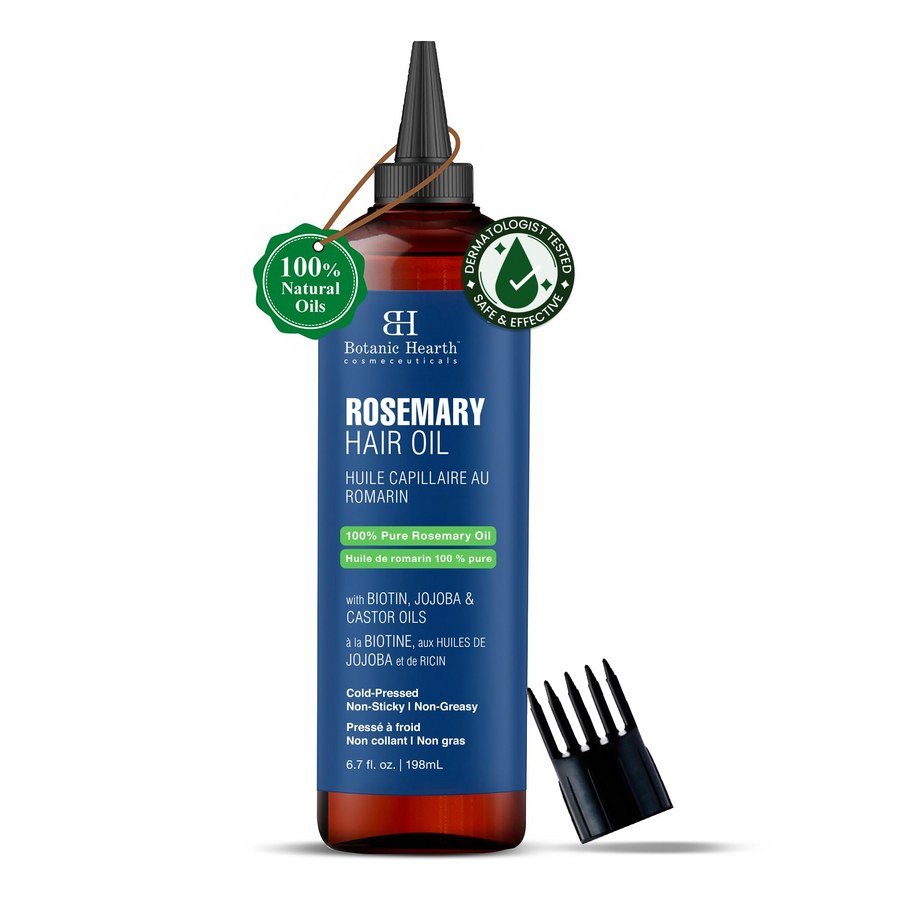
The Mielle Rosemary Mint, Cliganic Organic and Botanic Hearth oils headline the best rosemary oil for hair growth and thickness: ten oils judged on formula honesty, dilution needs and scalp routine fit, each photographed, specified and researched in full.
By Mirror & Glow Editorial Desk – November 23, 2026
Pure argan oil is mostly oleic and linoleic acids with vitamin E. This guide applies that to can i leave argan oil in my hair for a week: the method, the timing, and the traps to avoid.