By Mirror & Glow Editorial Desk – November 23, 2026
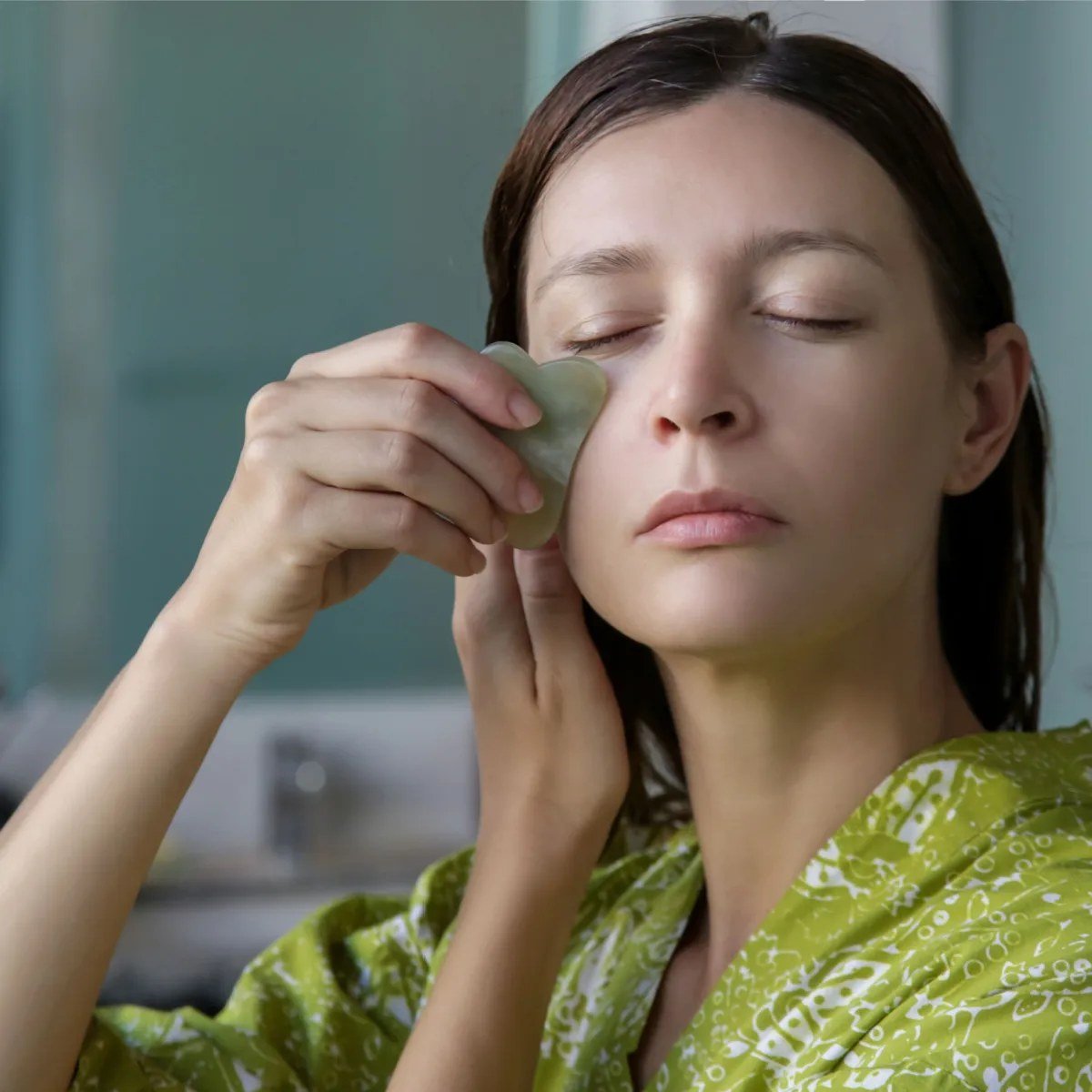
Woman using a gua sha stone on her cheek.
The direct answer to how often to use gua sha and jade roller: frequency for gua sha depends on your skin or hair type and the strength of the product, and the safe pattern is to start at the lower end of the product’s stated frequency, then increase only if your skin or hair stays comfortable. The sections below explain how to judge the right rhythm for you, and the signs that you are doing it too often.
Gua Sha Explained
Gua sha is a facial massage technique using a smooth edged stone tool stroked across oiled skin, aimed at relieving tension, encouraging lymph drainage and temporarily reducing puffiness. Its effects are real but temporary and mechanical, a massage, not a structural treatment.
The technique is light pressure and direction: strokes move outward and downward toward lymph nodes at the ears and neck, always on well oiled skin so the tool glides. Claims about sculpting or lifting bone structure exceed what massage can do; what it can do is move fluid, ease jaw and brow tension and give a rested look for hours. Bruising pressure belongs to body gua sha traditions, not the face. Stones differ mainly in edge shapes for different contours.
How Often, by Type
The right frequency is the highest one your skin or hair stays comfortable with, and no higher. Use the table for your type, start there, and let two weeks of evidence, not enthusiasm, argue for increasing.
Your Type
Guidance
Sensitive or reactive skin
Start at the lowest end: two or three times a week, or as the product directs for sensitive skin, and hold that level for at least a fortnight before increasing.
Normal or combination skin
The middle pattern suits most people: alternate days at first, building toward daily use only if skin stays calm, with no tightness, stinging or new breakouts.
Resilient or oily skin
Oily and resilient skin usually tolerates the standard frequency sooner, but tolerance is not a target: increase only while skin stays comfortable, and step back at the first persistent dryness.
For gua sha specifically: Five to ten minutes on cleansed, oiled skin, a few times a week or before events. Keep pressure light enough to leave no marks, and clean the tool after use, since it travels over oil and skin daily.
Signs you are overdoing it are consistent across categories: tightness, stinging, flaking, new sensitivity, or hair that feels coated, limp or brittle. Any of those means step the frequency down for a week, not push through. Consistency at a sustainable frequency beats intensity in bursts every time.
Step by Step: Gua Sha
The method below is the standard technique for this category, in the order that makes each step work. Adapt the amounts to your own skin or hair, and keep the order. If you still need the product itself, the buying guide Best Gua Sha Tool for under Eye Bags compares the current options for this exact need.
Start with clean, dry or slightly damp skin as the product type directs
Apply the amount stated on the product, usually a pea sized amount or two finger lengths for sunscreen
Introduce one new active at a time and give it at least two weeks before judging
Use the product at the time of day it is designed for, and always finish morning routines with sunscreen
Note any stinging, breakouts or dryness in the first week and adjust frequency before giving up
Getting Gua Sha Right in Your Routine
Fit matters more than intensity with gua sha. Build the habit at the gentlest effective level first: the right product amount, the right frequency for your type, and one change at a time so you can see what is actually helping. Keep the rest of your skincare routine stable while you judge the change, and give the routine the full period the product guidance describes before deciding it does not work.
Keep notes for the first two weeks: what you used, how much, and how your skin or hair felt the next day. That simple record answers most follow up questions, including whether a reaction came from the new step or from something layered with it.
Gua Sha Products Compared
Product
Key Specification
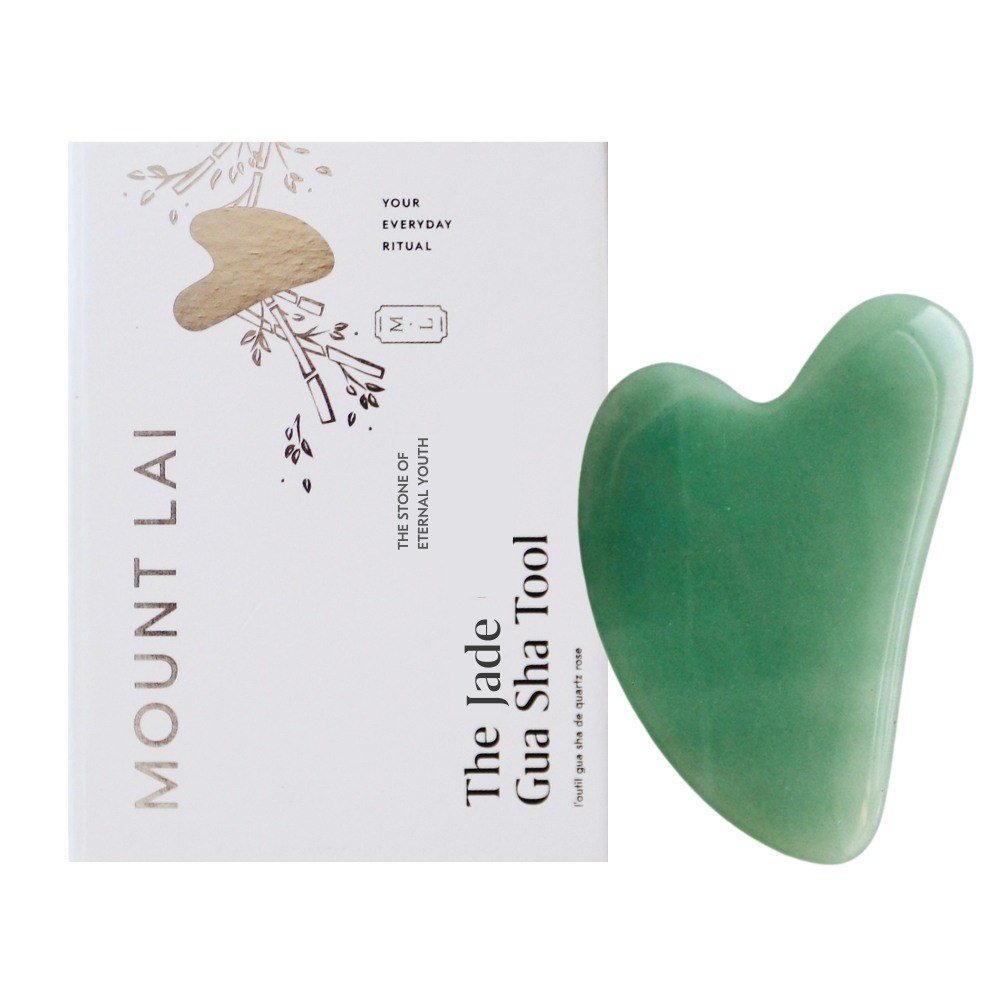
Mount Lai Jade Gua Sha Tool
Xiuyan jade stone – classic wing shape – storage box and pouch included
Mount Lai is the brand that brought gua sha into mainstream Western skincare, and its jade tool is the reference design most others copy. For under eye bags specifically, what matters is the shape: the tool’s curved inner edge and small notched end let you work the delicate under eye area with the light, sweeping pressure that moves fluid toward the temples and down the neck, without dragging the thin skin. The stone is genuine Xiuyan jade, smoothly polished with no rough seams, and it arrives in the brand’s giftable box with instructions that are actually useful for beginners, including the essential rule for eye work, which is feather light pressure and always sweeping outward and down so fluid has somewhere to go. Jade warms to skin temperature fairly quickly, so for morning bags the trick is to keep the tool in the fridge overnight; cold stone plus correct strokes is the whole mechanism by which any gua sha tool helps bags, since the bags themselves are fluid and fat, and only the fluid part responds. Used for two or three minutes each morning over a facial oil or eye cream, it visibly deflates the puffy look within the session, with the effect lasting hours rather than permanently. The price is mid range and fair for verified stone and finish quality. It is still stone, so it will chip or crack if dropped on tile, and results depend entirely on technique and consistency. As a first gua sha tool for under eye work, it is the safest recommendation in this guide.
Specifications
Xiuyan jade stone
classic wing shape
storage box and pouch included
Pros
Classic shape with edges sized for under eye work
Genuine jade, smoothly finished, good instructions
Fridge friendly for cold morning depuffing
Cons
Stone chips or cracks if dropped
Jade warms up faster than metal tools
Effects on bags are temporary, technique dependent
Who should buyyou are new to gua sha and want the reference jade tool with guidance for under eye technique
Who should skipyou want a tool that stays cold through a whole routine, where the stainless steel picks below hold temperature longer
Sacheu built its name on this tool, developed by beauty creator Sarah Cheung specifically because stone gua sha tools kept breaking and harbouring product in their pores. The Sacheu design is a smooth, asymmetric steel shape with a notch and curves sized for the face, finished to a mirror polish with no rough edges, and supplied with a branded storage pouch. In use it behaves like the Rena Chris steel pick, holding fridge cold through a whole routine and giving that firm, cooling glide that deflates morning under eye bags quickly, with the added confidence of a design that has been refined through several production runs and is sold through mainstream beauty retailers. The steel is genuinely non porous, so a wash with soap and water returns it to new, which matters for a tool used daily over oils and creams. Differences from the cheaper steel option are subtle: the Sacheu shape is slightly more sculptural, the finish a touch finer, and the price a few dollars higher, which buys brand support and availability in stores like Ulta rather than marketplace listings. It shares steel’s general traits, very cold from the fridge and less tactile warmth than stone. For readers who want the steel route from an established beauty brand with retail presence, this is the one; for pure value, the Rena Chris above does the same job for less.
Specifications
Stainless steel
non porous
storage pouch included
designed by Sarah Cheung
Pros
Mirror polished steel from an established beauty brand
Non porous, unbreakable, easy to disinfect
Retail availability and brand support
Cons
Costs more than near identical steel rivals
Very cold feel will not suit everyone
No stone option for traditionalists
Who should buyyou want stainless steel’s cold and hygiene with the backing of a known beauty brand
Who should skipyou are happy with marketplace value and prefer the lowest price for the same job
The Empress Stone is cut from bian stone, the material used in the original Chinese gua sha tradition, and its patented shape packs more distinct edges into one tool than anything else here: a comb edge, a notched edge, a pointed tip and smooth curves, so a single stone handles the under eye sweep, the brow, the jaw and the neck without swapping tools. Bian stone feels different in use, slightly warmer and heavier than jade, with a matte black finish and fine mineral veining that makes each piece distinct. For under eye bags, the smooth curved edge and the point do the work, with the brand’s tutorials emphasising the lymphatic drainage sequence that starts by opening the neck pathways before touching the face, a detail most brands skip and one that genuinely improves depuffing results. Wildling built a full system around the stone, with its own oils and a strong video library, which suits readers who learn by following along. The honest downsides are the price, the highest in this guide alongside the Lanshin, and the fact that the elaborate shape is more tool than a beginner needs for a simple morning eye routine. It is also a stone, so it is breakable, and its dark surface needs rinsing to stay clean looking. Choose it if you want one premium tool for the whole face and body and value the traditional material; choose Mount Lai if the under eye is your only concern and you want to spend less.
Specifications
Bian stone
patented multi edge design
comb, notch and point edges
Pros
Bian stone, the traditional gua sha material
Most versatile edge set in one tool
Strong tutorial system including drainage sequence
Cons
Premium price
More tool than a beginner needs
Breakable stone, needs rinsing after use
Who should buyyou want one premium, do everything gua sha stone and will follow a full drainage routine
Who should skipyou only need simple morning under eye depuffing at a lower price
Starting three new actives in the same week, which makes reactions impossible to trace
Using more product than directed, which increases irritation without improving results
Skipping sunscreen while using brightening or exfoliating products, which undoes their work
Expecting visible change in days when most skincare actives need weeks of consistent use
Pressing hard to feel it working, which bruises facial skin and defeats the drainage purpose
Using it on dry skin, dragging the tool and irritating the surface
When to See a Professional
See a dermatologist or qualified professional if the concern is painful, spreading, bleeding, not improving after a consistent routine of several weeks, or if it appeared suddenly and severely. Nail changes such as thickening, colour change with pain, or separation from the nail bed also deserve professional assessment rather than cosmetic treatment. Buying guides support everyday care; they do not diagnose or treat medical conditions.
Choosing a product? The matching buying guide, Best Gua Sha Tool for under Eye Bags, sets out the criteria, types and picks for this exact topic.
Frequently Asked Questions
How Often to Use Gua Sha and Jade Roller – what is the most important thing to get right?
Consistency at the right level for your type. With gua sha, the correct amount and frequency used steadily will outperform an intense routine used occasionally, and it avoids most of the irritation that makes people abandon the routine.
How long does it take to see a difference?
Most skincare routines show their direction within two to four weeks of consistent use, with fuller results over two to three months for concerns involving skin renewal or hair growth cycles. Judge on that timeline, not on single days.
What if my skin or hair reacts badly?
Stop the new step, return to your simplest routine until things settle, and reintroduce only one product at a time if you try again. Persistent pain, swelling or spreading irritation is a reason to seek professional advice rather than push through.
What is the biggest mistake people make with gua sha?
Pressing hard to feel it working, which bruises facial skin and defeats the drainage purpose A close second: using it on dry skin, dragging the tool and irritating the surface
What should I check before starting with gua sha?
The technique is light pressure and direction: strokes move outward and downward toward lymph nodes at the ears and neck, always on well oiled skin so the tool glides. Beyond that, check the product’s own directions against your skin or hair type, start at the gentle end of any range, and change nothing else in your routine for the first two weeks so the result is readable.
What is the best gua sha tool for under eye bags?
The buying guide Best Gua Sha Tool for under Eye Bags compares the leading options for this exact need against the criteria that matter, with specifications, honest pros and cons, and a clear statement of who should skip each pick. It is linked from this page.
By Mirror & Glow Editorial Desk – November 23, 2026
Mount Lai Jade Gua Sha Tool heads this comparison of the best gua sha tool for under eye bags, built on classic wing shape. Every pick carries its specifications, honest pros and cons, and the reader it suits.
By Mirror & Glow Editorial Desk – November 23, 2026
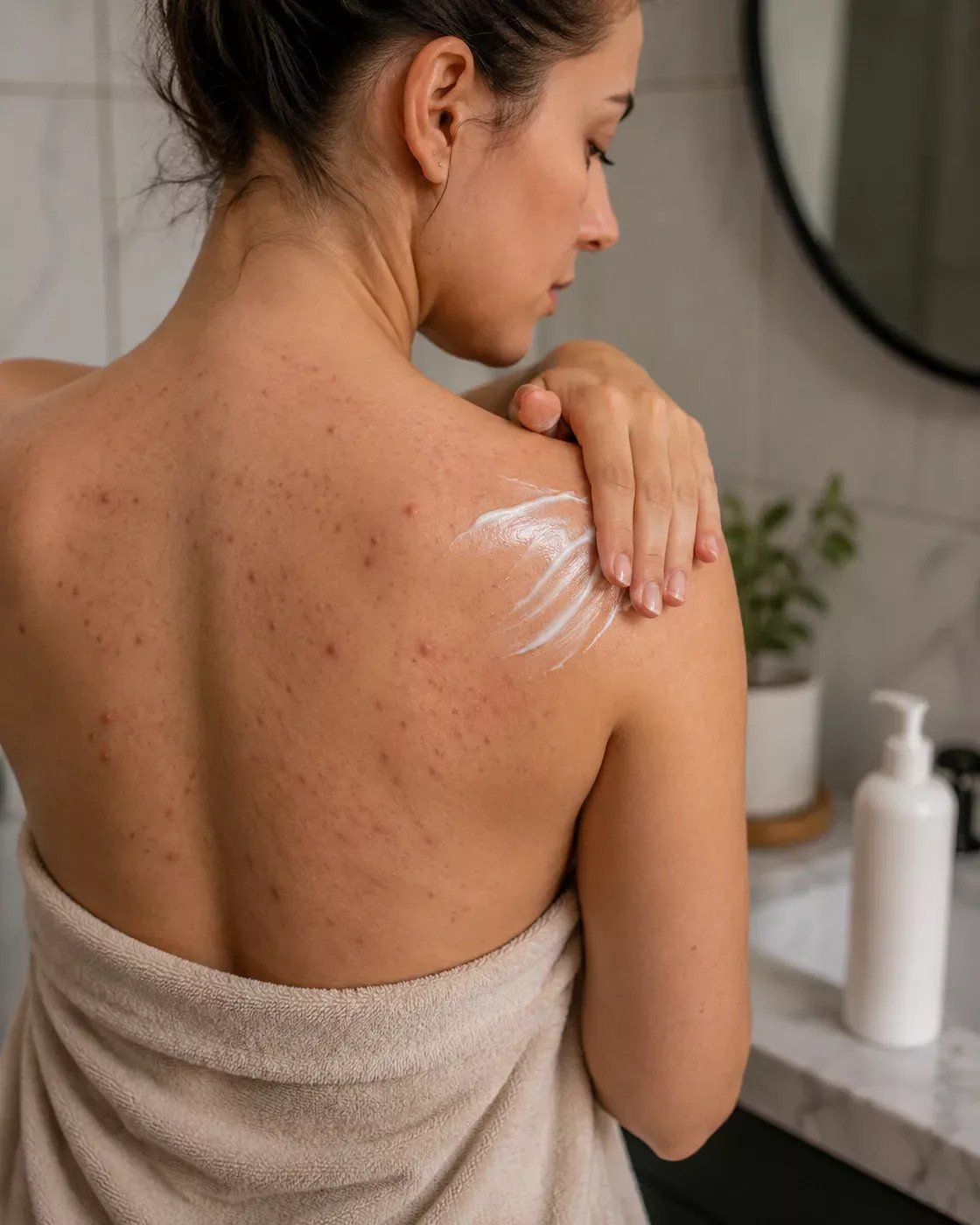
How to Get Rid of Acne Scars on Back? The short answer first, then the detail: one active at a time, introduced over two weeks, judged at eight to twelve weeks, with timing, amounts and the errors that stop it working.
By Mirror & Glow Editorial Desk – November 23, 2026
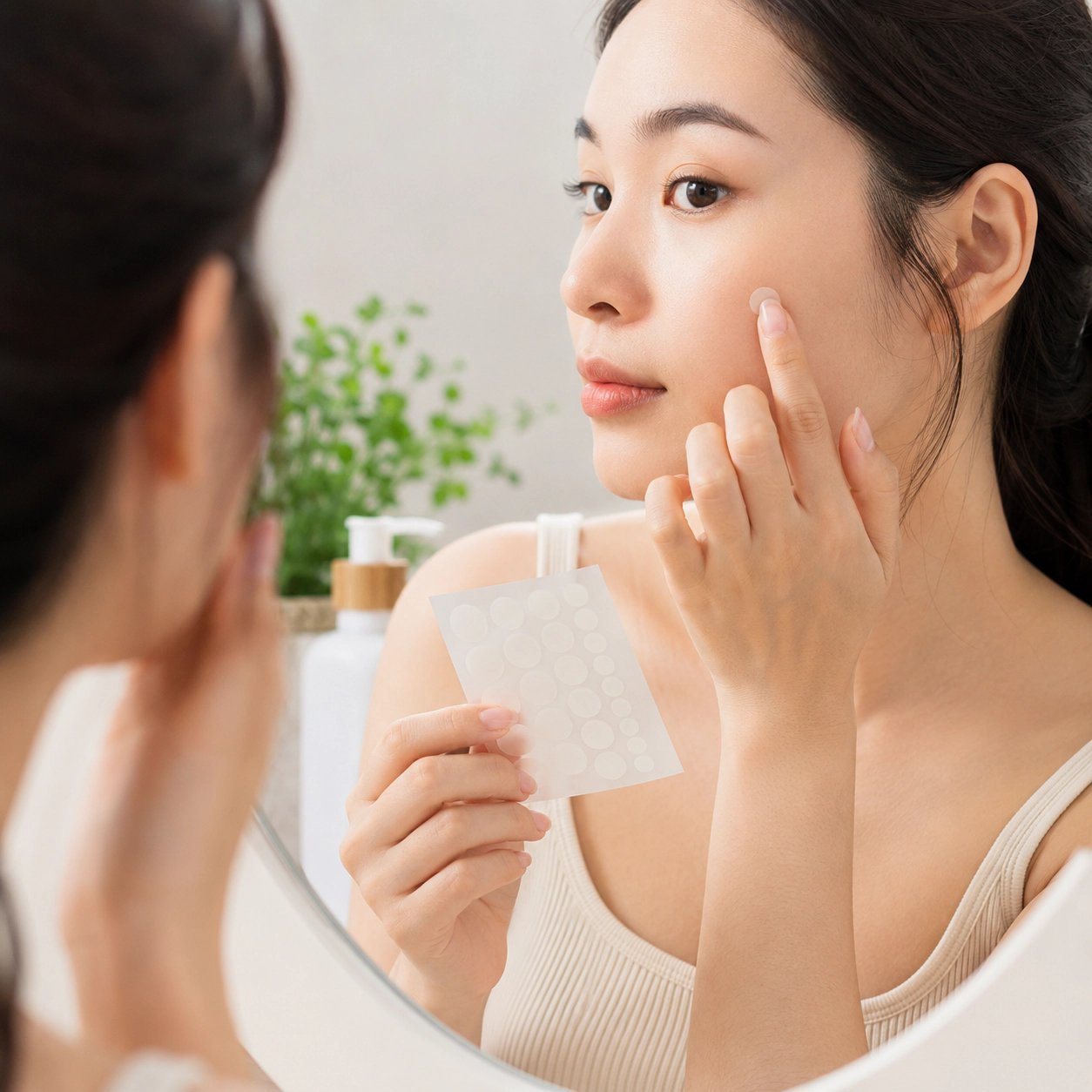
Hydrocolloid is a wound dressing material: it draws out fluid and turns white as it works. This guide applies that to how often to use pimple patches on a single spot: the method, the timing, and the traps to avoid.