By Mirror & Glow Editorial Desk – November 23, 2026
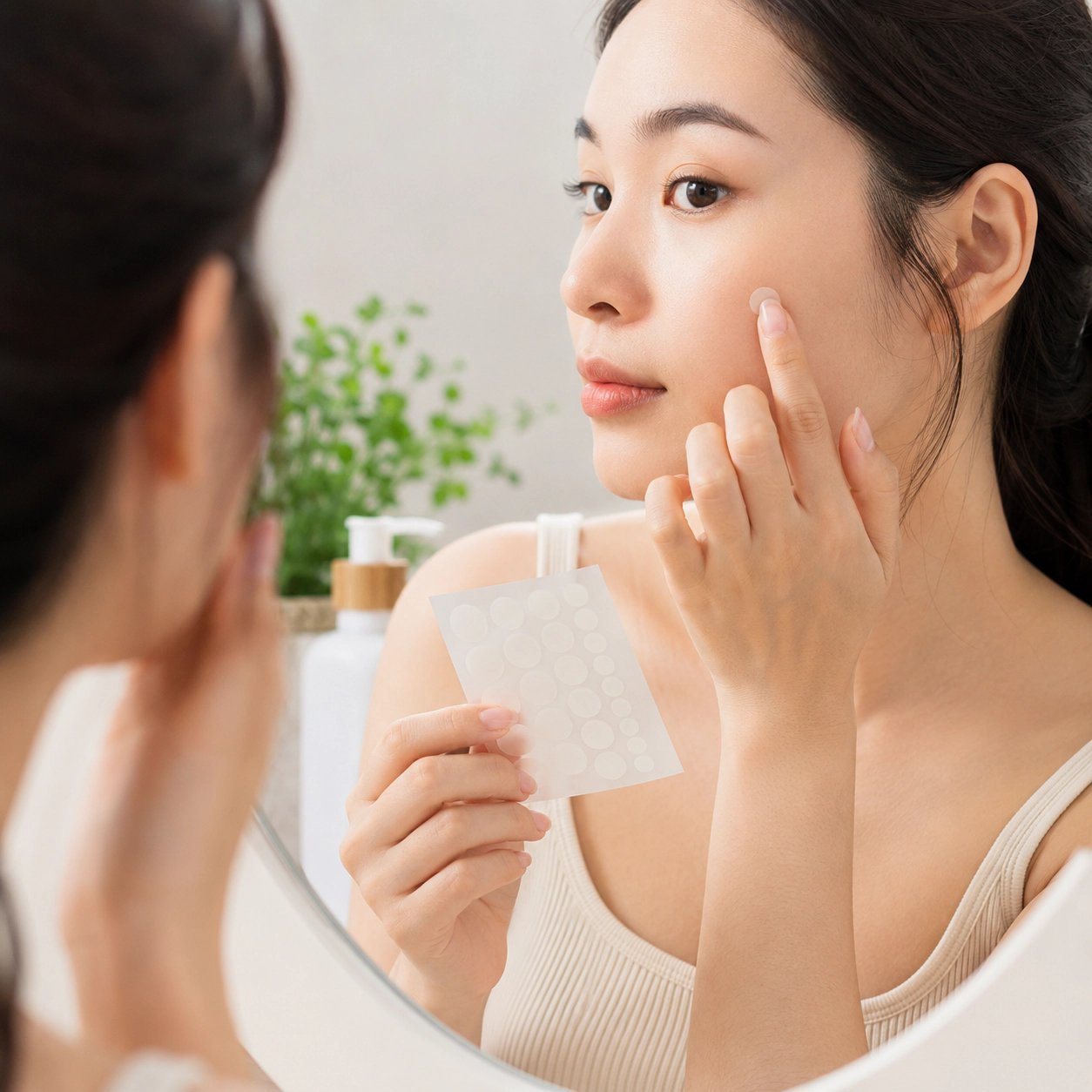
Woman examining the blackheads on her nose in a round mirror.
The direct answer: how to get rid of blackheads on nose at home is a routine question with a clear method, set out step by step below. The key is preparation, the right amount of product, and consistency rather than intensity. Read the short steps first, then the mistakes section, which covers the errors that most often stop the routine from working.
Blackheads Explained
Blackheads are open comedones: pores plugged with oil and dead skin whose surface has oxidised dark. They concentrate where oil glands are densest, the nose, chin and forehead, and they are a maintenance issue, not a hygiene failure.
The ingredient that works inside the pore is salicylic acid, oil soluble, able to loosen the plug where water based products cannot reach. Retinoids reduce how often plugs form by normalising cell turnover. Extraction and strips remove today’s plugs visibly, which is satisfying and temporary. Many of the dots people attack on the nose are sebaceous filaments, normal structures that refill within days and are managed, never removed.
Putting It Into Practice
Salicylic acid two to three nights a week, or a retinoid routine, judged over six to eight weeks. Gentle extraction only after warm water softening, and only on plugs that release with light pressure.
Build the habit at the gentlest effective level first and attach it to something you already do, after a shower, before bed, with your morning routine, because techniques attached to existing habits survive. Keep the rest of your skincare routine stable while you judge the change, and give the routine the full period the product guidance describes before deciding it does not work.
Step by Step: Blackheads
The method below is the standard technique for this category, in the order that makes each step work. Adapt the amounts to your own skin or hair, and keep the order. If you still need the product itself, the buying guide Best Serum for Blackheads and Whiteheads and Open Pores compares the current options for this exact need.
Start with clean, dry or slightly damp skin as the product type directs
Apply the amount stated on the product, usually a pea sized amount or two finger lengths for sunscreen
Introduce one new active at a time and give it at least two weeks before judging
Use the product at the time of day it is designed for, and always finish morning routines with sunscreen
Note any stinging, breakouts or dryness in the first week and adjust frequency before giving up
Getting Blackheads Right in Your Routine
Fit matters more than intensity with blackheads. Build the habit at the gentlest effective level first: the right product amount, the right frequency for your type, and one change at a time so you can see what is actually helping. Keep the rest of your skincare routine stable while you judge the change, and give the routine the full period the product guidance describes before deciding it does not work.
Keep notes for the first two weeks: what you used, how much, and how your skin or hair felt the next day. That simple record answers most follow up questions, including whether a reaction came from the new step or from something layered with it.
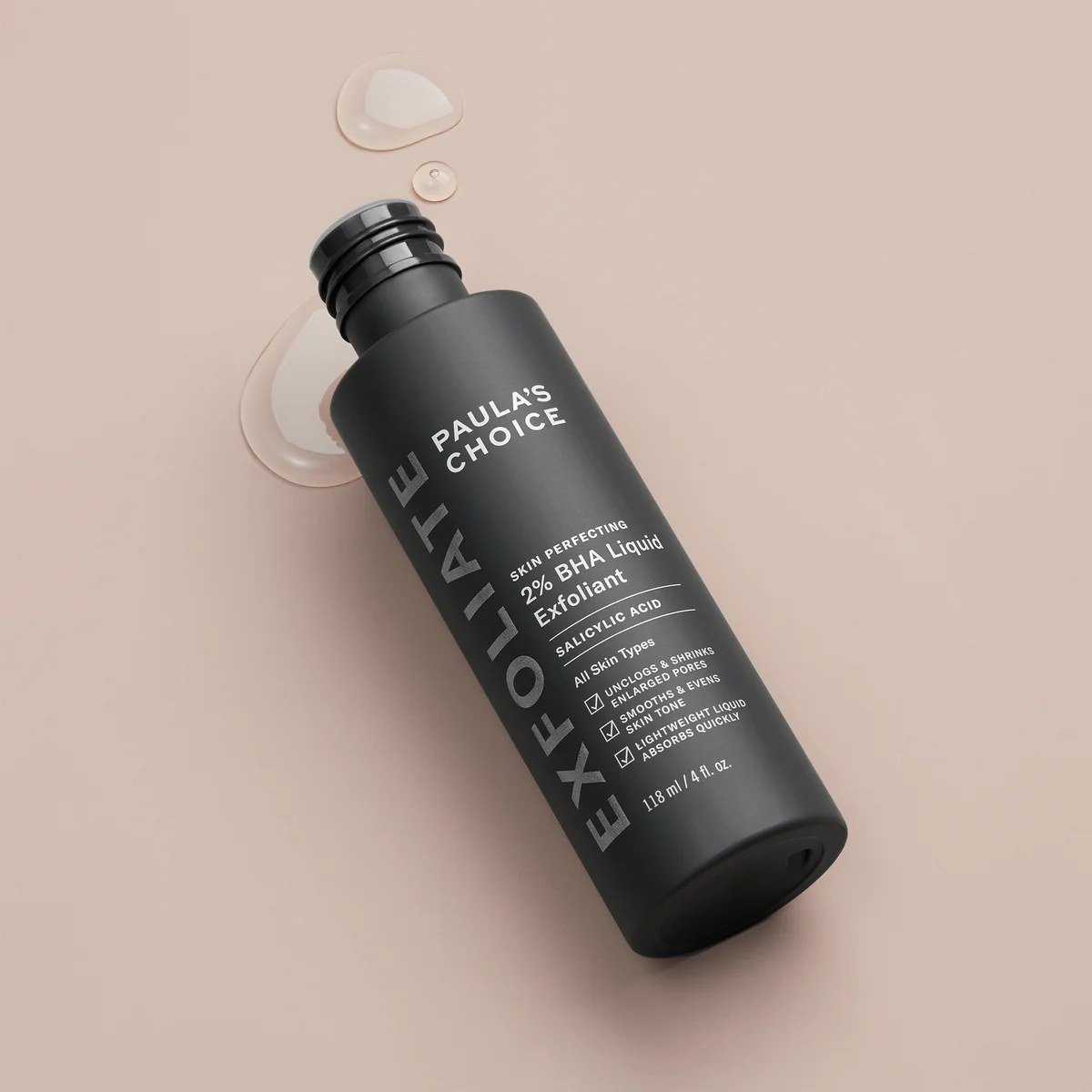
Every tool in this guide treats the blackheads you have; this liquid is how you stop needing them. Paula’s Choice 2% BHA is the benchmark salicylic acid exfoliant, and salicylic acid is the one ingredient that dissolves the oil and dead skin mixture inside the pore, which is why dermatology guidance reaches for it for nose and chin congestion specifically. Applied with a cotton pad or palms over the nose and chin two to three evenings a week, it loosens plugs so they extract easily or clear on their own, and it visibly reduces the sebaceous filaments that vacuums and loops get blamed for not removing permanently. The formula is fragrance free, the pH is in the effective range, and the bottle lasts months at this zone only usage. The trade offs are patience and discipline: results build over four to eight weeks, daily use from day one invites flaking, and sunscreen matters because exfoliated skin is sun sensitive skin. As the chemical half of a nose and chin routine, nothing here outranks it. It pairs with every other pick in this guide rather than competing with them: a fortnight of BHA before a manual extraction session makes the loop’s work noticeably gentler, and continued use afterwards is what stops the same plugs reforming in the same places. Buyers with a whole face to treat rather than a zone can step up to the larger bottle, but for nose and chin work the standard size is the economical one, since a few drops cover the whole territory.
Specifications
118 ml bottle
2% salicylic acid
liquid exfoliant
fragrance free
Pros
Dissolves the plug mixture inside the pore
The benchmark 2% BHA formula, fragrance free
Months of zone only use per bottle
Cons
Results build over four to eight weeks
Overuse causes flaking
Demands sunscreen discipline
Who should buyyou want to prevent blackheads, not just remove them
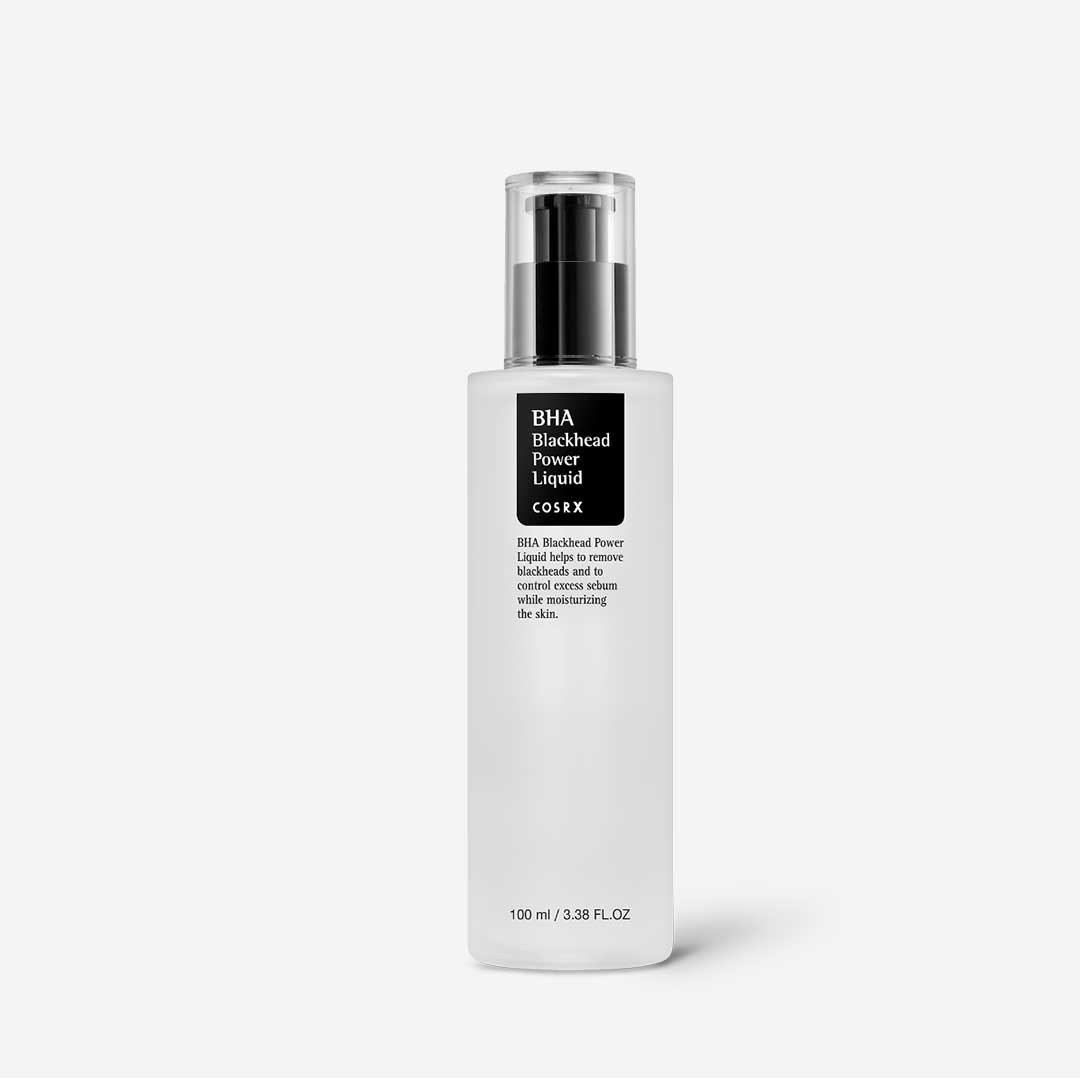
COSRX built this liquid specifically for blackhead prone skin, and its difference from the Paula’s Choice benchmark is gentleness: instead of straight salicylic acid it uses 4% betaine salicylate, a milder derivative, in a willow bark water base, which makes it the BHA for noses and chins that flake or sting with stronger formulas. The trade is speed: expect the same pore clearing direction over a slightly longer runway, six to ten weeks of regular evening use, with plugs softening and extracting more easily along the way. The pump bottle is generous, the formula layers under moisturiser without pilling, and the Korean pharmacy style pricing keeps it in easy reach. For sensitive or first time exfoliant users targeting the nose and chin, this is the sensible start, graduating to a stronger BHA only if the congestion demands it. The limits are that gentleness itself, stubborn chin plugs may need the stronger option, and like all BHAs it asks for sunscreen and a slow introduction. The willow bark base gives it a slightly herbal, watery feel that layers without the tackiness some salicylic serums leave, and it sits happily under a gel moisturiser for combination skin. Because the active is gentler, it is also the BHA in this guide most tolerant of being used alongside a mild retinoid on alternate nights, though introducing one product at a time remains the safe way to learn what your skin thinks of the combination. For the price of a takeaway lunch, it is a low risk experiment with a long runway.
Specifications
100 ml pump bottle
4% betaine salicylate
willow bark water base
Pros
Milder betaine salicylate for sensitive skin
Generous pump bottle, layers cleanly
The sensible first BHA for nose and chin
Cons
Slower runway than stronger BHAs
Stubborn plugs may need more strength
Still asks for sunscreen and patience
Who should buyyour nose and chin are sensitive and need the gentler BHA
Who should skipyou want the strongest, fastest exfoliant
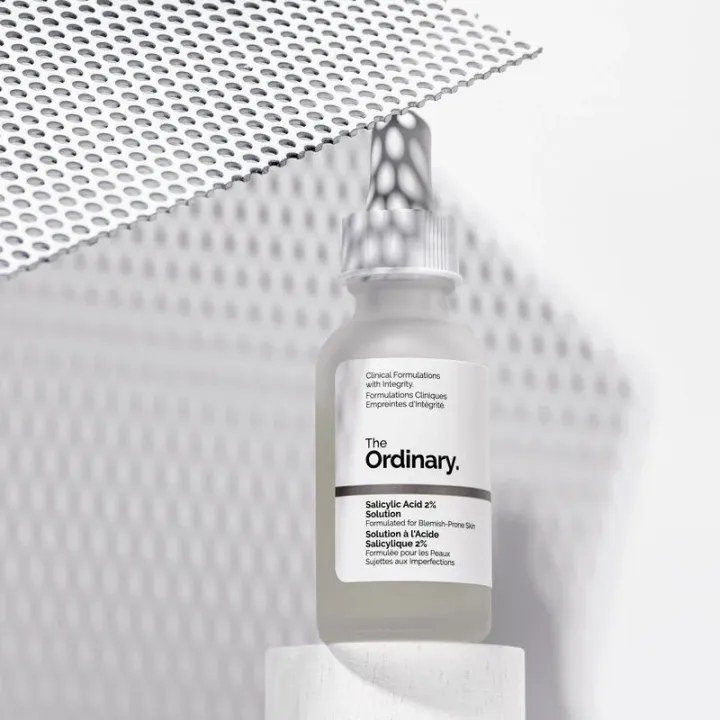
The Ordinary’s salicylic solution is the budget chemist of this guide: 2% salicylic acid in a simple water based serum at the lowest price per bottle here, and for targeted nose and chin use that bottle lasts a long time. The formula is deliberately plain, which cuts both ways: there are no soothing extras to buffer it, so sensitive skin should patch test and start twice a week, but there is also nothing wasted on fragrance or filler. Applied as a thin film over the T zone in the evening, it does the same pore dissolving work as the benchmark liquid, loosening blackheads over four to eight weeks and making manual extraction, when needed, a gentler job. The dropper format suits zone application precisely. The limits are the plainness: the texture can feel slightly tacky, layering under other serums needs a minute’s patience, and beginners often overuse it because it is cheap. As the value route into chemical blackhead control, it is unbeatable. The dropper invites precision that suits this guide’s territory: one drop spread across the nose, one across the chin, worked in with a fingertip, is a full application, which is why the small bottle outlasts expectations. It also doubles as an occasional spot treatment on individual congested pores elsewhere on the face. What it will not do is forgive a slapdash routine: sun protection in the morning and a moisturiser it can sit under are part of the deal, and buyers who build those two habits get the full value of the cheapest serious BHA here.
Specifications
30 ml dropper bottle
2% salicylic acid
water based serum
Pros
2% salicylic acid at the lowest price here
Dropper suits precise zone application
No fragrance or filler
Cons
No soothing buffer for sensitive skin
Slightly tacky texture
Cheap enough to invite overuse
Who should buyyou want proven pore clearing at the lowest cost
Who should skipyour skin needs a buffered, gentle formula
Starting three new actives in the same week, which makes reactions impossible to trace
Using more product than directed, which increases irritation without improving results
Skipping sunscreen while using brightening or exfoliating products, which undoes their work
Expecting visible change in days when most skincare actives need weeks of consistent use
Scrubbing and squeezing daily, which inflames skin and enlarges the look of pores
Expecting any product to remove sebaceous filaments permanently, when they are part of the pore’s normal structure
When to See a Professional
See a dermatologist or qualified professional if the concern is painful, spreading, bleeding, not improving after a consistent routine of several weeks, or if it appeared suddenly and severely. Nail changes such as thickening, colour change with pain, or separation from the nail bed also deserve professional assessment rather than cosmetic treatment. Buying guides support everyday care; they do not diagnose or treat medical conditions.
How to Get Rid of Blackheads on Nose at Home – what is the most important thing to get right?
Consistency at the right level for your type. With blackheads, the correct amount and frequency used steadily will outperform an intense routine used occasionally, and it avoids most of the irritation that makes people abandon the routine.
How long does it take to see a difference?
Most skincare routines show their direction within two to four weeks of consistent use, with fuller results over two to three months for concerns involving skin renewal or hair growth cycles. Judge on that timeline, not on single days.
What if my skin or hair reacts badly?
Stop the new step, return to your simplest routine until things settle, and reintroduce only one product at a time if you try again. Persistent pain, swelling or spreading irritation is a reason to seek professional advice rather than push through.
What is the biggest mistake people make with blackheads?
Scrubbing and squeezing daily, which inflames skin and enlarges the look of pores A close second: expecting any product to remove sebaceous filaments permanently, when they are part of the pore’s normal structure
What should I check before starting with blackheads?
The ingredient that works inside the pore is salicylic acid, oil soluble, able to loosen the plug where water based products cannot reach. Beyond that, check the product’s own directions against your skin or hair type, start at the gentle end of any range, and change nothing else in your routine for the first two weeks so the result is readable.
What is the best serum for blackheads and whiteheads and open pores?
The buying guide Best Serum for Blackheads and Whiteheads and Open Pores compares the leading options for this exact need against the criteria that matter, with specifications, honest pros and cons, and a clear statement of who should skip each pick. It is linked from this page.
By Mirror & Glow Editorial Desk – November 23, 2026
Best Serum for Blackheads and Whiteheads and Open Pores: Paula’s Choice Skin Perfecting 2% BHA Liquid Exfoliant leads the picks, each photographed and specced with honest pros and cons and a buy or skip verdict.
By Mirror & Glow Editorial Desk – November 23, 2026
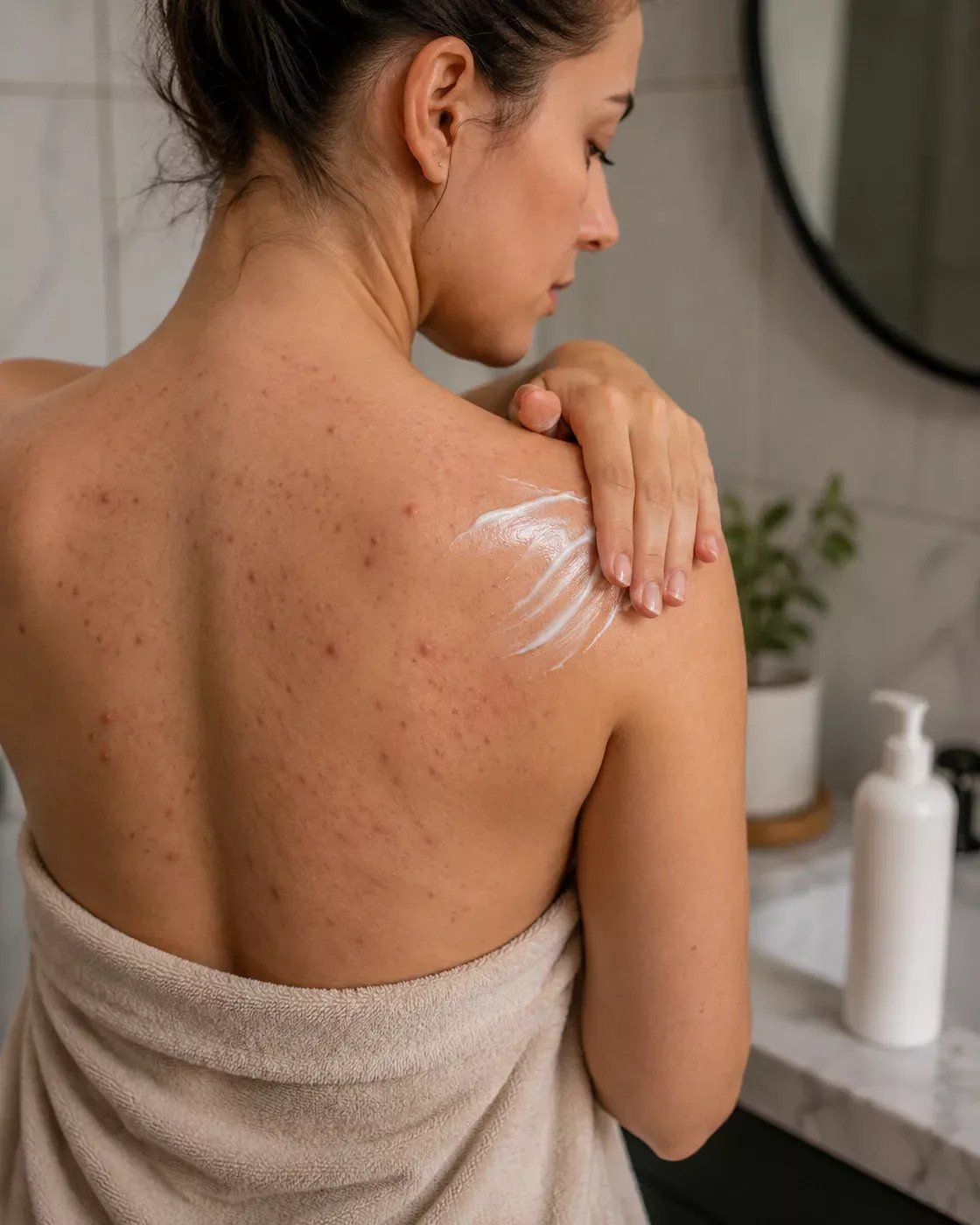
How to Get Rid of Acne Scars on Back? The short answer first, then the detail: one active at a time, introduced over two weeks, judged at eight to twelve weeks, with timing, amounts and the errors that stop it working.
By Mirror & Glow Editorial Desk – November 23, 2026
Hydrocolloid is a wound dressing material: it draws out fluid and turns white as it works. This guide applies that to how often to use pimple patches on a single spot: the method, the timing, and the traps to avoid.