By Mirror & Glow Editorial Desk – November 23, 2026
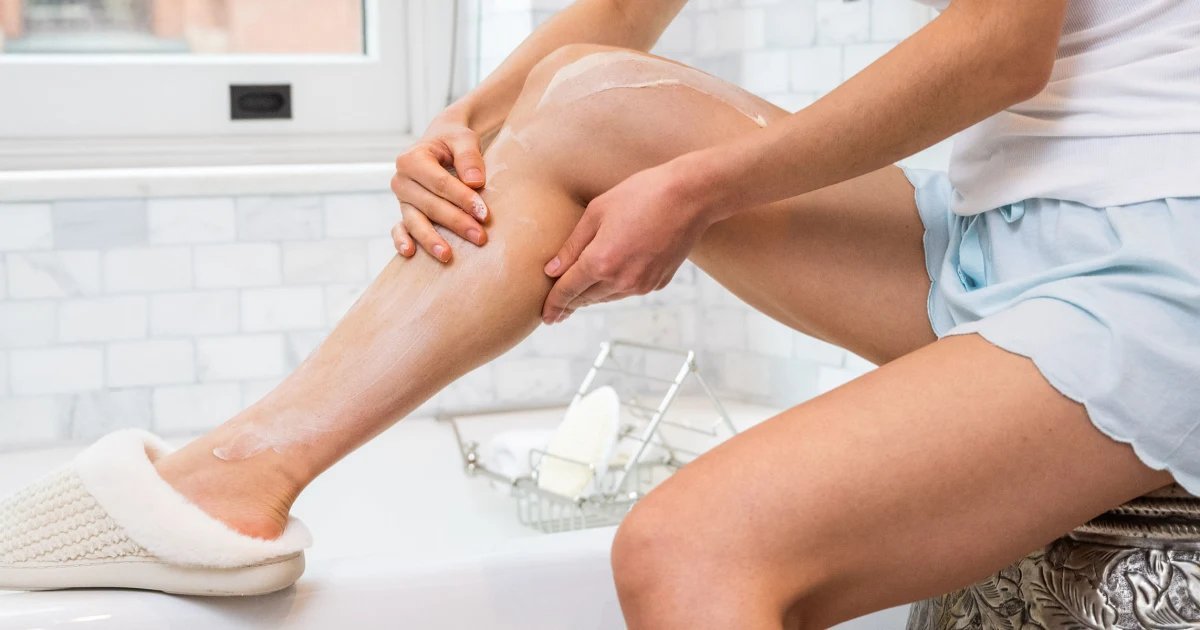
Woman shaving her legs with a razor and shaving cream beside a bath.
The direct answer: how to get rid of ingrown hairs and razor bumps is a routine question with a clear method, set out step by step below. The key is preparation, the right amount of product, and consistency rather than intensity. Read the short steps first, then the mistakes section, which covers the errors that most often stop the routine from working.
Ingrown Hairs Explained
Ingrown hairs are hairs that curl back or grow sideways into the skin, causing bumps and sometimes infection like spots, most often after shaving, waxing or epilation on curly or coarse hair. They are a hair direction and exfoliation problem more than a hygiene one.
Prevention works on two fronts: how hair is cut, and whether dead skin blocks its exit. Shaving with the grain, with a single blade and no skin stretching reduces how short and sharp the tip is; gentle chemical exfoliation with salicylic or glycolic acid keeps the pore opening clear. Squeezing an ingrown like a spot pushes bacteria deeper. Recurrent, widespread ingrowns with scarring, especially on the face or neck, deserve professional advice.
Putting It Into Practice
Exfoliate the area gently two to three times a week between hair removals, keep the skin moisturised so hairs pierce it less easily, and release only surface level ingrowns with a clean needle point, never dig for deep ones.
Build the habit at the gentlest effective level first and attach it to something you already do, after a shower, before bed, with your morning routine, because techniques attached to existing habits survive. Keep the rest of your body care routine stable while you judge the change, and give the routine the full period the product guidance describes before deciding it does not work.
Step by Step: Ingrown Hairs
The method below is the standard technique for this category, in the order that makes each step work. Adapt the amounts to your own skin or hair, and keep the order. If you still need the product itself, the buying guide Best Products for Ingrown Hairs and Dark Spots compares the current options for this exact need.
Apply moisturiser within a few minutes of showering, on skin that is still slightly damp
Use enough to cover the area in a thin, even film rather than spot treating
For exfoliating products, start once or twice a week and build as skin tolerates
Give rough areas such as heels a nightly application, with socks to protect bedding
Allow four weeks of consistent use before judging texture problems like bumps
Getting Ingrown Hairs Right in Your Routine
Fit matters more than intensity with ingrown hairs. Build the habit at the gentlest effective level first: the right product amount, the right frequency for your type, and one change at a time so you can see what is actually helping. Keep the rest of your body care routine stable while you judge the change, and give the routine the full period the product guidance describes before deciding it does not work.
Keep notes for the first two weeks: what you used, how much, and how your skin or hair felt the next day. That simple record answers most follow up questions, including whether a reaction came from the new step or from something layered with it.
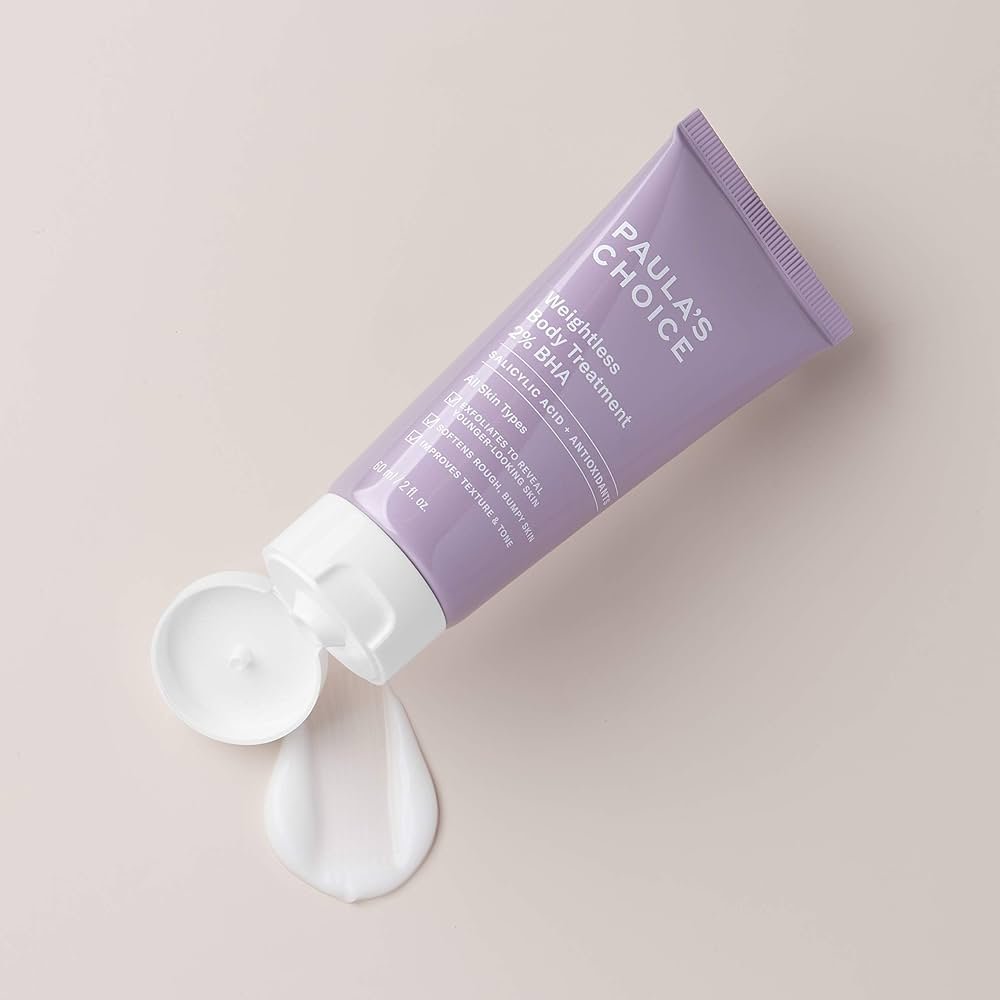
This is the anchor product for a back routine, because back acne scars and active back acne usually coexist, and salicylic acid is the ingredient that addresses both sides: it is oil soluble, so it works inside the pore where back breakouts form, and by keeping pores clear and surface skin turning over it steadily improves the flat dark marks breakouts leave behind. Paula’s Choice formulates it at a stated 2% in a lightweight body lotion base with antioxidants, fragrance free, in a tube sized for large areas, which is exactly what a back needs and what most face products cannot economically provide. It is applied once or twice daily to clean skin and left on. The honest expectations matter: dark marks fade over eight to twelve weeks of consistent use, not days, and the lotion does not treat raised or pitted scarring. It can tingle at first, it increases sun sensitivity on an exposed back, and it should not be layered in the same application with strong retinoids while skin adjusts. For the common pattern of recurring back breakouts plus the marks they leave, this is the guide’s first recommendation and the product the rest of the routine is built around.
Specifications
210 ml tube
2% salicylic acid
unclogs follicles
fragrance free
Pros
2% salicylic acid works inside pores and on marks
Body sized, fragrance free lotion format
Treats active breakouts and their marks together
Cons
Marks take eight to twelve weeks to fade
Can tingle during the first applications
Not a treatment for raised or pitted scars
Who should buyyour back has both ongoing breakouts and the dark marks they leave behind.
Who should skipyour back scarring is pitted or raised, which needs in clinic treatment rather than creams.
This is the scrub in the guide for skin where dead skin is only half the problem: it combines a stated 10% blend of glycolic and lactic acids with pumice buffing beads, so chemical loosening and physical polishing happen in the same short application. That dual design is aimed at keratosis pilaris, the rough, dotted texture on upper arms and thighs where dead cells plug the follicle opening, a job purely physical scrubs do badly because the plug sits below the surface. The brand instructs use on wet skin in the shower, massaging and rinsing rather than leaving it on, and the formula includes bisabolol to keep the acid step calm. It is the most treatment like product here, and it should be used like one: two or three times a week, not daily, with moisturiser after and sunscreen on exposed skin. Its limits are strength and size. It is too much for sensitive, broken or freshly shaved skin, the tube is smaller than the tubs in this guide so whole body use is expensive, and the pumice makes it unsuitable for the face. For bumpy, rough texture that ordinary scrubs have failed to shift, it is the guide’s most effective answer.
Specifications
226 g tube
10% AHA blend
pumice buffing beads
Pros
10% AHA blend plus pumice works chemically and physically
Designed for keratosis pilaris and stubborn roughness
Tube format is hygienic and shower friendly
Cons
Too strong for sensitive or freshly shaved skin
Small tube makes whole body use costly
Not a daily product, and not for the face
Who should buyyour dead skin comes with bumps and plugged follicles on arms or thighs.
Who should skipyou want a gentle daily polish, or your skin is sensitive and reactive.
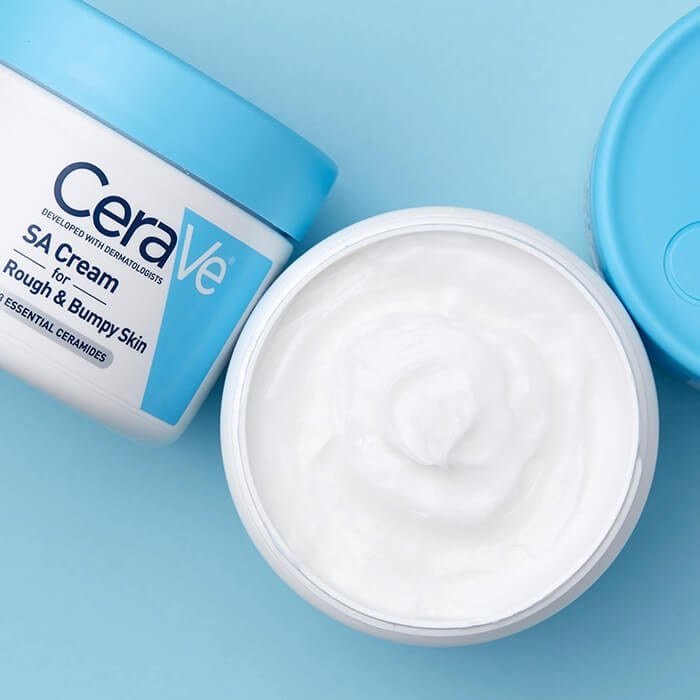
CeraVe’s SA Cream is the gentle daily option for backs that are marked, rough and easily irritated at the same time. It pairs salicylic and lactic acids at smoothing levels with the brand’s three ceramides and hyaluronic acid, so it clears the surface congestion that feeds back breakouts and holds pigment, while supporting the barrier that stronger acne routines tend to strip. That balance makes it the product in this guide most likely to be used every day without a reaction, and on a back, daily for months is what fading actually requires. The cream texture covers a back comfortably, is fragrance free and non greasy, and it doubles for rough arms and legs, which often share the same pattern. Its limits are potency and format. The acid levels are for maintenance and mild congestion, so active, inflamed back acne needs the salicylic lotion or adapalene steps as the lead treatment, and the tub needs clean hands or an applicator, which matters when treating your own back. Judged as the sustainable base layer of a back routine for sensitive skin, it is the pick most readers will still be using, happily, at the twelve week mark. That staying power is a formulation success worth naming: gentle products only work if people keep using them, and this one is unusually easy to keep using.
Specifications
340 g tub
salicylic and lactic acids
ceramides
Pros
Acids plus ceramides suit sensitive, congested backs
Fragrance free cream that covers large areas well
Gentle enough for the daily use fading requires
Cons
Acid levels are maintenance strength, not treatment strength
Tub format is awkward for self application to the back
Slow on deep or long standing marks
Who should buyyour back is marked and rough but also sensitive, and stronger acids have irritated it.
Who should skipyou have active inflamed back acne needing a lead treatment first.
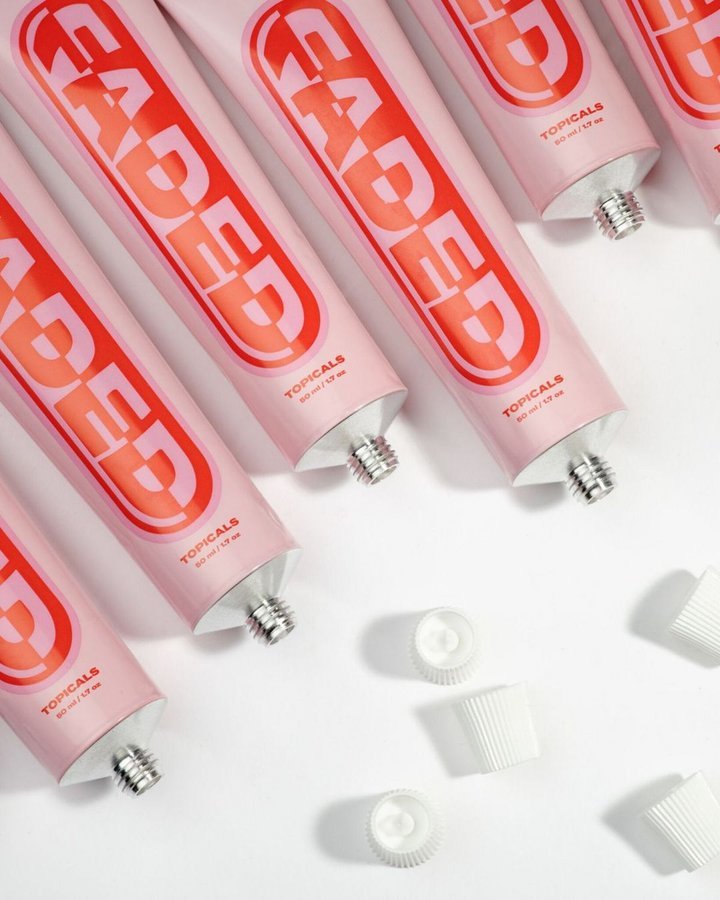
Faded is the dedicated dark mark serum in this guide, and its published formula is a roll call of the ingredients dermatology uses for pigmentation: tranexamic acid, azelaic acid, niacinamide, kojic acid and liquorice root, combined in one gel serum so the reader does not have to layer four separate products across a hard to reach back. That combination approach is its strength, because post acne marks respond to several pathways at once, and azelaic acid in particular is a well regarded option for acne prone skin that also has pigmentation. The tube format suits targeted use on the marked zones of the upper back and shoulders, ideally with help or a lotion applicator for the centre of the back. The honest limits are scent, size and scope. The formula has a noticeable natural odour from its actives that users either accept or dislike, the 50 ml tube is small for a whole back so it is best reserved for the worst marked areas, and like everything here it works on flat colour, not texture or pitting. For concentrated marks rather than a whole back of them, it is the most focused product in the guide. Applied consistently to the zones that need it, it gives marked backs a focused treatment that the lotion formats cannot concentrate in the same way.
Specifications
50 ml tube
brightening serum for marks left by ingrown hairs
Pros
Five established brightening actives in one formula
Azelaic acid suits acne prone, marked skin
Targeted tube for the worst marked zones
Cons
Noticeable natural odour from the actives
Small tube for a large area like a back
Works on colour only, not pitted texture
Who should buyyour back marks are concentrated in zones and you want the most focused brightening formula.
Who should skipyour marks cover your whole back, where a large format lotion is more practical.
Moisturising dry skin hours after showering, when the water has already escaped
Scrubbing rough or bumpy skin harder instead of using the right active ingredient
Applying exfoliating acids to broken, shaved or sunburnt skin
Stopping after a week when texture concerns respond over a month
Digging and squeezing deep ingrowns, which causes the dark marks and scars people then treat as a second problem
Dry shaving against the grain with a dull multi blade razor, the combination most likely to create them
When to See a Professional
See a dermatologist or qualified professional if the concern is painful, spreading, bleeding, not improving after a consistent routine of several weeks, or if it appeared suddenly and severely. Nail changes such as thickening, colour change with pain, or separation from the nail bed also deserve professional assessment rather than cosmetic treatment. Buying guides support everyday care; they do not diagnose or treat medical conditions.
How to Get Rid of Ingrown Hairs and Razor Bumps – what is the most important thing to get right?
Consistency at the right level for your type. With ingrown hairs, the correct amount and frequency used steadily will outperform an intense routine used occasionally, and it avoids most of the irritation that makes people abandon the routine.
How long does it take to see a difference?
Most body care routines show their direction within two to four weeks of consistent use, with fuller results over two to three months for concerns involving skin renewal or hair growth cycles. Judge on that timeline, not on single days.
What if my skin or hair reacts badly?
Stop the new step, return to your simplest routine until things settle, and reintroduce only one product at a time if you try again. Persistent pain, swelling or spreading irritation is a reason to seek professional advice rather than push through.
What is the biggest mistake people make with ingrown hairs?
Digging and squeezing deep ingrowns, which causes the dark marks and scars people then treat as a second problem A close second: dry shaving against the grain with a dull multi blade razor, the combination most likely to create them
What should I check before starting with ingrown hairs?
Prevention works on two fronts: how hair is cut, and whether dead skin blocks its exit. Beyond that, check the product’s own directions against your skin or hair type, start at the gentle end of any range, and change nothing else in your routine for the first two weeks so the result is readable.
What is the best products for ingrown hairs and dark spots?
The buying guide Best Products for Ingrown Hairs and Dark Spots compares the leading options for this exact need against the criteria that matter, with specifications, honest pros and cons, and a clear statement of who should skip each pick. It is linked from this page.
By Mirror & Glow Editorial Desk – November 23, 2026
How to Get Rid of Ingrown Hairs on Bikini Line? Ingrown hairs are hairs that curl back or grow sideways into the skin — the guide explains the why, the step by step how, and what to do when it does not work.
By Mirror & Glow Editorial Desk – November 23, 2026
How to Get Rid of Ingrown Hairs on Pubic Area? Ingrown hairs are hairs that curl back or grow sideways into the skin — the guide explains the why, the step by step how, and what to do when it does not work.
By Mirror & Glow Editorial Desk – November 23, 2026
How to Get Rid of Ingrown Hairs After Waxing? Exfoliate the area gently two to three times a week between hair removals. The full method, the mistakes to avoid, and where it fits in your routine.