By Mirror & Glow Editorial Desk – November 23, 2026
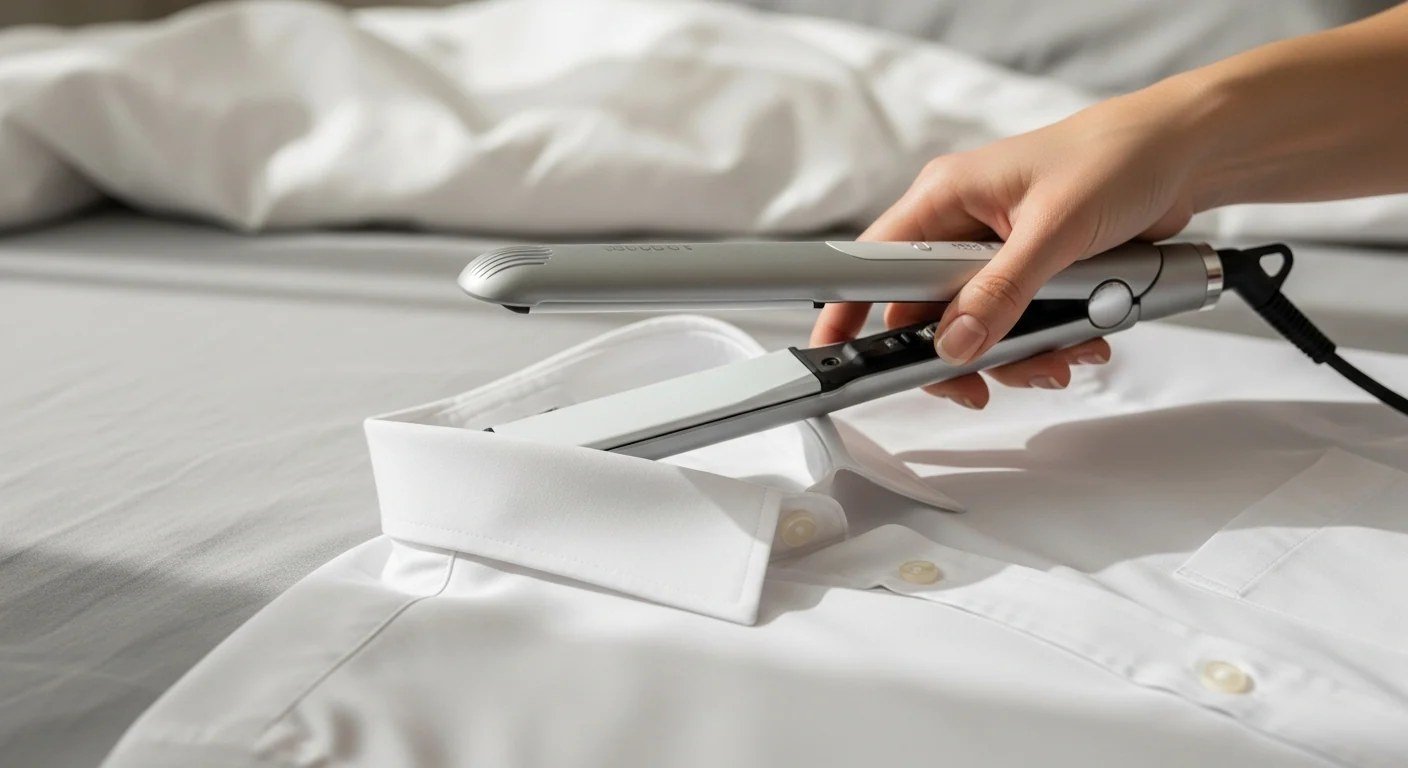
Instructional image shows a hand using a hair straightener as an improvised iron on the collar of a white dress shirt.
The direct answer: how to use flat iron for clothes step by step is a routine question with a clear method, set out step by step below. The key is preparation, the right amount of product, and consistency rather than intensity. Read the short steps first, then the mistakes section, which covers the errors that most often stop the routine from working.
Flat Iron Explained
A flat iron presses hair between two heated plates to straighten it, and with a twist of the wrist it also makes waves and curls. It is the highest contact heat tool, which is why plate quality and temperature control matter more here than in any other styler.
Plate material and float decide results: ceramic and tourmaline plates spread heat evenly, titanium heats fast and holds high temperatures for coarse or resistant hair, and floating plates keep pressure even so hair does not snag. Width follows hair length and thickness: narrow plates for short hair and detail work, wide plates for long, thick hair. A genuine low end to the temperature range is what makes an iron safe for fine or damaged hair.
Putting It Into Practice
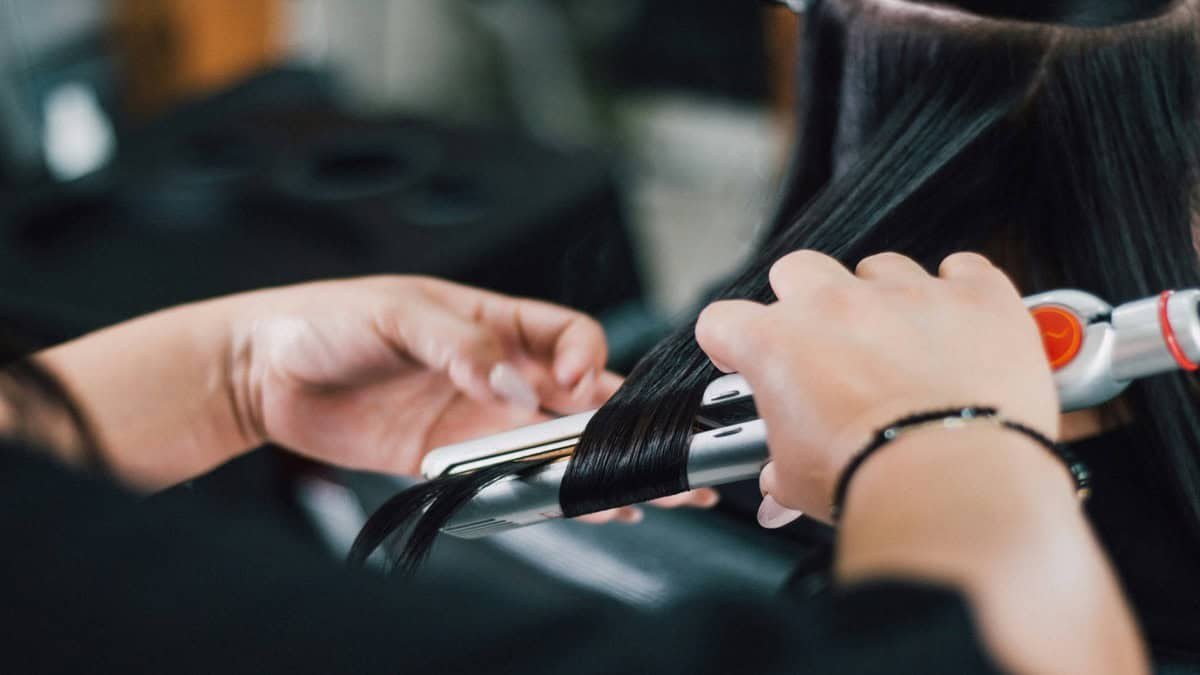
Use on completely dry hair with heat protectant, in sections no wider than the plates, one slow pass rather than several fast ones. Let hair cool before judging straightness, and finish with the lightest oil or serum only if frizz returns.
Build the habit at the gentlest effective level first and attach it to something you already do, after a shower, before bed, with your morning routine, because techniques attached to existing habits survive. Keep the rest of your hair tools routine stable while you judge the change, and give the routine the full period the product guidance describes before deciding it does not work.
Step by Step: Flat Iron
The method below is the standard technique for this category, in the order that makes each step work. Adapt the amounts to your own skin or hair, and keep the order. If you still need the product itself, the buying guide Best Flat Iron for 4c Hair compares the current options for this exact need.
Start with clean, fully detangled hair and apply heat protectant evenly
Dry hair completely before using irons, unless the tool is designed for wet to dry use
Work in small sections, no wider than the plate or barrel
Use the lowest temperature that achieves the style in one or two passes
Let each section cool in shape before touching it, which is what sets the style
Getting Flat Iron Right in Your Routine
Fit matters more than intensity with flat iron. Build the habit at the gentlest effective level first: the right product amount, the right frequency for your type, and one change at a time so you can see what is actually helping. Keep the rest of your hair tools routine stable while you judge the change, and give the routine the full period the product guidance describes before deciding it does not work.
Keep notes for the first two weeks: what you used, how much, and how your skin or hair felt the next day. That simple record answers most follow up questions, including whether a reaction came from the new step or from something layered with it.
BaBylissPRO Nano Titanium Ultra-Thin Straightener 1.5 inch
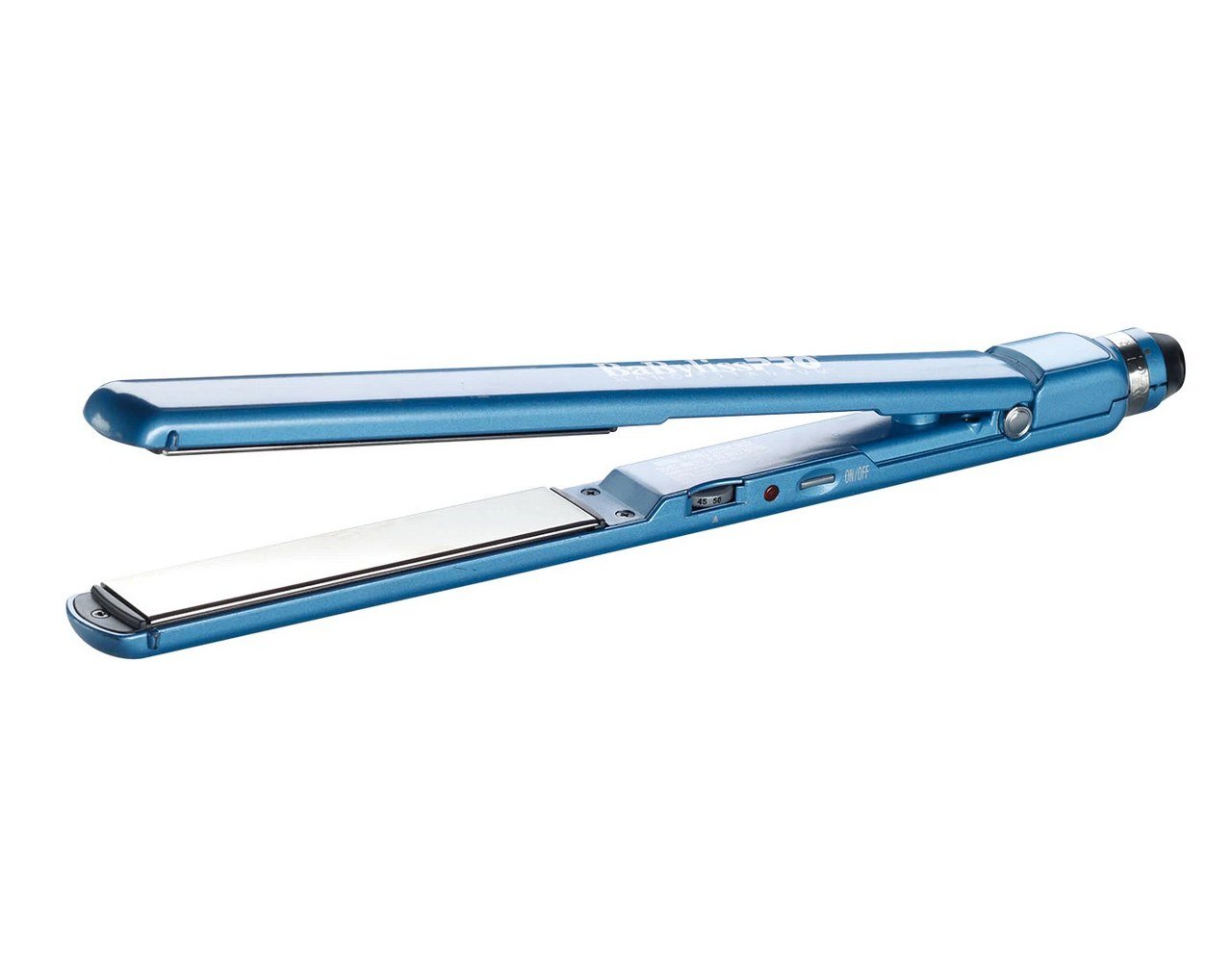
A silk press on 4c hair is a plate length problem before it is a heat problem: short plates mean more passes, and more passes mean more damage and more frizz by noon. This iron answers with the longest plates in the guide, five inches of nano titanium in a slim 1.5 inch housing, so a properly detangled, tension held section is covered root to tip in one slow pass instead of two or three. Titanium heats fast and holds its temperature evenly, and the 50 settings running to 450°F let experienced hands use the high heat dense coils need for a lasting press while keeping lower settings for edges and leave out. The ultra thin housing gets close to the root without the bulk that makes wide irons clumsy around the hairline, and the plates double for loose waves on press day two or three. The honest trade offs are real: titanium’s aggressive heat transfer punishes sloppy technique, there is no automatic shut off timer worth relying on, and the slim body offers little insulation, so a heat glove is sensible at the top settings. It is also a single purpose professional tool at a professional price. For 4c hair that needs maximum coverage per pass and genuine 450°F heat, it is the benchmark the rest of this guide is measured against.
Specifications
1.5 inch plates with 50 heat settings
the wide plate and fine temperature control this clothes technique needs
Pros
Five inch plates cut the number of passes
True 450°F ceiling for dense coils
Slim housing reaches close to the root
Cons
Titanium heat punishes poor technique
No meaningful auto shut off
Professional price for a single tool
Who should buyyou silk press dense 4c hair and want the fewest possible passes at full heat
Who should skipyou are new to pressing and want a more forgiving ceramic iron first
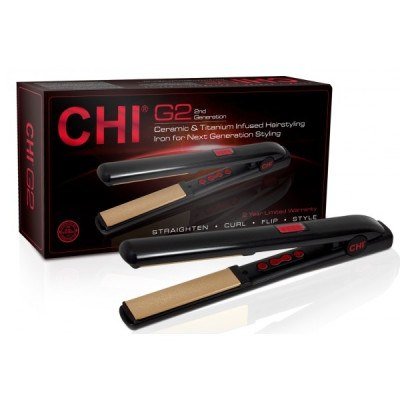
The G2 is CHI’s refinement of the iron that defined home straightening, and its party trick is genuinely useful on textured hair: the digital LCD changes colour with temperature, blue up to 370°F for fine hair, green through the middle range, red from 400°F for coarse hair, so the right heat zone for a 4c press is visible at a glance instead of guessed from a dial. The ceramic plates are infused with titanium for durability and smoother glide, and the iron reaches its 425°F maximum in about 40 seconds, which makes it the quickest starter in this guide and a natural for morning touch ups on an existing press. The one inch width and slim profile excel at roots, edges, short cuts and curling, and dual voltage with an hour’s auto shut off make it the easiest travel companion here. The limitations define its lane: 425°F is a lower ceiling than the 450°F irons, so the densest, most resistant coils may need an extra pass, and one inch plates make a full press on thick, long hair a longer job than the wide irons. As a first quality iron, a travel iron, or the detail tool beside a wide press iron, it is excellent. As the only iron for heavy 4c pressing, the wider picks serve better.
Specifications
1 inch ceramic plates with digital temperature display
heats in 40 seconds for quick collar and hem work
Pros
Colour coded display shows the heat zone at a glance
Fastest heat up here, about 40 seconds
Dual voltage and auto shut off for travel
Cons
425°F ceiling is below the 450°F irons
One inch plates slow down full presses
Best as a detail and touch up tool on dense hair
Who should buyyou want a fast, travel friendly iron for touch ups, edges and shorter hair
Who should skipyou need maximum width and heat for full presses on dense hair
The 10X is built around a claim no other iron here makes: its plates vibrate. Bio Ionic’s sonic technology pulses the ceramic plates so hair glides through with less drag and, the brand says, styles in as little as ten minutes, because the vibration keeps strands in constant even contact instead of letting them bunch and slip. On tightly coiled hair the practical effect is a smoother single pass with less of the tugging that breaks up a section before the heat has done its work. The plates themselves are ceramic infused with volcanic rock minerals, the brand’s Bio Ionic Moisturizing Heat approach, which aims for even heat without the hot spots that scorch fine edges while leaving roots puffy. Digital control runs to a full 450°F, which 4c silk presses need, and the one inch width is the right size for presses that also need curling, bumping ends and working smaller sections around the face. A one hour auto shut off and a five year warranty, the longest cover in this guide, round out a genuinely premium package. The costs are the price, which sits at the top of the guide, and a vibrating plate feel that some stylists love and others find distracting for the first few uses. For press results with fewer passes and less drag, it earns its money.
Specifications
1 inch plates with digital heat to 450°F and auto shut off
steady heat for pressing small garment areas
Pros
Vibrating plates reduce drag and bunching
Full 450°F with even ceramic heat
Five year warranty, best in this guide
Cons
Top of guide pricing
Vibration takes a few uses to get used to
One inch plates mean more sections on very thick hair
Who should buyyour presses suffer from dragging and uneven sections and you want the smoothest single pass available
Who should skipyou press very thick hair in bulk and need a wider plate
Using maximum heat by default instead of the lowest effective setting
Passing the iron repeatedly over the same section
Styling damp hair with a flat iron, which boils water inside the hair shaft
Taking sections too large, which leaves the inside under styled and the outside over heated
Ironing damp hair, which boils the water inside the shaft and causes bubble damage no treatment reverses
Defaulting to maximum temperature when most hair straightens fully well below it
When to See a Professional
See a trichologist, dermatologist or experienced stylist if you notice sudden shedding, patchy loss, scalp pain, sores or breakage that continues despite gentle care. Those signs point beyond product choice, and professional assessment comes before further buying.
Deciding between options? The comparison Flat Iron vs Curling Iron sets out the differences, downsides and verdicts for this topic.
Frequently Asked Questions
How to Use Flat Iron for Clothes Step by Step – what is the most important thing to get right?
Consistency at the right level for your type. With flat iron, the correct amount and frequency used steadily will outperform an intense routine used occasionally, and it avoids most of the irritation that makes people abandon the routine.
How long does it take to see a difference?
Most hair tools routines show their direction within two to four weeks of consistent use, with fuller results over two to three months for concerns involving skin renewal or hair growth cycles. Judge on that timeline, not on single days.
What if my skin or hair reacts badly?
Stop the new step, return to your simplest routine until things settle, and reintroduce only one product at a time if you try again. Persistent pain, swelling or spreading irritation is a reason to seek professional advice rather than push through.
What is the biggest mistake people make with flat iron?
Ironing damp hair, which boils the water inside the shaft and causes bubble damage no treatment reverses A close second: defaulting to maximum temperature when most hair straightens fully well below it
What should I check before starting with flat iron?
Plate material and float decide results: ceramic and tourmaline plates spread heat evenly, titanium heats fast and holds high temperatures for coarse or resistant hair, and floating plates keep pressure even so hair does not snag. Beyond that, check the product’s own directions against your skin or hair type, start at the gentle end of any range, and change nothing else in your routine for the first two weeks so the result is readable.
What is the best flat iron for 4c hair?
The buying guide Best Flat Iron for 4c Hair compares the leading options for this exact need against the criteria that matter, with specifications, honest pros and cons, and a clear statement of who should skip each pick. It is linked from this page.
By Mirror & Glow Editorial Desk – November 23, 2026
Plate material and float decide results: ceramic and tourmaline plates spread heat evenly. This guide applies that to can you use flat iron steak for beef and broccoli: the method, the timing, and the traps to avoid.
By Mirror & Glow Editorial Desk – November 23, 2026
Plate material and float decide results: ceramic and tourmaline plates spread heat evenly. This guide applies that to what is flat iron steak called at the grocery store: the method, the timing, and the traps to avoid.
By Mirror & Glow Editorial Desk – November 23, 2026
The direct answer to can you use flat iron steak for beef stroganoff, with the background explained: a flat iron presses hair between two heated plates to straighten it. Step by step method, routine placement and FAQs.