Is Dry Shampoo or Baby Powder Better for Your Hair
By Mirror & Glow Editorial Desk – November 23, 2026
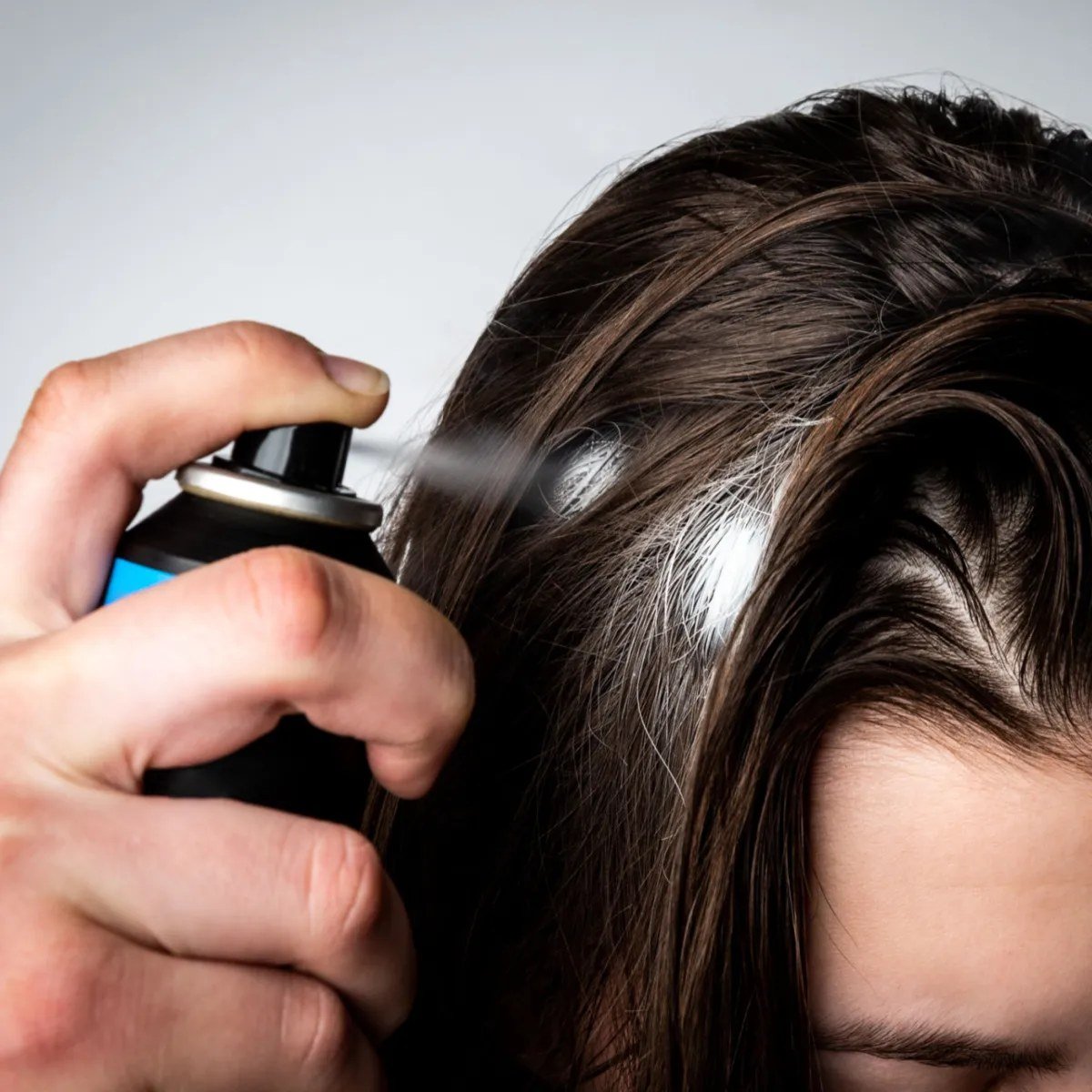
Woman spraying dry shampoo along her parting from a green can.
The direct answer to is dry shampoo or baby powder better for your hair is explained in full below, because questions like this rarely have a one word answer that is safe for everyone. The short version: it depends on your skin or hair type, the specific products involved, and how consistently you use them. The sections below break the answer down so you can apply it to your own routine.
Dry Shampoo Explained
Dry shampoo is a powder or spray of starches and similar absorbents that soaks up oil at the roots, extending a style by a day and adding texture and volume. It refreshes the look of hair; it does not clean the scalp, and treating it as washing is where problems start.
Timing transforms it: applied at night, it absorbs oil as it forms and brushes out by morning; applied to already greasy hair it cakes. Build up is the category’s cost, since starches, product and oil accumulate on the scalp and need real washing and occasional clarifying. Aerosol and powder formats differ in distribution and residue, with powders often better on dark hair if worked in well. Used at the roots only, in small amounts, it is a styling product, not a hygiene substitute.
Putting It Into Practice
Apply to roots the night before or on day one hair, wait several minutes, then massage and brush through thoroughly. Wash properly within a day or two; dry shampoo buys time, it does not replace the wash.
Build the habit at the gentlest effective level first and attach it to something you already do, after a shower, before bed, with your morning routine, because techniques attached to existing habits survive. Keep the rest of your hair care routine stable while you judge the change, and give the routine the full period the product guidance describes before deciding it does not work.
Step by Step: Dry Shampoo
The method below is the standard technique for this category, in the order that makes each step work. Adapt the amounts to your own skin or hair, and keep the order. If you still need the product itself, the buying guide Best Dry Shampoo for Fine Oily Hair compares the current options for this exact need.
Start with hair washed and gently squeezed free of excess water
Apply the product to mid lengths and ends first, where hair is oldest and driest
Use the contact time on the label rather than rinsing immediately
Rinse with lukewarm water and judge softness once hair is fully dry, not wet
Repeat on a weekly rhythm and adjust the amount before switching products
Getting Dry Shampoo Right in Your Routine
Fit matters more than intensity with dry shampoo. Build the habit at the gentlest effective level first: the right product amount, the right frequency for your type, and one change at a time so you can see what is actually helping. Keep the rest of your hair care routine stable while you judge the change, and give the routine the full period the product guidance describes before deciding it does not work.
Keep notes for the first two weeks: what you used, how much, and how your skin or hair felt the next day. That simple record answers most follow up questions, including whether a reaction came from the new step or from something layered with it.
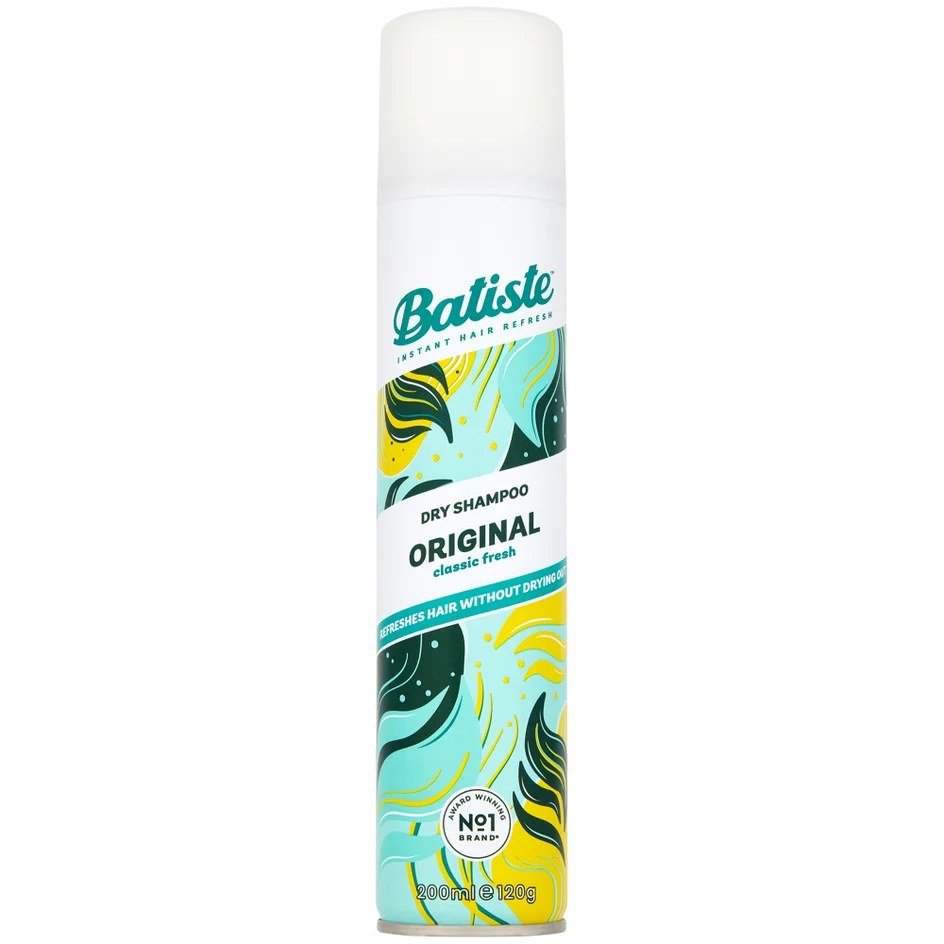
Batiste Original is the dry shampoo most of the world starts with, and for fine oily hair it earns its place on performance per penny rather than refinement. The rice starch formula absorbs a genuinely large amount of oil: sprayed on in the evening and left overnight, it can take second or third day roots back to looking freshly washed, and it leaves behind a light texture that gives fine hair something to hold onto, which is why stylists use it as a volume primer as well as a cleanser. The trade offs are the known ones. The powder is visible on application and needs a proper massage and brush through, and on dark hair an impatient application can leave a grey cast at the hairline. The fragrance, a powdery citrus floral, is strong enough that people will notice it, which some readers love and others cannot stand. It can also feel drying with daily use, since the same absorbency that rescues oily roots will keep pulling moisture from lengths if it drifts there. Application discipline solves most of this: spray at the roots from a distance, wait, then work it in with fingertips before brushing. Judged as a tool rather than a luxury, nothing else in this guide cleans this much hair for this little money.
Specifications
6.73 fl oz aerosol can
rice starch base
the dry shampoo benchmark this article tests against powder
Pros
Strongest oil absorption per penny here
Gives fine hair usable grip and lift
Available almost everywhere in several sizes
Cons
Visible white cast if under-brushed
Strong fragrance that divides opinion
Can feel drying with daily use
Who should buyyour roots get properly oily and you want maximum absorption and a little volume at drugstore cost
Who should skipyou dislike scented hair products or wear dark hair and will not brush thoroughly, where Klorane sits invisibly
Klorane is the original dry shampoo brand, selling this oat milk formula since 1971, and it remains the reference point for fine hair because of how little residue it leaves. The powder base is a blend of rice and corn starches with oat milk, chosen to absorb oil while soothing the scalp, and it sprays on as a beige-tinted mist that brushes out more completely than most rivals. For fine, oily hair that combination matters twice over. Fine strands show white residue more than any other hair type, and they collapse under heavy powders; Klorane’s particles are fine enough that a thirty second wait and a thorough brush through leaves roots looking washed rather than dusted. It is also one of the gentler formulas here, free of parabens and formulated for sensitive scalps, so it suits the daily or near daily use that genuinely oily roots demand. The honest limits are volume and longevity. It cleans convincingly but adds almost no lift or grit, so hair that goes flat will still look flat, just clean, and on very oily scalps the effect lasts a day rather than stretching to a second. The can is also small for the price, and heavy users will finish it quickly. Buy it for invisible, gentle cleansing; look below for body and staying power.
Specifications
3.2 oz aerosol can, also a non-aerosol powder
oat milk with rice and corn starches
the gentle formula in this comparison
Pros
Finest and least visible residue in this guide
Made for sensitive scalps and frequent use
Brushes out cleanly from fine hair
Cons
Adds almost no volume or texture
Small can for the price
Effect lasts about a day on very oily roots
Who should buyyour fine hair shows white residue from every other dry shampoo and your scalp is easily irritated
Who should skipyou want volume and texture as well as oil absorption, where the Living Proof and Batiste picks below do more
Living Proof built Perfect Hair Day Dry Shampoo around a complaint the rest of the category ignores: most dry shampoos cover oil with powder and leave the hair feeling coated, while this one is designed to actually remove the oil, sweat and odour from the hair when you brush it out. The brand calls it Triple-Action Cleaning Technology, a fast absorbing powder blend that soaks up oil and is then meant to be shaken and brushed away carrying the oil with it, rather than sitting on the scalp all day. In practice it is the dry shampoo in this guide that leaves fine hair feeling closest to washed: roots come away clean and light rather than clean and gritty, and the time released fragrance keeps hair smelling neutral through the day instead of perfumed at nine and stale by three. For fine hair that hates build up, that clean finish is the whole argument. The costs are literal and practical. It is one of the most expensive cans here, the powder still shows white on application and needs the full thirty second wait and brush out, and on extremely oily scalps a single application may not stretch a second day. Used as directed, though, it is the premium standard for this hair type.
Specifications
5.5 oz aerosol can
Triple-Action Cleaning Technology with odour neutralisers
the premium dry shampoo in this table
Pros
Leaves the cleanest and least coated finish
Removes odour rather than masking it
Does not build up on fine hair over days
Cons
Premium price for a mid size can
Still needs a full brush out to clear residue
One application may not cover a second oily day
Who should buyyou hate the gritty, coated feel of dry shampoo and want hair that feels washed, with budget for it
Who should skipyour scalp is very oily and you need the heaviest absorption, where Batiste and IGK First Class work harder for less
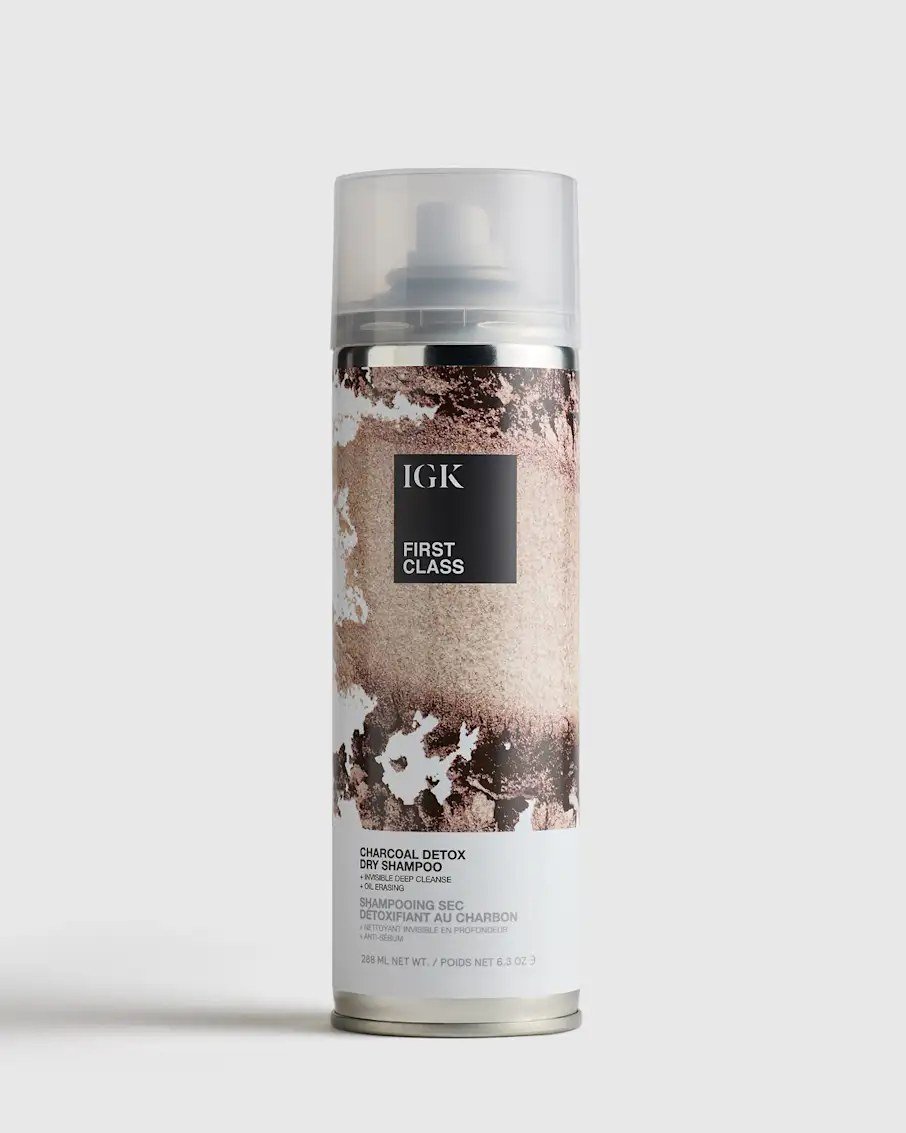
First Class is the heavy artillery of this guide, a charcoal detox dry shampoo IGK rates at the top of its own cleansing scale, made for hair that has gone past the point where a light powder helps. The charcoal powder absorbs oil and sweat aggressively and white tea powder soothes the scalp underneath, and the effect on genuinely oily fine hair is closer to a reset than a refresh: post workout hair, third day hair and summer humidity hair all come back to presentable, and it adds noticeable root lift and texture while doing it, which fine hair rarely gets from a cleanser. That strength defines its limits. Used on merely second day hair it can be too much, leaving fine strands feeling dry, rough and over texturised, and the white cast on application is strong, demanding the full wait and a serious brush out, especially on dark hair. The fragrance is a bold, sweet salon scent that lingers. Think of it the way you would a clarifying shampoo: not the everyday choice, but the one that rescues the days the everyday choice cannot. Kept in the cupboard for emergencies and used overnight before bad days, it justifies its price; used daily, it will punish fine hair.
Specifications
6.3 oz aerosol can
charcoal powder and white tea powder
heavy duty detox strength
the strongest option in this comparison
Pros
Strongest rescue cleanse in this guide
Excellent root lift and texture for fine hair
Handles post workout and third day oil
Cons
Too drying for everyday use on fine hair
Heavy white cast needs thorough brushing
Bold lingering fragrance
Who should buyyou need a rescue product for very oily, sweaty or third day hair that lighter dry shampoos cannot save
Who should skipyou want a gentle daily refresher, where Klorane or Perk Up will treat fine hair far more kindly
Applying rich products to the roots, which weighs hair down and dulls it
Judging a conditioner while hair is still wet and coated
Using protein heavy products daily on hair that needs moisture instead
Skipping heat protectant because a treatment is in the routine
Spraying it onto visibly greasy hair in the morning and getting a dull, gritty result
Using it for a week straight, building up an irritated, flaky scalp
When to See a Professional
See a trichologist, dermatologist or experienced stylist if you notice sudden shedding, patchy loss, scalp pain, sores or breakage that continues despite gentle care. Those signs point beyond product choice, and professional assessment comes before further buying.
Is Dry Shampoo or Baby Powder Better for Your Hair – what is the most important thing to get right?
Consistency at the right level for your type. With dry shampoo, the correct amount and frequency used steadily will outperform an intense routine used occasionally, and it avoids most of the irritation that makes people abandon the routine.
How long does it take to see a difference?
Most hair care routines show their direction within two to four weeks of consistent use, with fuller results over two to three months for concerns involving skin renewal or hair growth cycles. Judge on that timeline, not on single days.
What if my skin or hair reacts badly?
Stop the new step, return to your simplest routine until things settle, and reintroduce only one product at a time if you try again. Persistent pain, swelling or spreading irritation is a reason to seek professional advice rather than push through.
What is the biggest mistake people make with dry shampoo?
Spraying it onto visibly greasy hair in the morning and getting a dull, gritty result A close second: using it for a week straight, building up an irritated, flaky scalp
What should I check before starting with dry shampoo?
Timing transforms it: applied at night, it absorbs oil as it forms and brushes out by morning; applied to already greasy hair it cakes. Beyond that, check the product’s own directions against your skin or hair type, start at the gentle end of any range, and change nothing else in your routine for the first two weeks so the result is readable.
What is the best dry shampoo for fine oily hair?
The buying guide Best Dry Shampoo for Fine Oily Hair compares the leading options for this exact need against the criteria that matter, with specifications, honest pros and cons, and a clear statement of who should skip each pick. It is linked from this page.
By Mirror & Glow Editorial Desk – November 23, 2026
Can You Use Dry Shampoo Two Days in a Row? The short answer first, then the detail: apply to roots the night before or on day one hair, wait several minutes, with timing, amounts and the errors that stop it working.
By Mirror & Glow Editorial Desk – November 23, 2026
Best Dry Shampoo for Fine Oily Hair: Klorane Dry Shampoo with Oat Milk first, Batiste Original Dry Shampoo close behind, every pick specced, photographed and given a buy or skip verdict.
By Mirror & Glow Editorial Desk – November 23, 2026
Which one, and why: cornstarch vs baby powder dry shampoo broken down in a difference table with the strengths, the weaknesses and the reader each option suits.