By Mirror & Glow Editorial Desk – November 23, 2026
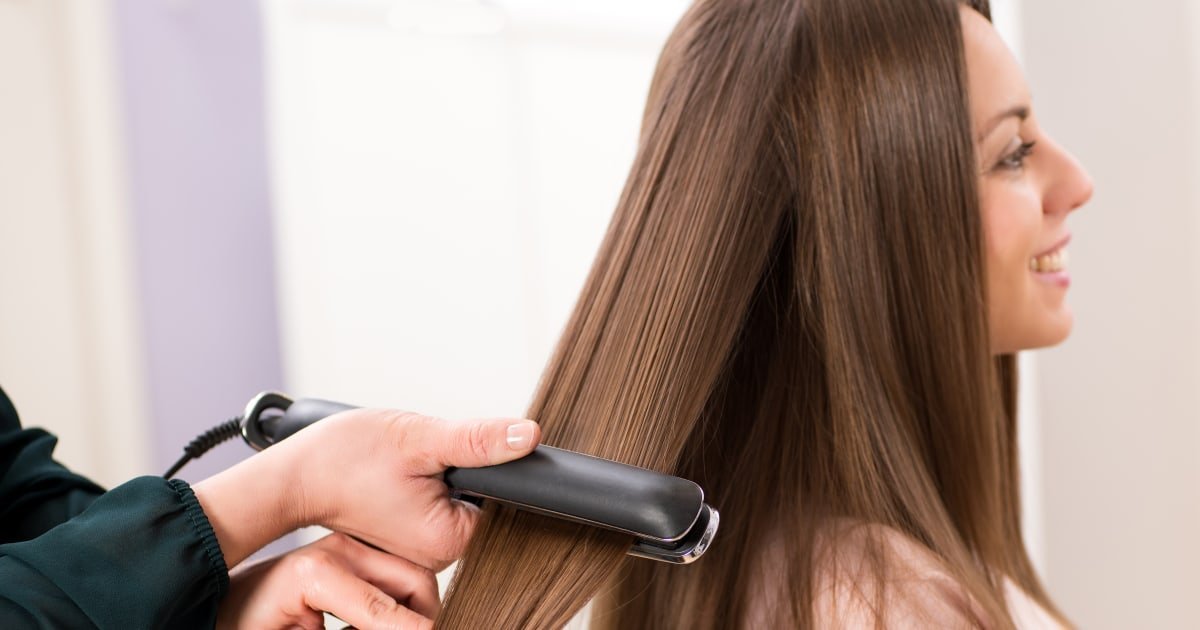
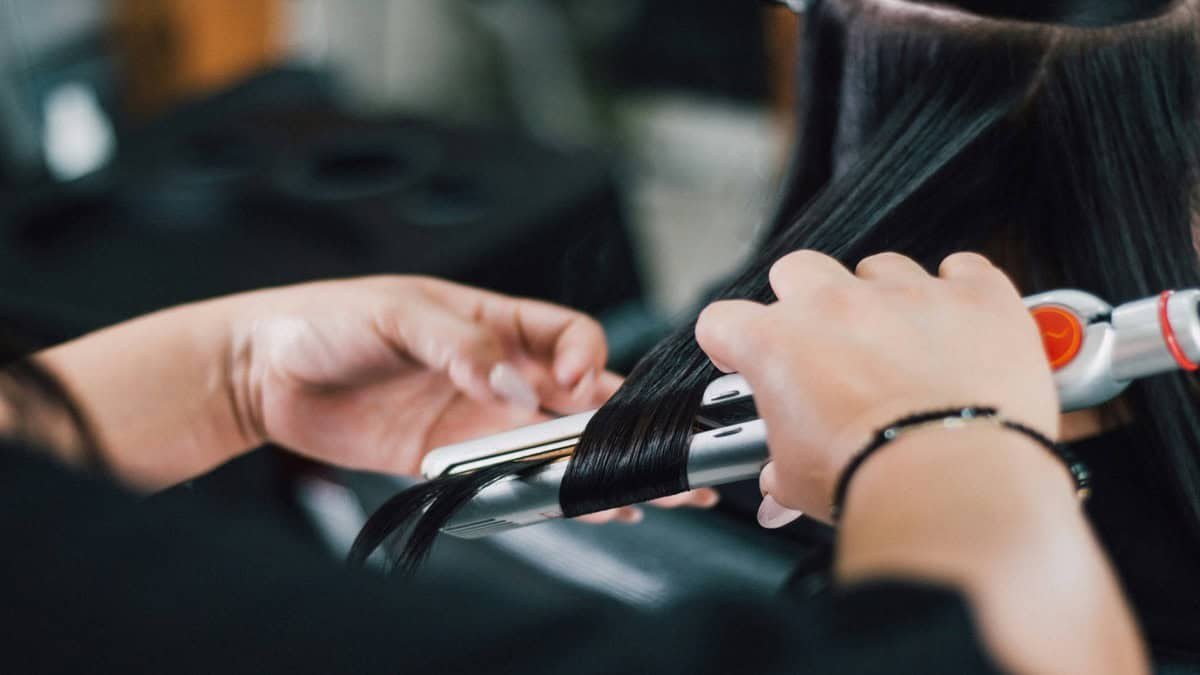
Stylist straightening long hair with a flat iron.
Affiliate disclosure: Mirror & Glow may earn a commission from qualifying purchases made through links on this page, at no extra cost to you. Full disclosure.
The verdict up front: start with BaBylissPRO Nano Titanium Prima, the strongest all round match in this line up for black hair. Every pick is compared in the table below, then reviewed in full with its downsides as well as its strengths.
If you are looking for the best flat iron for black hair, the right choice depends on fit, not hype. This guide is written for black hair, and every criterion below is weighted for that need first. The short answer: choose the flat iron whose formula, format and strength match your hair, check the ingredient or specification list before the marketing claims, and avoid the options whose downsides match the problem you are trying to solve.
What matters most in flat iron is covered in depth below: what the product actually is, the types on sale and how they differ, the buying criteria explained one by one, how to use what you buy, and the mistakes that waste the most money in this category.
Best Flat Iron for Black Hair Compared
Product
Standout Point
Key Specification
BaBylissPRO Nano Titanium PrimaTop Pick
465 degree ceiling smooths resistant coils in fewer passes
1 inch titanium plates – heats to 465 F – ion multiplier technology – stainless steel housing – dual voltage
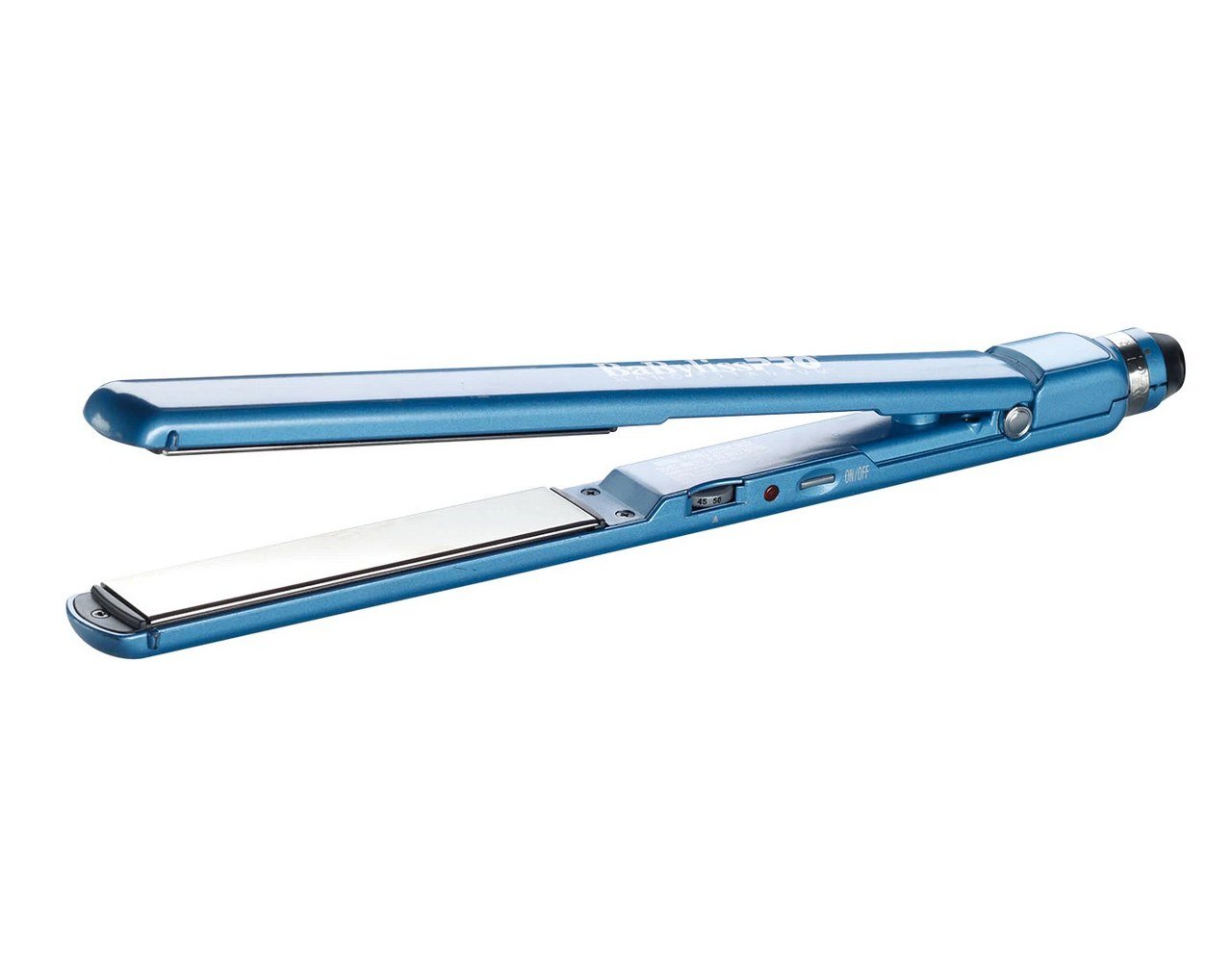
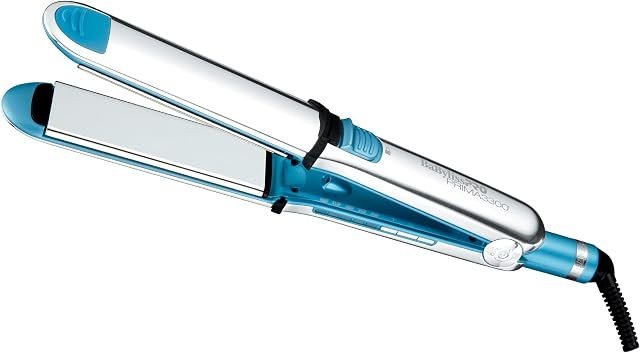
The Prima is the silk press specialist in this line up: titanium plates that reach 465 degrees, a slim stainless housing that stays cool in the hand, and an ion generator aimed at the frizz that undoes a press within hours. For Black hair, which usually needs real heat to smooth the cuticle in one or two passes rather than five or six, that ceiling matters, because repeated passes at moderate heat do more cumulative damage than fewer passes at the right heat. The plates are polished and genuinely slick, so the iron glides through dense, coily sections without the snagging that breaks fragile ends, and the rounded housing doubles for waves and curls once the press is done. It heats fast and holds its temperature under load, which is where cheaper irons quietly fail on thick hair. The honest limits: 465 degrees is more than relaxed, colour treated or fine hair should ever see, so the dial discipline is on you, and the slim body gives less plate contact per pass than a wide iron on very long hair. Used with a heat protectant, small sections and a chase comb, it is the closest thing here to a salon press at home.
Specifications
1 inch titanium plates
heats to 465 F
ion multiplier technology
stainless steel housing
dual voltage
Pros
465 degree ceiling smooths resistant coils in fewer passes
Polished titanium plates glide without snagging ends
Slim housing doubles for curls and waves
Cons
Top heat is too much for relaxed or fragile hair
Slim plates cover less ground on very long hair
Premium price among the irons in this guide
Who should buyyou do silk presses on natural hair and need salon level heat with a smooth glide
Who should skipyour hair is relaxed, bleached or fine and needs a gentler ceiling
BaBylissPRO Nano Titanium Ultra-Thin Straightener 1.5 inch
This is the wide plate workhorse from the same titanium family: plates that are both wider and longer than standard, in a housing kept deliberately thin so it still gets close to the roots. On long, thick natural hair the maths is simple, because a 1.5 inch plate with extra length takes a bigger section per pass and cuts a full press down by a third or more compared with a 1 inch iron. The titanium surface heats evenly to 450 degrees and recovers quickly between sections, which keeps the last pass of the session as effective as the first. For Black hair worn in a press, that consistency is what separates a press that lasts two weeks from one that reverts by Friday. The trade offs are control and weight distribution: wide plates are clumsier around the hairline, edges and short layers, and the ultra thin body can feel less substantial than a chunky salon iron. It is also a straightener first, so curls made with it are looser and less defined than those from a slimmer iron. Pair it with a smaller iron or a pressing comb for edges and it covers the whole job. It also travels well for a full size iron, with dual voltage on most versions and a long professional cord that reaches around salon style setups at home without dragging the plate off the section mid pass.
Specifications
1.5 inch titanium plates
heats to 450 F
extra long 5 inch plates
slim housing
dual voltage
Pros
Wide, extra long plates cut pressing time on thick hair
Even titanium heat to 450 degrees with fast recovery
Thin housing still reaches close to the roots
Cons
Awkward around edges, hairline and short layers
Looser, less defined curls than a slim iron makes
Less plate pressure control on fine sections
Who should buyyour hair is long and thick and a 1 inch iron makes pressing a two hour job
Who should skipmost of your styling is edges, short cuts or detailed work
The 10X is built around a detail no other iron here has: plates that vibrate gently as you press, which the brand says polishes the hair and helps the iron move through the section without dragging. In practice the noticeable thing on textured hair is the glide, because the vibration keeps the plates from sticking on the slightly raised cuticle of coily hair, and passes feel smoother with less of the tugging that snaps ends. The heat ceiling of 450 degrees is enough for a proper silk press on most natural hair, and the rounded barrel shape makes it a genuine two in one for straightening and curling. Bio Ionic also builds in its moisturising heat positioning, the idea that the plate material and ion output leave hair less dried out than bare metal heat. Treat that as a comfort claim rather than a licence to skip heat protectant, which is still non negotiable. The limits are price and the learning curve: the vibration feels odd for the first session, and the 1 inch plate is slower on very thick hair than the wide irons here. For medium density hair that is pressed and curled in equal measure, it is the most versatile pick in the guide.
Specifications
1 inch plates
vibrating plate technology
heats to 450 F
rounded tip and edges
1 hour auto shut off
Pros
Vibrating plates glide through textured hair with less drag
450 degree ceiling handles a full silk press
Rounded shape straightens and curls equally well
Cons
Vibration takes a session to get used to
1 inch plates are slower on very thick hair
Sits at the premium end of the price range
Who should buyyou press and curl with the same tool and hate the drag of standard plates
Who should skipyour hair is very thick and you need wide plates for speed
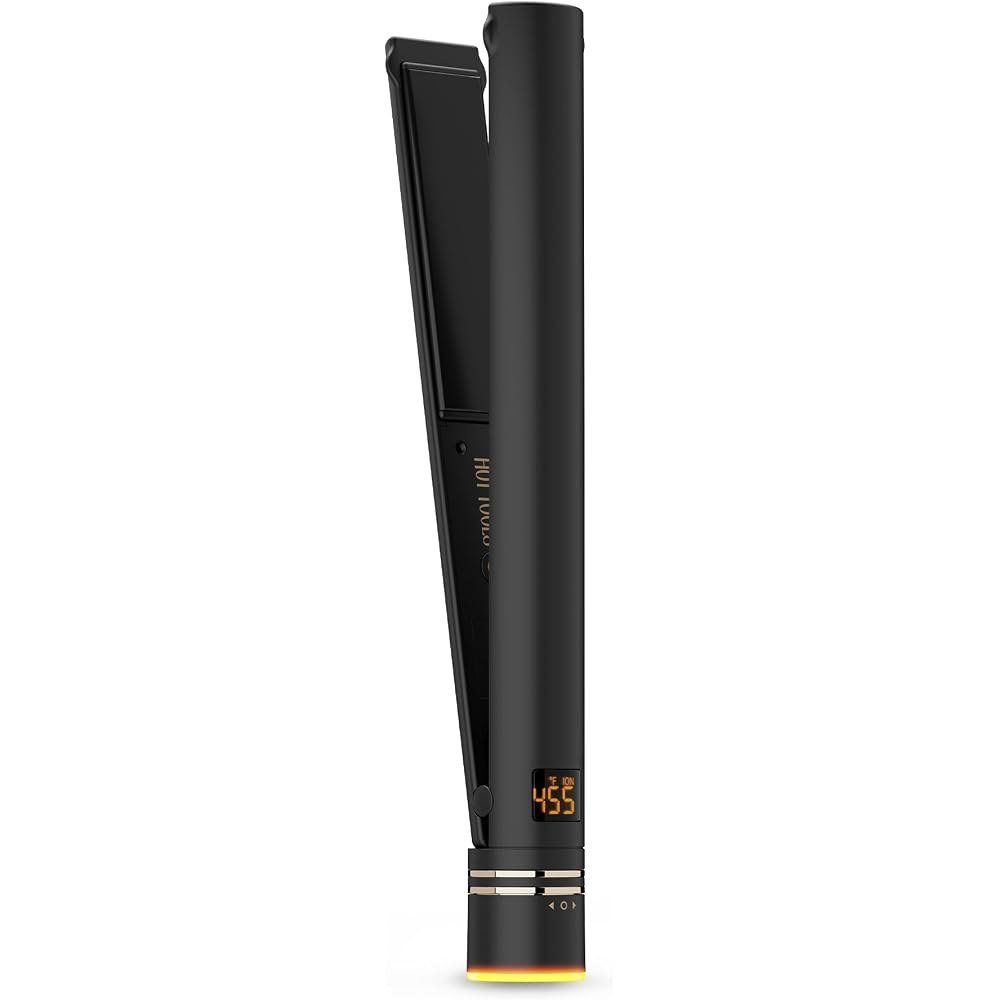
Hot Tools built its name in salon back rooms, and the Black Gold Evolve is its modern flagship: a titanium micro shine plate surface, a rotating dial that runs to 455 degrees, and pulse technology that watches the plate temperature and corrects it continuously. That correction is the feature that matters on Black hair, because a press moves through sections of very different density, from fine edges to a dense crown, and an iron that dips in temperature on the thick sections leaves them half smoothed, which is exactly where reversion starts. The 1.25 inch plate is the middle path in this guide, wide enough for pace on long hair, narrow enough to keep control at the roots. The finish it leaves is notably glossy, which is the titanium surface doing its job on the cuticle. Downsides: the rotating dial can be knocked mid pass if you grip low on the handle, the iron is heavier than the slimmest models here, and titanium at 455 degrees demands the same respect as the BaByliss, so fragile or chemically treated hair should stay well below the ceiling. For a durable, salon grade all rounder, it earns its place near the top. The rounded barrel edges deserve a mention too, because they let the same iron add bends and loose waves on pressed hair without the sharp crease lines a square edged plate can leave behind.
Specifications
1.25 inch titanium plates
heats to 455 F
pulse technology
micro shine finish
rotating temperature dial
Pros
Pulse technology holds temperature through dense sections
455 degree ceiling with a precise rotating dial
Glossy finish from the micro shine titanium plates
Cons
Dial can be knocked if you grip low
Heavier than the slim irons in this guide
Top temperatures are too aggressive for treated hair
Who should buyyou want one durable salon grade iron for presses on medium to thick hair
Who should skipyou have fine or chemically treated hair that needs a lower, gentler tool
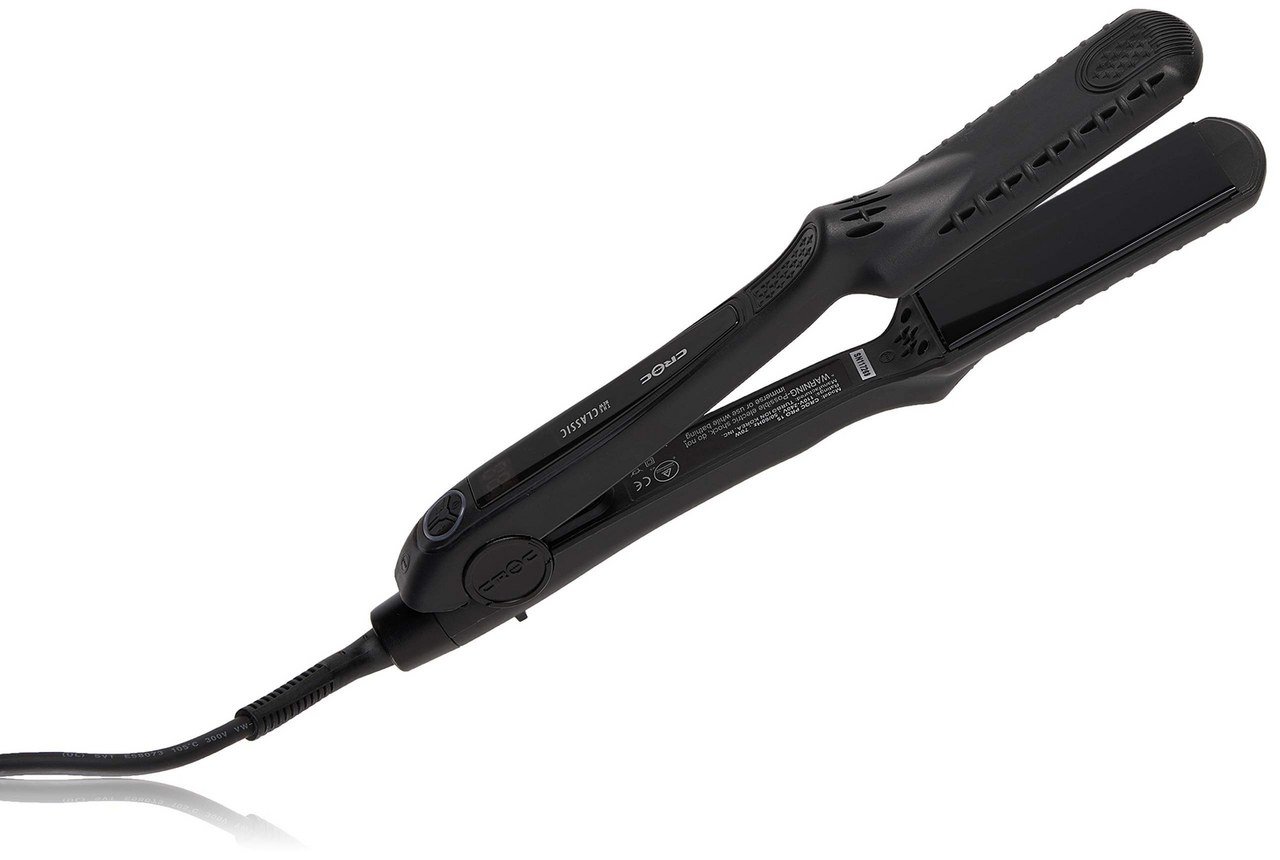
CROC is a quieter professional brand, and the Classic Titanium is its wide plate press iron: 1.5 inch floating titanium plates, a clear digital readout, and heat to 450 degrees. Floating plates are the detail to note for textured hair, because they tilt to meet the section evenly instead of pinching one edge harder than the other, which gives a more uniform smooth on hair that varies in thickness across a single pass. The wide plate and strong heat make it a fast iron for long, dense natural hair, and stylists who do press after press rate its durability, which is why it keeps appearing in salon kits rather than influencer posts. It is a tool with a job, not a styling toy: the shape is a classic straightener shape, so curling with it is possible but not its strength, and there is no vibration, steam or flexing plate story to tell. The housing also runs warmer in the hand than the newest designs during long sessions. None of that matters if what you want is a press that comes out smooth, shiny and even, done quickly, with an iron that will still be working in five years. On that brief it is one of the strongest value picks among the professional irons here.
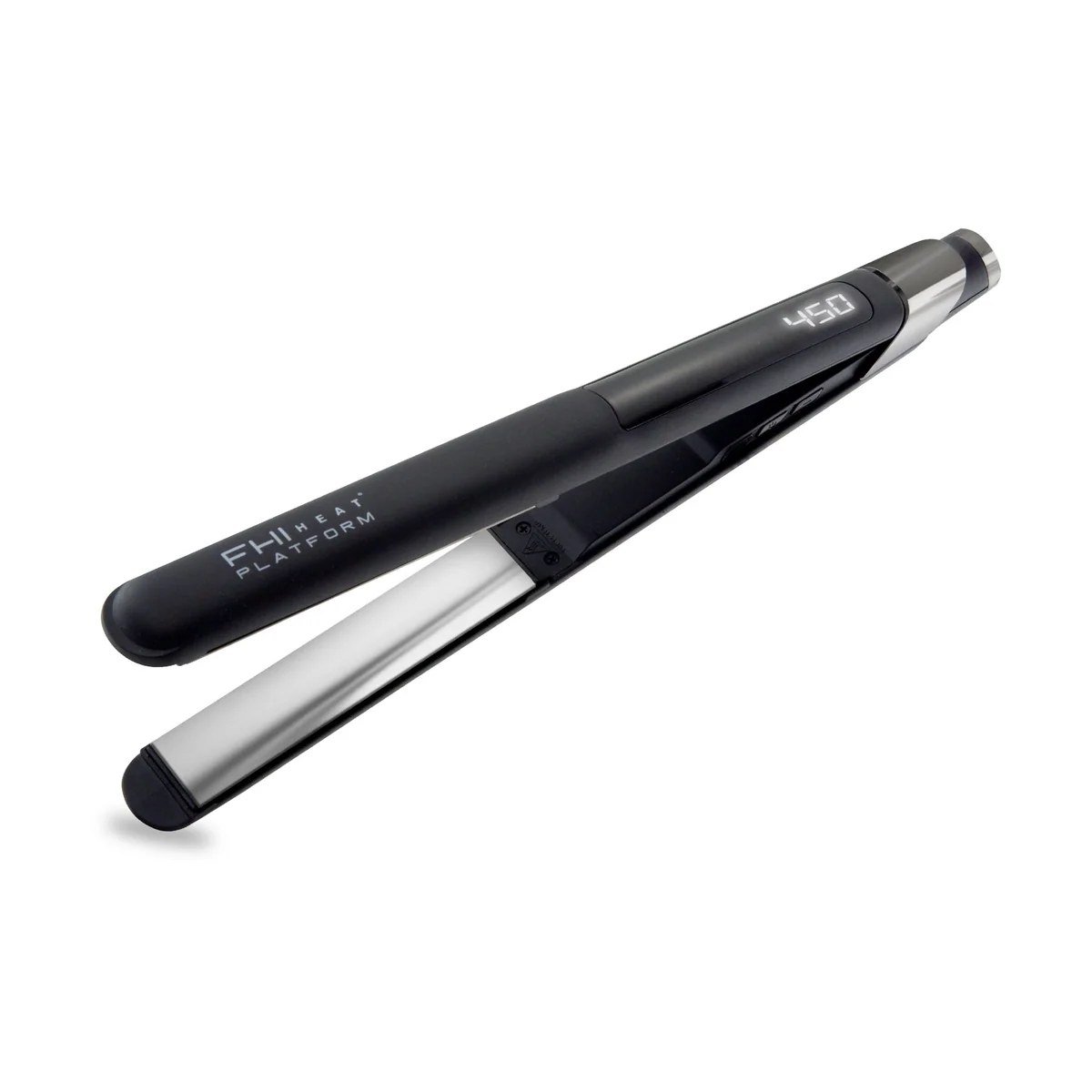
FHI Heat sells mainly to professionals, and the Platform Ti Sleek is its titanium answer to the silk press: 1.25 inch titanium plates with a tourmaline ceramic coating, adjustable heat running to 450 degrees, and plate edges shaped so the iron can turn a curl as well as press. The coating is the talking point, because bare titanium can feel almost too aggressive in its glide and heat transfer, while the tourmaline ceramic layer takes the edge off and adds the ion output that helps a press resist humidity. On Black hair that combination reads as strong smoothing with a slightly softer touch than the pure titanium irons, a good middle ground for hair that is natural but not especially coarse, or for presses on hair that is heat trained and does not need the maximum ceiling every time. It heats quickly and the temperature holds well through a session. The compromises are availability and familiarity: FHI is stocked through professional channels more than high street shelves, so trying one in person is harder, and the brand carries none of the consumer marketing polish of a Dyson or ghd. As a working iron judged purely on the press it produces, it stands up well in this company.
Specifications
1.25 inch titanium plates
heats to 450 F
tourmaline ceramic coating
adjustable temperature
professional line
Pros
Titanium strength with a softer tourmaline ceramic coating
450 degree ceiling covers resistant natural hair
Shaped edges turn a respectable curl as well
Cons
Sold mainly through professional channels
Less consumer support and marketing presence
Coating will wear faster than bare titanium over years
Who should buyyou want titanium power with a slightly gentler plate feel
Who should skipyou prefer to buy in store with easy consumer returns
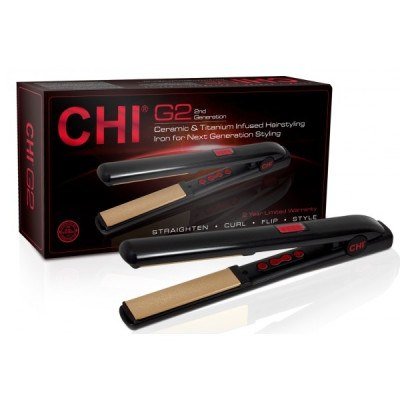
The CHI G2 is the modern version of the iron that defined the category for a generation: ceramic plates, now infused with titanium for strength, a digital display, and colour coded presets that map temperature ranges to hair types so you are not guessing at a dial. Its ceiling of 425 degrees is lower than the titanium irons here, and that is exactly its position in this guide. For relaxed hair, colour treated hair, finer natural hair, or presses where the goal is smooth and stretched rather than bone straight, ceramic heat is gentler in character, warming more gradually and forgiving the extra pass. CHI’s presets make that discipline easy, which matters because most heat damage on Black hair comes from a ceiling set by habit rather than by need. The G2 also heats in about 40 seconds and keeps its settings visible, small things that make a weekly routine smoother. The honest limit is power: on coarse, resistant coils that need 450 degrees to smooth in two passes, the G2 asks for more passes, and more passes at 425 can add up to as much stress as fewer at higher heat. Know your hair’s actual requirement and this is the kind, reliable choice; guess wrong and it will feel underpowered.
Specifications
1 inch titanium infused ceramic plates
heats to 425 F
colour coded temperature presets
digital display
dual voltage
Pros
Titanium infused ceramic is gentler in character than bare titanium
Colour coded presets remove the temperature guesswork
Fast heat up with a clear digital display
Cons
425 degree ceiling can mean extra passes on coarse coils
1 inch plates are slower on long, thick hair
Ceramic plates need care to avoid chipping
Who should buyyour hair is relaxed, colour treated or fine and needs control more than maximum heat
Who should skipyour coils are coarse and resistant and need a 450 degree class iron
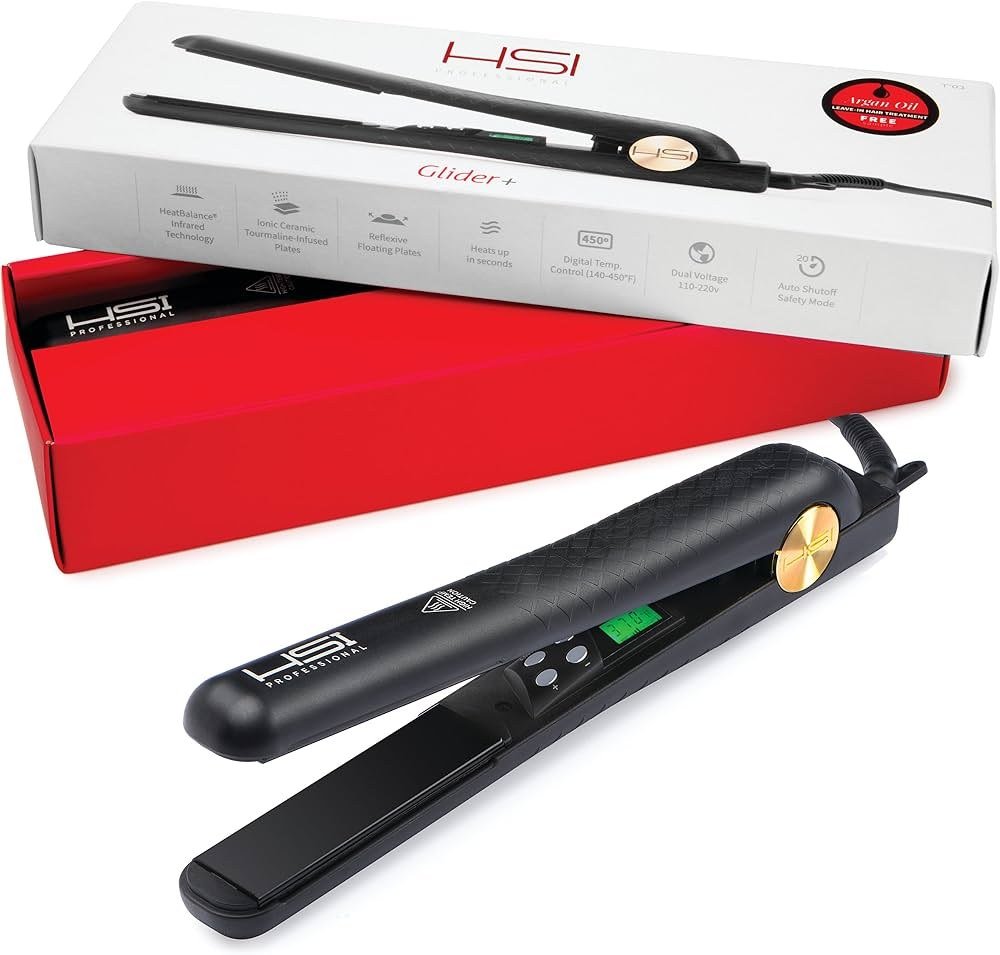
The Glider Plus is the value route into a proper press: ceramic tourmaline plates with a full temperature range up to 450 degrees, floating plates that adjust to the section, and a price that sits far below the salon flags in this guide. That ceiling is the headline, because most budget irons stop at 410 or offer vague heat settings, while this one gives coarse natural hair the temperature it actually needs and lets relaxed or fine hair dial well down. The plates run narrower than the wide irons here, which slows a full press on very thick hair but buys precision at the roots and edges, and the iron is light enough that a long session does not tire the wrist. HSI has sold this format for years to exactly this audience, and the formula is proven rather than novel. The compromises show in the details: the housing and hinge feel less refined than a BaByliss or Hot Tools, the temperature dial is analogue rather than a digital readout, and plate coating longevity will not match titanium over years of weekly use. As a first serious iron, a travel iron thanks to its dual voltage, or a budget press tool that does not underpower the job, it is hard to argue with.
Specifications
1 inch ceramic tourmaline plates
heats to 450 F
floating plates
adjustable temperature
worldwide voltage
Pros
Full range to 450 degrees at a budget price
Floating plates keep pressure even across sections
Light body and dual voltage suit travel
Cons
Narrow plates slow down very thick hair
Analogue dial instead of a digital readout
Ceramic coating wears sooner than titanium
Who should buyyou want real silk press temperatures without the salon iron price
Who should skipyou press very thick hair weekly and want wide titanium plates
Remington’s Shine Therapy is the high street option with a twist: ceramic plates micro conditioned with argan oil and keratin, which the brand says transfer to the hair during styling for shine. Treat the infusion as a mild bonus rather than a treatment, because the amount involved is small, but the iron underneath it is genuinely capable for the price: a proper digital range up to 450 degrees, floating plates, and a slim 1 inch format that handles roots, edges and shorter hair with more precision than the wide irons. For Black hair at the finer or relaxed end, or for maintaining a press between full sessions, that combination of real heat and drugstore pricing is the appeal. It also works well as the second iron in a two iron routine, doing edges and touch ups while a wide plate iron does the lengths. The limits are build and longevity: the body is lighter plastic than the professional tools, the infused coating is a consumable idea rather than a permanent surface, and on coarse, dense coils it will need more passes than the titanium wide plates. As an accessible, widely stocked iron that does not cap your temperature, it earns its place in the guide.
Specifications
1 inch ceramic plates
infused with argan oil and keratin per brand
heats to 450 F
digital display
auto shut off
Pros
Real 450 degree range at a drugstore price
Slim plates give precise root and edge control
Argan and keratin infused plates add a little shine
Cons
Light plastic build feels less durable
Infused coating is a mild effect, not a treatment
More passes needed on coarse, dense hair
Who should buyyou want an affordable iron for finer, relaxed hair or press touch ups
Who should skipyou need a heavy duty wide plate iron for coarse natural hair
Kristin Ess built her line at Target around salon logic at accessible prices, and this nano titanium iron follows the pattern: 1.25 inch floating titanium plates, a digital range topping out at 440 degrees, and a clean, rounded design that straightens and bends a wave with equal ease. The 440 degree ceiling is a sensible one for most Black hair, high enough for a smooth press on natural texture in a couple of passes, without the 465 degree top end that invites accidents on fragile areas like the edges and nape. The plates have a smooth, even glide and the iron holds its temperature honestly through a session, which is not a given at this price. It also looks and feels more considered than most mid priced irons, with a proper digital readout and auto shut off for peace of mind. Where it gives ground to the professional tools is raw pace and toughness: very coarse, dense hair may still want the extra degrees and plate width of the BaByliss or CROC, and the brand’s distribution is mainly one retailer, which limits price shopping. For medium texture natural hair and relaxed hair alike, it is the balanced middle of this guide: enough heat, good plates, no drama.
Specifications
1.25 inch titanium plates
heats to 440 F
floating plates
digital display
auto shut off
Pros
440 degree titanium heat suits most natural and relaxed hair
Floating plates and a smooth, snag free glide
Digital display and auto shut off at a fair price
Cons
Coarsest hair may still want a higher ceiling
Sold mainly through one retailer
Less heavy duty than the professional salon irons
Who should buyyou want balanced titanium performance for medium texture hair at a mid price
Who should skipyour hair is very coarse and dense and needs maximum heat and width
A flat iron presses hair between two heated plates to straighten it, and with a twist of the wrist it also makes waves and curls. It is the highest contact heat tool, which is why plate quality and temperature control matter more here than in any other styler.
Plate material and float decide results: ceramic and tourmaline plates spread heat evenly, titanium heats fast and holds high temperatures for coarse or resistant hair, and floating plates keep pressure even so hair does not snag. Width follows hair length and thickness: narrow plates for short hair and detail work, wide plates for long, thick hair. A genuine low end to the temperature range is what makes an iron safe for fine or damaged hair.
How to Choose: the Criteria That Matter
Choosing a hair tool well means matching three things: the tool’s heat range to your hair’s tolerance, its size to your hair’s length and thickness, and its design to the style you actually wear most days. Read the temperature specification before the marketing, check the attachments your hair type needs are in the box, and be honest about session length, because a tool that takes forty minutes will be abandoned by February.
Temperature range and control, since fine hair needs genuinely low settings and coarse hair needs sustained heat
Temperature range is a safety specification, not a power boast. Fine, bleached and damaged hair needs a tool that genuinely works at low heat; coarse, resistant hair needs heat that holds under load. A wide, controllable range serves both.
Plate, barrel or airflow design matched to your hair texture and the style you want
The working surface must match the hair: plate width and float for irons, barrel diameter for curlers, airflow and attachments for dryers. A mismatch here cannot be fixed by technique, so it is the first thing to check.
Heat protection technology such as sensors, even heat plates or controlled airflow
Even heat is what separates a good tool from a damaging one. Sensors, quality plates and controlled airflow exist to remove hot spots, the places that scorch one section while the next stays damp.
Size and weight for your hair length and for how long styling sessions last
A tool that is heavy or oversized for your hair length will be used badly and then not used at all. Short hair needs narrow plates and small barrels; long, thick hair needs the opposite, plus a motor or element that keeps up.
Attachments included, such as diffusers for curls or concentrators for smooth blowouts
Attachments are part of the product: a diffuser decides whether a dryer serves curly hair at all, and a concentrator decides the smoothness of a blowout. Price the tool with the attachments your hair needs included.
Also Considered
These products were researched for this guide and left off the picks list for the reasons given. They are not poor products; they simply fit the exact question of this guide less well.
Dyson Corrale Straightener
Researched as the premium cord free option. It was left off because its plates are narrower than the wide irons this guide favours for thick, textured hair, and its price buys two of the picks above; readers who prize cordless styling should still consider it.
ghd Platinum+ Styler
Researched as the single temperature salon styler. It was left off because its fixed heat setting gives no lower options for fine or fragile sections, which this guide treats as essential control for textured hair.
How to Use What You Buy
Start with clean, fully detangled hair and apply heat protectant evenly
Dry hair completely before using irons, unless the tool is designed for wet to dry use
Work in small sections, no wider than the plate or barrel
Use the lowest temperature that achieves the style in one or two passes
Let each section cool in shape before touching it, which is what sets the style
Technique is half the tool. Hair should be detangled, protected and, for irons, completely dry before styling starts. Work in sections sized to the tool, use the lowest temperature that does the job in one or two passes, and let each section cool in shape before touching it. Those habits protect hair more than any single product feature, and they are free.
Use on completely dry hair with heat protectant, in sections no wider than the plates, one slow pass rather than several fast ones. Let hair cool before judging straightness, and finish with the lightest oil or serum only if frizz returns.
Who Should Buy, and Who Should Skip
Buy if your need matches this guide exactly: you are looking for options for black hair, you have checked the criteria above against your current routine, and you are willing to introduce the product gradually and judge it over the period the category needs.
Skip if your concern is different from the one in the title, your skin or hair is currently irritated or damaged and needs recovery first, or a clinician has advised you on this concern, in which case their advice comes before any buying guide.
Common Mistakes in Flat Iron
Using maximum heat by default instead of the lowest effective setting
Passing the iron repeatedly over the same section
Styling damp hair with a flat iron, which boils water inside the hair shaft
Taking sections too large, which leaves the inside under styled and the outside over heated
Ironing damp hair, which boils the water inside the shaft and causes bubble damage no treatment reverses
Defaulting to maximum temperature when most hair straightens fully well below it
Frequently Asked Questions
How do I choose the right flat iron?
Start with the criteria in this guide: match the formula or specification to your hair type and the exact concern in the title, check the published ingredient or specification list, and pick the option whose downsides do not overlap with your problem. The type decision comes first: most disappointment in flat iron is a good product bought in the wrong type.
How long before I see results from a flat iron product?
It depends on the category, but most hair tools products need consistent use over several weeks before a fair judgement. Devices and treatments state their expected course in the manual or on the packaging, and that timeline is the one to follow. Judge on the category’s clock, not on the first week.
What should I avoid when buying for black hair?
Avoid buying on claims alone: skip options with no published ingredient or specification list, strengths far beyond what your routine needs, and any product whose stated downsides match the exact issue you are trying to fix. Also avoid changing two other parts of your routine in the same week, which makes the new product impossible to judge.
Is the most expensive option always the best?
No. In flat iron, price often reflects branding, packaging and extras rather than the core ingredient or specification doing the work. The criteria in this guide matter more than the price band, and mid priced options with the right specification beat premium options with the wrong one.
What is the most common mistake with flat iron?
Ironing damp hair, which boils the water inside the shaft and causes bubble damage no treatment reverses A close second: defaulting to maximum temperature when most hair straightens fully well below it
How does flat iron fit into a daily routine?
Use on completely dry hair with heat protectant, in sections no wider than the plates, one slow pass rather than several fast ones. Let hair cool before judging straightness, and finish with the lightest oil or serum only if frizz returns. Technique is half the tool.
Can You Use Flat Iron Steak for Beef and Broccoli?
The companion how-to guide, Can You Use Flat Iron Steak for Beef and Broccoli, covers this in full: the step by step method, the right amounts and frequency for your type, and the mistakes that stop it working. It is linked from the routine sections of this page, and it is the right next read once you have chosen a product.
By Mirror & Glow Editorial Desk – November 23, 2026
Plate material and float decide results: ceramic and tourmaline plates spread heat evenly. This guide applies that to can you use flat iron steak for beef and broccoli: the method, the timing, and the traps to avoid.
By Mirror & Glow Editorial Desk – November 23, 2026
How to Use Flat Iron for Clothes Step by Step? A flat iron presses hair between two heated plates to straighten it — the guide explains the why, the step by step how, and what to do when it does not work.
By Mirror & Glow Editorial Desk – November 23, 2026
Plate material and float decide results: ceramic and tourmaline plates spread heat evenly. This guide applies that to what is flat iron steak called at the grocery store: the method, the timing, and the traps to avoid.