Can You Use Benzoyl Peroxide and Adapalene at the Same Time
By Mirror & Glow Editorial Desk – November 23, 2026
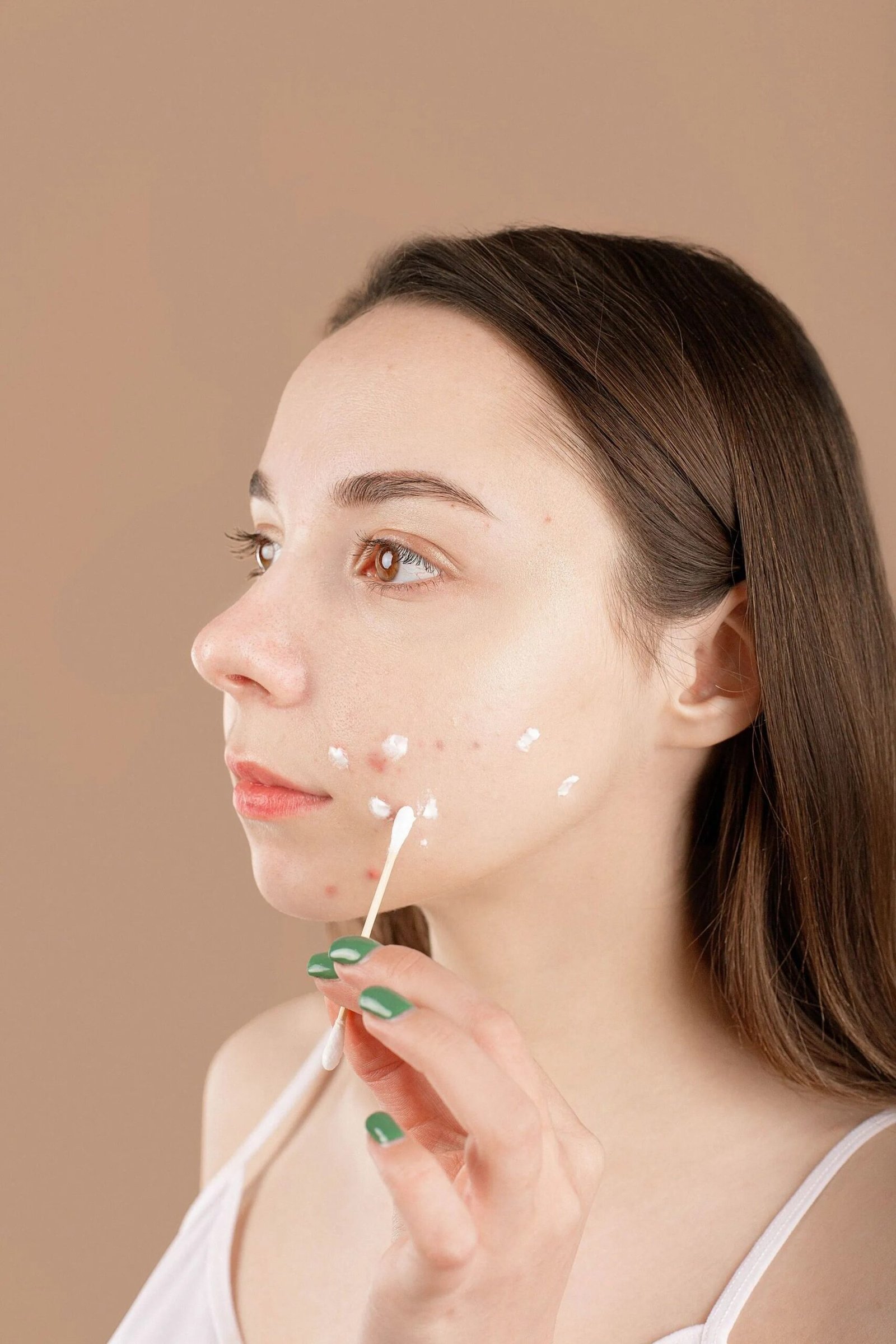
Woman dabbing a spot treatment onto a blemish.
The direct answer: in most cases yes, with conditions. Whether you can use benzoyl peroxide and adapalene at the same time depends on the products involved, your skin or hair type, and how you layer or time them. The guide below gives the conditions, the safe way to do it, and the situations where the answer becomes no.
Benzoyl Peroxide Explained
Benzoyl peroxide is an antibacterial acne active that kills the bacteria involved in spots by releasing oxygen in the pore, with no antibiotic resistance, which is why dermatologists have relied on it for decades. It comes in washes and leave on gels and creams.
Strength is not a simple more is better: leave on studies have long suggested lower strengths around 2.5 percent work about as well as higher ones with less irritation, while washes use higher percentages because contact time is short. Its famous side effect is bleaching: towels, pillowcases and collars lose colour, so white linens are the practical fix. It deactivates some retinoids when layered, adapalene being the stable exception, which is why routines often split them morning and night.
Using Benzoyl Peroxide and Adapalene at the Same Time Together
Benzoyl Peroxide: An antibacterial acne active that kills spot causing bacteria with oxygen, in washes and leave on gels.
Adapalene at the Same Time: A retinoid gel used for acne that normalises cell turnover inside the pore, available over the counter in many countries.
Whether the combination works comes down to three things: whether the two products compete for the same job, whether one changes how strongly the other acts, and whether your skin or hair has the tolerance for both at once. As a rule, water based products go on before oil based ones, treatments go on before moisturisers, and two strong actives are introduced on alternate days or nights until you know how the pairing behaves on you. If either product is new to you, establish it alone for a week first; combining two new products makes every reaction a mystery with two suspects.
The answer becomes no, or at least not yet, when both products are strong exfoliants or retinoids in the same session, when one is a medication your clinician has sequenced for you, or when your skin or hair is currently irritated, sunburnt or freshly treated. In those cases the pairing is not wrong in principle; the timing is.
Step by Step: Benzoyl Peroxide
The method below is the standard technique for this category, in the order that makes each step work. Adapt the amounts to your own skin or hair, and keep the order. If you still need the product itself, the buying guide Best Benzoyl Peroxide Acne Spot Treatment compares the current options for this exact need.
Start with clean, dry or slightly damp skin as the product type directs
Apply the amount stated on the product, usually a pea sized amount or two finger lengths for sunscreen
Introduce one new active at a time and give it at least two weeks before judging
Use the product at the time of day it is designed for, and always finish morning routines with sunscreen
Note any stinging, breakouts or dryness in the first week and adjust frequency before giving up
Getting Benzoyl Peroxide Right in Your Routine
Fit matters more than intensity with benzoyl peroxide. Build the habit at the gentlest effective level first: the right product amount, the right frequency for your type, and one change at a time so you can see what is actually helping. Keep the rest of your skincare routine stable while you judge the change, and give the routine the full period the product guidance describes before deciding it does not work.
Keep notes for the first two weeks: what you used, how much, and how your skin or hair felt the next day. That simple record answers most follow up questions, including whether a reaction came from the new step or from something layered with it.
As a wash, massage in and leave on the skin a couple of minutes before rinsing; as a leave on, a thin layer once daily to start. Introduce over two weeks, moisturise well, and judge the pattern at eight to twelve weeks.
Benzoyl Peroxide Products Compared
Product
Key Specification
La Roche-Posay Effaclar Duo
1.35 fl oz tube – 5.5% benzoyl peroxide – lipo hydroxy acid – US formula
Effaclar Duo is the one entry in this guide that is a treatment wearing a moisturiser’s clothes: the US formula carries 5.5% benzoyl peroxide with lipo hydroxy acid in a light gel cream base, so it treats active breakouts while it hydrates, and for men whose acne is current rather than historical it can be the single most useful tube in the bathroom. Used as a thin all over layer at night, or as a spot treatment over a lighter moisturiser, it works on the breakouts the other nine products in this guide merely avoid feeding. That distinction is its whole case, and its limits follow from it. Benzoyl peroxide bleaches pillowcases and towels, it can dry and flake skin that overuses it, and it is not a morning moisturiser for most men, who will pair it with one of the plain picks above and an SPF. It also should not be layered casually with every other active in a routine. Judged as the treatment moisturiser for men with active acne who want one product doing double duty at night, it stands alone in this guide, with the instruction to introduce it slowly, twice a week at first, and let the skin negotiate.
Specifications
1.35 fl oz tube
5.5% benzoyl peroxide
lipo hydroxy acid
US formula
Pros
Treats active breakouts while it moisturises
5.5% benzoyl peroxide in a wearable gel cream base
Can simplify a night routine to one tube
Cons
Bleaches pillowcases, towels and collars
Can dry and flake skin if overused
A treatment, not a morning moisturiser
Who should buyyour acne is active now and you want treatment and moisture in one night step
Who should skipyour skin is clear but acne prone, where a plain moisturiser is the wiser daily buy
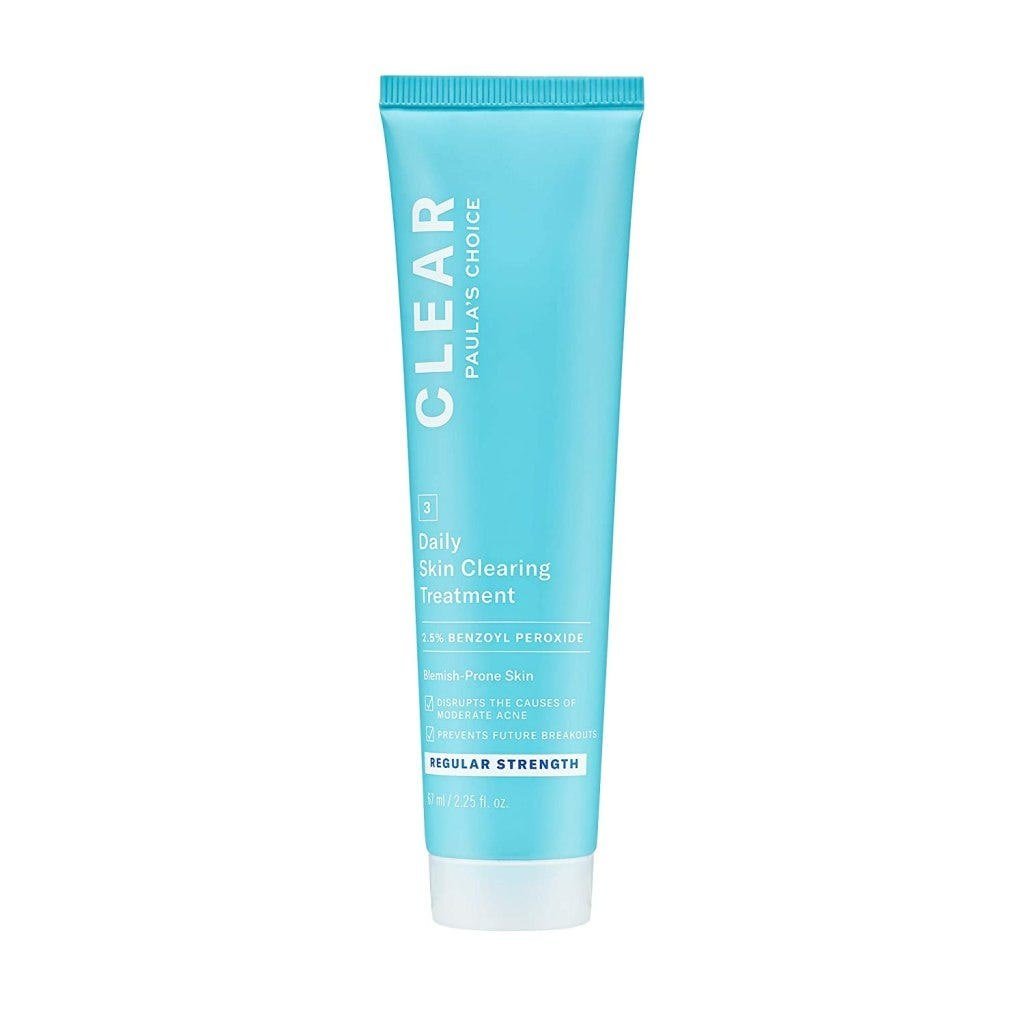
Paula’s Choice sells its CLEAR clearing treatment in two benzoyl peroxide strengths, 2.5% and 5%, in a light lotion designed for whole area application, and that choice of strength is its distinction in this guide. Dermatology research frequently cited for benzoyl peroxide found lower strengths can perform comparably to 10% for many users with less irritation, which is why a 2.5% leave on lotion exists and why sensitive readers should start there. The brand publishes full ingredients and detailed usage guidance, the formula is fragrance free, and the lotion texture spreads over the forehead, cheeks or jawline as a preventive step rather than a spot dab. It still bleaches fabrics, as any benzoyl peroxide leave on can, so evening application with a white pillowcase is the practical pattern. Apply a thin layer once a day after cleansing, build to twice daily if tolerated, and moisturise over it. Judge it on the preventive clock, six to eight weeks of fewer new breakouts, not on overnight spot healing. For readers whose skin has failed maximum strength gels through dryness rather than ineffectiveness, this is the most sensible product in the guide, and the larger 2.25 oz tube suits the whole area role it is designed for.
Specifications
2.25 fl oz tube
2.5% and 5% benzoyl peroxide versions
lotion texture
Pros
Choice of 2.5% or 5% strength for sensitive skin
Lotion format designed for preventive whole area use
Fragrance free with detailed published guidance
Cons
Larger tube costs more upfront than spot gels
Still capable of bleaching fabrics
Preventive results take six to eight weeks to judge
Who should buyyour skin is sensitive and you want a 2.5% or 5% lotion for whole area prevention.
Who should skipyou want a one off spot dab rather than a routine step.
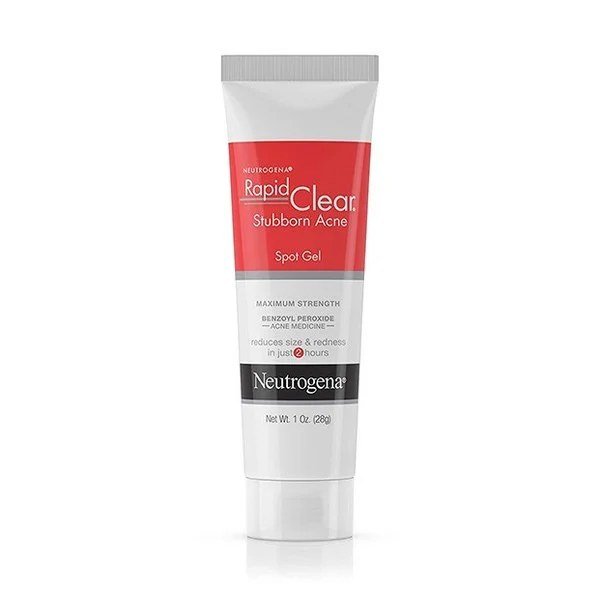
Neutrogena’s Rapid Clear Stubborn Acne spot gel is the mainstream maximum strength option: 10% benzoyl peroxide in a clear gel designed to be dabbed onto individual breakouts rather than spread over the whole face. The brand positions it for stubborn spots, and the published drug facts label gives the full directions and warnings, which matters with an ingredient this strong. Benzoyl peroxide works by reducing the bacteria and inflammation involved in spots, and at 10% it is the highest over the counter strength sold, so the honest guidance is to use a thin film on the spot only, once a day at first. It can bleach pillowcases, towels and clothing collars, a real and permanent effect worth knowing before the first use, and dryness or peeling around the spot is common in week one. The gel format dries down invisibly, so it can be worn under moisturiser and sunscreen in the morning, though many users keep it as an evening treatment. It suits readers whose breakouts are individual inflamed spots rather than widespread congestion, which is better served by a wash or a leave on treatment for the whole area. Keep it away from the eye area and from broken skin, and moisturise the surrounding skin generously.
Specifications
1 oz tube
10% benzoyl peroxide
maximum strength spot gel
Pros
Maximum 10% strength for stubborn individual spots
Clear gel dries invisibly under other products
Full drug facts directions and warnings published
Cons
Bleaches fabrics, towels and pillowcases
10% strength dries and peels many skin types
Spot format does not prevent new breakouts across an area
Who should buyyou get individual stubborn spots and want maximum strength in an invisible gel.
Who should skipyour breakouts are widespread, where an area treatment fits better.
Starting three new actives in the same week, which makes reactions impossible to trace
Using more product than directed, which increases irritation without improving results
Skipping sunscreen while using brightening or exfoliating products, which undoes their work
Expecting visible change in days when most skincare actives need weeks of consistent use
Using a high strength leave on daily from day one and burning through the adjustment phase
Layering it over tretinoin in the same session, inactivating the retinoid you paid for
When to See a Professional
See a dermatologist or qualified professional if the concern is painful, spreading, bleeding, not improving after a consistent routine of several weeks, or if it appeared suddenly and severely. Nail changes such as thickening, colour change with pain, or separation from the nail bed also deserve professional assessment rather than cosmetic treatment. Buying guides support everyday care; they do not diagnose or treat medical conditions.
Can You Use Benzoyl Peroxide and Adapalene at the Same Time – what is the most important thing to get right?
Consistency at the right level for your type. With benzoyl peroxide, the correct amount and frequency used steadily will outperform an intense routine used occasionally, and it avoids most of the irritation that makes people abandon the routine.
How long does it take to see a difference?
Most skincare routines show their direction within two to four weeks of consistent use, with fuller results over two to three months for concerns involving skin renewal or hair growth cycles. Judge on that timeline, not on single days.
What if my skin or hair reacts badly?
Stop the new step, return to your simplest routine until things settle, and reintroduce only one product at a time if you try again. Persistent pain, swelling or spreading irritation is a reason to seek professional advice rather than push through.
What is the biggest mistake people make with benzoyl peroxide?
Using a high strength leave on daily from day one and burning through the adjustment phase A close second: layering it over tretinoin in the same session, inactivating the retinoid you paid for
What should I check before starting with benzoyl peroxide?
Strength is not a simple more is better: leave on studies have long suggested lower strengths around 2.5 percent work about as well as higher ones with less irritation, while washes use higher percentages because contact time is short. Beyond that, check the product’s own directions against your skin or hair type, start at the gentle end of any range, and change nothing else in your routine for the first two weeks so the result is readable.
What is the best benzoyl peroxide acne spot treatment?
The buying guide Best Benzoyl Peroxide Acne Spot Treatment compares the leading options for this exact need against the criteria that matter, with specifications, honest pros and cons, and a clear statement of who should skip each pick. It is linked from this page.
By Mirror & Glow Editorial Desk – November 23, 2026
Best Benzoyl Peroxide Acne Spot Treatment: Neutrogena Rapid Clear Stubborn Acne Spot Gel first, Clean & Clear Persa-Gel 10 close behind, every pick specced, photographed and given a buy or skip verdict.
By Mirror & Glow Editorial Desk – November 23, 2026
Choosing between benzoyl peroxide vs salicylic acid face wash: how each works, where each one wins, what each costs you in trade offs, and who should pick which.
By Mirror & Glow Editorial Desk – November 23, 2026
How to Get Rid of Acne Scars on Back? The short answer first, then the detail: one active at a time, introduced over two weeks, judged at eight to twelve weeks, with timing, amounts and the errors that stop it working.