By Mirror & Glow Editorial Desk – November 23, 2026
Woman applying body cream to her legs.
The direct answer: how to get rid of dark spots on inner thighs is a routine question with a clear method, set out step by step below. The key is preparation, the right amount of product, and consistency rather than intensity. Read the short steps first, then the mistakes section, which covers the errors that most often stop the routine from working.
Dark Spots Explained
Dark spots are flat areas of excess pigment: sun spots from cumulative UV, post inflammatory marks after spots or irritation, and hormonal pigmentation such as melasma. Each type has a different driver, which is why one brightener rarely fixes all three.
Every effective approach has two halves: slow new pigment, and protect the progress. Tyrosinase slowing ingredients include vitamin C, azelaic acid, niacinamide, arbutin and kojic acid; sunscreen is the non negotiable second half, and for melasma, visible light protection from tinted, iron oxide containing sunscreen matters too. Spots deepen again within weeks if sun exposure continues unprotected, whatever the serum. A spot that changes shape, colour or texture needs a doctor, not a brightener.
Putting It Into Practice
One brightening active, used consistently for eight to twelve weeks, photographed monthly in the same light, with daily sunscreen as the foundation. Layering three brighteners adds irritation risk faster than it adds speed.
Build the habit at the gentlest effective level first and attach it to something you already do, after a shower, before bed, with your morning routine, because techniques attached to existing habits survive. Keep the rest of your skincare routine stable while you judge the change, and give the routine the full period the product guidance describes before deciding it does not work.
Step by Step: Dark Spots
The method below is the standard technique for this category, in the order that makes each step work. Adapt the amounts to your own skin or hair, and keep the order. If you still need the product itself, the buying guide Best Cream for Dark Spots on Face for Women compares the current options for this exact need.
Start with clean, dry or slightly damp skin as the product type directs
Apply the amount stated on the product, usually a pea sized amount or two finger lengths for sunscreen
Introduce one new active at a time and give it at least two weeks before judging
Use the product at the time of day it is designed for, and always finish morning routines with sunscreen
Note any stinging, breakouts or dryness in the first week and adjust frequency before giving up
Getting Dark Spots Right in Your Routine
Fit matters more than intensity with dark spots. Build the habit at the gentlest effective level first: the right product amount, the right frequency for your type, and one change at a time so you can see what is actually helping. Keep the rest of your skincare routine stable while you judge the change, and give the routine the full period the product guidance describes before deciding it does not work.
Keep notes for the first two weeks: what you used, how much, and how your skin or hair felt the next day. That simple record answers most follow up questions, including whether a reaction came from the new step or from something layered with it.
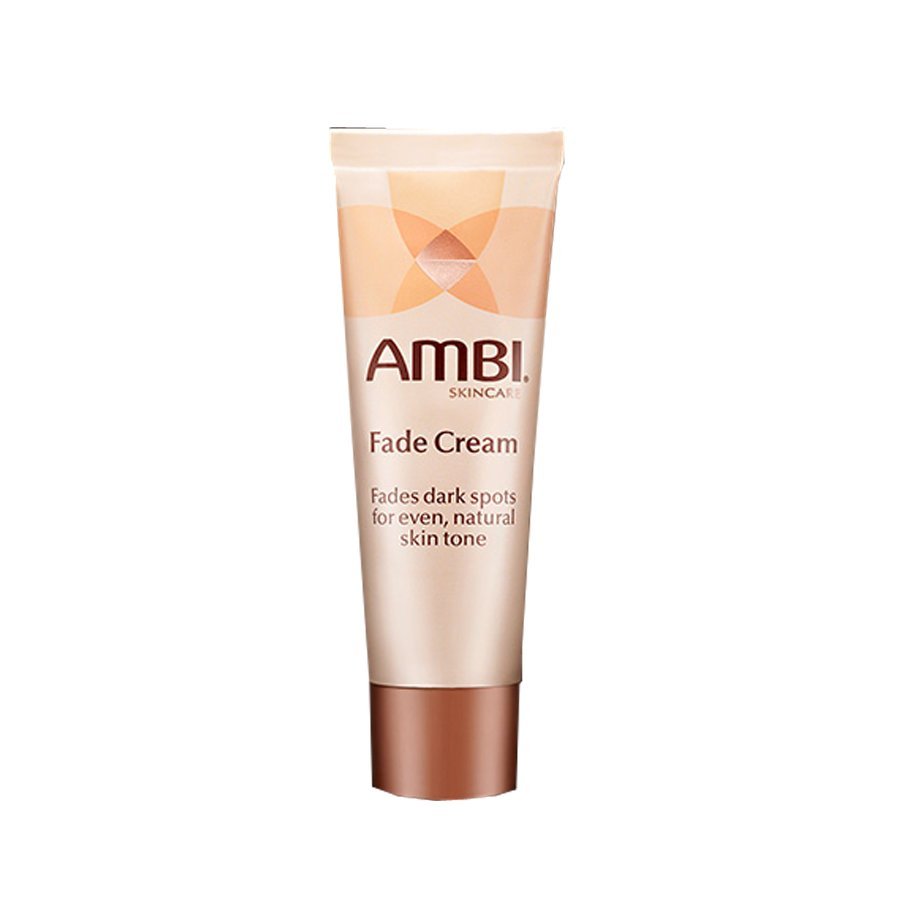
Ambi is one of the longest established fade cream names in American drugstores, positioned for dark spots and uneven tone, in versions for normal and oily skin. Its role in this guide is the traditional, targeted fade cream: a small tube applied in a thin layer to individual dark marks rather than across the whole back, which suits the common pattern of a scattering of stubborn marks on the shoulders and upper back left by individual deep spots. Readers should read the current label carefully at purchase, because fade cream formulations in this category have changed over the years as regulations on classic lightening ingredients have evolved, and the version on the shelf is the one whose ingredient list counts. Used as directed, on closed skin, it is a slow, steady category of product: judge it over two to three months, and protect the area from sun, since ultraviolet light re darkens marks faster than any cream fades them. Its limits are scope and precision. It is not for large areas, not for active acne, and not a fast product. For a handful of defined dark marks and a reader who prefers an established drugstore name, it remains a reasonable, inexpensive tool.
Specifications
2 oz tube
fade cream for dark spots
normal skin and oily skin versions
Pros
Long established targeted fade cream
Small tube suits individual stubborn marks
Normal and oily skin versions
Cons
Read the current label, as formulas in this category have changed
Targeted use only, not large areas
Slow, judged over two to three months
Who should buyyou have a scattering of defined dark marks on shoulders and upper back.
Who should skipyour marks cover a wide area, where lotion formats are more practical and economical.
Palmer’s Skin Success is the modern, hydroquinone free take on the classic fade cream, and its label is unusually specific: 5% niacinamide is printed on the jar, alongside vitamins C and E, in a 75 g pot. Niacinamide at that strength is a sensible headline ingredient for this job, since it is widely used for the appearance of dark spots and uneven tone and is generally well tolerated, including on skin that finds stronger actives irritating. The range splits into a day version, which includes sunscreen agents, an oily skin version, and a night version built on songyi mushroom and lavender, so the jar you pick should match when and where you will use it. The texture is a rich cream that doubles as a moisturiser for dry skin, which simplifies a routine: cleanse, apply the fade cream to the marks or the whole face, and in the morning follow with a proper sunscreen rather than relying on the cream’s own protection. Palmer’s claims visible results in as little as two weeks on the packaging; treat that as the optimistic end and judge it over four to eight weeks instead. The cream is noticeably fragranced, as Palmer’s products generally are, and the open jar format means fingers in the pot, so use clean hands or a spatula.
Specifications
75 g jar
5% niacinamide
hydroquinone free
vitamins C and E
Pros
Label states 5% niacinamide, a clear and relevant strength
Hydroquinone free formula with vitamins C and E
Day, night and oily skin versions in the same range
Cons
Open jar packaging is less hygienic than a tube or pump
Noticeably fragranced, which reactive skin may not enjoy
Brand’s two week claim is optimistic for established marks
Who should buyyou prefer a hydroquinone free fade cream in a jar with niacinamide led brightening.
Who should skipyou dislike jar packaging or scented cream formulas on your face.
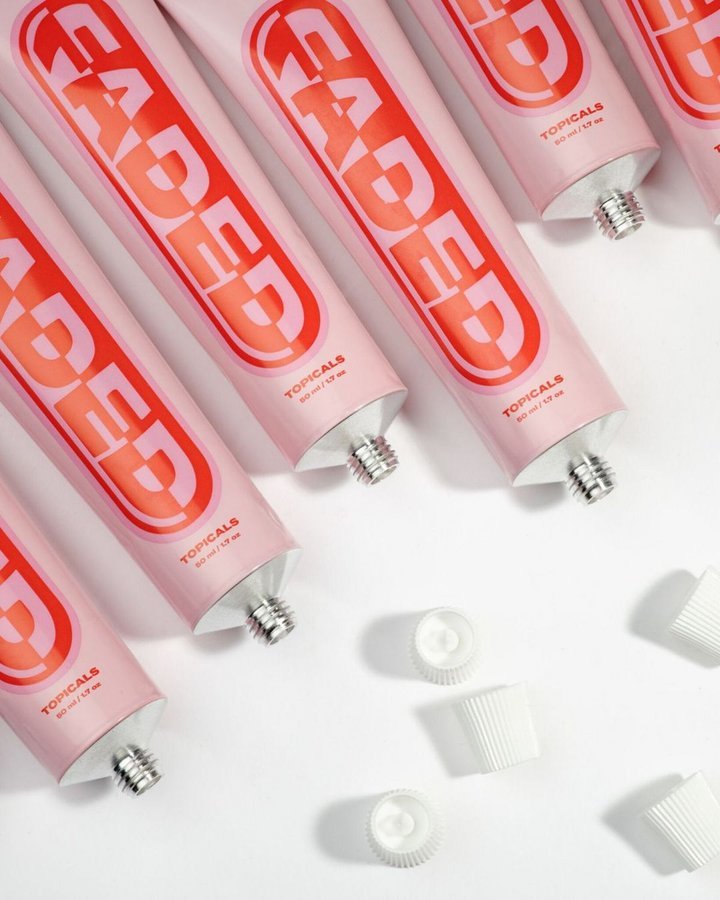
Faded is the dedicated dark mark serum in this guide, and its published formula is a roll call of the ingredients dermatology uses for pigmentation: tranexamic acid, azelaic acid, niacinamide, kojic acid and liquorice root, combined in one gel serum so the reader does not have to layer four separate products across a hard to reach back. That combination approach is its strength, because post acne marks respond to several pathways at once, and azelaic acid in particular is a well regarded option for acne prone skin that also has pigmentation. The tube format suits targeted use on the marked zones of the upper back and shoulders, ideally with help or a lotion applicator for the centre of the back. The honest limits are scent, size and scope. The formula has a noticeable natural odour from its actives that users either accept or dislike, the 50 ml tube is small for a whole back so it is best reserved for the worst marked areas, and like everything here it works on flat colour, not texture or pitting. For concentrated marks rather than a whole back of them, it is the most focused product in the guide. Applied consistently to the zones that need it, it gives marked backs a focused treatment that the lotion formats cannot concentrate in the same way.
Specifications
50 ml tube
tranexamic acid, azelaic acid and niacinamide
gel serum format
Pros
Five established brightening actives in one formula
Azelaic acid suits acne prone, marked skin
Targeted tube for the worst marked zones
Cons
Noticeable natural odour from the actives
Small tube for a large area like a back
Works on colour only, not pitted texture
Who should buyyour back marks are concentrated in zones and you want the most focused brightening formula.
Who should skipyour marks cover your whole back, where a large format lotion is more practical.
Starting three new actives in the same week, which makes reactions impossible to trace
Using more product than directed, which increases irritation without improving results
Skipping sunscreen while using brightening or exfoliating products, which undoes their work
Expecting visible change in days when most skincare actives need weeks of consistent use
Treating melasma like a sun spot with aggressive peels, which commonly rebounds darker
Judging brighteners at three weeks, when pigment moves on a two to three month clock
When to See a Professional
See a dermatologist or qualified professional if the concern is painful, spreading, bleeding, not improving after a consistent routine of several weeks, or if it appeared suddenly and severely. Nail changes such as thickening, colour change with pain, or separation from the nail bed also deserve professional assessment rather than cosmetic treatment. Buying guides support everyday care; they do not diagnose or treat medical conditions.
How to Get Rid of Dark Spots on Inner Thighs – what is the most important thing to get right?
Consistency at the right level for your type. With dark spots, the correct amount and frequency used steadily will outperform an intense routine used occasionally, and it avoids most of the irritation that makes people abandon the routine.
How long does it take to see a difference?
Most skincare routines show their direction within two to four weeks of consistent use, with fuller results over two to three months for concerns involving skin renewal or hair growth cycles. Judge on that timeline, not on single days.
What if my skin or hair reacts badly?
Stop the new step, return to your simplest routine until things settle, and reintroduce only one product at a time if you try again. Persistent pain, swelling or spreading irritation is a reason to seek professional advice rather than push through.
What is the biggest mistake people make with dark spots?
Treating melasma like a sun spot with aggressive peels, which commonly rebounds darker A close second: judging brighteners at three weeks, when pigment moves on a two to three month clock
What should I check before starting with dark spots?
Every effective approach has two halves: slow new pigment, and protect the progress. Beyond that, check the product’s own directions against your skin or hair type, start at the gentle end of any range, and change nothing else in your routine for the first two weeks so the result is readable.
What is the best cream for dark spots on face for women?
The buying guide Best Cream for Dark Spots on Face for Women compares the leading options for this exact need against the criteria that matter, with specifications, honest pros and cons, and a clear statement of who should skip each pick. It is linked from this page.
By Mirror & Glow Editorial Desk – November 23, 2026
Best Cream for Dark Spots on Face for Women: Eucerin Radiant Tone Night Cream first, Ambi Fade Cream close behind, every pick specced, photographed and given a buy or skip verdict.
By Mirror & Glow Editorial Desk – November 23, 2026
How to Get Rid of Acne Scars on Back? The short answer first, then the detail: one active at a time, introduced over two weeks, judged at eight to twelve weeks, with timing, amounts and the errors that stop it working.
By Mirror & Glow Editorial Desk – November 23, 2026
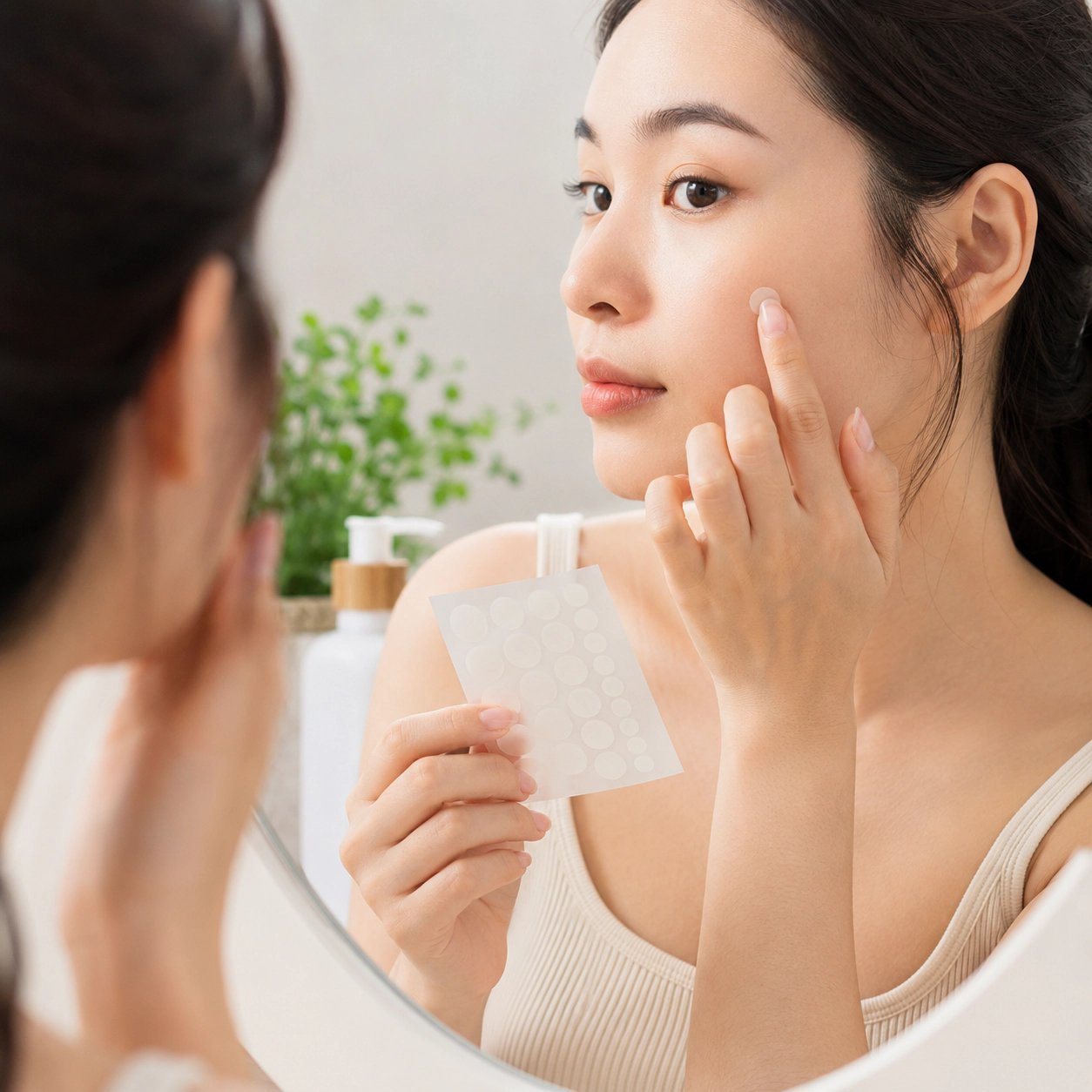
Hydrocolloid is a wound dressing material: it draws out fluid and turns white as it works. This guide applies that to how often to use pimple patches on a single spot: the method, the timing, and the traps to avoid.