By Mirror & Glow Editorial Desk – November 23, 2026
Woman applying a night treatment serum before bed.
Affiliate disclosure: Mirror & Glow may earn a commission from qualifying purchases made through links on this page, at no extra cost to you. Full disclosure.
The verdict up front: start with Differin Gel, the strongest all round match in this line up for acne scars. Every pick is compared in the table below, then reviewed in full with its downsides as well as its strengths.
If you are looking for the best adapalene gel for acne scars, the right choice depends on fit, not hype. This guide is written for acne scars, and every criterion below is weighted for that need first. The short answer: choose the adapalene gel whose formula, format and strength match your skin, check the ingredient or specification list before the marketing claims, and avoid the options whose downsides match the problem you are trying to solve.
What matters most in adapalene gel is covered in depth below: what the product actually is, the types on sale and how they differ, the buying criteria explained one by one, how to use what you buy, and the mistakes that waste the most money in this category.
Why this guide has five picks, not ten: adapalene 0.1% is a single standardised ingredient, and the US over the counter market sells it under only a handful of genuine brands. Rather than pad the list with duplicate listings of the same tubes, this guide covers every real adapalene gel line on sale and explains how to choose between them, because the differences sit in tube size, the brand around the active and how each fits a routine, not in the ingredient itself.
Best Adapalene Gel for Acne Scars Compared
Product
Standout Point
Key Specification
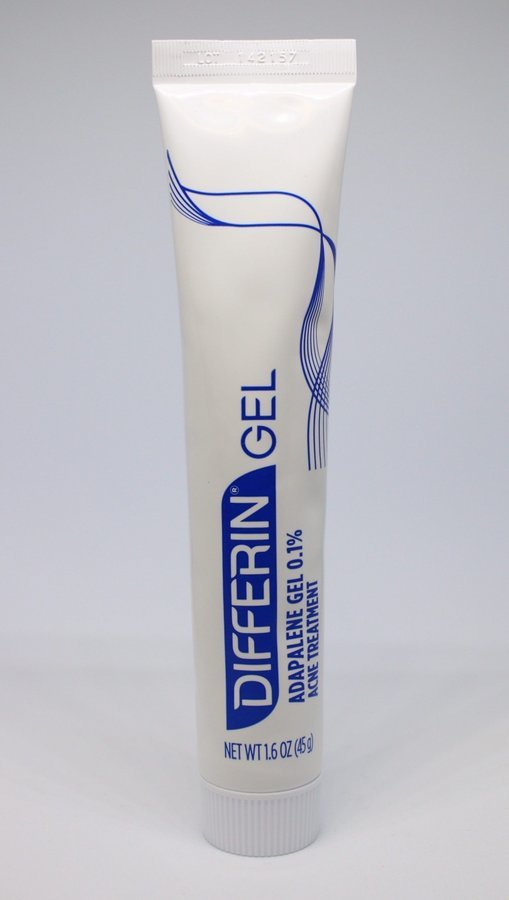
Differin GelTop Pick
The original OTC adapalene, with the longest track record
Adapalene 0.1% gel – 0.5 oz and 1.6 oz tubes – once daily – fragrance free
Differin Gel is the original over the counter adapalene: the first retinoid the FDA cleared for sale without a prescription for acne, in 2016, after years as a prescription only treatment. For this guide’s question, its relevance is twofold. Used nightly, it keeps pores clear so new breakouts, and therefore new marks, stop forming, and as a retinoid it supports the skin’s own gradual improvement in the flat discoloration and uneven texture that healed acne leaves behind. The gel comes in a 0.5 oz (15 g) tube and a 1.6 oz (45 g) tube, with a pump version of the larger size also sold; a pea sized amount covers the whole face, so even the small tube lasts weeks. Apply it in the evening to completely dry skin, after cleansing, and moisturise over it; beginners with dryness or flaking can apply moisturiser first and the gel over the top while their skin adjusts. The honest timeline is eight to twelve weeks before judging, and the first fortnight often brings dryness, mild peeling or a temporary flare of breakouts as pores clear. It is fragrance free and oil free, it should not be applied to eczema, cuts or sunburnt skin, and topical retinoids are generally avoided during pregnancy, so check with a clinician if that applies. Daytime sunscreen is part of the deal, since retinoids leave skin more sun sensitive while it adjusts.
Specifications
Adapalene 0.1% gel
0.5 oz and 1.6 oz tubes
once daily
fragrance free
Pros
The original OTC adapalene, with the longest track record
Two tube sizes plus a pump version of the large size
Fragrance free, oil free, simple once nightly use
Cons
Dryness and flaking are common in the first weeks
Eight to twelve weeks before results can be judged
Avoid during pregnancy and on eczema or broken skin
Who should buyyou want the original, most widely stocked over the counter adapalene with a choice of tube sizes.
Who should skipyou are pregnant, have eczema on the treatment area, or cannot commit to nightly use for three months.
La Roche-Posay’s Effaclar Adapalene Gel takes the same 0.1% adapalene and puts it in the Effaclar system, the brand’s long running range for oily, acne prone skin, in a single 1.6 oz (45 g) tube size. The tube states its positioning plainly: a once daily topical retinoid, dermatologist developed and tested, for acne treatment. In practice the molecule does the same work as every other pick in this guide, preventing the clogged pores that become breakouts and supporting gradual improvement in post acne marks and texture, so the reason to choose this version is the brand around it: readers who already use Effaclar cleansers and moisturisers, or who simply trust La Roche-Posay’s pharmacy positioning, get the retinoid that matches the rest of their shelf. The gel itself is oil free and fragrance free, applied as a pea sized amount over the whole face at night, not dabbed on individual spots, because adapalene works preventatively across the area where breakouts form. Expect the standard retinoid adjustment: some dryness, tightness or flaking in the early weeks, eased by moisturising over the gel or using it on alternate nights at first, and judge the effect on marks over eight to twelve weeks. Keep it away from the eye area, eczema and broken skin, avoid it during pregnancy, and pair it with morning sunscreen, which the same brand shelf makes easy to keep consistent.
Specifications
Adapalene 0.1% gel
1.6 oz tube
once daily topical retinoid
dermatologist tested
Pros
Same proven 0.1% adapalene in a dermatologist brand formula
Generous 1.6 oz tube is the only size, no small tube dilemma
Oil free and fragrance free, fits the Effaclar routine
Cons
Only sold in the large size, a bigger first commitment
Same early retinoid dryness as every adapalene gel
Premium positioning within this small category
Who should buyyou prefer a pharmacy skincare brand and the larger single tube format.
Who should skipyou want the smallest, cheapest way to test adapalene first.
AcneFree is the drugstore value line in this small category, and its Adapalene Gel 0.1% is sold in the two sizes that matter: a 0.5 oz (15 g) tube for a first trial and a 1.6 oz (45 g) tube the packaging describes as a 90 day supply, which is realistic given the pea sized amount a nightly application actually uses. The box makes the same points as its pricier rivals, previously prescription only, FDA approved, dermatologist developed, because underneath the branding the active and strength are standardised: adapalene 0.1%, once daily, for acne. For acne scars and marks, its role is identical to the other picks: stop new breakouts forming so the supply of new marks dries up, while the retinoid supports slow improvement in existing discoloration and surface texture over eight to twelve weeks of nightly use. AcneFree sits inside a wider budget acne range of cleansers and moisturisers, which suits readers building a whole routine at drugstore prices. The gel is applied to dry skin in the evening and moisturised over; dryness and flaking in the first weeks are the usual adjustment, managed by alternate night use while skin settles. The standard retinoid cautions apply in full: not for eczema or broken skin, avoid during pregnancy, and daily sunscreen while using it. What you give up versus the bigger brands is mostly presentation; what you keep is the same regulated active at the same strength.
Specifications
Adapalene 0.1% gel
0.5 oz and 1.6 oz tubes
once daily topical retinoid
Pros
Two sizes, including a 90 day supply large tube
Same standardised 0.1% adapalene as the premium brands
Part of a full budget acne range for a matched routine
Cons
Basic packaging and presentation
Early dryness and flaking still apply, as with all adapalene
Brand support and guidance materials are thinner than rivals
Who should buyyou already use AcneFree washes and want the matching retinoid step.
Who should skipyou prefer the original brand’s pump format for the large size.
ProactivMD Adapalene Gel comes from the medical leaning arm of Proactiv, the brand that built its name on multi step acne kits, and it is sold both as a standalone tube and as the retinoid step inside ProactivMD kits. It comes in 0.5 oz (15 g) and 1.6 oz (45 g) tubes of adapalene 0.1%, used once daily, and its natural audience is the reader who already knows the Proactiv system and wants the strongest single step in it: the retinoid that prevents breakouts and, over months, supports improvement in the marks and rough texture previous breakouts left behind. Used alone, it behaves exactly like the other gels in this guide: pea sized amount, whole face, evening, on dry skin, moisturiser over the top, sunscreen in the morning. Used inside the kit, follow the kit’s own ordering and introduce the adapalene gradually, since combining a fresh retinoid with the range’s other active cleansers and treatments from day one is how irritation happens. The adjustment period is the familiar one of dryness and flaking in the early weeks, with results on marks judged at eight to twelve weeks and beyond. It carries the standard cautions for the ingredient: keep off eczema, cuts and sunburn, and avoid retinoids during pregnancy. Between this and Differin, the honest difference is brand ecosystem and which sizes and bundles a given retailer stocks, not the active in the tube.
Specifications
Adapalene 0.1% gel
0.5 oz and 1.6 oz tubes
once daily acne treatment
Pros
Standalone tube or the retinoid step in ProactivMD kits
Both trial and full sizes sold
Familiar system for existing Proactiv users
Cons
Kit marketing can push unnecessary extra steps
Same standardised active as cheaper rivals
Retinoid dryness in the first weeks, as with all picks here
Who should buyyou use the ProactivMD system and want its own adapalene step.
Who should skipyou want a standalone tube without a wider product system around it.
PanOxyl built its reputation on benzoyl peroxide washes, and its Adapalene Gel 0.1% is the brand’s leave-on retinoid: a small 0.5 oz (15 g) tube of adapalene gel, marketed as free from oils and fragrances, designed to be applied once daily and left on overnight. The small size is the point and the limitation at once: it is the lowest commitment way in this guide to start a retinoid, enough for several weeks of pea sized nightly applications across the face, but readers who get on with it will be repurchasing sooner than with the 45 g tubes. Its role for acne scars matches the rest of the list: prevent the breakouts that create new marks, and support gradual fading of discoloration and smoothing of texture over eight to twelve weeks. One combination note is specific to this brand’s shelf: many PanOxyl users also use its benzoyl peroxide wash, and the two can be combined sensibly, the wash rinsed off in the morning and the adapalene left on at night, which limits the irritation of layering both leave-on. Start the gel on alternate nights if your skin is reactive, moisturise over it, and expect some early dryness. The usual retinoid rules apply: not on eczema or broken skin, avoid during pregnancy, and sunscreen every morning while it is in your routine.
Specifications
Adapalene 0.1% leave-on gel
0.5 oz tube
oil free and fragrance free
Pros
Small tube is the lowest commitment start in this guide
Oil free and fragrance free formula
Pairs logically with the brand’s benzoyl peroxide washes
Cons
Only sold in the small 0.5 oz size
Frequent repurchases for full face nightly use
Brand is better known for washes than retinoids
Who should buyyou want the lowest commitment small tube from a benzoyl peroxide specialist brand.
Who should skipyou need the large size, which this line does not sell.
Adapalene gel is a retinoid available over the counter in many countries, originally a prescription acne treatment, that normalises skin cell turnover inside the pore so clogs and spots form less. It is a long game treatment for acne and the texture and marks that follow it.
Retinoids work at the cell level, which is why timelines are months. Adapalene is considered more stable and generally better tolerated than older retinoids, and it pairs with benzoyl peroxide without being deactivated, a known issue for tretinoin. Early weeks often bring dryness, flaking and a purge as turnover speeds up; that phase is managed with moisturiser buffering and slower introduction, not by stopping at week two. It is not used in pregnancy.
How to Choose: the Criteria That Matter
Choosing skincare well means buying for the skin you have, in the order it needs help. Start with the concern, not the product shelf: breakouts, marks, dryness, redness and lines each have a short list of ingredients with real evidence behind them, and the guide’s topic section names the ones that matter here. Then check your current routine for conflicts before adding anything. Most failed purchases are good products bought for the wrong concern, or two strong actives introduced in the same week so that irritation gets credited to both.
Active ingredient and its stated strength, since a named active without a percentage tells you very little
A percentage on the label lets you compare like with like: a 10 percent azelaic acid and a 2 percent salicylic acid are honest products, while a serum that names an active without a strength is asking you to trust the marketing instead.
Formula type for your skin: gel for oily skin, cream for dry skin, emulsion for combination skin
The same active in a gel, a cream and an oil behaves like three different products. Gel and water based formulas suit oily and combination skin; creams and emulsions carry dry skin through the day; oils are finishing steps, not treatments.
What the formula leaves out: fragrance, drying alcohol and common irritants if your skin is reactive
What is left out decides tolerance. Fragrance, essential oils and drying alcohol are the three most common reasons a well reviewed product stings, flushes or breaks someone out, and sensitive skin should read for their absence first.
How it layers with the rest of your routine, including retinoids, vitamin C and sunscreen
A product that pills under sunscreen or fights your retinoid will not survive in a real routine. Think in pairs: water based before oil based, thinnest to thickest, and actives split across morning and night when they compete.
Packaging that protects the formula, such as airless pumps and opaque bottles for light sensitive actives
Actives degrade in light and air. Vitamin C, retinoids and many antioxidants keep their strength in opaque, airless packaging, and a clear dropper bottle on a sunny shelf is quietly expiring.
Also Considered
These products were researched for this guide and left off the picks list for the reasons given. They are not poor products; they simply fit the exact question of this guide less well.
Differin Dark Spot Correcting Serum
Sold by the same brand and researched for this guide, but it contains no adapalene, so it does not belong in an adapalene gel list.
Neutrogena Rapid Tone Repair Retinol Serum
A retinol product rather than adapalene; the ingredient difference is the whole point of this guide, so it was excluded.
La Roche-Posay Retinol B3 Serum
Another retinol serum considered and excluded on the same grounds: retinol is not adapalene.
How to Use What You Buy
Start with clean, dry or slightly damp skin as the product type directs
Apply the amount stated on the product, usually a pea sized amount or two finger lengths for sunscreen
Introduce one new active at a time and give it at least two weeks before judging
Use the product at the time of day it is designed for, and always finish morning routines with sunscreen
Note any stinging, breakouts or dryness in the first week and adjust frequency before giving up
Fit decides whether a good product works. Skincare actives need a stable base routine around them: a gentle cleanser, a moisturiser your skin likes, and sunscreen every morning. Add the new product to that base one at a time, at the frequency the category supports, and keep everything else unchanged for the first month. That discipline is what turns a purchase into a result you can actually attribute.
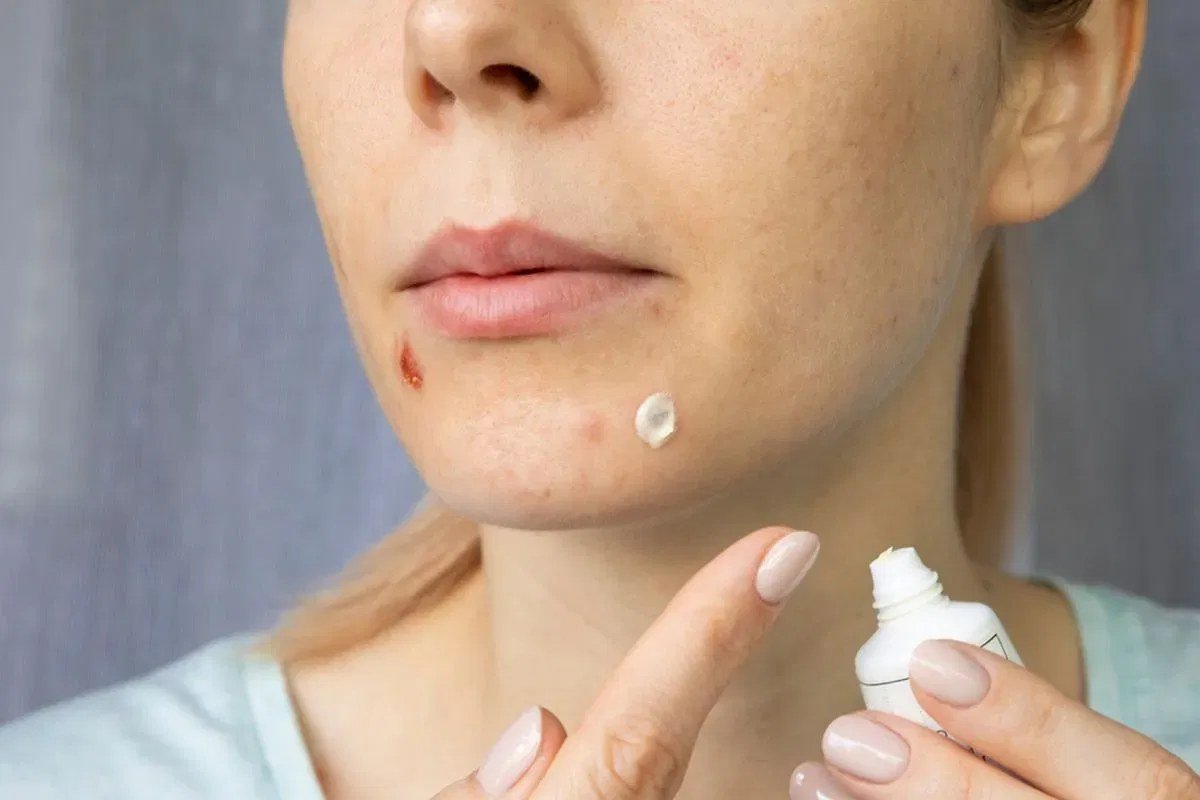
A pea sized amount for the whole face, at night, two to three nights a week at first, building to nightly as tolerated, with moisturiser before or after as a buffer. Sunscreen every morning is part of the treatment, not an extra.
Who Should Buy, and Who Should Skip
Buy if your need matches this guide exactly: you are looking for options for acne scars, you have checked the criteria above against your current routine, and you are willing to introduce the product gradually and judge it over the period the category needs.
Skip if your concern is different from the one in the title, your skin or hair is currently irritated or damaged and needs recovery first, or a clinician has advised you on this concern, in which case their advice comes before any buying guide.
Common Mistakes in Adapalene Gel
Starting three new actives in the same week, which makes reactions impossible to trace
Using more product than directed, which increases irritation without improving results
Skipping sunscreen while using brightening or exfoliating products, which undoes their work
Expecting visible change in days when most skincare actives need weeks of consistent use
Using a pea sized amount per cheek, multiplying irritation without multiplying benefit
Judging at three weeks, when the treatment’s honest checkpoint is twelve
Frequently Asked Questions
How do I choose the right adapalene gel?
Start with the criteria in this guide: match the formula or specification to your skin type and the exact concern in the title, check the published ingredient or specification list, and pick the option whose downsides do not overlap with your problem. The type decision comes first: most disappointment in adapalene gel is a good product bought in the wrong type.
How long before I see results from a adapalene gel product?
It depends on the category, but most skincare products need consistent use over several weeks before a fair judgement. Devices and treatments state their expected course in the manual or on the packaging, and that timeline is the one to follow. Judge on the category’s clock, not on the first week.
What should I avoid when buying for acne scars?
Avoid buying on claims alone: skip options with no published ingredient or specification list, strengths far beyond what your routine needs, and any product whose stated downsides match the exact issue you are trying to fix. Also avoid changing two other parts of your routine in the same week, which makes the new product impossible to judge.
Is the most expensive option always the best?
No. In adapalene gel, price often reflects branding, packaging and extras rather than the core ingredient or specification doing the work. The criteria in this guide matter more than the price band, and mid priced options with the right specification beat premium options with the wrong one.
What is the most common mistake with adapalene gel?
Using a pea sized amount per cheek, multiplying irritation without multiplying benefit A close second: judging at three weeks, when the treatment’s honest checkpoint is twelve
How does adapalene gel fit into a daily routine?
A pea sized amount for the whole face, at night, two to three nights a week at first, building to nightly as tolerated, with moisturiser before or after as a buffer. Sunscreen every morning is part of the treatment, not an extra. Fit decides whether a good product works.
How Long Does It Take for Adapalene Gel to Work?
The companion how-to guide, How Long Does It Take for Adapalene Gel to Work, covers this in full: the step by step method, the right amounts and frequency for your type, and the mistakes that stop it working. It is linked from the routine sections of this page, and it is the right next read once you have chosen a product.
By Mirror & Glow Editorial Desk – November 23, 2026
Retinoids work at the cell level, which is why timelines are months. This guide applies that to how long does it take for adapalene gel to work: the method, the timing, and the traps to avoid.
By Mirror & Glow Editorial Desk – November 23, 2026
Choosing between adapalene gel vs benzoyl peroxide for acne: how each works, where each one wins, what each costs you in trade offs, and who should pick which.
By Mirror & Glow Editorial Desk – November 23, 2026
How to Get Rid of Acne Scars on Back? The short answer first, then the detail: one active at a time, introduced over two weeks, judged at eight to twelve weeks, with timing, amounts and the errors that stop it working.